Boxing Day Deals Coming Soon
Our Boxing Day Sale returns in December 2026. In the meantime, shop our current top deals below.

Boxing Day Sale On Shampoos
Unleash the power of savings with our Boxing Day Sale on shampoo, where incredible deals meet top-quality hair care. Whether you're looking to refresh your hair routine or stock up on essentials, our selection offers something for every hair type and concern. Dive into a world of luscious locks without breaking the bank, as you explore a variety of shampoos designed to nourish, protect, and revitalize. With unbeatable discounts and various choices, now is the perfect time to elevate your hair care game and enjoy the benefits of salon-worthy results at home. Remember, our Low Price Guarantee means you can shop confidently knowing that you'll find the best price at Best Buy, all year round. We encourage you to check our website frequently for the most up-to-date information on our latest offers and savings opportunities.
This product is not available
Check out the following recommendations.
How scalp needs and hair texture shape shampoo choice
Ingredients and formula claims add another layer of context, particularly for coloured, lightened or frequently heat-styled hair. Cleansing agents, also called surfactants, help lift oil and residue so they can rinse away with water. Sulphate-free shampoos use alternative cleansing agents, but the absence of sulphates alone does not establish how gentle or effective a formula will be. The complete formulation and individual tolerance are more informative. Colour-care shampoos are formulated with colour-treated hair in mind, although no shampoo can prevent every cause of fading. Water exposure, washing frequency, heat styling and the type of colour treatment also affect how long a shade looks fresh. Toning shampoos serve a different purpose: violet or blue pigments help counter particular unwanted tones, depending on the starting hair colour and the formula. They are not interchangeable with ordinary cleansers, and their application time and frequency should follow the label. For dry or processed lengths, ingredients such as glycerin, conditioning polymers and certain oils can contribute to a softer feel or improved slip. Protein-containing formulas may temporarily improve the feel of damaged strands, but shampoo cannot permanently mend split ends. Fragrance is another practical consideration, especially for someone who notices irritation from scented personal-care products or simply prefers a less noticeable scent in the shower. Fragrance-free and unscented are not always equivalent descriptions, so the ingredient list remains useful. A sensitive scalp may benefit from a formula designed for that purpose, while persistent itching, redness or flaking deserves advice from a pharmacist or healthcare professional rather than repeated changes based on cosmetic claims. Anti-dandruff shampoos have specific active ingredients and directions; some require contact time before rinsing. An ingredient that suits one person may not suit another, even when both describe their scalp as dry. That is why intended use, clear directions and previous experience with similar formulas provide a stronger basis for choosing than a long list of fashionable ingredients.
Bottle design, size and storage also shape how comfortably shampoo fits into daily life. A pump can be convenient on a shower shelf, particularly when handling a larger bottle with wet hands, while a flip-top cap may be simpler to close securely in a shared bathroom. A smaller container takes up less space in a gym bag or overnight kit, provided the closure is secure and the bottle is packed to contain possible leaks. Container durability matters during regular handling: a sturdy bottle and a cap that closes cleanly help keep the contents contained, but no closure should be assumed leakproof unless it is described that way. Volume is usually stated in millilitres or litres, giving a clearer sense of bottle size than photographs alone. How long that volume lasts depends on washing frequency, hair density and the amount used each time; a larger bottle is not automatically the most practical choice for someone who alternates between formulas. Storage directions and any period-after-opening symbol help indicate how the shampoo should be kept and used once opened. Keeping the closure clean and avoiding added water helps preserve the formula as intended. During washing, the scalp is usually the main focus for cleansing, with the lather rinsing through the lengths unless the label directs otherwise. Thorough rinsing is especially useful around the nape and behind the ears, where residue can be easy to miss. A conditioner applied according to its directions can address softness and detangling without asking shampoo to do every job. For routines that continue beyond cleansing, hair styling products for Boxing Day relate to the next steps, such as defining curls, adding hold or preparing hair for a blow-dry. Shampoo can also be a thoughtful part of a personal-care gift when the recipient’s preferences are already known. A familiar scent, a compatible colour-care formula or an easy-to-use bottle is more personal than an unfamiliar treatment selected without knowing their routine. Whether intended for a busy family bathroom, a post-workout wash or a carefully maintained colour appointment routine, the best fit is a cleanser that meets a clear need and feels comfortable to use consistently.
Top selling and popular products
-
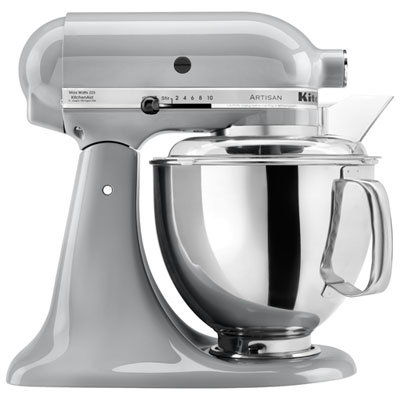 Your price for this item is $404.98
 -
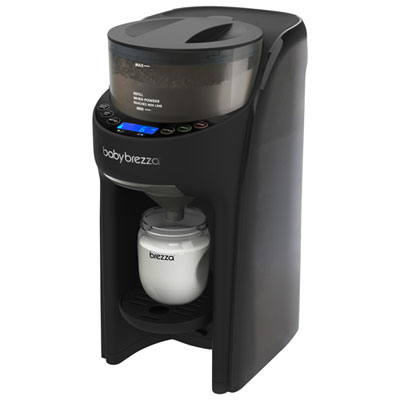 Your price for this item is $369.99
 -
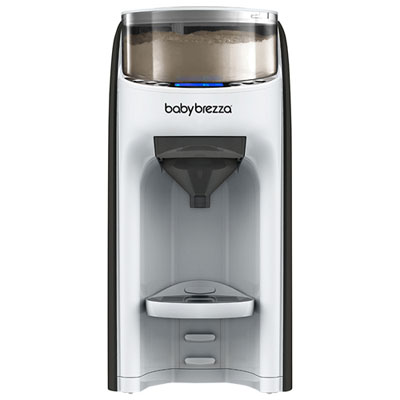 Your price for this item is $248.99
 -
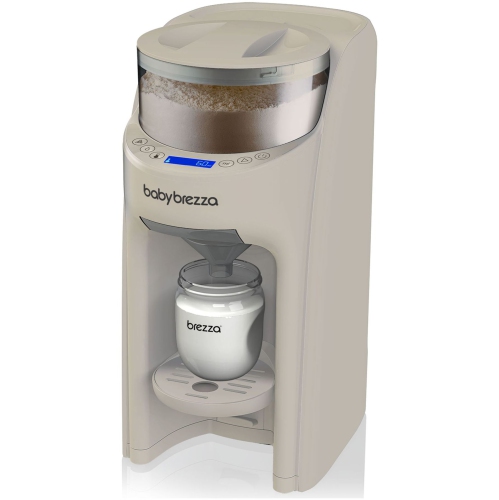 Your price for this item is $299.99
 -
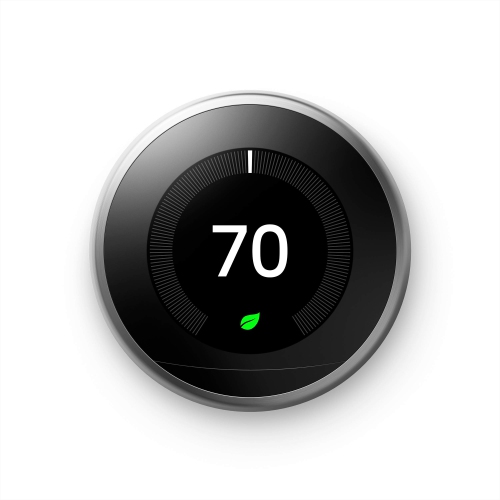 Your price for this item is $303.46
 -
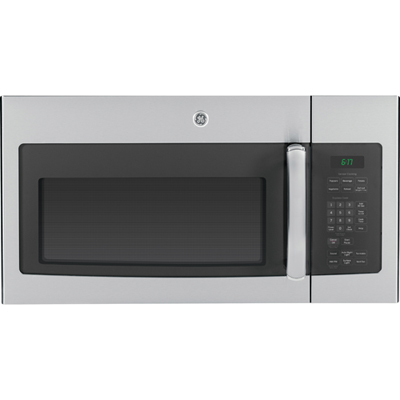 Your price for this item is $398.99
 -
 Your price for this item is $1399.99
 -
 Your price for this item is $89.95