Boxing Day Deals Coming Soon
Our Boxing Day Sale returns in December 2026. In the meantime, shop our current top deals below.

Boxing Day Sale On Soccer Equipment
Get ready to score big this Boxing Day with unbeatable deals on soccer equipment at Best Buy Canada! Whether you're a seasoned player looking to upgrade your gear or a beginner eager to kick off your soccer journey, our selection offers something for everyone. From training essentials to game-day must-haves, you'll find everything you need to enhance your performance on the field. Dive into savings and discover top-quality soccer equipment that will have you playing like a pro without breaking the bank. Don't miss out on these limited-time offers—gear up and get ready for an exciting season ahead! Remember, our Low Price Guarantee means you can shop confidently knowing that you'll find the best price at Best Buy, all year round. We encourage you to check our website frequently for the most up-to-date information on our latest offers and savings opportunities.

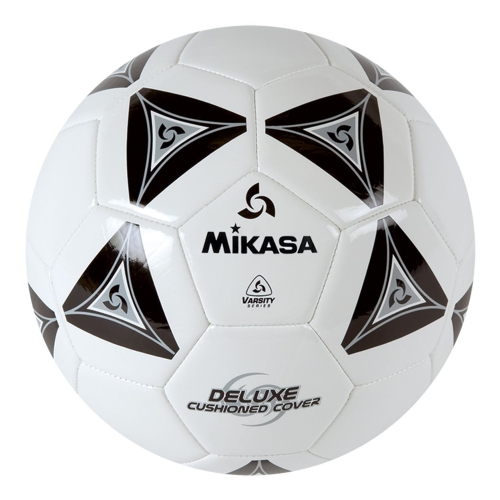
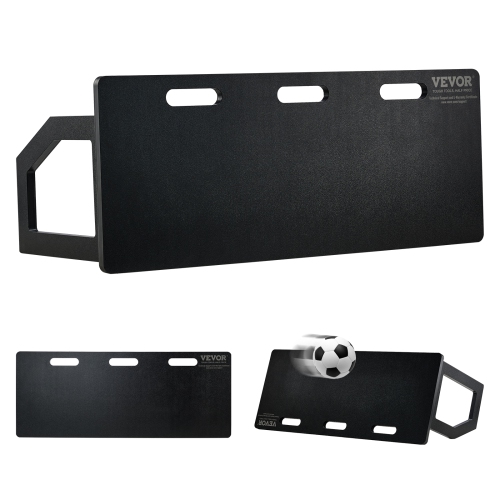
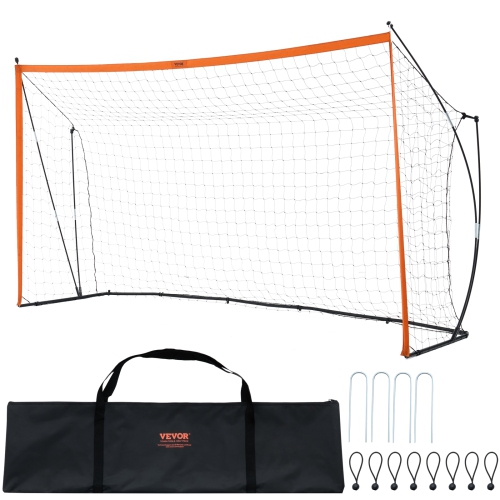
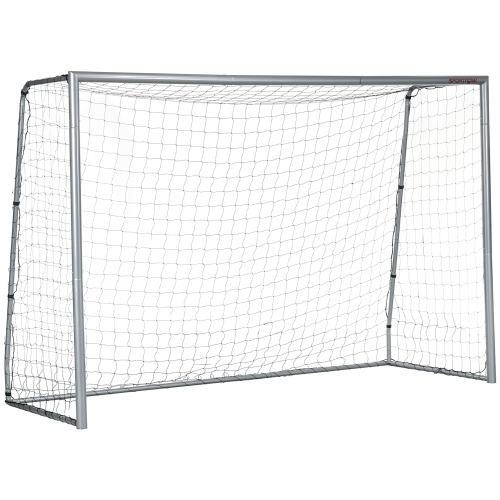
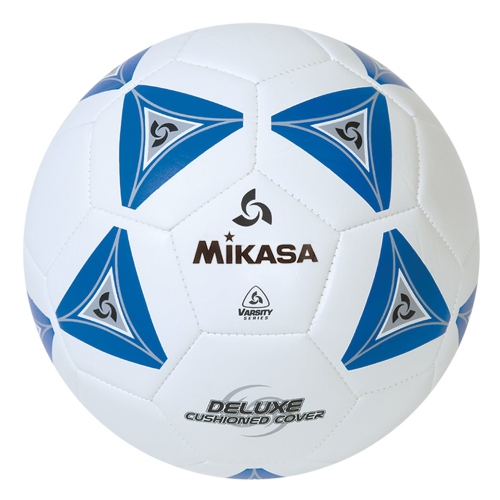
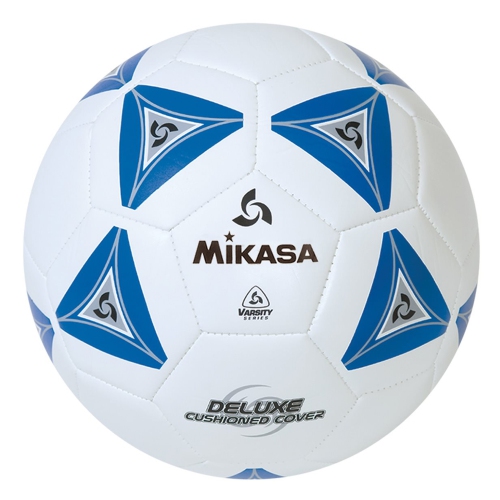
The right soccer gear starts with where you play
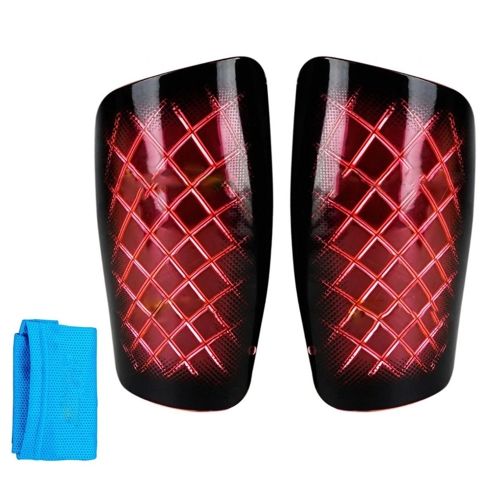
Footwear and protective equipment are closely tied to the demands of the playing surface. Natural grass, artificial turf, and smooth indoor courts require different types of traction, and the facility’s footwear rules matter alongside the player’s preferences. Firm-ground cleats are generally intended for suitable natural grass conditions, while turf footwear commonly uses numerous short rubber studs for traction on compatible surfaces. Artificial-grass footwear has its own outsole designs, and indoor court shoes typically have flat rubber soles, often with a non-marking finish where required. These differences are not simply cosmetic: the contact between the outsole and the ground affects grip, movement, and the feel of each turn. Fit deserves equal attention. Soccer footwear should hold the heel securely and feel snug through the midfoot without squeezing the toes or creating pressure points. Trying footwear with the socks normally worn for play gives a more realistic sense of fit, particularly for children whose feet are still growing. Excess space is not a substitute for a suitable size, since sliding inside the shoe can interfere with control and comfort. Upper materials also influence the wearing experience. Leather can soften and adapt with use, while synthetic materials vary widely in flexibility, weight, and water absorption. Knit sections may add stretch, though support depends on the complete construction rather than one material alone. Shin guards should provide appropriate coverage without restricting the ankle or knee, and their shape and fastening system affect how securely they stay in place during movement. League requirements may specify acceptable protection, especially for junior players. Socks help keep the overall fit comfortable, with heel shaping, cushioning, and fabric composition influencing how they feel through a full session. For goalkeepers, glove sizing, finger room, wrist closure, and palm construction deserve similar care. Latex palms can provide grip, but their wear rate depends partly on the surface and how they are used. Repeated contact with abrasive ground can be harder on glove palms than play on well-maintained grass.
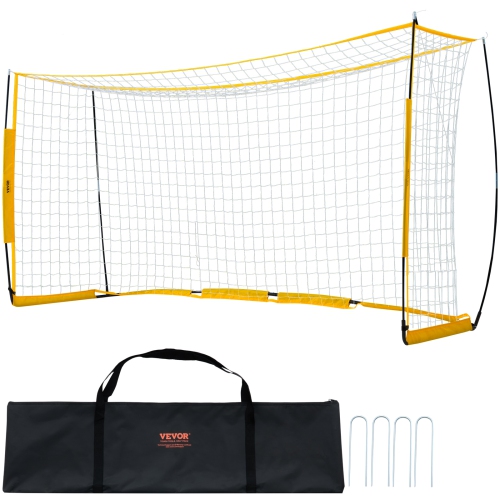
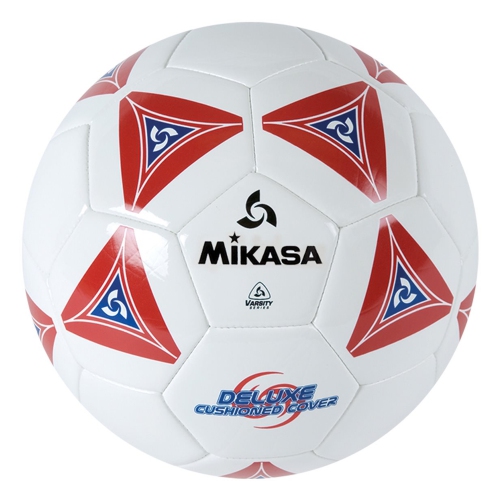
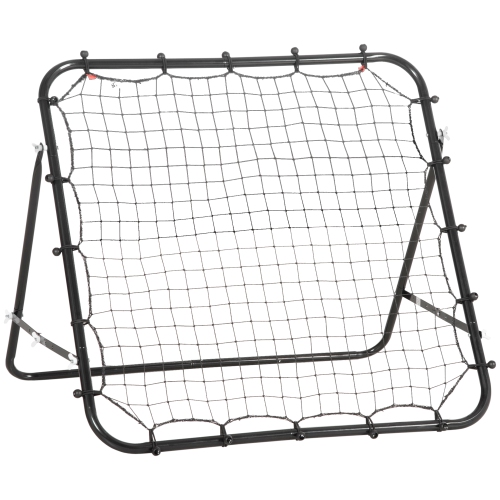
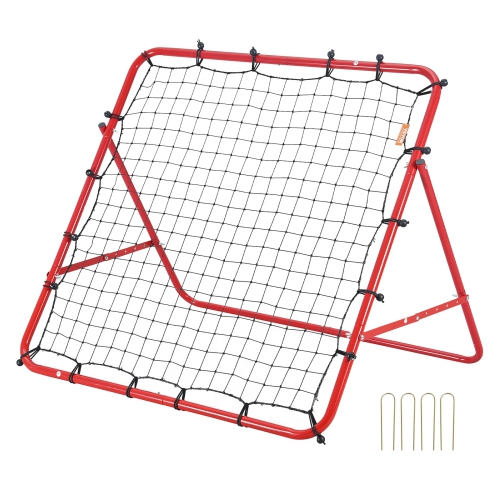
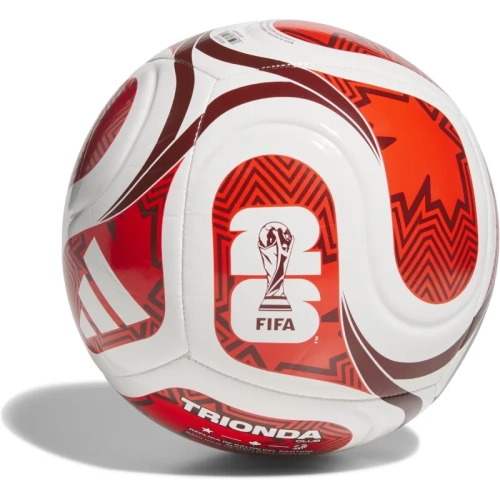
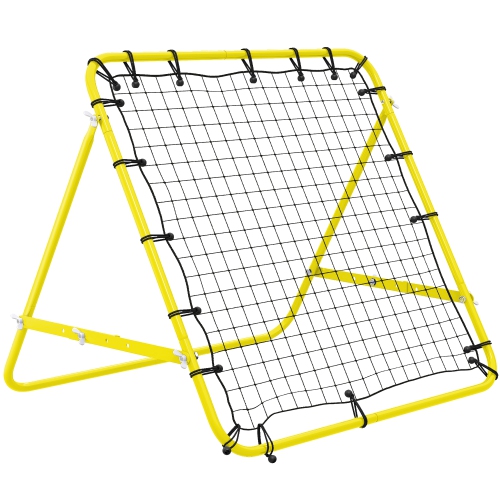
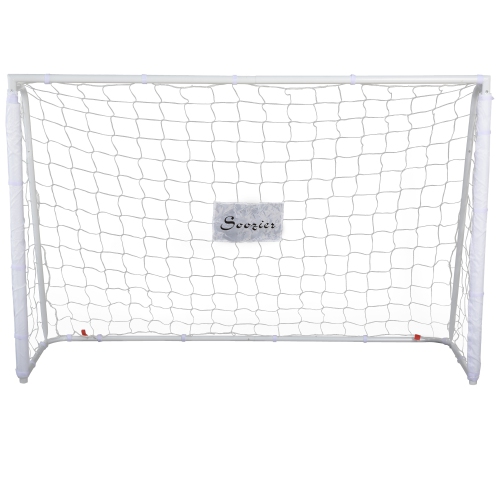
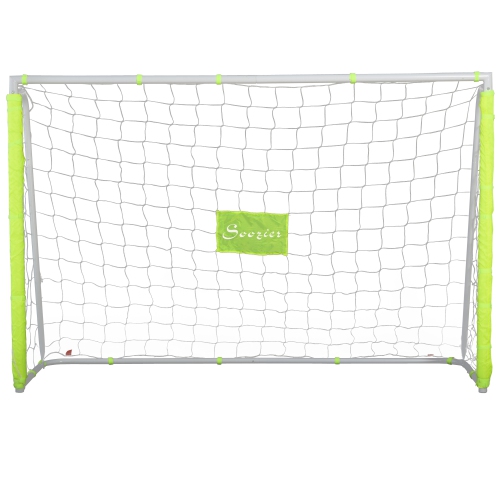
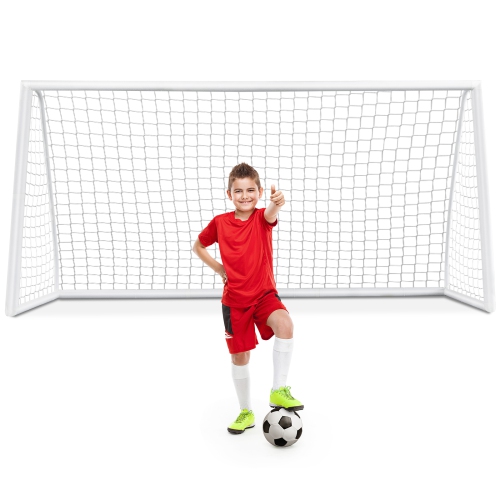
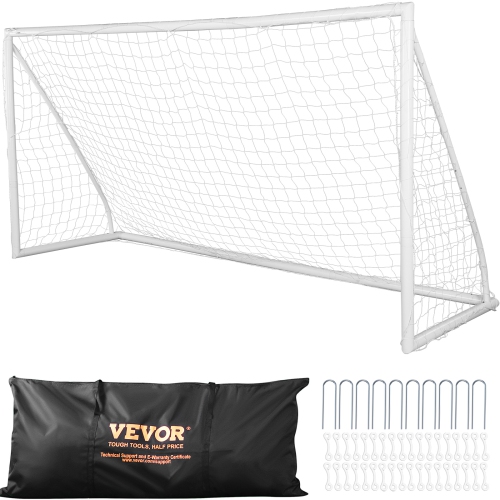
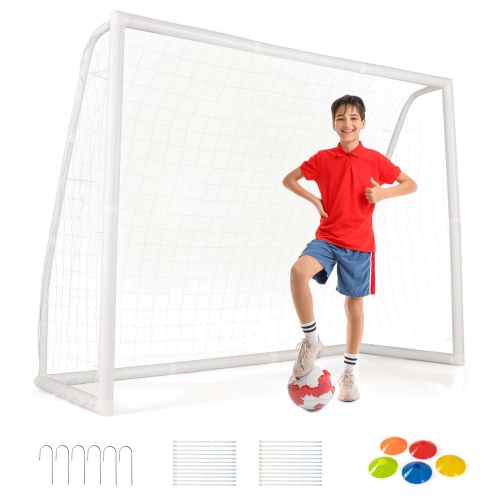
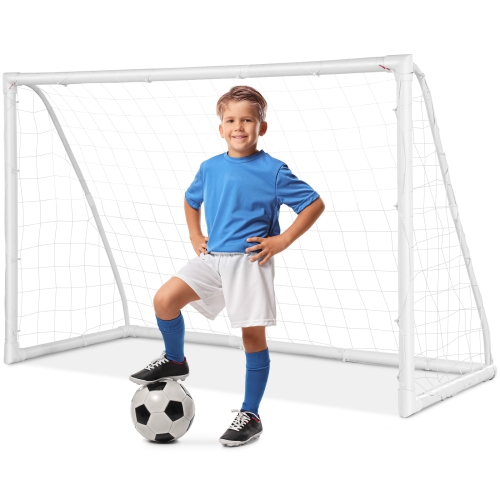
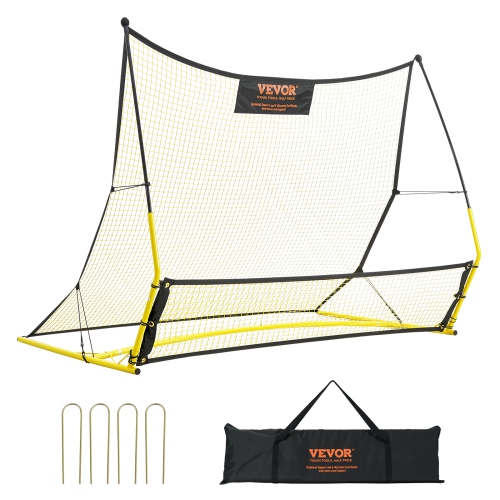
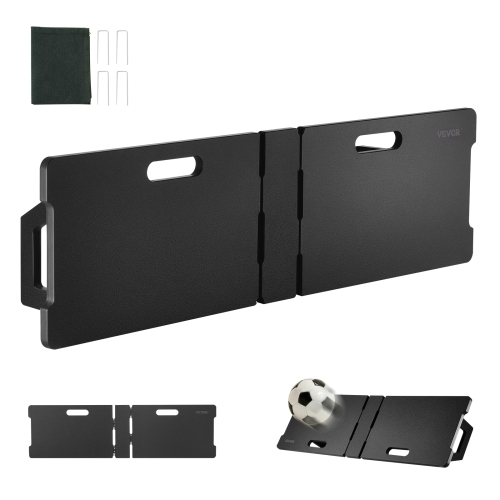
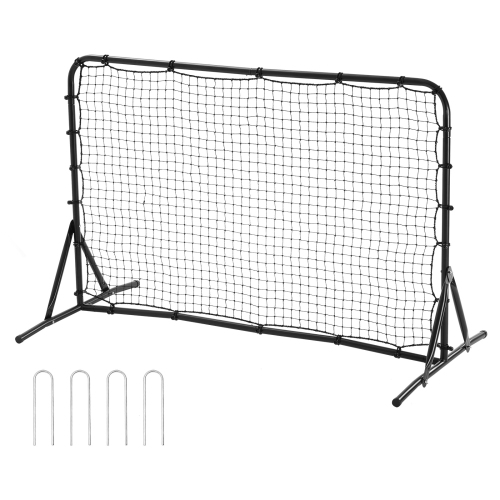
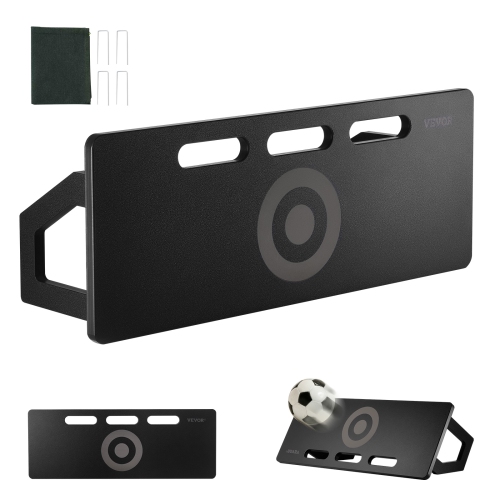
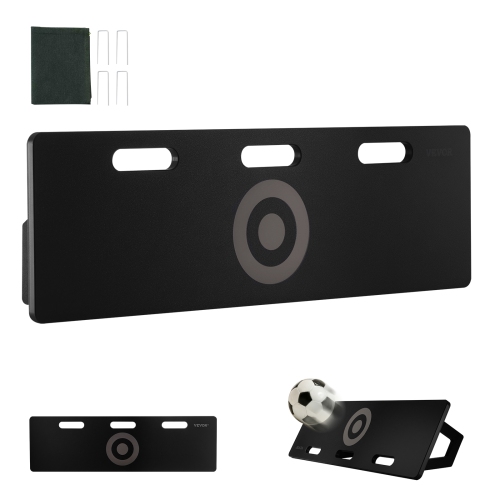
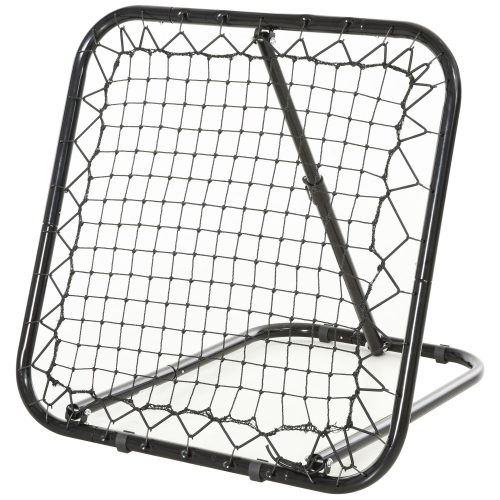
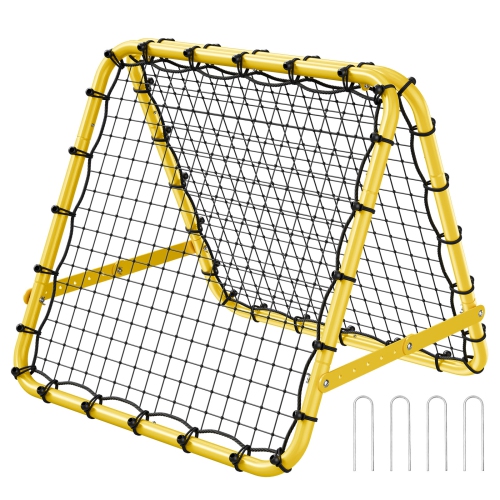
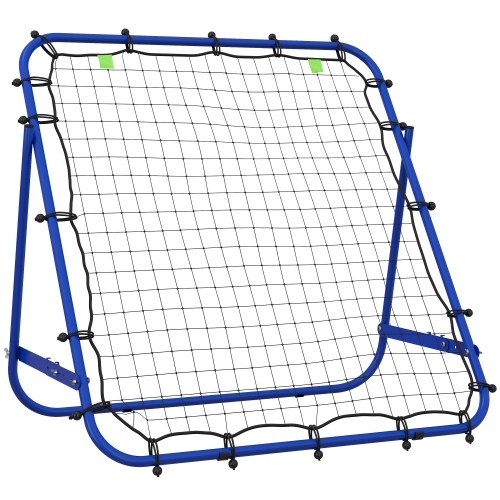
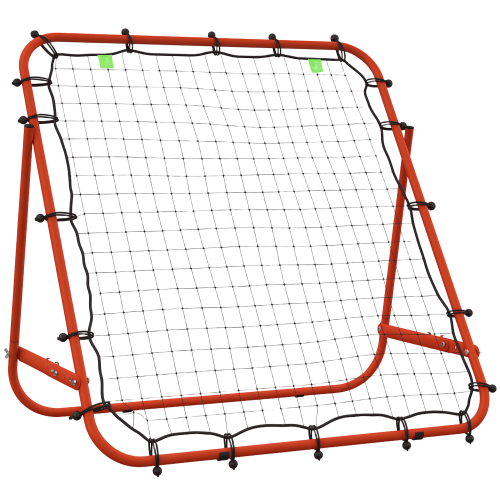
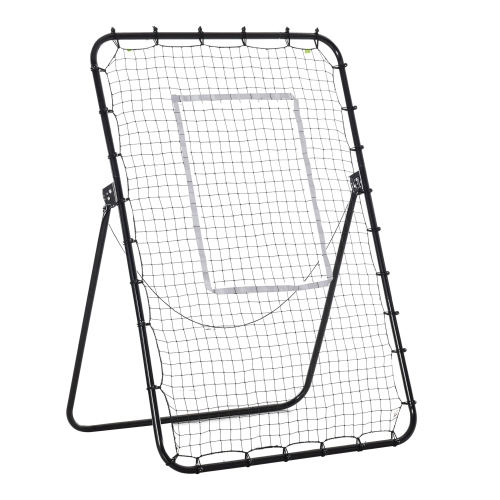
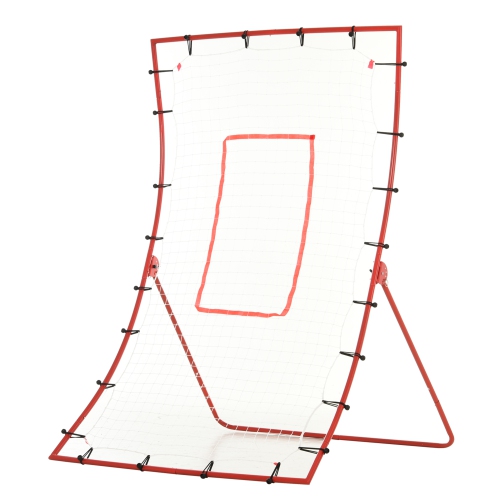
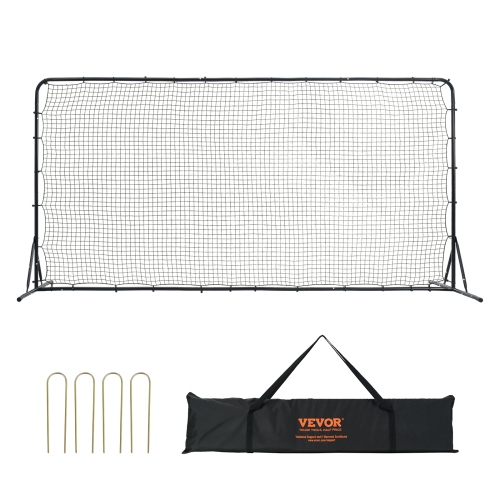
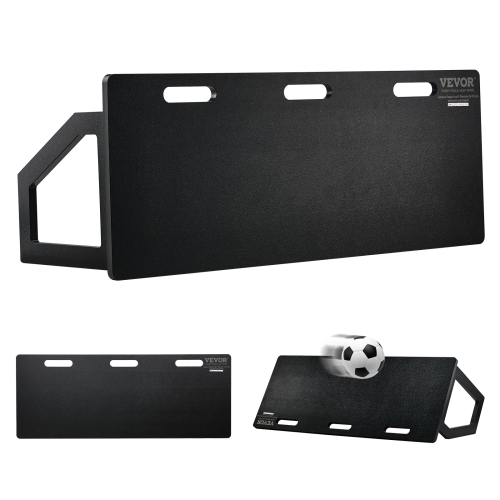
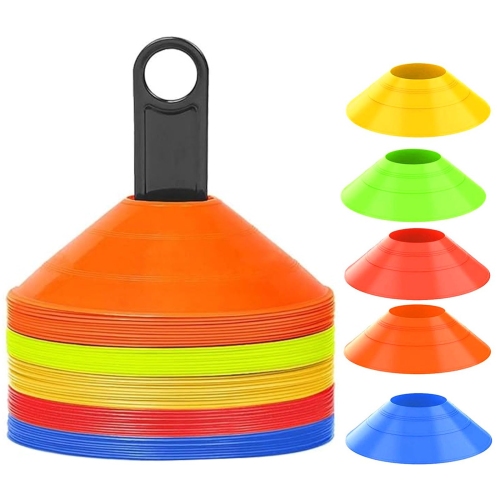
Training equipment supports everything from a few quiet touches before dinner to structured drills shared by a whole team. Its value often comes from how easily it fits into the available space and the player’s habits. Portable goals need suitable dimensions, secure assembly, and anchoring that follows the manufacturer’s instructions; they should never be climbed on or used without the required securing method. A compact setup may suit supervised practice in a yard, while organised sessions call for equipment matched to the facility and the number of players taking part. Markers can define passing lanes or small playing areas without requiring permanent field lines, and rebound equipment can support repeated touches where there is enough clearance for the ball’s return. For shared spaces, visibility, storage, and the distance from windows, roads, and other people are practical considerations. Durability depends on both construction and care. Reinforced seams, secure fastenings, and appropriately finished frames are useful details, but no material removes the need for regular checks. Loose connections, damaged netting, cracked surfaces, and worn straps can affect whether equipment remains suitable for use. After a wet session, removing loose dirt and allowing footwear and protective gear to dry naturally helps keep them ready for the next outing. Direct heat can damage some adhesives and materials, while damp gear left in a closed bag can develop odours. Care labels and manufacturer instructions remain the best reference for washing clothing, cleaning glove palms, and storing balls or portable equipment. A bag with separate compartments can help keep muddy footwear away from clothing, and opening it after practice gives moisture a chance to escape. For households balancing several sports, Boxing Day volleyball equipment may also be relevant to a mix of court and field activities. Soccer gear is most useful when it supports repeatable, enjoyable play, whether that means getting ready for a weekend match, working on a weaker-foot pass, or sharing an unhurried game with friends. Equipment matched to the player and setting leaves more attention for the movement, teamwork, and skill that make soccer rewarding.
Top selling and popular products
-
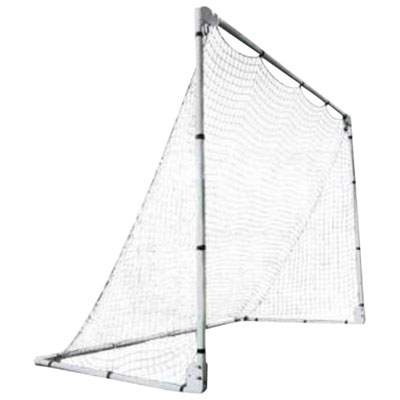 Your price for this item is $199.98
 -
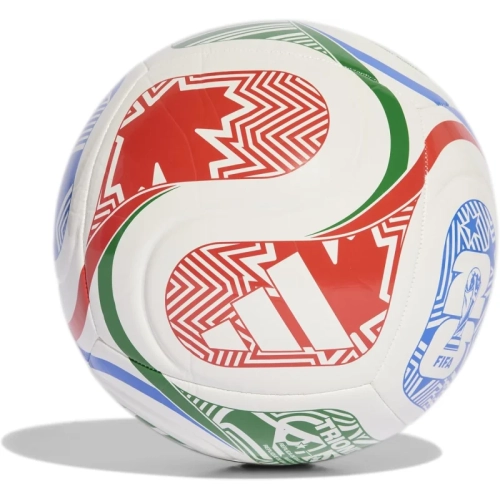 Your price for this item is $49.99
 -
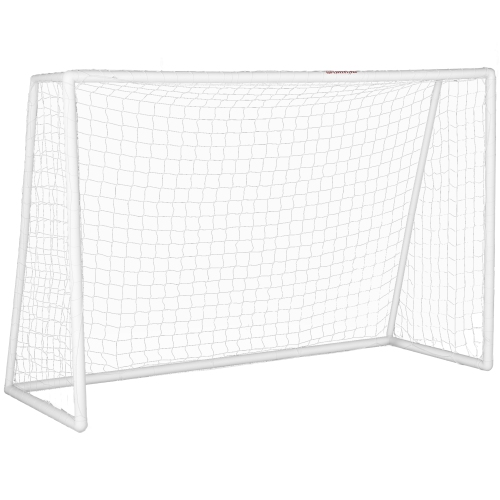 Your price for this item is $112.99
 -
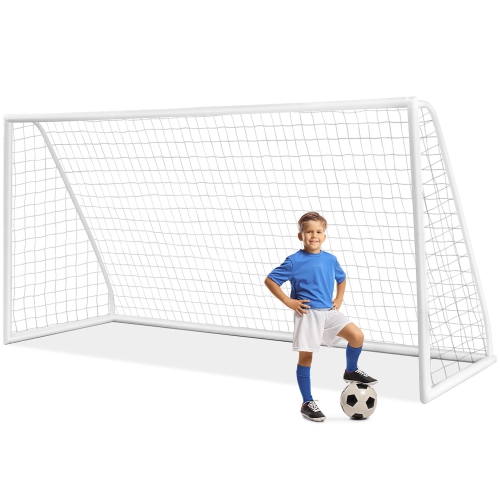 Your price for this item is $129.99
 -
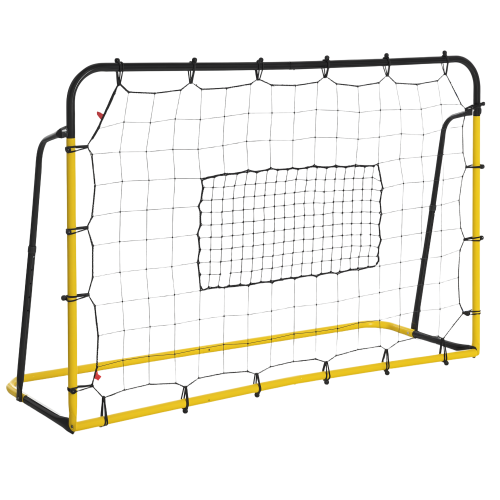 Your price for this item is $64.99
 -
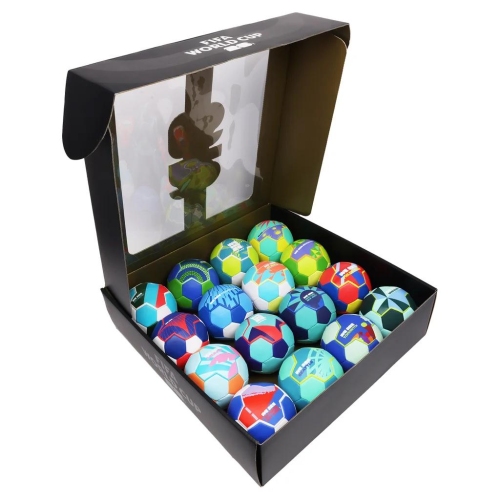 Your price for this item is $74.99
 -
 Your price for this item is $80.99
 -
 Your price for this item is $45.99