Boxing Day Deals Coming Soon
Our Boxing Day Sale returns in December 2026. In the meantime, shop our current top deals below.

Boxing Day Sale On Hockey Equipment
Score big savings this Boxing Day with unbeatable deals on hockey equipment! Whether you're gearing up for your next game or just starting out, now is the perfect time to upgrade your gear. Discover a wide range of essentials, from protective gear to sticks and skates, all designed to enhance your performance on the ice. With discounts that make it easier than ever to get the equipment you need, you'll be ready to hit the rink with confidence. Explore our selection and find everything you need to elevate your game while enjoying fantastic savings. Remember, our Low Price Guarantee means you can shop confidently knowing that you'll find the best price at Best Buy, all year round. We encourage you to check our website frequently for the most up-to-date information on our latest offers and savings opportunities.






Hockey gear that fits the way you play
Materials and construction influence how hockey equipment feels, responds, and holds up through repeated use. Skate boots combine structured support with interior padding, but stiffness and shape vary, affecting how securely the heel sits and how easily the player can flex forward. A close, comfortable fit is important; excessive room can allow the foot to slide, while pressure across the forefoot or ankle can make even a short skate unpleasant. Thick socks do not reliably correct an oversized fit, and children’s equipment should not be so large that anticipated growth takes priority over control. Protective equipment commonly combines moulded shells, impact-managing foams, fabric coverings, and adjustable closures. These components work together to provide coverage while allowing movement, although no equipment can eliminate the risk of injury. Coverage is especially noticeable when a player crouches, extends an arm, or reaches for a puck: gaps and shifting sections may become apparent only once the body moves. Helmets and face protection need the correct fit, compatible components, and certification accepted by the relevant hockey association or facility. Fit instructions, condition checks, and any manufacturer replacement guidance remain important regardless of experience level. Gloves need enough finger room for comfort without leaving the hand floating inside, and the palm material affects both grip and feel. Stick construction also changes the playing experience. Wood and composite designs differ in weight and response, while length, flex, blade pattern, and lie affect how the stick meets the playing surface and handles a puck or ball. Shooting side is not always the same as writing-hand preference, making it worth confirming before selecting equipment as a gift. A developing player generally benefits from a setup that can be controlled comfortably rather than one chosen to imitate an adult player’s specifications. Goalies have additional fit considerations around stance, lateral movement, and how protective sections overlap. For any position, the interaction between pieces matters as much as their individual fit: comfortable equipment should work together through the movements the player repeats most often.
Durability depends on both intended use and everyday care, particularly when hockey equipment travels regularly between home, the rink, and a crowded dressing room. Reinforced stitching, securely attached fasteners, abrasion-resistant outer fabrics, and replaceable components can all contribute to practical longevity, but construction should still match the playing surface and frequency of use. Rough pavement can wear through materials intended for ice, and a piece designed for casual practice may not be suitable for organized play. After a session, moisture management is one of the simplest ways to help equipment remain comfortable and serviceable. Opening a bag and separating damp pieces allows them to dry more thoroughly than leaving everything compressed together until the next game. Removable liners and washable fabric sections should be cleaned according to their care labels, while rigid components, adhesives, and padding may require different treatment. Direct heat can damage some materials, so manufacturer care instructions matter more than finding the fastest drying method. Skate blades benefit from being wiped dry after use, with walking protection kept separate from storage practices so trapped moisture does not encourage rust. Regular attention to blade condition and sharpening helps maintain a predictable feel on the ice, while loose hardware, torn straps, cracked shells, and worn glove palms deserve attention before another session. A helmet that has taken a significant impact may need replacement even when damage is not obvious, following the manufacturer’s guidance. Storage and transport also shape the everyday experience: equipment needs enough room to air out at home and a manageable way to move through doorways, hallways, and rink entrances. For households balancing several sports, keeping gear organized by activity makes it easier to arrive with the right protection and accessories rather than discovering a missing piece beside the bench. Families whose interests also extend to court sports can explore volleyball equipment for another familiar team activity. Whether hockey is a new interest, a weekly social routine, or a long-standing competitive commitment, appropriate fit, suitable materials, and consistent care help equipment serve its purpose through repeated practices and games.
Top selling and popular products
-
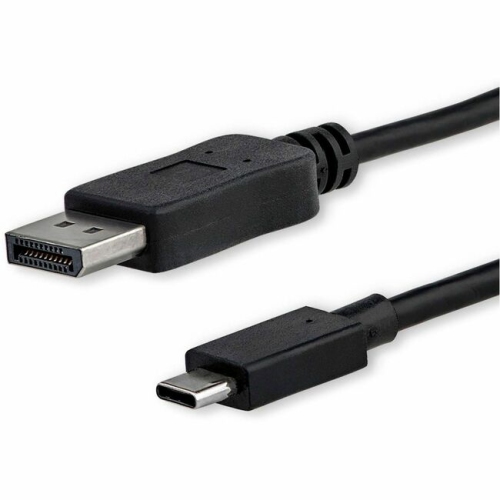 Your price for this item is $21.99
-
 Your price for this item is $37
-
 Your price for this item is $25.99
-
 Your price for this item is $109.99
-
 Your price for this item is $119.99
-
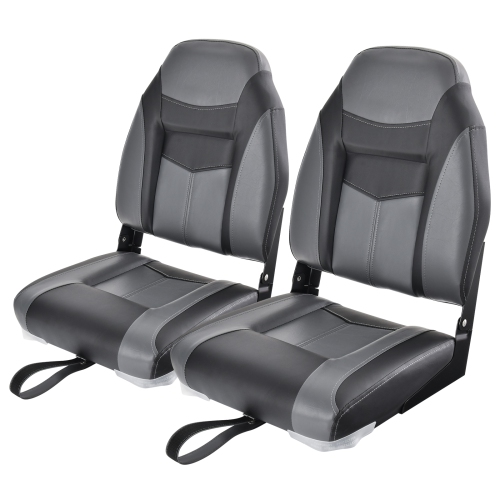 Your price for this item is $169.99
-
 Your price for this item is $36.99
-
 Your price for this item is $69.99