Breast Pumping Bottle Feeding
Breast pumping is a common way to feed your baby. It's also one of the most challenging. The right bottle can make the process easier and more comfortable. Here are some of our top picks for breast-pumping bottles.
Sort
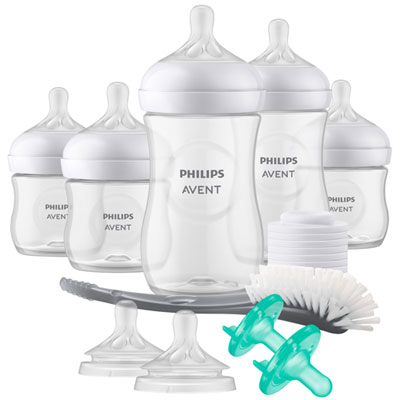
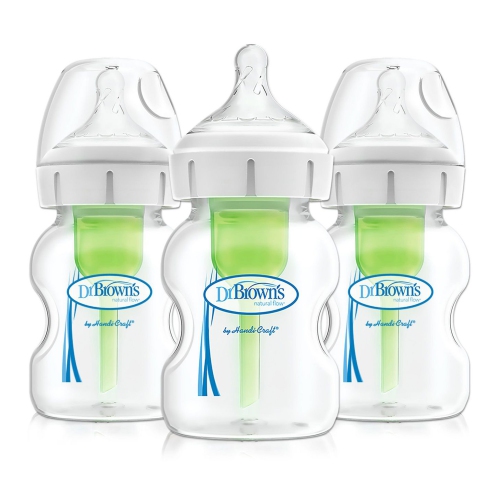
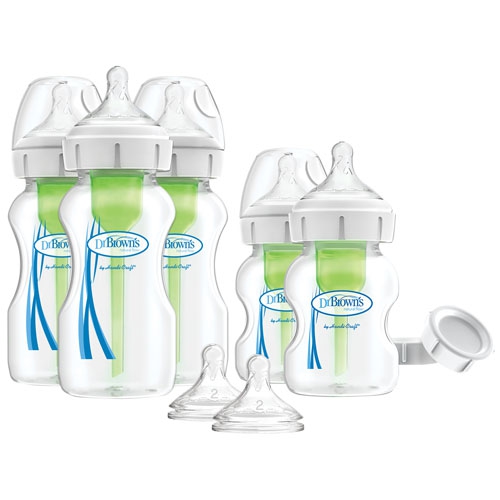
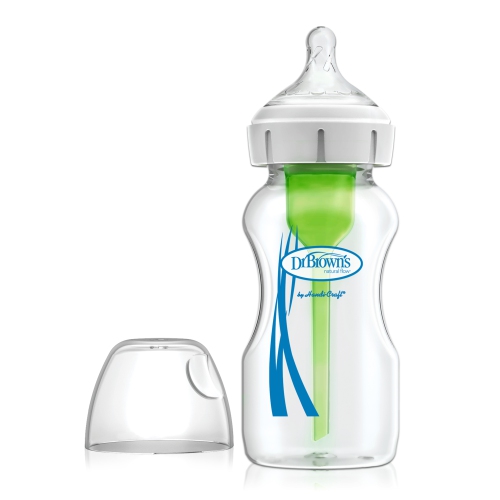
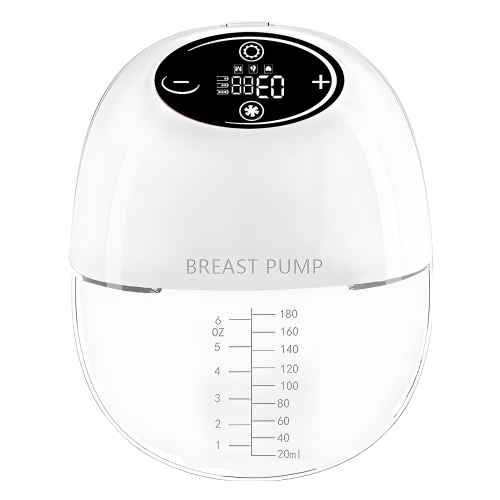
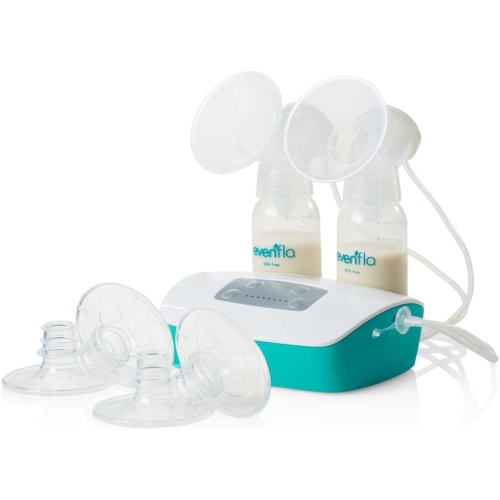
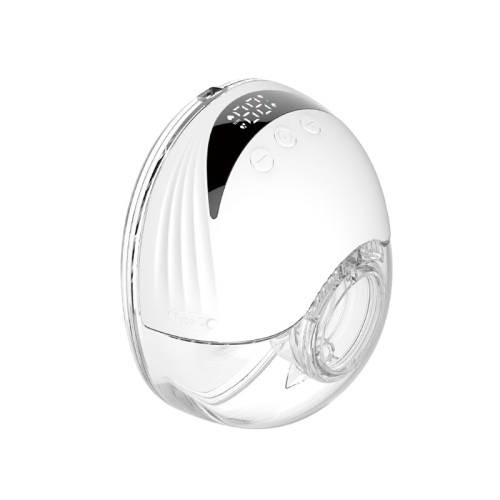
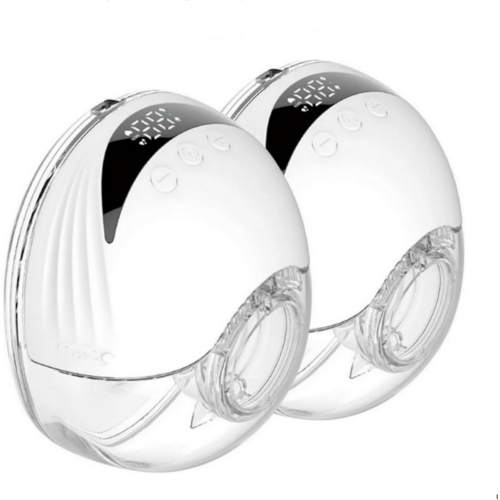
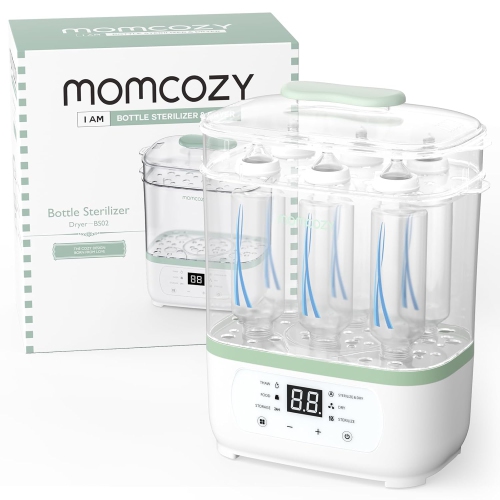
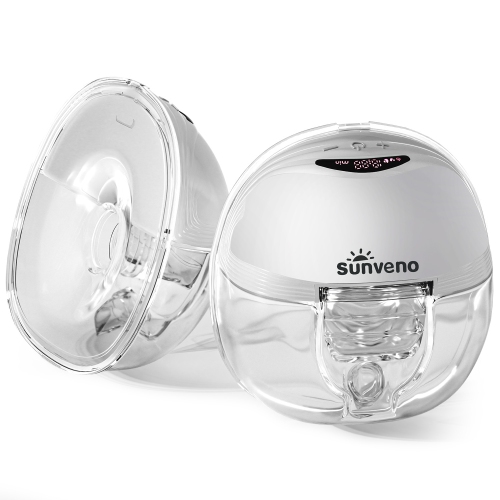
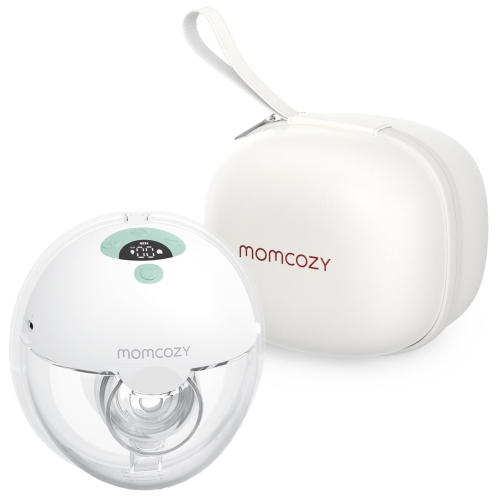
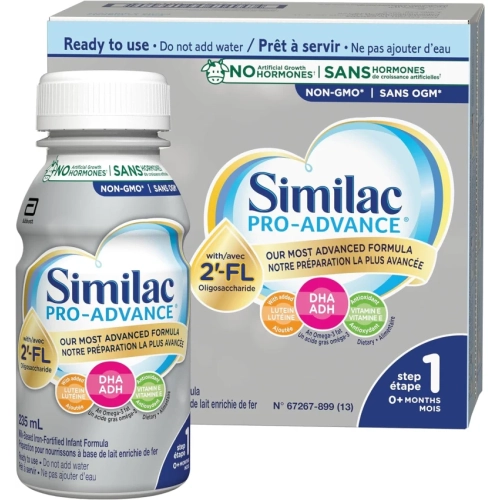
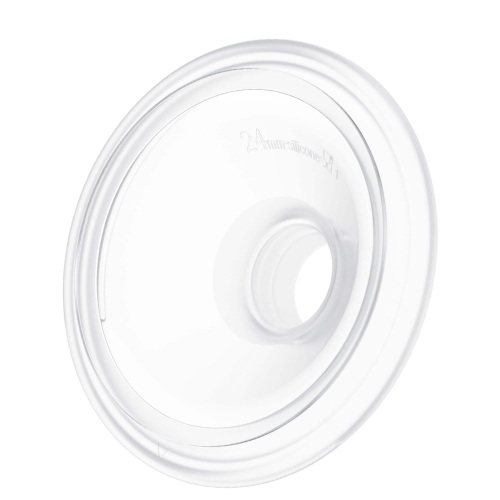
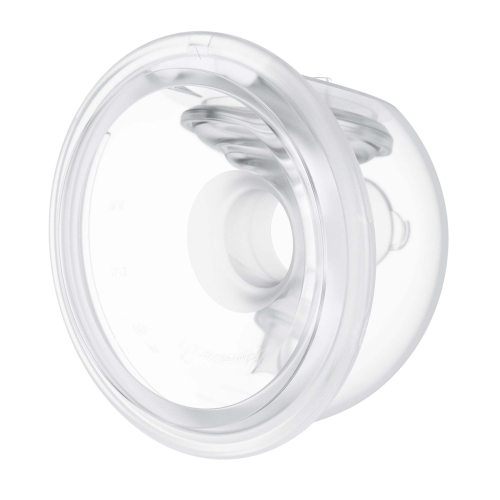
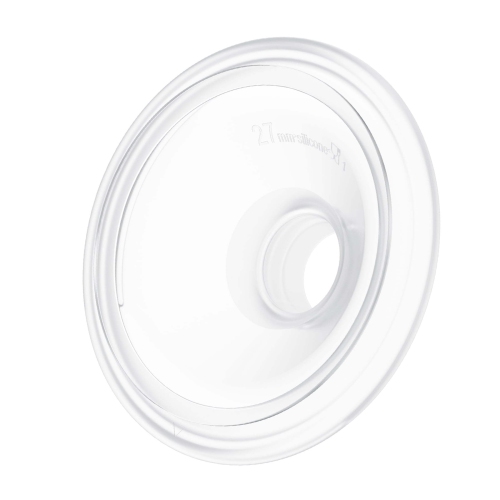
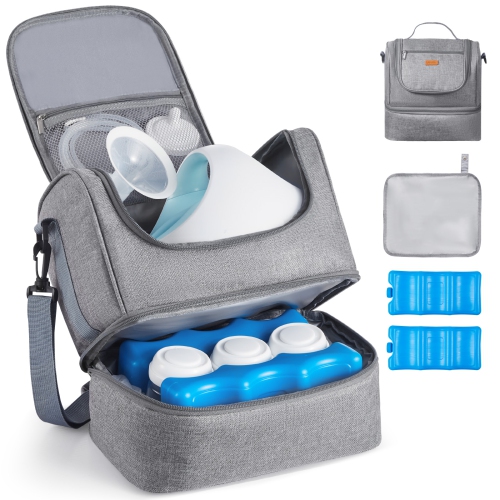
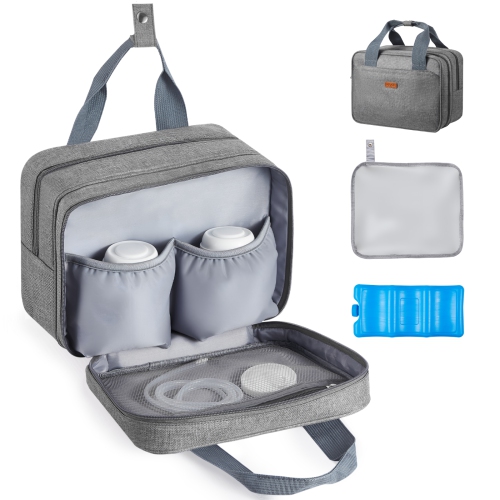
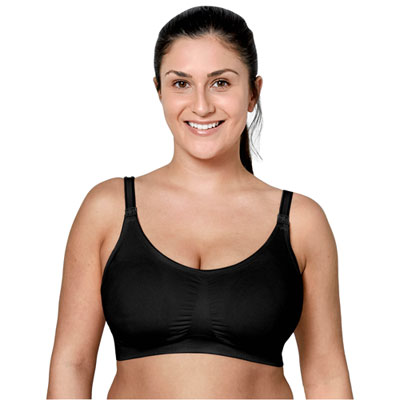
From pumping at work to sharing feeding duties
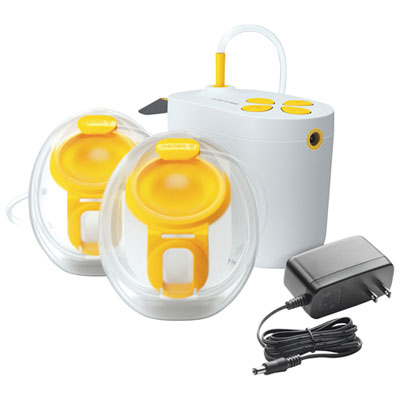
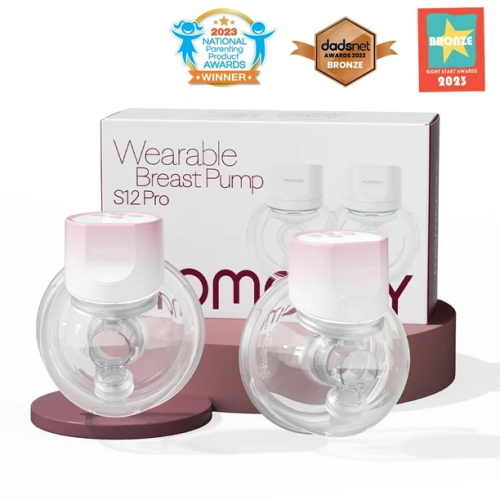
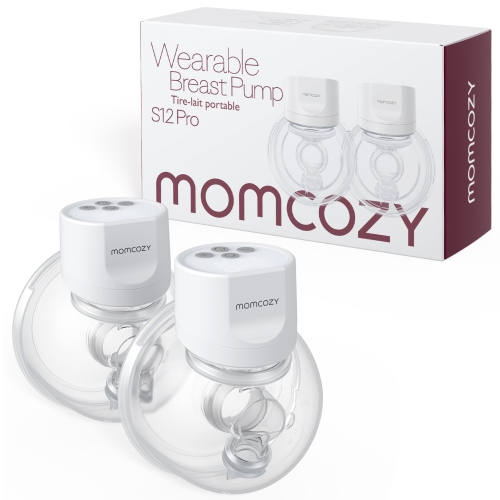
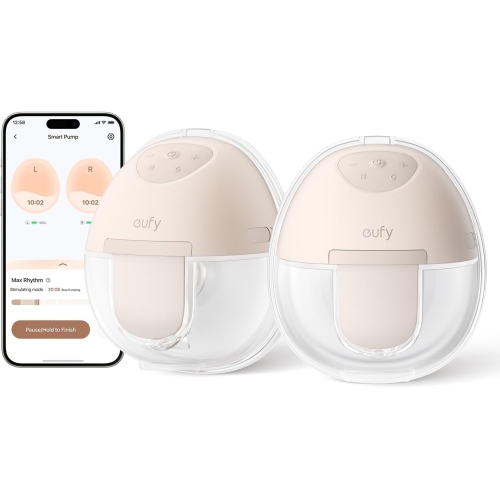
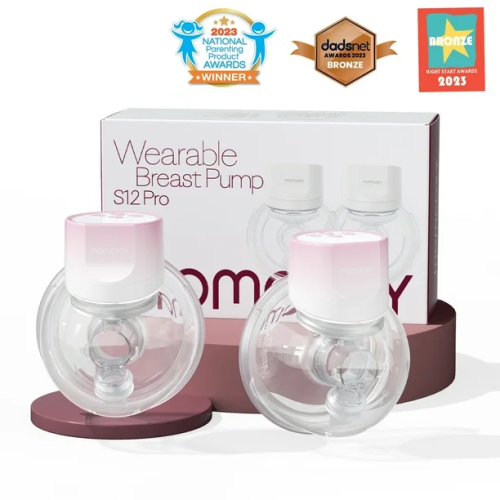
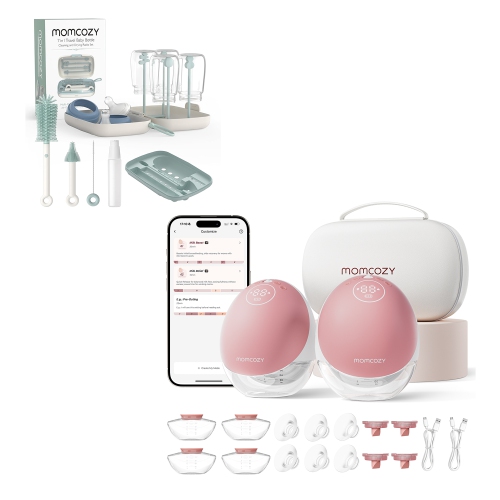
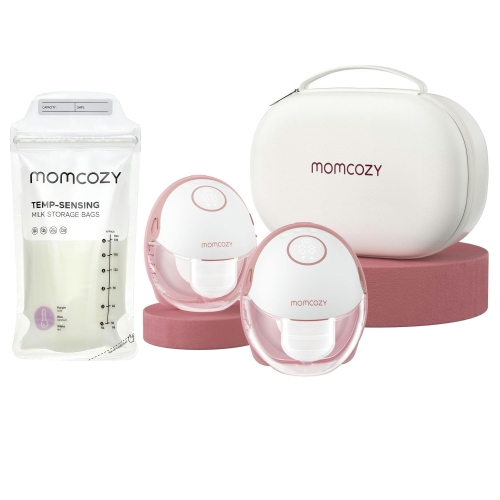
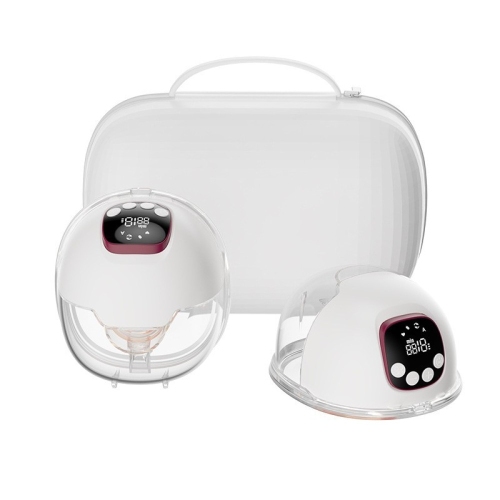
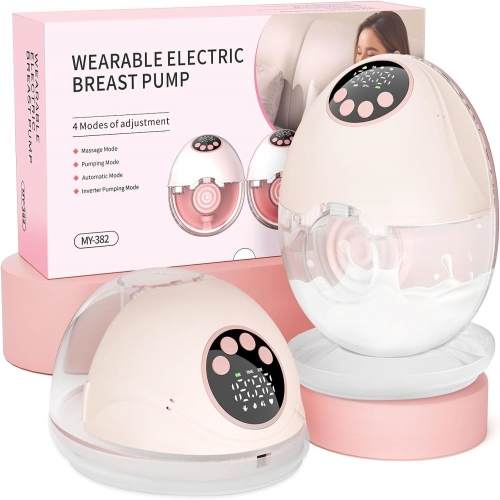
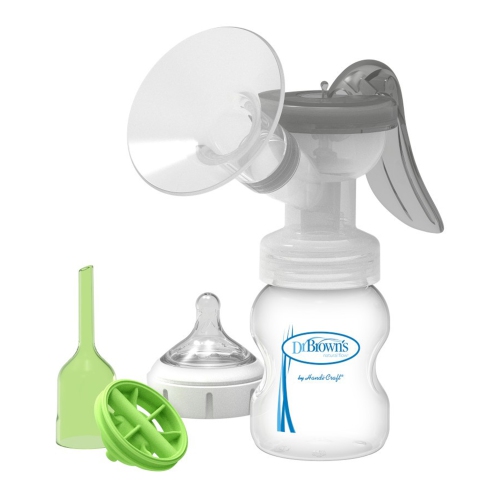
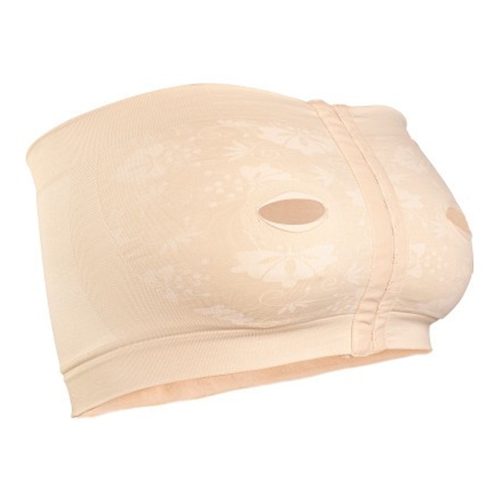
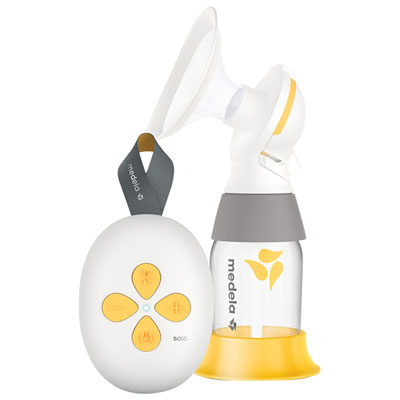
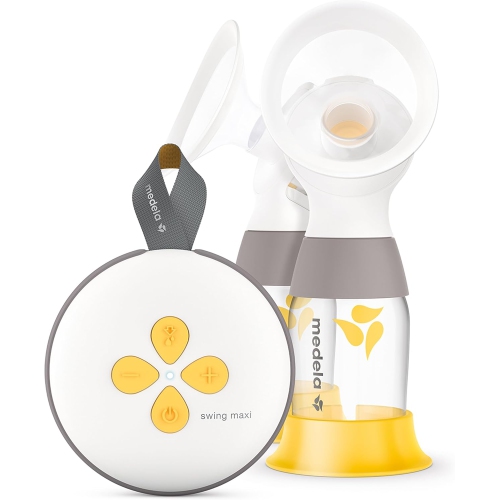
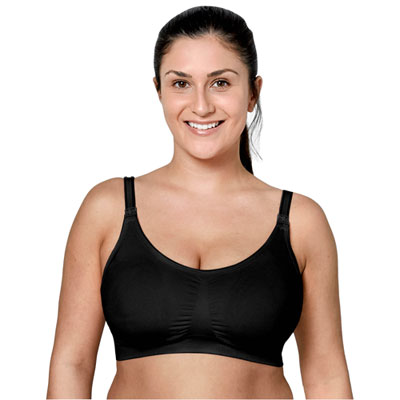
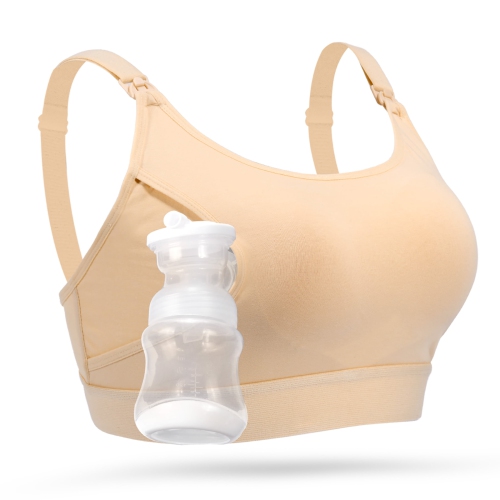
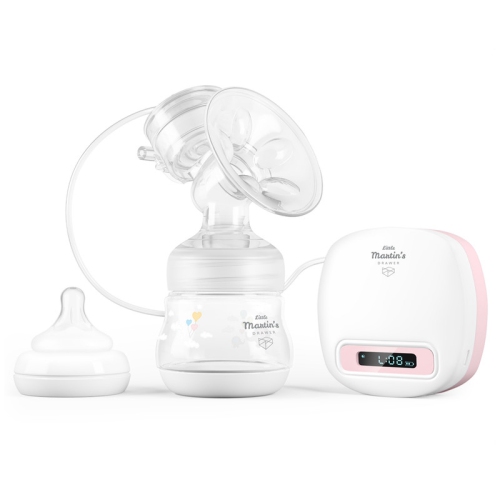
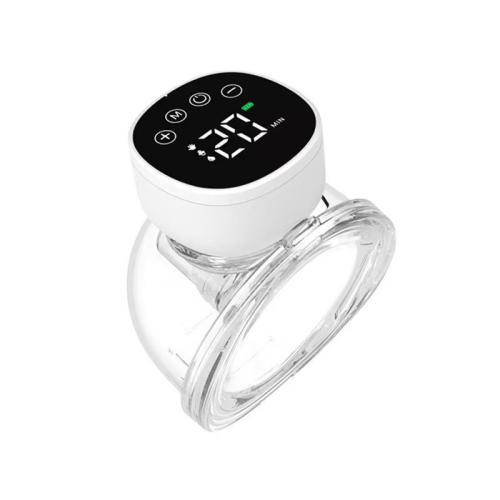
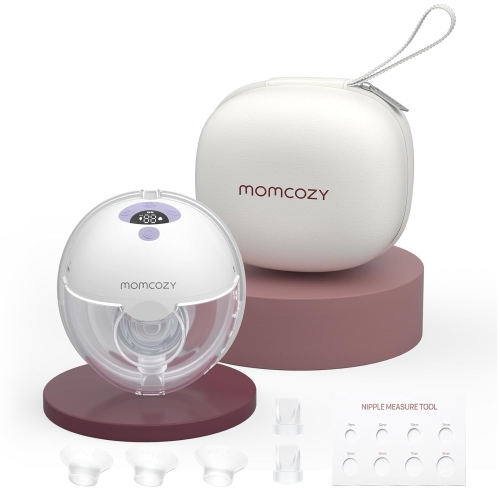
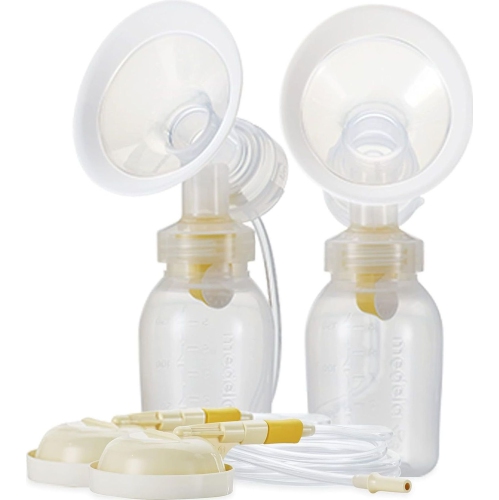
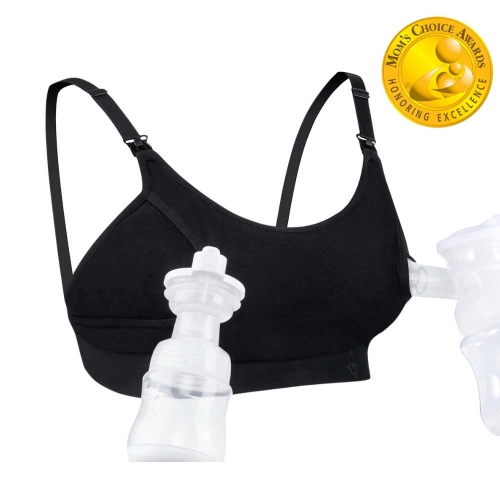
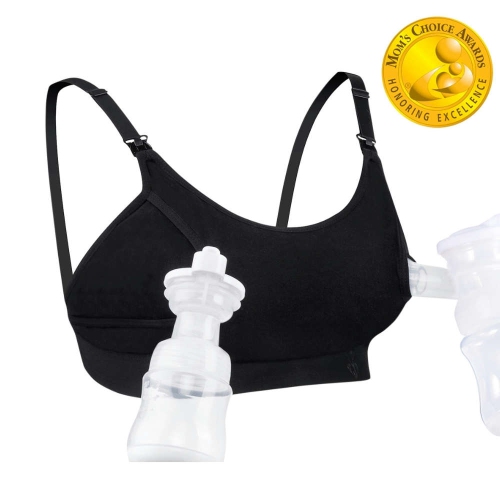
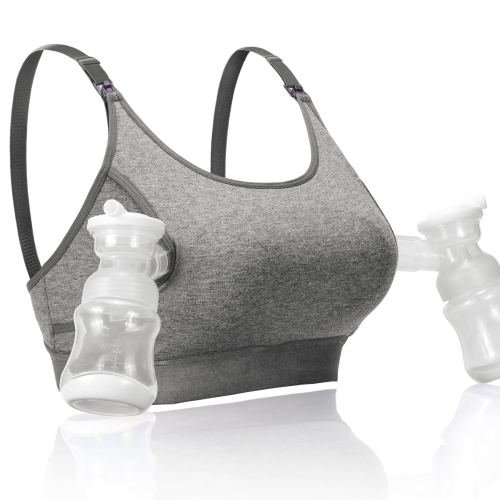
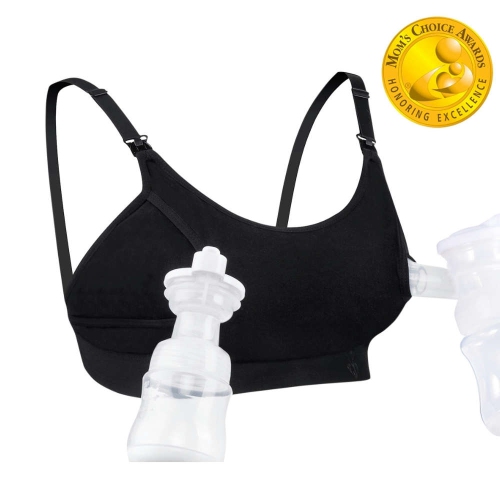
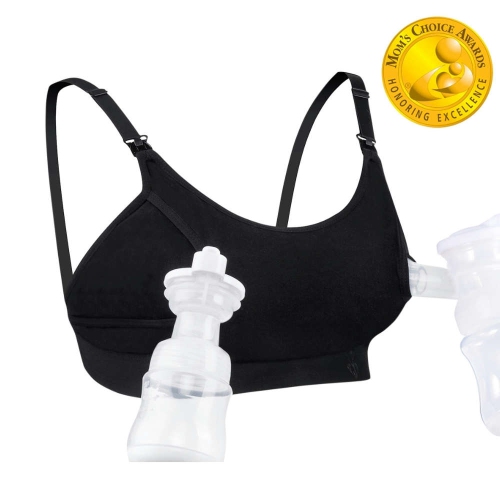
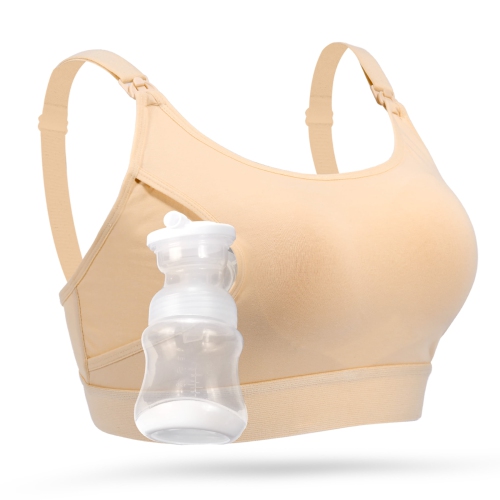
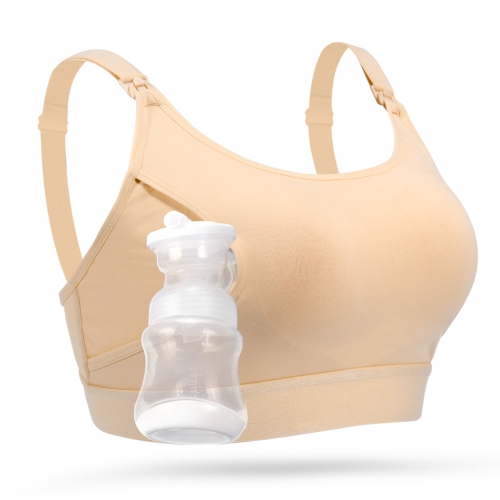
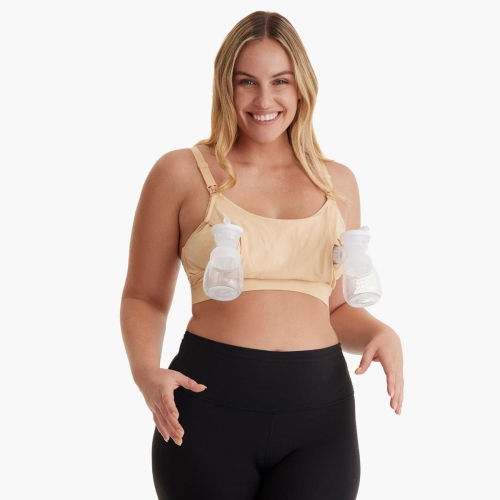
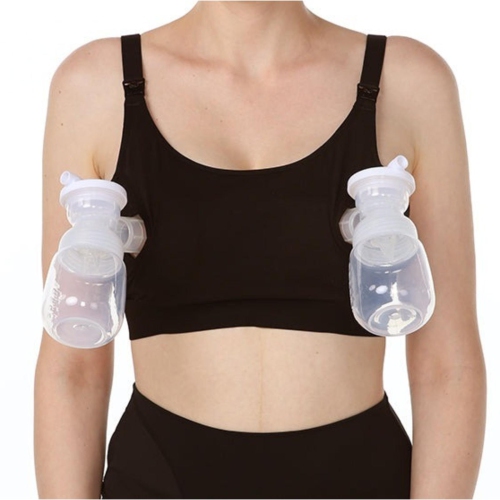
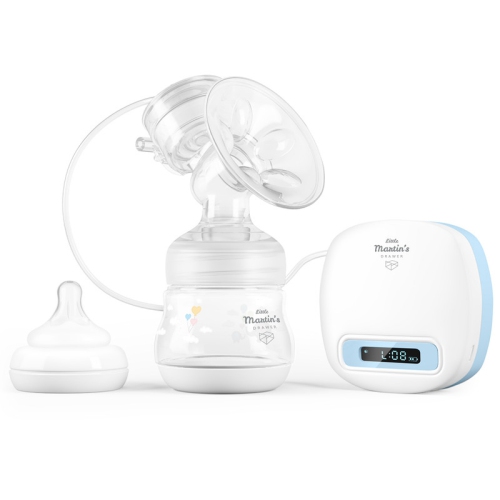
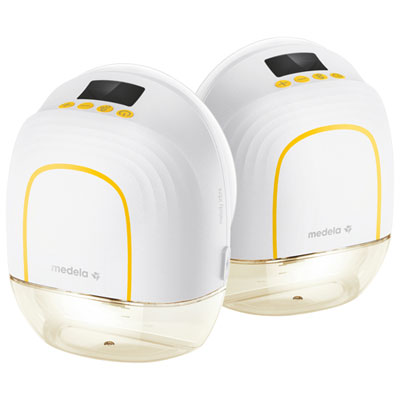
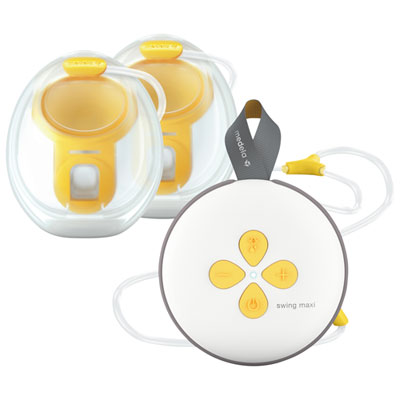
Breast pumping and bottle feeding products support a range of family routines, from an occasional bottle of expressed milk to regular pumping sessions throughout the day. For some parents, pumping makes it possible to continue providing breast milk while returning to work or spending time away from their baby. For others, bottles allow a partner, grandparent, or caregiver to take part in feeding, or form part of a routine that combines nursing, expressed milk, and formula. The most useful equipment fits the way feeding actually happens: a quiet session beside the cot, a break in a private room at work, or a bottle prepared for a caregiver before leaving home. Different types of breast milk pumps suit different levels of use. Manual pumps are operated by hand and need no electrical power, while electric pumps use a motor to provide suction. Single pumps express milk from one breast at a time; double pumps allow both breasts to be pumped together, which can reduce the time spent on each session. Wearable designs sit inside a suitable bra, although their capacity, positioning requirements, and cleaning needs vary. Adjustable suction and cycle settings offer flexibility, but stronger suction is not automatically more effective or more comfortable. Flange fit is especially important because the flange forms the connection between the breast and the pump. The nipple should move within the tunnel without persistent rubbing or pinching, and sizing can differ between breasts or change over time. Pumping should not cause ongoing pain; a lactation professional can help assess discomfort, fit, and feeding concerns. Beyond the pump itself, practical details such as the number of washable parts, battery operation, control visibility, and the ease of pouring collected milk can make a meaningful difference during repeated daily use. A compact shape may be useful for carrying equipment, while straightforward assembly can be more valuable for someone managing several pumping sessions between other responsibilities.
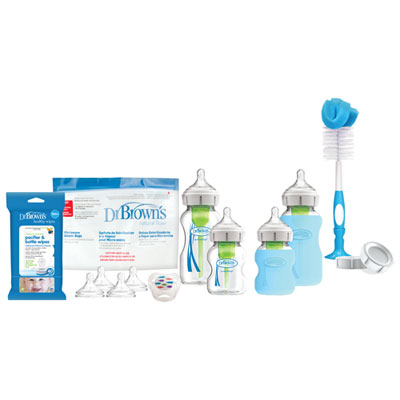
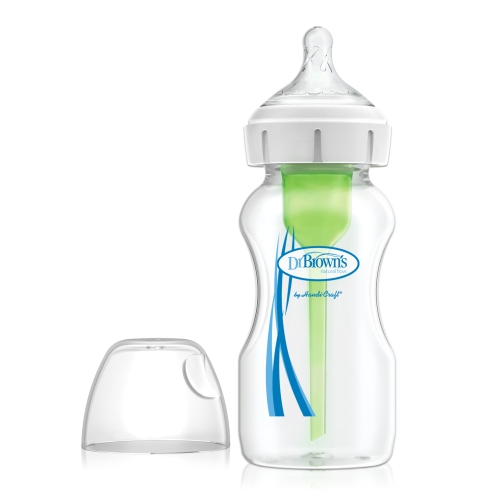
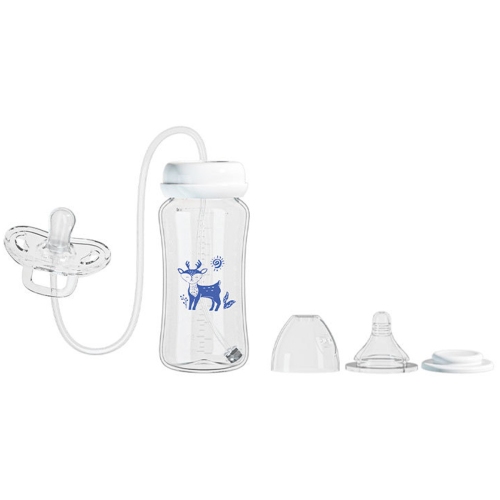
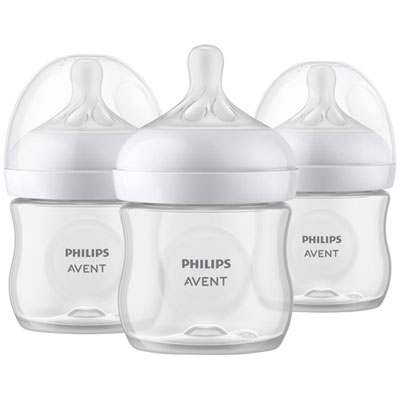
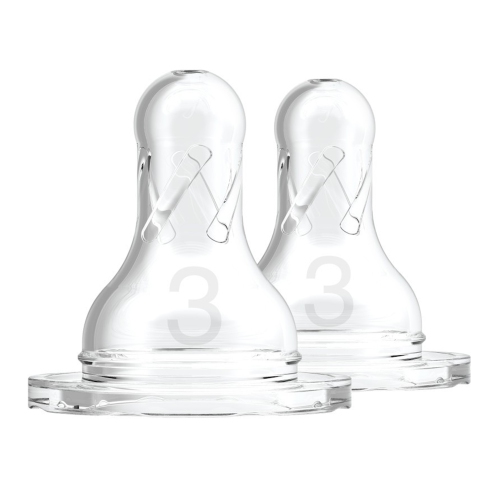
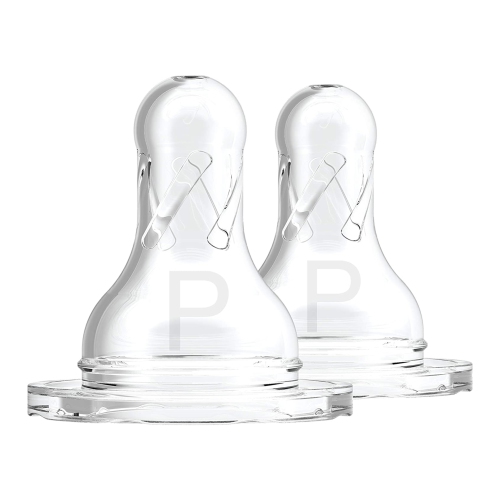
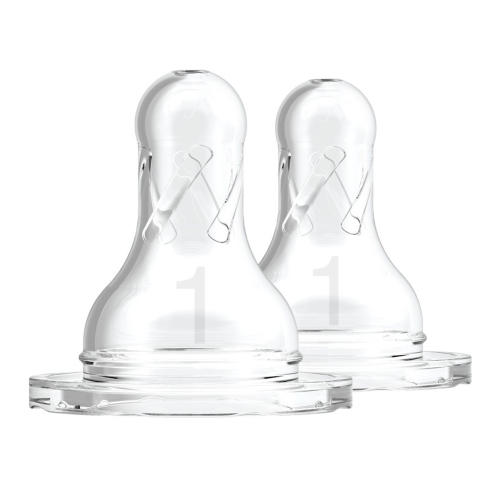
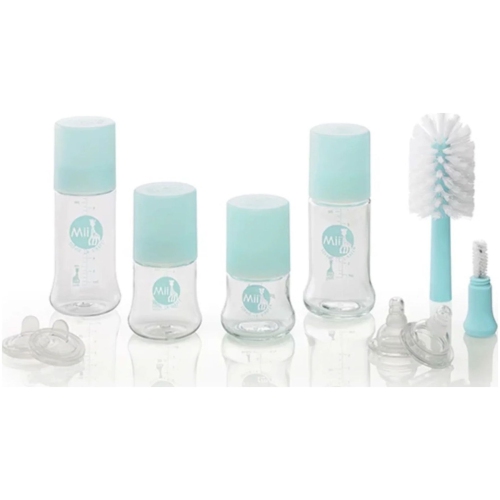
Bottles, nipples, collection containers, and milk storage supplies connect pumping with the next feed. Compatibility matters at each step: a bottle that attaches directly to a pump may simplify collection, but neck sizes, connectors, and adapters are not universal. Secure connections and clearly marked volumes help with handling expressed milk, while a lid intended for storage serves a different purpose from a feeding nipple. Bottle materials also affect everyday use. Glass bottles resist odours and allow a clear view of the contents, but they are heavier and can break if dropped. Plastic bottles are lighter to carry, while silicone bottles offer a softer, flexible feel; care instructions and suitability for heating or sterilizing depend on the design. Wide openings may make washing and pouring easier, while narrower shapes can feel comfortable in a caregiver’s hand. Bottle size is another practical consideration: smaller capacities can suit modest portions, while larger bottles may be useful as feeding needs change. Nipple shape and flow deserve just as much attention as the bottle. Flow labels differ between manufacturers, and an age range on the packaging is a starting point rather than a guarantee of suitability. A baby who gulps, coughs, or leaks milk during feeding may need a different flow or feeding position. A slower-flow nipple can support paced bottle feeding, in which the caregiver holds the baby semi-upright and keeps the bottle close to horizontal, with enough tilt to keep milk in the nipple. Pauses give the baby opportunities to rest and signal fullness, and there is no need to encourage finishing every bottle. Bottles with venting systems are designed to manage air entering during feeding, though their extra components also need careful cleaning. No bottle shape guarantees that a baby will readily switch between breast and bottle. Feeding preferences vary, making ease of use, a comfortable pace, and the baby’s response more useful considerations than appearance alone.
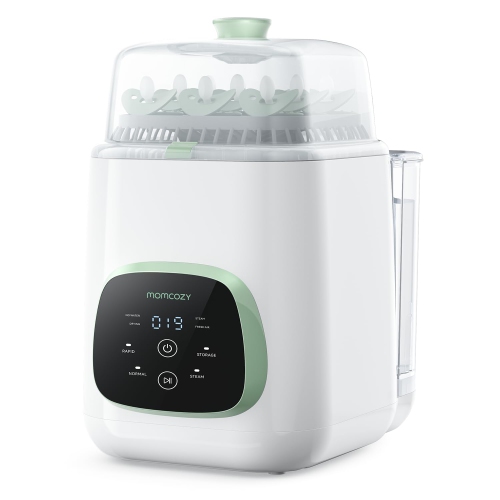
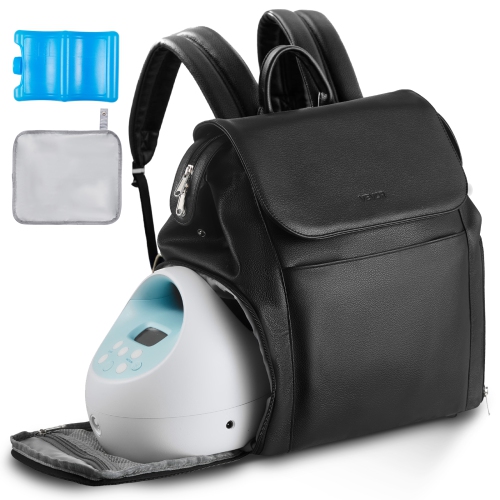
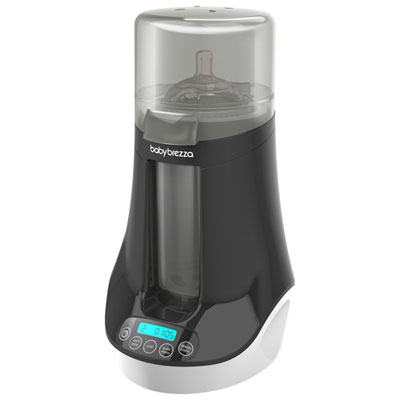
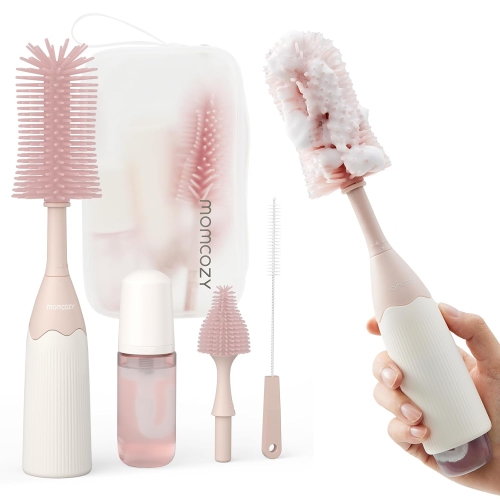
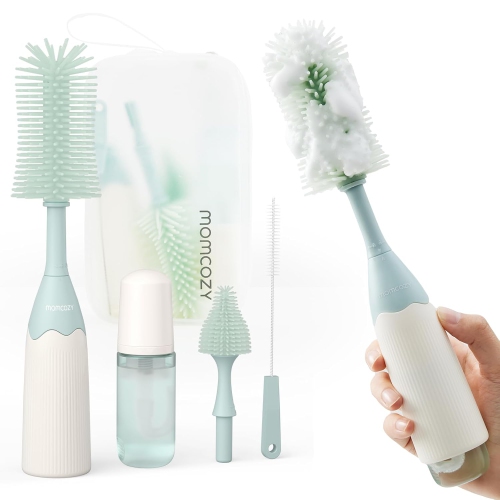
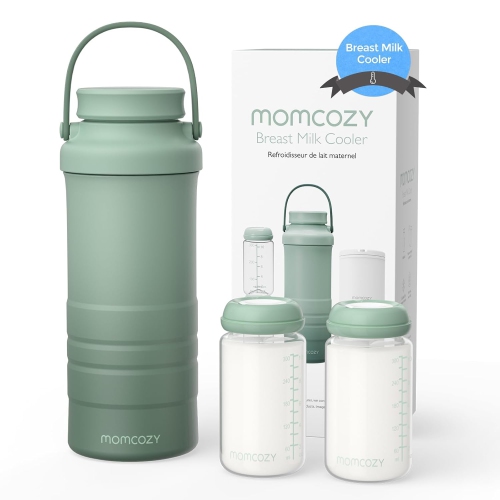
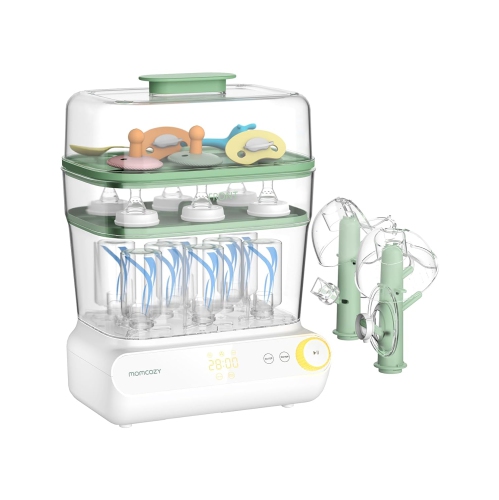
Care and storage are part of the daily workload of breast pumping and bottle feeding, so equipment that is easy to take apart, inspect, and dry can be especially practical. Milk-contact pump parts and feeding components need cleaning after each use according to the manufacturer’s directions, with sanitizing carried out as appropriate for the baby’s age and health. A separate wash basin and brushes reserved for feeding equipment help keep small parts out of direct contact with the kitchen sink. Valves, membranes, and nipple openings require particular attention because milk residue can remain in small spaces. All parts should air-dry thoroughly before being put away, and dishwasher suitability should be checked for each component rather than assumed for an entire set. Durability includes more than the bottle body or pump housing: flexible parts can stretch, tear, or lose their seal with repeated use. Cracks, damaged nipples, and worn valves are reasons to check replacement guidance, especially if suction or flow changes. Containers and bags intended for breast milk storage should close securely and provide space for dating each portion. Smaller stored portions can make it easier to offer more milk as needed without warming more than the baby is likely to drink. Breast milk requires careful handling, and current Canadian public health guidance provides storage limits for freshly expressed, refrigerated, frozen, and thawed milk. Milk does not have to be warmed if a baby accepts it cool; when warming is preferred, a microwave should not be used because it can create hot spots. For outings or a workday, an insulated carrier with frozen ice packs can help transport milk, but safe storage still depends on keeping it sufficiently cold and observing recommended time limits. Keeping clean feeding components separate from used ones also makes packing more manageable. For a baby shower or a practical gift after a birth, feeding accessories are most helpful when they match the family’s chosen system and preferences. Confirming compatibility before choosing a gift avoids adding bottles, containers, or parts that cannot be used together. The right combination supports a feeding routine that is comfortable, manageable, and adaptable as the baby’s needs change.
Bottles, nipples, collection containers, and milk storage supplies connect pumping with the next feed. Compatibility matters at each step: a bottle that attaches directly to a pump may simplify collection, but neck sizes, connectors, and adapters are not universal. Secure connections and clearly marked volumes help with handling expressed milk, while a lid intended for storage serves a different purpose from a feeding nipple. Bottle materials also affect everyday use. Glass bottles resist odours and allow a clear view of the contents, but they are heavier and can break if dropped. Plastic bottles are lighter to carry, while silicone bottles offer a softer, flexible feel; care instructions and suitability for heating or sterilizing depend on the design. Wide openings may make washing and pouring easier, while narrower shapes can feel comfortable in a caregiver’s hand. Bottle size is another practical consideration: smaller capacities can suit modest portions, while larger bottles may be useful as feeding needs change. Nipple shape and flow deserve just as much attention as the bottle. Flow labels differ between manufacturers, and an age range on the packaging is a starting point rather than a guarantee of suitability. A baby who gulps, coughs, or leaks milk during feeding may need a different flow or feeding position. A slower-flow nipple can support paced bottle feeding, in which the caregiver holds the baby semi-upright and keeps the bottle close to horizontal, with enough tilt to keep milk in the nipple. Pauses give the baby opportunities to rest and signal fullness, and there is no need to encourage finishing every bottle. Bottles with venting systems are designed to manage air entering during feeding, though their extra components also need careful cleaning. No bottle shape guarantees that a baby will readily switch between breast and bottle. Feeding preferences vary, making ease of use, a comfortable pace, and the baby’s response more useful considerations than appearance alone.
Care and storage are part of the daily workload of breast pumping and bottle feeding, so equipment that is easy to take apart, inspect, and dry can be especially practical. Milk-contact pump parts and feeding components need cleaning after each use according to the manufacturer’s directions, with sanitizing carried out as appropriate for the baby’s age and health. A separate wash basin and brushes reserved for feeding equipment help keep small parts out of direct contact with the kitchen sink. Valves, membranes, and nipple openings require particular attention because milk residue can remain in small spaces. All parts should air-dry thoroughly before being put away, and dishwasher suitability should be checked for each component rather than assumed for an entire set. Durability includes more than the bottle body or pump housing: flexible parts can stretch, tear, or lose their seal with repeated use. Cracks, damaged nipples, and worn valves are reasons to check replacement guidance, especially if suction or flow changes. Containers and bags intended for breast milk storage should close securely and provide space for dating each portion. Smaller stored portions can make it easier to offer more milk as needed without warming more than the baby is likely to drink. Breast milk requires careful handling, and current Canadian public health guidance provides storage limits for freshly expressed, refrigerated, frozen, and thawed milk. Milk does not have to be warmed if a baby accepts it cool; when warming is preferred, a microwave should not be used because it can create hot spots. For outings or a workday, an insulated carrier with frozen ice packs can help transport milk, but safe storage still depends on keeping it sufficiently cold and observing recommended time limits. Keeping clean feeding components separate from used ones also makes packing more manageable. For a baby shower or a practical gift after a birth, feeding accessories are most helpful when they match the family’s chosen system and preferences. Confirming compatibility before choosing a gift avoids adding bottles, containers, or parts that cannot be used together. The right combination supports a feeding routine that is comfortable, manageable, and adaptable as the baby’s needs change.
Top selling and popular products
-
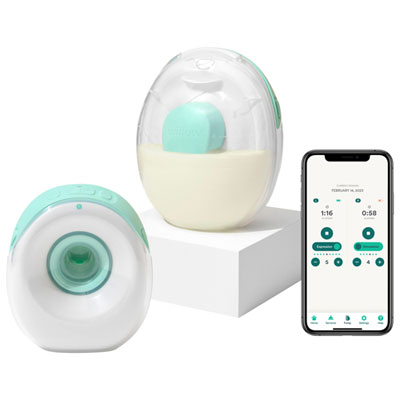 Your price for this item is $499.99
 -
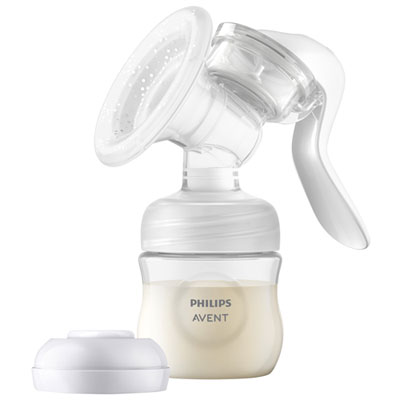 Your price for this item is $49.99
 -
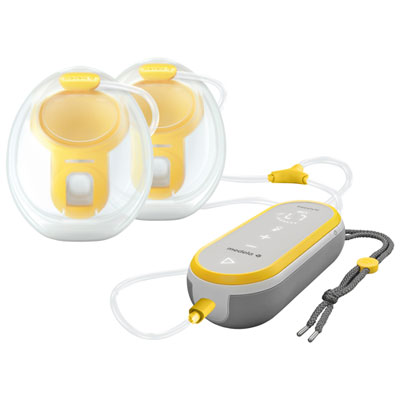 Your price for this item is $299.99
 -
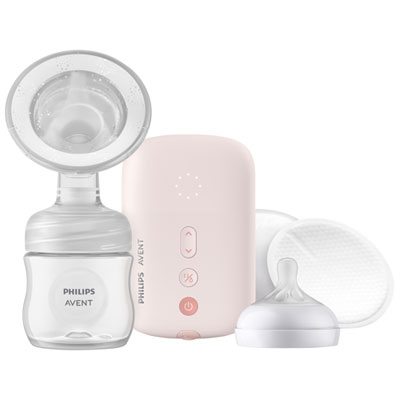 Your price for this item is $149.99
 -
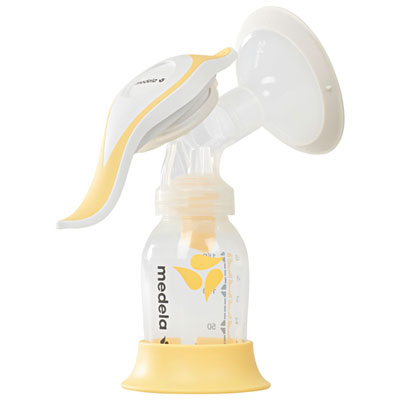 Your price for this item is $49.99
 -
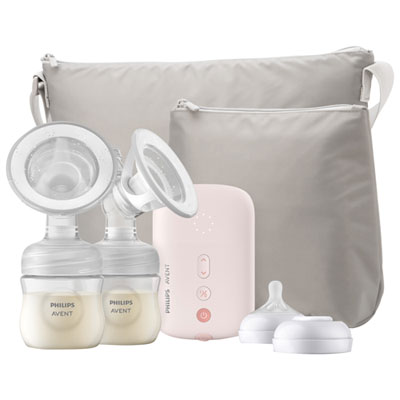 Your price for this item is $199.99
 -
 Your price for this item is $179.99
 -
 Your price for this item is $229.99
Discover more categories related to Breast Pumping Bottle Feeding
Top Collections:
Pokemon Centers, Kindle Devices, Best Budget Office Chairs, Apple iPhones 16, Canon G7X Cameras, iPhone 15 Apple, Alarm Clock, Refurbished Apple Laptops, Flip Phones, Best Laptops for Writers
Some products may be subject to Environmental Handling Fees
(EHF) depending on your province.
Learn more about EHFs.