Breast Pump And Bottles
A breast pump is a device used to express breast milk from the breasts of a lactating mother. It works by compressing the milk into a storage container, such as a bottle or bag. The process can be done in a variety of ways, including hand expression and electric pumping. Here are some of our favorites.
Sort
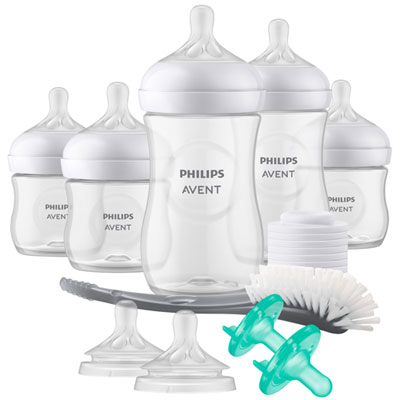
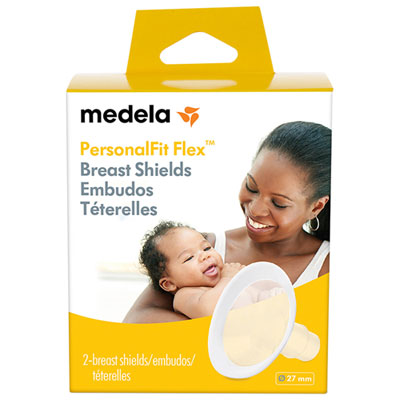
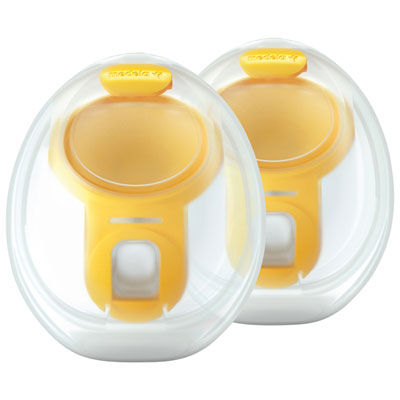
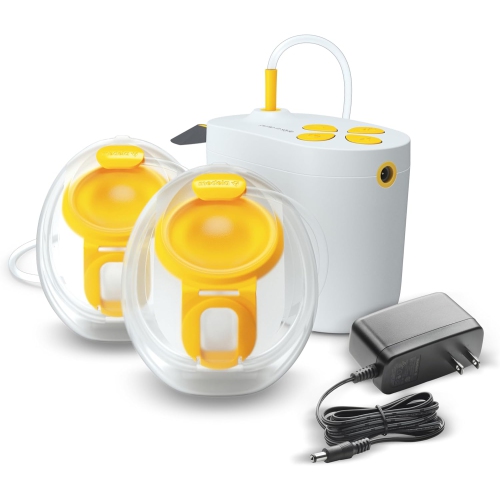

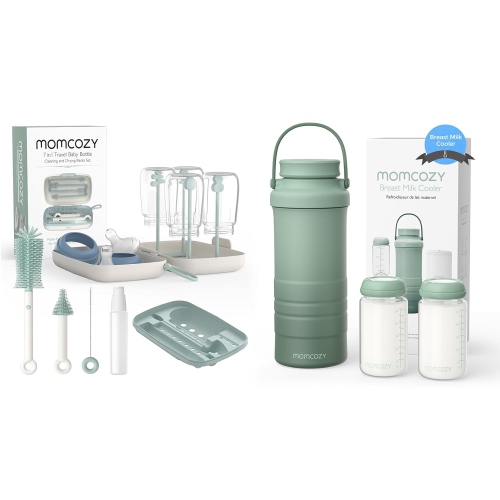
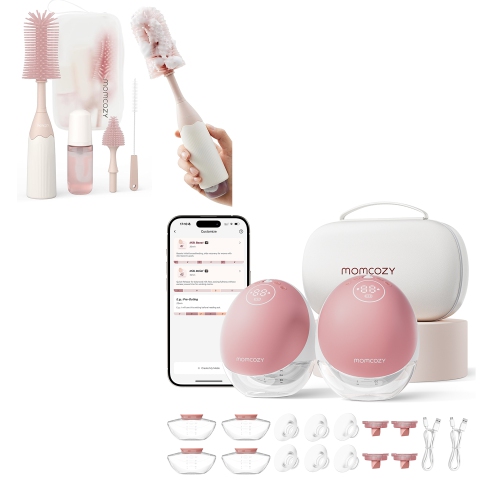
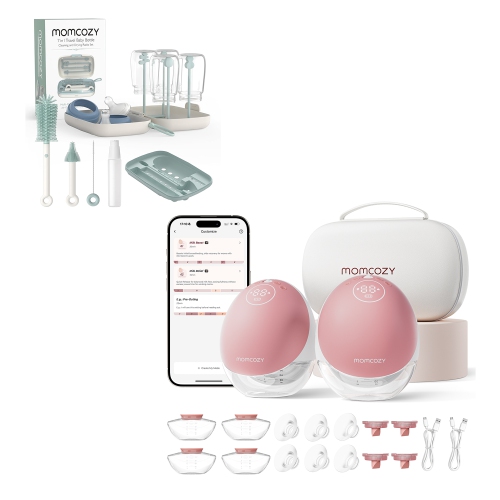
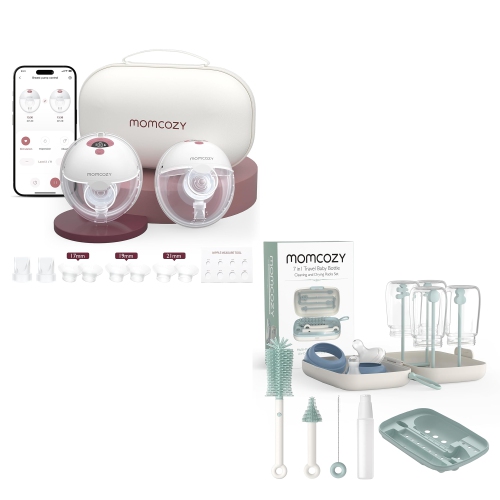
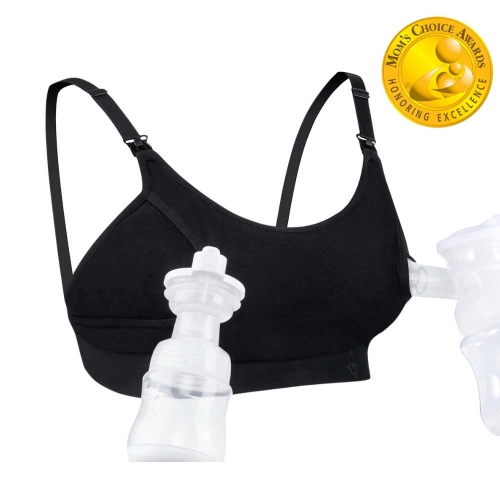
Practical guidance for comfortable pumping and bottle feeding
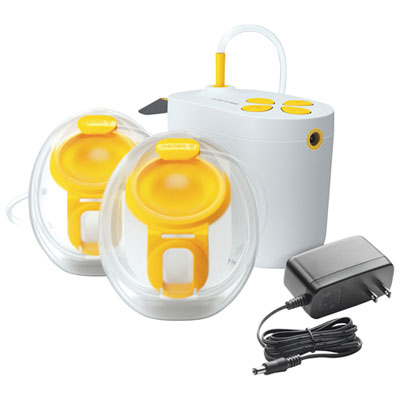
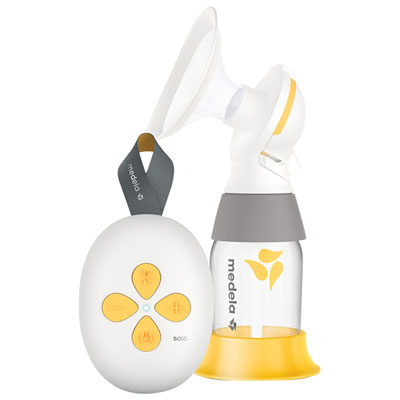
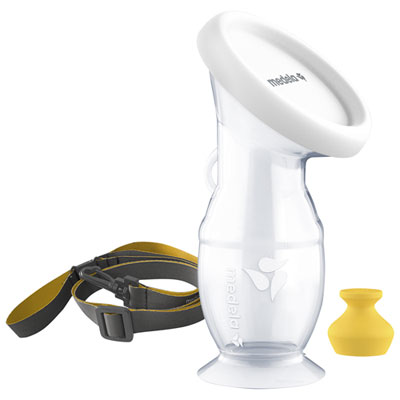
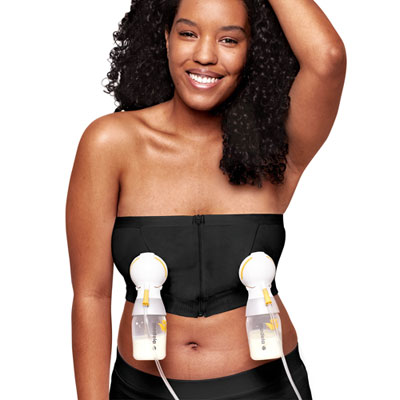
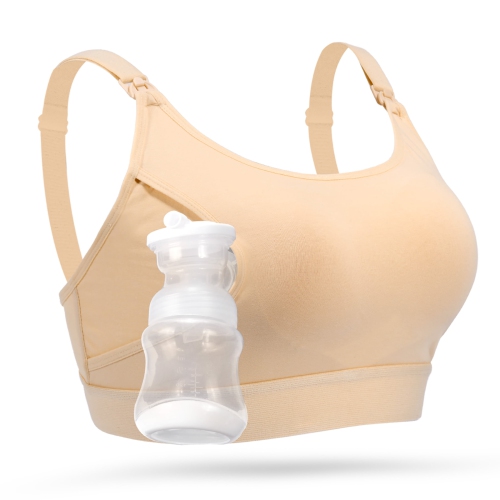
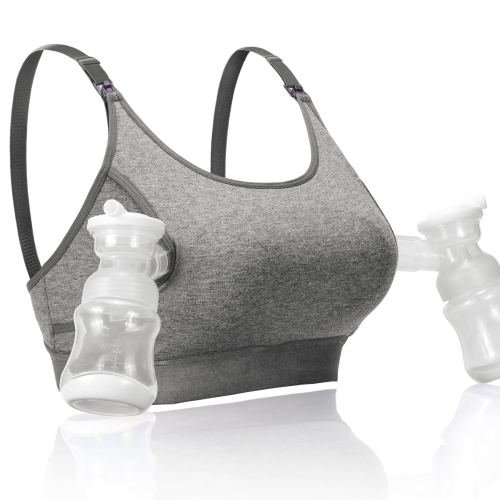
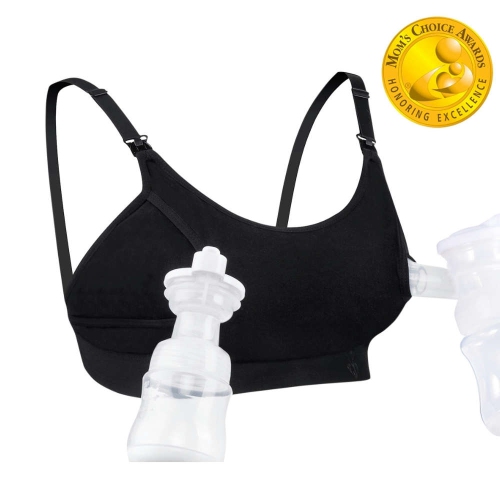
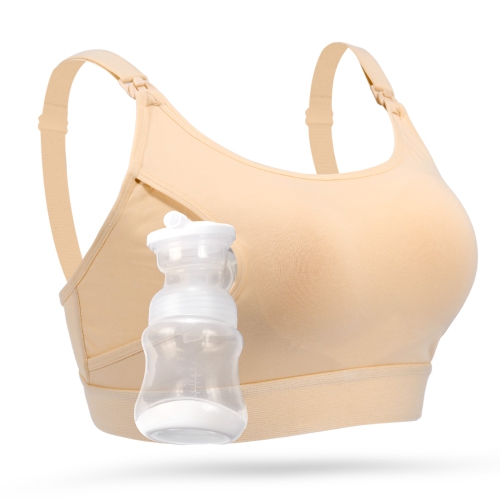
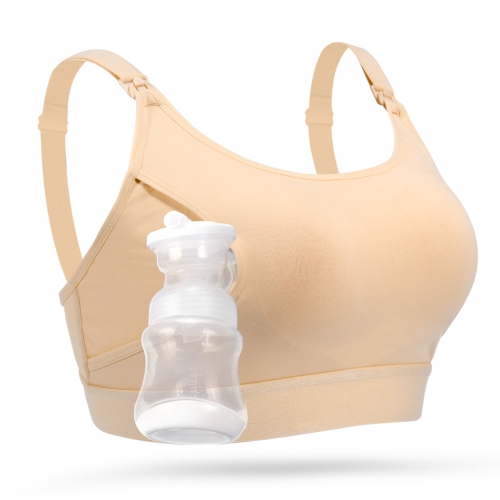
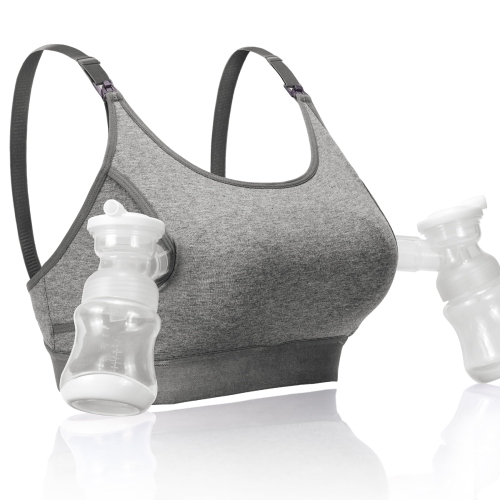
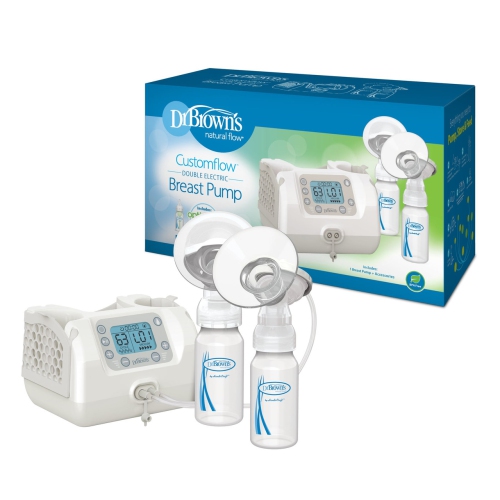
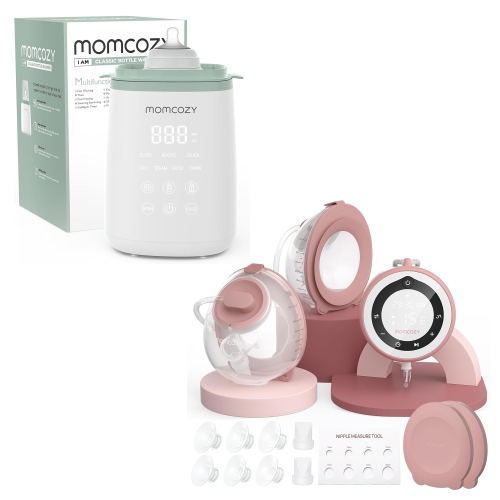
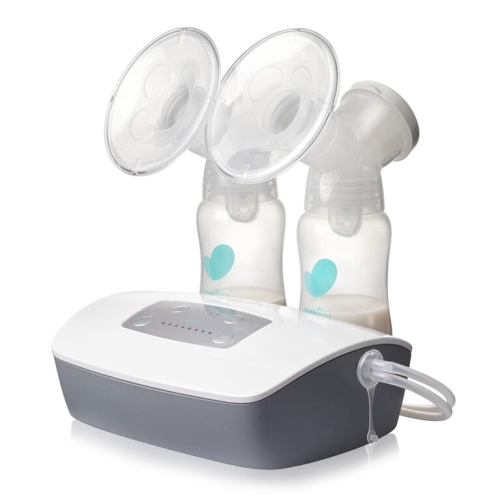
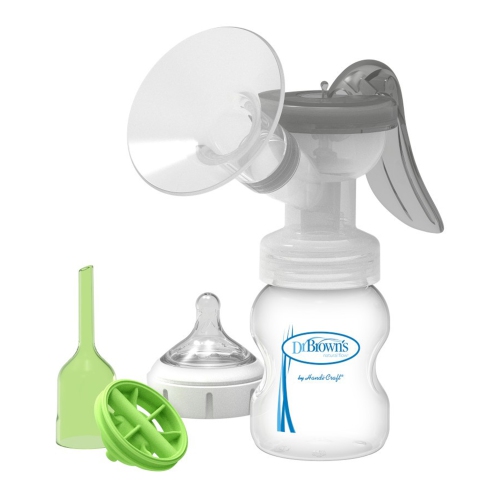
Choosing breast pumps and bottles is a personal decision shaped by feeding goals, daily routines, comfort preferences, and budget. Some parents express milk several times a day while preparing for a return to work, building a small supply for childcare, or sharing feeding responsibilities with a partner. Others pump occasionally for a few minutes of relief, collect milk from the opposite breast during nursing, or keep a manual pump in a travel bag for unexpected changes to the day. A double electric pump can be a practical choice for frequent pumping because it expresses from both breasts at once, while a single electric model may suit parents who prefer a simpler setup or usually pump one side at a time. Wearable and hands-free pumps are designed to fit inside a bra, making it easier to move around during an expression session, although fit, suction strength, noise level, and milk output can vary between users. Manual pumps are compact, quiet, and powered by hand, which makes them useful for occasional pumping, travel, quick relief from fullness, or keeping as a backup. Silicone milk catchers use gentle suction to collect milk that may otherwise be lost from the opposite breast while nursing. When comparing options, consider how often you expect to pump, where you will use the pump, whether access to a power outlet is convenient, and how easy the parts are to assemble, wash, dry, and store. Parents who are establishing a pumping routine may also wish to explore Breast Milk Pumps to compare styles suited to different schedules and feeding arrangements.
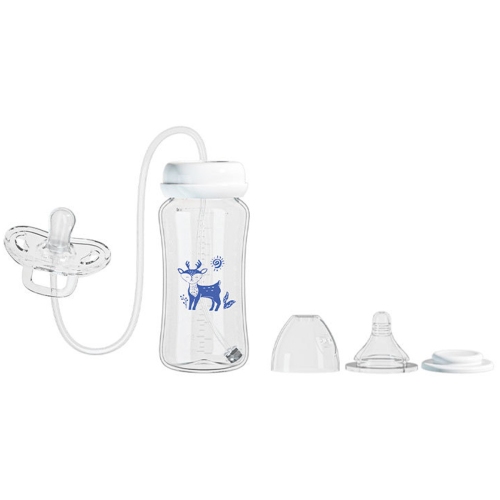
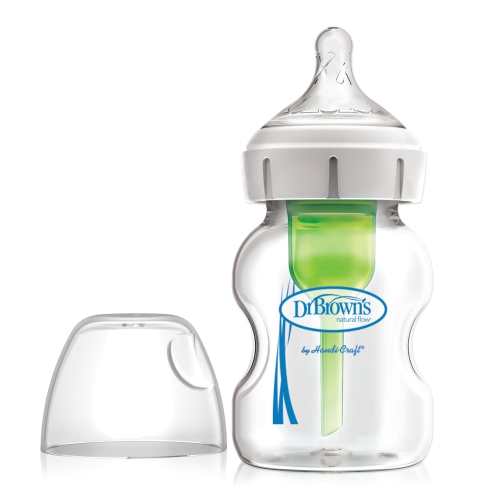
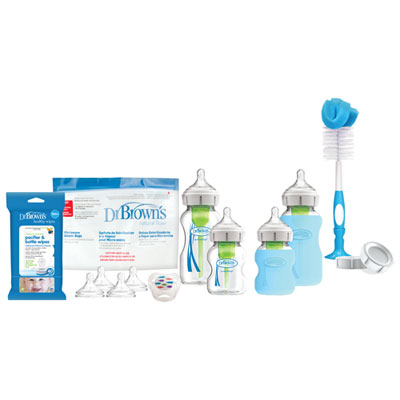
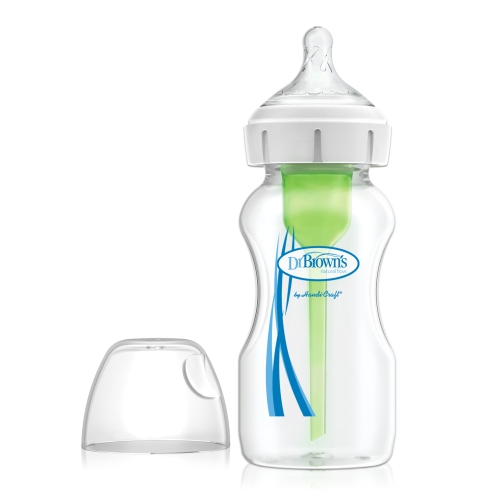
Bottles are equally important because a pump and bottle need to work comfortably together from expression through feeding. Many pumps allow milk to be expressed directly into compatible bottles, reducing the number of containers to wash and making it easier to refrigerate or transport milk after pumping. Check whether the pump uses standard or wide-neck bottles, and confirm that the included adapters, caps, storage lids, and nipples match the bottle format you plan to use. It can be helpful to start with a small number of bottles rather than purchasing a large set immediately, since babies may respond differently to nipple shapes, softness, flow rates, and bottle angles. A newborn generally uses a slower-flow nipple, while older babies may move to a faster flow as their feeding patterns change; follow the manufacturer’s age guidance and watch your baby’s cues rather than changing flow levels solely because of age. Some bottle designs include venting systems intended to reduce the amount of air swallowed during feeding, while others have fewer components for quicker cleaning. The best choice often comes down to a balance between a secure seal, comfortable handling, straightforward assembly, and a nipple that suits your baby. For paced bottle feeding, a caregiver can hold the bottle more horizontally, offer pauses, and respond to signs of fullness instead of encouraging the baby to finish quickly. This approach can help make bottle feeding feel more like a relaxed, responsive meal, whether expressed milk is offered occasionally or forms part of the everyday routine. Bottles can also be a thoughtful gift for new parents, especially when paired with practical accessories such as extra storage caps, replacement nipples, drying racks, insulated carriers, or a dedicated wash basin.
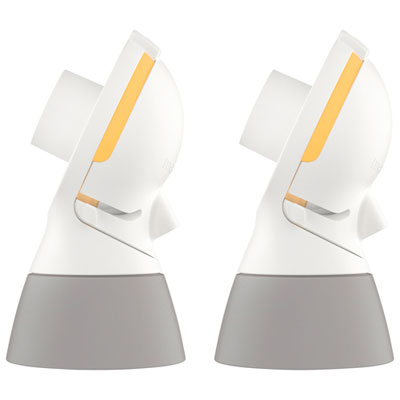
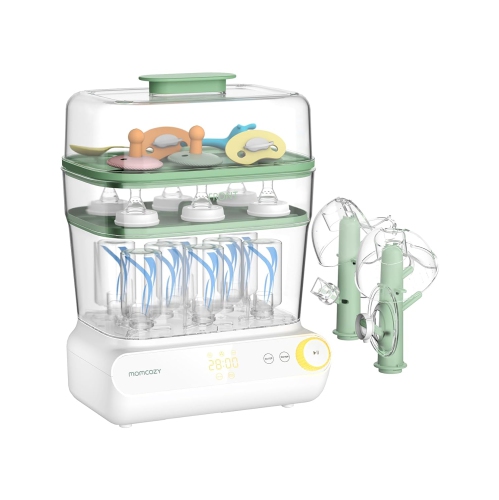
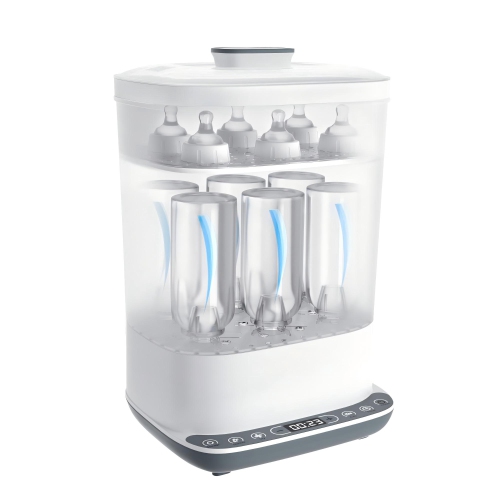
Comfort, fit, and hygiene deserve close attention when setting up a pumping and bottle-feeding station. The breast shield, also called a flange, should fit around the nipple without pinching, excessive rubbing, or pulling in too much surrounding tissue. Many pumps include a standard shield size, but some parents need a different size or an insert for a more comfortable and efficient fit. Measuring guidance from the pump manufacturer can help, and persistent pain, skin damage, or difficulty expressing milk is a good reason to speak with a lactation consultant or healthcare professional. A closed-system pump can help keep expressed milk out of the tubing, while removable valves and membranes should be checked regularly for wear and replaced according to the manufacturer’s instructions. After each use, wash the parts that come into contact with milk using the recommended method, rinse them thoroughly, and allow them to air-dry completely before reassembly. Bottles, nipples, caps, and pump parts that are labelled dishwasher-safe should be placed in the recommended section of the dishwasher, often the top rack, and all pieces should be kept away from heat sources that could distort them. Follow current guidance from your healthcare provider or local public health authority for handling, refrigerating, freezing, thawing, and warming expressed milk, and label stored containers with the date and time when appropriate. During the cooler months, an organised pumping area with clean bottles, spare parts, a comfortable seat, and easy access to water can make feeding routines feel less hurried. Whether preparing for a new baby, supporting combination feeding, sharing night-time feeds, or keeping a compact option on hand for outings, choosing compatible breast pumps and bottles can bring greater flexibility to the many different ways families feed their babies.
Bottles are equally important because a pump and bottle need to work comfortably together from expression through feeding. Many pumps allow milk to be expressed directly into compatible bottles, reducing the number of containers to wash and making it easier to refrigerate or transport milk after pumping. Check whether the pump uses standard or wide-neck bottles, and confirm that the included adapters, caps, storage lids, and nipples match the bottle format you plan to use. It can be helpful to start with a small number of bottles rather than purchasing a large set immediately, since babies may respond differently to nipple shapes, softness, flow rates, and bottle angles. A newborn generally uses a slower-flow nipple, while older babies may move to a faster flow as their feeding patterns change; follow the manufacturer’s age guidance and watch your baby’s cues rather than changing flow levels solely because of age. Some bottle designs include venting systems intended to reduce the amount of air swallowed during feeding, while others have fewer components for quicker cleaning. The best choice often comes down to a balance between a secure seal, comfortable handling, straightforward assembly, and a nipple that suits your baby. For paced bottle feeding, a caregiver can hold the bottle more horizontally, offer pauses, and respond to signs of fullness instead of encouraging the baby to finish quickly. This approach can help make bottle feeding feel more like a relaxed, responsive meal, whether expressed milk is offered occasionally or forms part of the everyday routine. Bottles can also be a thoughtful gift for new parents, especially when paired with practical accessories such as extra storage caps, replacement nipples, drying racks, insulated carriers, or a dedicated wash basin.
Comfort, fit, and hygiene deserve close attention when setting up a pumping and bottle-feeding station. The breast shield, also called a flange, should fit around the nipple without pinching, excessive rubbing, or pulling in too much surrounding tissue. Many pumps include a standard shield size, but some parents need a different size or an insert for a more comfortable and efficient fit. Measuring guidance from the pump manufacturer can help, and persistent pain, skin damage, or difficulty expressing milk is a good reason to speak with a lactation consultant or healthcare professional. A closed-system pump can help keep expressed milk out of the tubing, while removable valves and membranes should be checked regularly for wear and replaced according to the manufacturer’s instructions. After each use, wash the parts that come into contact with milk using the recommended method, rinse them thoroughly, and allow them to air-dry completely before reassembly. Bottles, nipples, caps, and pump parts that are labelled dishwasher-safe should be placed in the recommended section of the dishwasher, often the top rack, and all pieces should be kept away from heat sources that could distort them. Follow current guidance from your healthcare provider or local public health authority for handling, refrigerating, freezing, thawing, and warming expressed milk, and label stored containers with the date and time when appropriate. During the cooler months, an organised pumping area with clean bottles, spare parts, a comfortable seat, and easy access to water can make feeding routines feel less hurried. Whether preparing for a new baby, supporting combination feeding, sharing night-time feeds, or keeping a compact option on hand for outings, choosing compatible breast pumps and bottles can bring greater flexibility to the many different ways families feed their babies.
Top selling and popular products
-
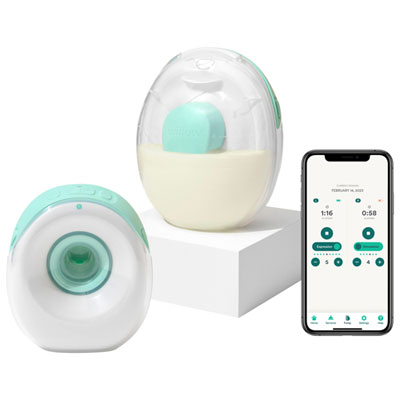 Your price for this item is $499.99
 -
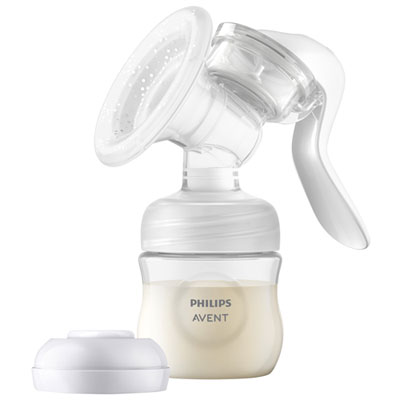 Your price for this item is $49.99
 -
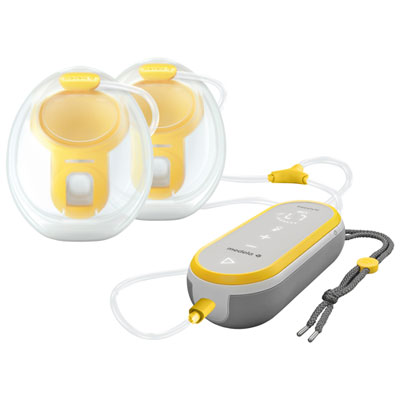 Your price for this item is $299.99
 -
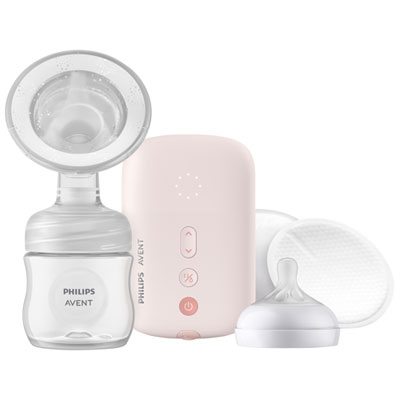 Your price for this item is $149.99
 -
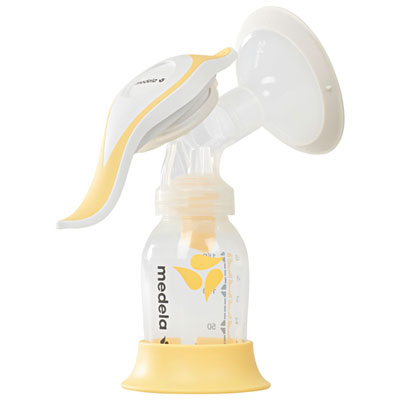 Your price for this item is $49.99
 -
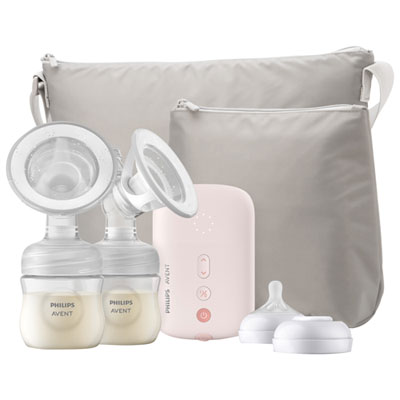 Your price for this item is $199.99
 -
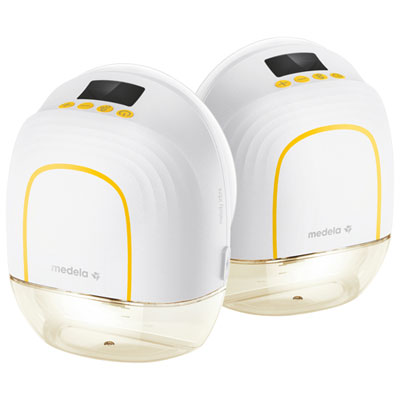 Your price for this item is $179.99
 -
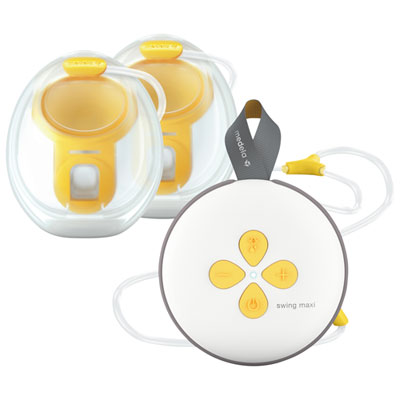 Your price for this item is $229.99
Discover more categories related to Breast Pump And Bottles
Top Collections:
Pokemon Centers, Kindle Devices, Best Budget Office Chairs, Apple iPhones 16, Canon G7X Cameras, iPhone 15 Apple, Alarm Clock, Refurbished Apple Laptops, Flip Phones, Best Laptops for Writers
Some products may be subject to Environmental Handling Fees
(EHF) depending on your province.
Learn more about EHFs.