Silicone Breast Pump Flange
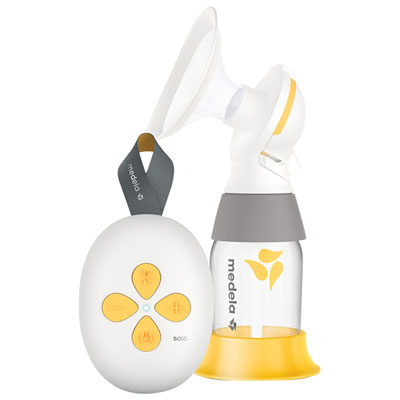
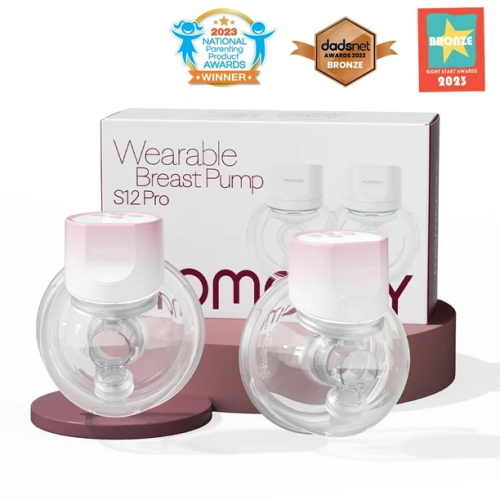
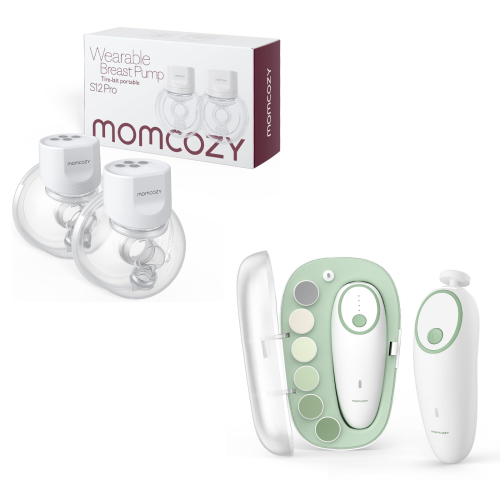
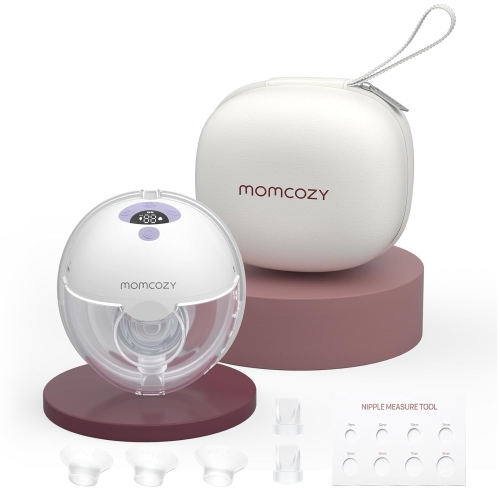
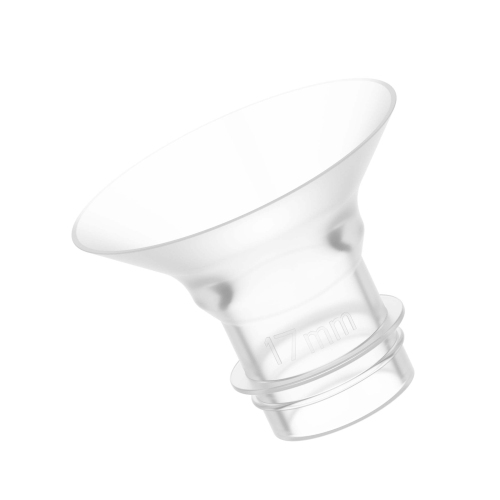
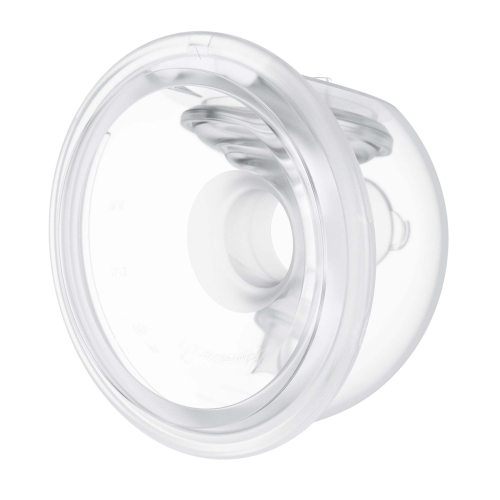
The flange is a crucial part of any breast pump, and it's also one of the most important factors in choosing a breast pump. The flange is the part of the pump that sits between your breasts and connects to the bottle. It has a big impact on how much milk you can collect, how fast you can collect it, and how comfortable it is to use. Here are some great silicone breast pump flange available.
Sort
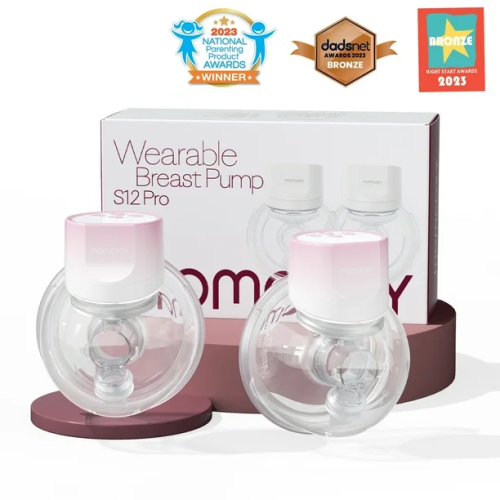
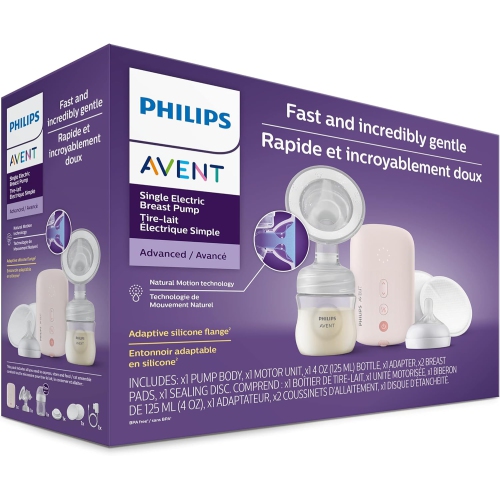

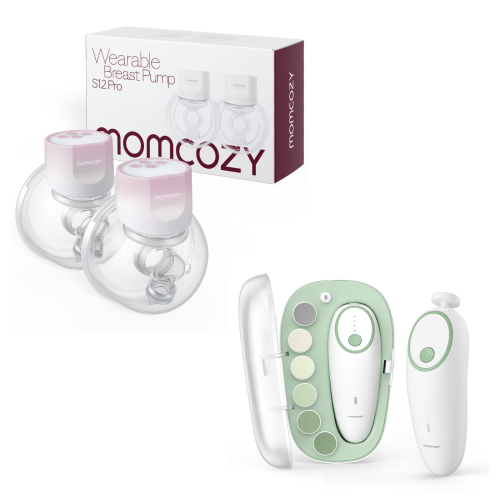

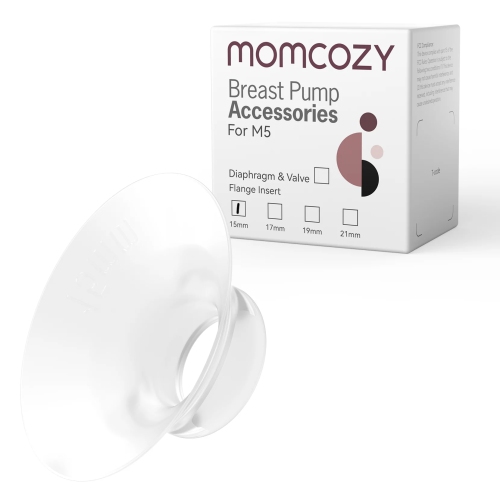

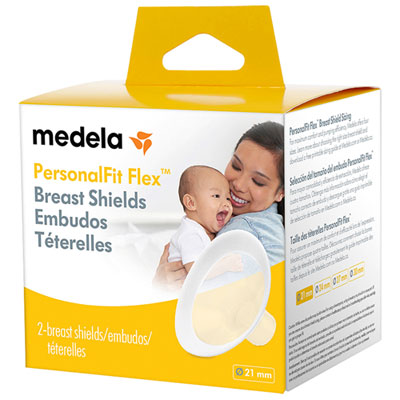
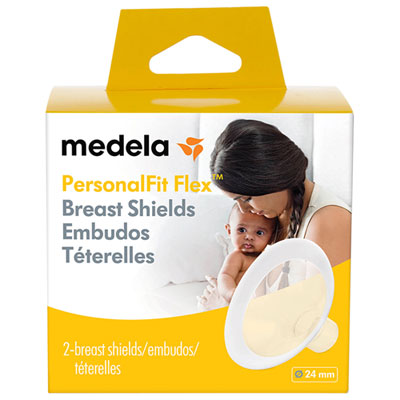
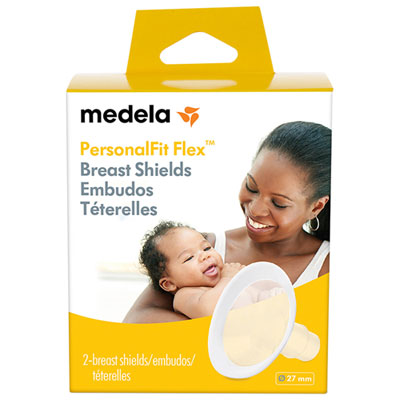
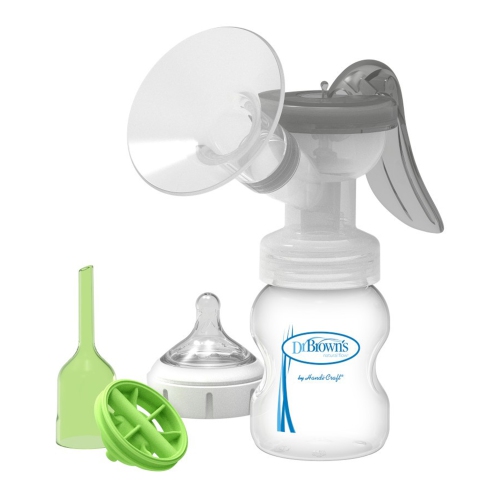
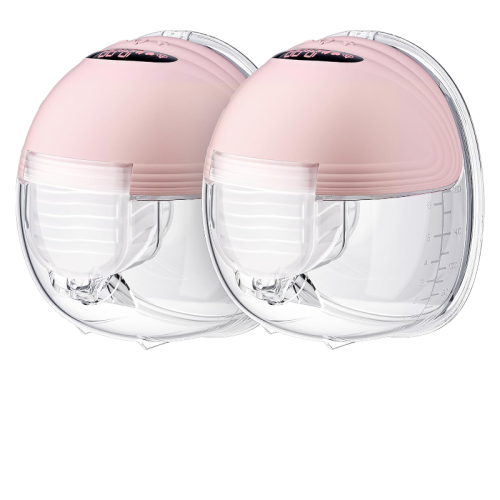
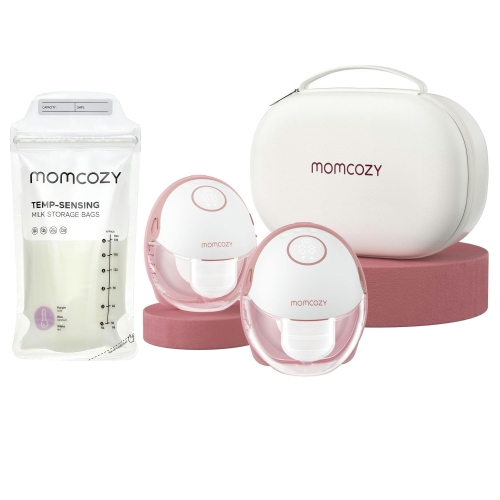
Understanding comfort, sizing, fit, and pump compatibility
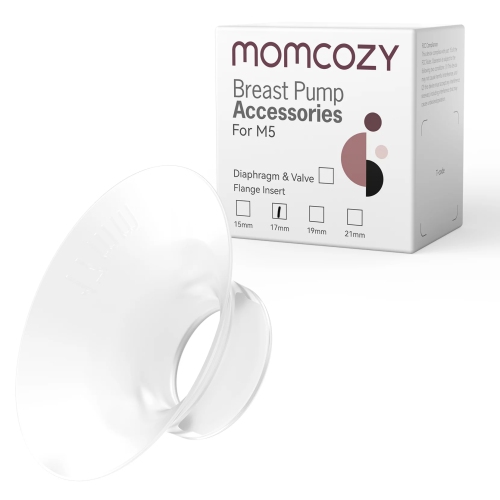
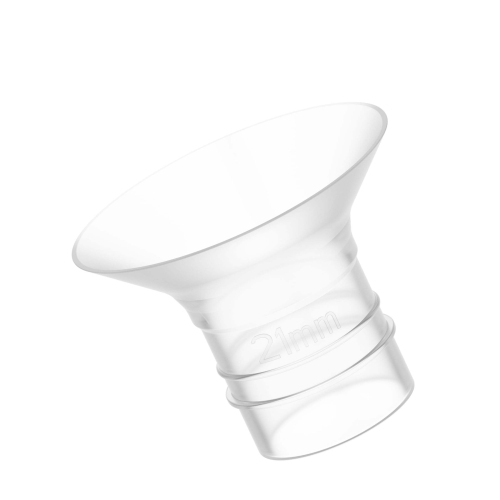
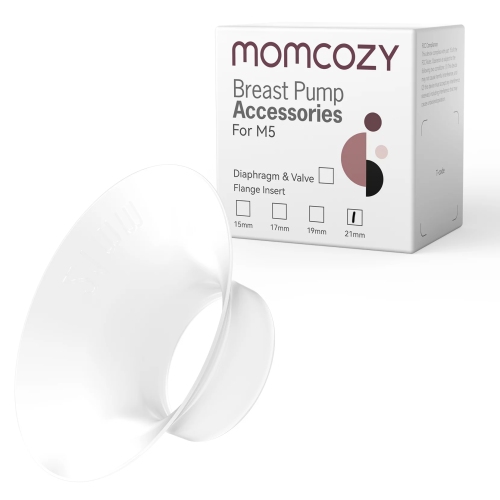
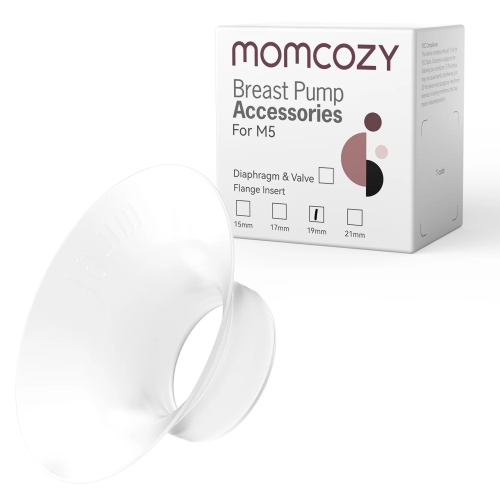
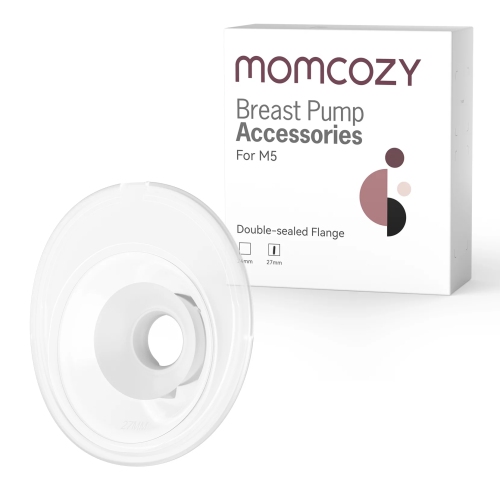
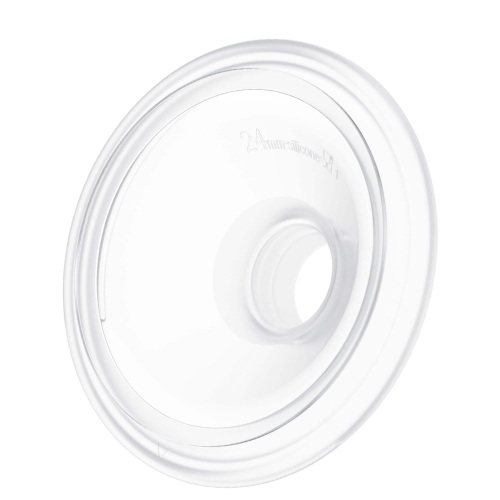
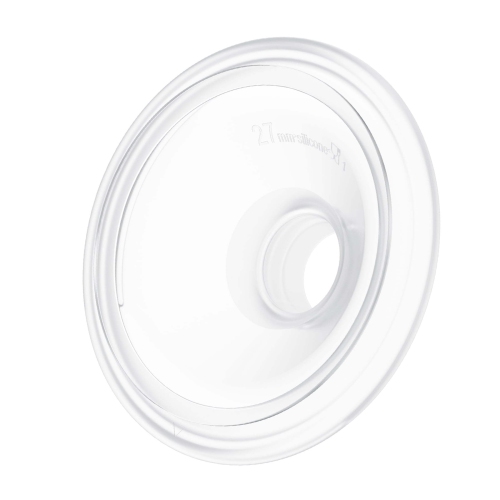
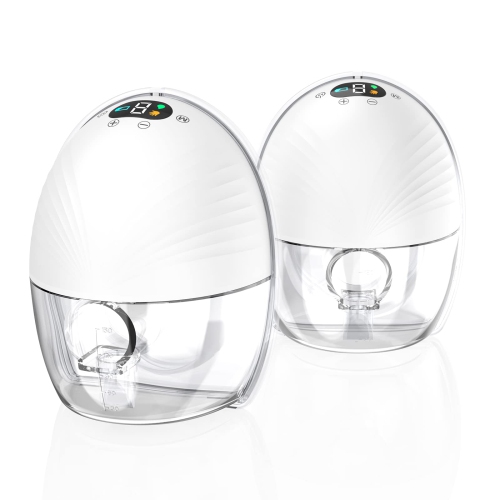
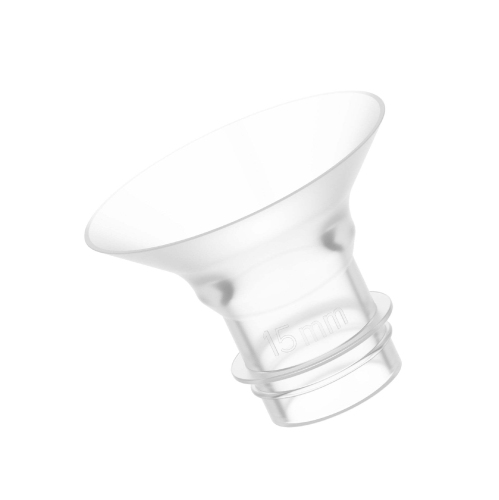
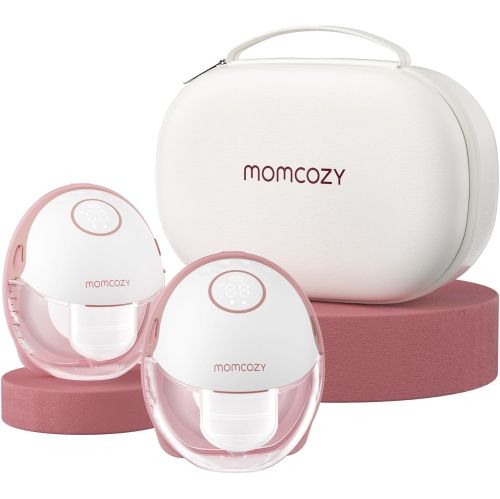
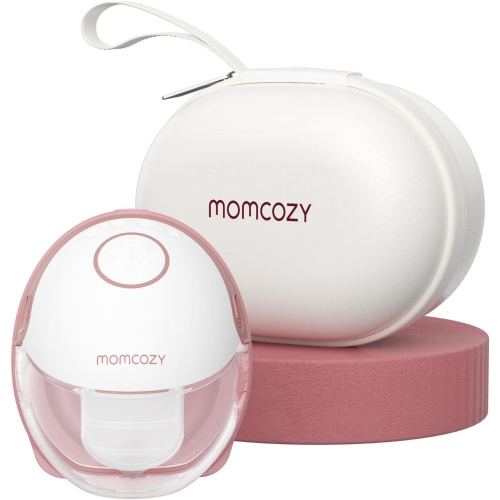
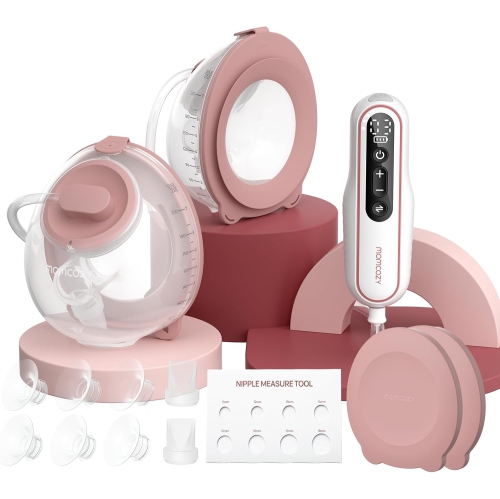
A silicone breast pump flange can make pumping feel more comfortable by creating a softer, more flexible connection between the breast and the pump tunnel. Unlike a rigid plastic shield, silicone may conform more gently to the shape of the breast and move with the body during a pumping session. This can be especially appealing for people who experience tenderness, swelling, friction, or a pinching sensation with a standard flange. Some silicone options are designed as complete flanges, while others are inserts that fit inside a compatible hard flange to reduce the opening size or soften the area around the nipple. The right choice depends on the breast pump being used, the shape of the breast, the size of the nipple, and the style of fit that feels most comfortable. A silicone breast pump flange may be useful for someone who pumps occasionally, expresses milk regularly, returns to pumping after a break, or wants an alternative to the flange included with their pump. It can also be a thoughtful addition to a new-parent gift, particularly when paired with other practical feeding accessories chosen for the recipient’s specific pump system. Since comfort can vary from person to person, a flange that works well for one nursing parent may not be the best match for another. Looking through the available sizes and compatibility details before purchasing can help narrow the options and prevent the frustration of receiving an accessory that does not fit the pump or the user.
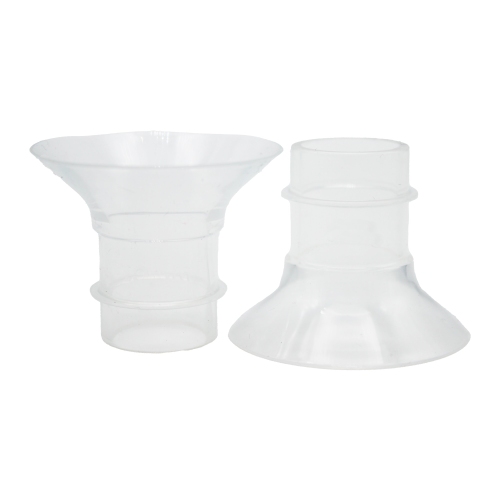
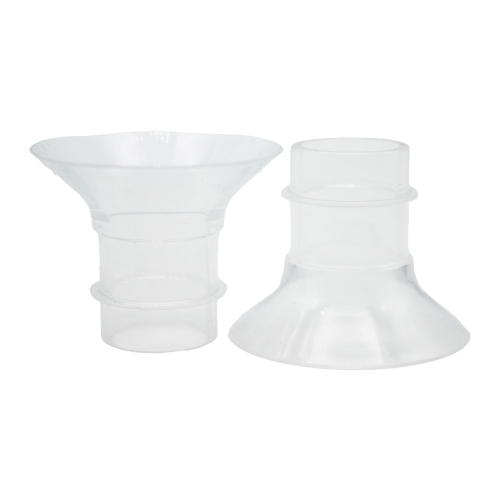
Correct sizing is one of the most important considerations when choosing a silicone breast pump flange. A flange that is too small may press against the nipple, cause rubbing, or make pumping feel restrictive, while one that is too large can draw in too much of the areola and breast tissue. To estimate the required size, measure the base of the nipple rather than the full areola, preferably after nursing or pumping when the tissue is relaxed. Many sizing recommendations suggest choosing an opening approximately 0 to 4 millimetres larger than the nipple measurement, although individual fit and the manufacturer’s instructions should also be considered. During pumping, the nipple should move freely through the tunnel without repeatedly scraping the sides, blanching, or feeling squeezed. A small amount of areola entering the tunnel can be normal, but excessive pulling, discomfort, swelling, or a noticeable drop in milk flow may indicate that the size or positioning needs to be reassessed. Elastic tissue, changes in breast fullness, and swelling during a session can also affect how a flange feels, so a comfortable fit at the beginning may feel different later. Silicone inserts can be helpful when the existing flange is comfortable around the breast but too wide at the tunnel, while angled or contoured styles may suit people who prefer to lean slightly forward or who find a straight tunnel awkward. Always confirm that the flange or insert is compatible with the pump’s connector, valve, membrane, bottle, and tubing arrangement. If the accessory requires a particular assembly method, following the included directions helps maintain a secure seal and consistent suction.
Care and everyday handling are also worth considering when comparing silicone breast pump flange options. Before first use, wash the parts according to the manufacturer’s instructions, and continue cleaning them after each pumping session using a method approved for that specific material and pump system. Silicone pieces can be soft and flexible, which makes them comfortable against the skin but may also make them easier to fold, twist, or position incorrectly. Check that the flange sits evenly against the breast, that the insert is fully seated inside the outer shield, and that there are no gaps that could reduce suction. Inspect the silicone regularly for tears, thinning, cloudiness, stickiness, or changes in shape, and replace parts when they show signs of wear or no longer fit securely. Keeping a spare flange or insert in a pump bag can be useful when travelling, working away from home, or managing several pumping sessions during the cooler months, when routines may shift around indoor schedules and childcare. For people who use a manual pump for occasional expression, a selection of Manual Breast Pumps may provide another practical option, provided the flange and other parts are compatible. A silicone breast pump flange is not a substitute for professional medical care, and persistent pain, bleeding, fever, a hard area of the breast, or concerns about milk supply should be discussed with a lactation consultant or health-care professional. With the right size, a secure connection, and regular care, this type of accessory can help create a more comfortable and manageable pumping routine for nursing parents at home, at work, or while travelling.
Correct sizing is one of the most important considerations when choosing a silicone breast pump flange. A flange that is too small may press against the nipple, cause rubbing, or make pumping feel restrictive, while one that is too large can draw in too much of the areola and breast tissue. To estimate the required size, measure the base of the nipple rather than the full areola, preferably after nursing or pumping when the tissue is relaxed. Many sizing recommendations suggest choosing an opening approximately 0 to 4 millimetres larger than the nipple measurement, although individual fit and the manufacturer’s instructions should also be considered. During pumping, the nipple should move freely through the tunnel without repeatedly scraping the sides, blanching, or feeling squeezed. A small amount of areola entering the tunnel can be normal, but excessive pulling, discomfort, swelling, or a noticeable drop in milk flow may indicate that the size or positioning needs to be reassessed. Elastic tissue, changes in breast fullness, and swelling during a session can also affect how a flange feels, so a comfortable fit at the beginning may feel different later. Silicone inserts can be helpful when the existing flange is comfortable around the breast but too wide at the tunnel, while angled or contoured styles may suit people who prefer to lean slightly forward or who find a straight tunnel awkward. Always confirm that the flange or insert is compatible with the pump’s connector, valve, membrane, bottle, and tubing arrangement. If the accessory requires a particular assembly method, following the included directions helps maintain a secure seal and consistent suction.
Care and everyday handling are also worth considering when comparing silicone breast pump flange options. Before first use, wash the parts according to the manufacturer’s instructions, and continue cleaning them after each pumping session using a method approved for that specific material and pump system. Silicone pieces can be soft and flexible, which makes them comfortable against the skin but may also make them easier to fold, twist, or position incorrectly. Check that the flange sits evenly against the breast, that the insert is fully seated inside the outer shield, and that there are no gaps that could reduce suction. Inspect the silicone regularly for tears, thinning, cloudiness, stickiness, or changes in shape, and replace parts when they show signs of wear or no longer fit securely. Keeping a spare flange or insert in a pump bag can be useful when travelling, working away from home, or managing several pumping sessions during the cooler months, when routines may shift around indoor schedules and childcare. For people who use a manual pump for occasional expression, a selection of Manual Breast Pumps may provide another practical option, provided the flange and other parts are compatible. A silicone breast pump flange is not a substitute for professional medical care, and persistent pain, bleeding, fever, a hard area of the breast, or concerns about milk supply should be discussed with a lactation consultant or health-care professional. With the right size, a secure connection, and regular care, this type of accessory can help create a more comfortable and manageable pumping routine for nursing parents at home, at work, or while travelling.
Top selling and popular products
-
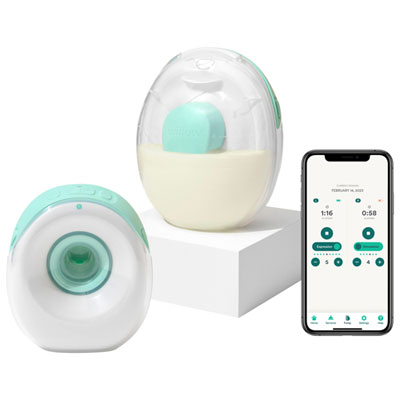 Your price for this item is $499.99
 -
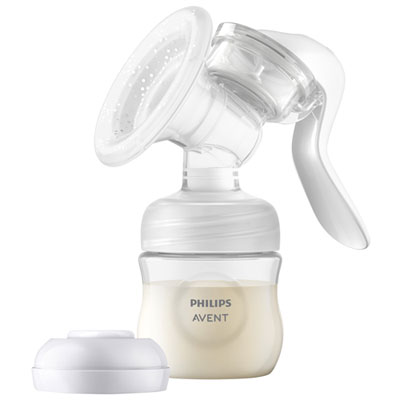 Your price for this item is $49.99
 -
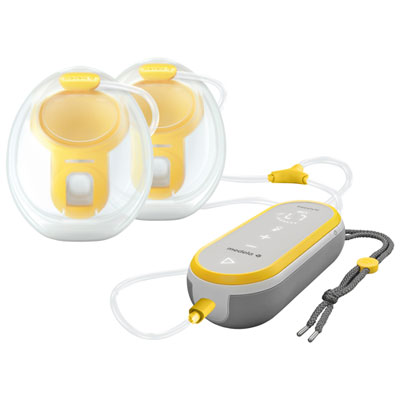 Your price for this item is $299.99
 -
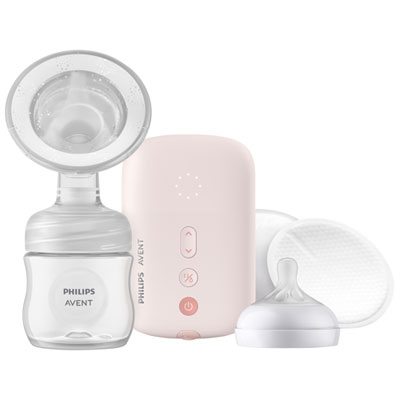 Your price for this item is $149.99
 -
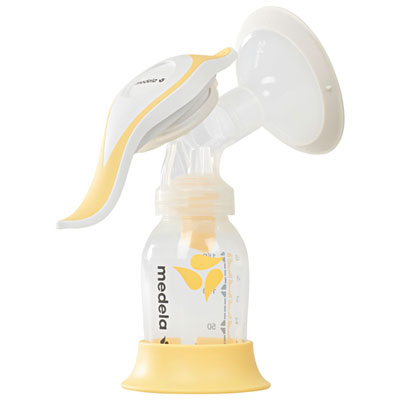 Your price for this item is $49.99
 -
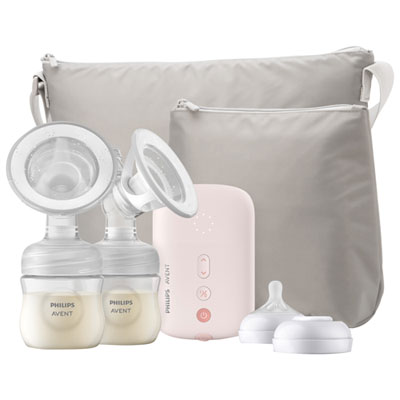 Your price for this item is $199.99
 -
 Your price for this item is $179.99
 -
 Your price for this item is $229.99
Discover more categories related to Silicone Breast Pump Flange
Top Collections:
Pokemon Centers, Kindle Devices, Best Budget Office Chairs, Apple iPhones 16, Canon G7X Cameras, iPhone 15 Apple, Alarm Clock, Refurbished Apple Laptops, Flip Phones, Best Laptops for Writers
Some products may be subject to Environmental Handling Fees
(EHF) depending on your province.
Learn more about EHFs.