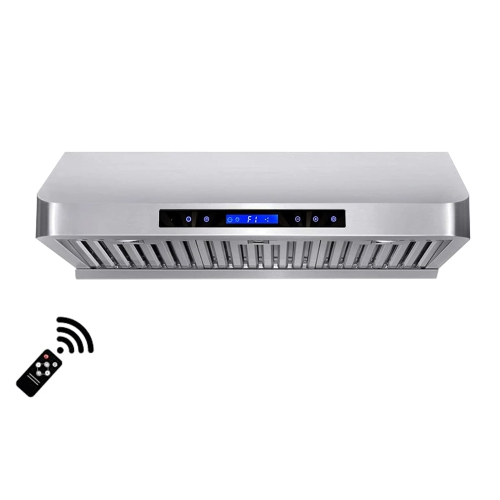
Built-in Extractor Hoods

Built-in extractor hoods fit into kitchen cabinetry above your cooktop, helping capture cooking odours, smoke and airborne grease. Compare dimensions, venting requirements and controls to find a range hood that fits your available space and suits your kitchen’s ventilation setup.
Sort

Discreet kitchen ventilation depends on more than looks

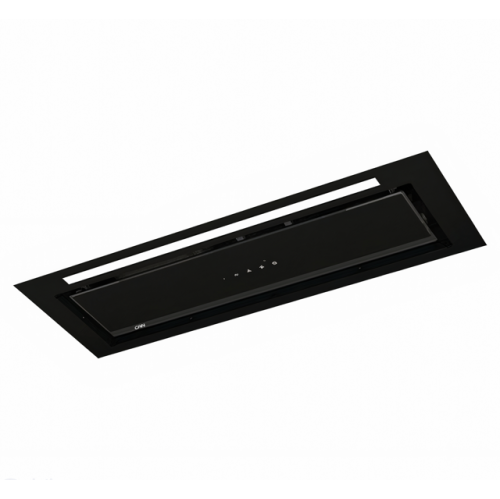
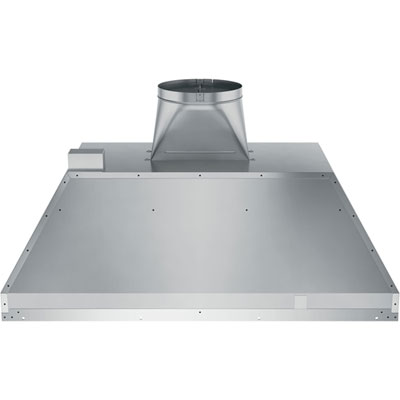
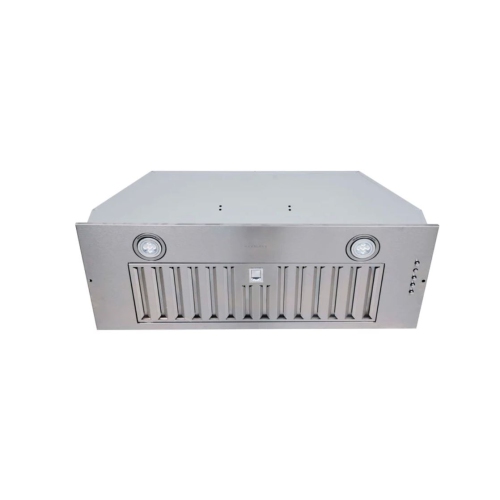
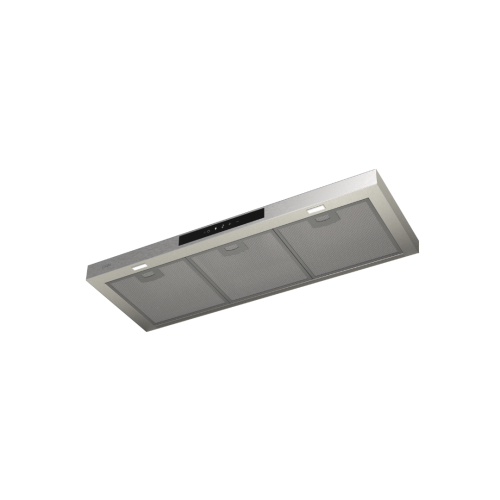
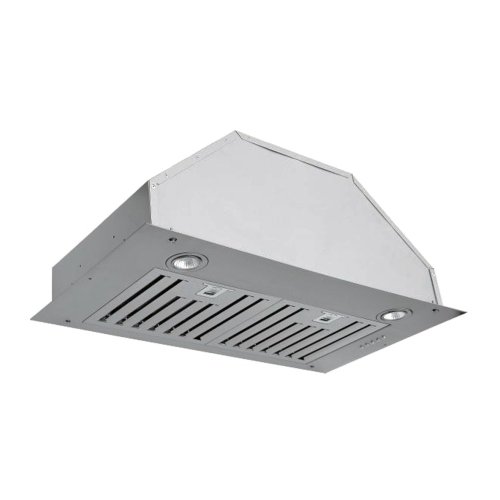
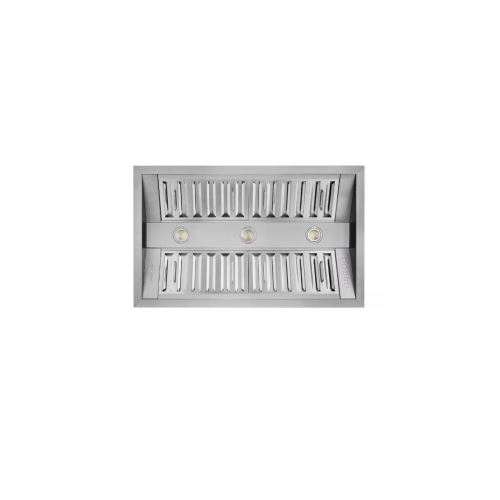
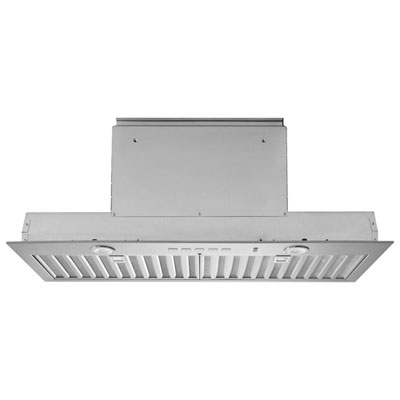
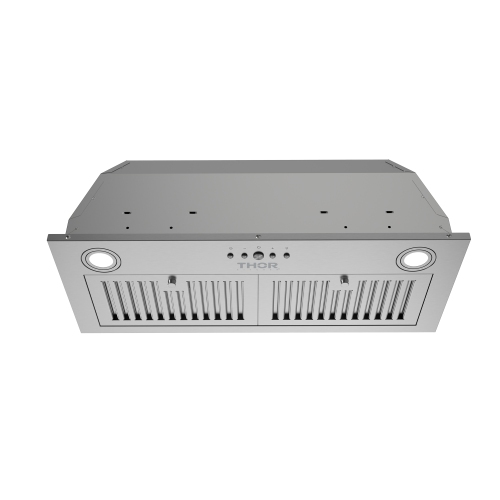
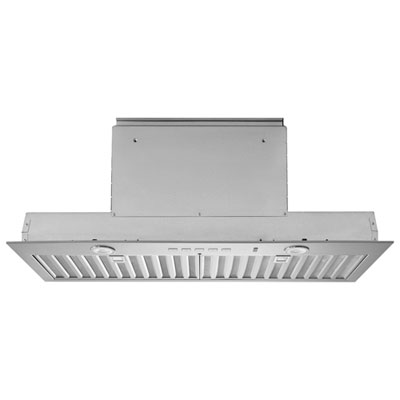
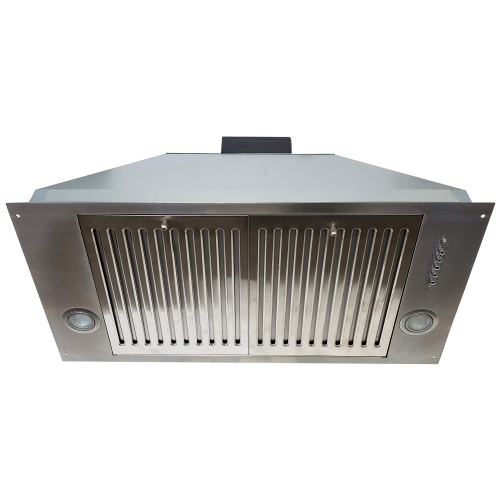
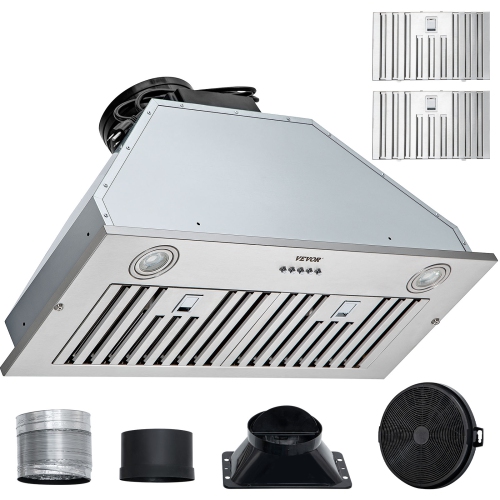
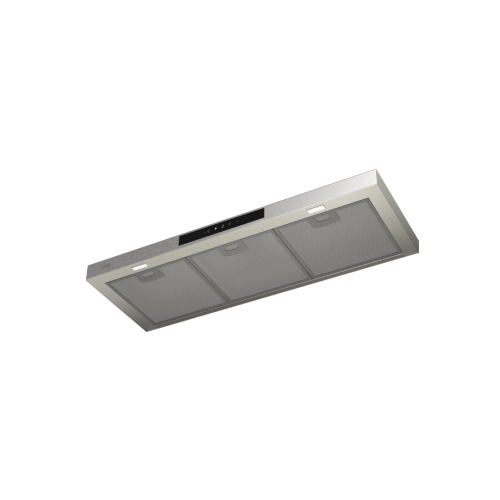
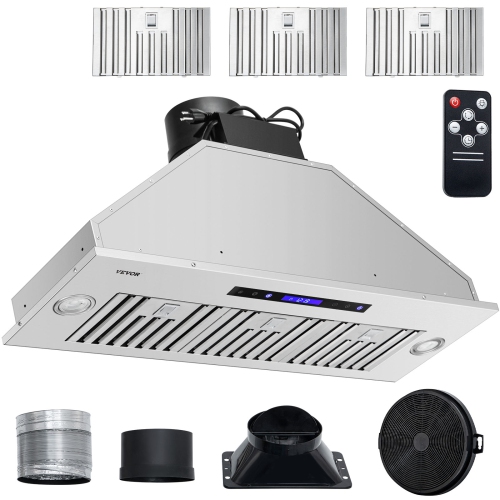
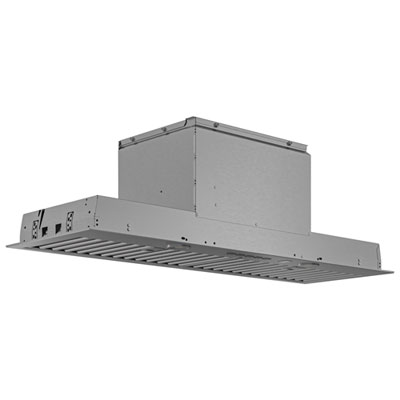
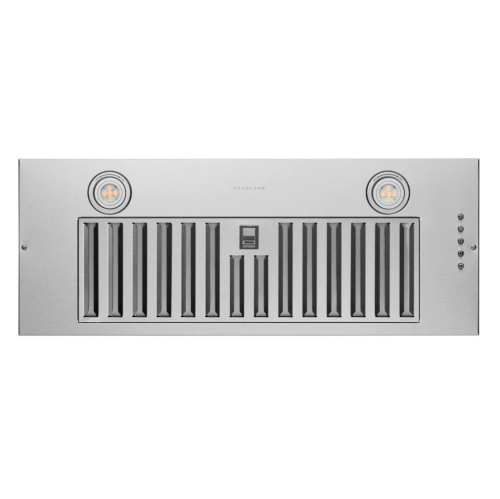
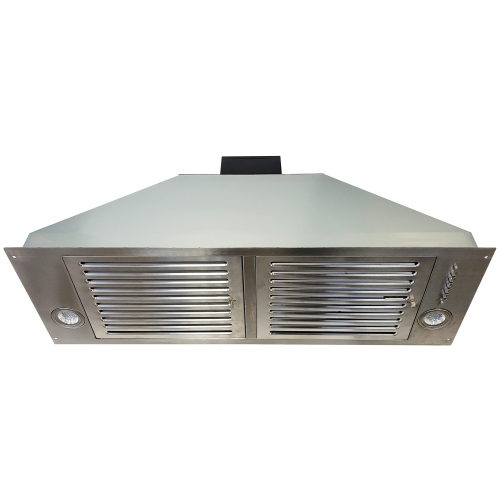
Built-in extractor hoods are kitchen ventilation appliances designed to fit within cabinetry or a custom hood enclosure above a cooktop or range. Also called integrated range hoods, hood inserts, or power packs, they keep much of the ventilation assembly out of sight while drawing cooking fumes through filters. The result is a less prominent appliance profile, with cabinet doors, woodwork, or a decorative surround defining the look of the kitchen. Some designs sit discreetly within an overhead cabinet, while pull-out styles extend a visor during cooking to increase the capture area. These arrangements suit kitchens where a visible chimney hood would interrupt a continuous run of cabinets, as well as spaces designed around a custom focal point above the range. Their purpose is practical: frying onions, searing fish, and simmering a fragrant sauce can leave grease particles and lingering odours around the cooking area. A properly sized and installed hood helps capture those by-products near their source. Fit involves more than matching a nominal width to the appliance below. The cabinet opening, hood body, installation height, and depth of coverage all affect how the assembly works within the space. A shallow insert positioned well behind the front burners may provide less effective capture over a large frying pan than a configuration with appropriate coverage. Required clearances also differ between cooking appliances and hood designs, particularly where gas burners are involved. Compatibility with both sets of installation requirements matters more than appearance alone. For a compact condo kitchen, an integrated hood can preserve a simple cabinet line; in a larger kitchen, it can sit inside a substantial custom enclosure without making the ventilation equipment the main visual feature. The distinction between a complete built-in hood and an insert intended for a separate enclosure is important, since the surrounding cabinetry, liner, and supporting structure may need to be planned independently.

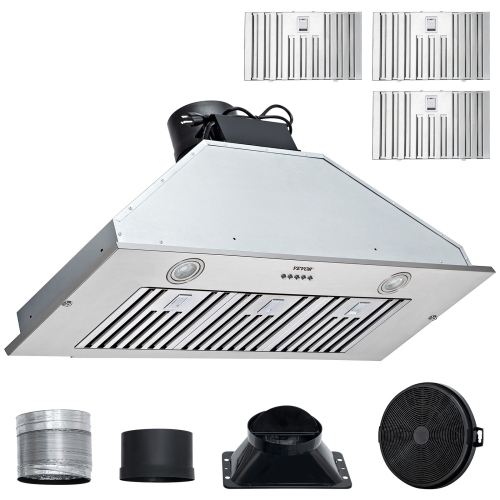
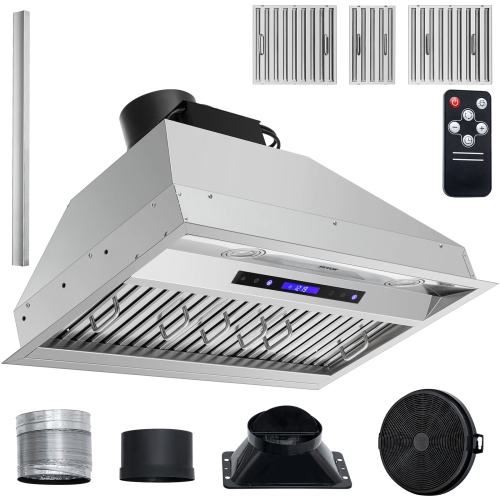
Venting configuration is another defining feature of built-in extractor hoods. Ducted installations carry extracted air outdoors through a duct, helping remove cooking odours, airborne grease, and moisture from the kitchen. Recirculating installations pass air through grease and odour filters before returning it to the room, making them relevant where an outdoor duct route is not feasible and the hood is designed for that configuration. They do not remove moisture in the same way as an externally vented system, and odour filtration depends on the correct filters being fitted and maintained. Convertible designs support more than one configuration, but conversion may require additional components rather than a simple change to a control setting. Duct diameter, routing, and the number of bends affect airflow and noise, so a high airflow rating alone does not describe the performance of a finished installation. Ratings expressed in cubic feet per minute, or CFM, indicate air movement under specified test conditions; actual capture also depends on hood coverage, mounting position, and the cooking taking place beneath it. A household that frequently stir-fries or sears food has different ventilation demands from one that mainly reheats meals and prepares gentle stovetop dishes. More powerful ventilation can also have implications for replacement air and local building requirements, making installation planning especially important in tightly sealed homes. Noise deserves similar attention, particularly when the kitchen opens directly onto a dining area or living room. Sound ratings in sones or decibels are most useful when compared at equivalent fan settings and under comparable test conditions. Multiple speeds allow ventilation to suit the task, with a lower setting for light cooking and stronger extraction for more demanding preparation. Professional installation can address cabinet support, electrical connections, duct compatibility, and required clearances, while exterior venting needs a proper outdoor termination rather than discharge into an attic or another enclosed space. These details help distinguish an integrated installation that simply looks tidy from one that also performs reliably during everyday cooking.

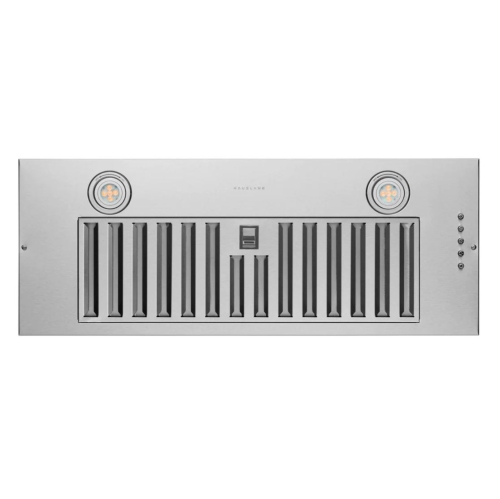
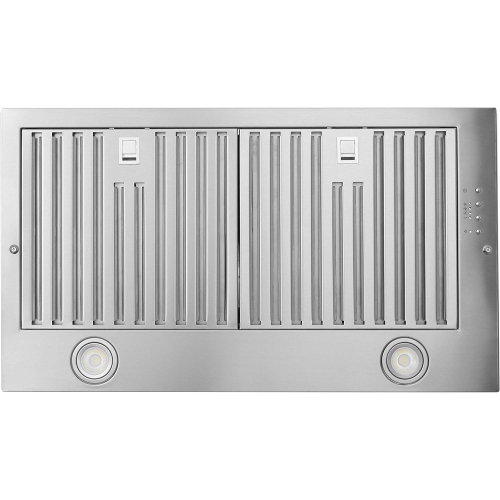
Materials, accessible controls, and straightforward care shape the long-term experience of using a built-in extractor hood. Stainless steel is common around exposed undersides and filter surrounds because it tolerates regular kitchen cleaning and suits a broad range of appliance finishes. Aluminium mesh filters and stainless steel baffle filters are common grease-filter designs, although cleaning methods vary and dishwasher suitability should never be assumed. Mesh traps grease across fine layers, while baffle designs use shaped channels to help separate grease from the moving air. Both depend on regular maintenance; accumulated residue can restrict airflow and leave an otherwise capable hood working less effectively. In a recirculating setup, charcoal or other odour filters generally have separate replacement or maintenance requirements, and washing a grease filter does not restore an exhausted odour filter. Ease of removal matters when the hood is mounted overhead, as do secure filter catches and surfaces without awkward crevices that collect cooking residue. Lighting is equally useful in daily use. Integrated task lights can make it easier to see the colour of onions softening in a pan or the edge of a sauce beginning to reduce, especially when overhead room lighting falls behind the person cooking. Depending on the design, controls may sit along the front edge, beneath the hood, or on a pull-out section; their visibility and reach can make a noticeable difference in a busy kitchen. Features such as timed shutoff can keep extraction running briefly after cooking without requiring another trip to the controls. For households comparing concealed ventilation with more visible designs, Modern Kitchen Exhaust Hoods provides a related perspective on kitchen ventilation styles. A built-in arrangement remains especially relevant when the priority is an uninterrupted cabinet design paired with practical extraction. Durable finishes, replaceable filters, suitable lighting, and accessible service points all contribute to a hood that fits naturally into the kitchen’s daily routine, from a quick breakfast at the front burner to a full meal with several pans on the go.

FAQ

Some products may be subject to Environmental Handling Fees (EHF) depending on your province. Learn more about EHFs.