Bulk Printer Paper

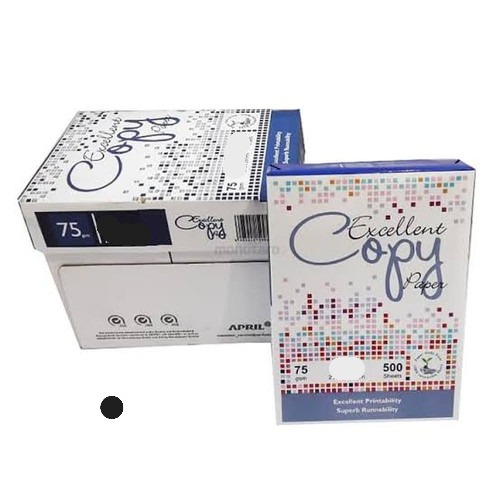
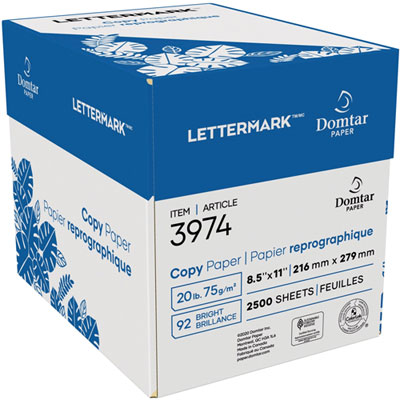
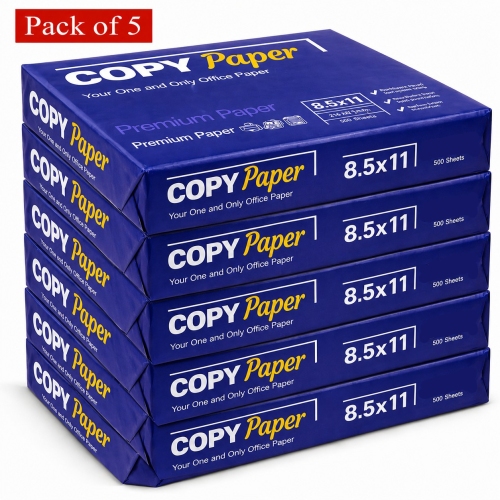
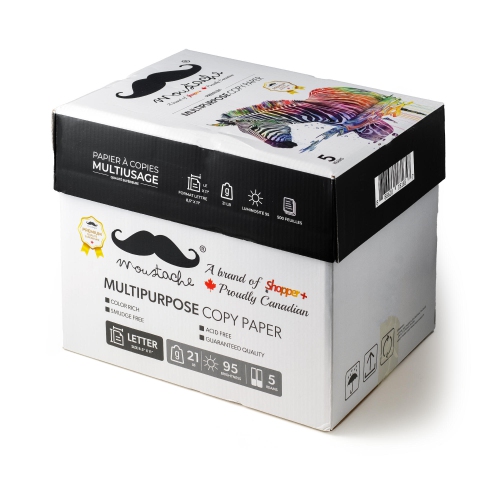
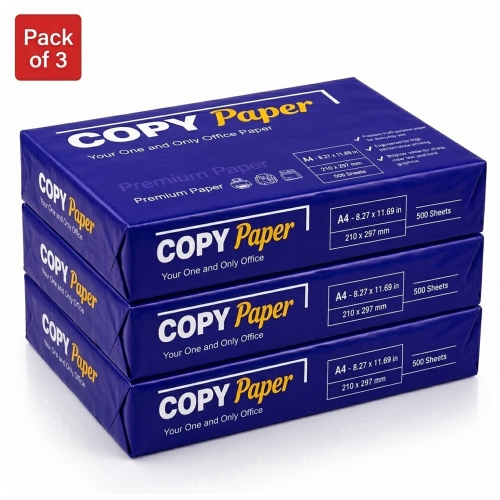
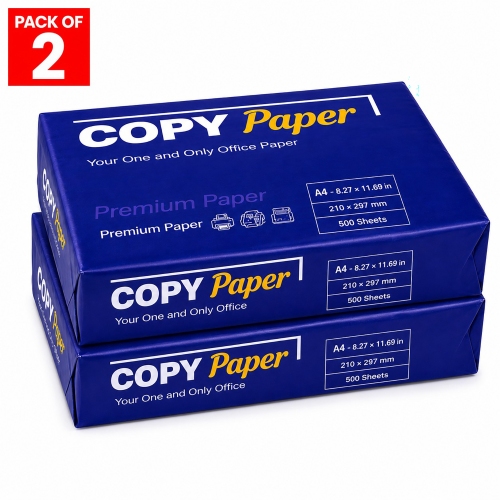
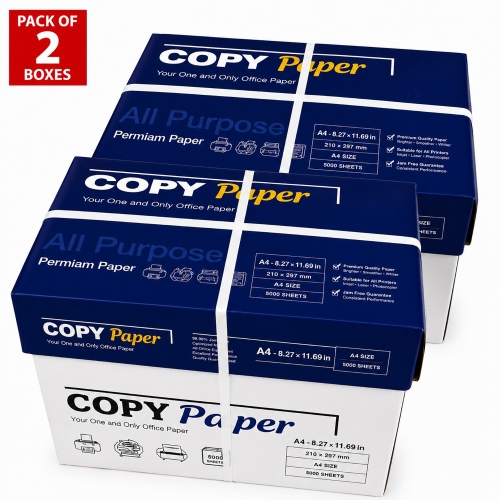
Bulk printer paper helps keep busy offices supplied for everyday copying and frequent print runs. Explore plain office paper in multi-ream packs and cases, and compare total sheet counts rather than package labels alone. Match your purchase quantity to your printing routine, printer requirements and available storage space.
Sort

Why paper size and weight matter for everyday printing

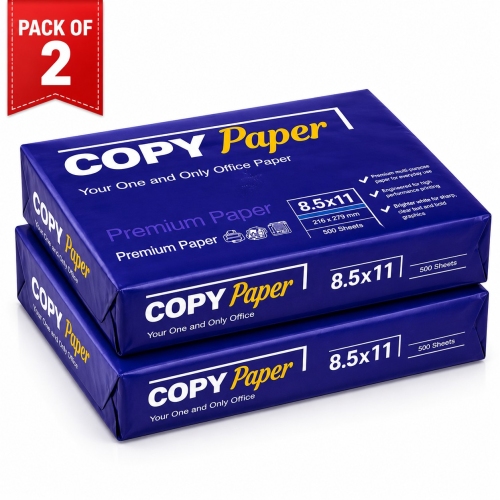
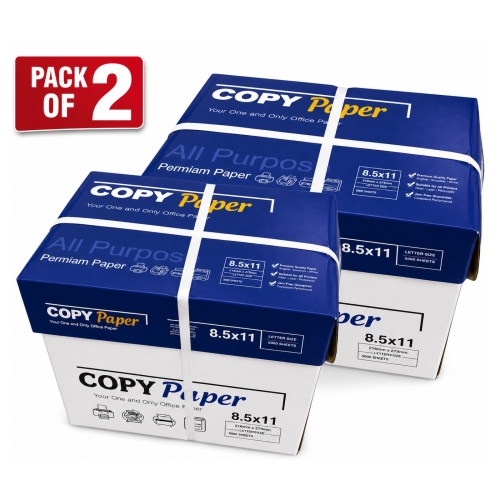
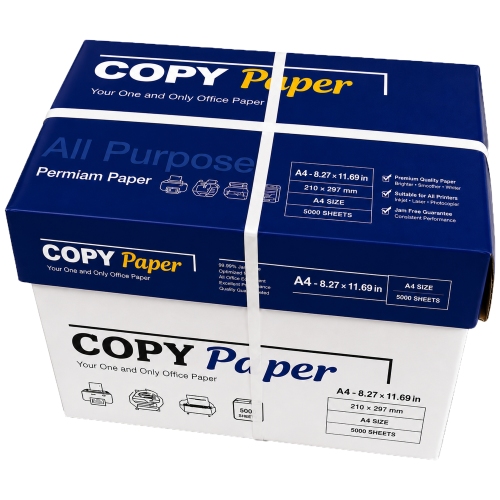
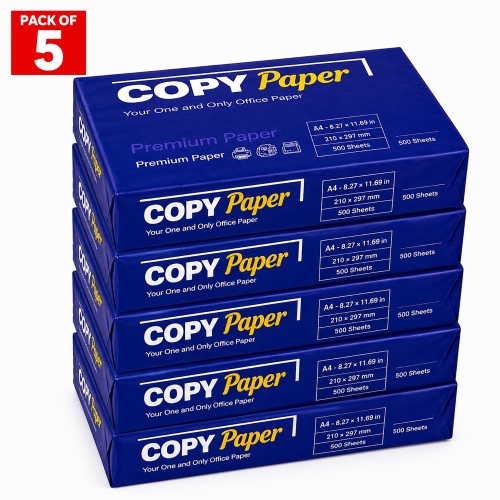
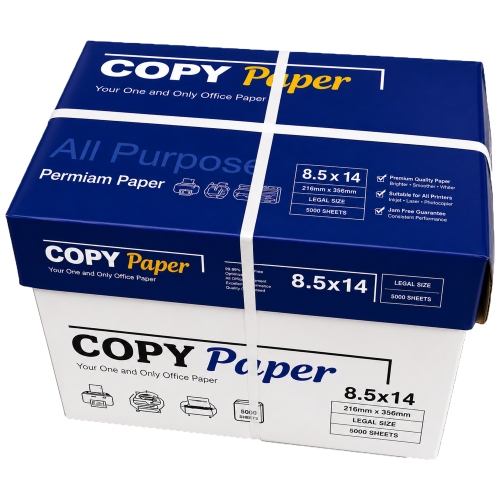
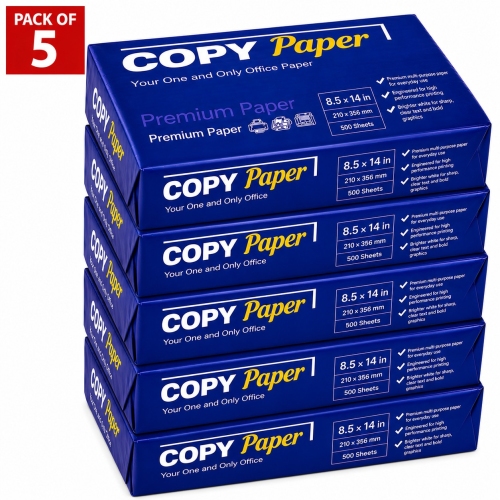
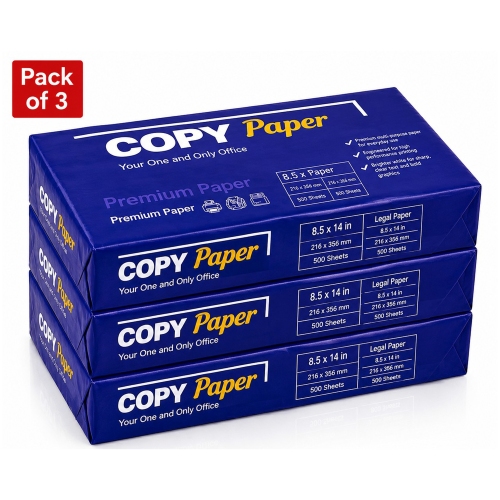
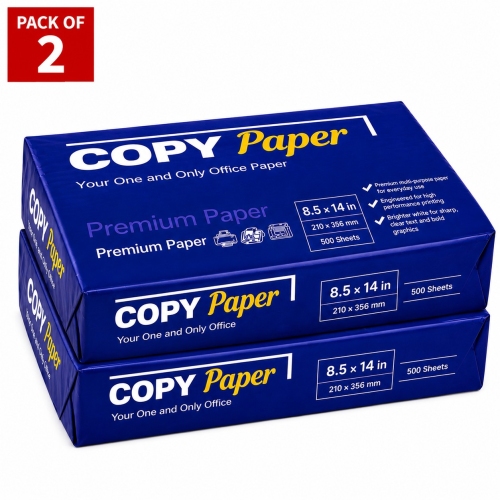
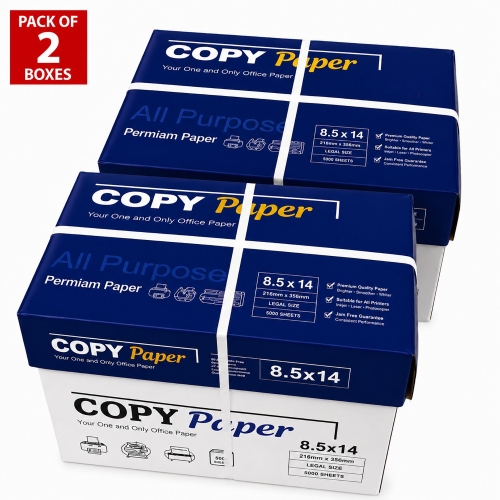
Bulk printer paper is a practical foundation for workplaces, home offices, classrooms and other spaces where printed documents remain part of the daily routine. From a teacher preparing lesson handouts to an administrator assembling meeting packages, larger paper packs suit repeated tasks that call for consistent sheet size and print quality. The same format can serve a household managing school assignments, forms, activity sheets and personal paperwork across a shared printer. A ream commonly contains 500 sheets, while a carton groups multiple reams; the total sheet count and packaging configuration help distinguish one bulk format from another. Individually wrapped reams are useful when paper is divided among several rooms or printers, since each bundle can remain protected until needed. Paper dimensions are just as important as quantity. Letter-size sheets, measuring 8.5 x 11 inches, are familiar for correspondence, worksheets, invoices and most everyday documents in Canada. Legal-size paper measures 8.5 x 14 inches and provides extra length for certain forms and records, while 11 x 17-inch tabloid sheets accommodate larger layouts, spreadsheets and folded documents when supported by the printer. A printer’s supported paper sizes, tray capacity and feed settings determine which formats it can handle comfortably. The document layout matters too: a form designed for letter paper may lose content or develop awkward margins if printed on another size without adjustment. Bulk printer paper is especially useful where a consistent format moves through several stages, such as a client form that is printed, completed by hand, scanned and filed. Standard dimensions keep those pages aligned with folders, binders and document feeders. For shared spaces, using a familiar size also simplifies copying and scanning, particularly when different people use the same equipment. Matching the paper format to these everyday routines helps keep paperwork uniform, whether the finished pages are headed for a classroom desk, a reception counter or a filing cabinet.

The feel and performance of printer paper depend on more than its size. Most everyday office paper is made from cellulose fibres formed into thin sheets, with differences in fibre composition, surface treatment and manufacturing affecting smoothness, stiffness and opacity. Paper weight is commonly expressed in pounds or grams per square metre, often abbreviated as gsm. These measurements describe the paper differently, so the printer’s specifications are the most useful reference when comparing acceptable weights. Standard copy paper often falls around 75 to 80 gsm and suits routine text documents, internal notes and general photocopying. Heavier paper can give reports, letters and presentation handouts a more substantial feel, provided the machine supports it. Weight alone does not determine how clearly a page will print or how well it will resist show-through. Opacity describes how much the sheet conceals printing on the reverse side, making it particularly relevant for two-sided documents such as training packages or reading assignments. Brightness and whiteness affect the appearance of the page: brightness relates to reflected light, while whiteness includes its visual tone. A brighter sheet can create strong contrast with dark text, although the preferred appearance depends on the document and lighting. Surface finish also influences results. A smooth, uncoated sheet is a familiar choice for text, tables and simple graphics, while photographs and ink-heavy artwork may call for paper specifically designed for those applications. Inkjet printers deposit liquid ink onto the sheet, whereas laser printers use heat to fuse toner to its surface. Paper labelled for the intended printing method, or for multipurpose use across compatible machines, helps match those different processes. This distinction matters when a document includes a small colour chart, a shaded table or a logo alongside paragraphs of text. A sheet that performs well for a brief memo may behave differently under broad areas of ink, making the intended print coverage an important consideration alongside weight and finish.

Careful handling helps bulk printer paper retain the flatness and clean edges needed for dependable feeding. Paper fibres can absorb moisture, and exposed sheets may develop curled edges or a wavy surface that affects how they travel through a printer. Wrapped reams kept flat in a dry cupboard or on a level shelf are better protected from spills, dust and accidental bending than loose stacks left beside a busy work surface. Keeping unopened paper in its original wrapper also makes its size, weight and printing specifications easy to identify. Storage within comfortable reach is useful in a shared office, especially when cartons are heavy or several paper formats are used. At the printer, the tray guides should sit against the edges without squeezing the stack, and the fill line indicates how much paper the tray is designed to hold. Bent corners, torn edges, adhesive residue and previously stapled pages can interfere with feeding, so clean, undamaged sheets are preferable for routine printing. Two-sided work adds another consideration: suitable paper needs enough opacity for readable pages and enough stability to pass through the machine again without excessive curling. Documents that will be handled repeatedly, such as reference sheets or classroom resources, may benefit from a heavier compatible weight, while ordinary drafts and short-lived working copies usually have different demands. Related everyday printing options can also be explored through Inexpensive Printer Papers, with sheet dimensions, finish and machine compatibility remaining useful points of comparison. Across home, school and business settings, the most suitable bulk printer paper fits both the equipment and the finished document. A neatly aligned stack of meeting notes, a readable double-sided workbook and a cleanly printed form each rely on that match. Consistent paper characteristics make these familiar tasks easier to repeat, while appropriate storage and handling help preserve the quality of every ream until it reaches the printer tray.

FAQ

Some products may be subject to Environmental Handling Fees (EHF) depending on your province. Learn more about EHFs.