Male And Female Connectors
Male and female connectors are essential components in various electronic devices and systems, facilitating secure and reliable connections between different components. These connectors come in a variety of types, sizes, and configurations to suit a wide range of applications, from audiovisual equipment to computer peripherals and more. Whether you're looking to repair existing equipment or embark on a new DIY project, having the right male and female connectors on hand is crucial for ensuring seamless connectivity and optimal performance.
Sort
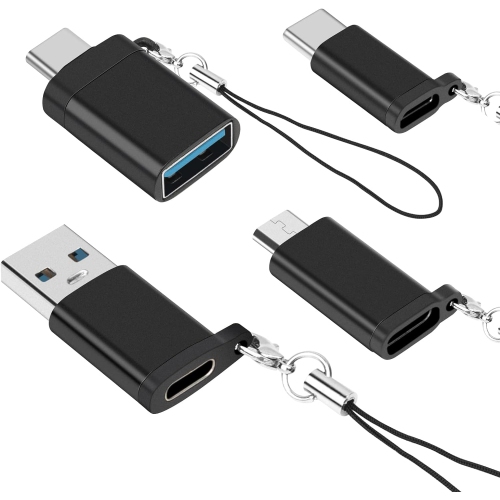


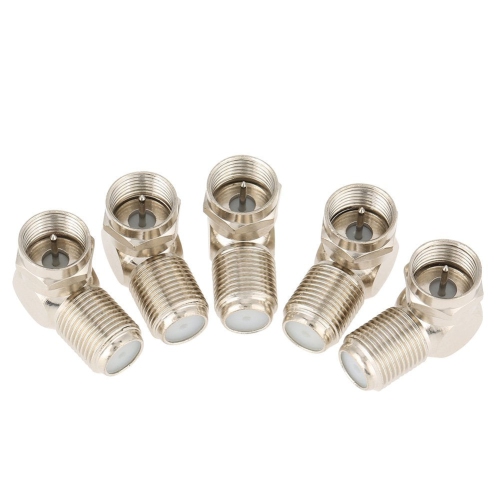
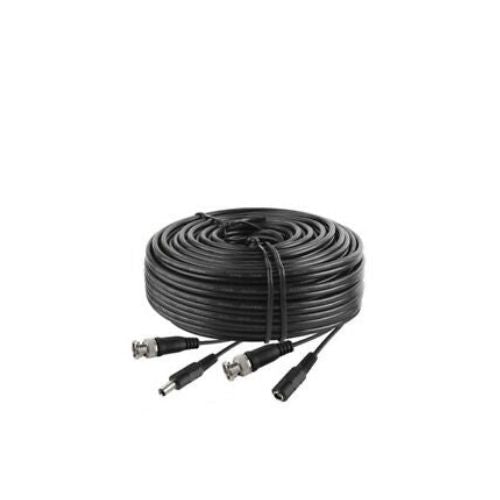
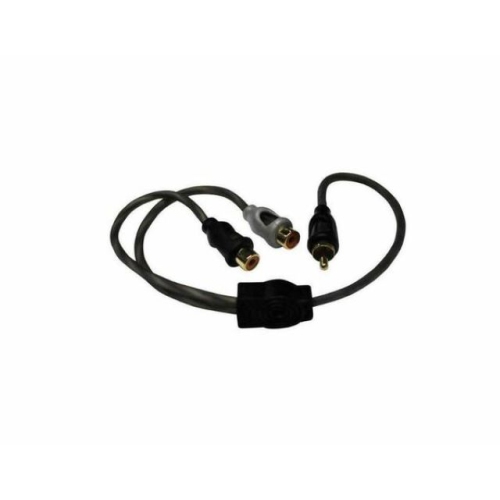



![NIERBO USB C to USB Adapter, Type C to USB Adapter [4 Pack] 3.0 USB Type-C Male to USB Female, USB C Female to USB Male Adapter Otg Converter For](https://multimedia.bbycastatic.ca/multimedia/products/500x500/174/17497/17497643.jpeg)



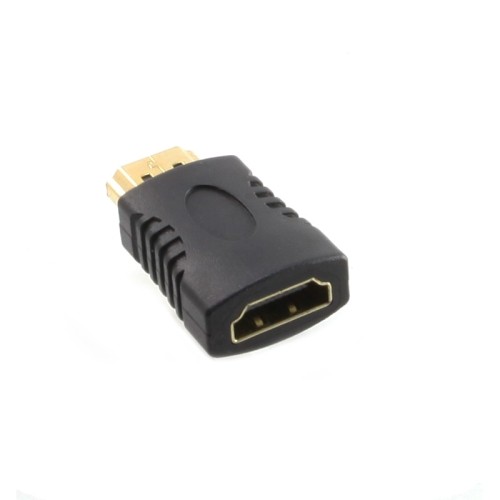
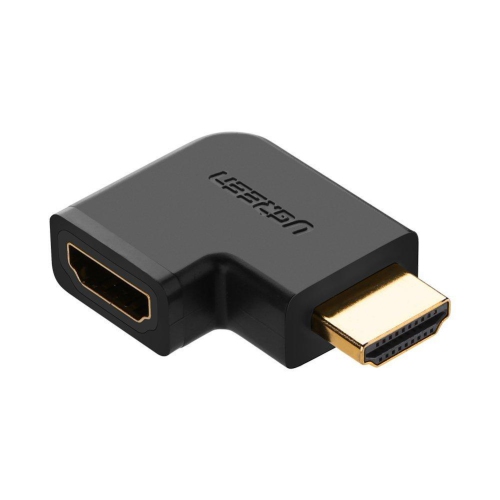
![UGREEN [2Pack] HDMI Male to Female Adapterleft](https://multimedia.bbycastatic.ca/multimedia/products/500x500/153/15341/15341112.jpg)

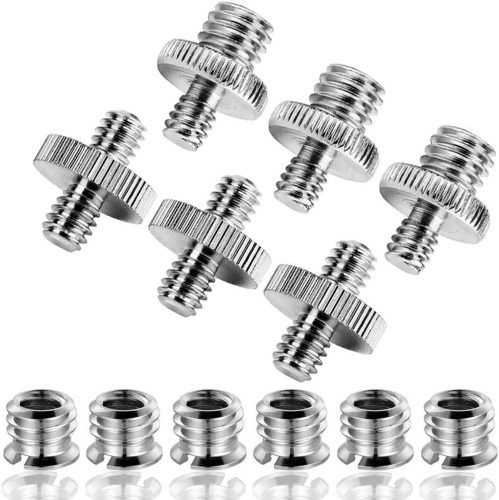
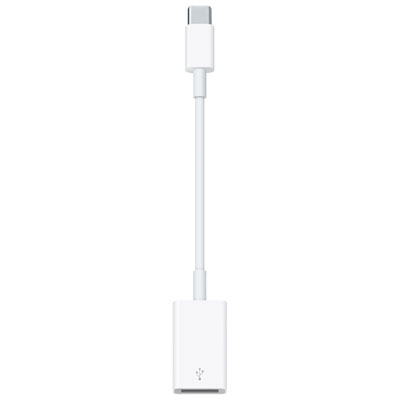
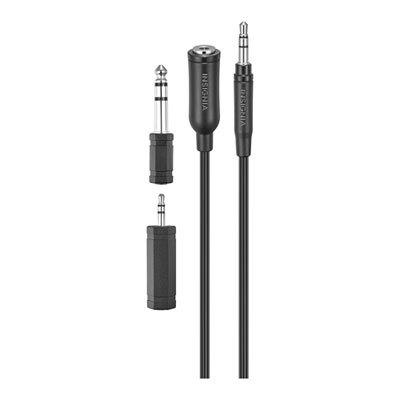
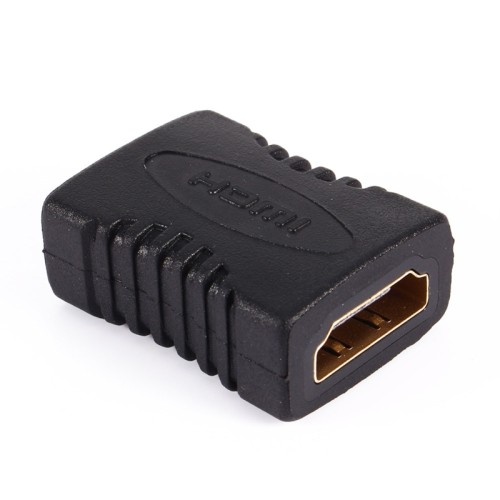

How connector roles affect compatibility and replacement part selection
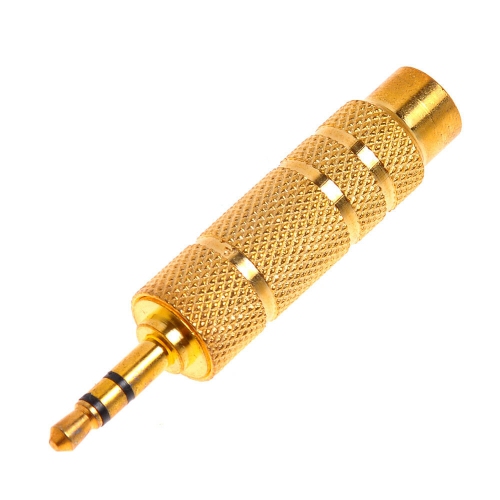
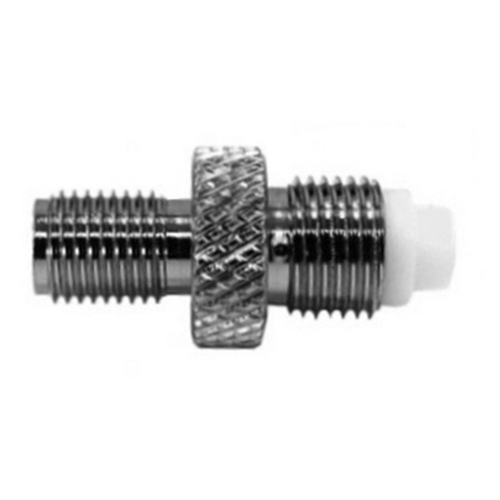
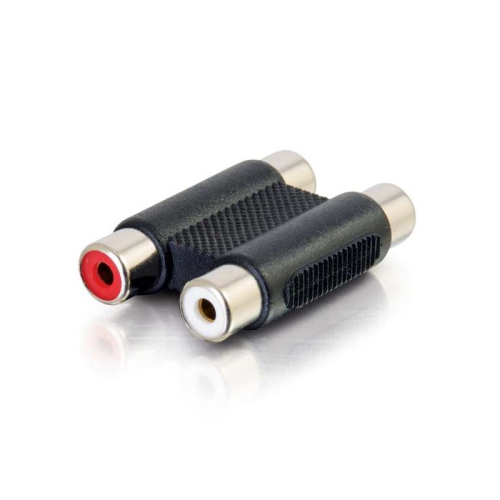
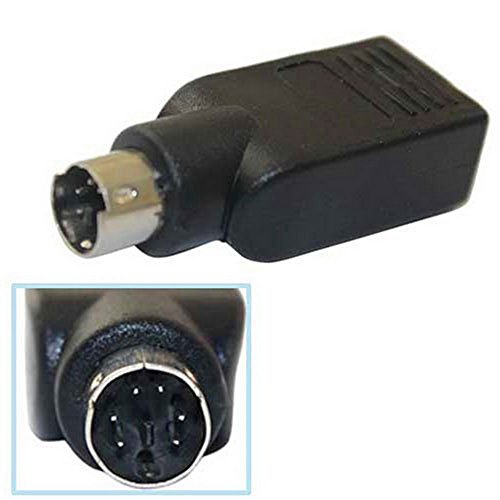
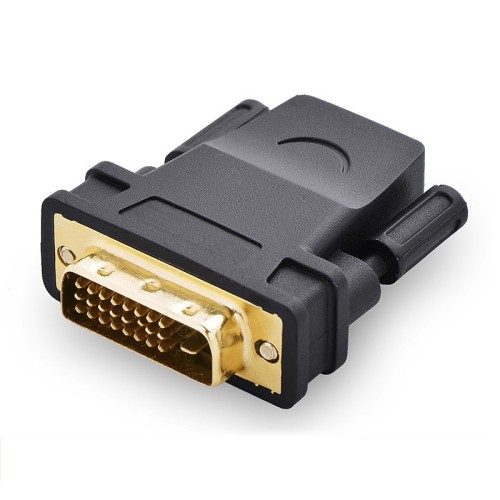
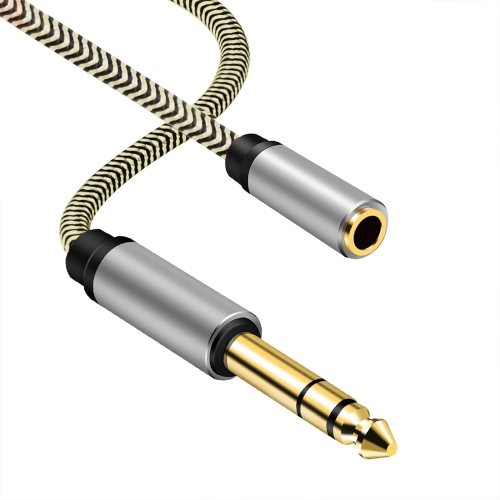
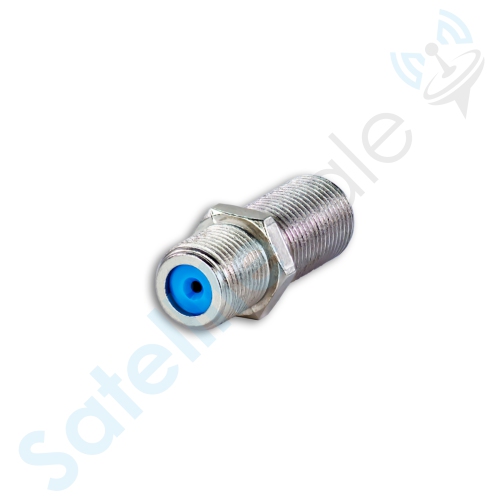
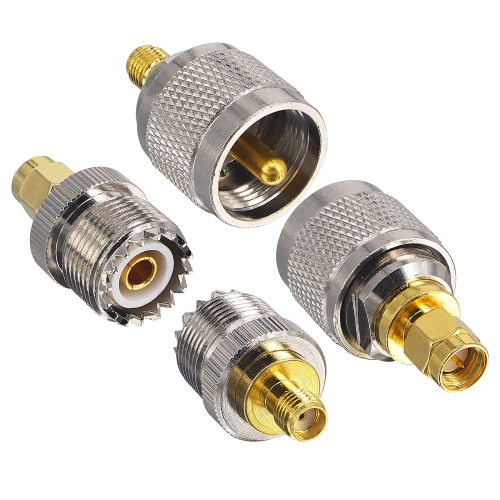
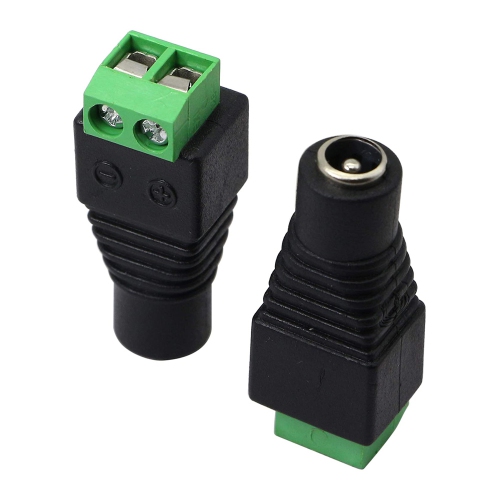
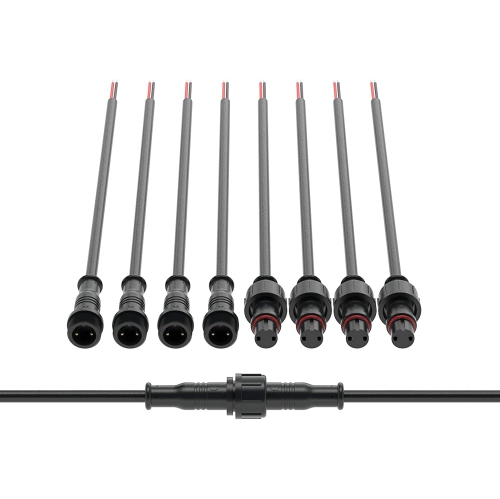
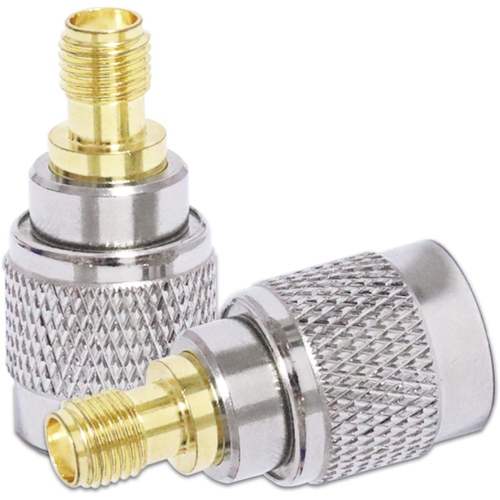
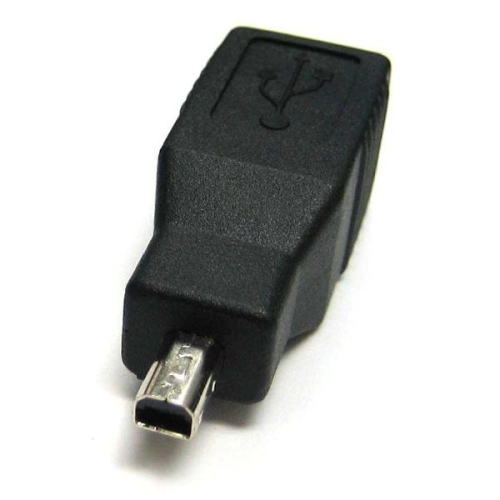
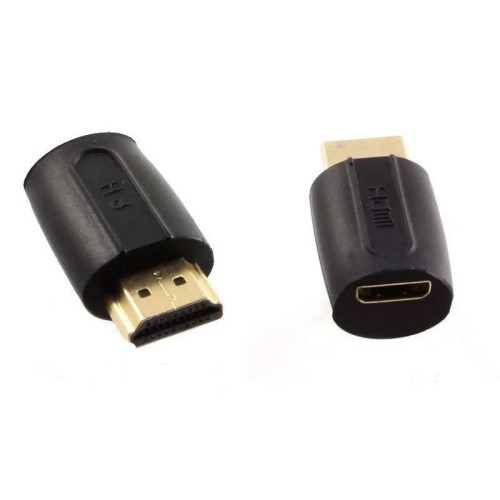
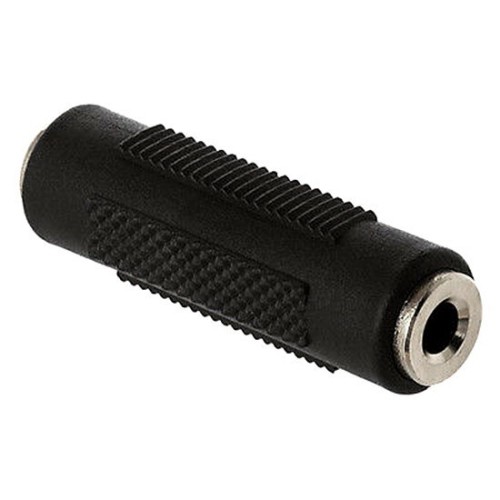
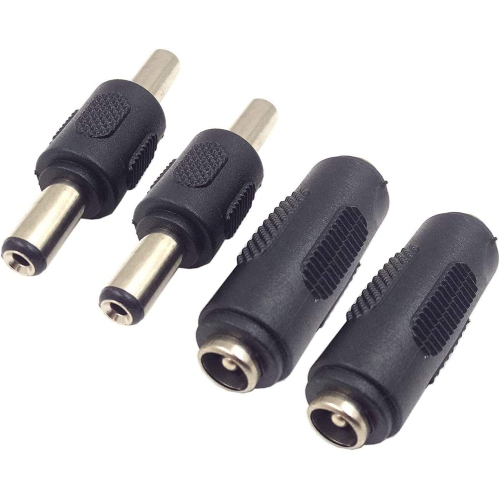
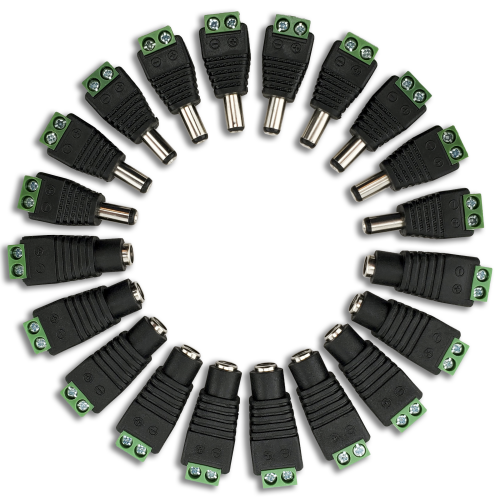
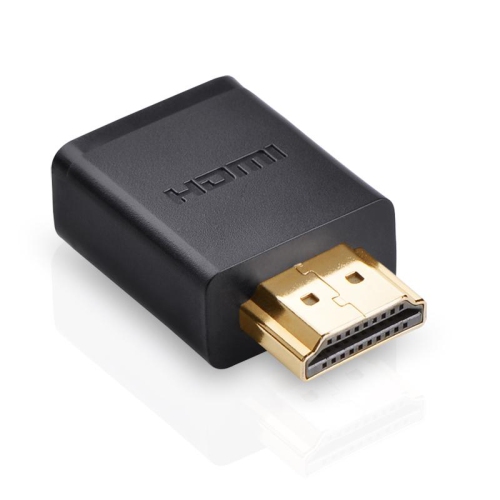
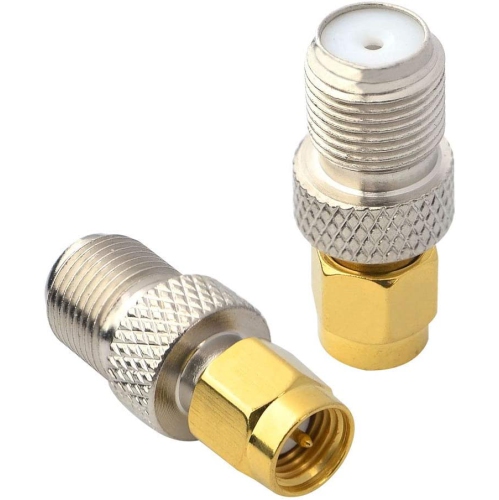
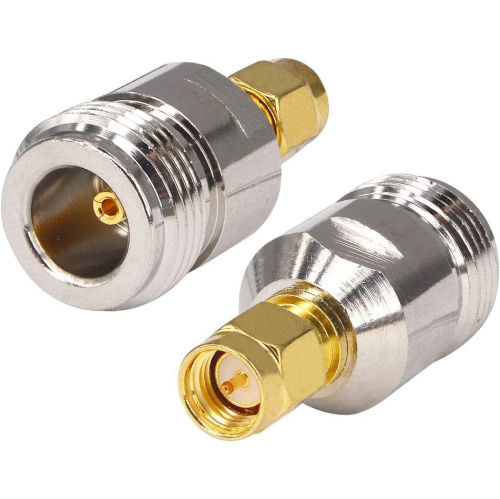
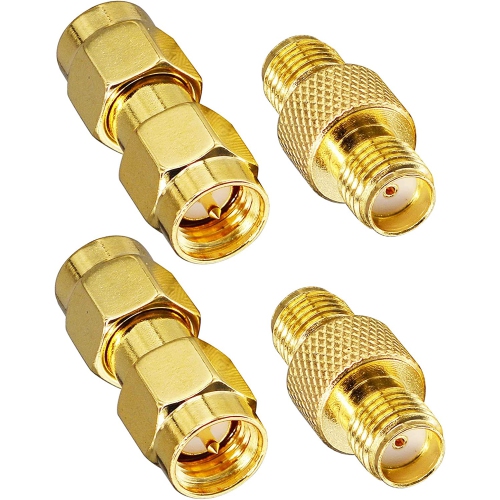
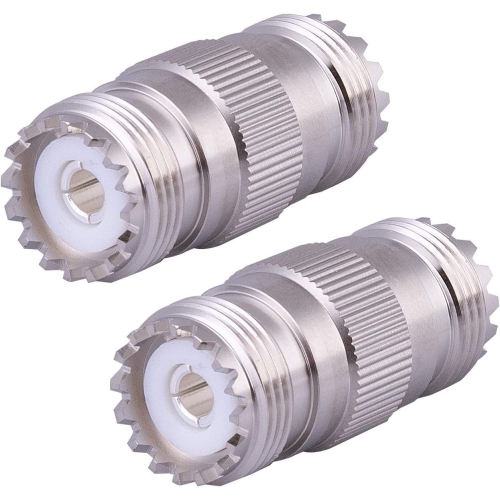
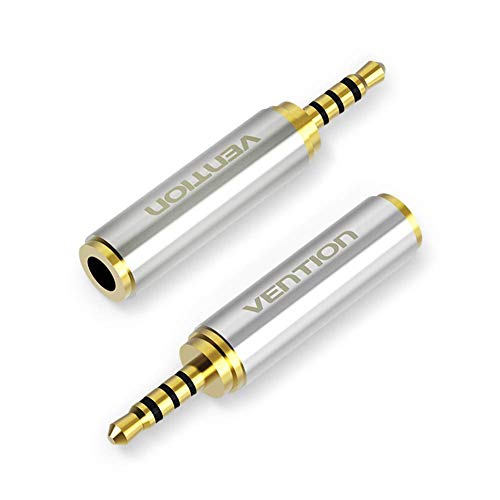
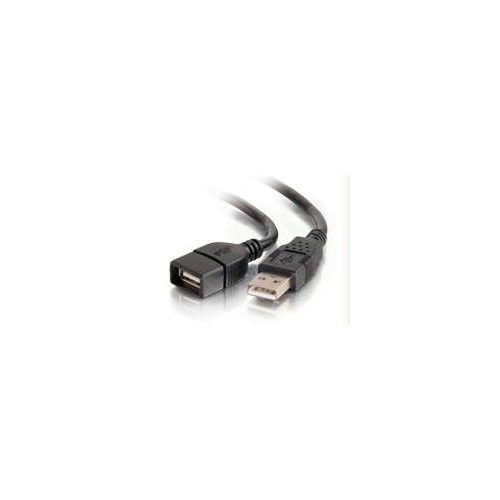
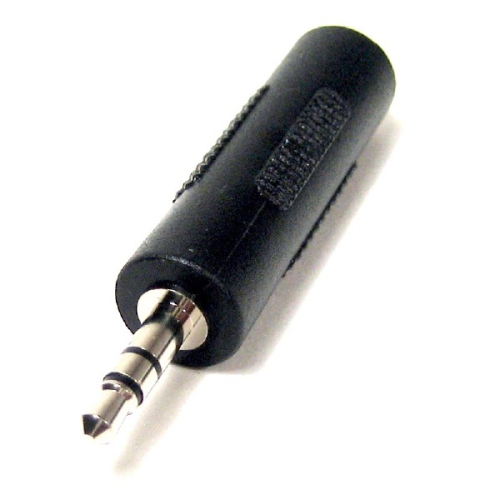
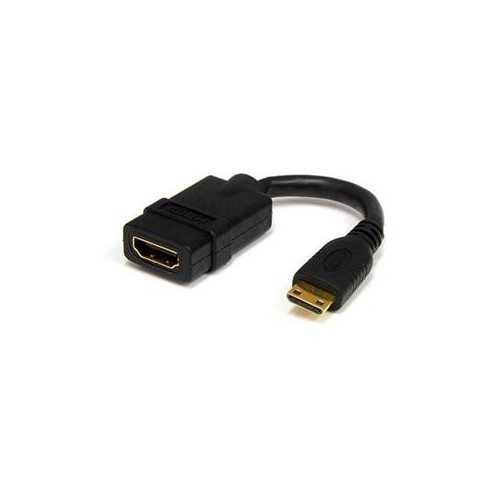
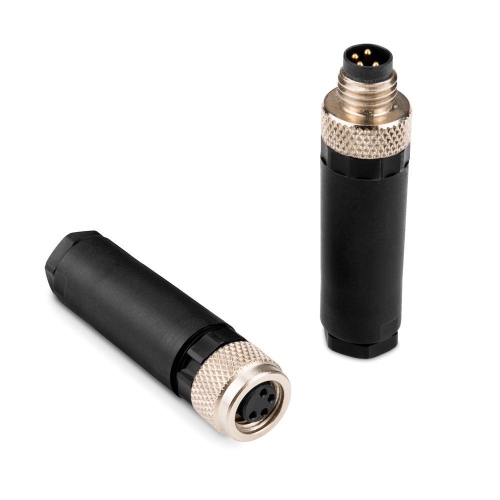
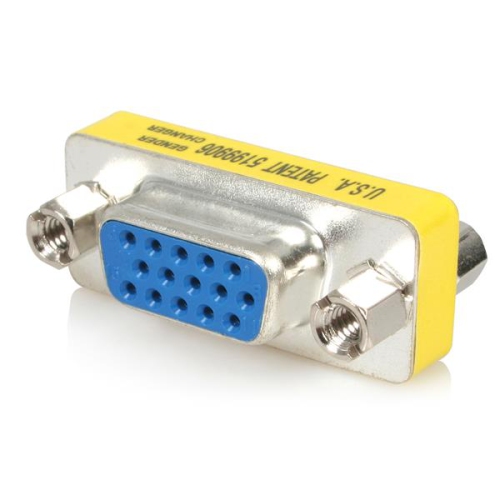
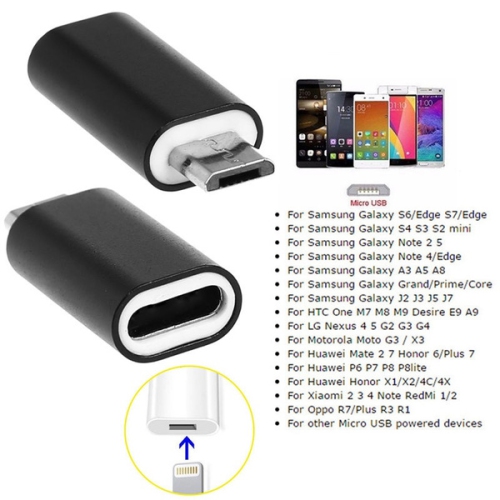
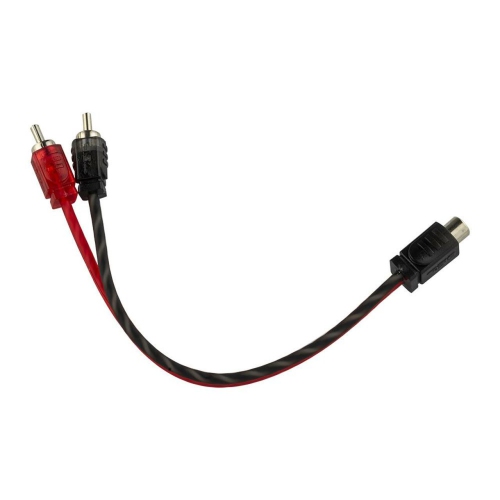
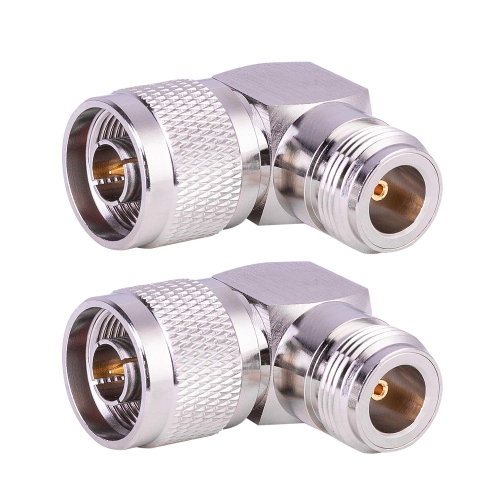
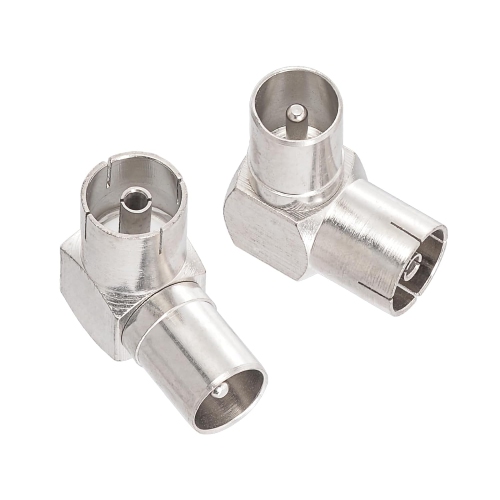
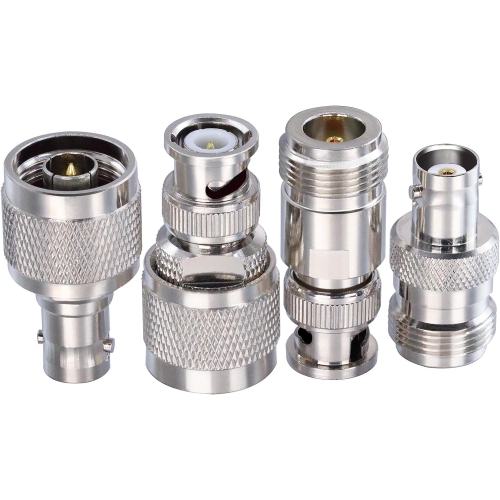
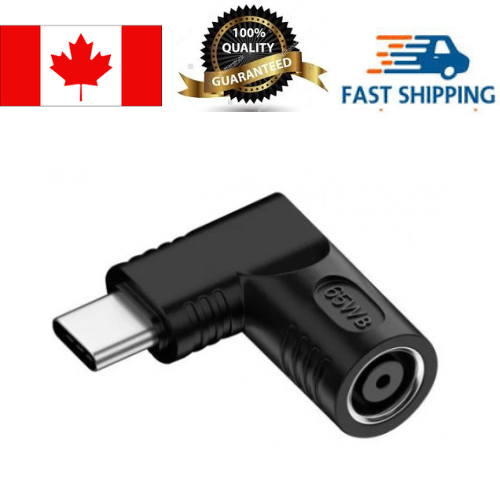
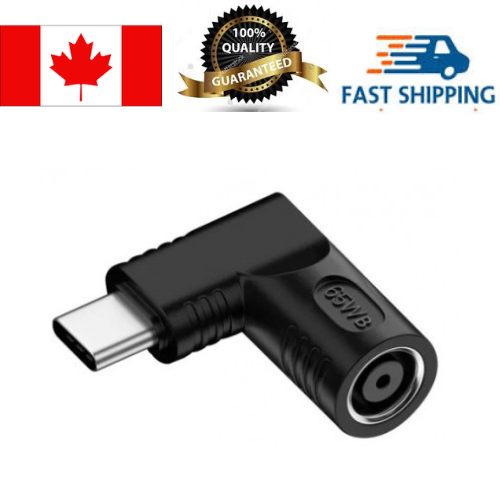
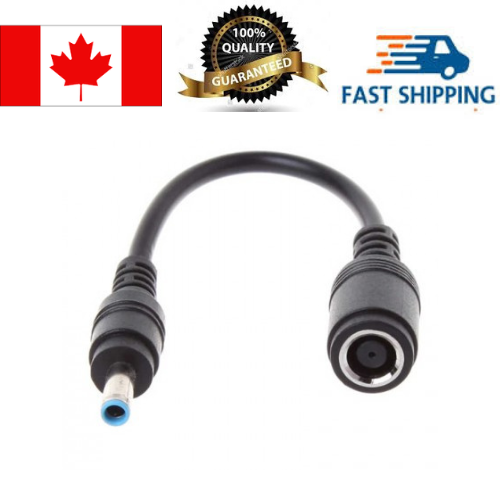
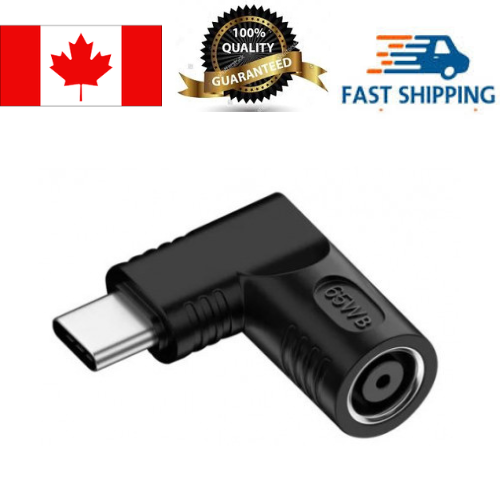
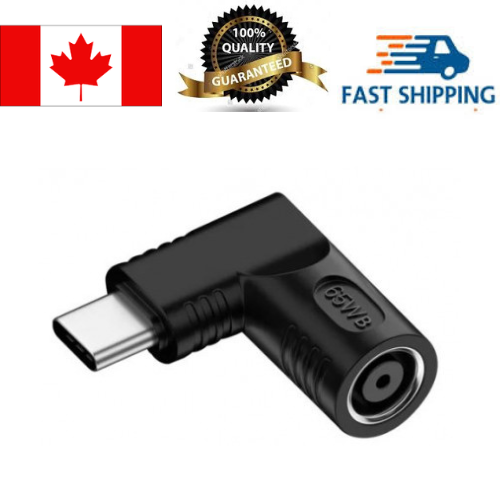
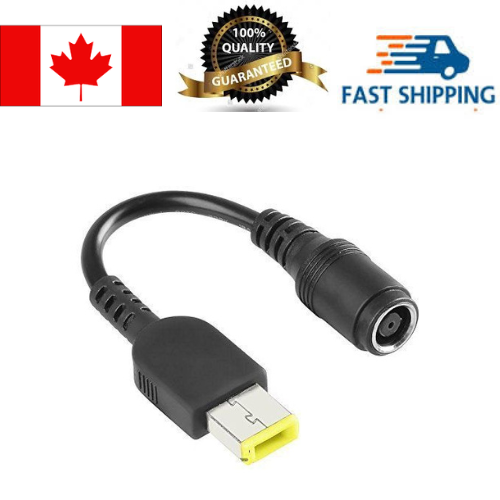
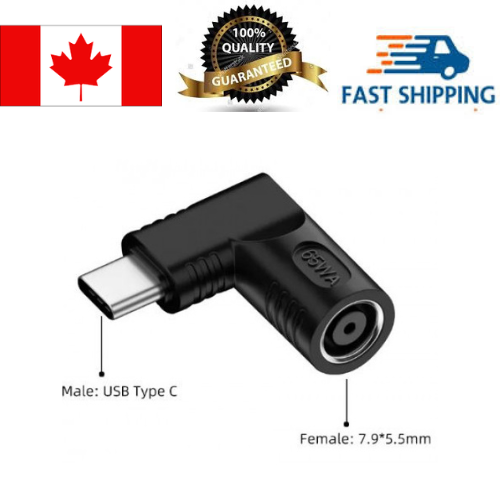
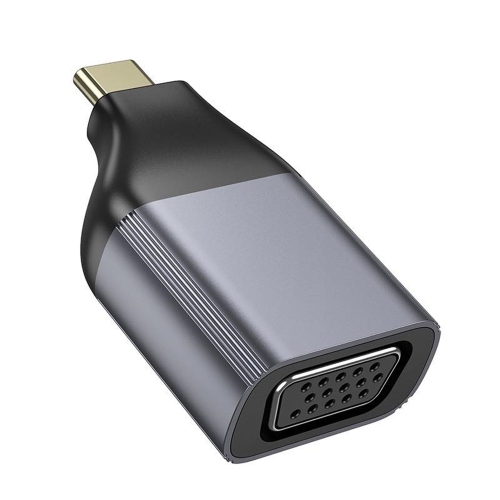
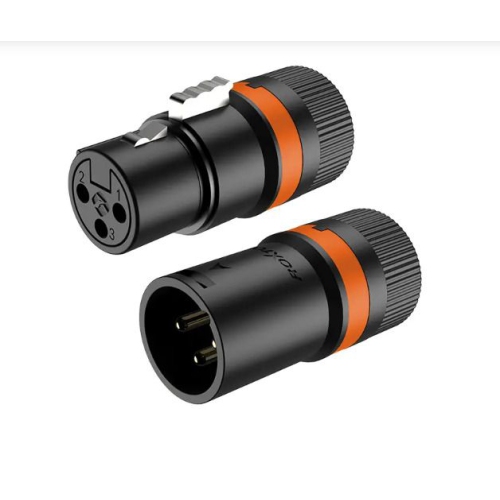
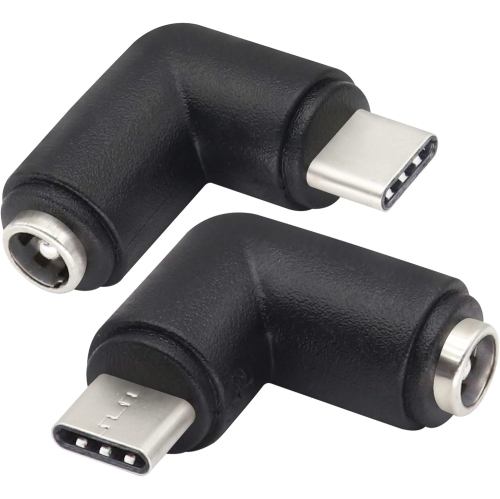
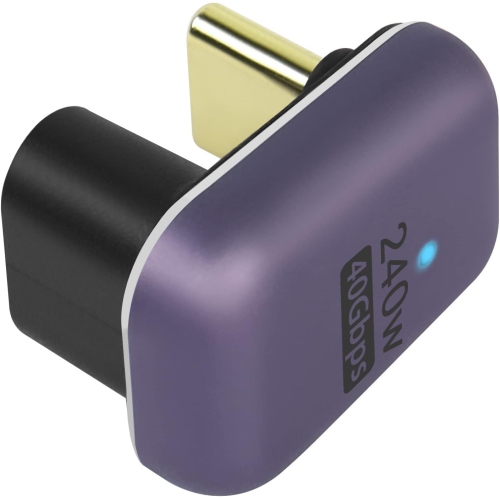
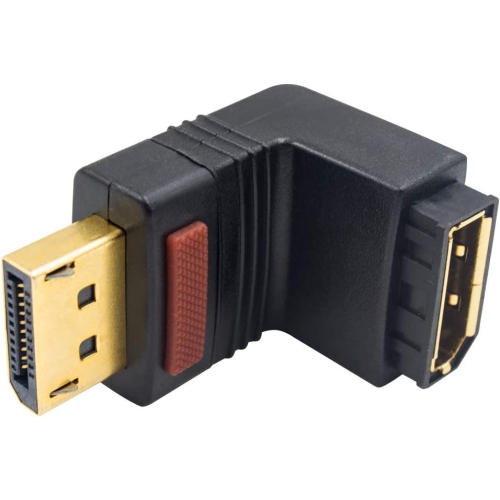
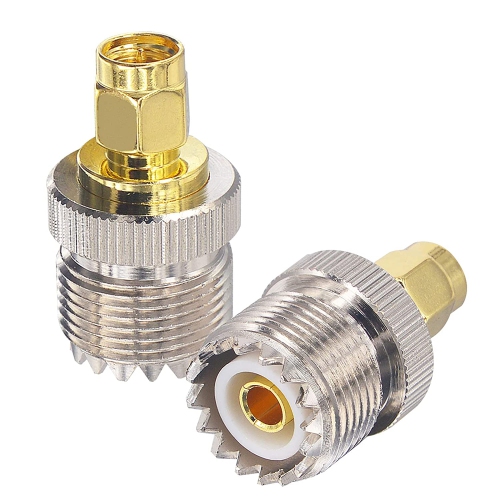
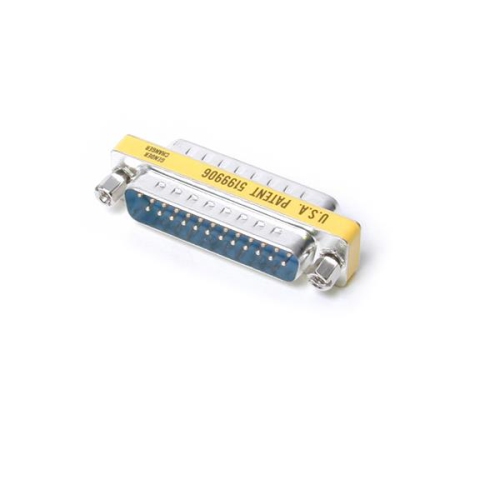
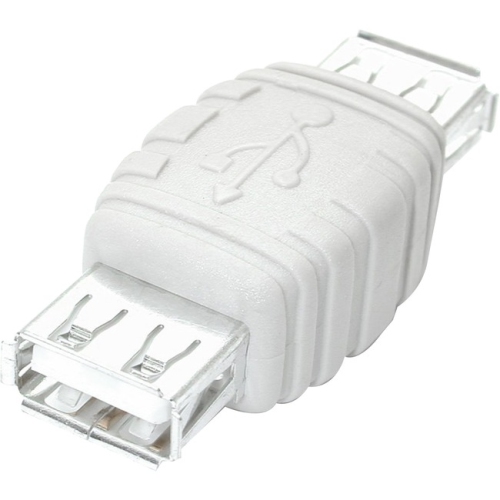
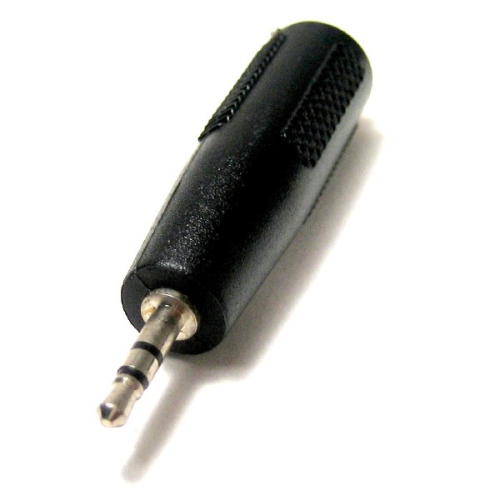
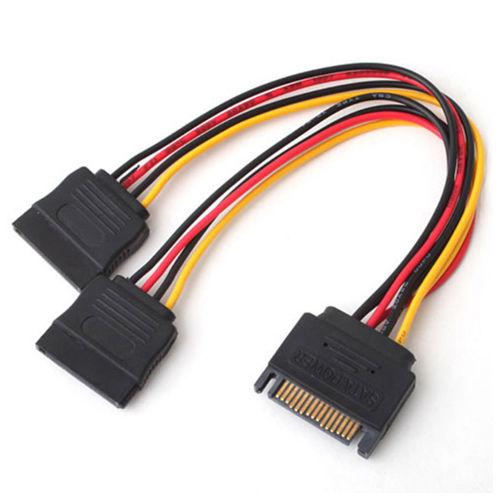
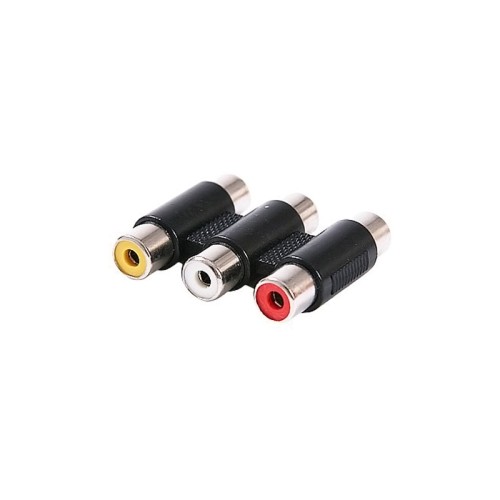
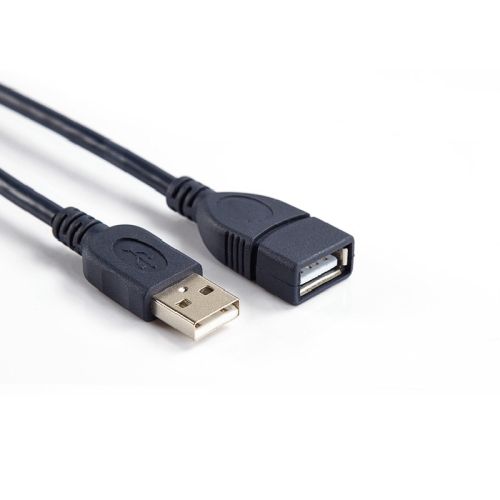
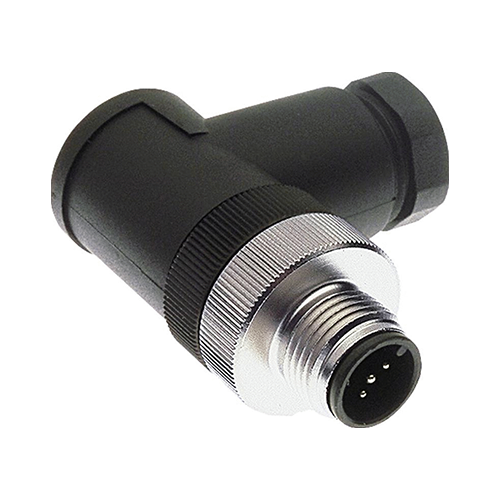
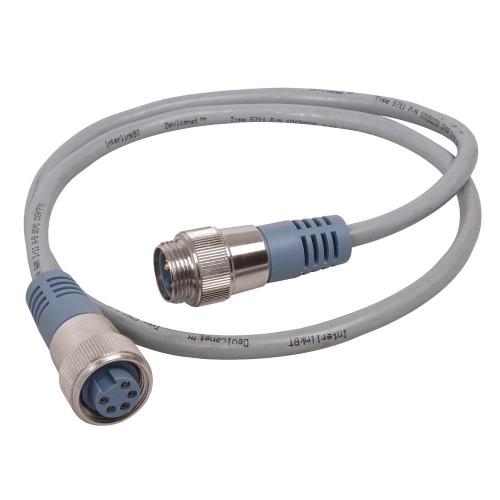
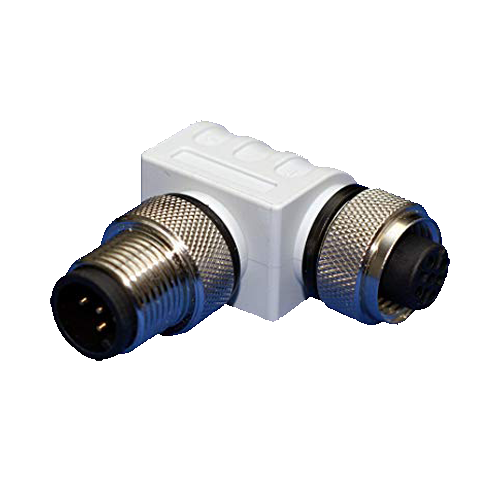
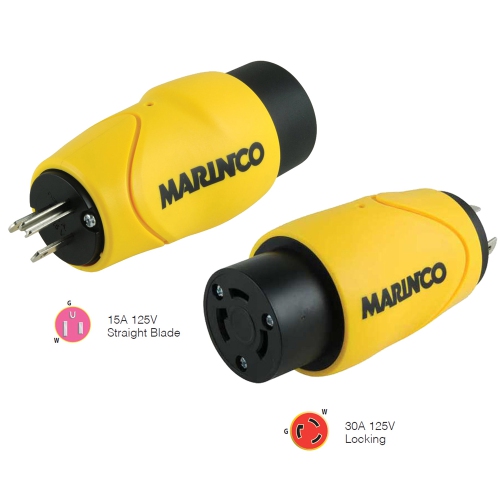
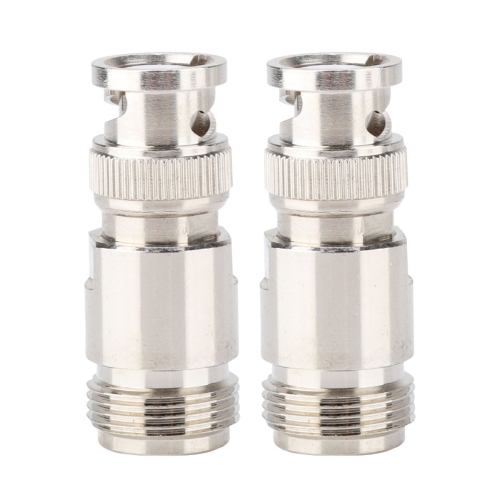
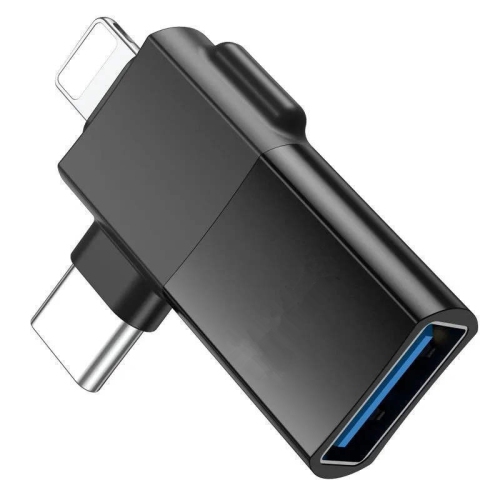
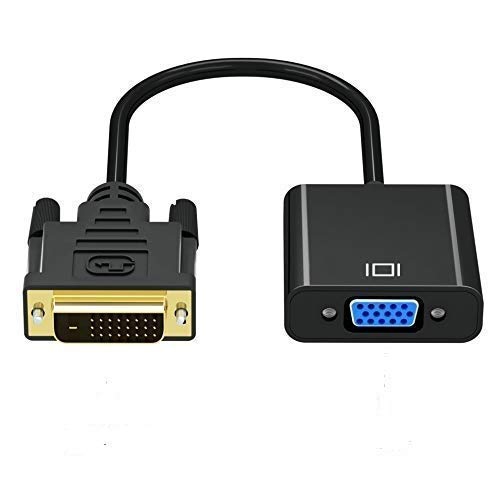
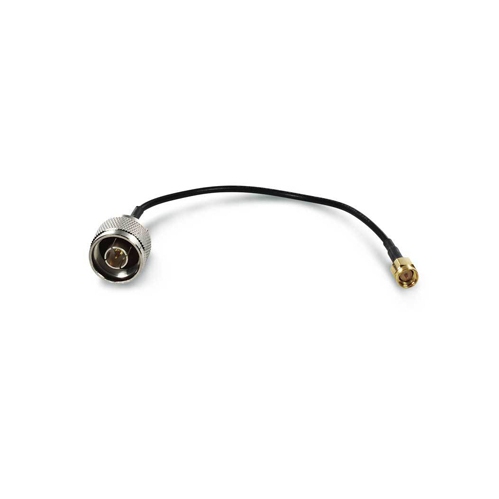
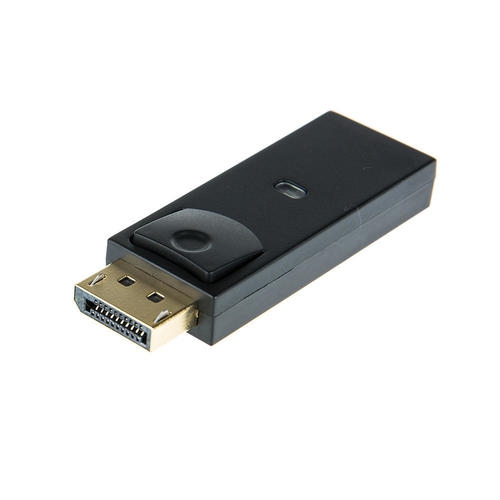
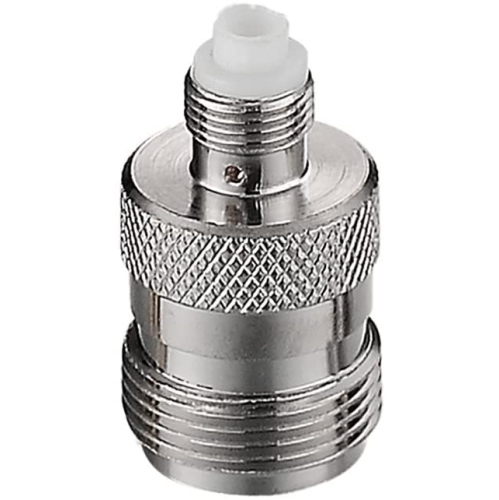
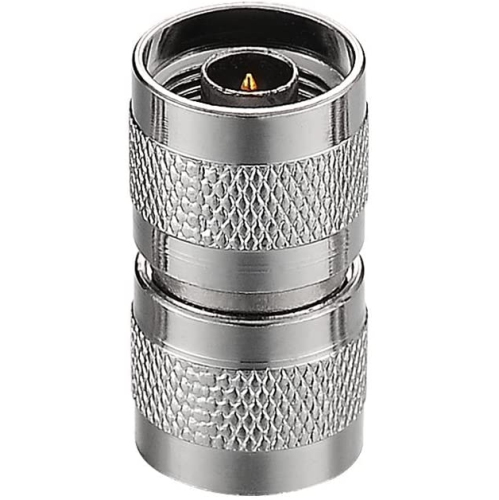
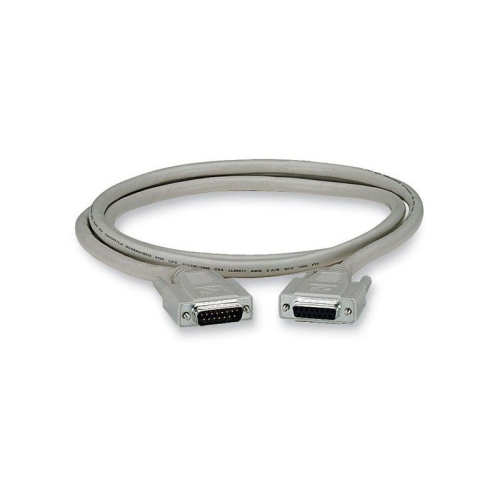
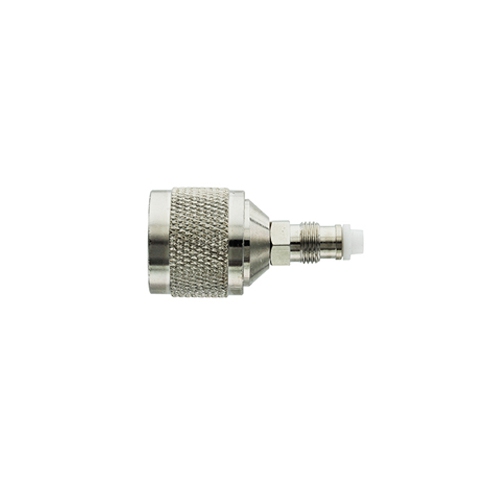
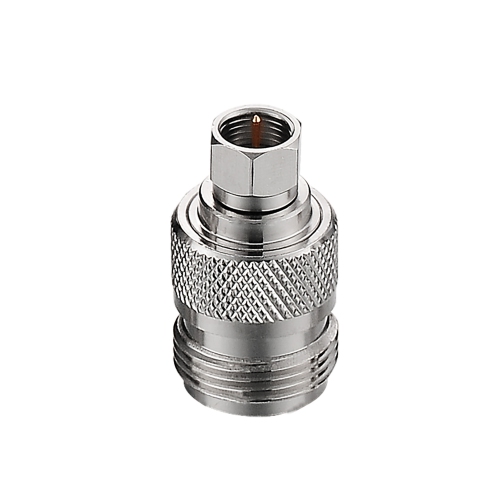
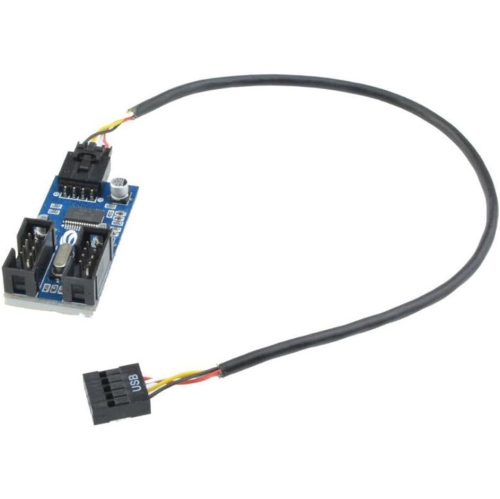
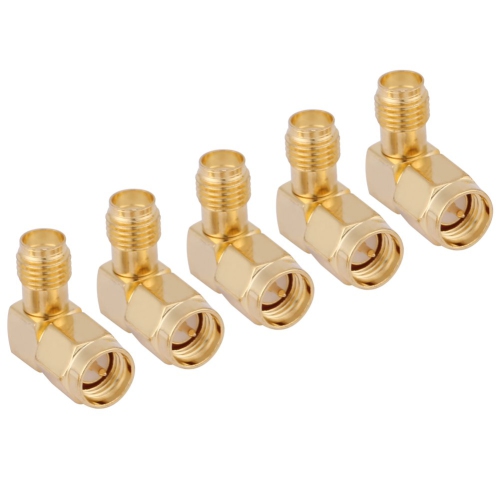
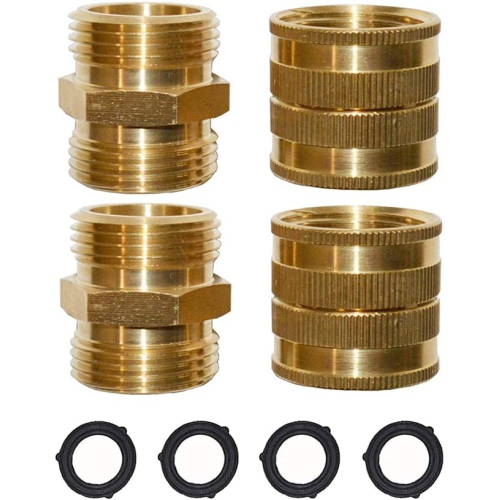
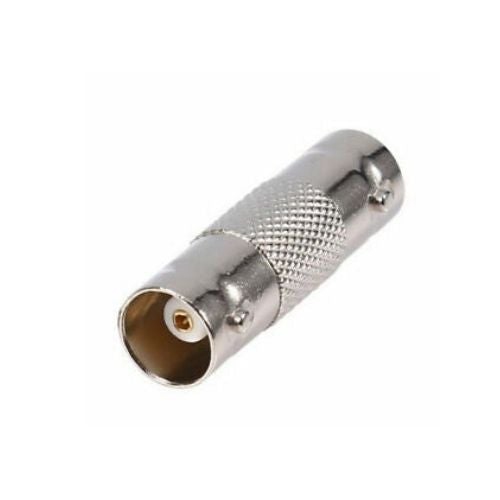
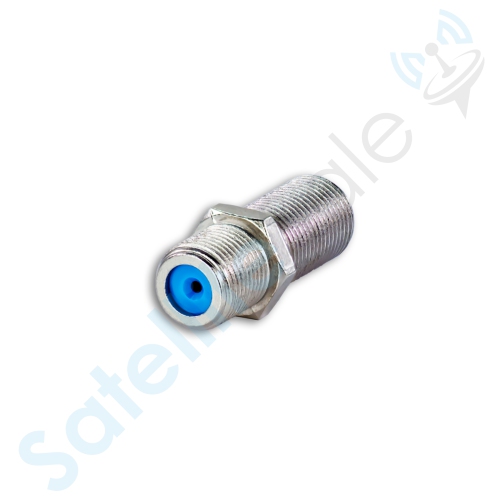
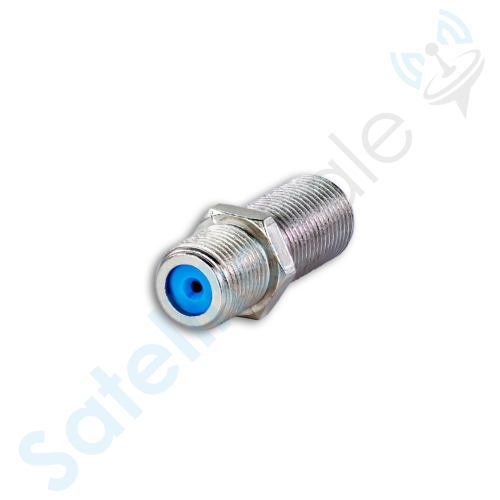
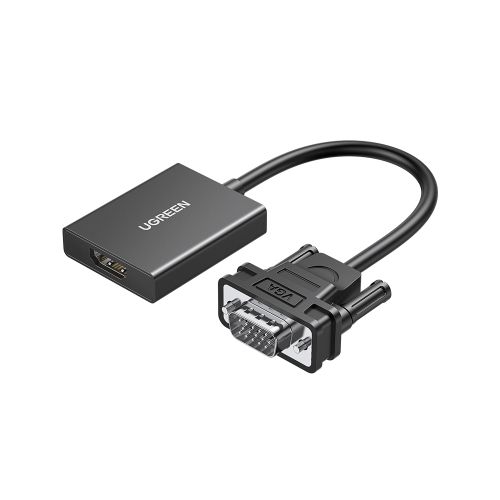
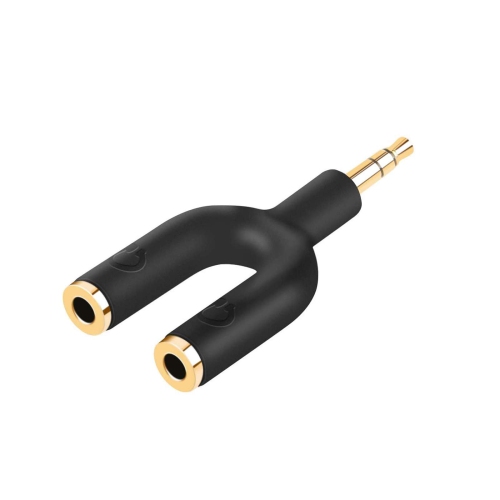
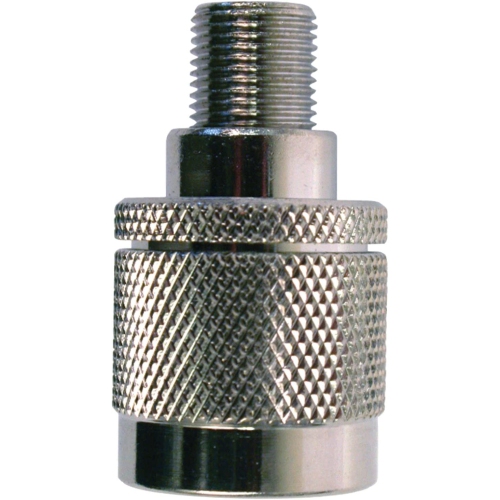
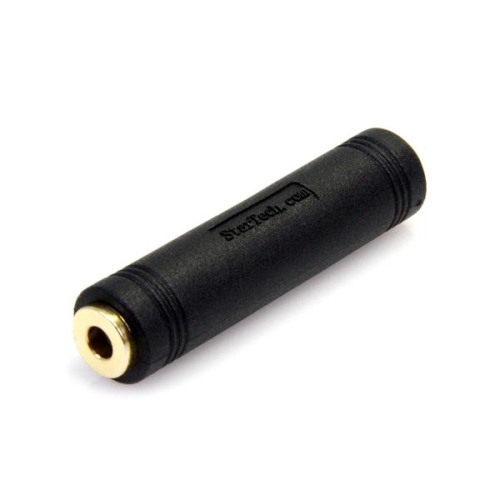
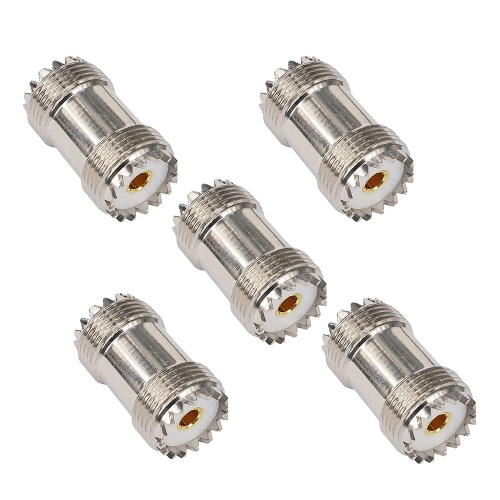
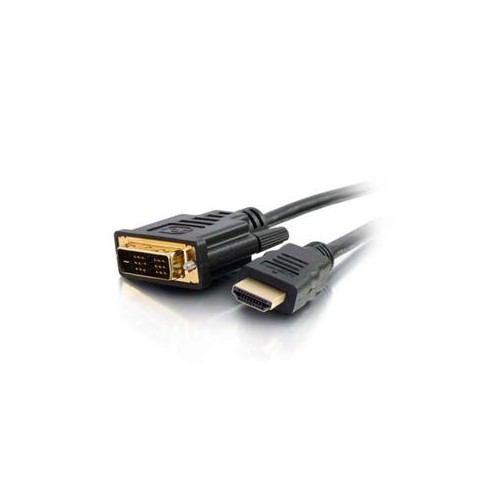
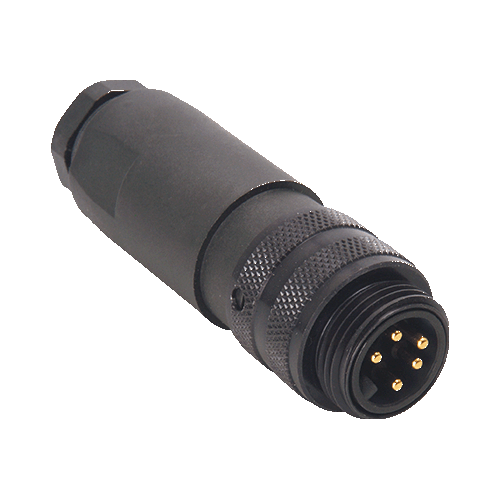
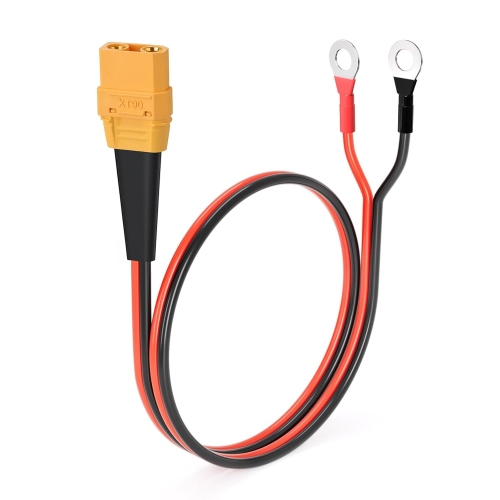
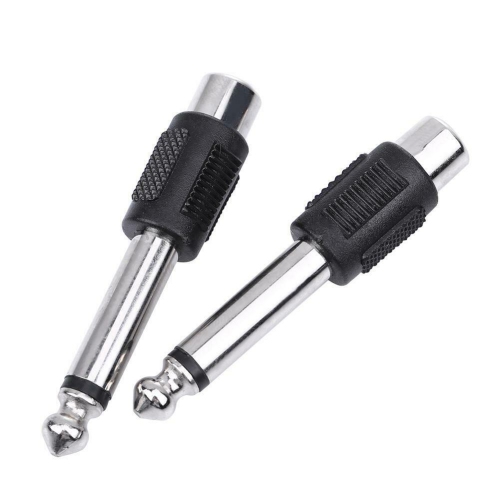
Male and female connectors are the mating parts used to join electrical wires, power sources, audio equipment, video devices, computer accessories, automotive components, appliances, and many other systems. The simplest way to tell them apart is to look at the live metal contact: a male connector has exposed pins, blades, prongs, or a centre contact that inserts into another connector, while a female connector has recessed holes, sockets, tubes, or slots that receive those contacts. The plastic housing may have a different shape, but it does not determine the connector’s designation. This distinction is especially useful when comparing replacement parts or planning a custom cable, since two connectors can look similar from the outside while serving opposite roles. A plug is typically male, and a jack, port, or socket is typically female, although terminology can vary by industry. Flat electrical tabs offer another familiar example: a protruding spade or blade slides into a wrapped receiving terminal. Audio and video connections often use the same principle, with a projecting plug fitting into a recessed port. Power connectors may use a centre pin and matching centre opening, while some data and accessory connections rely on rows of small contacts inside a receiving shell. Reviewing the connector type, contact arrangement, size, polarity, and intended application together can help prevent an otherwise frustrating mismatch. Explore Male Connectors when a projecting contact is needed to complete a compatible connection.
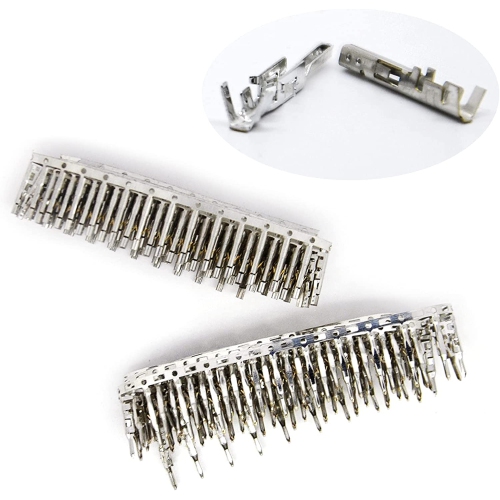
When choosing male and female connectors, start by identifying the equipment and the connection you are trying to make. Check the original connector, product documentation, or the port on the device, and note whether you need a plug, jack, adapter, replacement terminal, extension, or panel-mounted connection. Compatibility depends on more than the connector’s general appearance. Pay close attention to the number of contacts, pin layout, contact spacing, connector shape, insertion direction, voltage and current rating, cable size, and whether the connection carries power, audio, video, data, or a control signal. A connector that fits physically may still be unsuitable if its electrical rating, wiring arrangement, or polarity does not match. For power applications, confirm positive and negative orientation and make sure the connector can safely handle the expected load. For audio and video equipment, consider whether the connection is intended for mono or stereo sound, analogue or digital signals, or a particular type of display or recording setup. In automotive and appliance work, crimp-style connectors should match the wire gauge and be attached firmly with the appropriate crimping method. Some connectors are designed for frequent removal, while others are better suited to semi-permanent installations. Locking tabs, threaded collars, strain relief, keyed housings, and weather-resistant seals can provide extra security in places where vibration, movement, dust, or moisture may be present. Connector dimensions are often small, so measuring the outside diameter of a barrel-style connection or comparing the number and position of pins can be worthwhile before ordering. Keeping a clear record of where each wire was connected can also make repairs easier, particularly when replacing an older terminal or reorganizing a compact electronics project.
These connectors are useful for a wide range of people and projects. Home users may need a replacement connection for a charger, powered accessory, speaker, television component, computer setup, or small appliance. Hobbyists and makers use them while building circuits, restoring older equipment, assembling lighting projects, or creating removable connections inside a model, workshop project, or home entertainment system. Automotive enthusiasts and technicians may rely on male and female terminals when repairing wiring, replacing a damaged lead, or adding an accessory without disturbing the rest of a harness. Musicians, content creators, and audio enthusiasts may use connector pairs to route microphones, instruments, headphones, speakers, or recording equipment. During the warmer season, they can be helpful for setting up outdoor audio, temporary lighting, workshop equipment, or recreational electronics; during the cooler months, they may support indoor repairs, home projects, and equipment organization. They can also be a practical gift for someone who enjoys electronics, radio, robotics, vehicle restoration, woodworking with powered tools, or hands-on repairs, particularly when the recipient is already working on a project and needs the right connection to finish it. Before making a purchase, inspect the existing connector for bent pins, corrosion, looseness, cracked insulation, or heat damage, and replace related parts if the surrounding connection shows signs of wear. Select connectors made for the intended environment, route cables so they are not pulled at the contact point, and avoid forcing pieces together when the keying or pin pattern does not align. With the correct male and female pairing, a secure connection can make a setup easier to install, simpler to maintain, and more dependable for everyday use.
When choosing male and female connectors, start by identifying the equipment and the connection you are trying to make. Check the original connector, product documentation, or the port on the device, and note whether you need a plug, jack, adapter, replacement terminal, extension, or panel-mounted connection. Compatibility depends on more than the connector’s general appearance. Pay close attention to the number of contacts, pin layout, contact spacing, connector shape, insertion direction, voltage and current rating, cable size, and whether the connection carries power, audio, video, data, or a control signal. A connector that fits physically may still be unsuitable if its electrical rating, wiring arrangement, or polarity does not match. For power applications, confirm positive and negative orientation and make sure the connector can safely handle the expected load. For audio and video equipment, consider whether the connection is intended for mono or stereo sound, analogue or digital signals, or a particular type of display or recording setup. In automotive and appliance work, crimp-style connectors should match the wire gauge and be attached firmly with the appropriate crimping method. Some connectors are designed for frequent removal, while others are better suited to semi-permanent installations. Locking tabs, threaded collars, strain relief, keyed housings, and weather-resistant seals can provide extra security in places where vibration, movement, dust, or moisture may be present. Connector dimensions are often small, so measuring the outside diameter of a barrel-style connection or comparing the number and position of pins can be worthwhile before ordering. Keeping a clear record of where each wire was connected can also make repairs easier, particularly when replacing an older terminal or reorganizing a compact electronics project.
These connectors are useful for a wide range of people and projects. Home users may need a replacement connection for a charger, powered accessory, speaker, television component, computer setup, or small appliance. Hobbyists and makers use them while building circuits, restoring older equipment, assembling lighting projects, or creating removable connections inside a model, workshop project, or home entertainment system. Automotive enthusiasts and technicians may rely on male and female terminals when repairing wiring, replacing a damaged lead, or adding an accessory without disturbing the rest of a harness. Musicians, content creators, and audio enthusiasts may use connector pairs to route microphones, instruments, headphones, speakers, or recording equipment. During the warmer season, they can be helpful for setting up outdoor audio, temporary lighting, workshop equipment, or recreational electronics; during the cooler months, they may support indoor repairs, home projects, and equipment organization. They can also be a practical gift for someone who enjoys electronics, radio, robotics, vehicle restoration, woodworking with powered tools, or hands-on repairs, particularly when the recipient is already working on a project and needs the right connection to finish it. Before making a purchase, inspect the existing connector for bent pins, corrosion, looseness, cracked insulation, or heat damage, and replace related parts if the surrounding connection shows signs of wear. Select connectors made for the intended environment, route cables so they are not pulled at the contact point, and avoid forcing pieces together when the keying or pin pattern does not align. With the correct male and female pairing, a secure connection can make a setup easier to install, simpler to maintain, and more dependable for everyday use.
Top selling and popular products
-
 Your price for this item is $19.99
 -
 Your price for this item is $94.99
 -
 Your price for this item is $13.99
 -
 Your price for this item is $48.68
 -
 Your price for this item is $49.68
 -
 Your price for this item is $29.68
 -
 Your price for this item is $29.95
 -
 Your price for this item is $49.99
Discover more categories related to Male And Female Connectors
Top Collections:
Pokemon Centers, Kindle Devices, Best Budget Office Chairs, Apple iPhones 16, Best Laptops for Writers, iPhone 15 Apple, Canon G7X Cameras, Refurbished Apple Laptops, Alarm Clock, Motorola Razr Phones
Some products may be subject to Environmental Handling Fees
(EHF) depending on your province.
Learn more about EHFs.