Male Connectors
Looking to connect various electronic components seamlessly? Look no further than our wide selection of male connectors. These essential pieces of hardware are designed to provide a secure and reliable connection between devices, ensuring optimal performance and functionality. Whether you're working on a DIY project, upgrading your audio setup, or simply needing to replace a worn-out connector, our collection has you covered. With an array of options available, you can find the perfect male connector to suit your needs and enhance your electronic connections.
Sort


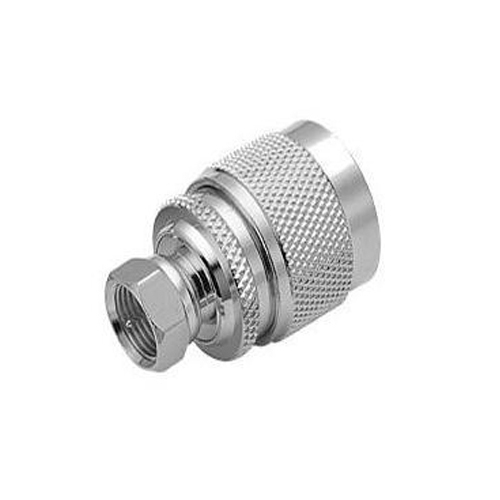
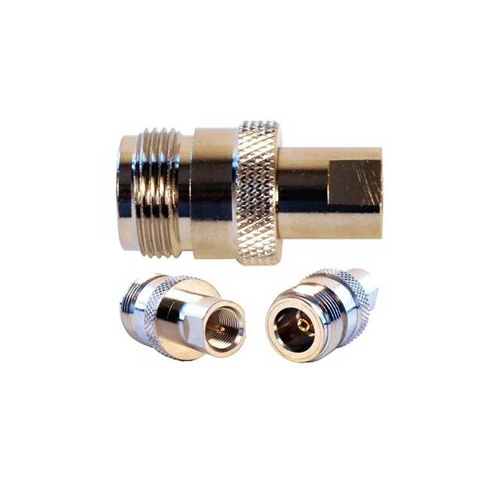
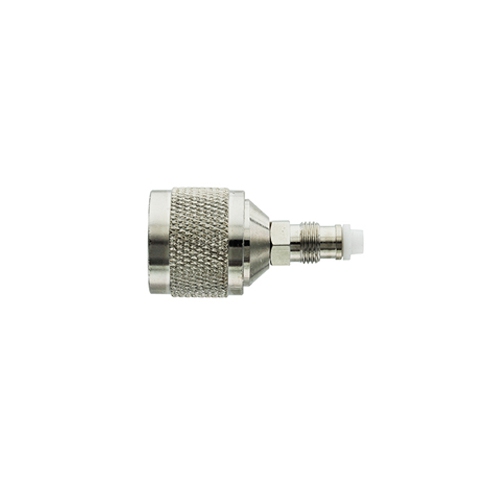
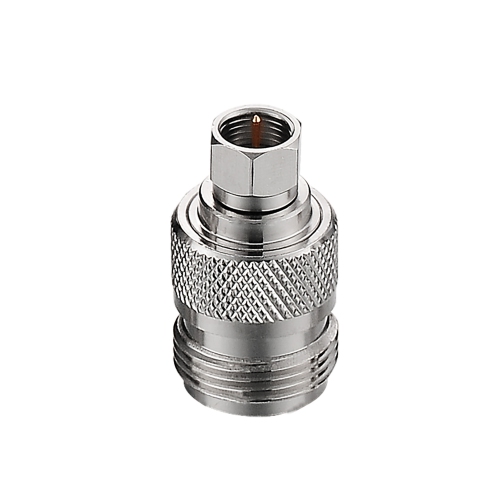






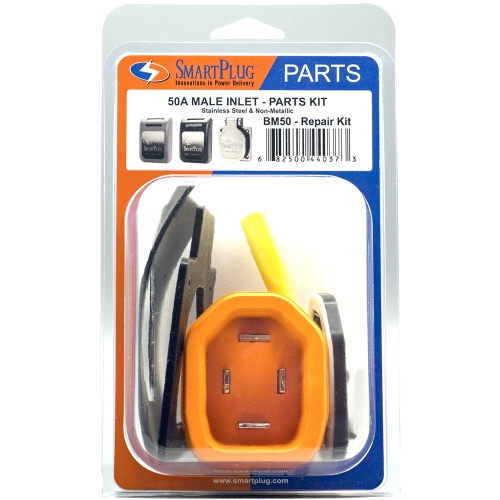
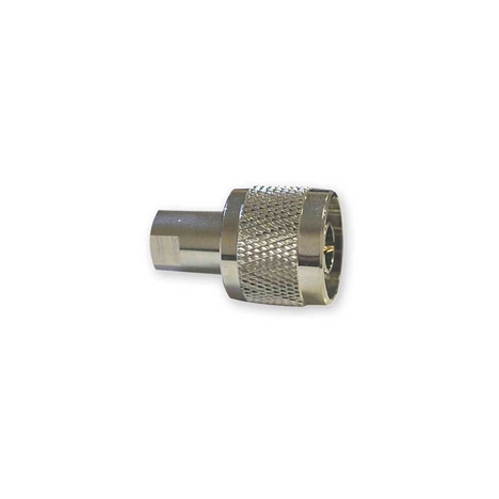
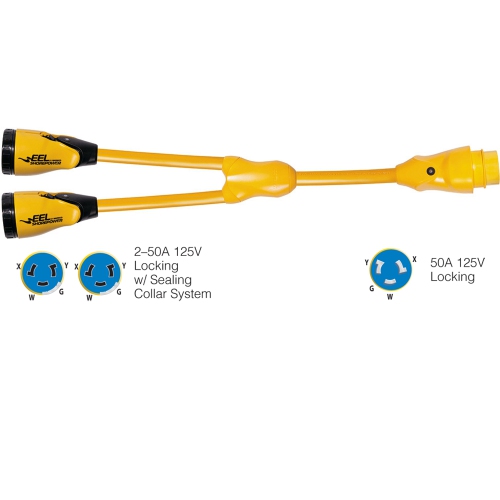
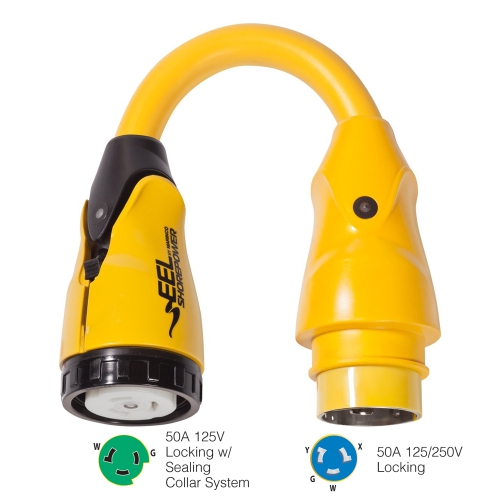
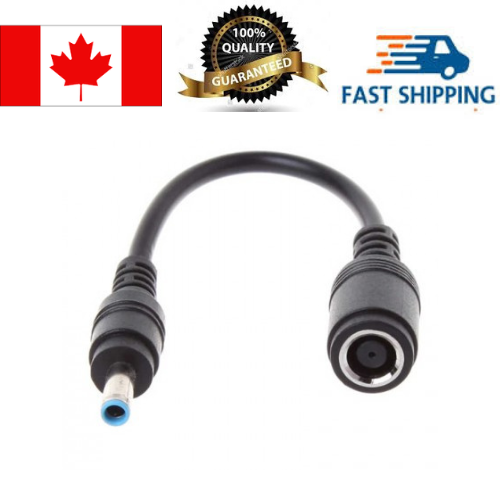
Why matching every connection detail matters
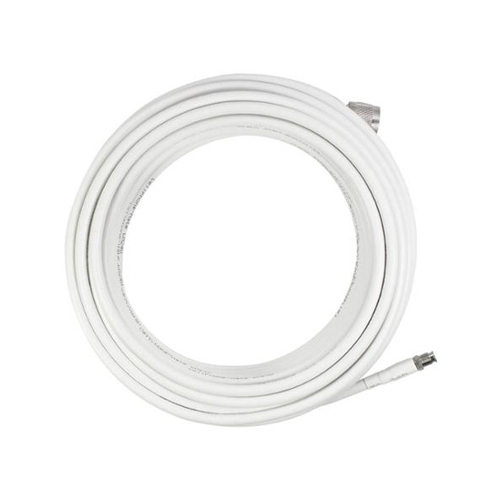
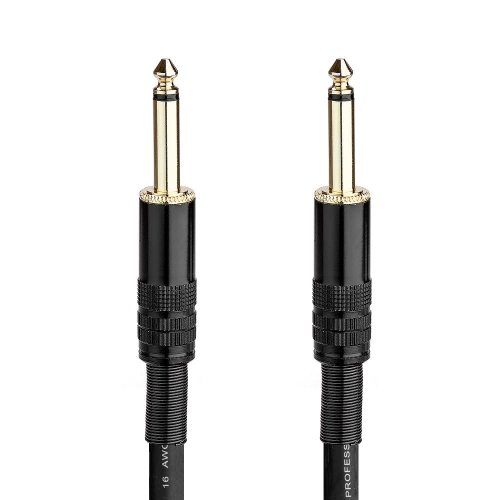
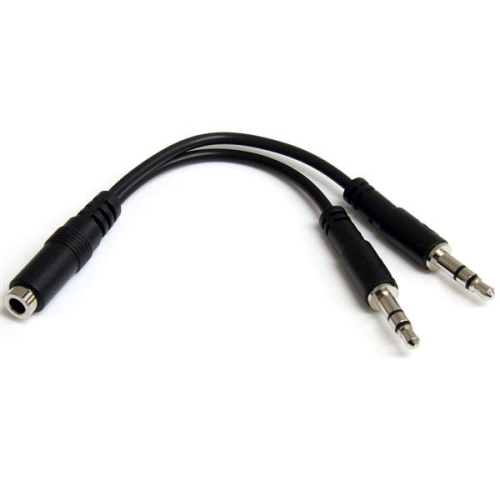
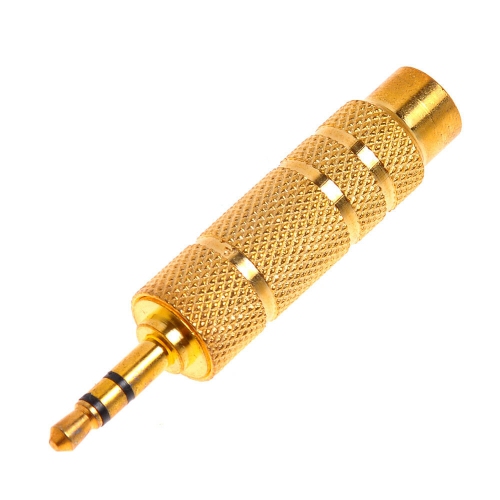
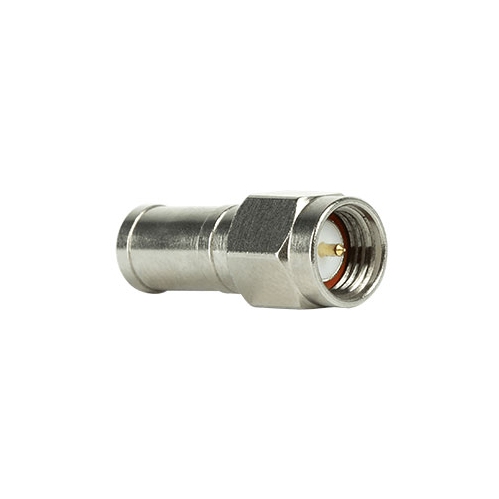
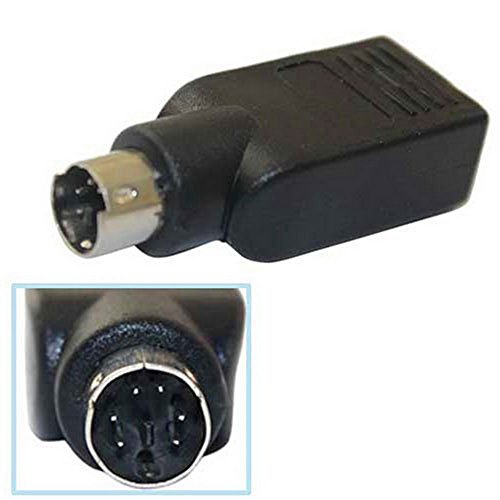
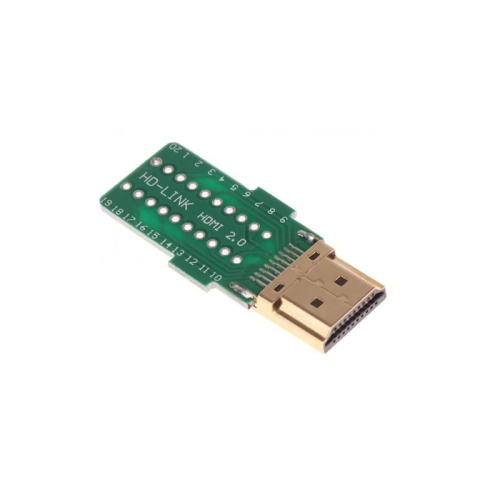
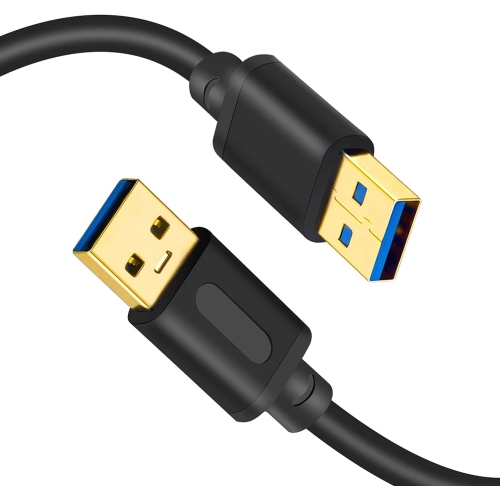
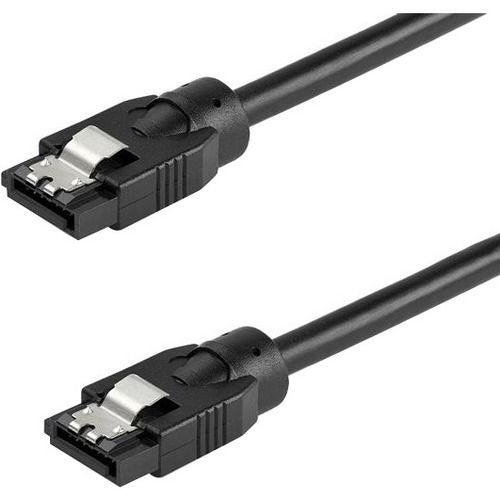
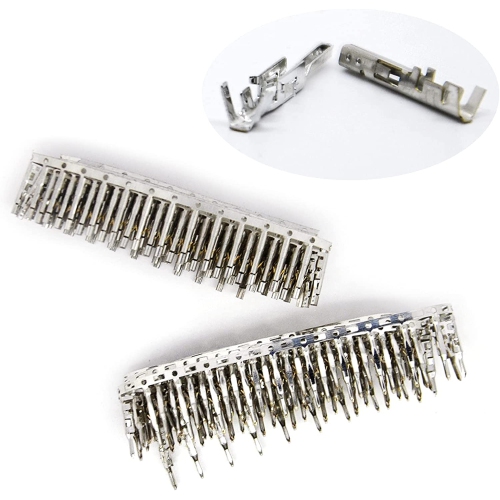
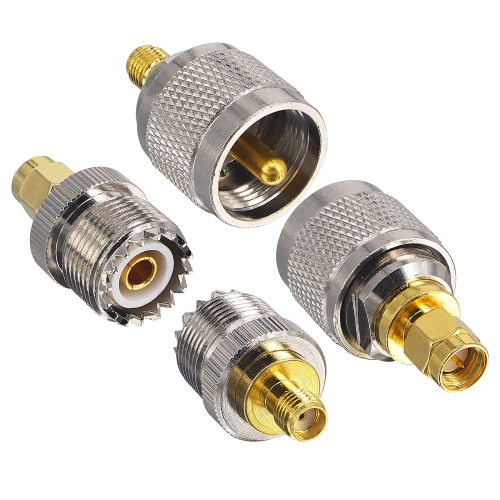
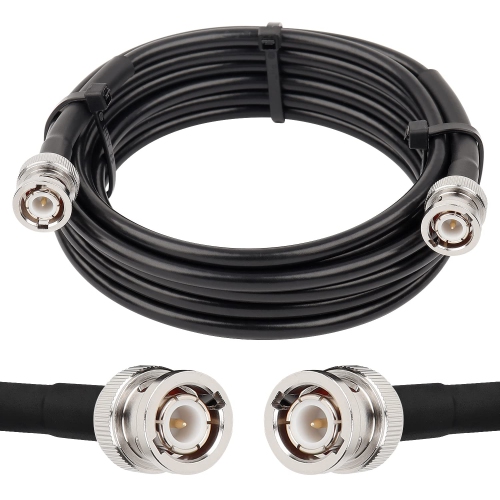
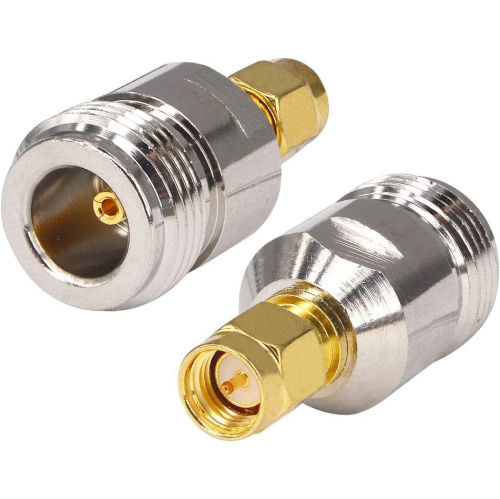
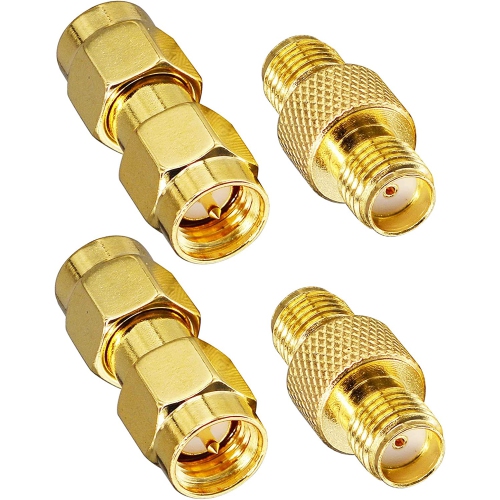
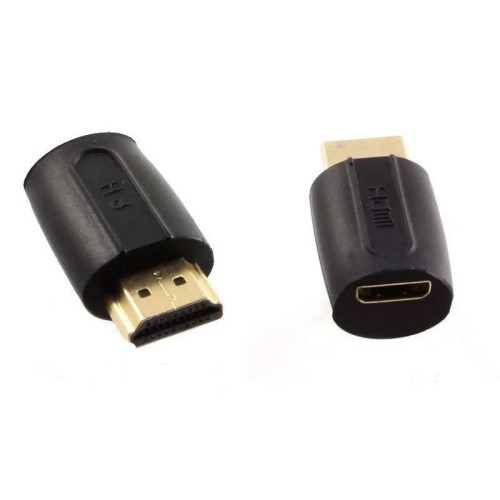
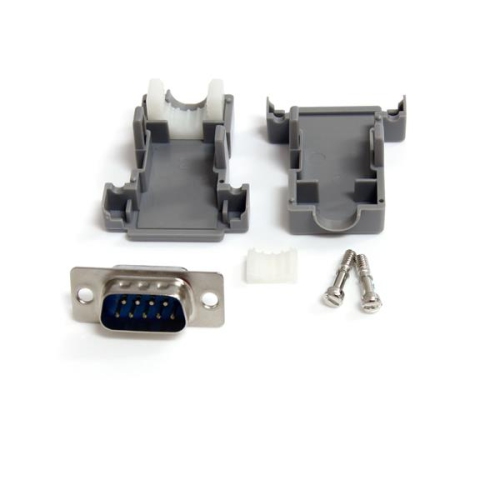
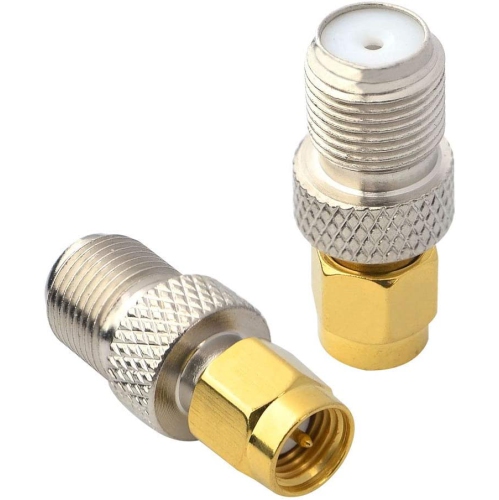
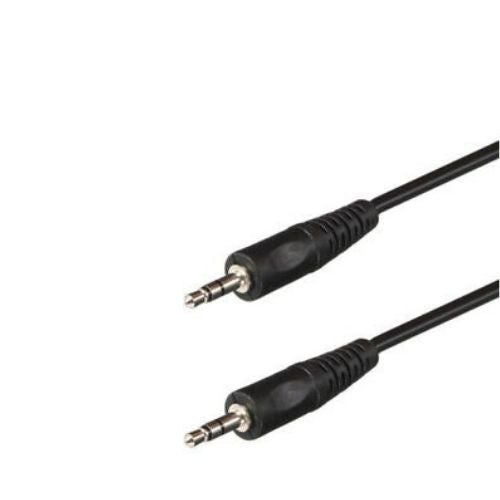
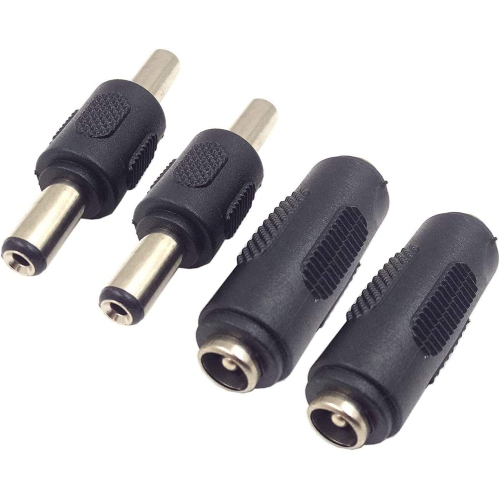
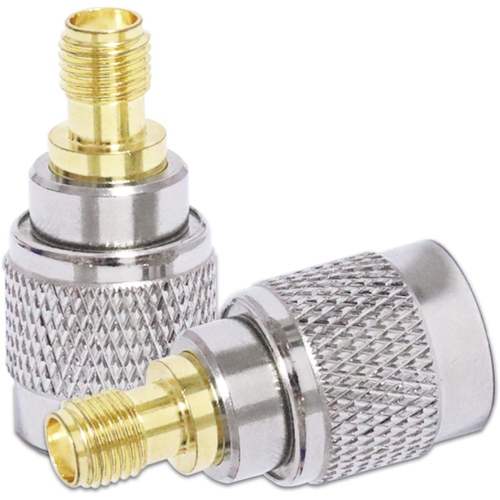
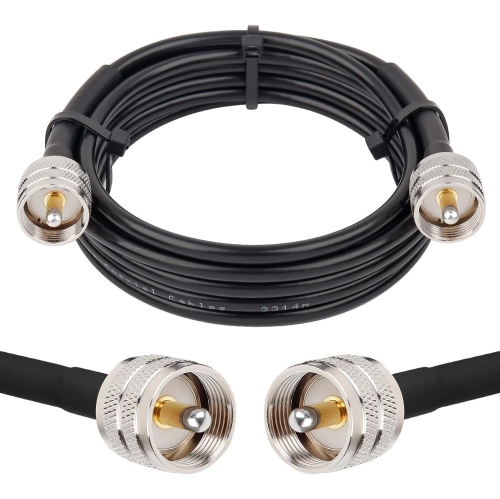
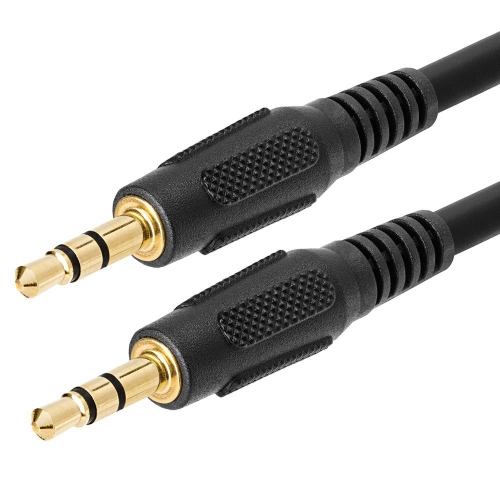
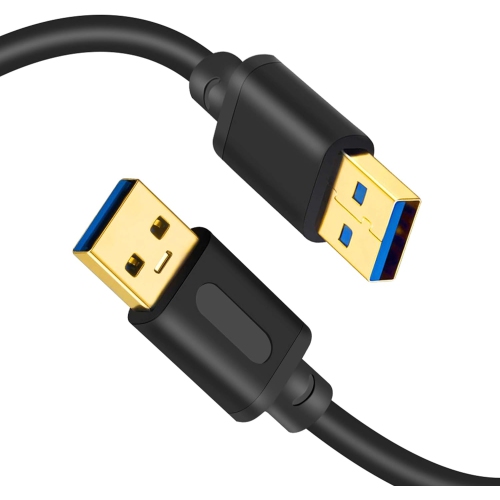
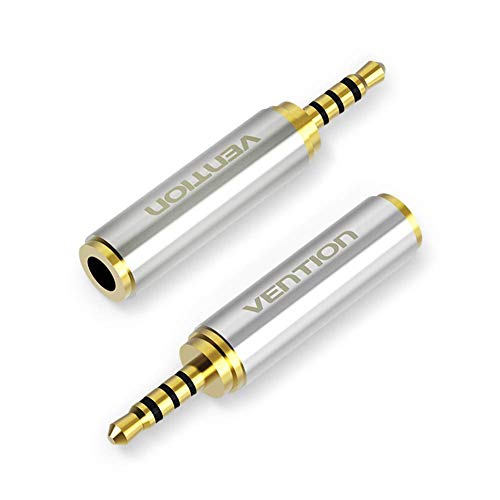
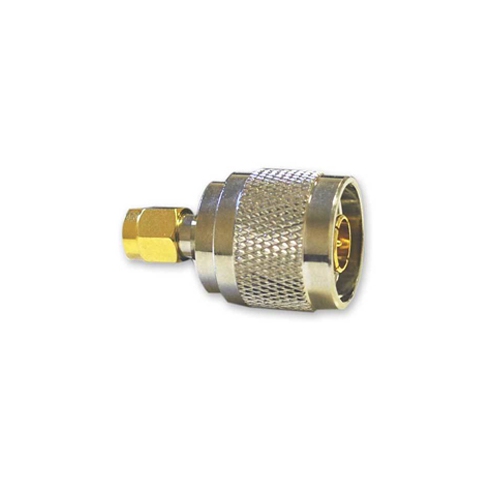
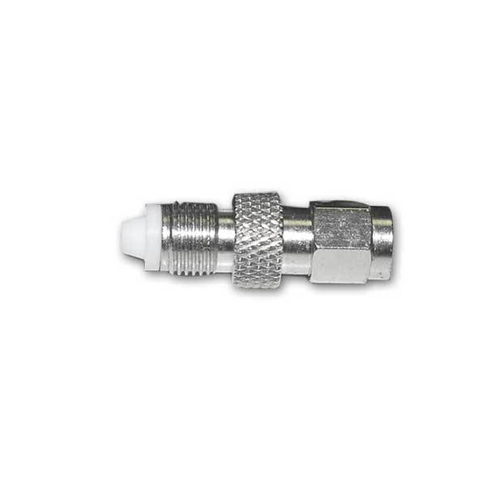
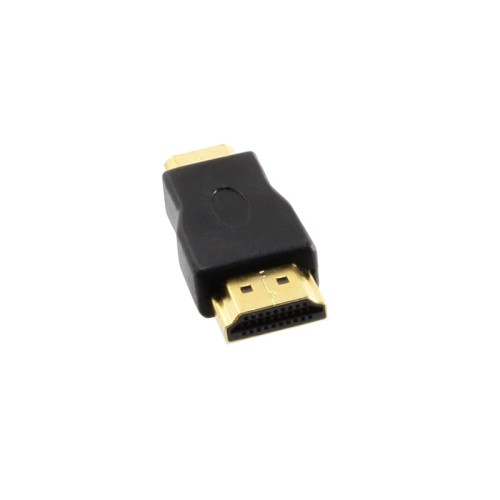
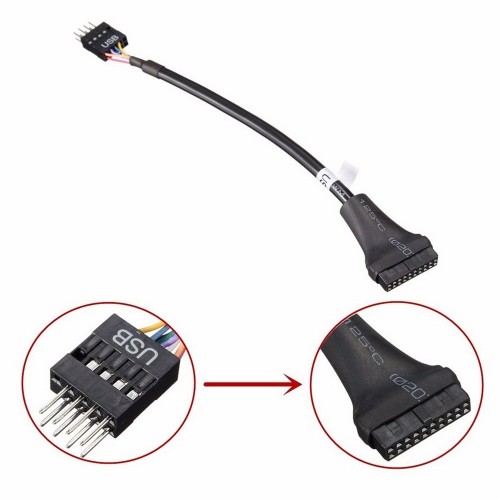
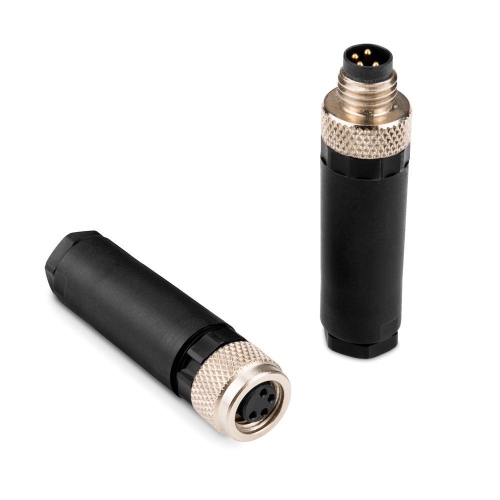
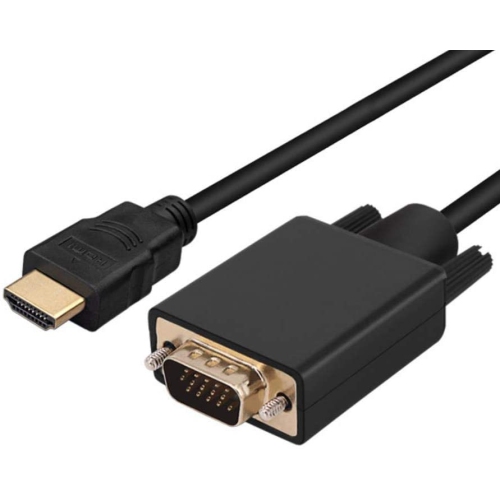
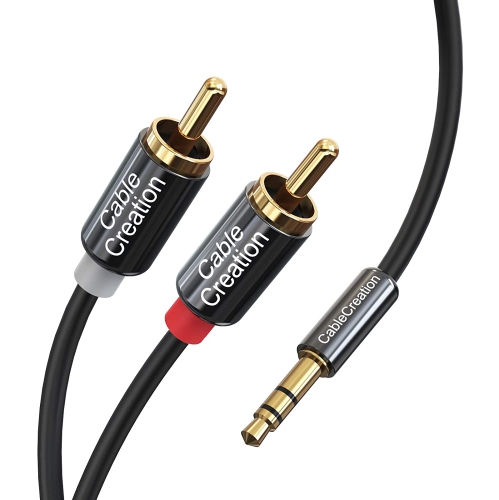
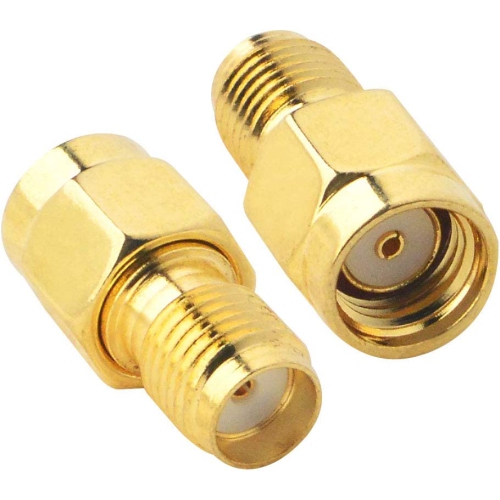
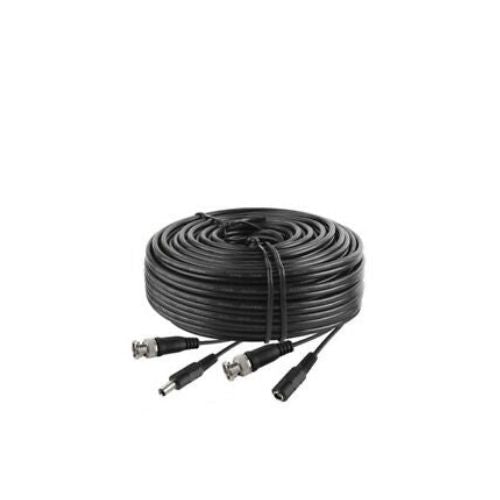
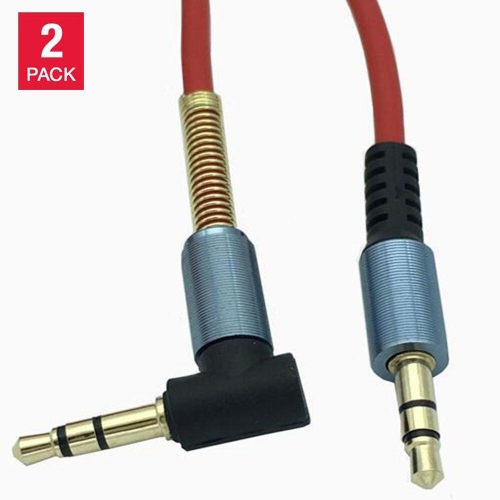
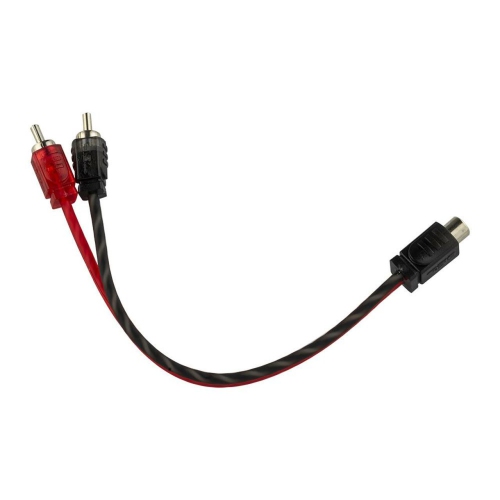
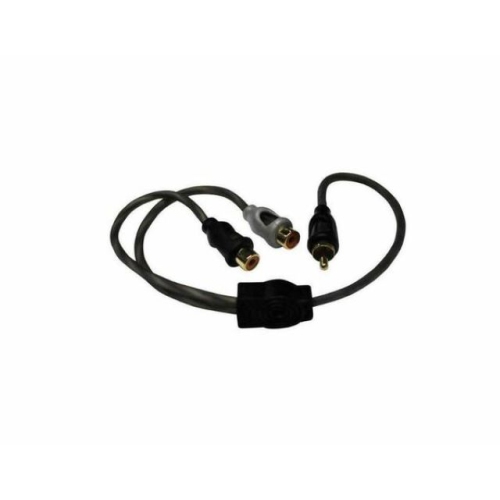
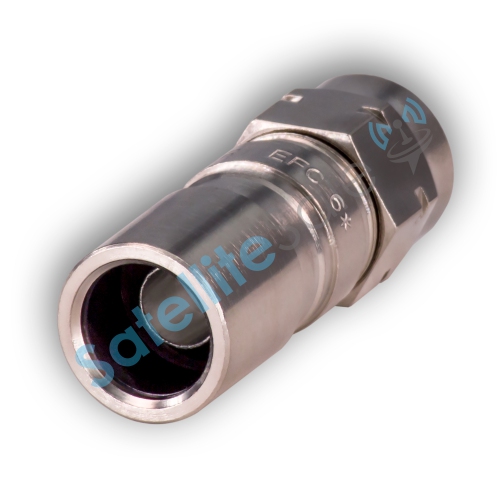
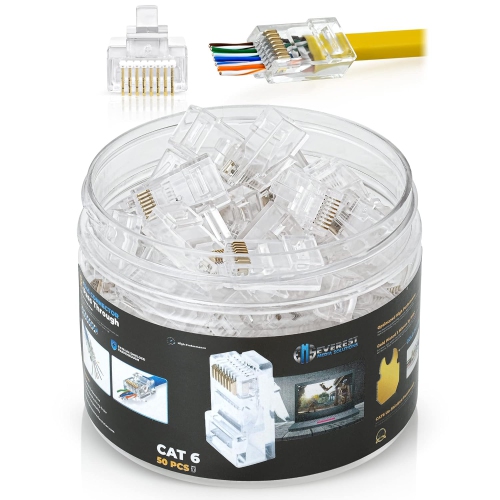
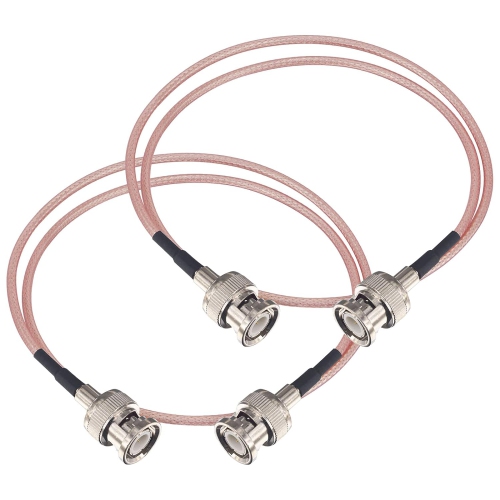
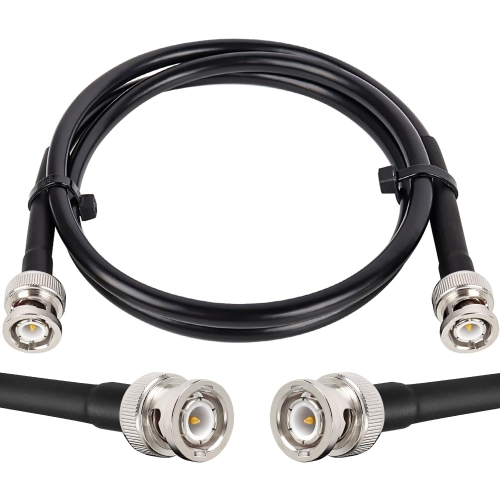
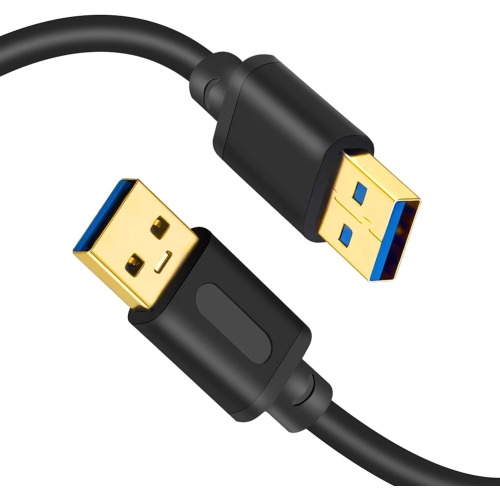
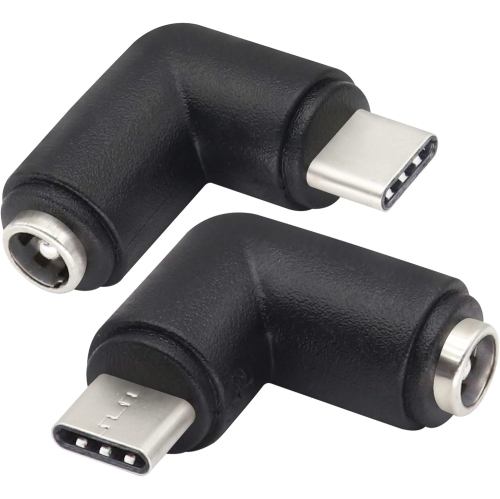
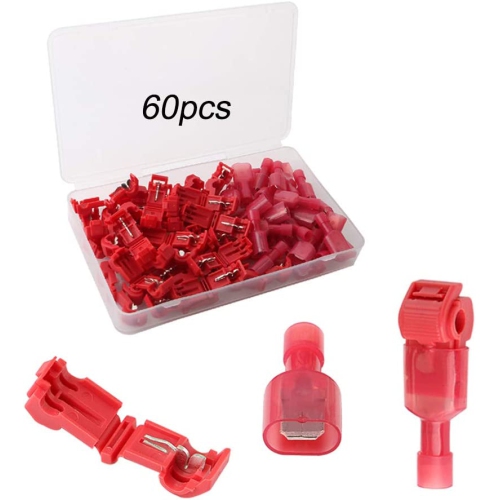
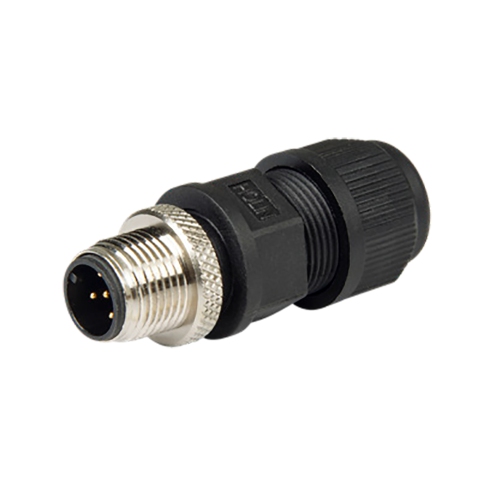
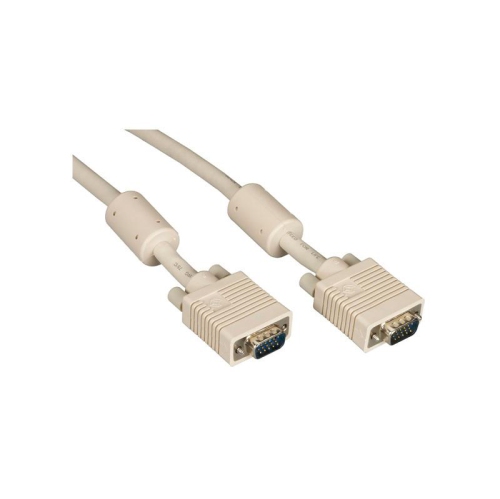
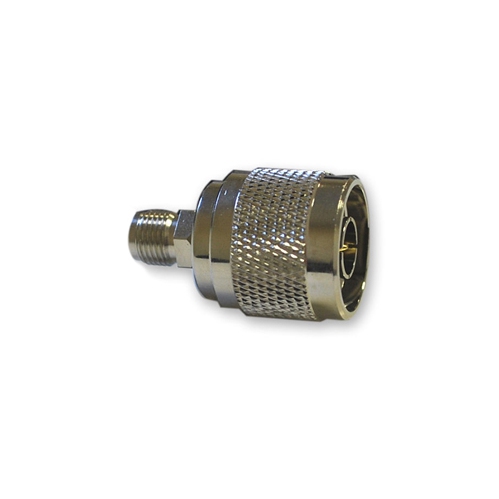
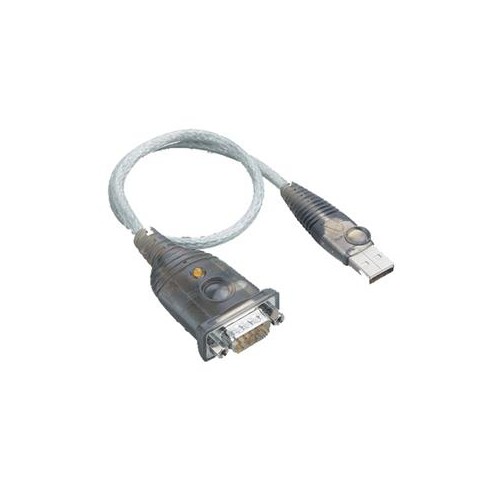
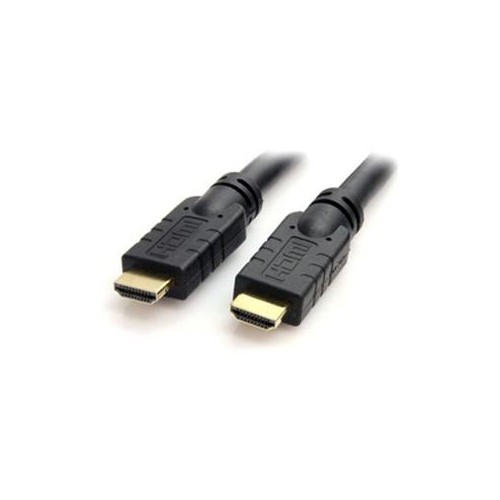
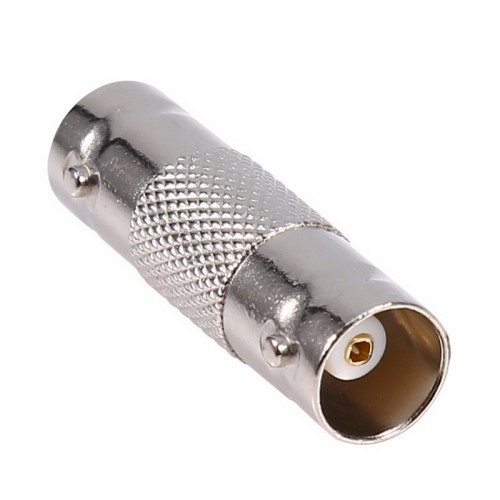
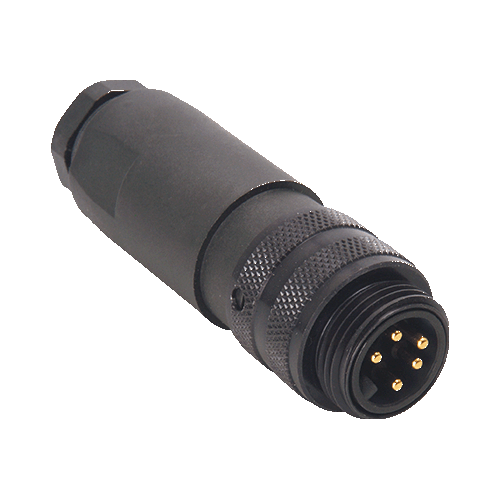
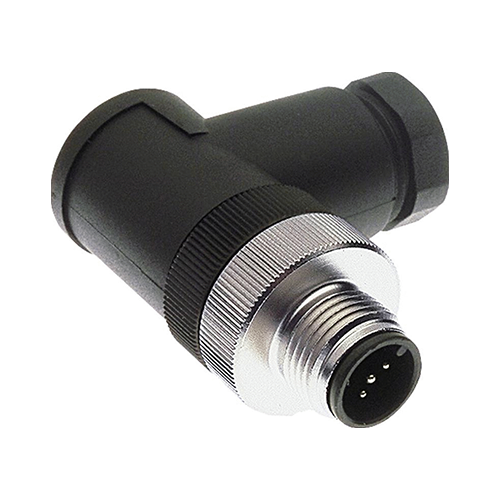
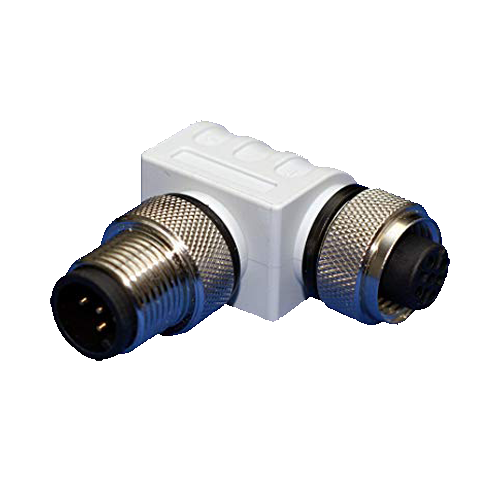
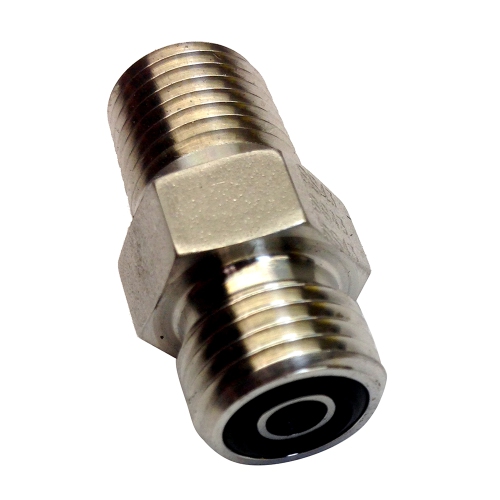
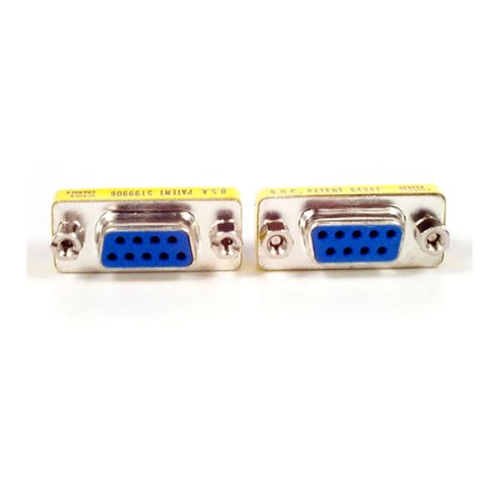
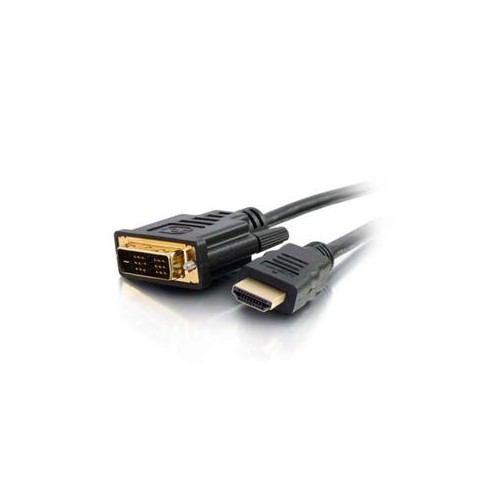
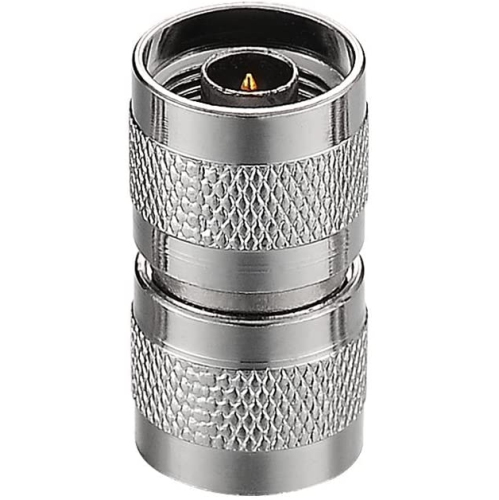
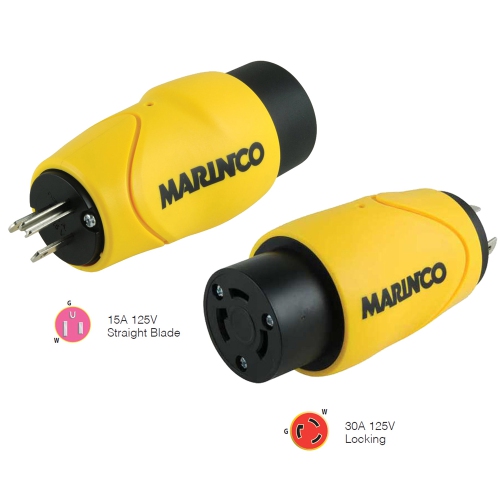
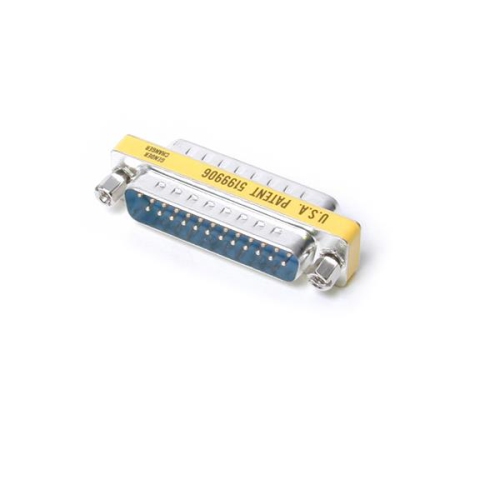
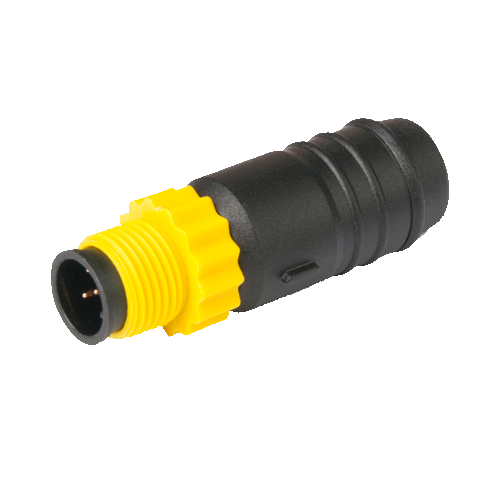
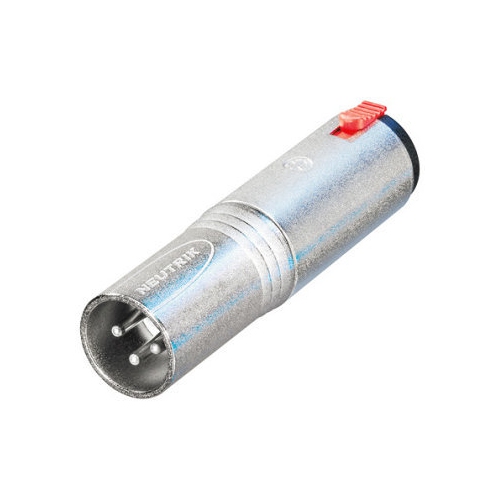
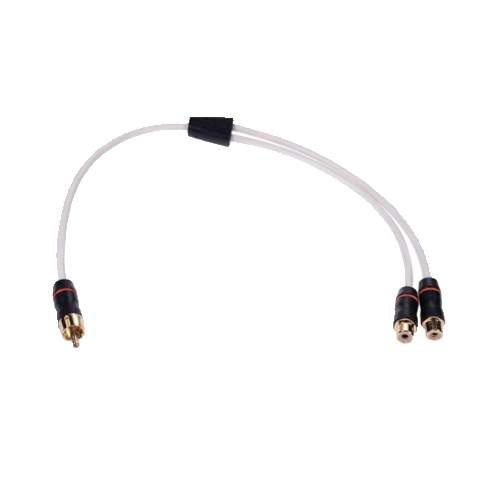
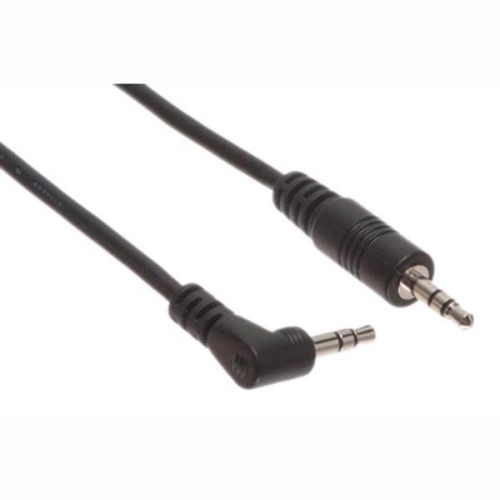
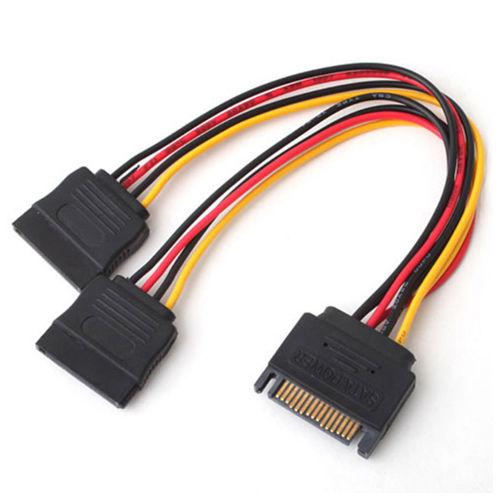
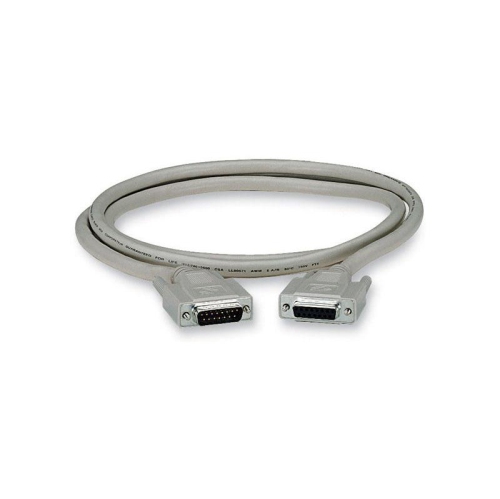
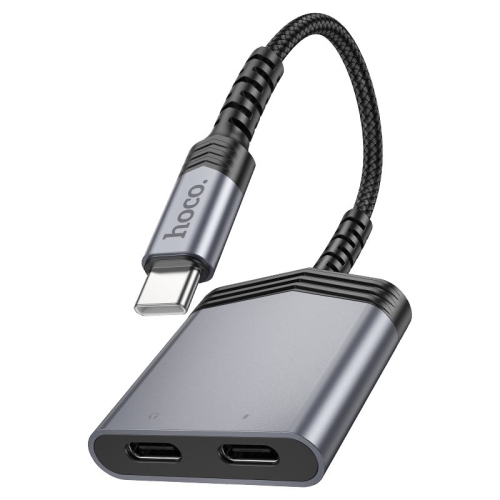
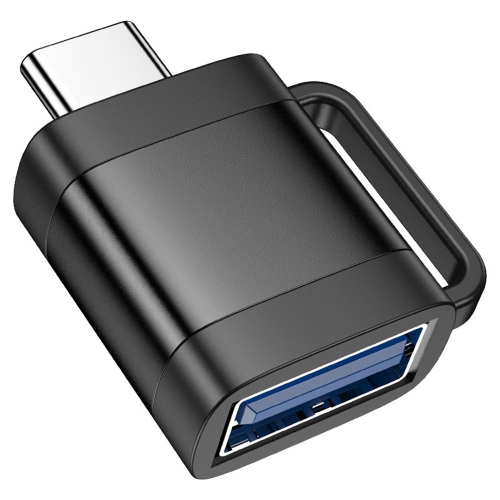
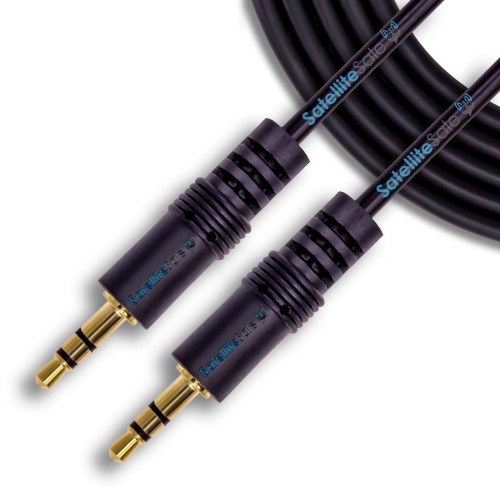
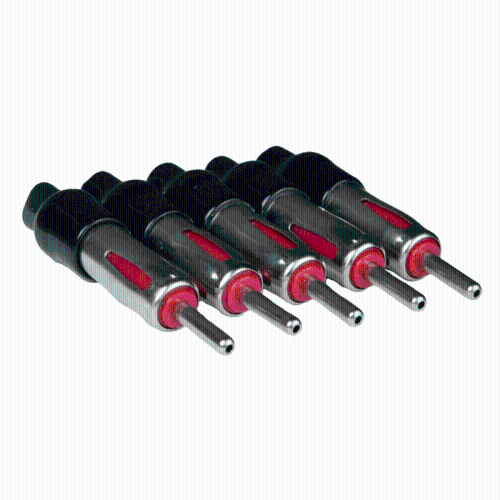
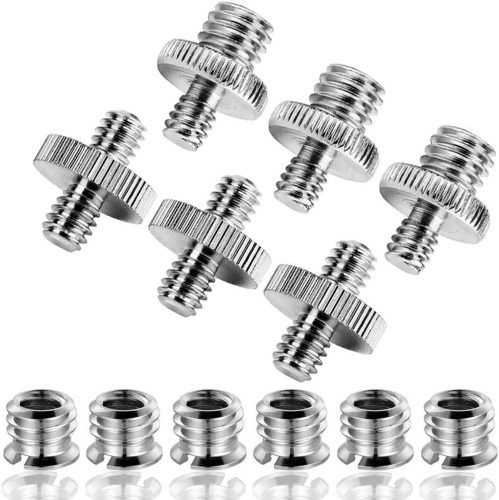
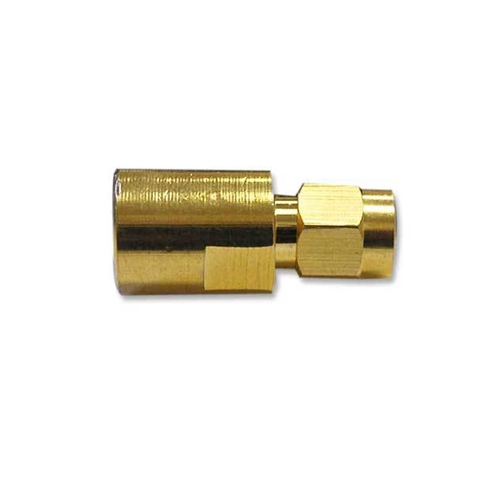
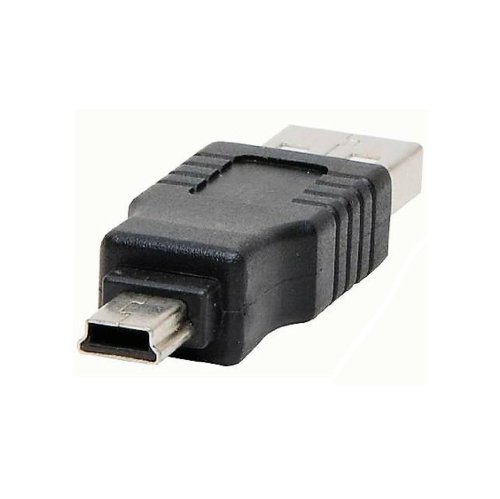
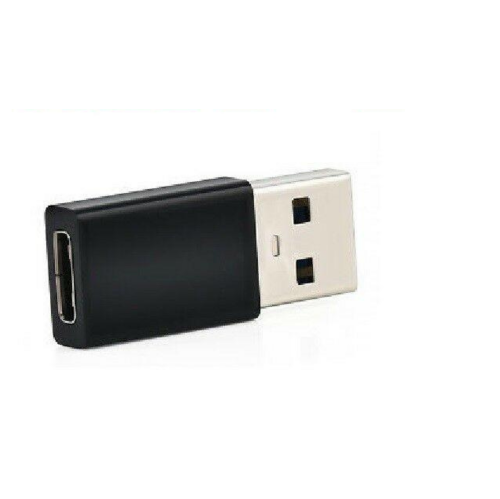
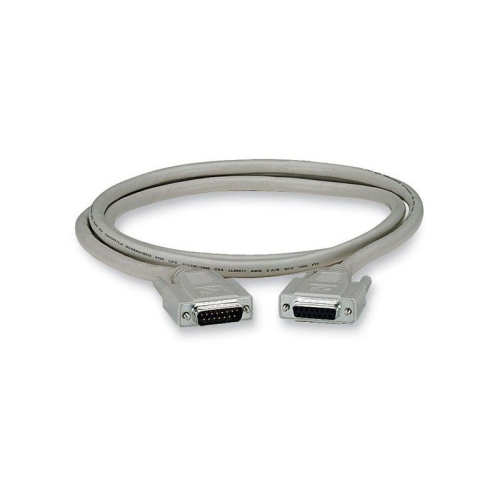
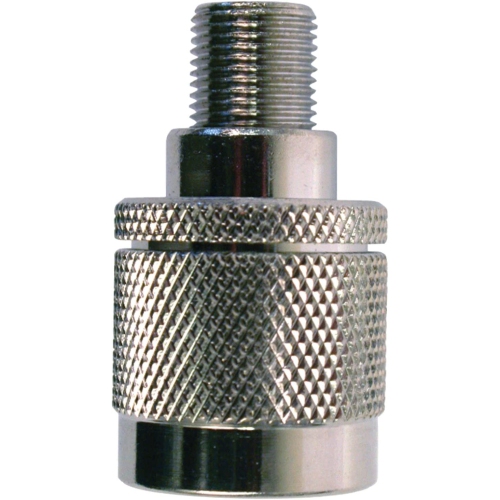
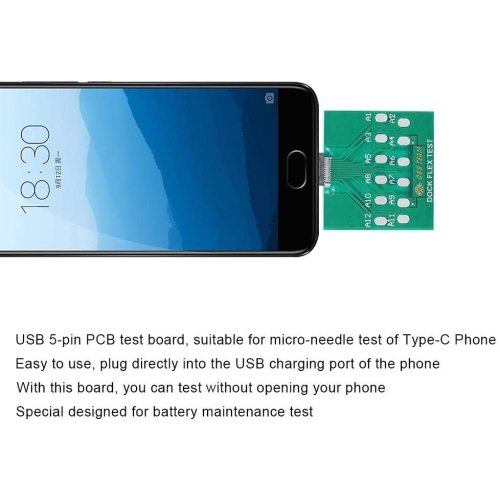
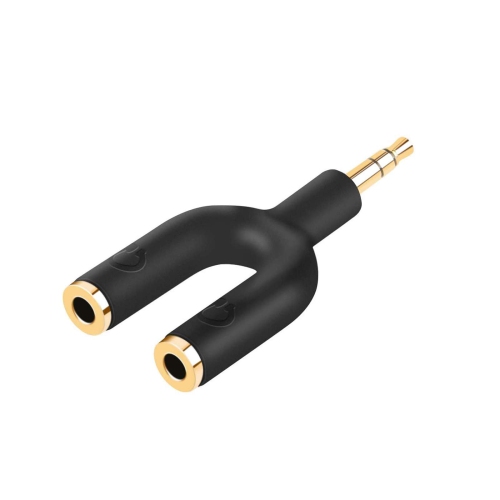
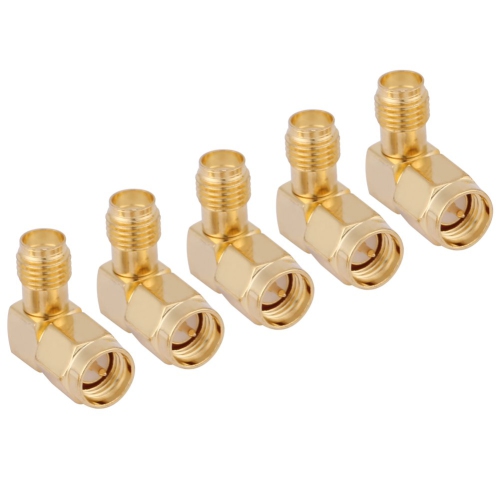
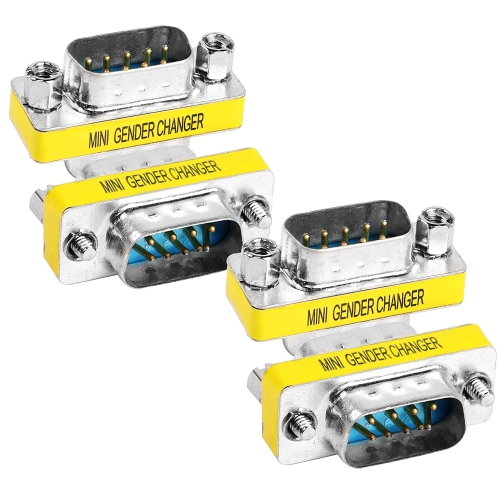
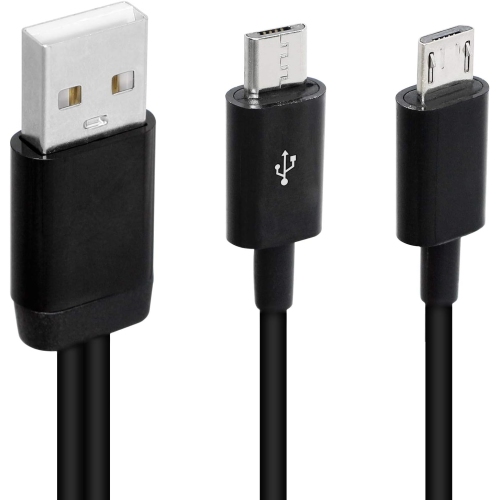
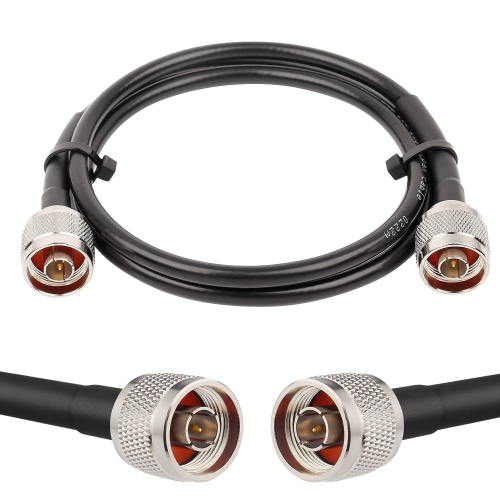
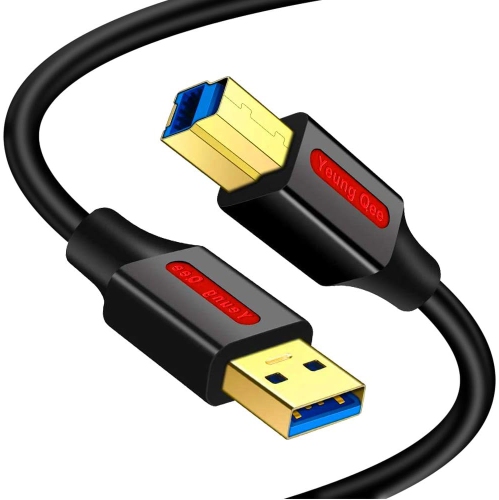
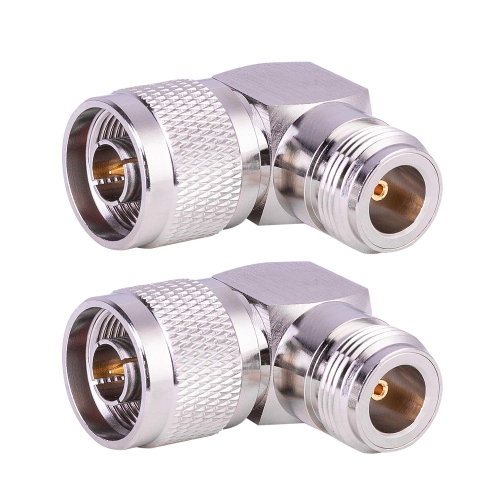
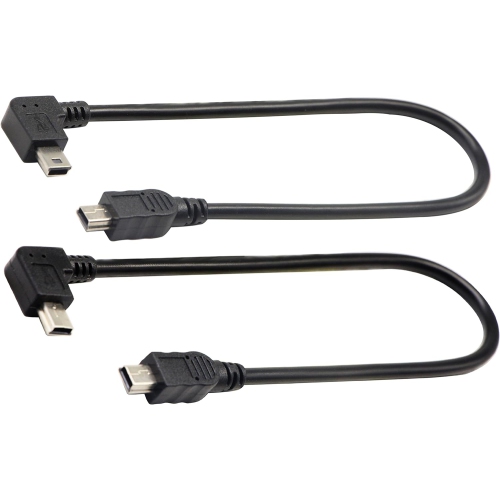
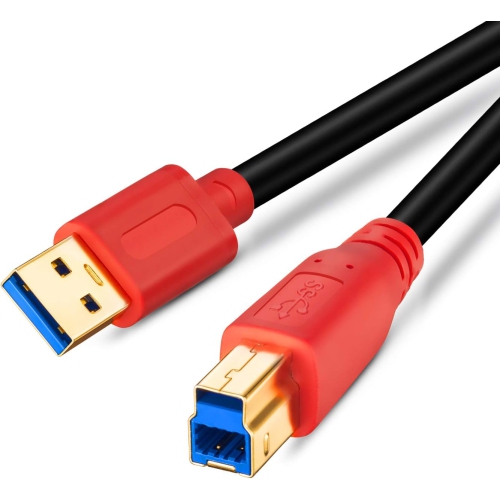
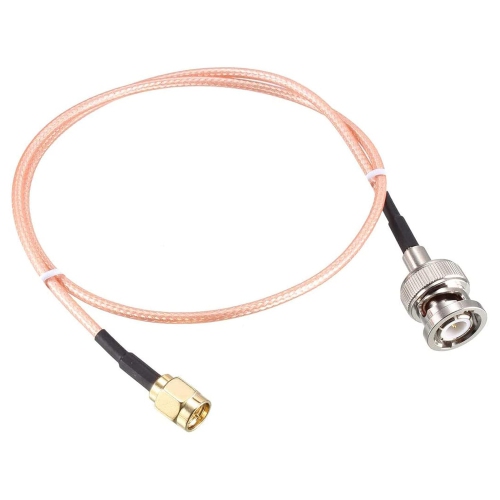
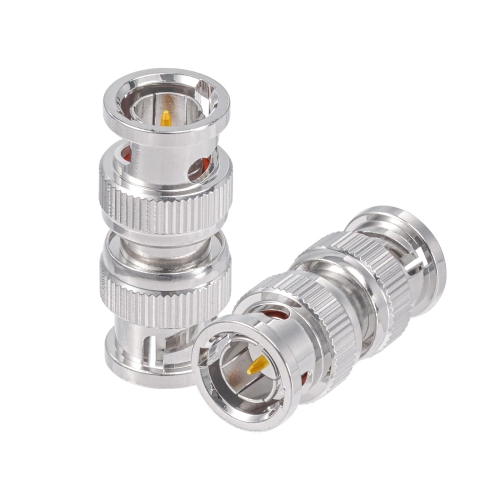
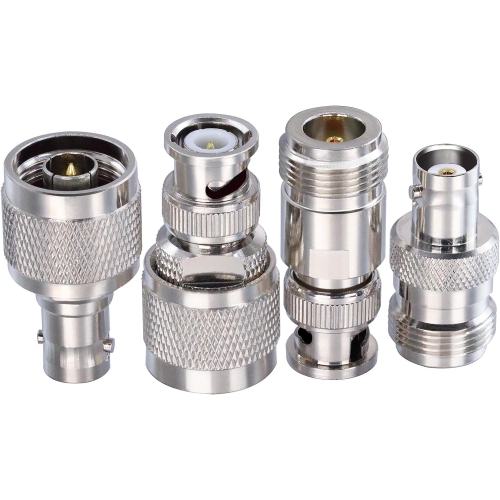
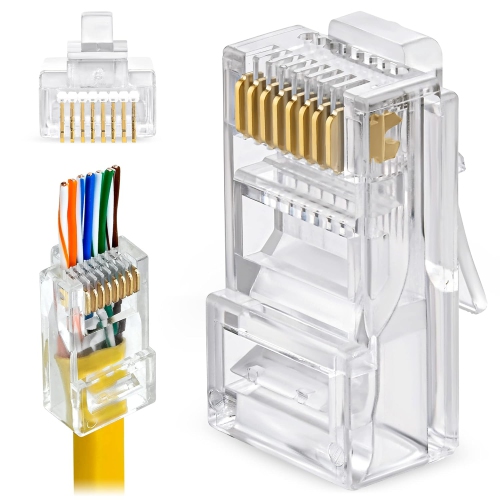
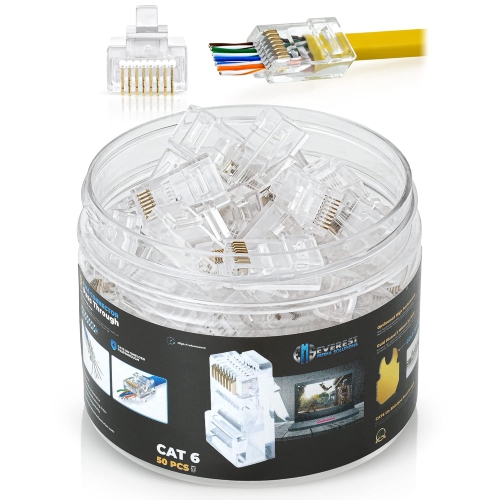
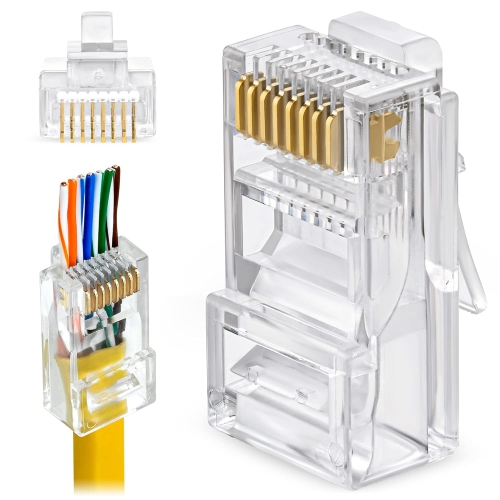
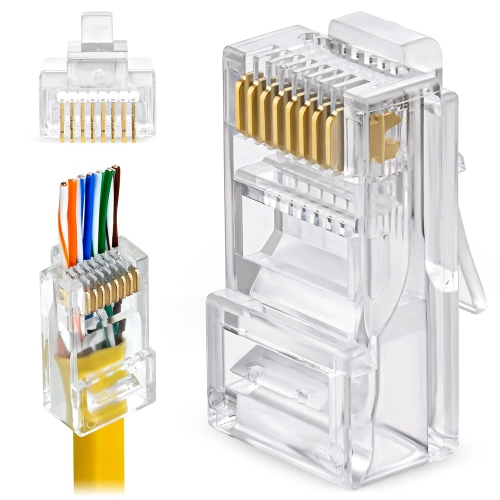
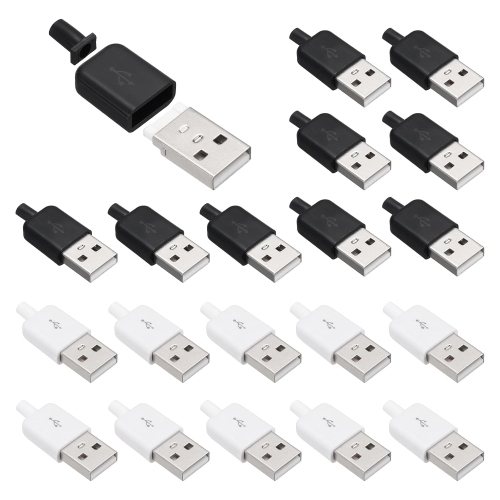
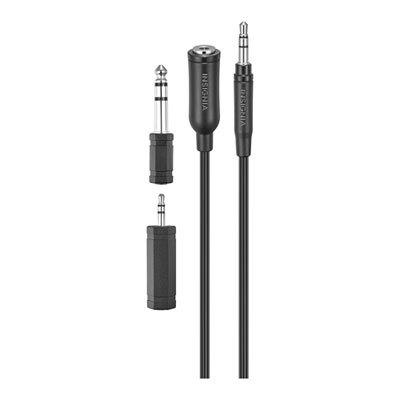
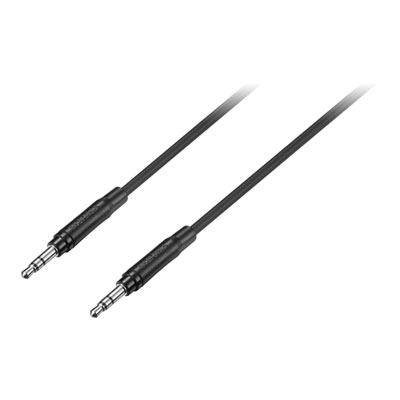
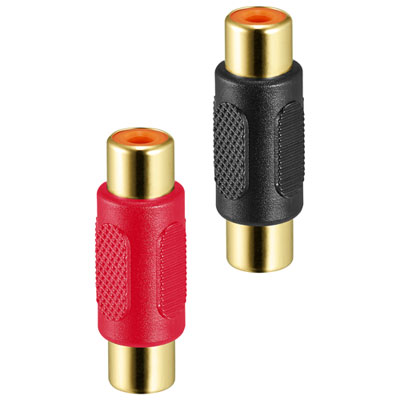
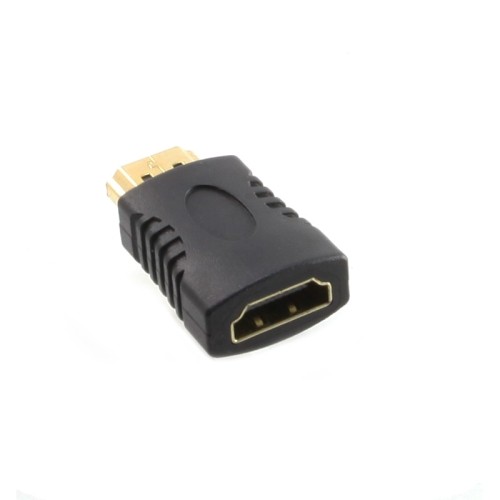
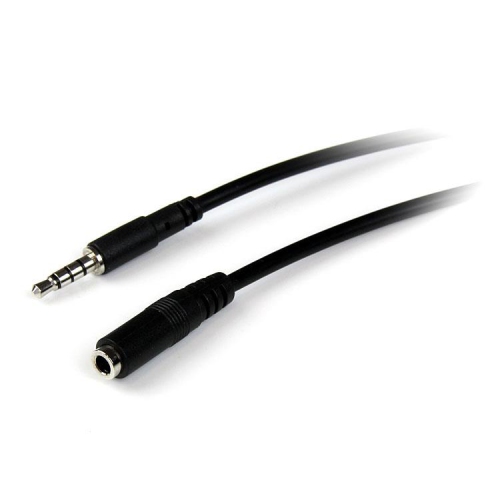
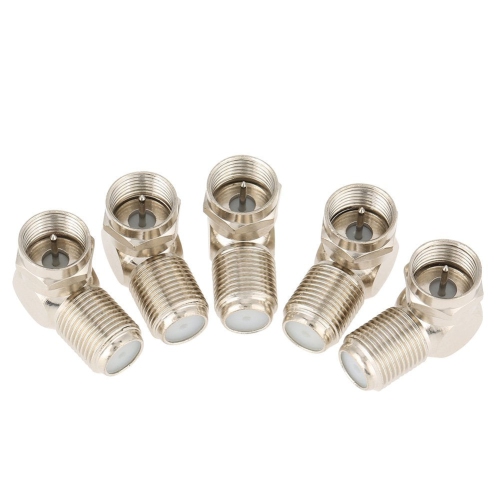
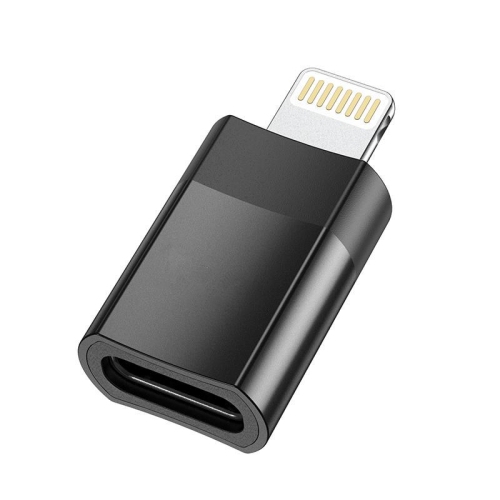
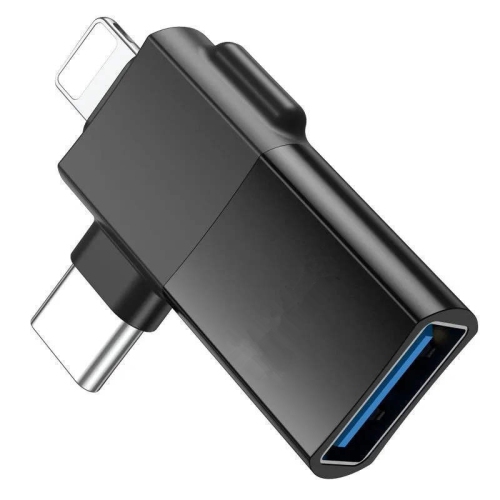
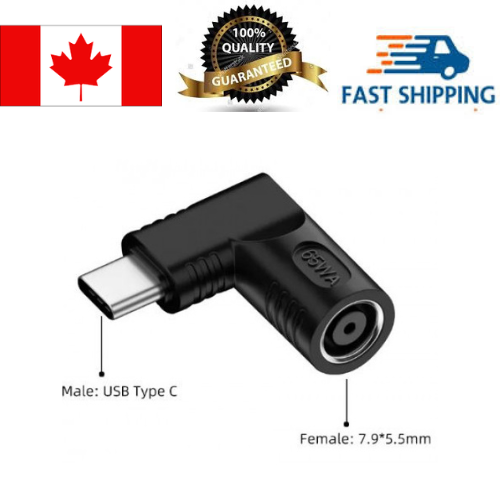
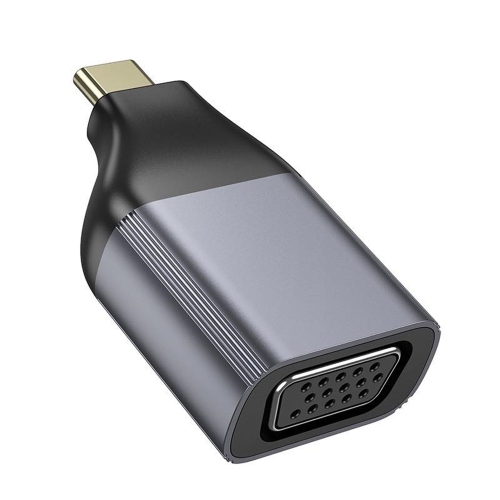
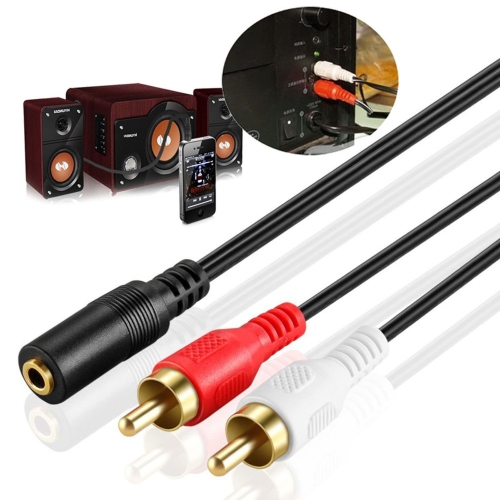
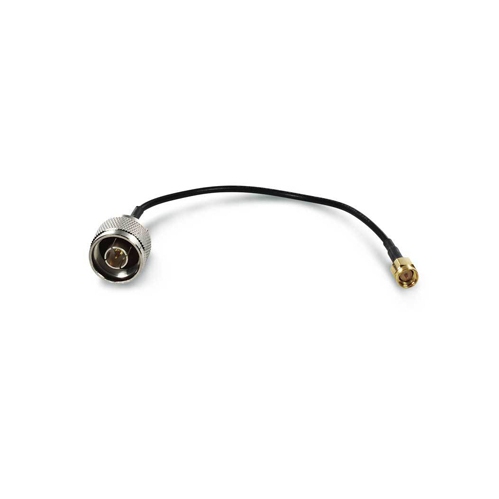
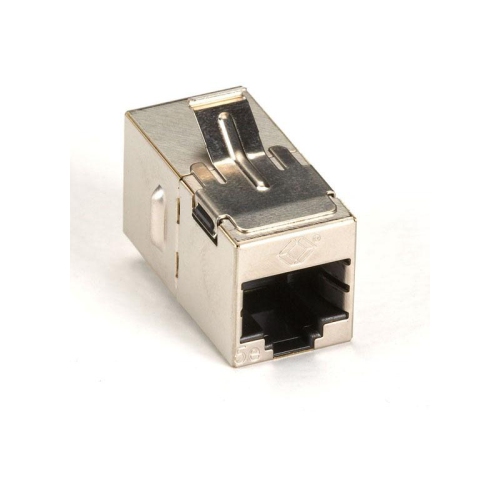
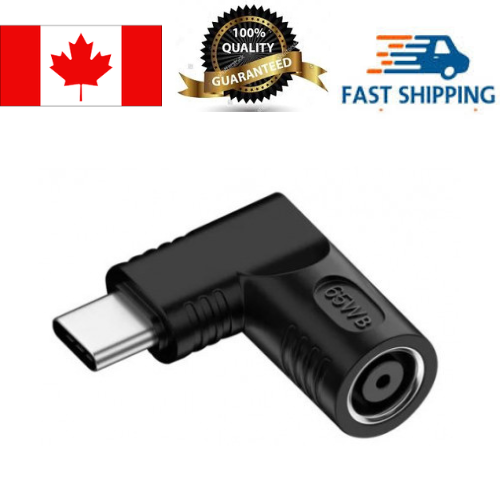
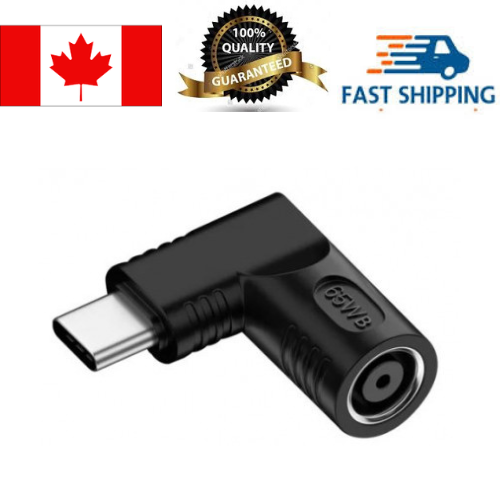
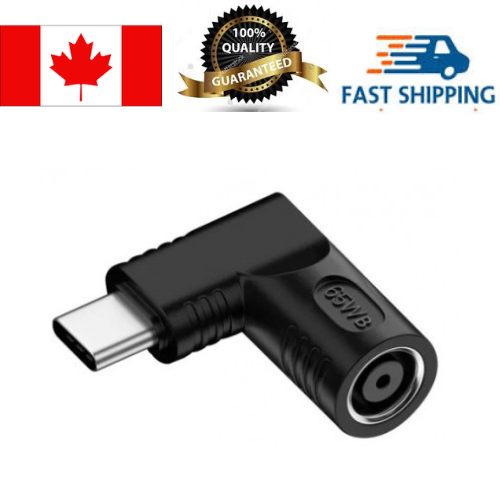
Male connectors are plugs, fittings, or terminals designed with protruding pins, prongs, centre conductors, or external threads that fit into a corresponding female socket or receiver. They are used to create a physical, electrical, audio, video, fluid, or pneumatic connection, depending on the application. In practical terms, the male side is usually the part that inserts into another component, slides into a receptacle, or screws into an internally threaded opening. This straightforward design appears in many areas of home, workshop, office, vehicle, and hobby equipment. You may encounter male connectors when replacing a damaged cable end, extending a connection, assembling a custom setup, repairing equipment, or organizing a group of compatible components. Electrical versions can carry power between a source and a device, while data and audiovisual versions transfer signals between equipment. Audio connectors may use exposed contacts or pins to carry sound, and computer-related connectors can be used for peripherals, internal components, or low-voltage connections. Threaded male fittings are also common in plumbing, air lines, and other systems where a firm mechanical connection is needed. Because the term covers several different formats, checking the intended use before purchasing is essential. A connector that looks similar may have a different pin count, voltage rating, thread pattern, gender, or wiring arrangement, making it unsuitable for the equipment in question.
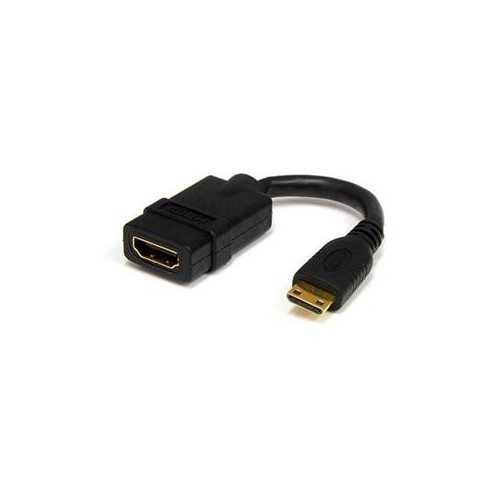
Start by identifying the connection type and the specifications of both mating parts. The physical shape is only one part of the match: confirm the number and arrangement of pins, the size of the housing, the conductor or contact material, and whether the connection is straight, angled, panel-mounted, or cable-mounted. For power applications, review the voltage, amperage, polarity, and wire gauge requirements rather than relying on appearance alone. Audio and video connections should be checked for the signal format and whether the cable or adapter is intended for balanced, unbalanced, digital, or analogue use. In computer and data setups, connector generations can affect speed, charging capability, display support, and compatibility. Threaded fittings require equal attention to thread size, pitch, gender, and standard, since fittings that seem close can fail to seal or may damage the receiving threads. Locking features are another useful consideration. A snap, clip, retaining screw, bayonet fitting, or twist-lock can help prevent a connection from loosening when equipment is moved, a cable is pulled accidentally, or vibration is present. For a connection that will be handled often, a reinforced housing and strain relief can help protect the cable where it enters the connector. For a fixed installation, panel-mount construction or a compact right-angle design may make routing easier behind a desk, entertainment unit, vehicle dashboard, or workbench. If the required connection involves reversing the usual direction or joining two different connector genders, Female To Male Adapters may offer a practical way to bridge compatible formats without replacing an entire cable or assembly.
Male connectors can be useful for home users, computer builders, musicians, makers, technicians, vehicle enthusiasts, and anyone who maintains equipment with replaceable cables or modular connections. A home office setup may rely on several compact connections behind a monitor, dock, printer, or network device, while a media area can involve audio and video cables routed through a cabinet with limited room to spare. In a workshop, the right fitting can make it easier to connect tubing, air tools, test equipment, or temporary components without rebuilding an entire system. People who enjoy electronics projects often keep assorted connectors on hand for prototyping, repairing small devices, and creating organized cable assemblies. They can also be thoughtful gifts for a practical-minded person who enjoys building, repairing, recording, crafting, or maintaining equipment, particularly when selected to match an existing project rather than chosen solely by appearance. Before adding a connector to a shopping list, take a clear photograph of the receiving port, note any markings, and measure the opening or threaded section when possible. It is also wise to check whether the connection must withstand moisture, dust, heat, movement, or repeated plugging and unplugging. During the cooler months, when indoor projects and equipment maintenance often move to a desk or workshop, having the correct connector nearby can turn a frustrating interruption into a quick repair. The best choice is the one that matches the complete system: the connector type, mating interface, electrical or mechanical rating, installation method, and the way the finished connection will be used.
Start by identifying the connection type and the specifications of both mating parts. The physical shape is only one part of the match: confirm the number and arrangement of pins, the size of the housing, the conductor or contact material, and whether the connection is straight, angled, panel-mounted, or cable-mounted. For power applications, review the voltage, amperage, polarity, and wire gauge requirements rather than relying on appearance alone. Audio and video connections should be checked for the signal format and whether the cable or adapter is intended for balanced, unbalanced, digital, or analogue use. In computer and data setups, connector generations can affect speed, charging capability, display support, and compatibility. Threaded fittings require equal attention to thread size, pitch, gender, and standard, since fittings that seem close can fail to seal or may damage the receiving threads. Locking features are another useful consideration. A snap, clip, retaining screw, bayonet fitting, or twist-lock can help prevent a connection from loosening when equipment is moved, a cable is pulled accidentally, or vibration is present. For a connection that will be handled often, a reinforced housing and strain relief can help protect the cable where it enters the connector. For a fixed installation, panel-mount construction or a compact right-angle design may make routing easier behind a desk, entertainment unit, vehicle dashboard, or workbench. If the required connection involves reversing the usual direction or joining two different connector genders, Female To Male Adapters may offer a practical way to bridge compatible formats without replacing an entire cable or assembly.
Male connectors can be useful for home users, computer builders, musicians, makers, technicians, vehicle enthusiasts, and anyone who maintains equipment with replaceable cables or modular connections. A home office setup may rely on several compact connections behind a monitor, dock, printer, or network device, while a media area can involve audio and video cables routed through a cabinet with limited room to spare. In a workshop, the right fitting can make it easier to connect tubing, air tools, test equipment, or temporary components without rebuilding an entire system. People who enjoy electronics projects often keep assorted connectors on hand for prototyping, repairing small devices, and creating organized cable assemblies. They can also be thoughtful gifts for a practical-minded person who enjoys building, repairing, recording, crafting, or maintaining equipment, particularly when selected to match an existing project rather than chosen solely by appearance. Before adding a connector to a shopping list, take a clear photograph of the receiving port, note any markings, and measure the opening or threaded section when possible. It is also wise to check whether the connection must withstand moisture, dust, heat, movement, or repeated plugging and unplugging. During the cooler months, when indoor projects and equipment maintenance often move to a desk or workshop, having the correct connector nearby can turn a frustrating interruption into a quick repair. The best choice is the one that matches the complete system: the connector type, mating interface, electrical or mechanical rating, installation method, and the way the finished connection will be used.
Top selling and popular products
-
 Your price for this item is $19.99
 -
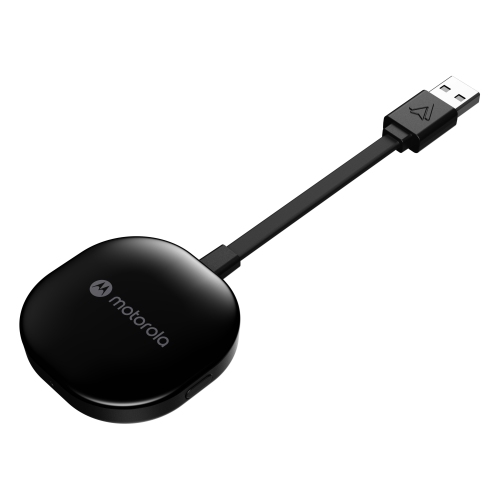 Your price for this item is $94.99
 -
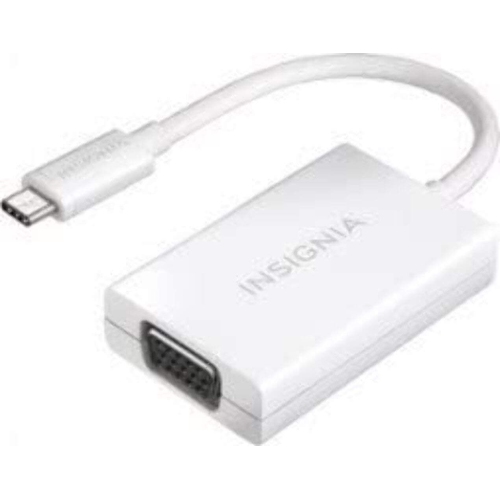 Your price for this item is $13.99
 -
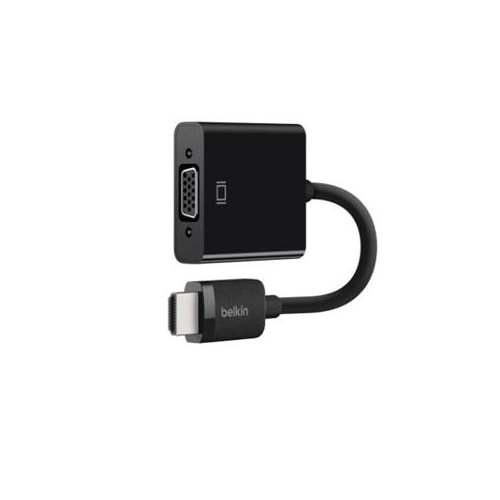 Your price for this item is $48.68
 -
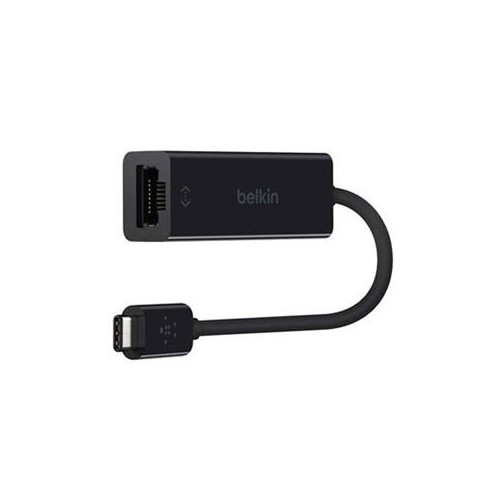 Your price for this item is $49.68
 -
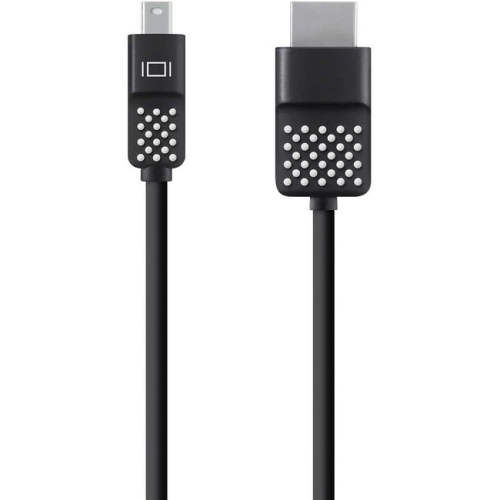 Your price for this item is $29.68
 -
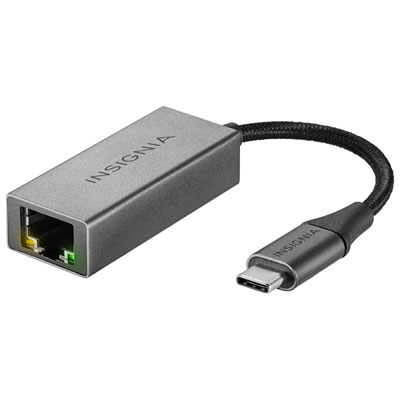 Your price for this item is $29.95
 -
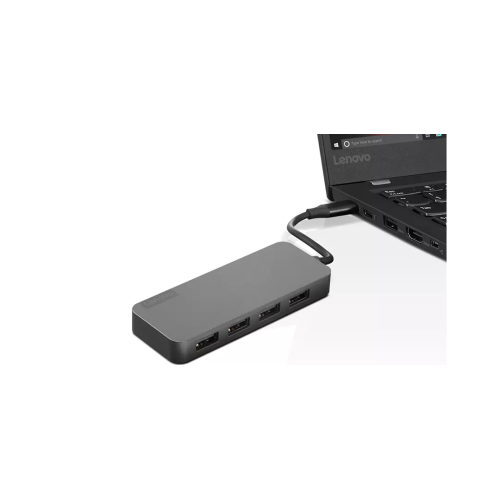 Your price for this item is $49.99
Discover more categories related to Male Connectors
Top Collections:
Pokemon Centers, Kindle Devices, Best Budget Office Chairs, Apple iPhones 16, Best Laptops for Writers, iPhone 15 Apple, Canon G7X Cameras, Refurbished Apple Laptops, Alarm Clock, Motorola Razr Phones
Some products may be subject to Environmental Handling Fees
(EHF) depending on your province.
Learn more about EHFs.