Mini Camera Bags
Capture every moment with ease and style by exploring our diverse selection of mini camera bags. Perfect for photographers on the go, these compact companions offer a blend of functionality and fashion, ensuring your gear is protected without compromising on aesthetics. Whether you're heading out for a casual shoot or an adventurous expedition, mini camera bags are designed to accommodate your essentials while providing easy access and comfort. Discover the ideal fit for your camera and accessories, and keep your equipment safe as you embark on your next photographic journey.
Sort
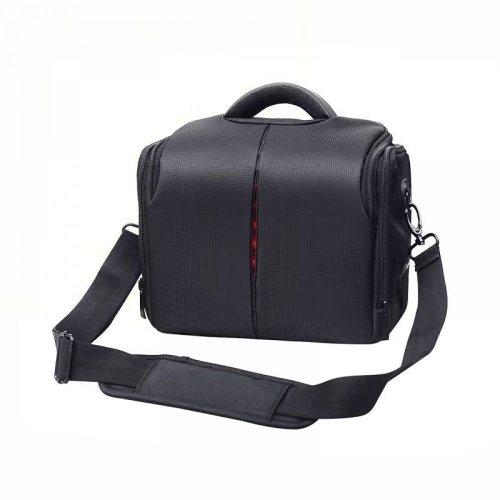
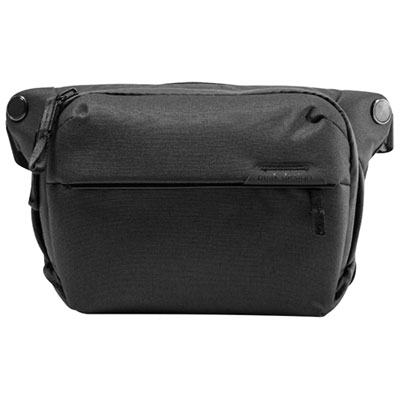
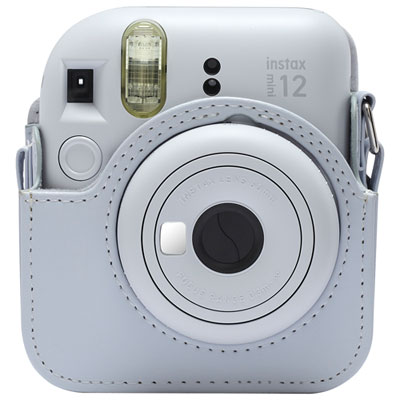
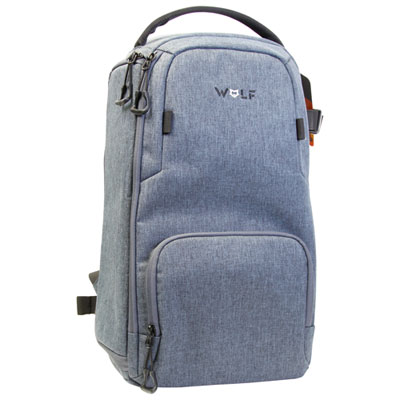

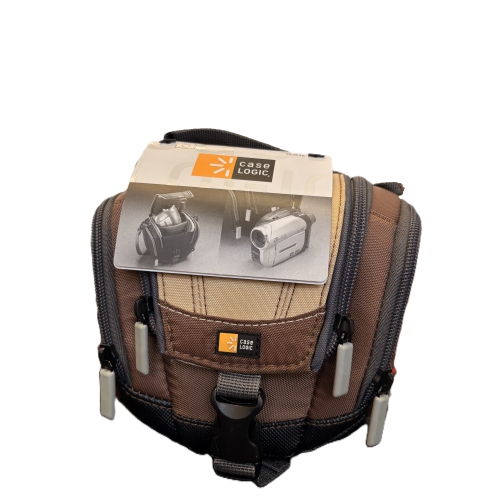
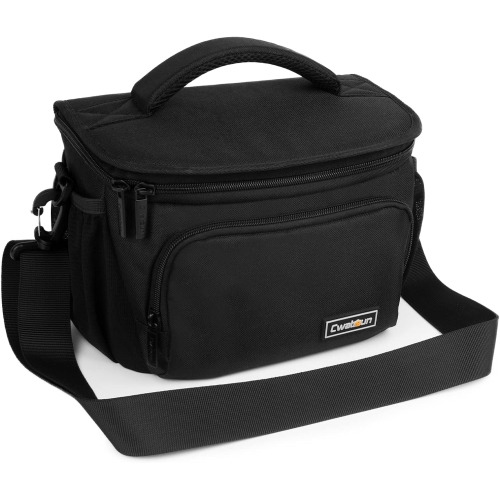
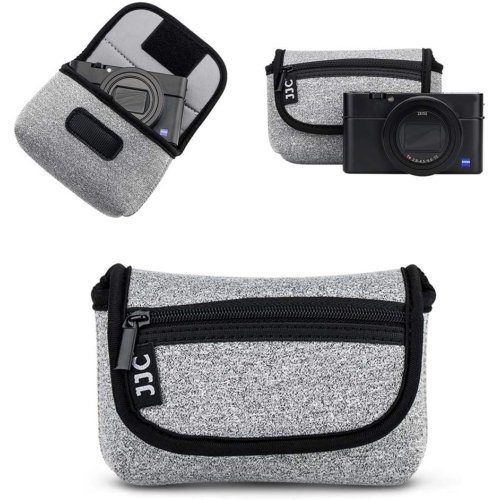
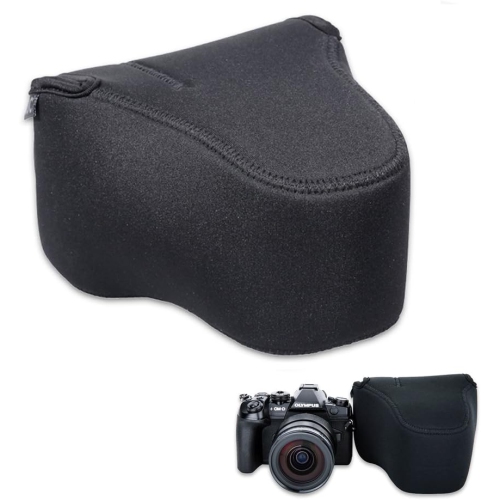

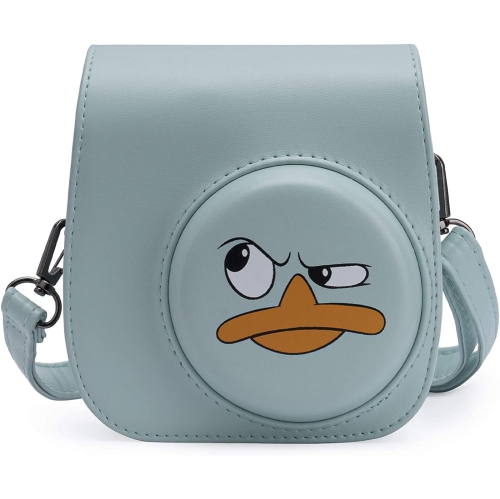
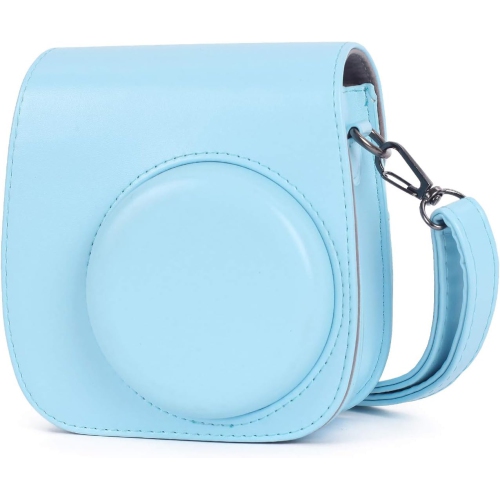
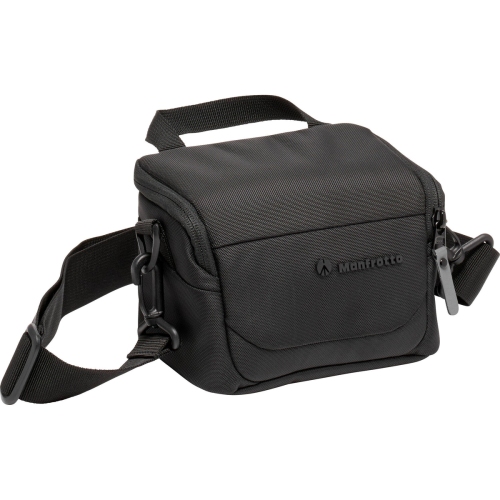
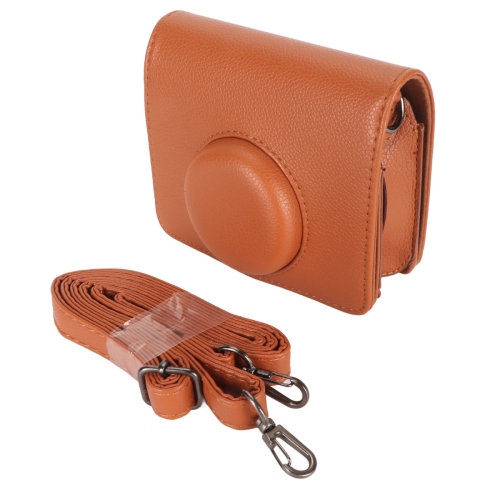
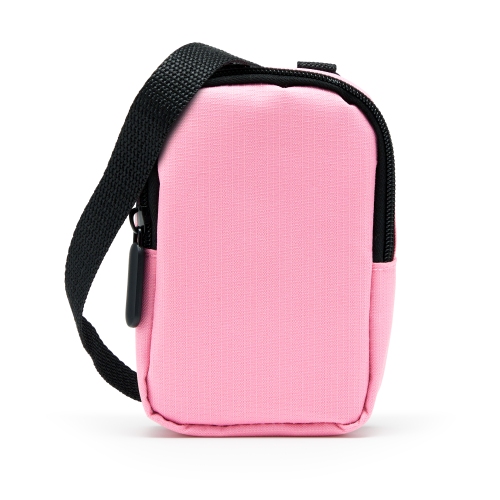
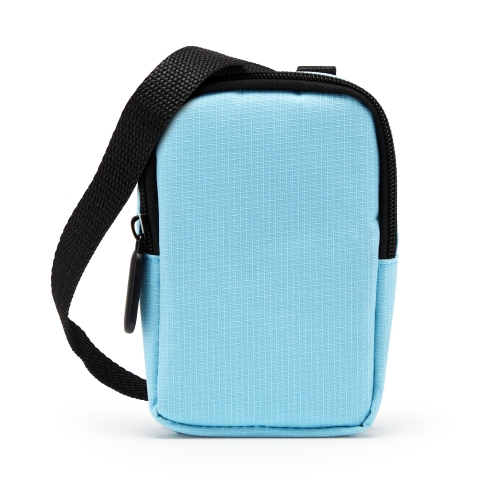
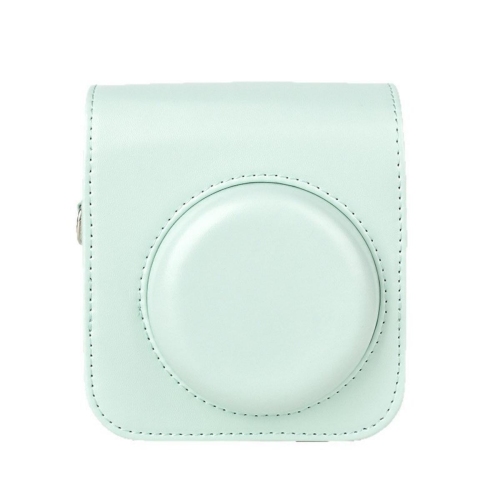
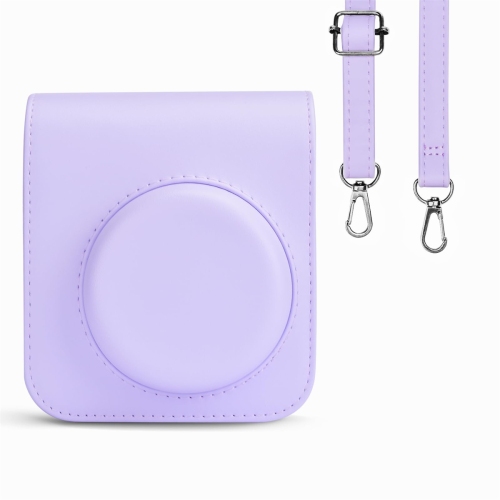
Compact protection and quick access for everyday photography
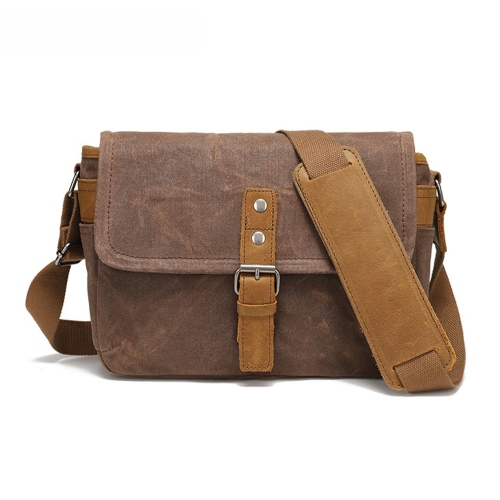
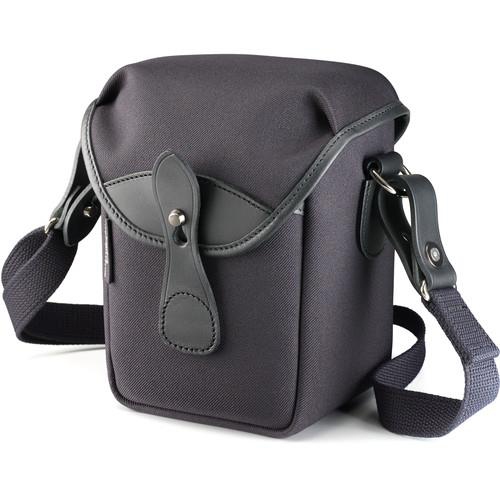
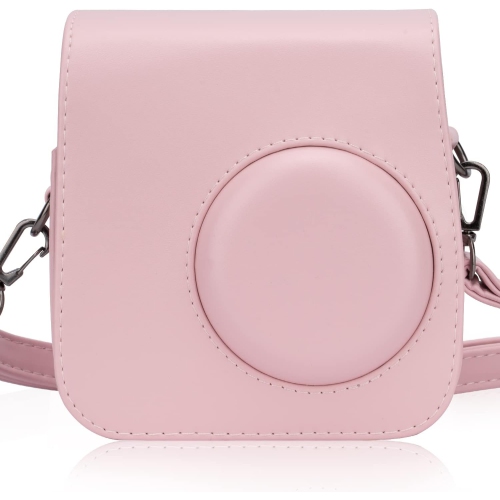
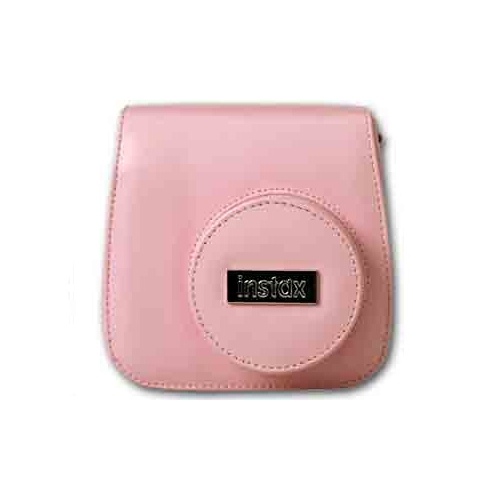
Mini camera bags are designed for photographers who want to carry essential gear without the bulk of a full-size camera backpack. They are especially useful for compact mirrorless cameras, small DSLR setups, point-and-shoot cameras, action cameras, and everyday photography accessories. Depending on the design, a mini camera bag may hold a camera body with a lens attached, one additional lens, spare batteries, memory cards, a charging cable, and a few personal items such as keys or a phone. Compact capacities around 3L are well suited to a minimal setup, while bags closer to 5L may offer enough room for an extra lens, a small flash, or a more substantial camera body. Internal dividers are an important feature because they let you create a snug compartment around your equipment rather than allowing it to shift as you walk. Look for dividers with hook-and-loop fasteners that can be repositioned as your kit changes. Foam padding on the base, sides, and lid adds another layer of protection when the bag is set down, placed in a larger suitcase, or carried through a busy space. A soft-lined interior can help reduce the chance of scratches on camera surfaces, while a separate rear or exterior pocket keeps small essentials from being mixed in with lenses and accessories. For photographers who prefer to travel light, these details make it easier to reach for a camera at a lookout, on a city walk, at a family gathering, or during an afternoon exploring local shops and trails. The best mini camera bags balance protection with accessibility, giving you enough structure to carry delicate equipment while remaining light and comfortable for extended use.
The carrying style can make as much difference as the internal capacity. Cross-body and sling designs are popular because they keep the bag close to the body and allow it to be moved from the back to the front without taking it off completely. This is convenient when a quick side or top opening provides access to the camera at a moment’s notice. Adjustable straps help the bag sit comfortably over a light jacket during cooler months or over a shirt as the weather warms, and a padded shoulder section can make a noticeable difference when carrying heavier equipment. A clamshell opening is useful when you want to see the entire contents at once, while a wide top opening may be preferable for photographers who change lenses frequently. Water-resistant exterior materials and covered zippers can provide useful protection from light rain, splashes, and damp conditions, although they should not be treated as a substitute for a dedicated waterproof cover in severe weather. Consider the shape of the bag as well as its advertised capacity. A tapered base or heavily padded interior may reduce the usable space, so compare the compartment dimensions with the actual size of your camera and lenses. Measure the camera with its largest lens attached, then allow room for your hand to remove it comfortably. A low-profile bag can be easier to wear in crowds and less cumbersome on public transit, while a slightly deeper design may be better for a camera with a larger grip or a compact telephoto lens. Mini camera bags can also suit people who use their equipment for video, travel, school projects, events, or content creation, particularly when they need quick access without carrying a complete kit. Those shopping for a thoughtful present may find them practical for a new photographer, a student learning composition, a traveller preparing for a holiday, or someone who has recently added a camera to their everyday routine. For a more playful look, browsing Cute Camera Bags can help match a compact carrying solution with a personal sense of style.
Before choosing a mini camera bag, make a simple list of the equipment that will travel with you most often. Include the camera body, attached lens, spare lens, batteries, memory cards, cables, filters, and any small tripod or microphone you regularly use. If the bag will also carry personal belongings, account for the space needed for sunglasses, a wallet, hand cream, or a phone. A dedicated camera compartment generally offers better protection than an unstructured pouch, but removable dividers can be valuable when you want to use the bag for different types of outings. Check whether the main compartment is independently padded, whether the base can stand up when loaded, and whether the zippers can be operated with one hand. An exterior slot is handy for items that need quick access, while a discreet rear pocket can keep travel documents and valuables close to your body. Colour and finish also matter when a bag becomes part of your daily wardrobe; a simple design may move easily from a weekend walk to a café, office, or family celebration, while a brighter style can be easier to identify when packed with other belongings. During the transition from warmer days to cooler months, a compact camera bag is convenient because it can be worn over changing layers and tucked beneath a coat when necessary. It can also serve as a lightweight secondary bag inside luggage, protecting camera equipment until you reach your destination. Whether your priority is quick access, comfortable hands-free carrying, discreet styling, or room for a small collection of lenses, comparing dimensions, padding, organization, strap design, and weather resistance will help you choose a mini camera bag that fits both your equipment and the way you like to take pictures.
The carrying style can make as much difference as the internal capacity. Cross-body and sling designs are popular because they keep the bag close to the body and allow it to be moved from the back to the front without taking it off completely. This is convenient when a quick side or top opening provides access to the camera at a moment’s notice. Adjustable straps help the bag sit comfortably over a light jacket during cooler months or over a shirt as the weather warms, and a padded shoulder section can make a noticeable difference when carrying heavier equipment. A clamshell opening is useful when you want to see the entire contents at once, while a wide top opening may be preferable for photographers who change lenses frequently. Water-resistant exterior materials and covered zippers can provide useful protection from light rain, splashes, and damp conditions, although they should not be treated as a substitute for a dedicated waterproof cover in severe weather. Consider the shape of the bag as well as its advertised capacity. A tapered base or heavily padded interior may reduce the usable space, so compare the compartment dimensions with the actual size of your camera and lenses. Measure the camera with its largest lens attached, then allow room for your hand to remove it comfortably. A low-profile bag can be easier to wear in crowds and less cumbersome on public transit, while a slightly deeper design may be better for a camera with a larger grip or a compact telephoto lens. Mini camera bags can also suit people who use their equipment for video, travel, school projects, events, or content creation, particularly when they need quick access without carrying a complete kit. Those shopping for a thoughtful present may find them practical for a new photographer, a student learning composition, a traveller preparing for a holiday, or someone who has recently added a camera to their everyday routine. For a more playful look, browsing Cute Camera Bags can help match a compact carrying solution with a personal sense of style.
Before choosing a mini camera bag, make a simple list of the equipment that will travel with you most often. Include the camera body, attached lens, spare lens, batteries, memory cards, cables, filters, and any small tripod or microphone you regularly use. If the bag will also carry personal belongings, account for the space needed for sunglasses, a wallet, hand cream, or a phone. A dedicated camera compartment generally offers better protection than an unstructured pouch, but removable dividers can be valuable when you want to use the bag for different types of outings. Check whether the main compartment is independently padded, whether the base can stand up when loaded, and whether the zippers can be operated with one hand. An exterior slot is handy for items that need quick access, while a discreet rear pocket can keep travel documents and valuables close to your body. Colour and finish also matter when a bag becomes part of your daily wardrobe; a simple design may move easily from a weekend walk to a café, office, or family celebration, while a brighter style can be easier to identify when packed with other belongings. During the transition from warmer days to cooler months, a compact camera bag is convenient because it can be worn over changing layers and tucked beneath a coat when necessary. It can also serve as a lightweight secondary bag inside luggage, protecting camera equipment until you reach your destination. Whether your priority is quick access, comfortable hands-free carrying, discreet styling, or room for a small collection of lenses, comparing dimensions, padding, organization, strap design, and weather resistance will help you choose a mini camera bag that fits both your equipment and the way you like to take pictures.
Top selling and popular products
-
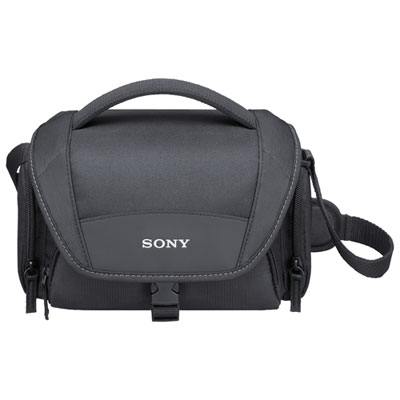 Your price for this item is $39.99
 -
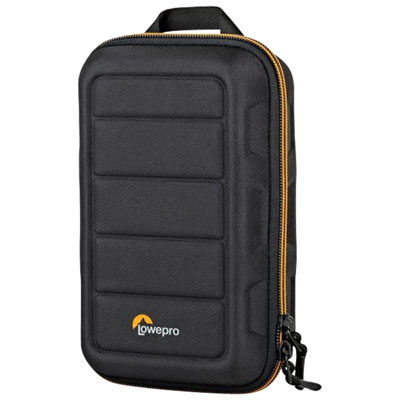 Your price for this item is $54.99
 -
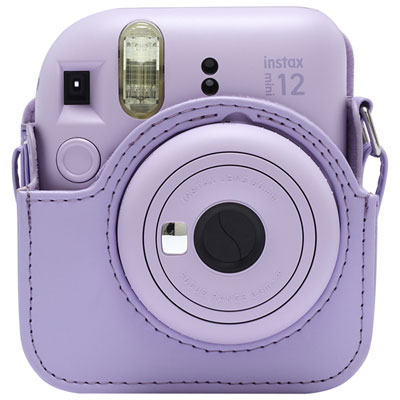 Your price for this item is $10.97
 -
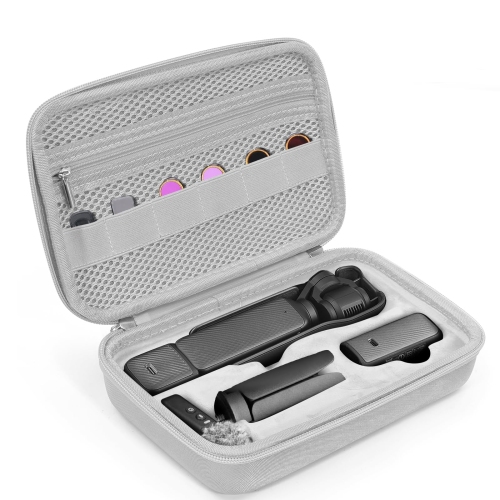 Your price for this item is $46.96
 -
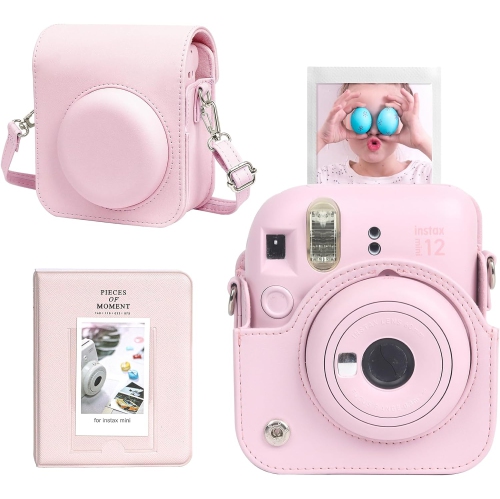 Your price for this item is $24.99
 -
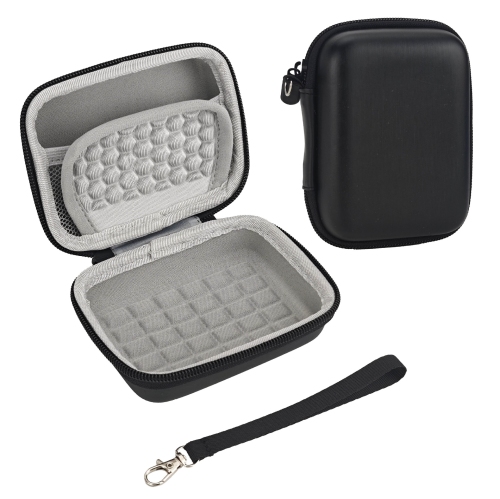 Your price for this item is $21.78
 -
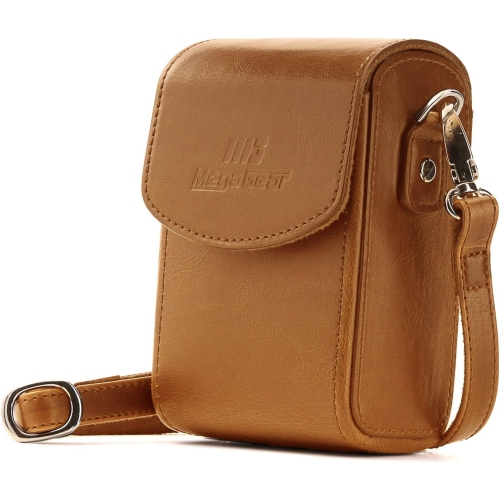 Your price for this item is $39.99
 -
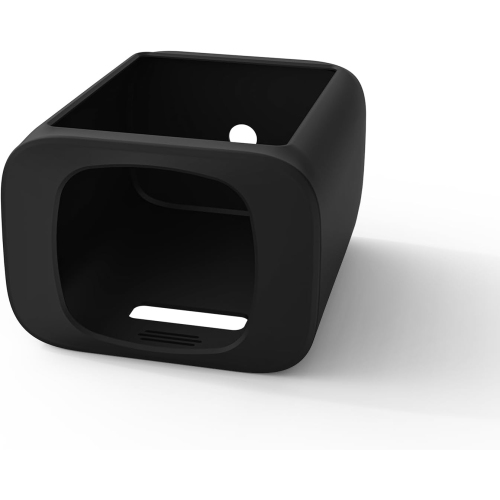 Your price for this item is $15.43
Discover more categories related to Mini Camera Bags
Top Collections:
Pokemon Centers, Kindle Devices, Best Budget Office Chairs, Apple iPhones 16, Best Laptops for Writers, iPhone 15 Apple, Canon G7X Cameras, Refurbished Apple Laptops, Alarm Clock, Motorola Razr Phones
Some products may be subject to Environmental Handling Fees
(EHF) depending on your province.
Learn more about EHFs.