Trendy Camera Bags
Capture your style and protect your camera with our collection of trendy camera bags. Whether you're a professional photographer or an avid hobbyist, finding the perfect camera bag is essential for keeping your gear safe and organized while on the go. With a variety of fashionable designs and durable materials, our selection of camera bags combines functionality and style to suit your unique personality. From sleek and minimalist options to bold and vibrant patterns, we have the perfect bag to complement your photography gear and elevate your fashion game. Explore our trendy camera bags today and add a touch of flair to your next photoshoot or adventure.
Sort
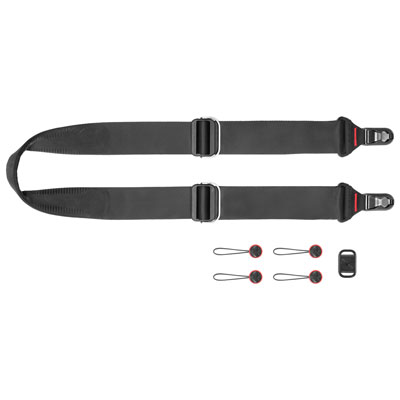
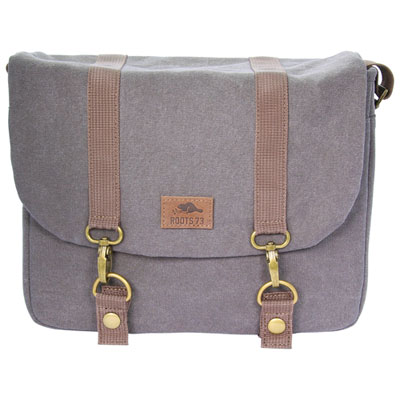
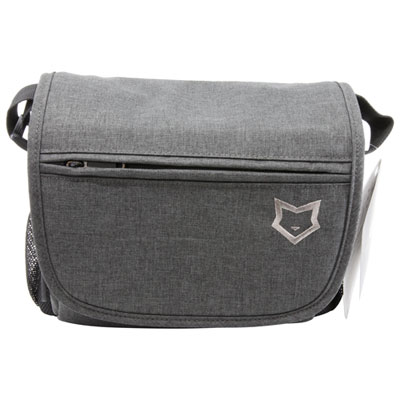
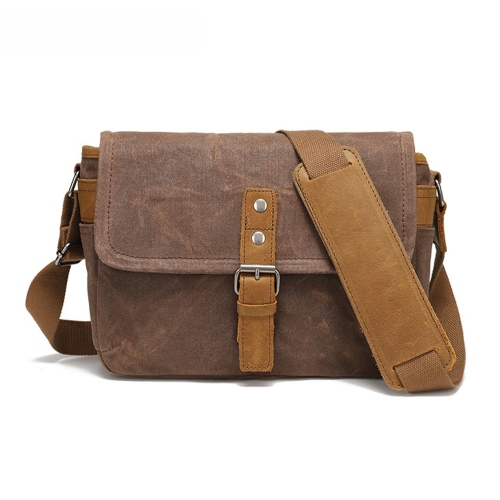
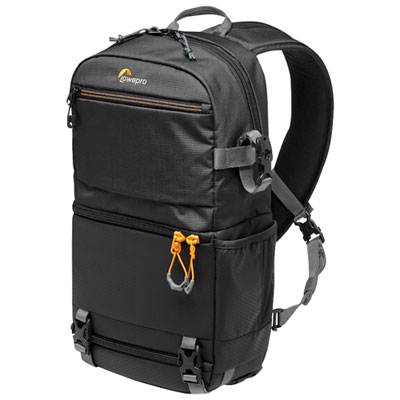
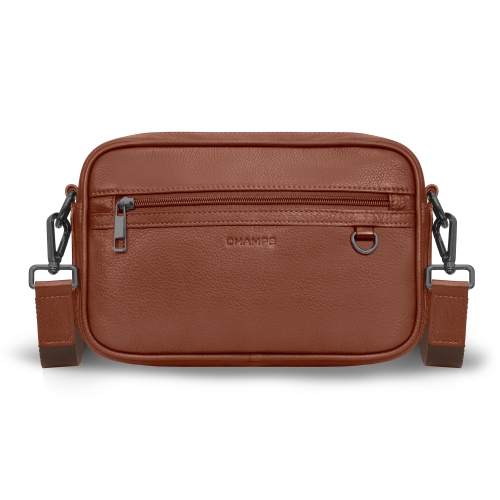
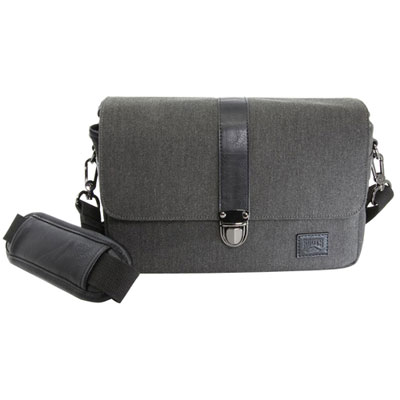
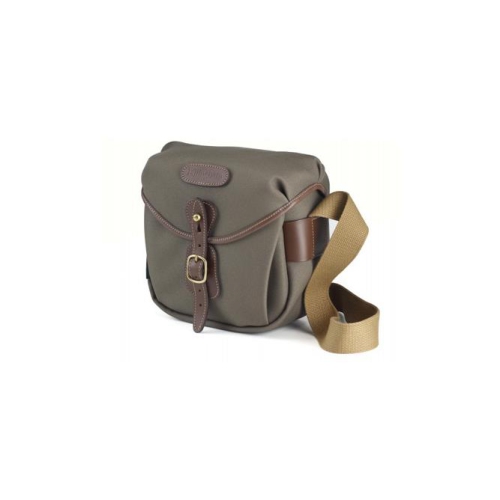
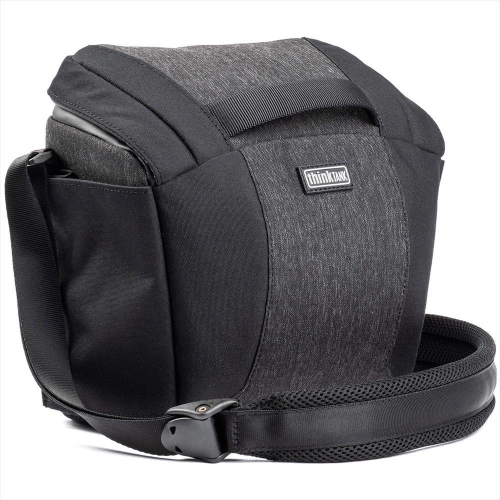
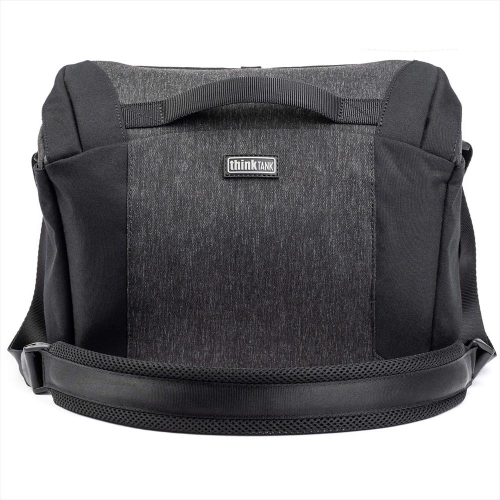
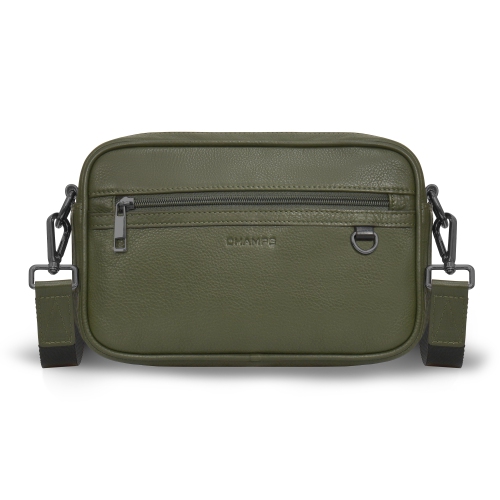
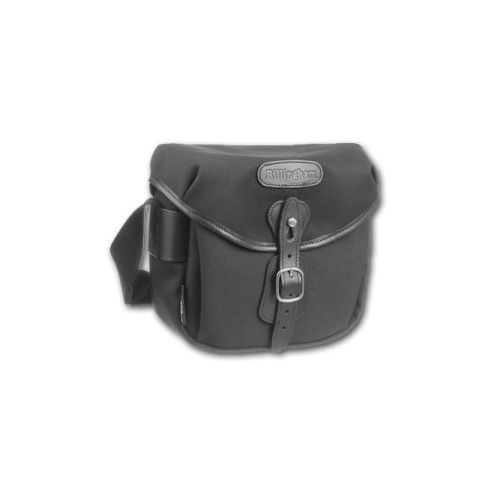
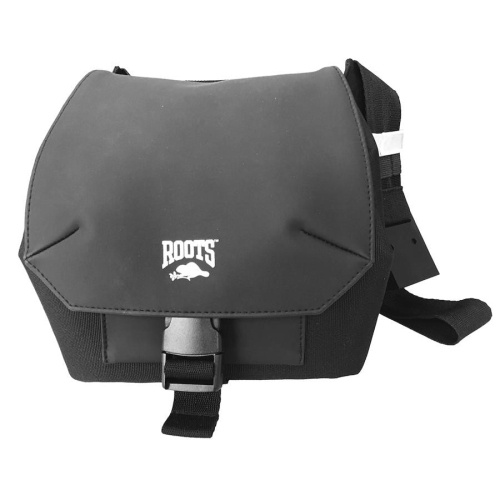
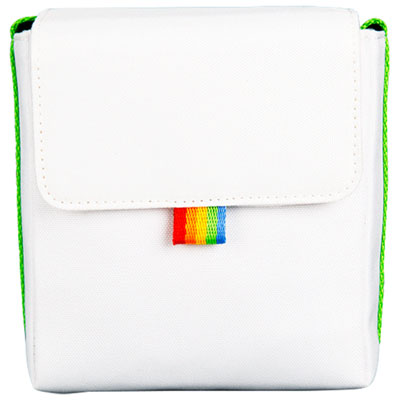
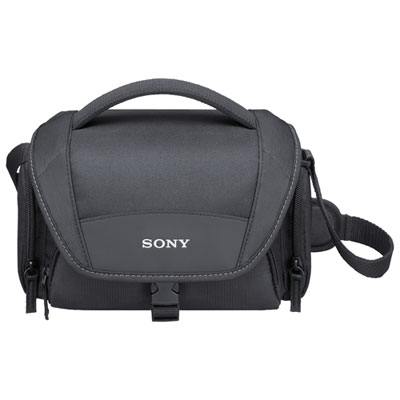
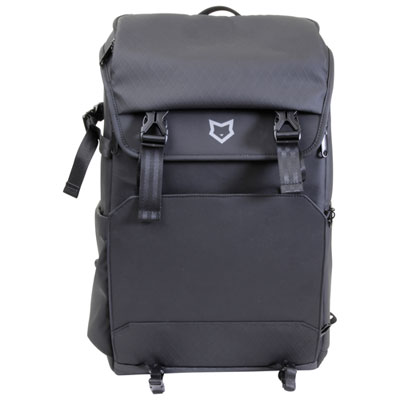
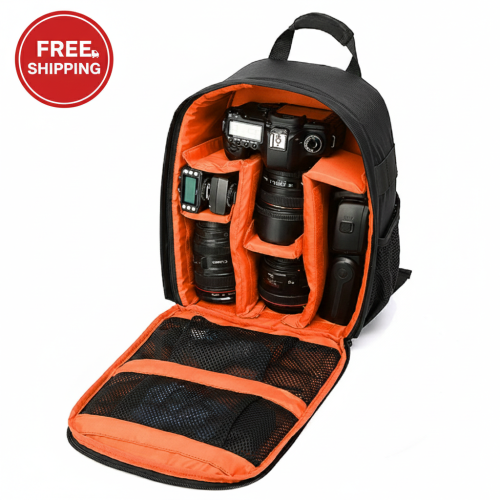
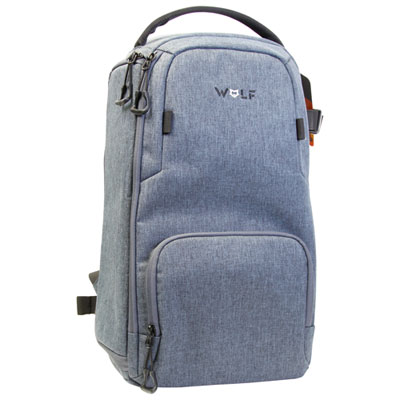
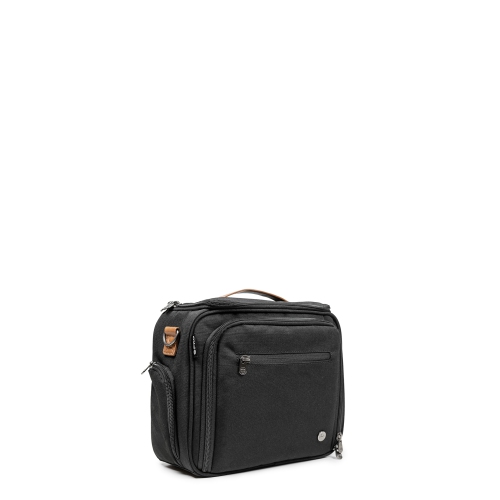
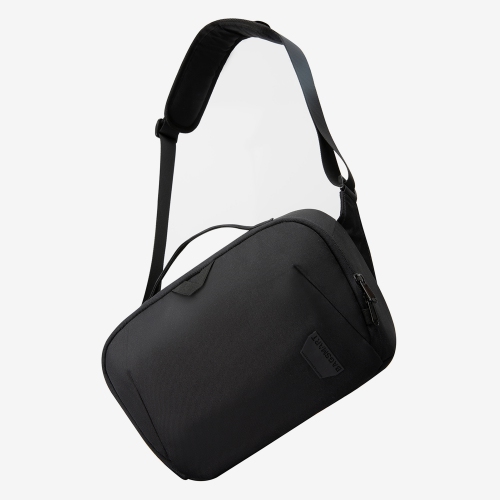
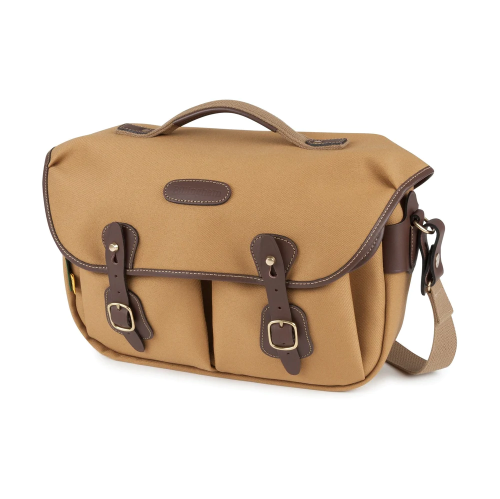
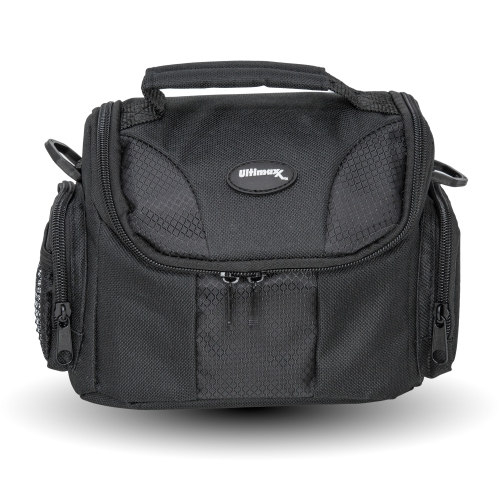
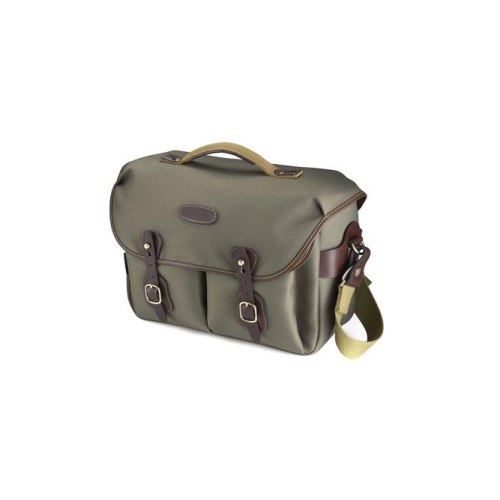
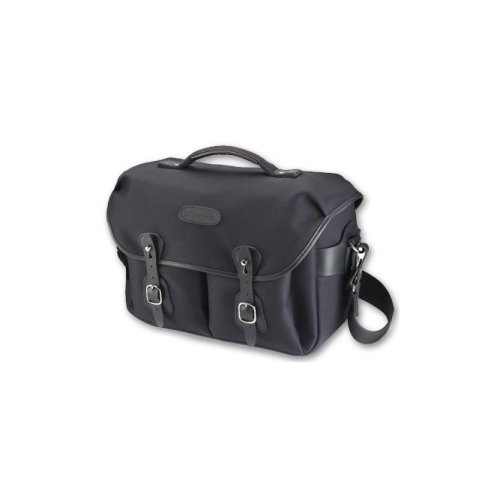
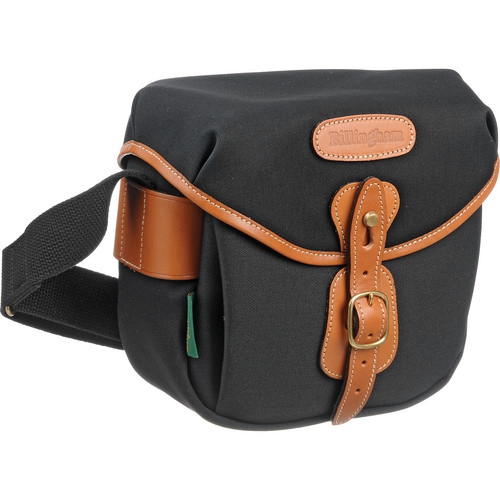
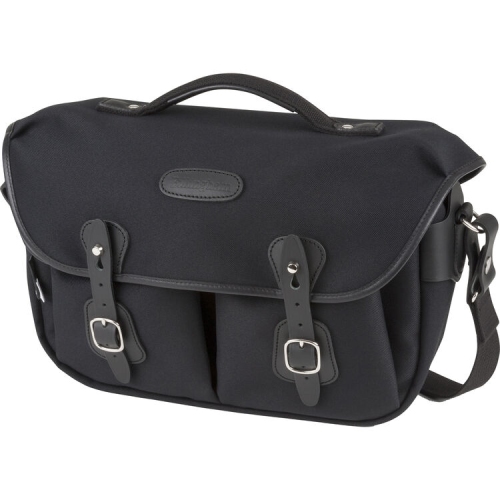
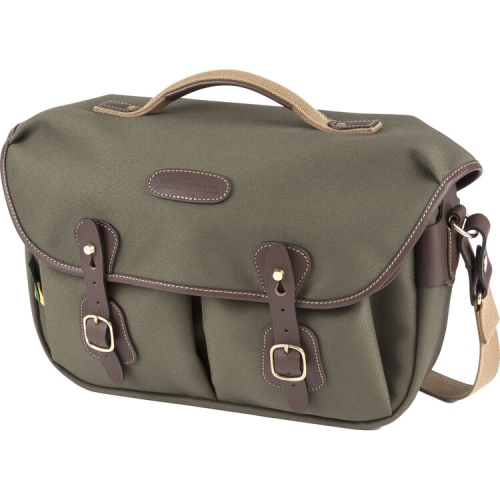
Camera protection that fits your gear and your wardrobe
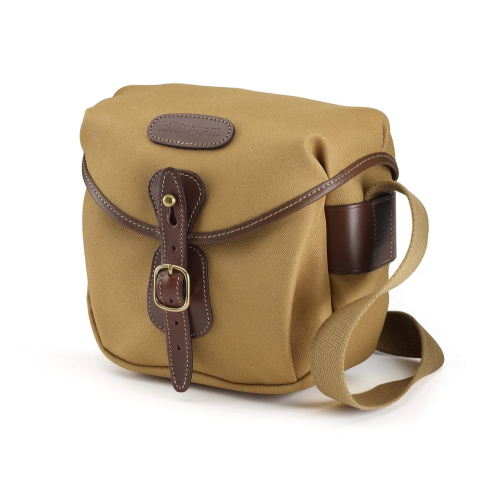
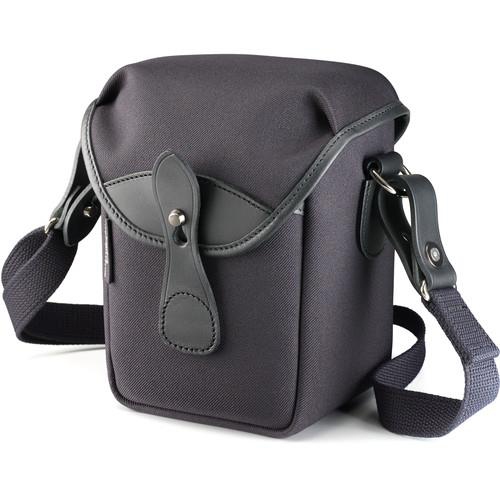
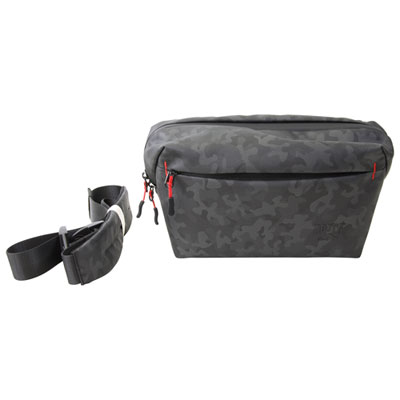
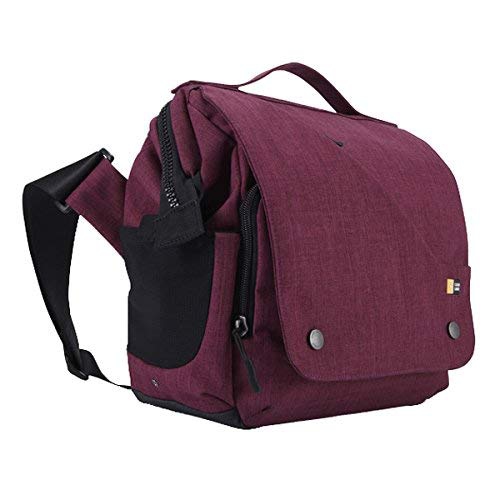
Trendy camera bags combine the protective features of a camera carrier with the shapes, colours, and finishes of an everyday accessory. Their appeal goes beyond appearance: a bag that feels comfortable and works with an ordinary outfit can make bringing a camera along less of a production. A compact crossbody suits a walk through a gallery district with a mirrorless camera and a small prime lens, while a structured messenger can accommodate a larger setup without looking like a traditional equipment case. Camera backpacks offer another option for photographers carrying several lenses or combining photography with a commute. The most useful style depends on what goes inside and how often the camera needs to come out. A sling that rotates towards the front of the body can make access easier without fully removing the bag; a backpack generally offers more room and distributes the load across both shoulders when properly adjusted. Rounded profiles, understated hardware, textured fabrics, and contrasting interior linings give these practical shapes a more personal feel. Neutral shades blend easily with different wardrobes, while a brighter colour or distinctive strap can turn the bag into an intentional part of an outfit. For a softer silhouette or a more playful look, Cute Camera Bags offer another way to explore camera-carrying styles. Appearance still needs to work alongside protection. Dedicated padding, secure closures, and separate spaces for lenses help distinguish a camera bag from a regular handbag or daypack. A discreet exterior may be appealing for street photography, but it should not come at the expense of a stable, well-organized interior. Details such as a flat base, a grab handle, and zipper pulls that are easy to grasp can matter more in daily use than decorative features. A bag that sits securely beside a café chair and opens without spilling its contents is doing an important job, even before the camera comes out.
Fit starts with the equipment rather than the bag’s exterior size. A camera body with a lens attached needs enough internal depth and clearance to slide in without catching on the opening or pressing against the closure. Lens hoods, battery grips, and longer zoom lenses can change that fit substantially, so internal compartment dimensions are more informative than a photograph of the bag or its capacity in litres alone. Two bags with similar capacities may use their space very differently: one might have a tall central compartment, while another spreads its storage across shallow pockets. Adjustable padded dividers help separate a camera from spare lenses and reduce movement inside the main compartment. They should support the equipment without squeezing it, with enough space to retrieve the camera by its grip rather than tugging on the strap. A soft lining can help limit surface scuffs, although padding does not make equipment immune to drops or impact. Small organizational details also affect how smoothly a bag works. Dedicated pockets keep spare batteries and memory card cases from collecting at the bottom, while a separate compartment for keys prevents hard edges from resting against camera gear. A light-coloured lining can make a black lens cap easier to spot. Anyone carrying a laptop or tablet should check the sleeve dimensions and padding rather than assume that a device will fit simply because the bag looks roomy. Carrying comfort deserves the same attention as storage. A wide, adjustable strap can spread pressure more comfortably than a narrow decorative one, especially when the bag holds a larger lens. Crossbody straps need enough adjustment to position the bag where it can be reached naturally, and backpack straps should keep the load close without digging into the shoulders. For an afternoon spent taking portraits, quick access and a modest load may matter most. For a full day moving between locations, balanced weight, a comfortable back panel, and space for personal essentials can become more important than a particularly slim profile.
Materials influence a camera bag’s character, weight, and upkeep as much as its appearance. Canvas has a textured, relaxed finish that works well with messenger and satchel shapes, though fabric weight and construction vary. Nylon and polyester are often used for lighter bags and streamlined designs; their durability depends on factors such as weave, reinforcement, and the quality of the seams. Leather brings a more structured or traditional look and may develop a patina with use, but it can add weight and requires care suited to its finish. Coated fabrics and synthetic leather offer different textures and cleaning needs, so the material label is worth checking before treating a mark. Across materials, reinforced strap attachment points, neat stitching, smooth-running zippers, and a supportive base are useful construction details to look for. Hardware should feel secure without being awkward to operate each time the camera is needed. Care is usually simplest when it is regular: empty out loose debris, check pockets for forgotten accessories, and clean the lining and exterior according to the manufacturer’s directions. A soft brush may help lift dust from seams, while spot cleaning should use a method approved for the particular fabric or finish. Leather treatments are not suitable for every surface, and machine washing can damage padding, coatings, or structural inserts unless expressly permitted. Removable dividers make it easier to inspect and clean the interior, and some bags with removable camera inserts can also serve as everyday carry bags when the equipment stays home. That flexibility can appeal to students, travellers, hobby photographers, and creators who alternate between taking pictures and other activities. A camera bag can also make a thoughtful gift, provided its size matches the recipient’s equipment and its carrying style suits their habits. Someone who takes a compact camera everywhere may appreciate a small shoulder bag more than a spacious backpack. Someone building a lens collection may value adjustable compartments and a little extra room. The strongest match brings together personal style, comfortable carrying, and enough protection for the equipment that actually goes along.
Fit starts with the equipment rather than the bag’s exterior size. A camera body with a lens attached needs enough internal depth and clearance to slide in without catching on the opening or pressing against the closure. Lens hoods, battery grips, and longer zoom lenses can change that fit substantially, so internal compartment dimensions are more informative than a photograph of the bag or its capacity in litres alone. Two bags with similar capacities may use their space very differently: one might have a tall central compartment, while another spreads its storage across shallow pockets. Adjustable padded dividers help separate a camera from spare lenses and reduce movement inside the main compartment. They should support the equipment without squeezing it, with enough space to retrieve the camera by its grip rather than tugging on the strap. A soft lining can help limit surface scuffs, although padding does not make equipment immune to drops or impact. Small organizational details also affect how smoothly a bag works. Dedicated pockets keep spare batteries and memory card cases from collecting at the bottom, while a separate compartment for keys prevents hard edges from resting against camera gear. A light-coloured lining can make a black lens cap easier to spot. Anyone carrying a laptop or tablet should check the sleeve dimensions and padding rather than assume that a device will fit simply because the bag looks roomy. Carrying comfort deserves the same attention as storage. A wide, adjustable strap can spread pressure more comfortably than a narrow decorative one, especially when the bag holds a larger lens. Crossbody straps need enough adjustment to position the bag where it can be reached naturally, and backpack straps should keep the load close without digging into the shoulders. For an afternoon spent taking portraits, quick access and a modest load may matter most. For a full day moving between locations, balanced weight, a comfortable back panel, and space for personal essentials can become more important than a particularly slim profile.
Materials influence a camera bag’s character, weight, and upkeep as much as its appearance. Canvas has a textured, relaxed finish that works well with messenger and satchel shapes, though fabric weight and construction vary. Nylon and polyester are often used for lighter bags and streamlined designs; their durability depends on factors such as weave, reinforcement, and the quality of the seams. Leather brings a more structured or traditional look and may develop a patina with use, but it can add weight and requires care suited to its finish. Coated fabrics and synthetic leather offer different textures and cleaning needs, so the material label is worth checking before treating a mark. Across materials, reinforced strap attachment points, neat stitching, smooth-running zippers, and a supportive base are useful construction details to look for. Hardware should feel secure without being awkward to operate each time the camera is needed. Care is usually simplest when it is regular: empty out loose debris, check pockets for forgotten accessories, and clean the lining and exterior according to the manufacturer’s directions. A soft brush may help lift dust from seams, while spot cleaning should use a method approved for the particular fabric or finish. Leather treatments are not suitable for every surface, and machine washing can damage padding, coatings, or structural inserts unless expressly permitted. Removable dividers make it easier to inspect and clean the interior, and some bags with removable camera inserts can also serve as everyday carry bags when the equipment stays home. That flexibility can appeal to students, travellers, hobby photographers, and creators who alternate between taking pictures and other activities. A camera bag can also make a thoughtful gift, provided its size matches the recipient’s equipment and its carrying style suits their habits. Someone who takes a compact camera everywhere may appreciate a small shoulder bag more than a spacious backpack. Someone building a lens collection may value adjustable compartments and a little extra room. The strongest match brings together personal style, comfortable carrying, and enough protection for the equipment that actually goes along.
Top selling and popular products
-
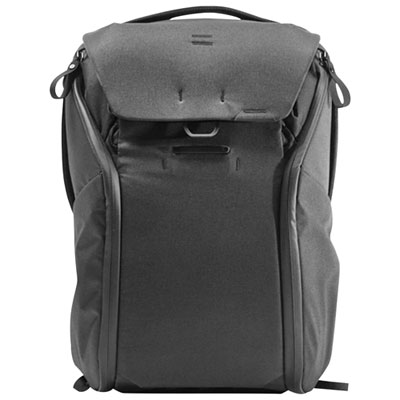 Your price for this item is $389.99
 -
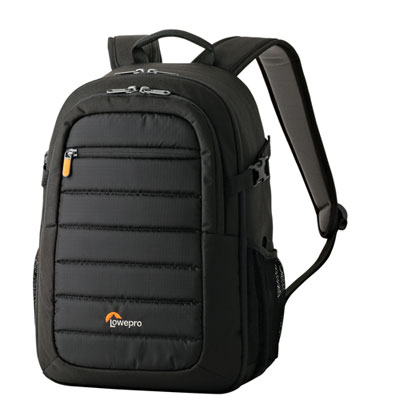 Your price for this item is $98.98
 -
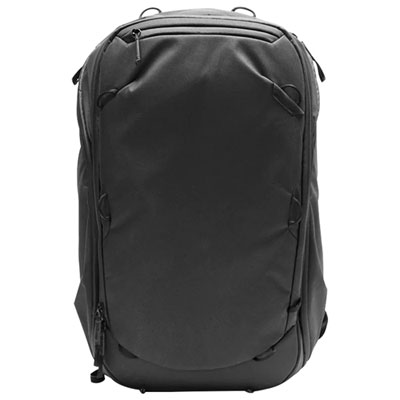 Your price for this item is $399.97
 -
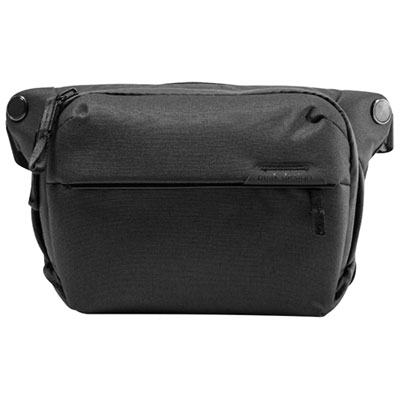 Your price for this item is $139.99
 -
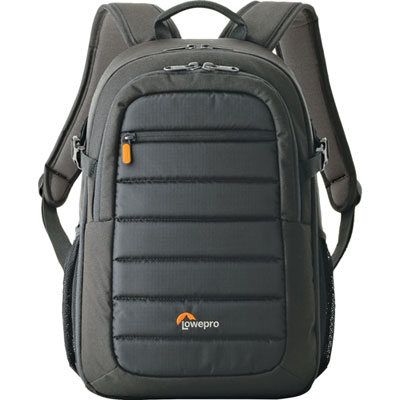 Your price for this item is $119.99
 -
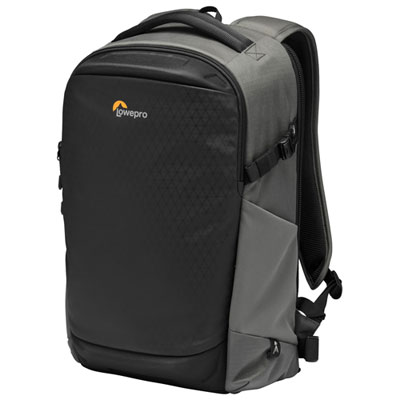 Your price for this item is $229.99
 -
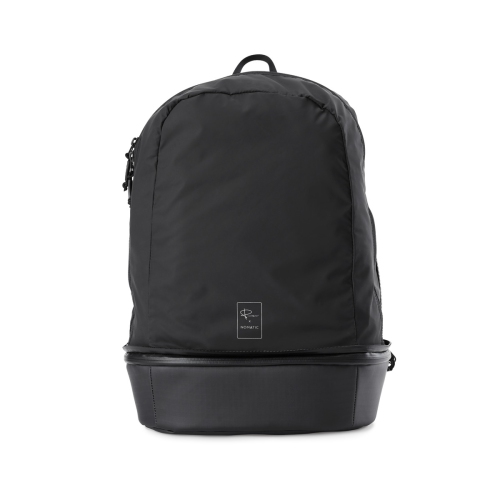 Your price for this item is $179.99
 -
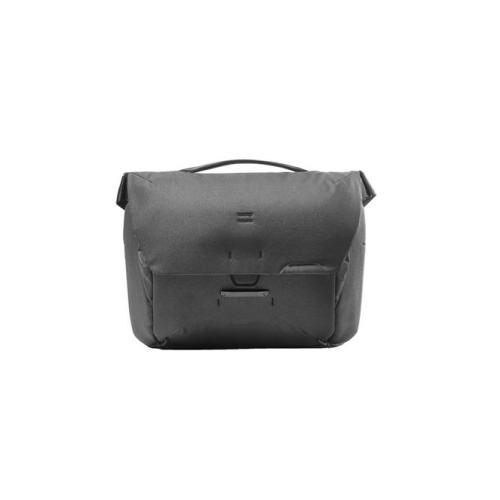 Your price for this item is $349
Discover more categories related to Trendy Camera Bags
Top Collections:
Pokemon Centers, Kindle Devices, Best Budget Office Chairs, Apple iPhones 16, Best Laptops for Writers, iPhone 15 Apple, Canon G7X Cameras, Refurbished Apple Laptops, Alarm Clock, Motorola Razr Phones
Some products may be subject to Environmental Handling Fees
(EHF) depending on your province.
Learn more about EHFs.