5G Drones
Looking to take your aerial photography and videography skills to new heights? Look no further than our selection of 5G drones. With their advanced connectivity capabilities, these cutting-edge drones offer enhanced speed and stability, allowing you to capture stunning footage with ease. Whether you're a professional photographer, an aspiring filmmaker, or simply a drone enthusiast, our range of 5G drones is sure to elevate your flying experience. Here are some great options available.
Sort
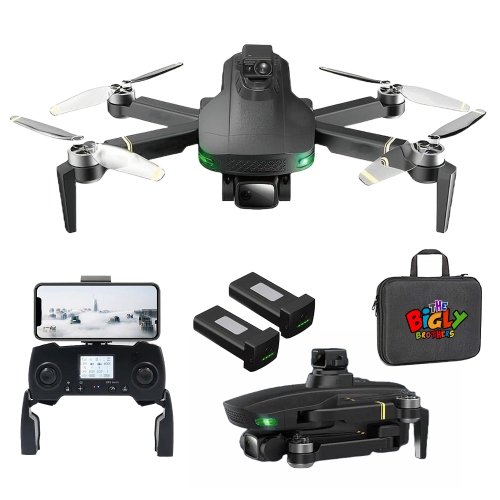
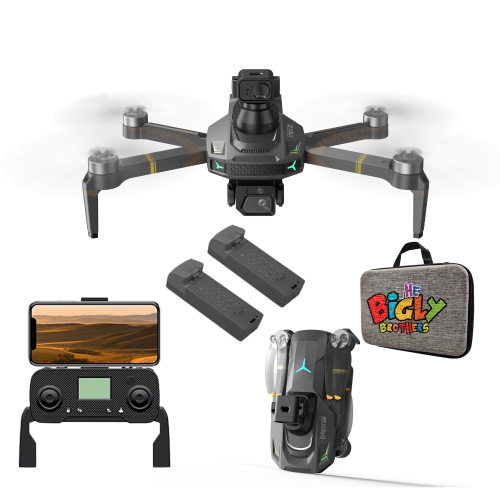
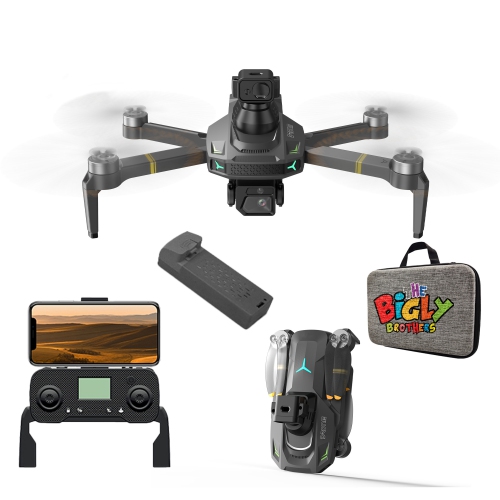
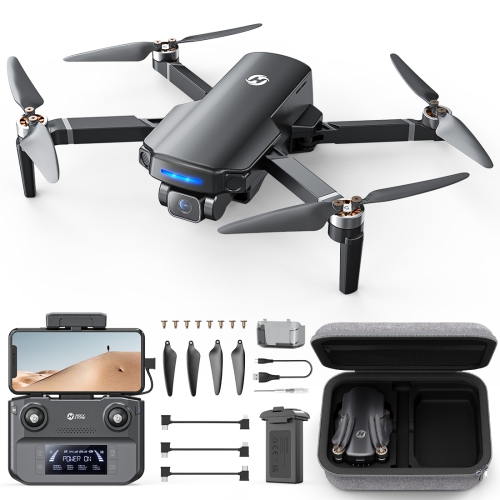
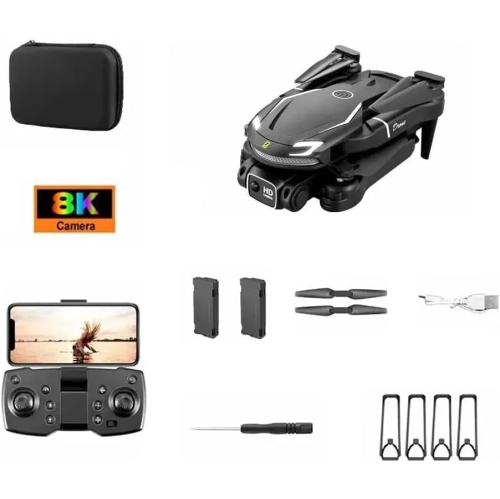
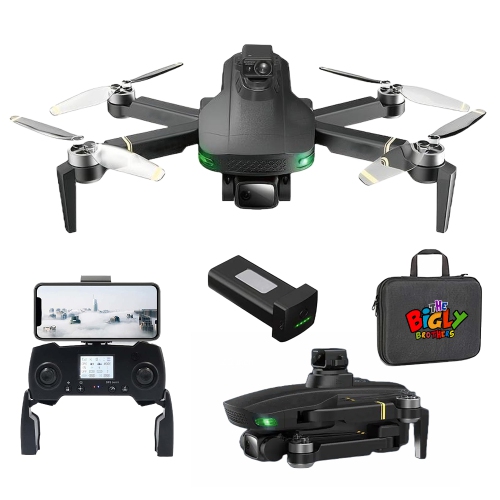
Why 5G connectivity is not 5 GHz Wi-Fi
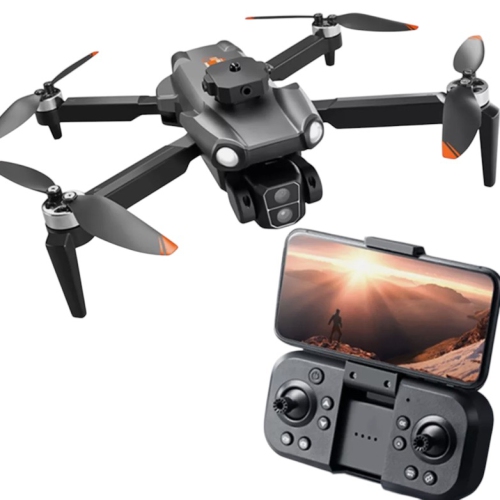
5G drones connect to fifth-generation cellular networks for functions such as transmitting video, sharing flight data, or supporting remote operations. Unlike a drone that communicates only through a direct radio link with a nearby controller, a cellular-connected aircraft can exchange information through compatible mobile network infrastructure. That distinction matters because “5G” and “5 GHz” are not interchangeable. A drone described as having 5 GHz Wi-Fi uses a wireless frequency band, not necessarily a cellular connection. Many recreational camera drones use direct wireless links, even when their descriptions mention 5G transmission. True cellular capability requires compatible onboard hardware, network access, and software that supports the intended functions; a phone connected to a 5G network does not, by itself, make the aircraft a cellular drone. Depending on the system, a cellular connection may carry live footage and telemetry while flight control remains on a separate radio link. Other configurations support network-based command and control through a dedicated operating platform. For shoppers comparing 5G drones, the useful distinction is therefore what the connection actually does, rather than the label alone. High bandwidth can support detailed video feeds, while low latency can help keep information timely, but neither performance characteristic is guaranteed across every location or setup. Network coverage at flight altitude, congestion, hardware compatibility, and the operating platform all influence results. Moving between cellular towers may support continuity over a wider area, although a successful handoff depends on the network and aircraft integration. Cellular connectivity can extend the communications architecture beyond a conventional controller link, but it does not provide unlimited flight range or remove airspace restrictions. Battery capacity, aircraft design, network service, and applicable operating permissions remain important limits. This makes cellular-connected drones especially relevant where sharing information with a distant team is as important as capturing it, while drones with 5 GHz wireless transmission can suit nearby recreational flying and aerial photography without requiring a cellular service arrangement.
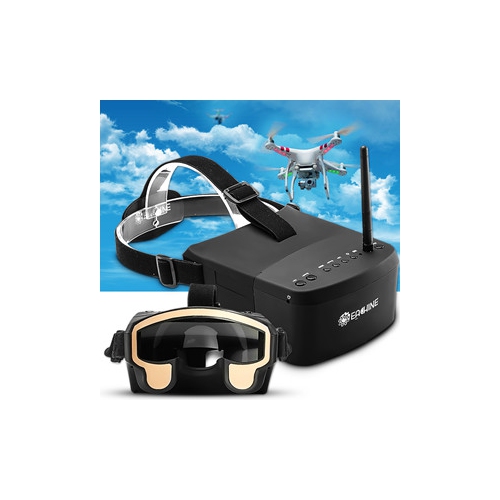
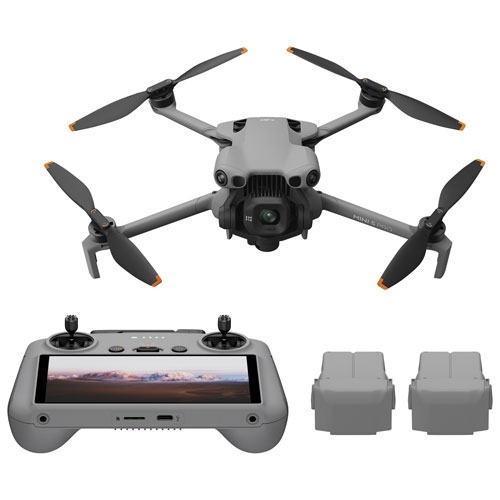
The practical appeal of a connected drone comes from the view it provides and how that view reaches the people who need it. A bridge inspection team might use live aerial footage to examine a hard-to-reach section while a specialist reviews the same images from another location. On a farm, an appropriately equipped aircraft can capture repeatable overhead views that help document crop development or identify areas needing closer attention. Public safety teams may use purpose-built systems to support situational awareness or searches, subject to their operating procedures and authorizations. These applications require more than a fast connection: camera quality, sensor suitability, flight stability, positioning accuracy, and dependable data handling all contribute to useful results. For photography and video, a stabilized gimbal helps keep footage level as the aircraft changes position, while sensor size, lens quality, and recording settings influence detail and motion rendering. A high-resolution camera does not necessarily send its full-quality recording over the live link; some systems store a higher-quality file onboard while transmitting a compressed preview. That difference matters when a remote viewer needs to read fine details rather than simply follow the aircraft’s position. Mapping and inspection work may also depend on compatible software, supported file formats, and a payload designed for the task. Recreational users have different priorities, such as straightforward controls, manageable size, and a clear view on a compatible display. A compact folding airframe can fit more comfortably into a camera bag, while a larger platform may provide room for specialized equipment at the expense of portability. Flight speed is another separate consideration: 5G describes a connection technology, not how quickly the aircraft moves. The High Speed Drones collection offers a related theme for shoppers whose main interest is aircraft pace and responsive handling. For a gift recipient, experience level and intended use matter more than a connectivity label, particularly when the aircraft requires a separate service account, specialist software, or pilot qualifications.
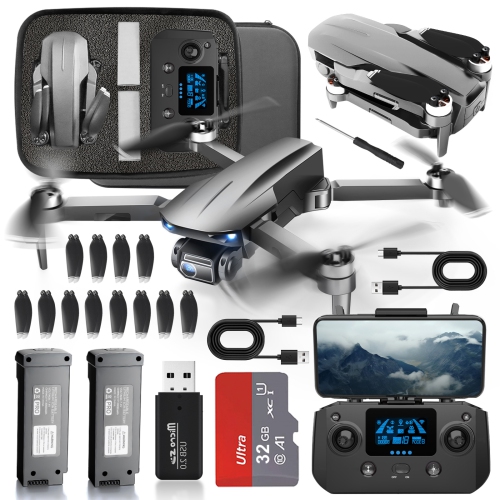
Construction, compatibility, and ongoing care help determine how well a drone suits regular use. Lightweight moulded plastics are common in portable designs, while some larger or specialized airframes use metal components or carbon-fibre structures to balance rigidity and weight. No material makes an aircraft immune to impact damage, and folding hinges, landing supports, propellers, and camera mounts deserve attention after transport or a hard landing. Propeller guards can add protection during suitable training activities, but they must fit the aircraft properly and may affect weight and flight performance. The same applies to replacement propellers, batteries, carrying cases, and payload mounts: physical fit alone does not establish electrical or operational compatibility. A well-fitted case keeps the camera assembly and arms from shifting against other equipment, while a gimbal restraint, where supplied, protects delicate moving parts during travel and must be removed before operation. Routine care includes checking for cracks or loose components, keeping lenses clean with appropriate materials, and following the manufacturer’s battery charging and storage directions. Damaged or swollen batteries should not remain in service. Advertised flight duration is usually measured under specified test conditions, so practical operation needs enough battery reserve for a controlled return and landing. Cellular systems add another layer of compatibility, including supported Canadian network bands, an appropriate SIM or eSIM arrangement where required, and confirmation that the service supports the intended airborne application. Account security, access permissions, firmware support, and how footage is stored also matter when images are shared beyond the pilot’s controller. Clear lost-link behaviour is particularly important: a connection interruption should trigger a defined response supported by the aircraft and suitable for the operation. In Canada, registration, pilot certification, airspace access, and other requirements depend on aircraft weight and the type of flight. Cellular connectivity does not automatically authorize beyond-visual-line-of-sight operation; that requires meeting the applicable Transport Canada requirements. Even small recreational aircraft remain subject to safety rules, and camera use calls for respect for privacy. A suitable drone brings its aircraft capabilities, connection method, and operating requirements into line with the person using it and the work or recreation it is meant to support.
The practical appeal of a connected drone comes from the view it provides and how that view reaches the people who need it. A bridge inspection team might use live aerial footage to examine a hard-to-reach section while a specialist reviews the same images from another location. On a farm, an appropriately equipped aircraft can capture repeatable overhead views that help document crop development or identify areas needing closer attention. Public safety teams may use purpose-built systems to support situational awareness or searches, subject to their operating procedures and authorizations. These applications require more than a fast connection: camera quality, sensor suitability, flight stability, positioning accuracy, and dependable data handling all contribute to useful results. For photography and video, a stabilized gimbal helps keep footage level as the aircraft changes position, while sensor size, lens quality, and recording settings influence detail and motion rendering. A high-resolution camera does not necessarily send its full-quality recording over the live link; some systems store a higher-quality file onboard while transmitting a compressed preview. That difference matters when a remote viewer needs to read fine details rather than simply follow the aircraft’s position. Mapping and inspection work may also depend on compatible software, supported file formats, and a payload designed for the task. Recreational users have different priorities, such as straightforward controls, manageable size, and a clear view on a compatible display. A compact folding airframe can fit more comfortably into a camera bag, while a larger platform may provide room for specialized equipment at the expense of portability. Flight speed is another separate consideration: 5G describes a connection technology, not how quickly the aircraft moves. The High Speed Drones collection offers a related theme for shoppers whose main interest is aircraft pace and responsive handling. For a gift recipient, experience level and intended use matter more than a connectivity label, particularly when the aircraft requires a separate service account, specialist software, or pilot qualifications.
Construction, compatibility, and ongoing care help determine how well a drone suits regular use. Lightweight moulded plastics are common in portable designs, while some larger or specialized airframes use metal components or carbon-fibre structures to balance rigidity and weight. No material makes an aircraft immune to impact damage, and folding hinges, landing supports, propellers, and camera mounts deserve attention after transport or a hard landing. Propeller guards can add protection during suitable training activities, but they must fit the aircraft properly and may affect weight and flight performance. The same applies to replacement propellers, batteries, carrying cases, and payload mounts: physical fit alone does not establish electrical or operational compatibility. A well-fitted case keeps the camera assembly and arms from shifting against other equipment, while a gimbal restraint, where supplied, protects delicate moving parts during travel and must be removed before operation. Routine care includes checking for cracks or loose components, keeping lenses clean with appropriate materials, and following the manufacturer’s battery charging and storage directions. Damaged or swollen batteries should not remain in service. Advertised flight duration is usually measured under specified test conditions, so practical operation needs enough battery reserve for a controlled return and landing. Cellular systems add another layer of compatibility, including supported Canadian network bands, an appropriate SIM or eSIM arrangement where required, and confirmation that the service supports the intended airborne application. Account security, access permissions, firmware support, and how footage is stored also matter when images are shared beyond the pilot’s controller. Clear lost-link behaviour is particularly important: a connection interruption should trigger a defined response supported by the aircraft and suitable for the operation. In Canada, registration, pilot certification, airspace access, and other requirements depend on aircraft weight and the type of flight. Cellular connectivity does not automatically authorize beyond-visual-line-of-sight operation; that requires meeting the applicable Transport Canada requirements. Even small recreational aircraft remain subject to safety rules, and camera use calls for respect for privacy. A suitable drone brings its aircraft capabilities, connection method, and operating requirements into line with the person using it and the work or recreation it is meant to support.
Top selling and popular products
-
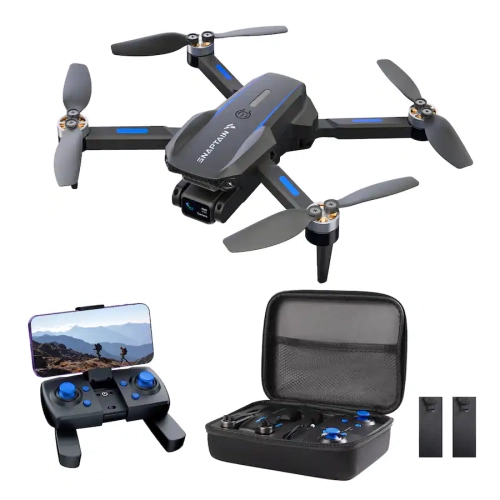 Your price for this item is $109.98
 -
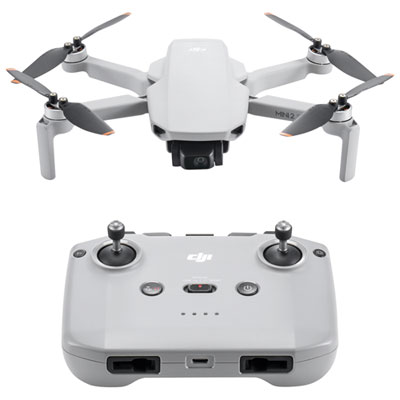 Your price for this item is $359.99
 -
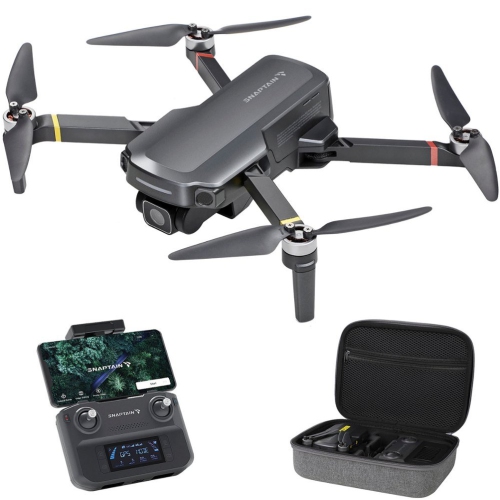 Your price for this item is $279.9
 -
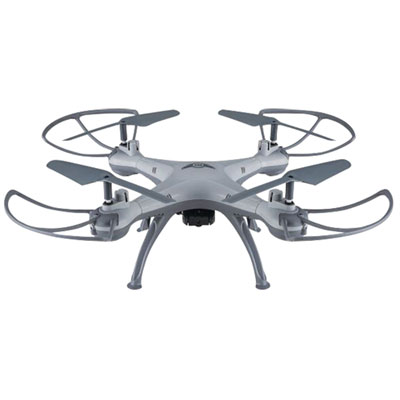 Your price for this item is $49.99
 -
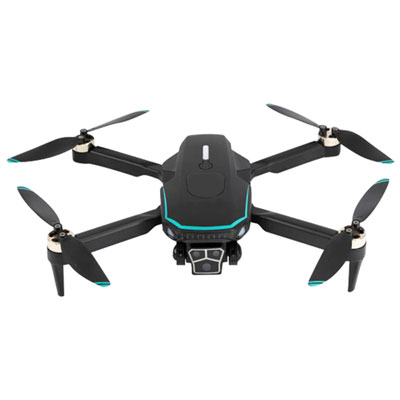 Your price for this item is $79.99
 -
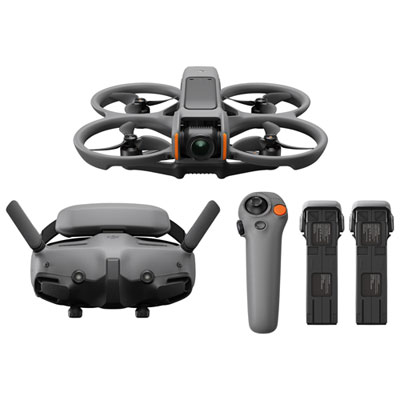 Your price for this item is $1279.99
 -
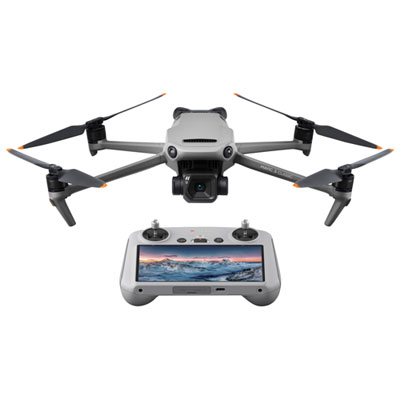 Your price for this item is $1759.99
 -
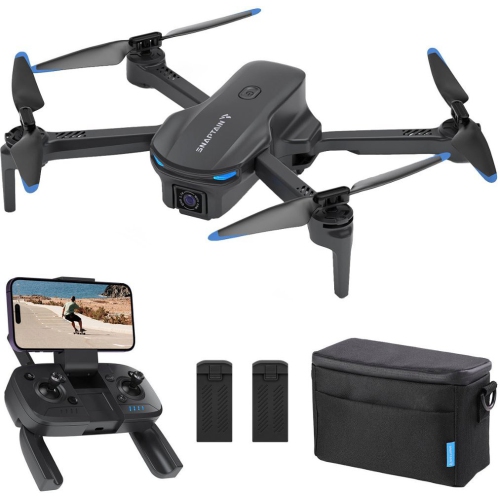 Your price for this item is $189.9
Discover more categories related to 5G Drones
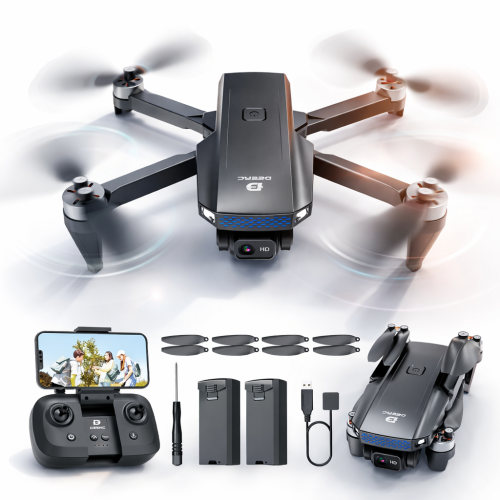
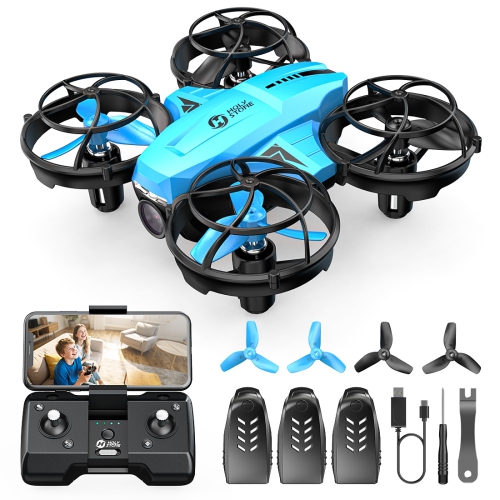
Top Collections:
Pokemon Centers, Kindle Devices, Best Budget Office Chairs, Apple iPhones 16, Best Laptops for Writers, iPhone 15 Apple, Canon G7X Cameras, Refurbished Apple Laptops, Alarm Clock, Motorola Razr Phones
Some products may be subject to Environmental Handling Fees
(EHF) depending on your province.
Learn more about EHFs.