High Speed Drones
Looking to take your aerial photography and videography skills to new heights? Look no further than our selection of high-speed drones. These cutting-edge flying machines are equipped with advanced features and technology, allowing you to capture stunning footage from above. Whether you're a professional photographer or simply an enthusiast looking for a thrilling new hobby, our high-speed drones are designed to deliver unparalleled performance and precision. Soar through the skies with ease and immerse yourself in the world of drone photography with our exceptional range of high-speed drones.
Sort
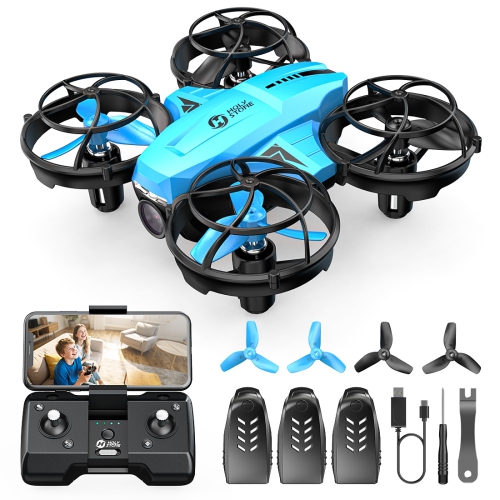
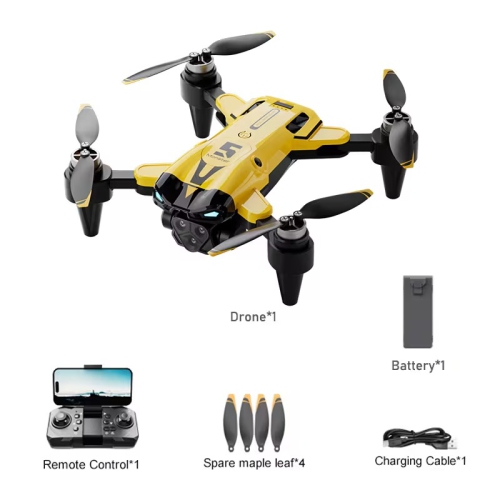
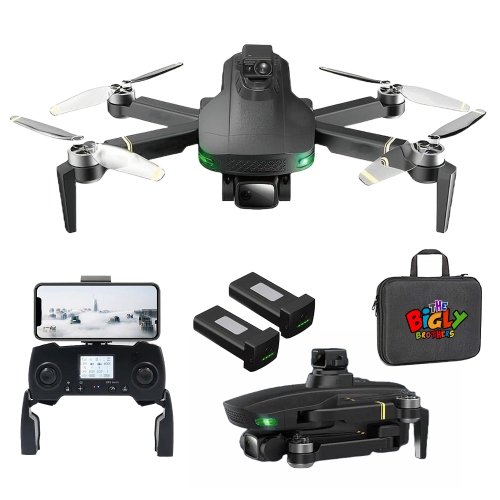
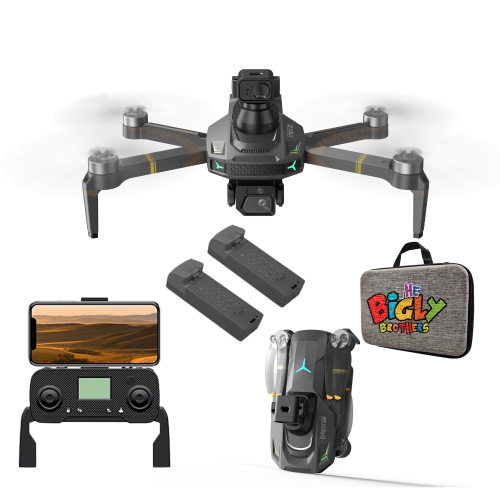
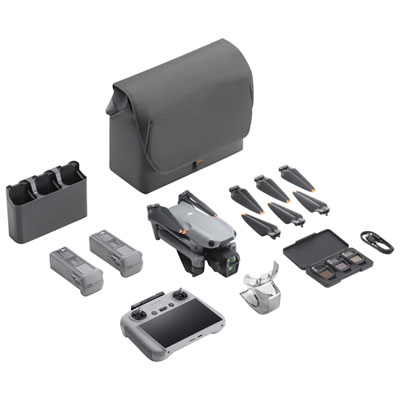
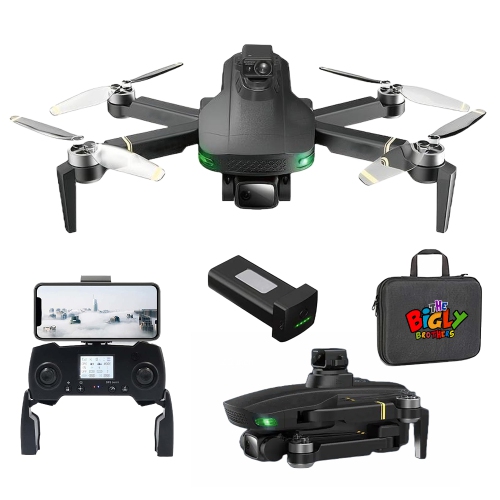
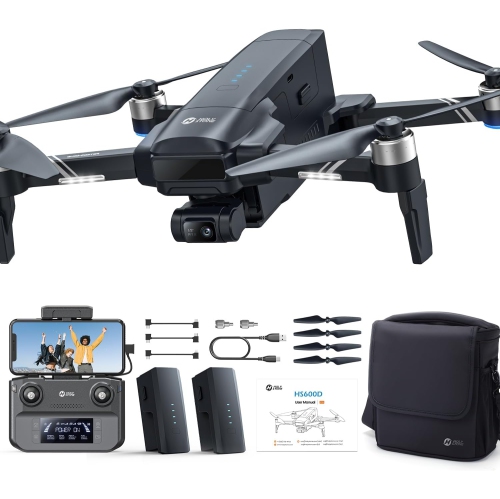
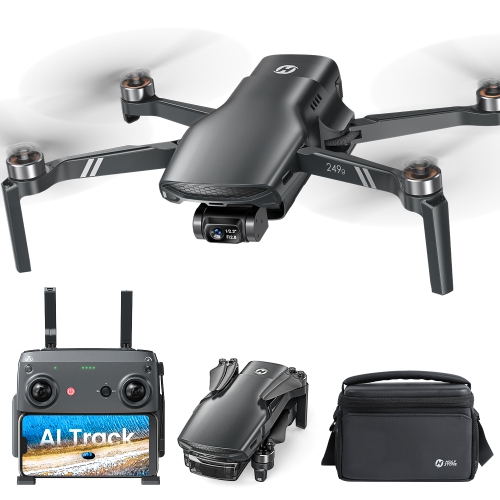
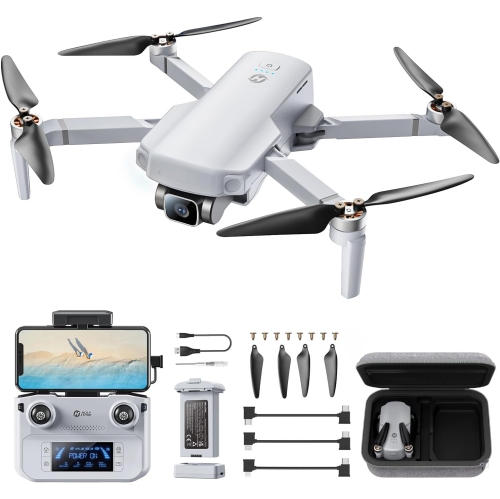
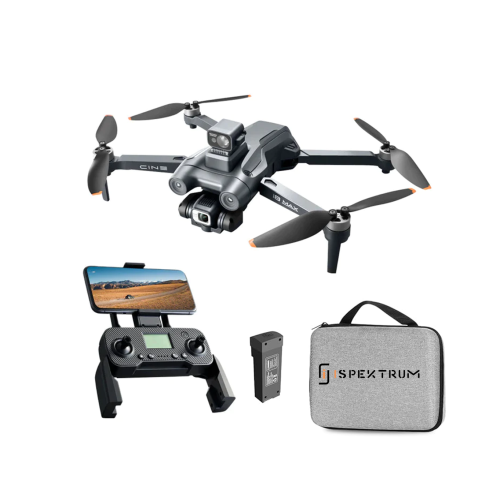
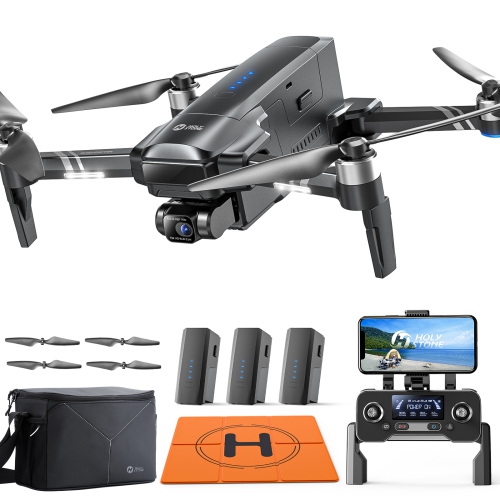
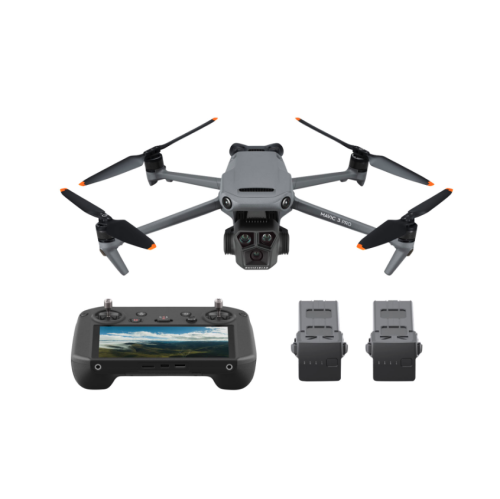

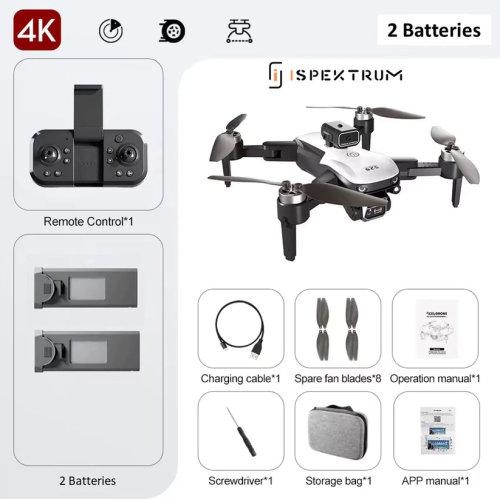
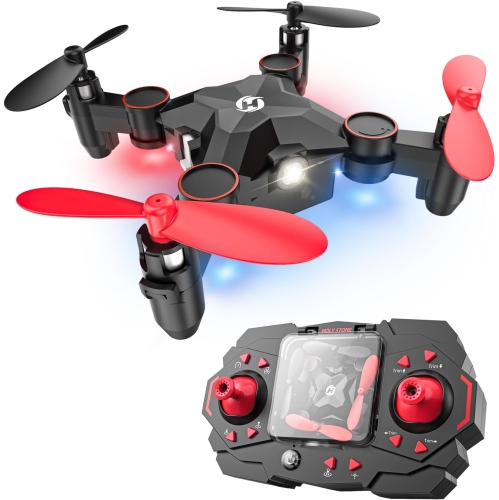
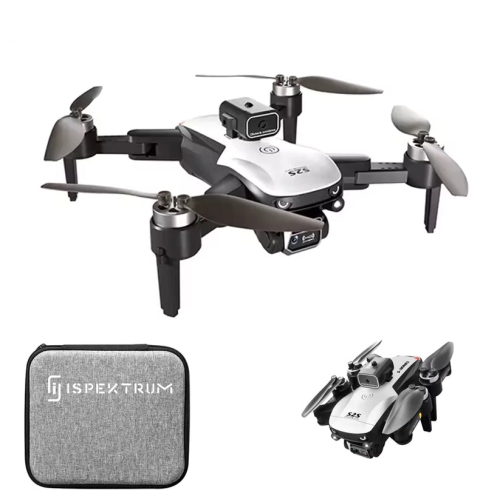
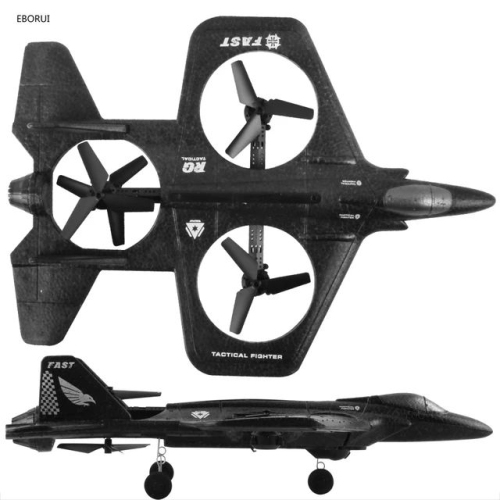
Speed matters, but control shapes every flight
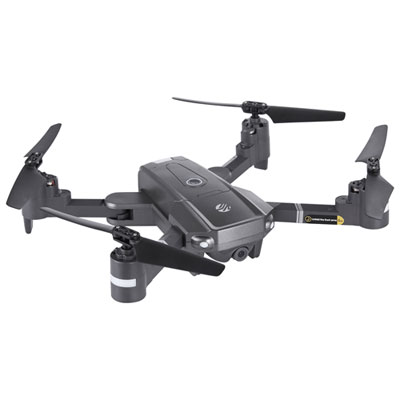
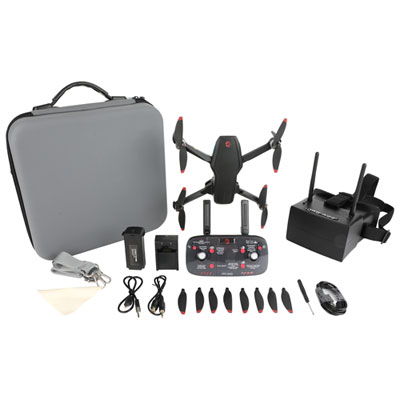
High-speed drones are designed for pilots who value rapid acceleration, quick changes in direction, and an engaging flying experience. Unlike standard camera drones that focus primarily on smooth hovering and steady automated flight, high-speed models are often built around responsive controls, powerful brushless motors, lightweight frames, and aerodynamic designs that help them move quickly through open air. Consumer camera drones may reach approximately 60 to 97 km/h, depending on the flight mode, battery level, wind, and payload. FPV, or first-person view, racing drones can be considerably faster, with many enthusiast-built setups reaching roughly 130 to 190 km/h under suitable conditions. These figures represent peak performance rather than a speed that should be maintained in every flight. A drone carrying a camera, flying into a headwind, or operating with a partially depleted battery will behave differently from a lightweight racing build on a controlled course. Experimental custom drones occupy an entirely separate category: highly specialized projects have pushed well beyond 685 km/h in test conditions, but those craft are not representative of typical consumer drones and require advanced engineering, dedicated testing areas, and extensive safety precautions. When comparing products in this category, look beyond the headline speed. Acceleration, control response, transmission range, battery duration, recharge options, propeller design, frame strength, and replacement-part availability all influence the experience. A drone that feels predictable and stable at high speed is generally more useful than one with an impressive top-speed claim but limited control or short flight time. It is also worth checking whether the drone includes a controller, FPV goggles, spare propellers, batteries, or a charging solution, since these items can affect what is needed before the first flight.
High-speed drones appeal to a range of users, from experienced hobbyists who enjoy tuning motors and practising tight turns to photographers and videographers who want dynamic aerial movement. FPV pilots see the flight through a camera mounted on the drone, creating an immersive view that makes a fast pass around a tree line, open field, or indoor course feel immediate and precise. This style of flying rewards concentration and practice: a gentle control input can send the drone into a smooth arc, while an abrupt correction at speed may cause it to overshoot a turn. Beginners often benefit from starting in a slower mode, using an open area, and learning how the drone responds before exploring its full performance. A high-speed drone can also be a memorable gift for a technology enthusiast, maker, gamer, or aspiring filmmaker, particularly someone who enjoys hands-on hobbies rather than fully automated equipment. For a recipient who is new to drones, a model with beginner settings, altitude hold, durable propeller guards, or a simulator-compatible controller may be a more suitable choice than an advanced racing setup. Experienced pilots may instead prioritize manual flight modes, low-latency video transmission, modular components, high-capacity batteries, and a frame that can be repaired after a hard landing. Many FPV drones are built to be serviced rather than replaced, so access to compatible motors, arms, propellers, batteries, and protective parts can make a meaningful difference over time. Keep in mind that speed also reduces reaction time. A drone travelling at 160 km/h covers roughly 44 metres every second, leaving little opportunity to correct course once an obstacle appears. That is why open sightlines, careful route planning, and gradual skill-building matter as much as motor power.
Safe, responsible flying is especially important with high-speed equipment. Before taking off, inspect the frame, propellers, battery connections, and controller, and confirm that the battery is properly secured. Choose a clear location away from people, roads, buildings, power lines, wildlife, and other aircraft. During the warmer part of the year, open fields and large parks may look ideal, but local restrictions, park rules, and nearby activities can change the suitability of a site; during cooler months, wind, reduced battery performance, and damp conditions can introduce additional challenges. Check the latest Transport Canada requirements for drone registration, pilot certification, operating distances, and visual line-of-sight rules, as obligations depend on factors such as the drone’s weight and how it is being flown. Local municipalities, parks, and property owners may impose further restrictions. FPV pilots should also understand how they will maintain awareness of the drone’s surroundings, whether through a visual observer or another method permitted by applicable rules. For performance, compare the battery voltage, capacity, charging time, expected flight duration, and recommended charging practices rather than relying on speed alone. Short, high-output flights can be thrilling, but they may require several charged batteries for a longer session. A good carrying case, spare propellers, protective eyewear, and a reliable field charger can make outdoor flying more practical. Pilots looking for a more focused racing experience can explore Racing Drones, while those interested in fast aerial footage may prefer a platform that balances speed with camera stabilization and flight assistance. Whether the goal is learning rapid manoeuvres, recording sweeping action shots, or building a hands-on hobby around motors and electronics, the right high-speed drone should match the pilot’s experience, flying environment, and willingness to maintain and practise with the aircraft.
High-speed drones appeal to a range of users, from experienced hobbyists who enjoy tuning motors and practising tight turns to photographers and videographers who want dynamic aerial movement. FPV pilots see the flight through a camera mounted on the drone, creating an immersive view that makes a fast pass around a tree line, open field, or indoor course feel immediate and precise. This style of flying rewards concentration and practice: a gentle control input can send the drone into a smooth arc, while an abrupt correction at speed may cause it to overshoot a turn. Beginners often benefit from starting in a slower mode, using an open area, and learning how the drone responds before exploring its full performance. A high-speed drone can also be a memorable gift for a technology enthusiast, maker, gamer, or aspiring filmmaker, particularly someone who enjoys hands-on hobbies rather than fully automated equipment. For a recipient who is new to drones, a model with beginner settings, altitude hold, durable propeller guards, or a simulator-compatible controller may be a more suitable choice than an advanced racing setup. Experienced pilots may instead prioritize manual flight modes, low-latency video transmission, modular components, high-capacity batteries, and a frame that can be repaired after a hard landing. Many FPV drones are built to be serviced rather than replaced, so access to compatible motors, arms, propellers, batteries, and protective parts can make a meaningful difference over time. Keep in mind that speed also reduces reaction time. A drone travelling at 160 km/h covers roughly 44 metres every second, leaving little opportunity to correct course once an obstacle appears. That is why open sightlines, careful route planning, and gradual skill-building matter as much as motor power.
Safe, responsible flying is especially important with high-speed equipment. Before taking off, inspect the frame, propellers, battery connections, and controller, and confirm that the battery is properly secured. Choose a clear location away from people, roads, buildings, power lines, wildlife, and other aircraft. During the warmer part of the year, open fields and large parks may look ideal, but local restrictions, park rules, and nearby activities can change the suitability of a site; during cooler months, wind, reduced battery performance, and damp conditions can introduce additional challenges. Check the latest Transport Canada requirements for drone registration, pilot certification, operating distances, and visual line-of-sight rules, as obligations depend on factors such as the drone’s weight and how it is being flown. Local municipalities, parks, and property owners may impose further restrictions. FPV pilots should also understand how they will maintain awareness of the drone’s surroundings, whether through a visual observer or another method permitted by applicable rules. For performance, compare the battery voltage, capacity, charging time, expected flight duration, and recommended charging practices rather than relying on speed alone. Short, high-output flights can be thrilling, but they may require several charged batteries for a longer session. A good carrying case, spare propellers, protective eyewear, and a reliable field charger can make outdoor flying more practical. Pilots looking for a more focused racing experience can explore Racing Drones, while those interested in fast aerial footage may prefer a platform that balances speed with camera stabilization and flight assistance. Whether the goal is learning rapid manoeuvres, recording sweeping action shots, or building a hands-on hobby around motors and electronics, the right high-speed drone should match the pilot’s experience, flying environment, and willingness to maintain and practise with the aircraft.
Top selling and popular products
-
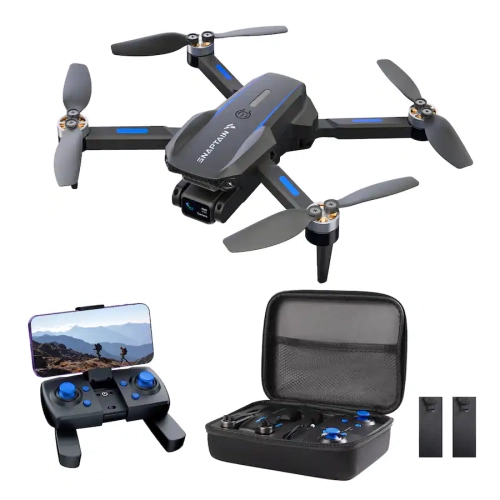 Your price for this item is $109.98
 -
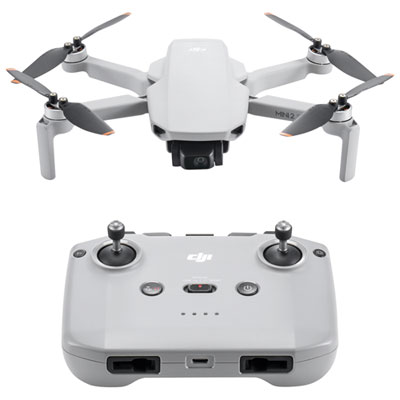 Your price for this item is $359.99
 -
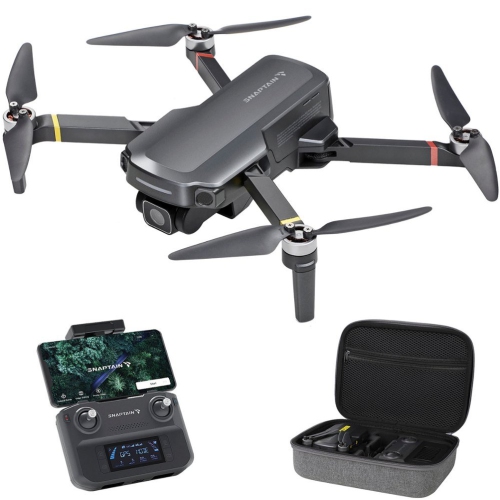 Your price for this item is $279.9
 -
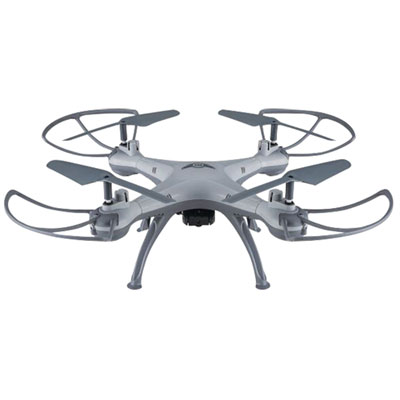 Your price for this item is $49.99
 -
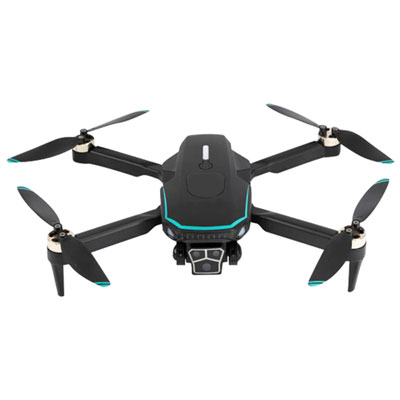 Your price for this item is $79.99
 -
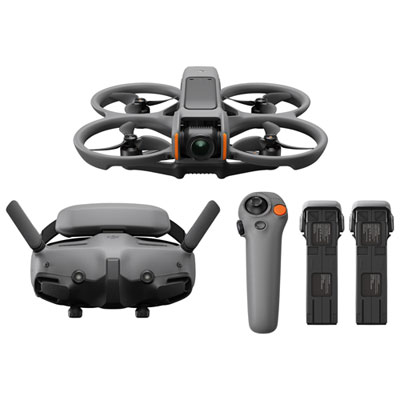 Your price for this item is $1279.99
 -
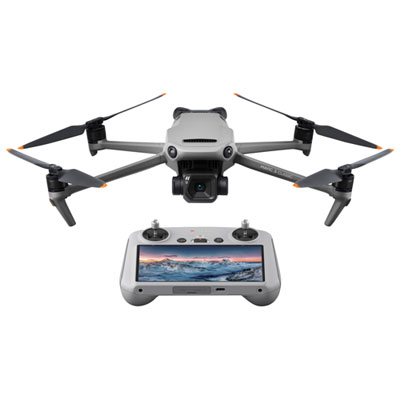 Your price for this item is $1759.99
 -
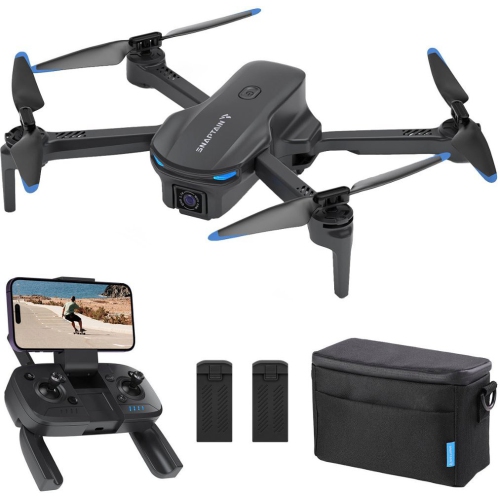 Your price for this item is $189.9
Discover more categories related to High Speed Drones
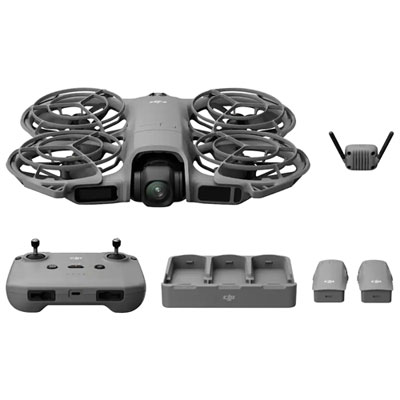
Top Collections:
Pokemon Centers, Kindle Devices, Best Budget Office Chairs, Apple iPhones 16, Best Laptops for Writers, iPhone 15 Apple, Canon G7X Cameras, Refurbished Apple Laptops, Alarm Clock, Motorola Razr Phones
Some products may be subject to Environmental Handling Fees
(EHF) depending on your province.
Learn more about EHFs.