Action Cameras With Image Stabilization
Capture every adventure with confidence using Action Cameras With Image Stabilization. Whether you're recording high-energy sports, exploring new destinations, or creating dynamic vlogs, these cameras are designed to keep your footage steady and clear. With advanced stabilization technology, you can focus on the action without worrying about shaky videos. Explore a range of options perfect for capturing smooth, professional-looking moments wherever your journey takes you.
Sort
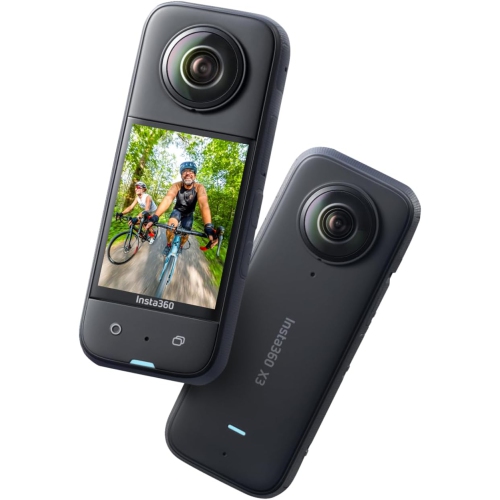
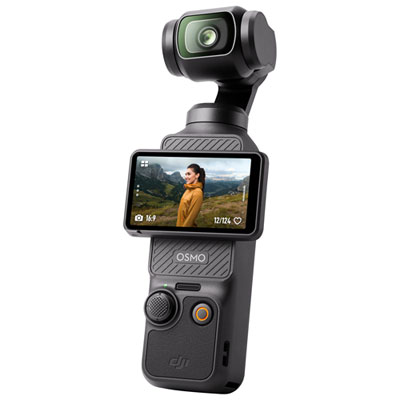
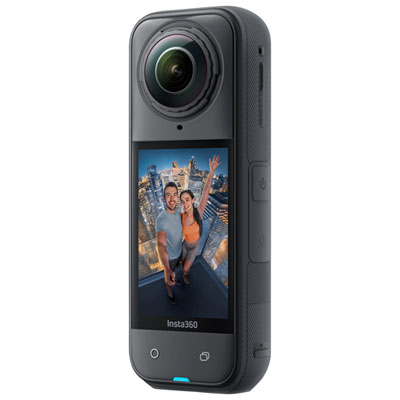
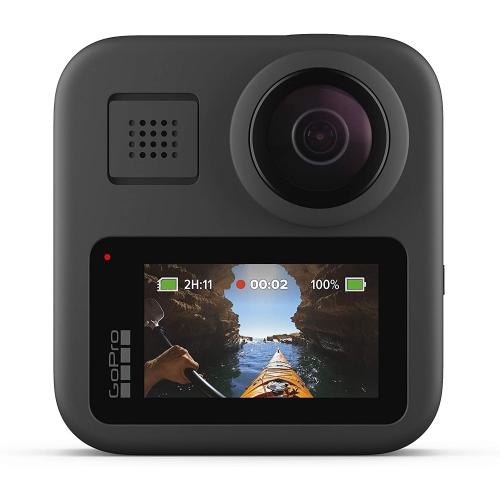

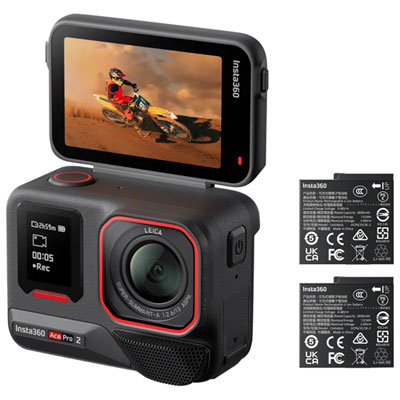
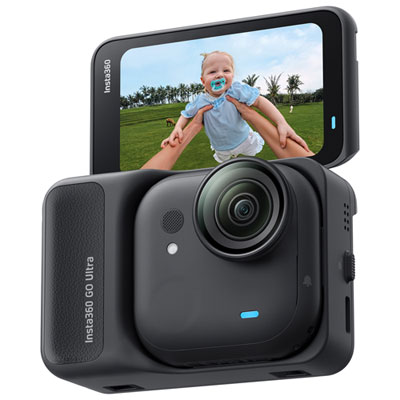
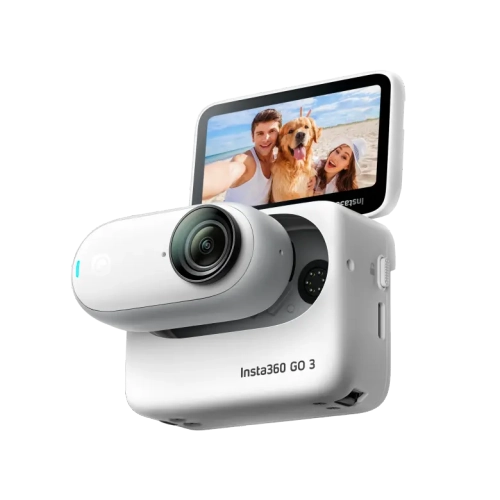
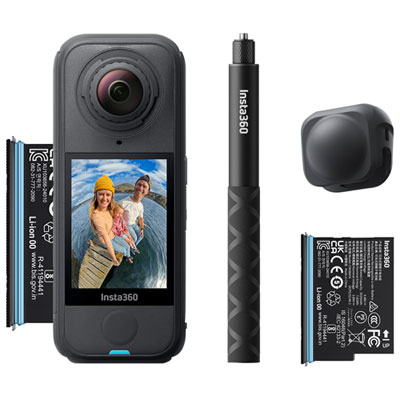
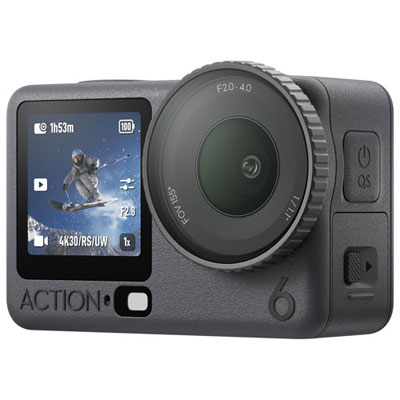
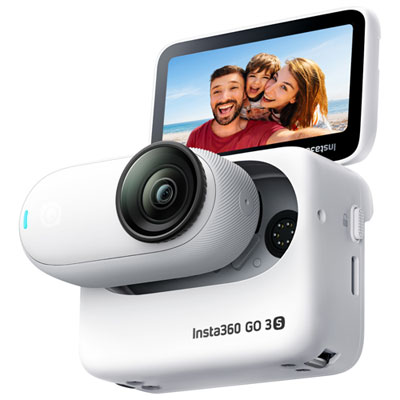
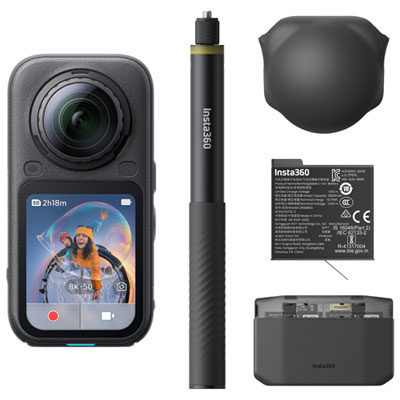
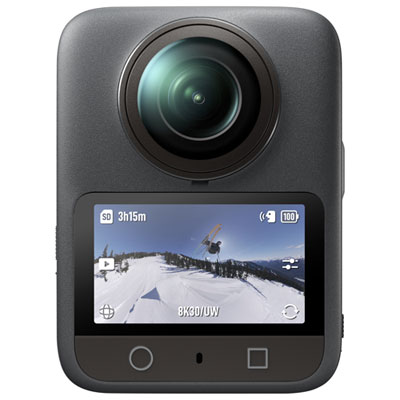
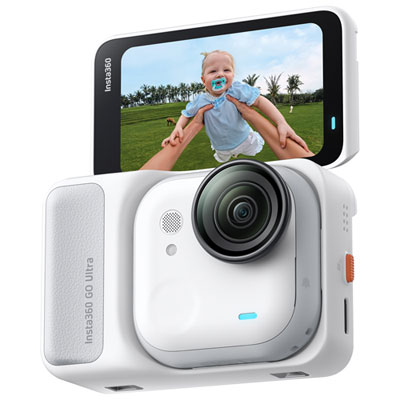
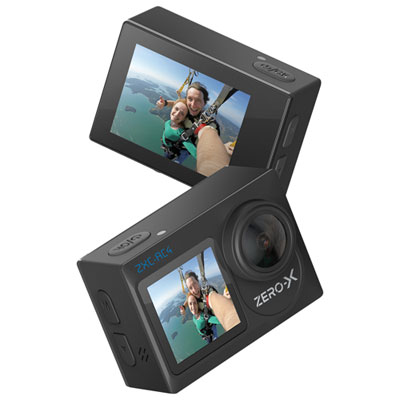

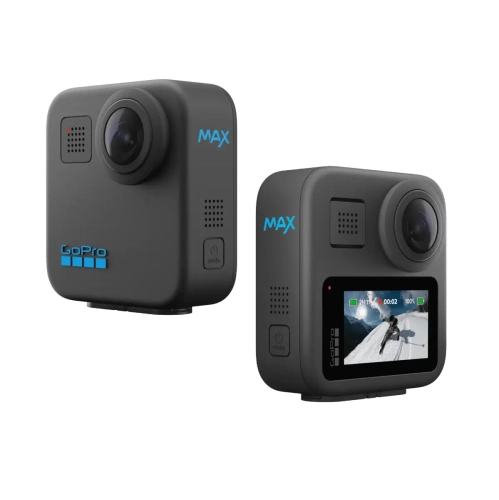
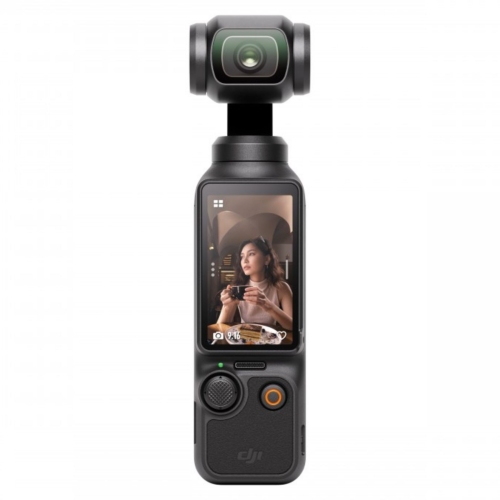
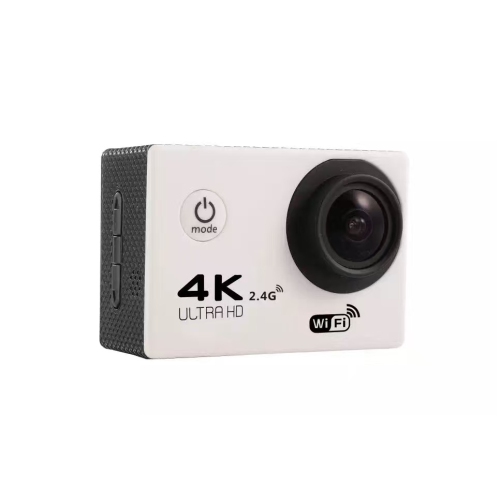

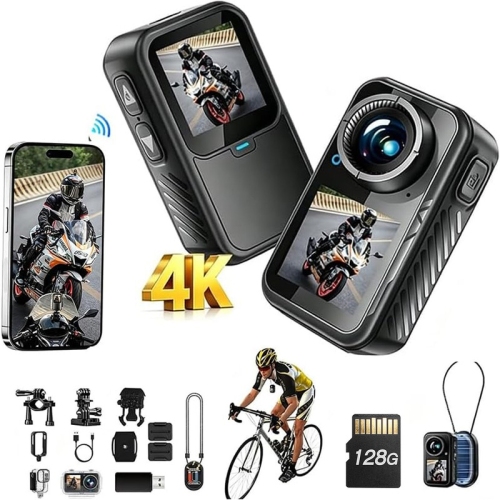
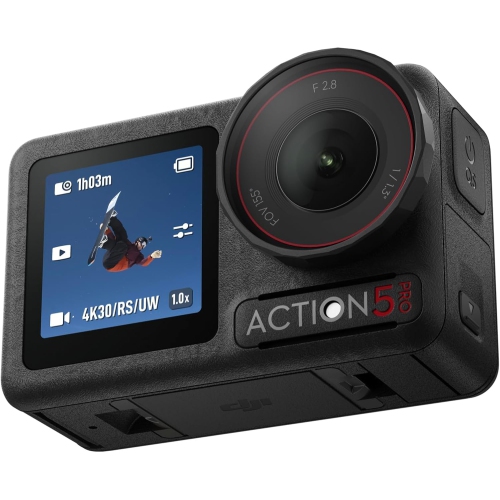
Smoother footage without losing the energy of the action
Action cameras with image stabilization capture movement while reducing the distracting shake that can make handheld or mounted footage difficult to watch. They are designed for situations where the camera moves with the person filming, whether that means riding a bike along a gravel trail, paddling across a lake, or following a dog through an agility course. Most stabilized action cameras rely on electronic image stabilization, which uses image processing, often supported by motion-sensor data, to adjust the framing between captured frames. The result is smoother-looking video that retains the energy of the activity without showing every small bump or vibration. Electronic stabilization typically reserves part of the captured image for these adjustments, so enabling it can narrow the field of view. Stronger stabilization settings may crop more than lighter settings, and the available options can vary with resolution, frame rate, and shooting mode. Horizon levelling is a separate but complementary feature that helps keep the scene level when the camera tilts. Some cameras offer more extensive horizon correction than others, with restrictions on how far the camera can rotate or which recording settings support it. These distinctions matter when comparing footage from a helmet, a chest mount, or a handheld grip: each position produces a different mix of tilt, vibration, and deliberate movement. Stabilization also has practical limits. It cannot reliably remove motion blur already captured in an individual frame, and footage recorded in dim light may look less crisp when movement is pronounced. Higher resolution can preserve fine details, while higher frame rates can make fast action look more fluid or provide options for slow-motion playback. Those settings do not automatically produce better stabilization, however, and may increase storage use and battery demands. A useful match is a camera whose stabilized recording modes suit the activity and intended output, from short clips shared on a phone to longer videos viewed on a television. Sample footage recorded during comparable activities can reveal more than resolution figures alone, particularly when judging edge distortion, horizon behaviour, and how naturally the scene moves.
The appeal of an action camera also comes from its compact construction and the places it can be mounted. Tough exterior housings, protective lens covers, and sealed compartments are common design features, but resistance to impacts and water varies by model. A waterproof rating applies only within the stated depth, duration, and operating conditions; deeper underwater use or certain activities may require a separate housing. A small camera attached close to the body can capture an immersive view of handlebars, hands, and the trail ahead, while a helmet position follows the direction the wearer faces. Mount compatibility, camera weight, and adjustment range all affect how securely and comfortably that setup fits. An adhesive base, strap mount, or clamp should be suitable for the surface and activity, with any tether attached where it will not create a snagging hazard. Helmet mounting also needs to follow the helmet manufacturer's guidance rather than compromising its fit or protective structure. Even capable stabilization benefits from a secure attachment, since a loose joint can introduce abrupt movement that is difficult to correct. Field of view shapes the footage just as much as mounting position. A wide view can include more of the surroundings and help keep a rider or moving subject in frame, although straight lines near the edges may appear curved. Less distorted settings can create a more natural perspective, sometimes with additional cropping. Front-facing screens can help with framing when speaking to the camera, while clear controls and accessible buttons make it easier to start a clip without repeatedly checking a phone. Sound deserves attention, too: microphone placement, wind reduction settings, and support for an external microphone can affect whether voices remain understandable during activity. Wireless connections, including Wi-Fi where supported, can simplify previewing and transferring clips, but connection features and phone compatibility differ. For longer outings, battery capacity, charging options, replaceable batteries where supported, and memory card requirements are practical considerations alongside image quality.
Action cameras with image stabilization suit more than high-speed sports. A parent recording a child's first confident bike ride, a traveller filming a walking tour, or a hobbyist documenting a hands-on project may all appreciate a small camera that handles movement without a large handheld rig. A compact grip can make casual filming more comfortable, while a suitable fixed mount can keep both hands free for the activity. For someone who enjoys making videos, an action camera can also be a thoughtful gift, especially when its controls, mounting system, and editing workflow match the recipient's experience. Beginners may value straightforward automatic settings and easy clip transfer; more experienced creators may look for adjustable exposure, colour options, and greater control over stabilization strength. Vertical recording or flexible framing options can be useful for phone-first videos, whereas a wider horizontal composition often suits larger screens. Photography needs can point towards a different camera style: the broader selection of Digital Cameras With Image Stabilization includes options for shoppers who place greater emphasis on still images, lens choice, or zoom, depending on the camera. For action-focused use, routine care helps preserve both image clarity and the camera's protective features. Grit on a lens cover can soften an otherwise sharp recording, and debris around a compartment seal can interfere with proper closure. Follow the manufacturer's cleaning instructions, including any rinsing requirements after exposure to salt water, and let the exterior dry before opening sealed doors. A soft, clean cloth is generally appropriate for wiping the lens cover, while a protective case helps prevent scratches during transport. Checking mounting hardware for wear and confirming that doors and latches close correctly are worthwhile habits before recording. Storage is part of that routine as well: supported memory cards with the required speed rating help the camera save its selected video format reliably, and transferring important clips leaves space for the next outing. These everyday details support the main purpose of a stabilized action camera: keeping memorable movement clear, watchable, and easy to share.
Top selling and popular products
-
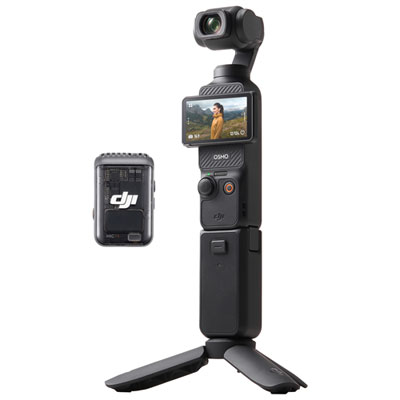 Your price for this item is $649.99
-
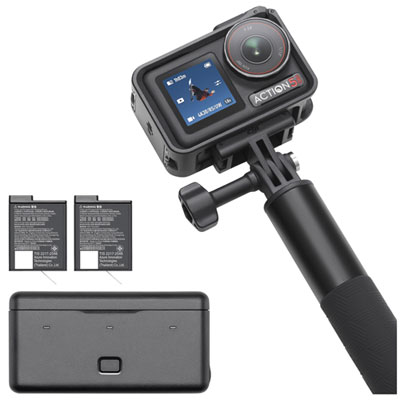 Your price for this item is $585.99
-
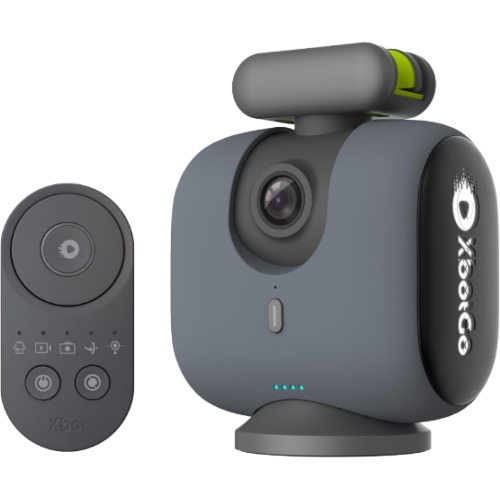 Your price for this item is $489.99
-
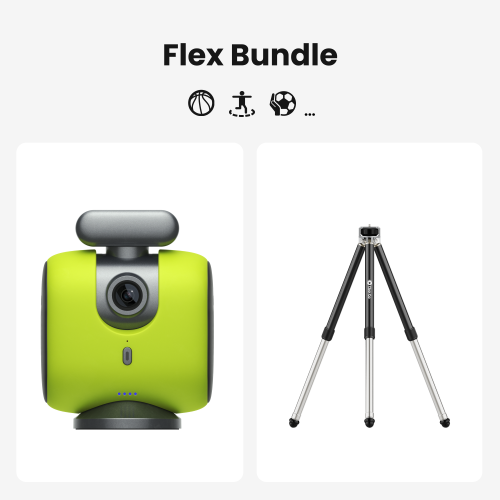 Your price for this item is $433.99
-
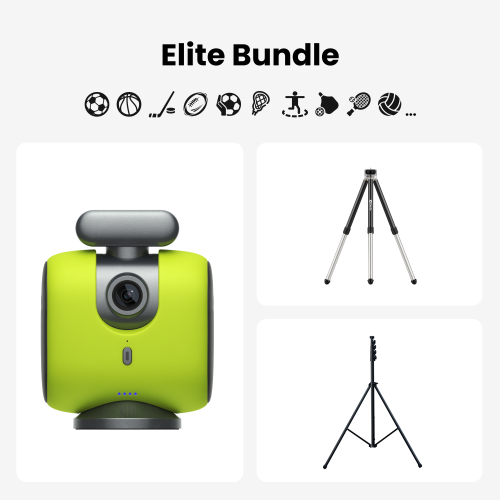 Your price for this item is $653.99
-
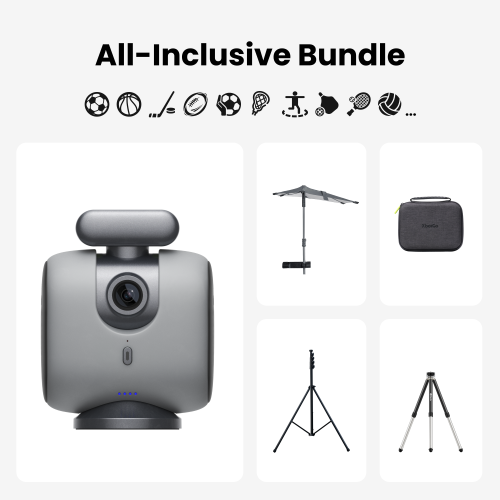 Your price for this item is $859.99
-
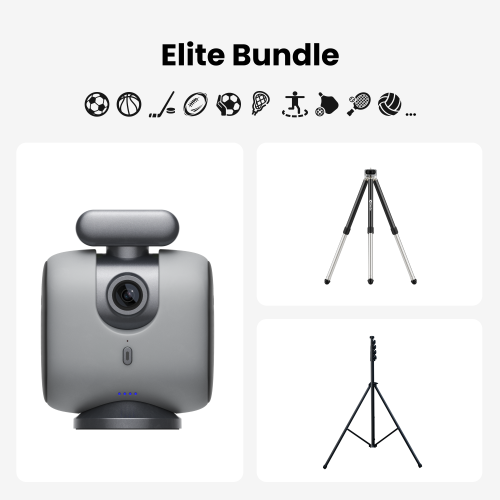 Your price for this item is $653.99
-
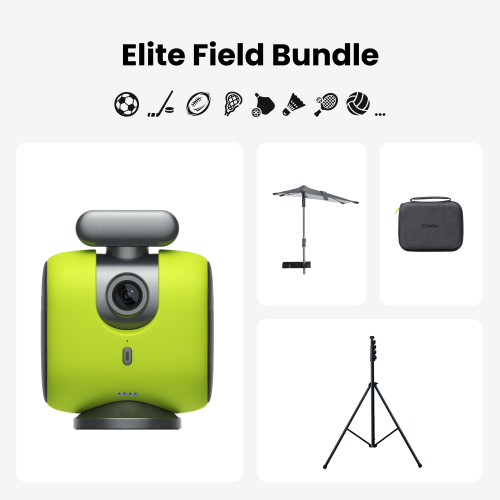 Your price for this item is $719.99
Discover more categories related to Action Cameras With Image Stabilization
Top Collections:
Best Black Friday Deals This Year, Best Black Friday Deals On Electronics, Kindle Devices, Pokemon Centers, Best Black Friday Deals On Apple Products, Best Cameras for Sports Photography, Dyson Airwrap, Pokémon 30th Celebration Cards, Apple iPhone 17 Pro, Canon G7X Cameras
Some products may be subject to Environmental Handling Fees
(EHF) depending on your province.
Learn more about EHFs.