Back To School Cameras For Video Projects
Find back-to-school cameras for video projects, from class presentations and video essays to student short films. Compare video resolution, autofocus, audio recording options, and portability to choose a camera that fits your coursework and budget, whether you’re filming at a desk or around campus.


FAQ
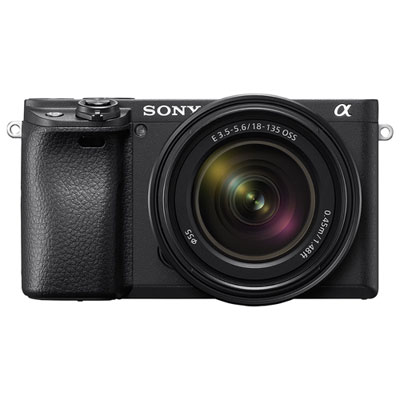
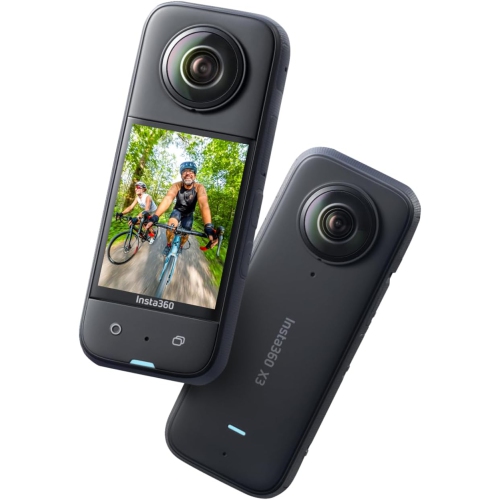
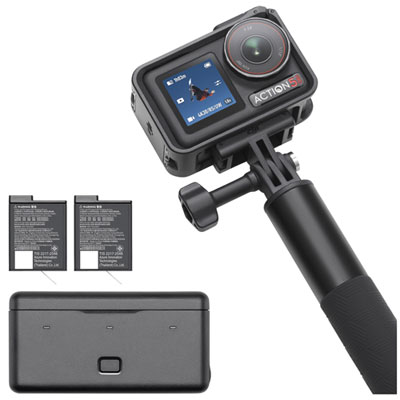
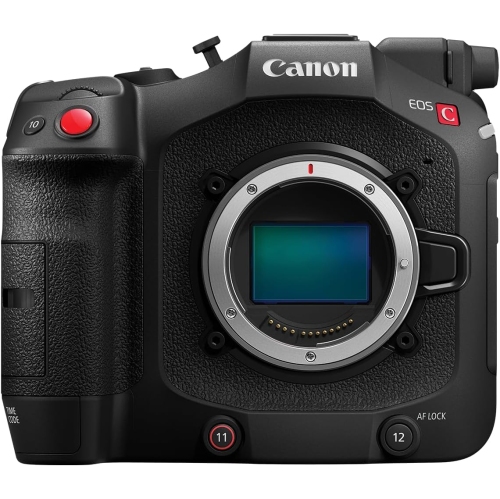
Common options include mirrorless cameras, DSLRs, camcorders and action cameras. Mirrorless cameras and DSLRs offer interchangeable lenses, camcorders typically have built-in zoom lenses and video-focused controls, and action cameras support mounted filming. The choice depends on whether projects involve interviews, presentations, short films or activity footage.
Resolution describes the number of pixels in a video, with Full HD and 4K being common options. Frame rate describes how many frames are captured each second. School projects may use 24 or 30 frames per second, while higher frame rates can support slow-motion editing. Check assignment requirements and editing software compatibility before choosing recording settings.
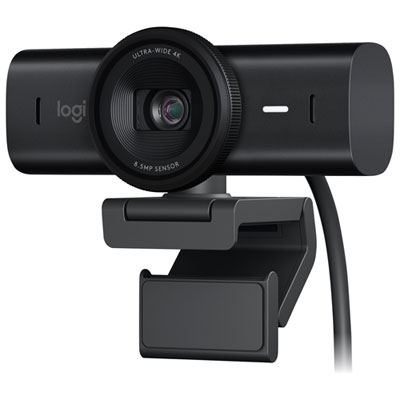
A microphone input allows an external microphone to connect directly to the camera, while a headphone output lets students monitor audio during filming. Some cameras also support microphones through a compatible accessory shoe or USB connection. Check the camera’s supported connections when planning to record interviews, dialogue or narration.
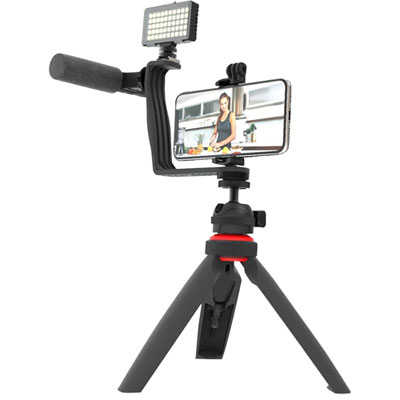
Common accessories include a tripod for stationary shots, an external microphone for dialogue, a video light for lighting a scene and compatible memory cards for storing footage. Spare batteries, a camera bag and a card reader are also useful additions to a student filmmaking kit. Confirm compatibility with the camera before selecting accessories.
Footage can typically be transferred using a USB cable or a memory card reader. Some cameras also offer Wi-Fi transfers through a compatible app, although supported video formats and transfer options vary. Organizing clips into folders by assignment, scene or filming date makes them easier to locate when building an editing timeline.
Top selling and popular products
Discover more categories related to Back To School Cameras For Video Projects
Some products may be subject to Environmental Handling Fees (EHF) depending on your province. Learn more about EHFs.