Basic Canon Cameras for Beginners
Are you a budding photographer looking to dive into the world of digital photography? Our basic cameras from Canon for beginners are the perfect starting point to help you capture stunning images and explore your creative potential. Designed with simplicity and ease of use in mind, this camera is ideal for those who are new to photography or simply want a reliable and user-friendly option. With its intuitive controls and impressive features, you'll be able to take high-quality photos and videos with confidence, allowing you to document your favorite moments with clarity and precision. Whether you're capturing family portraits, scenic landscapes, or spontaneous adventures, our basic cameras from Canon for beginners will be your trusted companion on your photographic journey.
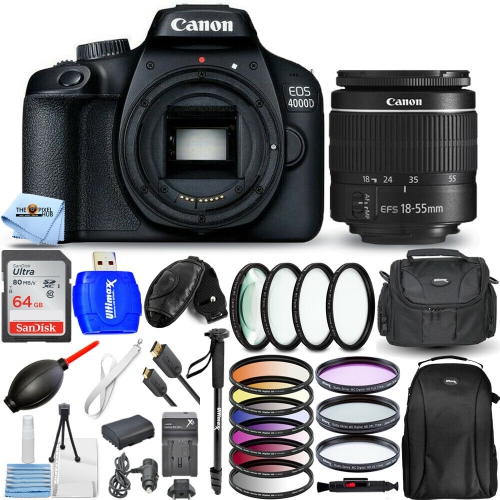
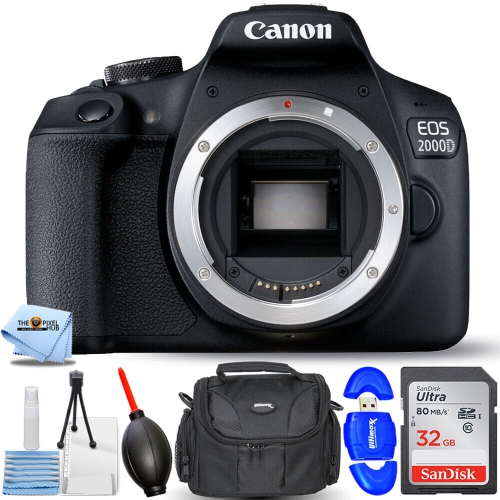
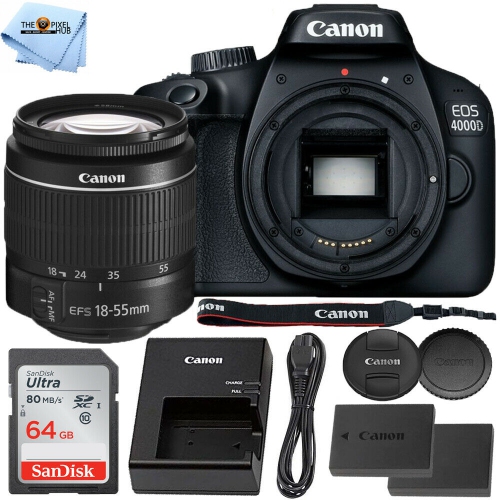
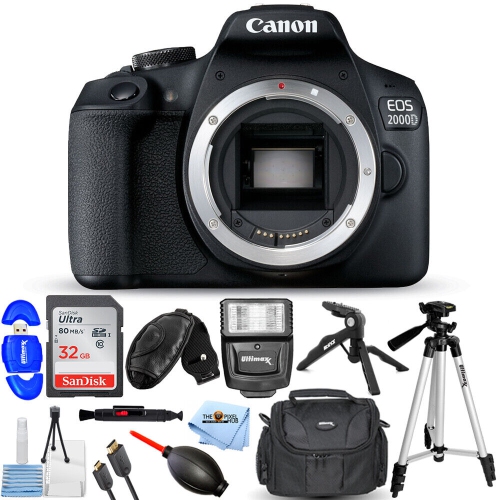
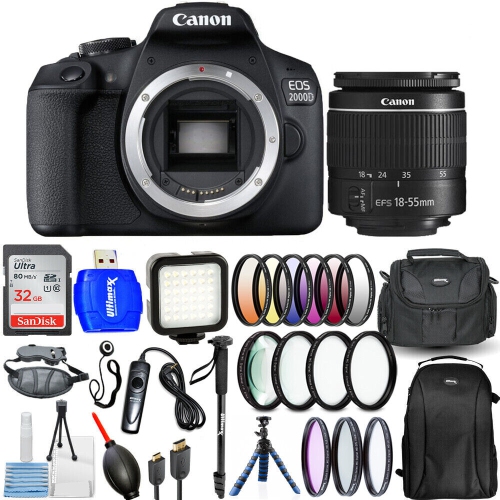
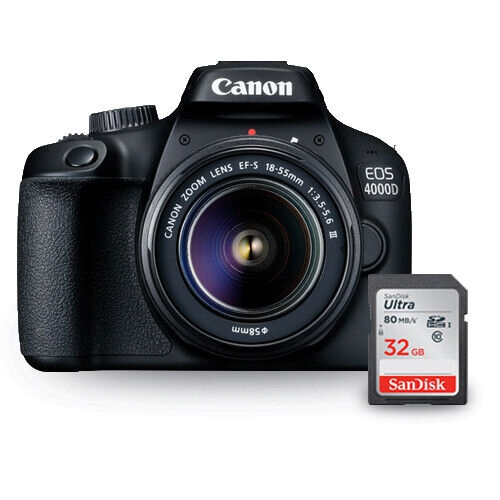
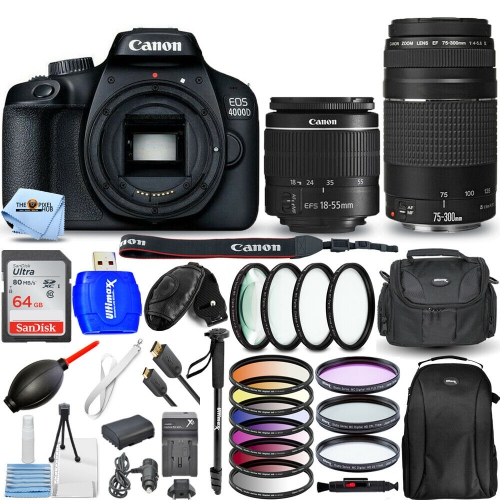
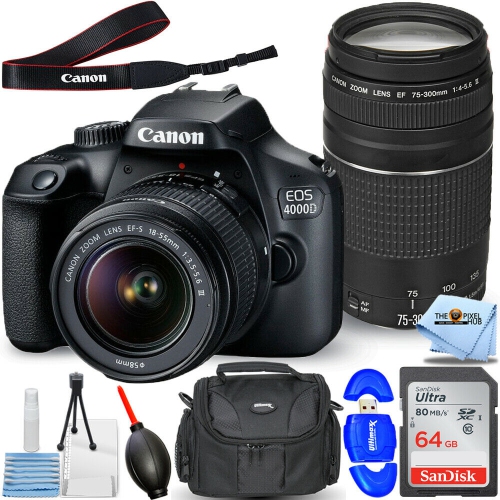
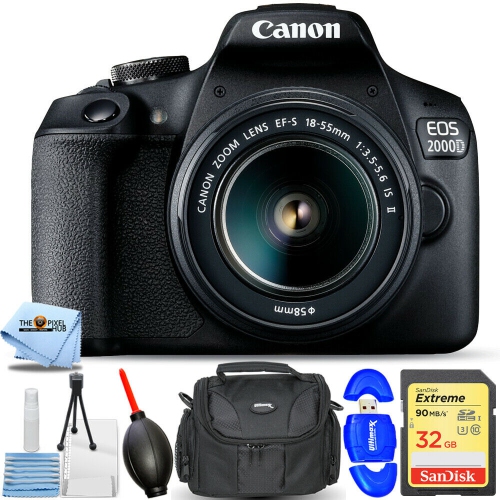
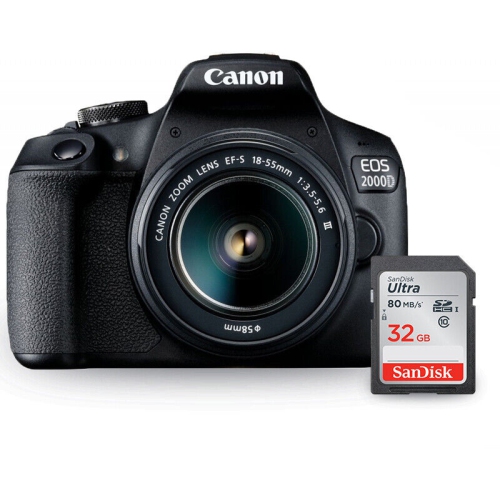
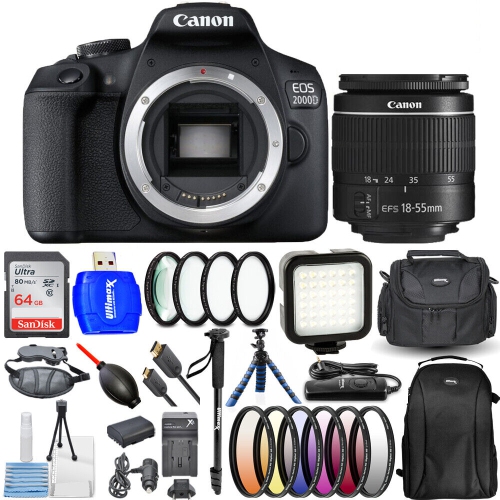
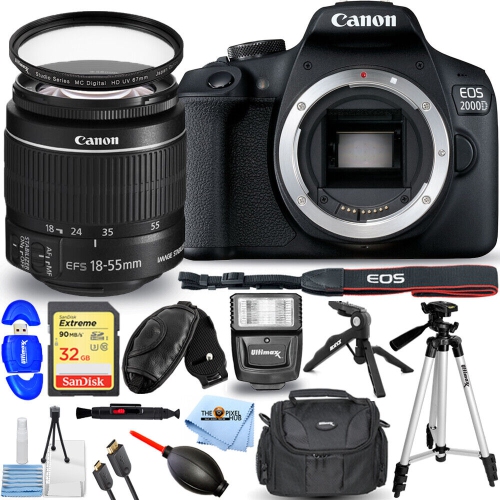
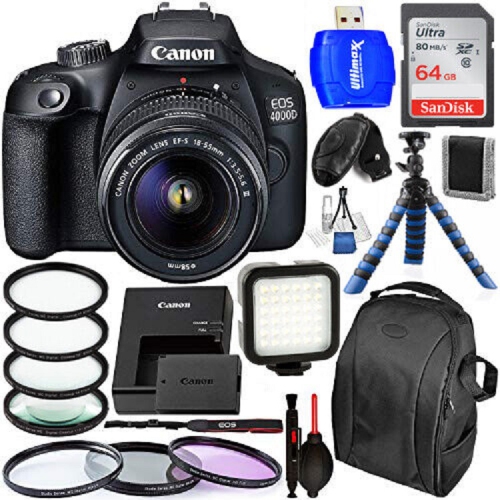
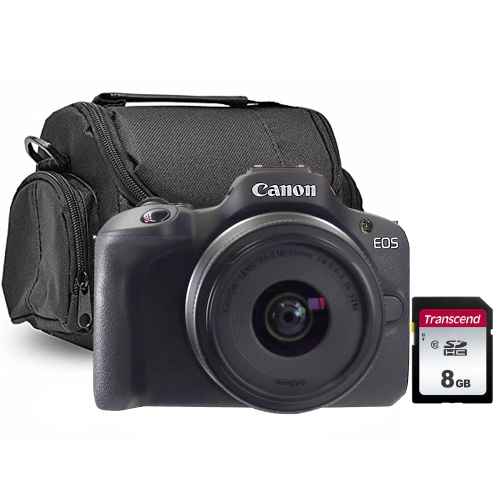
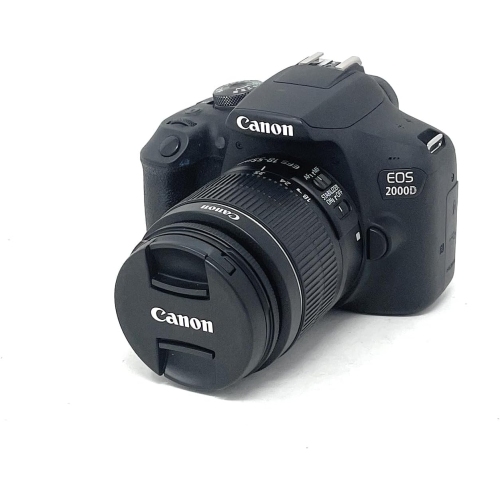
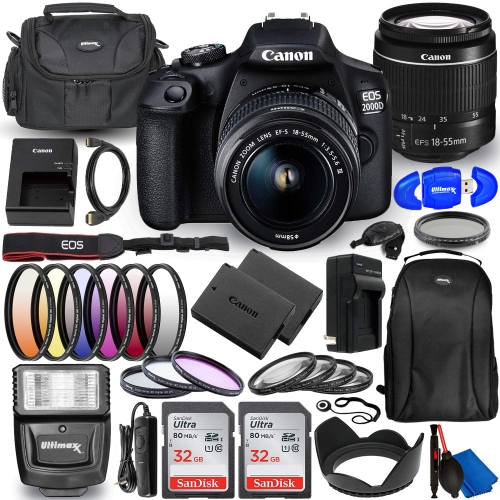
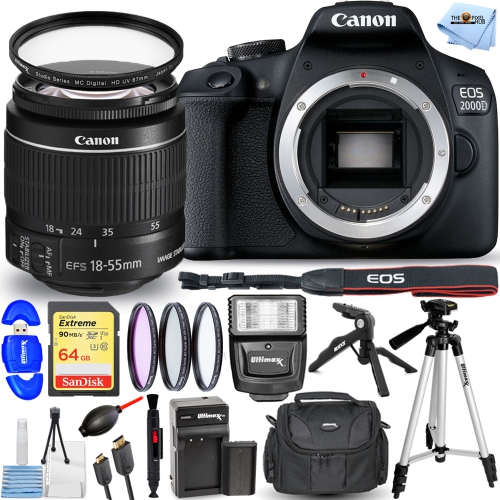
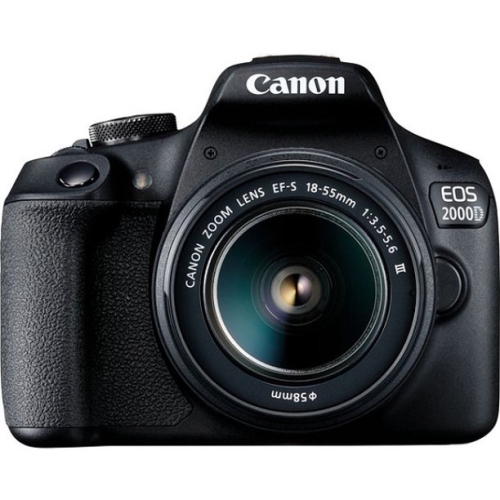
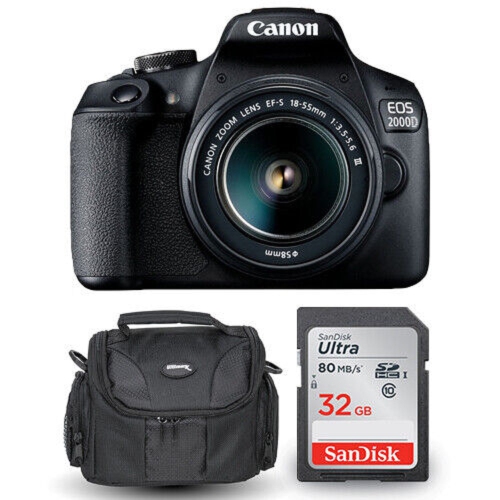
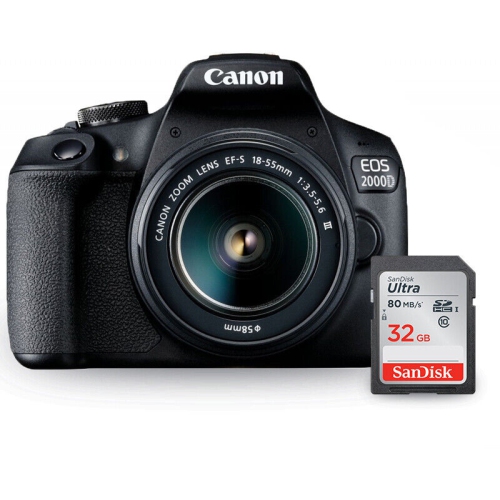
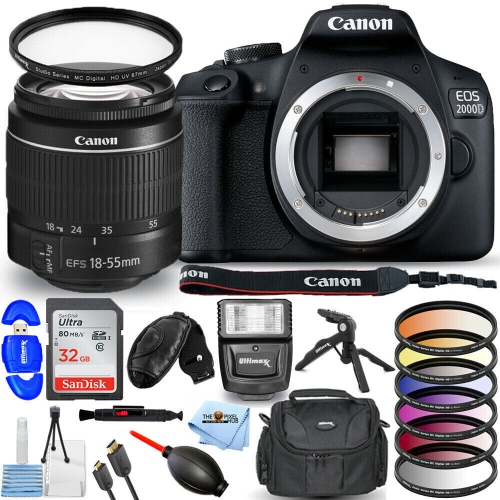
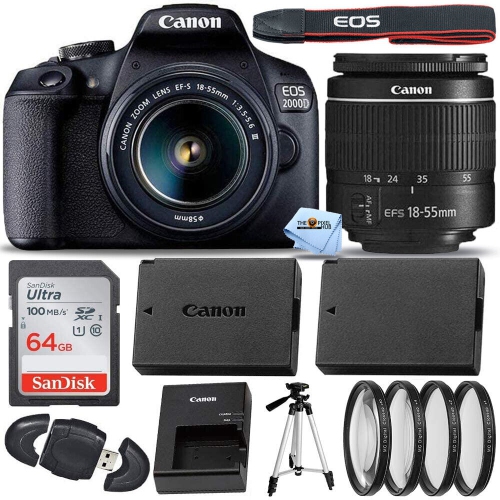
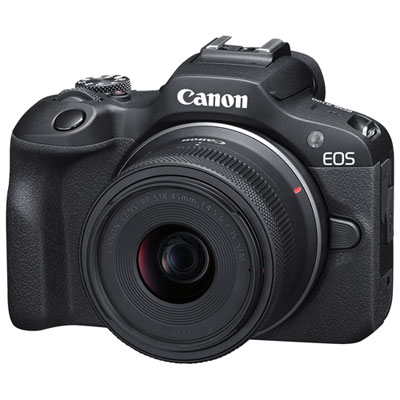
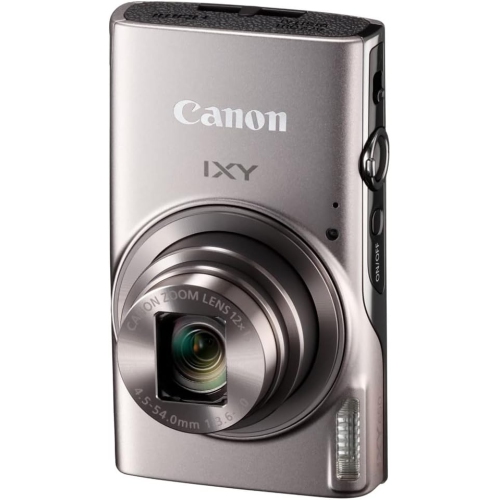
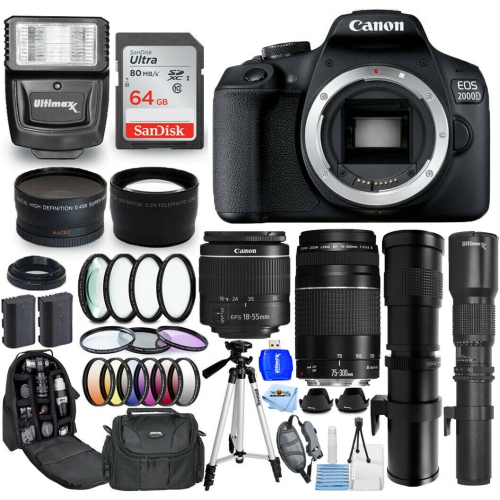
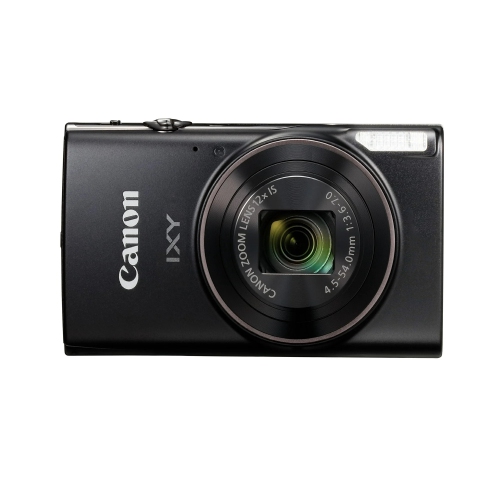
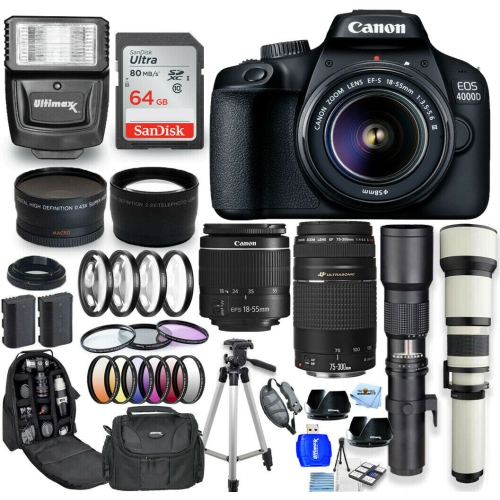

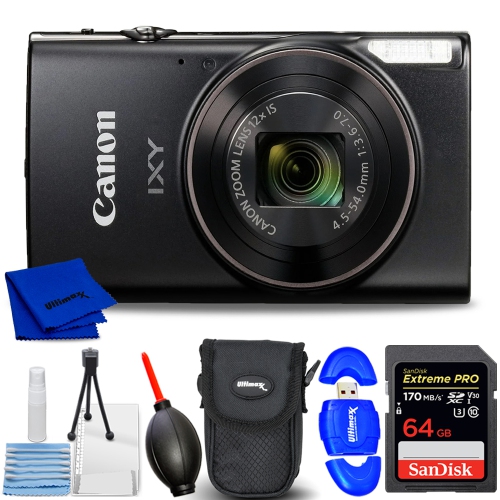
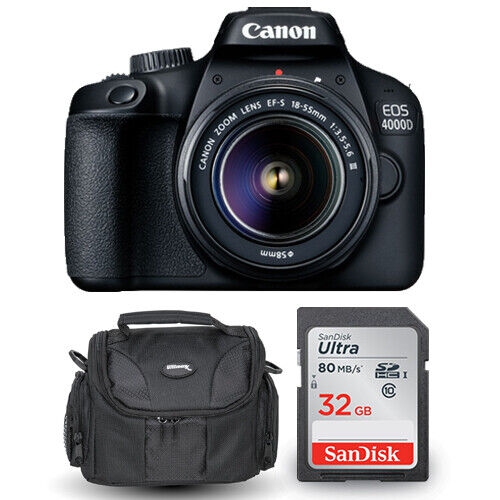
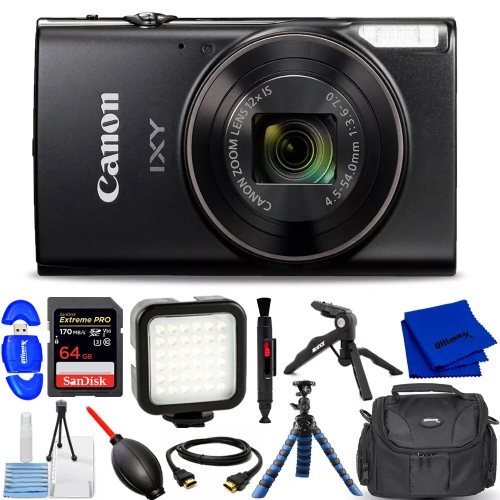
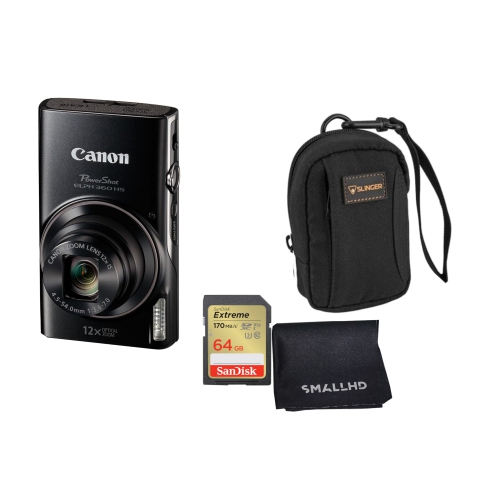
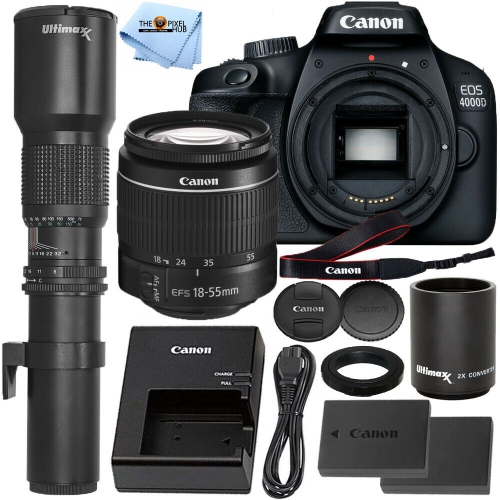
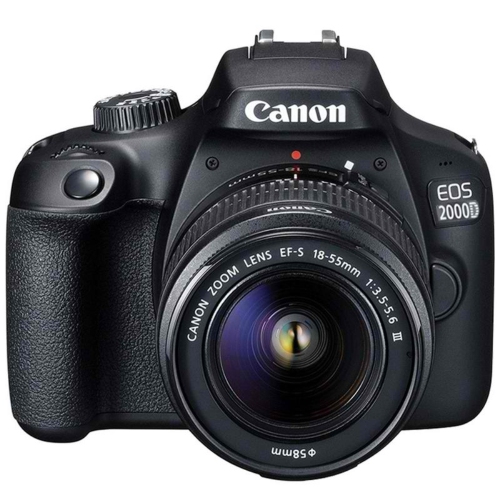
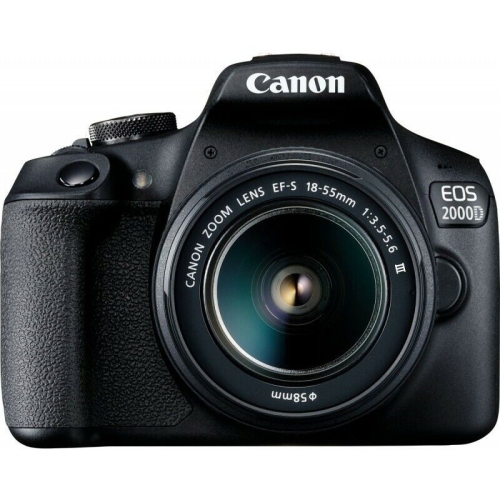
From automatic snapshots to confident creative control
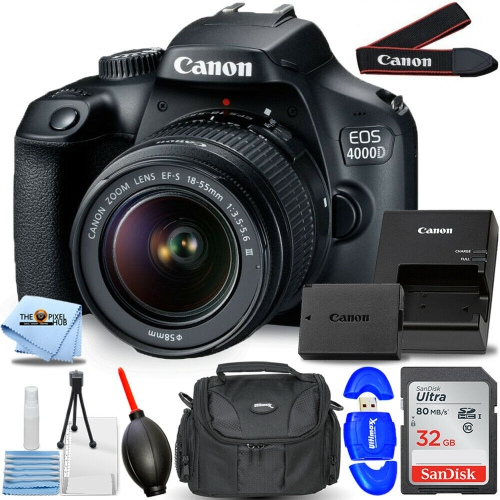
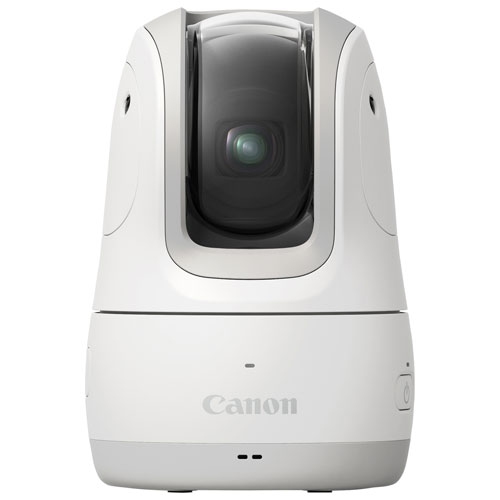
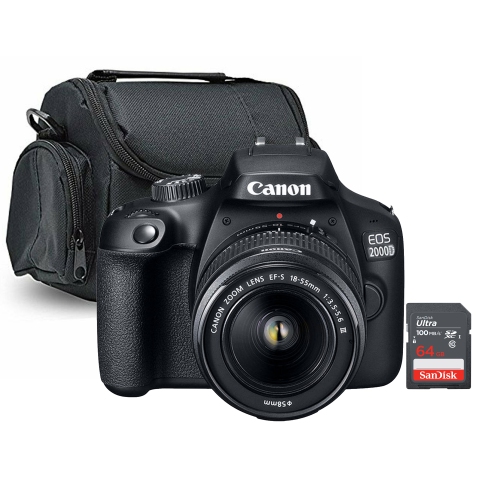
Mirrorless and DSLR cameras are two common interchangeable-lens options for beginners, with differences that affect how they feel in use. A mirrorless camera uses its imaging sensor to provide a live view on the rear screen or, when fitted, an electronic viewfinder. That preview can help a new photographer see how exposure adjustments affect the picture before pressing the shutter. A DSLR uses a mirror and an optical viewfinder to provide a direct view through the lens, giving it a familiar shooting experience that some people prefer. Those drawn to that design can explore Canon DSLR Cameras for Beginners for a more focused selection. Neither design automatically makes a camera easier to learn; menu clarity, button placement, autofocus behaviour, and overall size all shape the experience. A small body is convenient to carry, although a deeper grip may feel steadier with a longer lens attached. A camera bundled with a general-purpose zoom lens offers a practical starting point for group pictures, everyday scenes, and portraits. The wider end fits more of a room into the frame, while the longer end allows tighter compositions without standing quite so close. Lens compatibility is important because camera mounts differ, and some combinations require an adapter or do not support every function. With compatible interchangeable-lens cameras, the initial setup can expand to include a brighter lens for indoor portraits, a telephoto lens for distant subjects, or a close-focusing lens for small details. Video features deserve similar attention when the camera will capture school projects, family clips, or presentations. Full HD can be sufficient for straightforward recording and sharing, while 4K offers more detail and cropping flexibility during editing. Resolution is only part of the picture: autofocus during recording, any crop applied to the image, microphone connections, and recording limits can be just as relevant. A screen that tilts or rotates can make low-angle compositions and self-recording easier, but screen movement and touch controls vary between cameras.
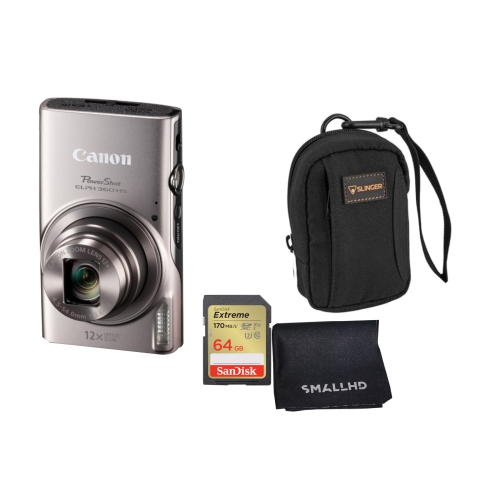
Comfort and durability have a lasting effect on whether a first camera becomes a regular companion or stays in its bag. Many entry-level bodies use moulded plastics or composite materials to keep weight manageable, while textured grips and well-positioned thumb rests help provide a secure hold. A lighter body can be easier to carry through a museum or on a full day of sightseeing, but the combined weight of the camera and lens is the more useful measure of carrying comfort. A properly fitted neck, shoulder, or wrist strap adds reassurance when moving between shots. Protective bags with adjustable padded dividers keep a body, lens, battery, and memory cards organized without letting them knock together. Care is generally straightforward: lens caps protect exposed glass between sessions, a suitable blower removes loose dust, and a clean lens cloth helps lift fingerprints without abrasive rubbing. Sensor cleaning requires more care than wiping an exterior surface, and the camera’s care instructions should determine the method used. Keeping food, drinks, and loose grit away from open compartments also helps protect everyday reliability. Battery endurance varies with screen use, autofocus, and video recording, so a compatible spare battery can be useful for longer outings. Memory card compatibility and speed ratings matter too, particularly for sustained bursts or higher-resolution video. Wireless transfer, including Wi-Fi where supported, can simplify moving pictures to a compatible phone, although the required app and connection features differ by camera. For a recipient, a beginner camera can make a thoughtful gift for graduation, a milestone birthday, or the start of a creative course. The best fit depends on the person: someone who enjoys family portraits may value easy face detection, while a budding filmmaker may care more about a movable screen and dependable video autofocus. An everyday setup with a versatile lens, suitable memory card, and comfortable strap gives a new photographer the essentials without unnecessary complexity. Clear controls and a manageable size help keep attention where it belongs—on expressions, light, and the moment worth remembering.
Top selling and popular products
-
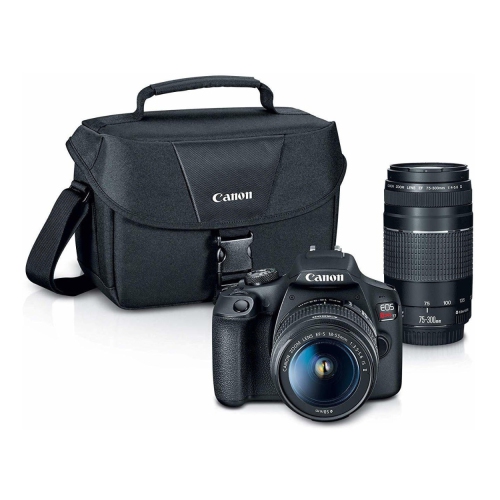 Your price for this item is $1039.95
 -
 Your price for this item is $549.99
 -
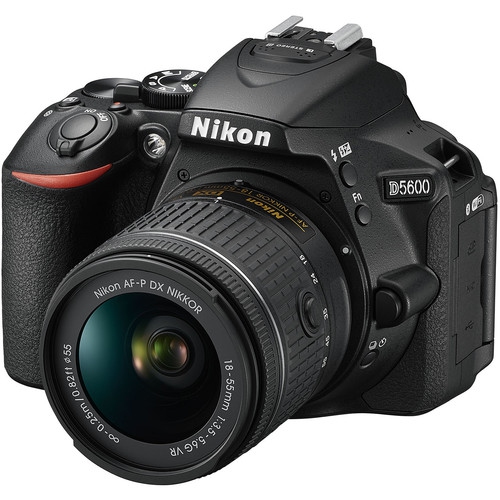 Your price for this item is $1309.95
 -
 Your price for this item is $1199.95
 -
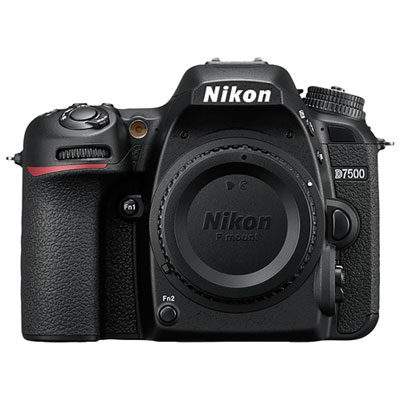 Your price for this item is $1279.99
 -
 Your price for this item is $1909.95
 -
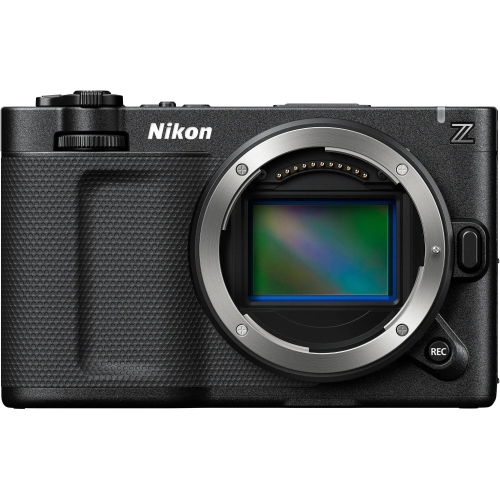 Your price for this item is $2889.99
 -
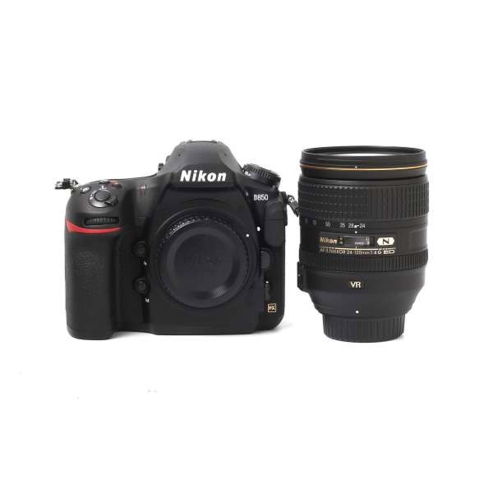 Your price for this item is $3144.99