Bird Watching Cameras
Capture the beauty of nature up close with our collection of bird-watching cameras. Whether you're an avid bird watcher or a nature enthusiast looking to explore the fascinating world of birds, these cameras are designed to help you capture every intricate detail and stunning moment. These cameras are designed to be lightweight and portable, so you can take them with you wherever your bird-watching journey takes you.
Sort
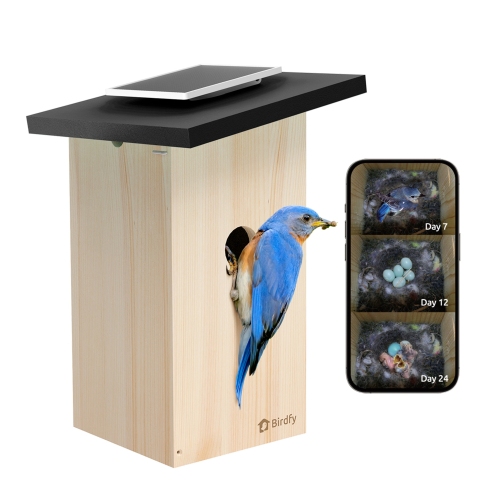
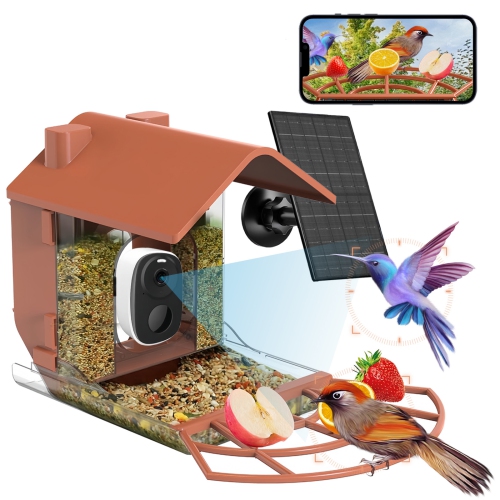
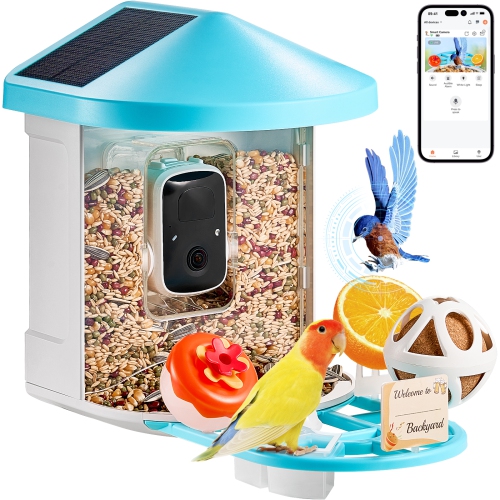
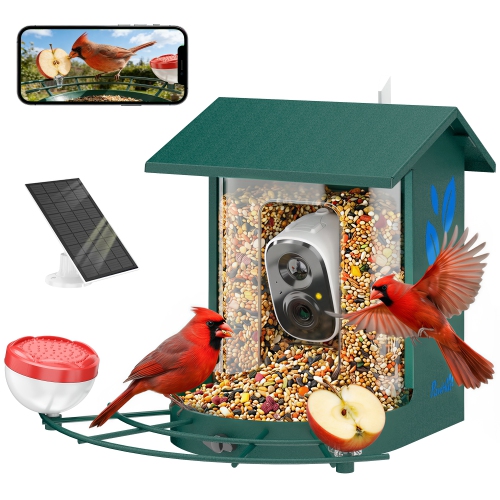
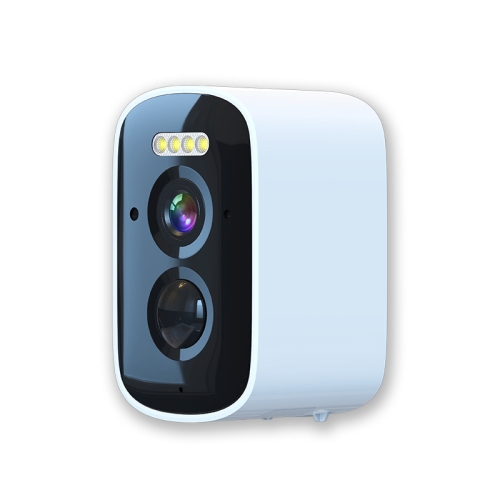
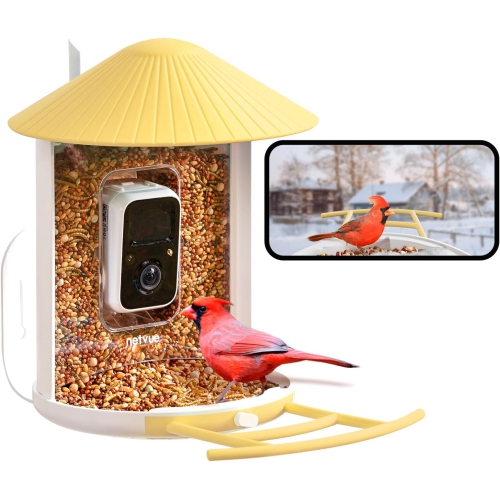
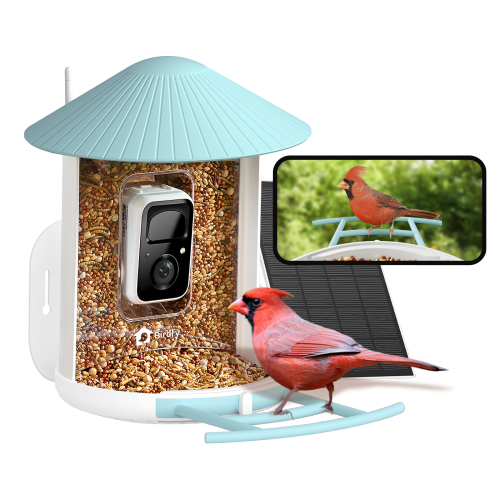
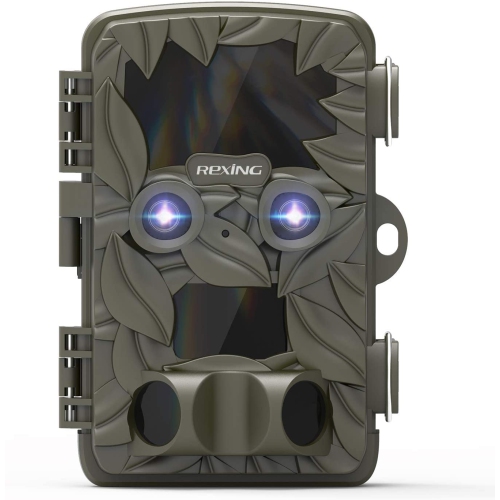
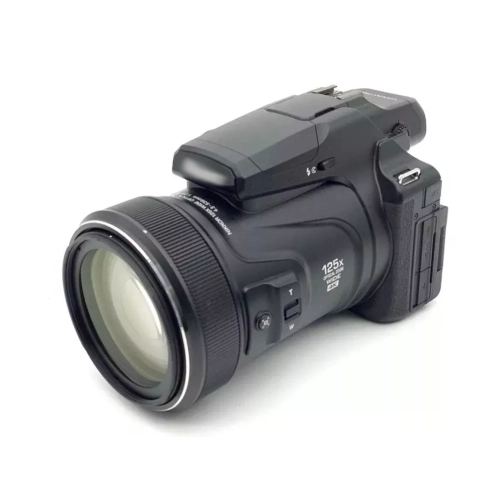
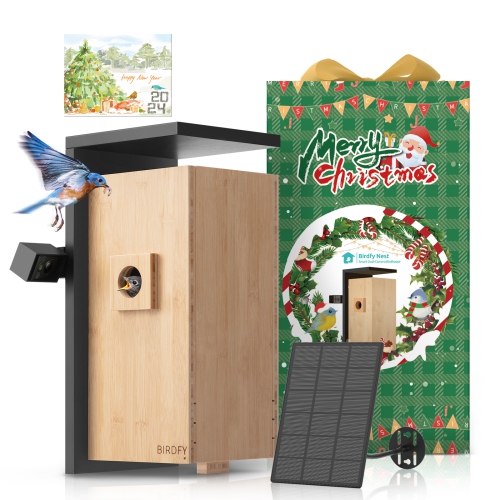
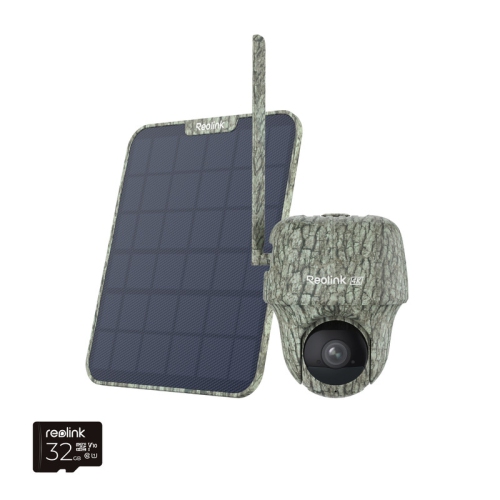
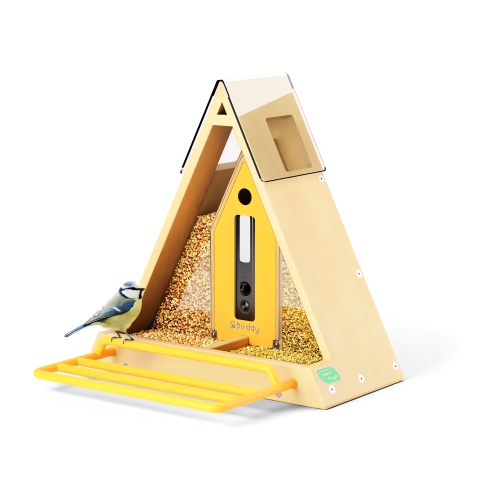
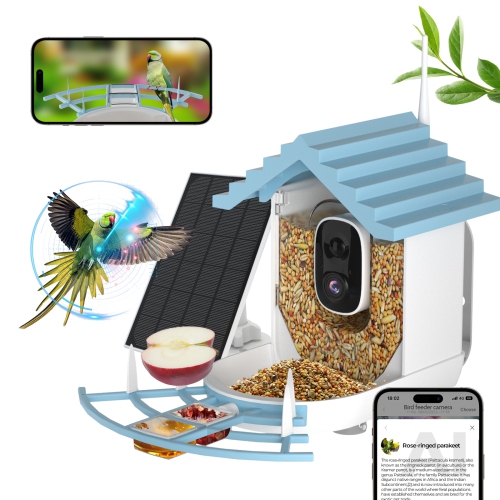
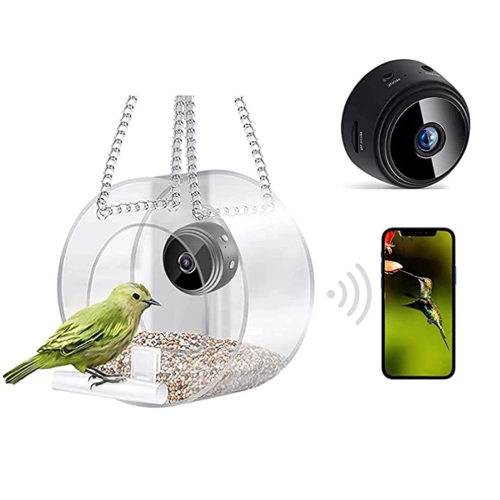
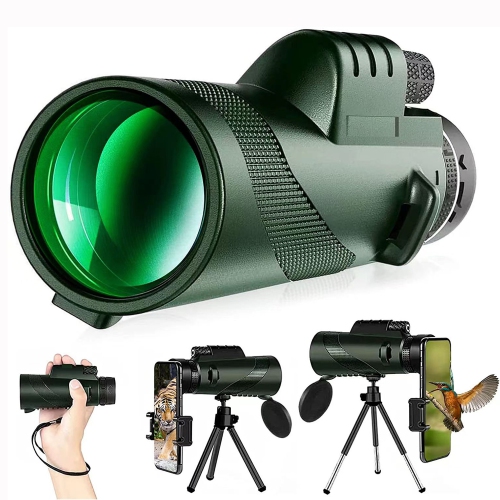
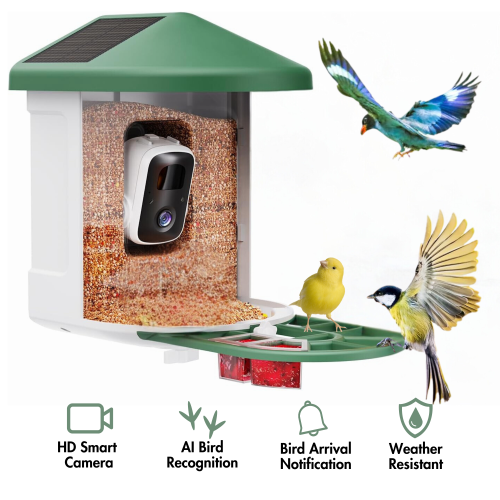
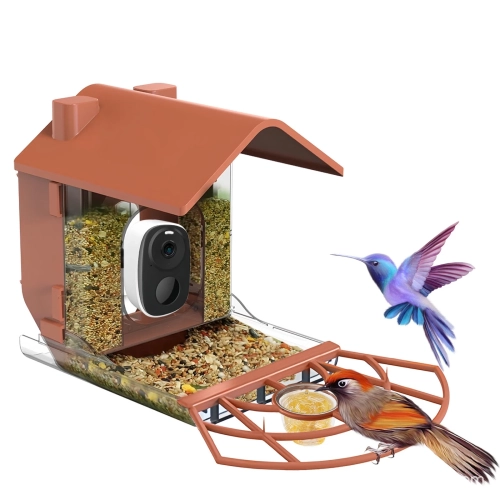
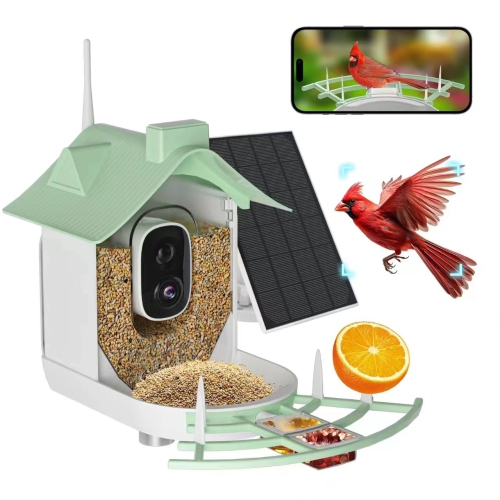
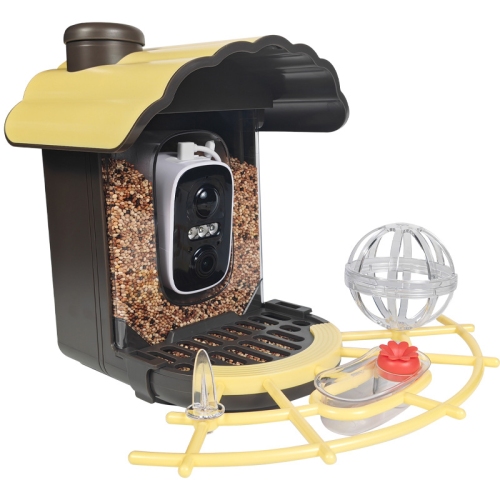
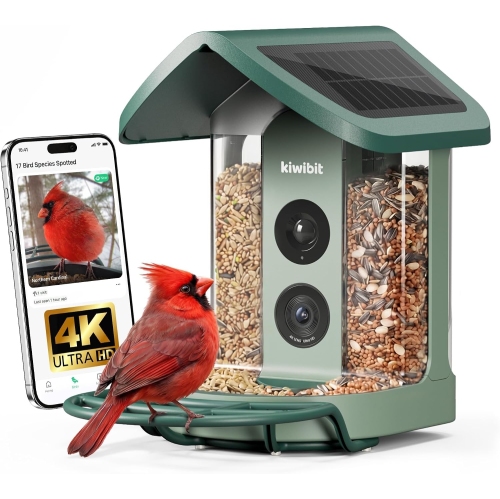
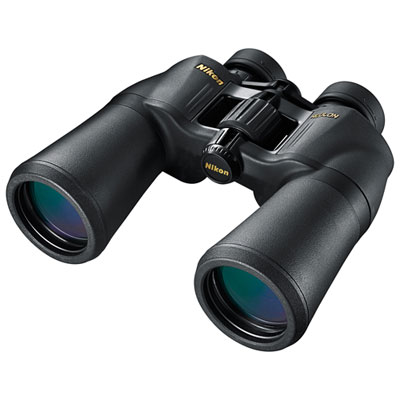
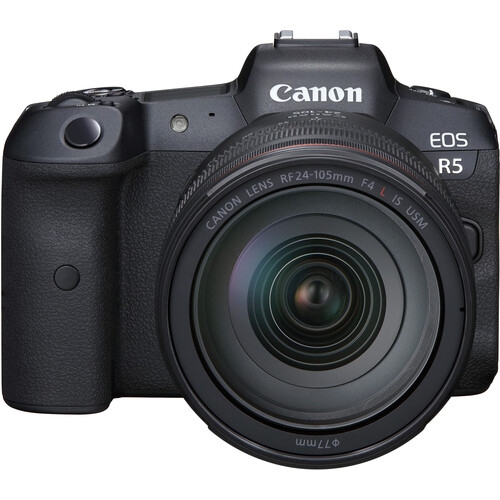
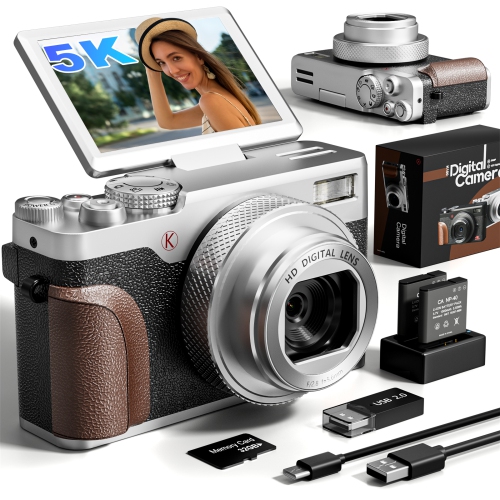
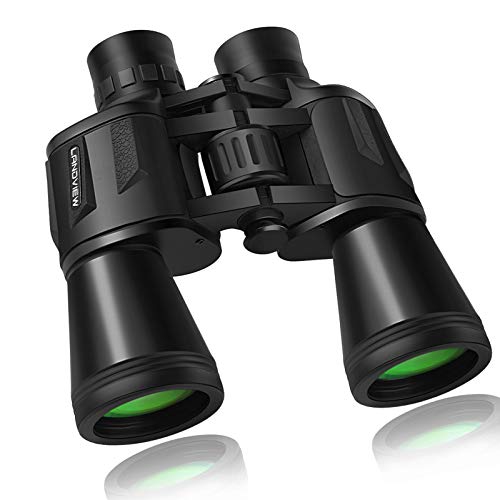
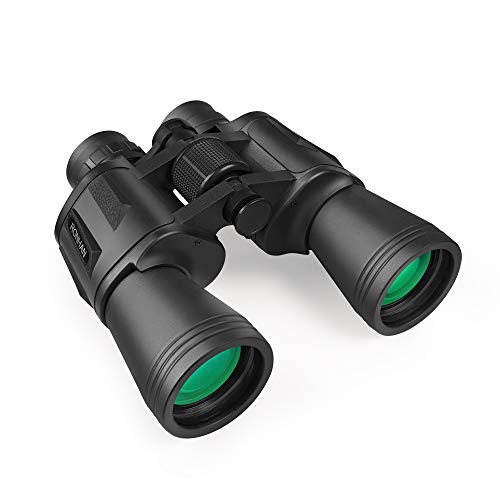
Close-up bird behaviour from the comfort of home
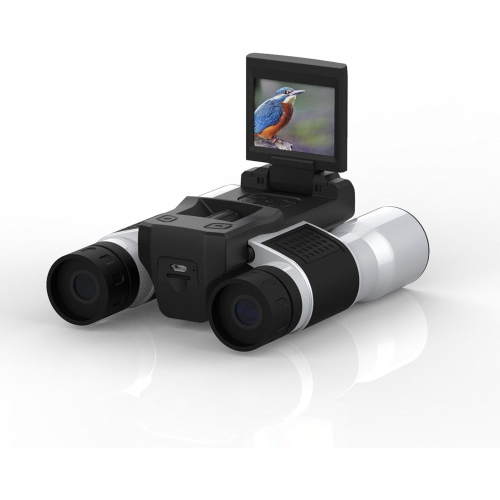
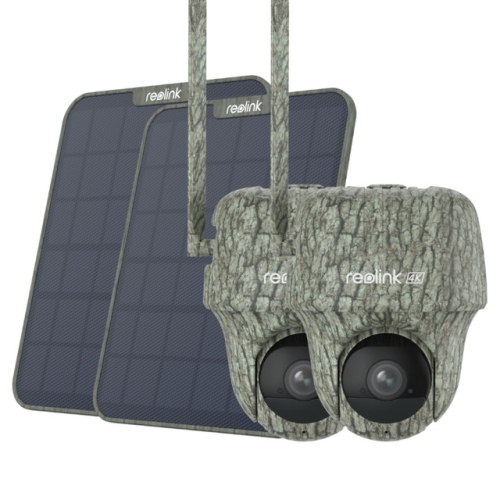
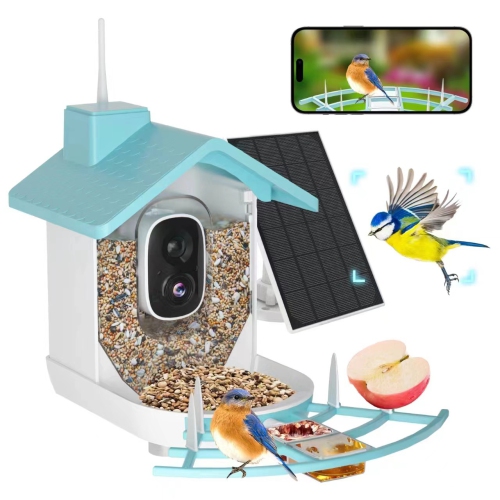
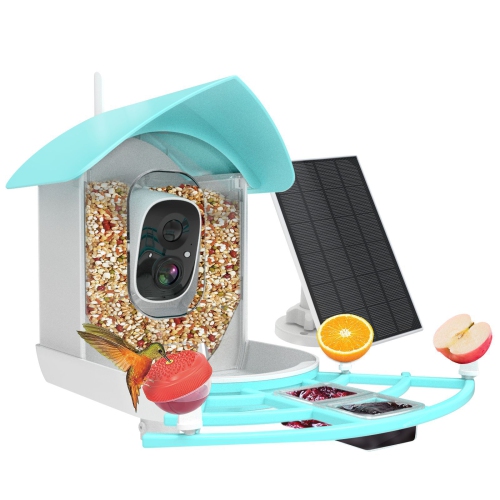
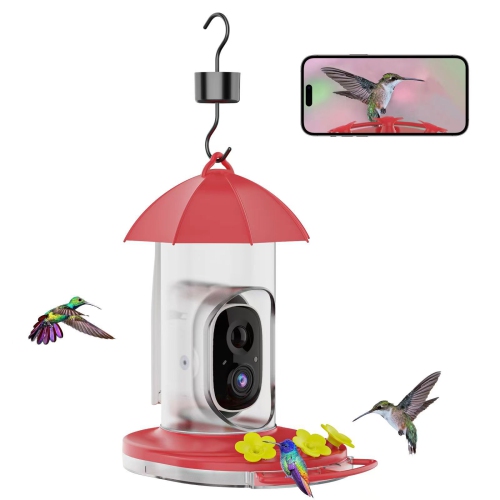
Bird watching cameras make it easier to enjoy close-up views of visiting birds without disturbing the activity around a feeder, nesting box, or garden. Many are designed as smart bird feeder cameras, combining a feeding station with a built-in camera that captures photos and video as birds land, feed, and fly away. Depending on the model, footage may be viewed live through a mobile app or saved for later, making it possible to watch from a kitchen table, home office, or warm living room during the cooler months. A camera positioned near a feeder can reveal details that are easy to miss in person, such as the quick flash of a woodpecker’s wings, the way a chickadee approaches cautiously before feeding, or the subtle differences between similar-looking sparrows. Some cameras offer bird species recognition to help identify visitors, while others focus on clear video, motion alerts, and simple recording. If you are comparing bird watching cameras, start by considering where the camera will be installed and what you want to observe. A feeder-mounted model is well suited to a backyard, balcony, patio, or small garden, while a camera designed for a birdhouse can provide a closer view of nesting behaviour when used appropriately and according to local wildlife guidelines. For broader coverage of animals moving through a yard, an outdoor wildlife camera may be a better fit; explore Outdoor Wildlife Cameras for options intended to monitor outdoor activity beyond a single feeding station.
Image quality is one of the most important purchase considerations, particularly if you hope to identify birds or capture memorable clips. Full HD video can provide a detailed view for everyday observation, while higher-resolution cameras may preserve more feather detail and allow you to crop footage without losing as much clarity. A wide viewing angle helps cover the feeder and surrounding perches, but a narrower angle can make a small feeding area appear larger in the frame. Look for useful features such as night vision, motion detection, two-way audio, a built-in microphone, and adjustable sensitivity settings. Night vision can show nocturnal visitors or movement before sunrise, although it may not be necessary if your interest is limited to daytime songbirds. Motion alerts are convenient when you want to know when something has arrived, but frequent activity can generate many notifications, so app controls that allow you to adjust zones, schedules, or alert types are worth considering. Power is another practical detail. Some cameras connect to an outdoor outlet, while others use rechargeable batteries or solar charging. Think about how easy it will be to reach the camera when it needs attention, especially if it is mounted high on a post or attached to a feeder that requires regular cleaning and refilling. Weather resistance is important for equipment exposed to rain, wind, snow, and changing temperatures, and a secure mounting system can help keep the camera steady when birds land or when the feeder sways. Also check whether cloud storage, a memory card, or a subscription is required for saving recordings. Wi-Fi range matters as well: a camera placed at the far end of a property may need a stronger connection than one installed just outside a window. For a more portable approach, a conventional digital camera with a long zoom lens is generally better for hiking, wetlands, wooded trails, or nature photography, where birds are not visiting a fixed station. These cameras allow you to follow movement across a larger landscape, but they usually require more practice with focus, shutter speed, framing, and exposure than a stationary feeder camera.
Bird watching cameras can be enjoyable for a wide range of users, from beginners discovering the birds in their own neighbourhood to experienced birders who want a convenient way to record behaviour over time. Families can use one to introduce children to local wildlife, encouraging them to compare markings, listen for calls, and keep a simple record of returning visitors. They can also be a thoughtful gift for someone who enjoys gardening, photography, home technology, or quiet observation. A camera placed near a kitchen window can turn an ordinary morning into a small daily ritual: while coffee brews, you might spot a bright cardinal crossing the frame, a nuthatch moving headfirst down a branch, or a squirrel testing the feeder’s limits. During early fall, migrating birds may bring a changing selection of visitors, while cooler weather can make a dependable feeding area especially interesting to observe from indoors. As winter approaches, look for cameras and mounting accessories that can handle the conditions where they will be used, and choose an installation point that remains accessible when paths are wet, icy, or covered with snow. The best setup is usually one that balances a clear view with a comfortable distance from busy windows, pets, and regular foot traffic. Place the feeder where birds have nearby cover but enough open space for the camera to see them, and avoid aiming directly toward bright sunlight, which can create glare and wash out details. Whether the goal is casual viewing, learning bird identification, sharing clips with family, or building a personal library of backyard sightings, the right bird watching camera can make outdoor activity feel much closer while allowing birds to carry on undisturbed.
Image quality is one of the most important purchase considerations, particularly if you hope to identify birds or capture memorable clips. Full HD video can provide a detailed view for everyday observation, while higher-resolution cameras may preserve more feather detail and allow you to crop footage without losing as much clarity. A wide viewing angle helps cover the feeder and surrounding perches, but a narrower angle can make a small feeding area appear larger in the frame. Look for useful features such as night vision, motion detection, two-way audio, a built-in microphone, and adjustable sensitivity settings. Night vision can show nocturnal visitors or movement before sunrise, although it may not be necessary if your interest is limited to daytime songbirds. Motion alerts are convenient when you want to know when something has arrived, but frequent activity can generate many notifications, so app controls that allow you to adjust zones, schedules, or alert types are worth considering. Power is another practical detail. Some cameras connect to an outdoor outlet, while others use rechargeable batteries or solar charging. Think about how easy it will be to reach the camera when it needs attention, especially if it is mounted high on a post or attached to a feeder that requires regular cleaning and refilling. Weather resistance is important for equipment exposed to rain, wind, snow, and changing temperatures, and a secure mounting system can help keep the camera steady when birds land or when the feeder sways. Also check whether cloud storage, a memory card, or a subscription is required for saving recordings. Wi-Fi range matters as well: a camera placed at the far end of a property may need a stronger connection than one installed just outside a window. For a more portable approach, a conventional digital camera with a long zoom lens is generally better for hiking, wetlands, wooded trails, or nature photography, where birds are not visiting a fixed station. These cameras allow you to follow movement across a larger landscape, but they usually require more practice with focus, shutter speed, framing, and exposure than a stationary feeder camera.
Bird watching cameras can be enjoyable for a wide range of users, from beginners discovering the birds in their own neighbourhood to experienced birders who want a convenient way to record behaviour over time. Families can use one to introduce children to local wildlife, encouraging them to compare markings, listen for calls, and keep a simple record of returning visitors. They can also be a thoughtful gift for someone who enjoys gardening, photography, home technology, or quiet observation. A camera placed near a kitchen window can turn an ordinary morning into a small daily ritual: while coffee brews, you might spot a bright cardinal crossing the frame, a nuthatch moving headfirst down a branch, or a squirrel testing the feeder’s limits. During early fall, migrating birds may bring a changing selection of visitors, while cooler weather can make a dependable feeding area especially interesting to observe from indoors. As winter approaches, look for cameras and mounting accessories that can handle the conditions where they will be used, and choose an installation point that remains accessible when paths are wet, icy, or covered with snow. The best setup is usually one that balances a clear view with a comfortable distance from busy windows, pets, and regular foot traffic. Place the feeder where birds have nearby cover but enough open space for the camera to see them, and avoid aiming directly toward bright sunlight, which can create glare and wash out details. Whether the goal is casual viewing, learning bird identification, sharing clips with family, or building a personal library of backyard sightings, the right bird watching camera can make outdoor activity feel much closer while allowing birds to carry on undisturbed.
Top selling and popular products
-
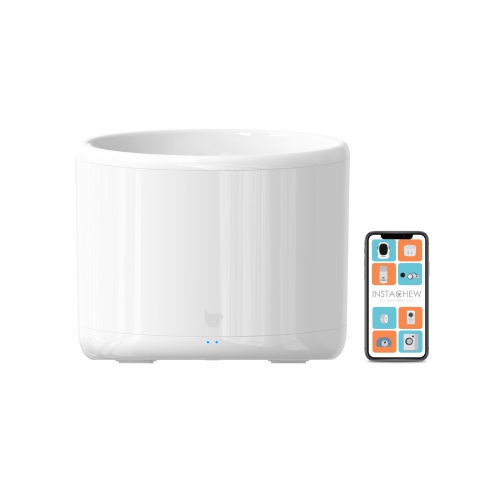 Your price for this item is $44.99
 -
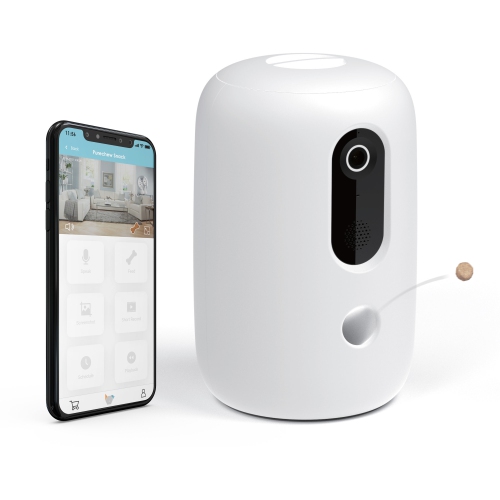 Your price for this item is $129.99
 -
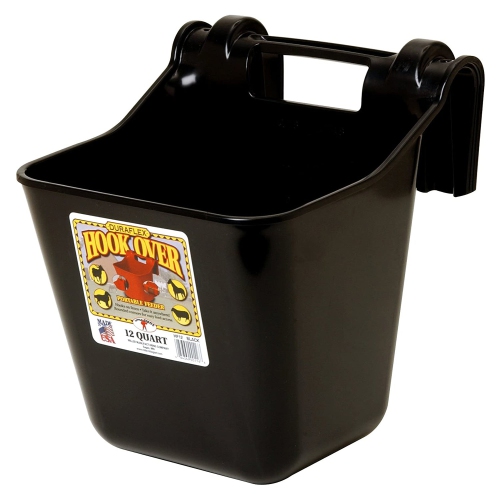 Your price for this item is $85.99
 -
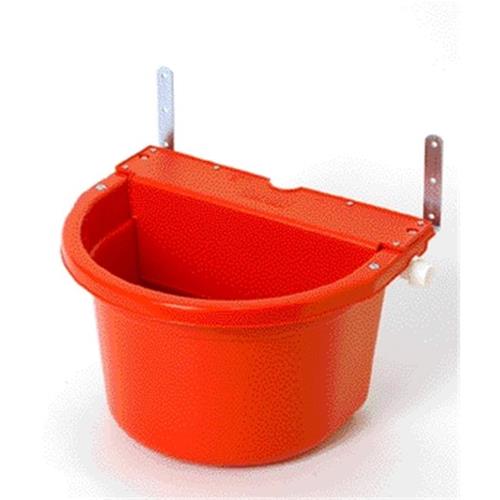 Your price for this item is $141.99
 -
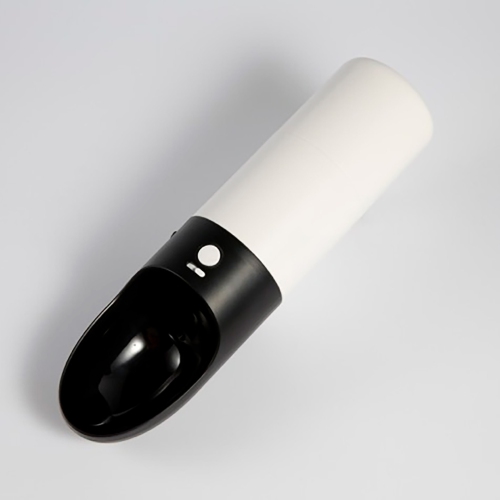 Your price for this item is $24.99
 -
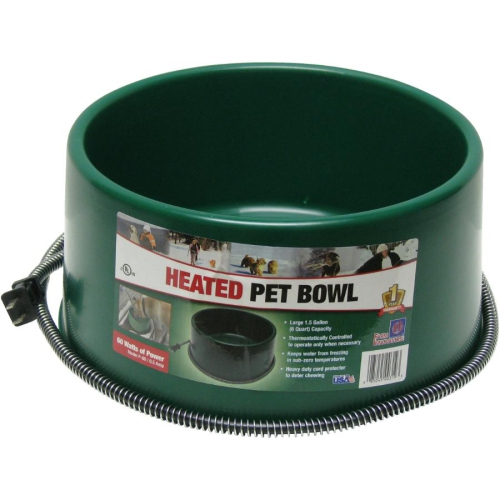 Your price for this item is $93.99
 -
 Your price for this item is $264.99
 -
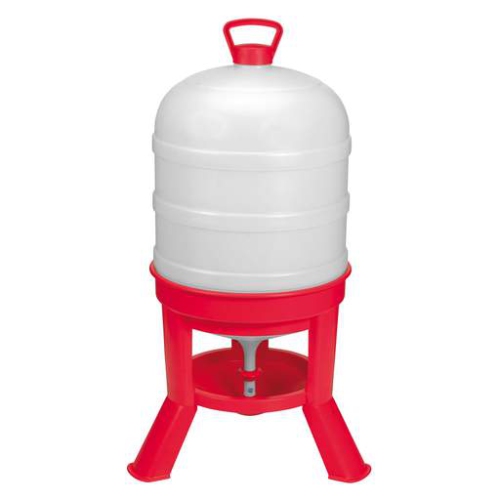 Your price for this item is $230.99
Discover more categories related to Bird Watching Cameras
Top Collections:
Pokemon Centers, Kindle Devices, Best Budget Office Chairs, Apple iPhones 16, Best Laptops for Writers, iPhone 15 Apple, Canon G7X Cameras, Refurbished Apple Laptops, Alarm Clock, Motorola Razr Phones
Some products may be subject to Environmental Handling Fees
(EHF) depending on your province.
Learn more about EHFs.