Cameras for Bird Watchers
Capture the beauty of nature up close with our selection of cameras designed for bird watchers. Whether you're an avid birding enthusiast or just starting out, having the right camera can make all the difference in capturing those fleeting moments of avian wonder. From compact and lightweight options for easy portability to advanced models with powerful zoom capabilities, we have a range of cameras to suit every level of bird watching experience. Explore our collection and elevate your bird watching adventures with crisp, detailed images that truly bring the beauty of our feathered friends to life.
Sort
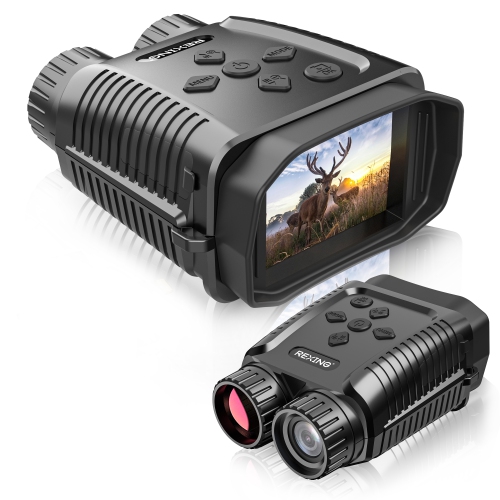
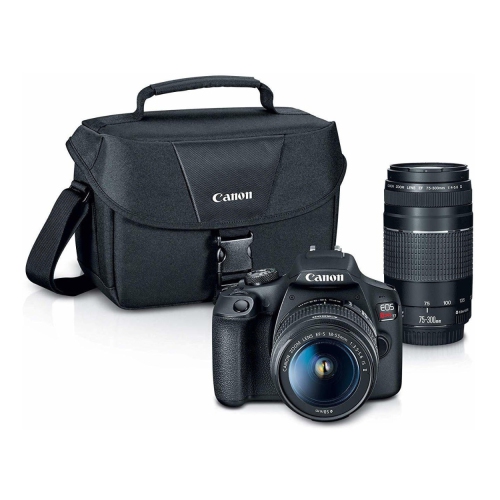
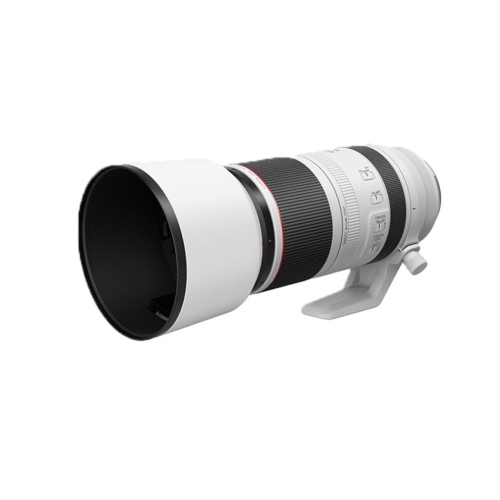
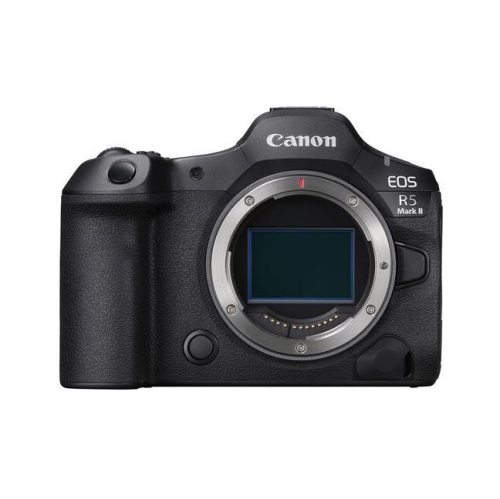
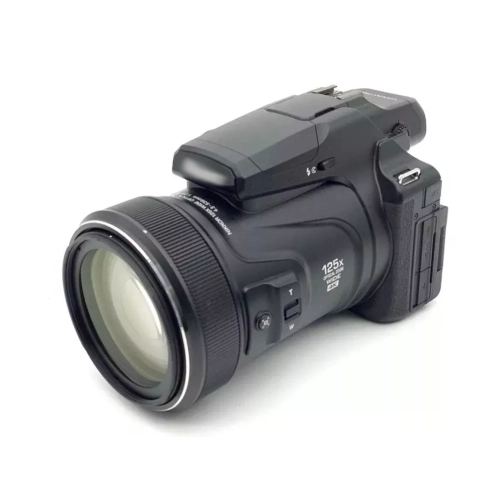
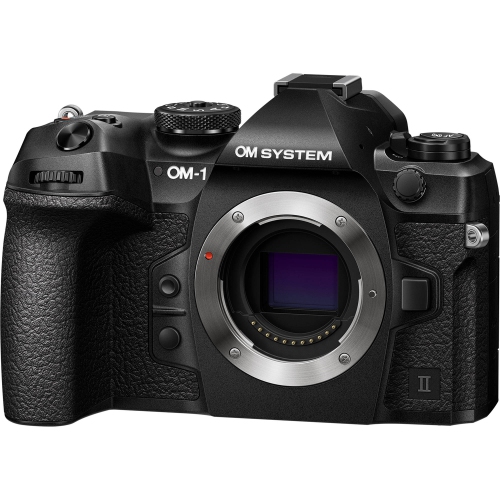
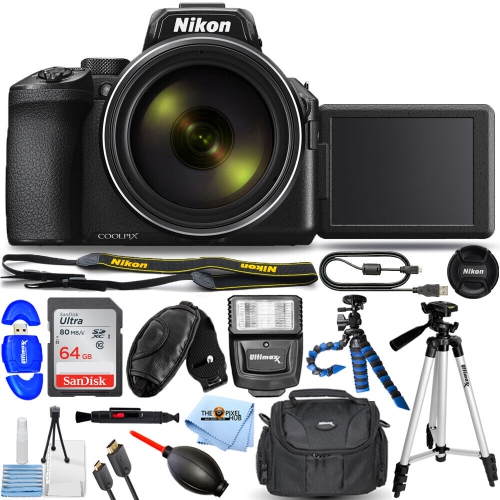
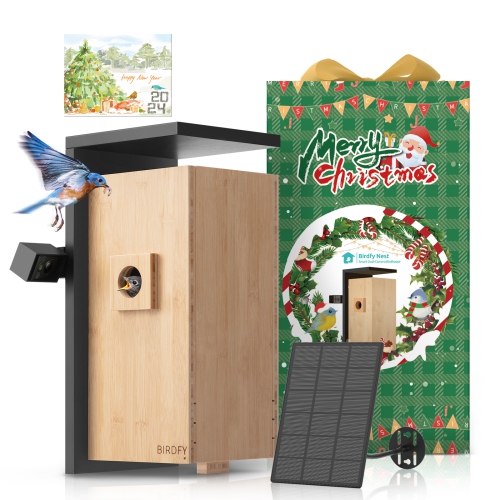
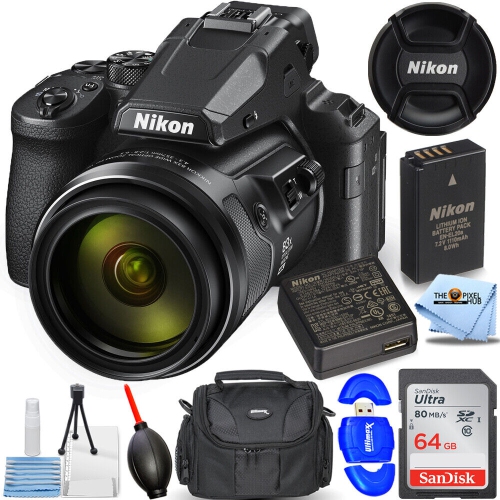
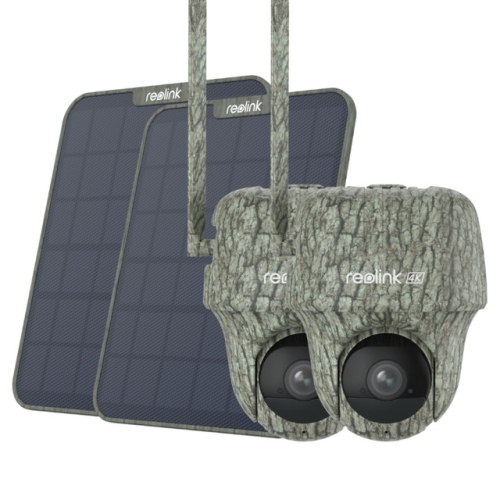
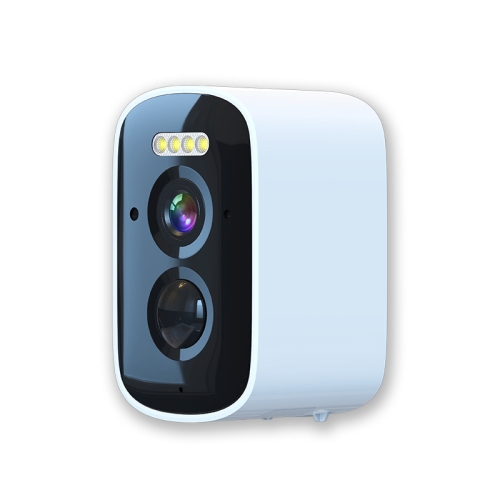
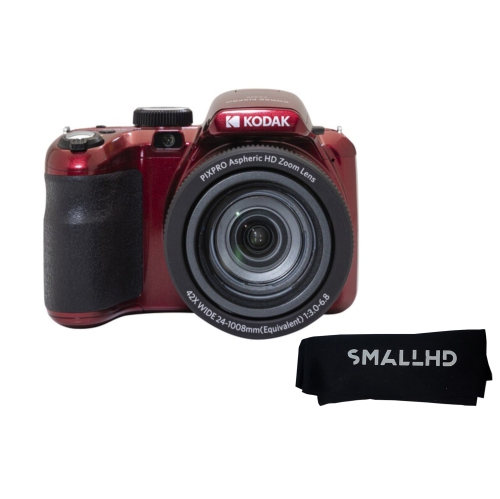
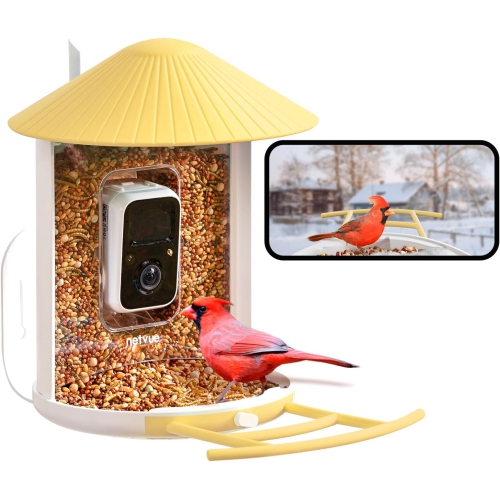
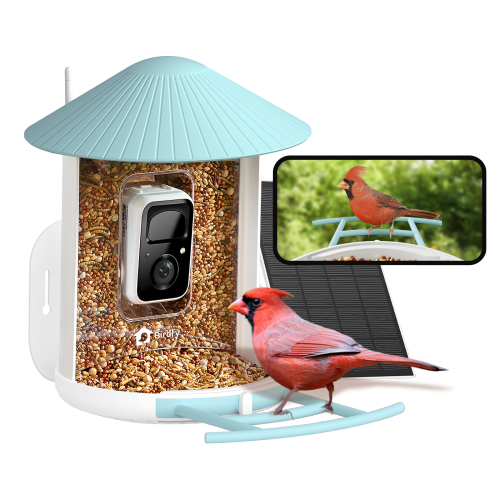
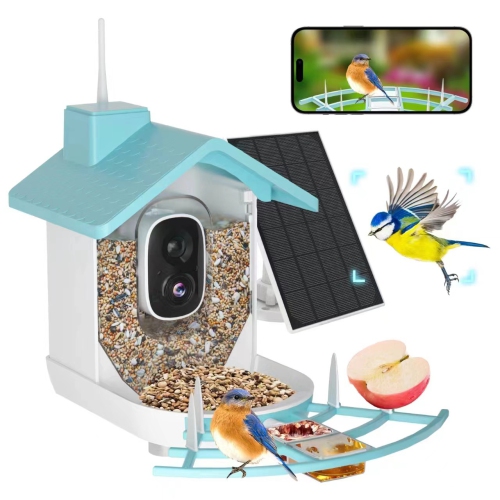
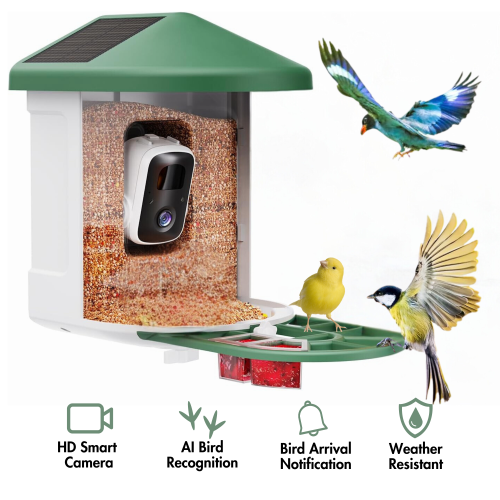
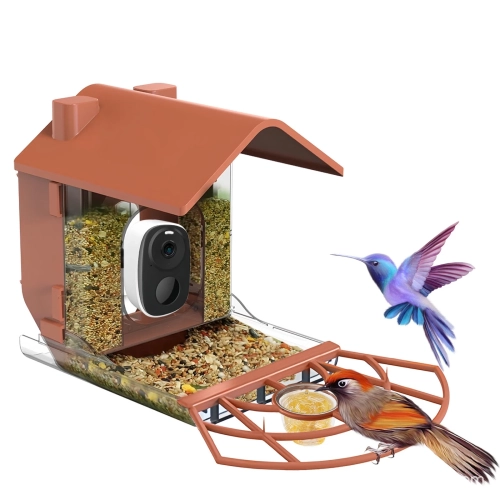
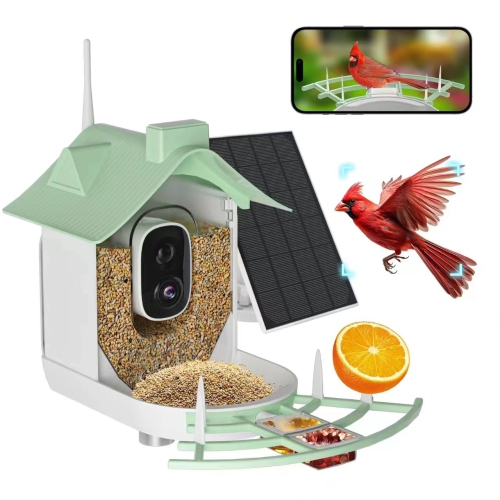
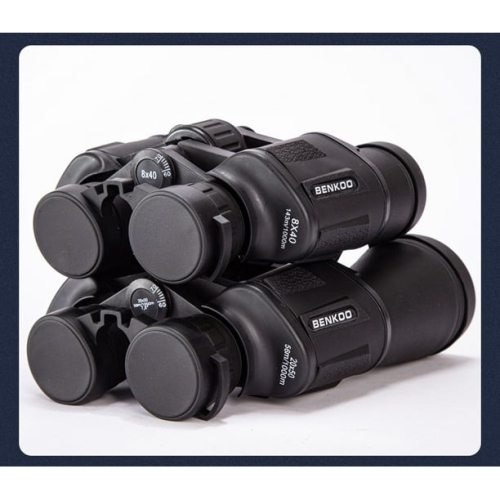
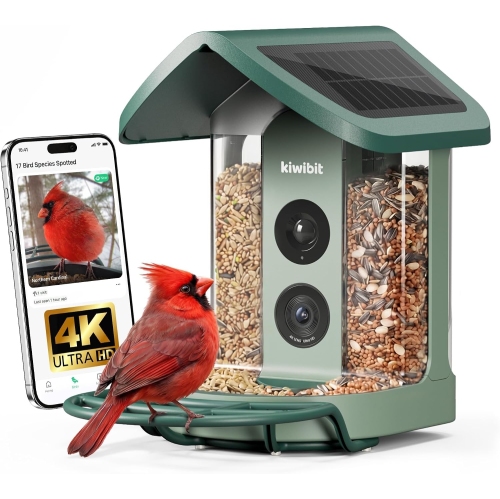
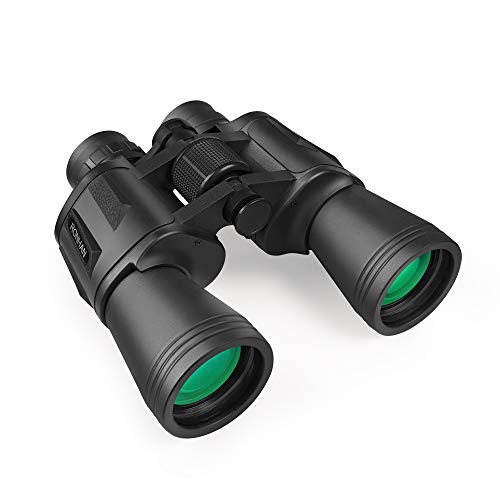
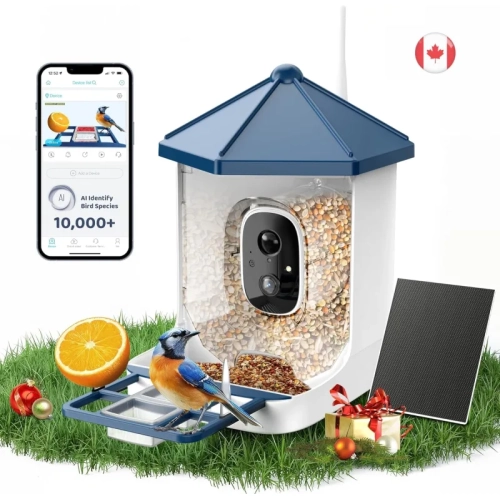
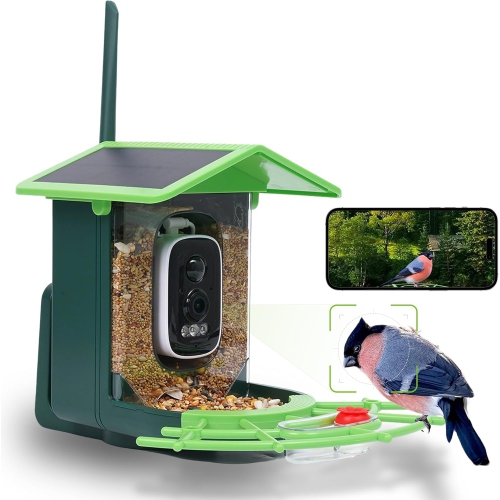
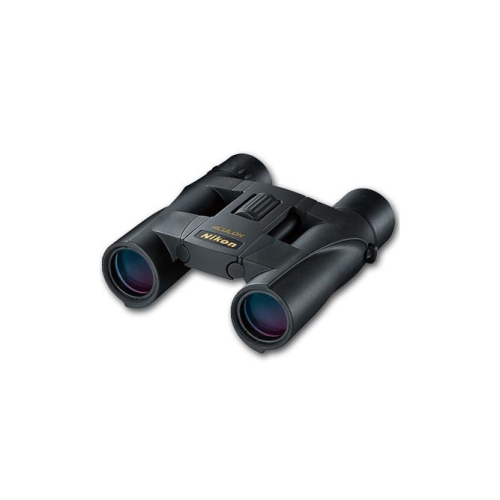
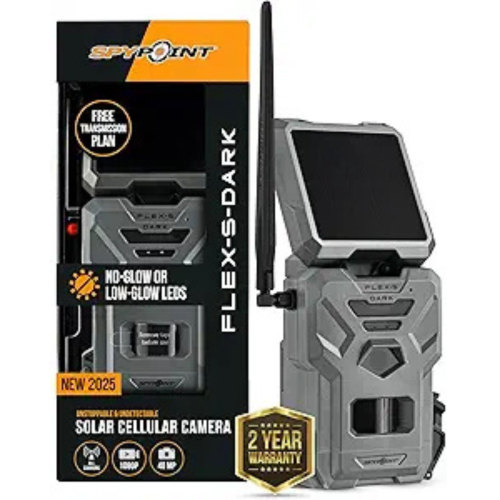
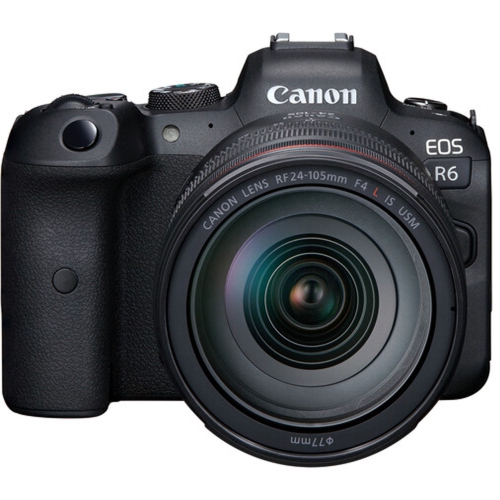
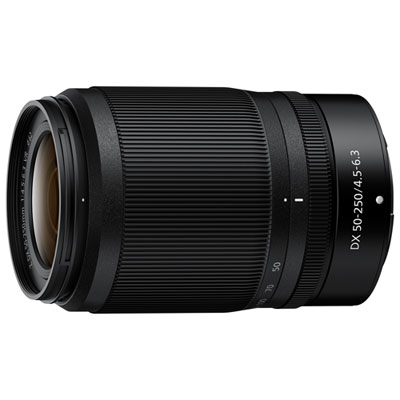
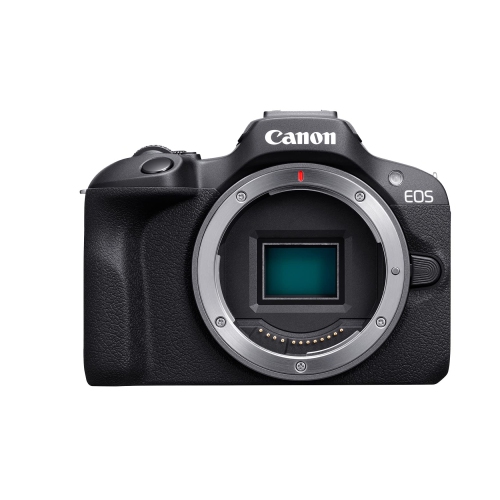
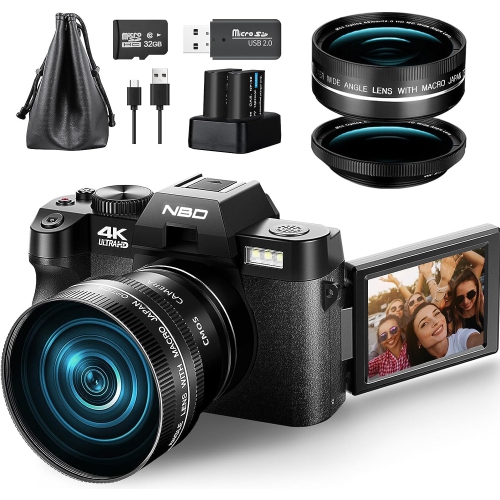
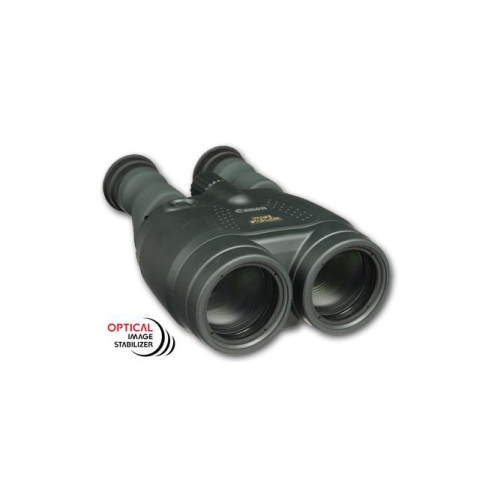
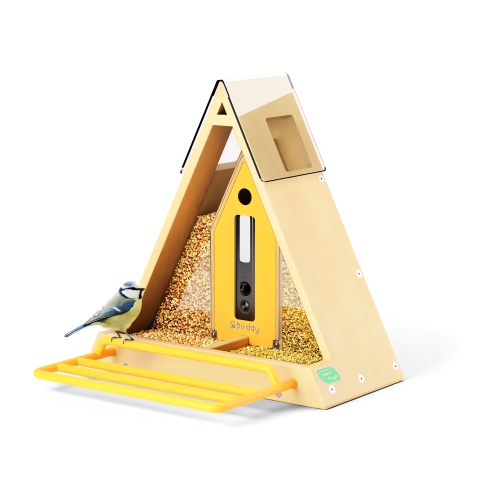
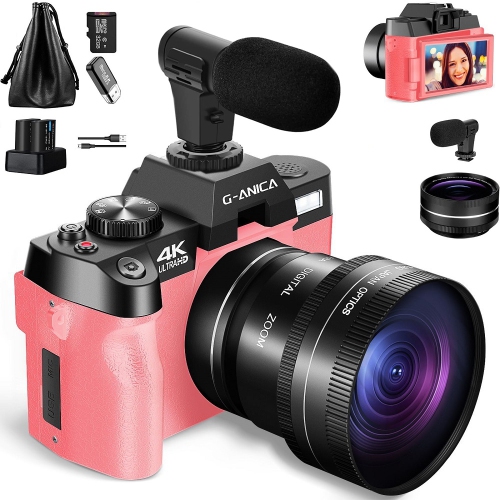
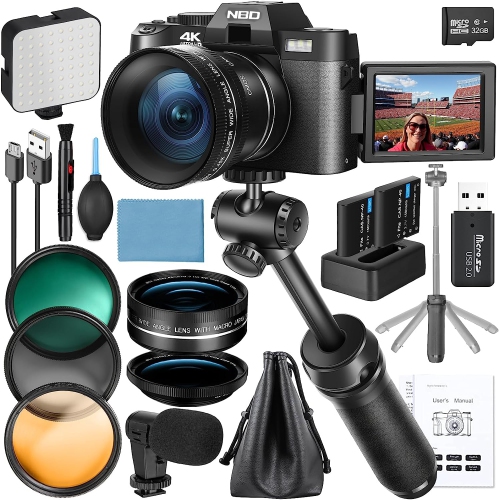
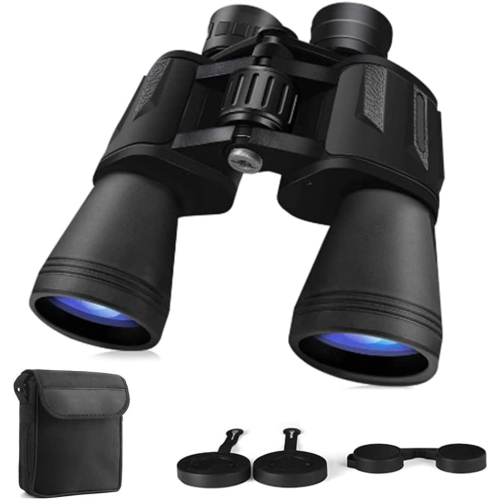
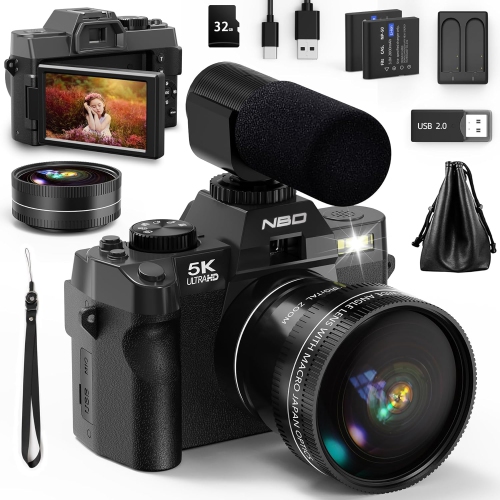
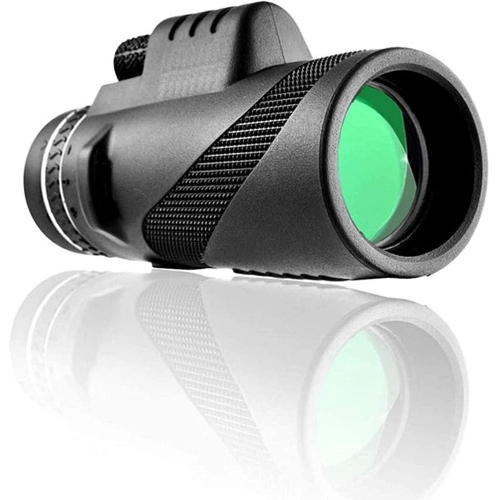
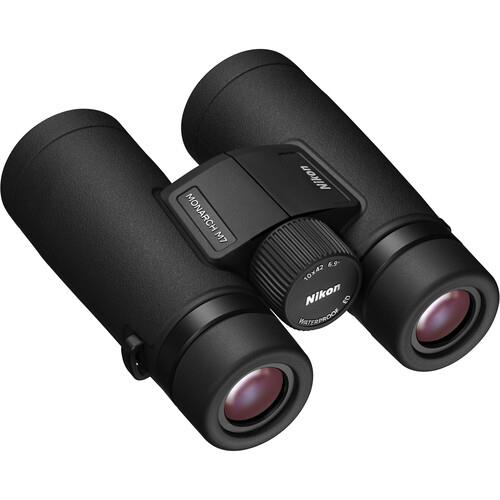
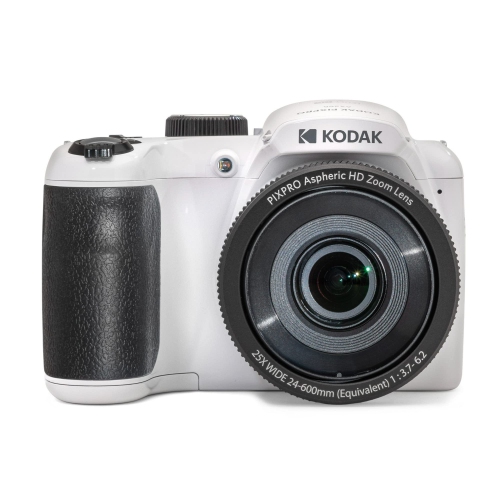
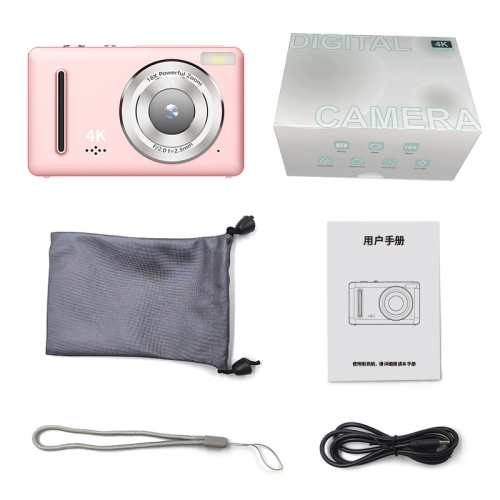
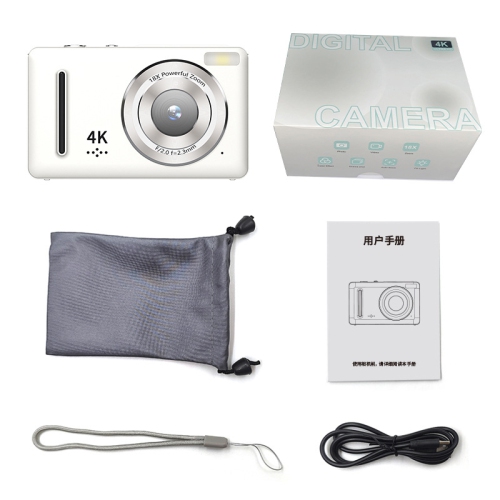
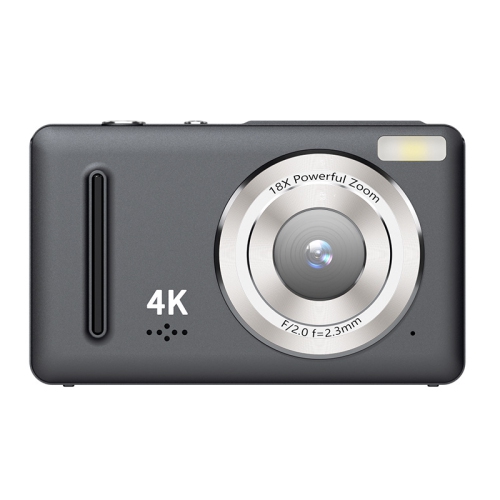

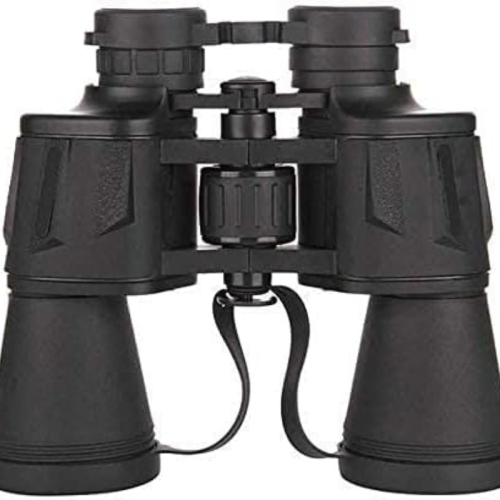
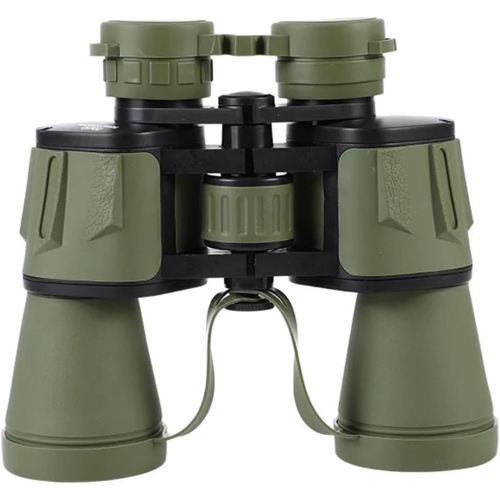
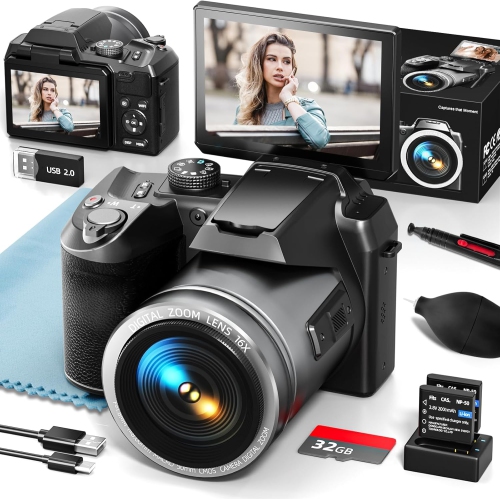
A closer look at the birds visiting your feeder
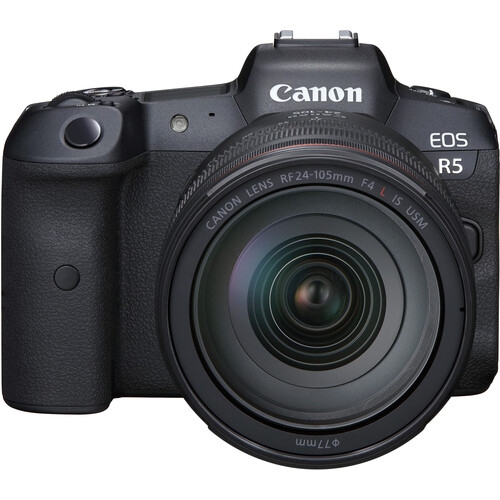
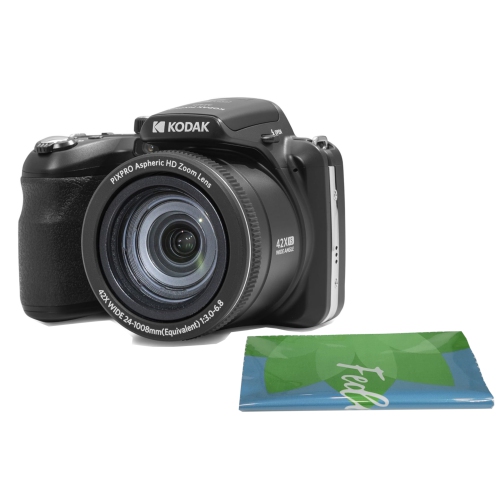
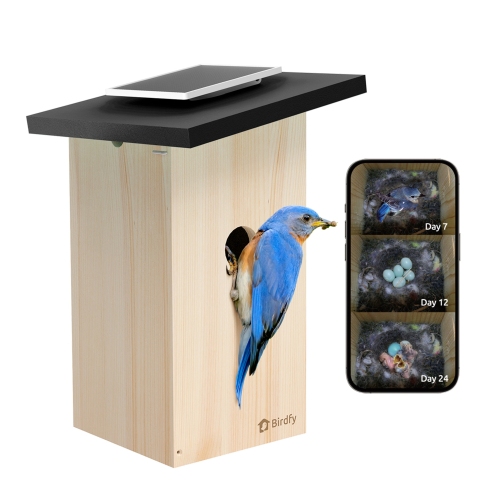
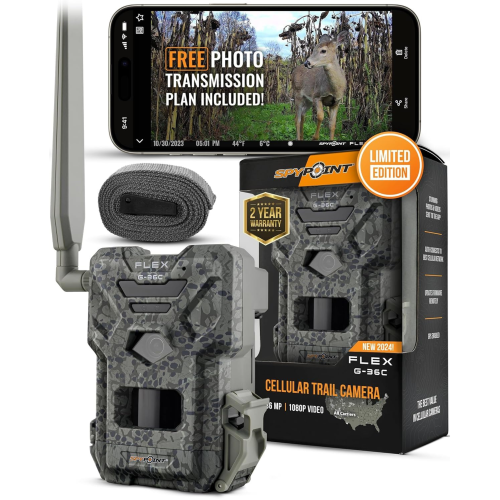
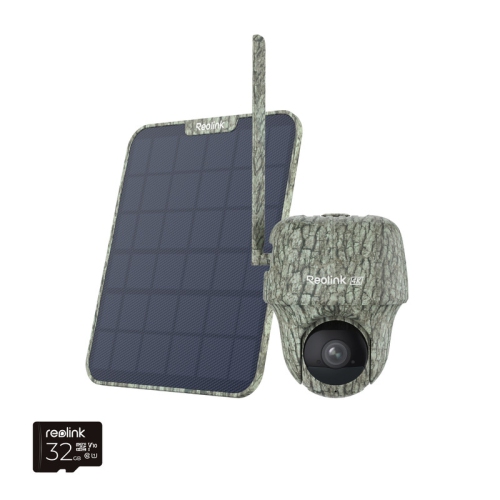
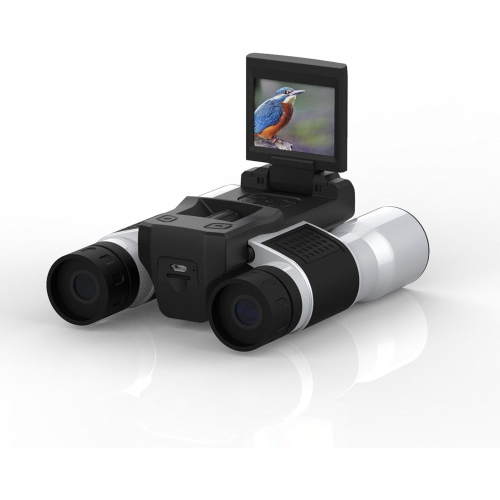
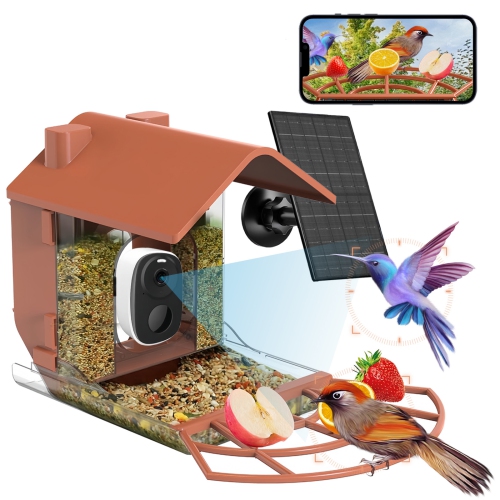
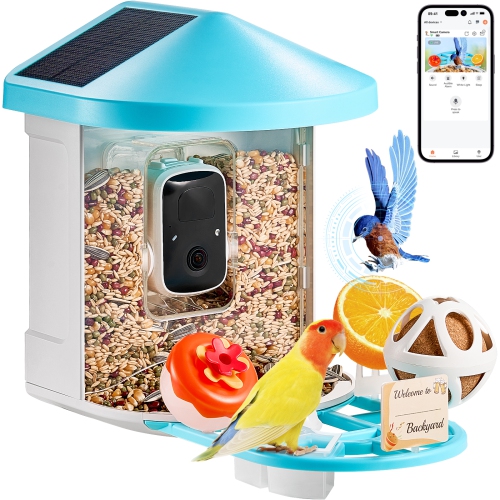
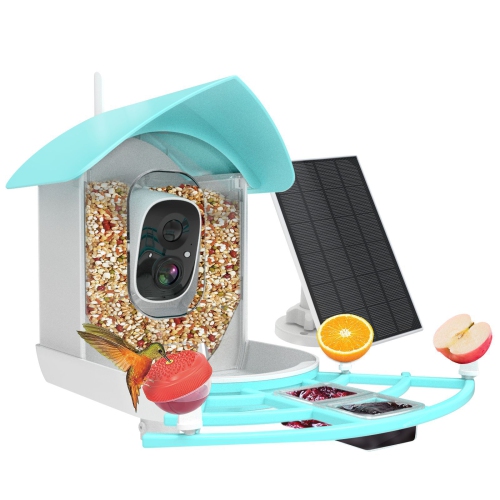
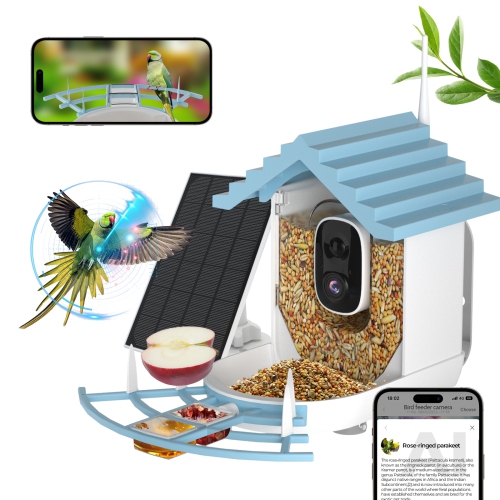
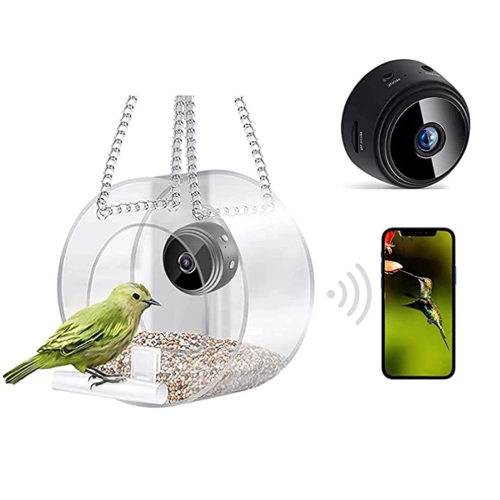
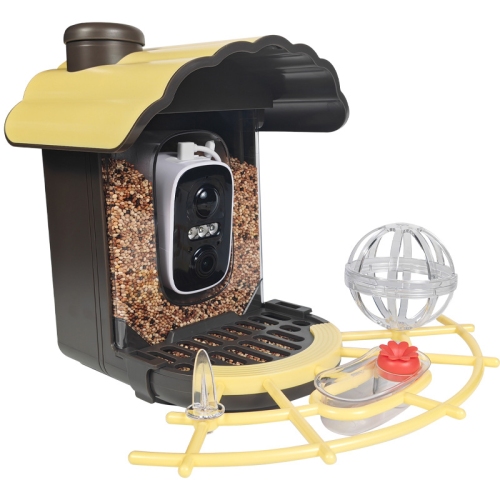
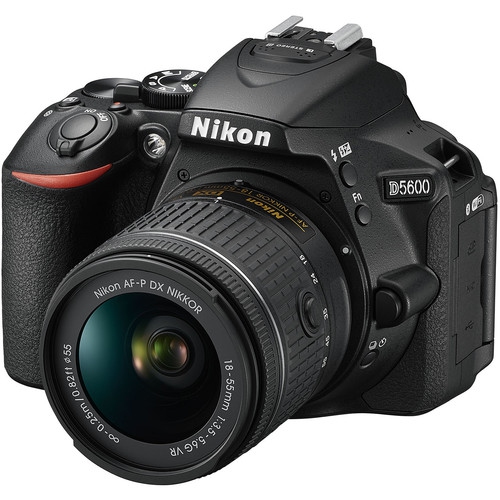
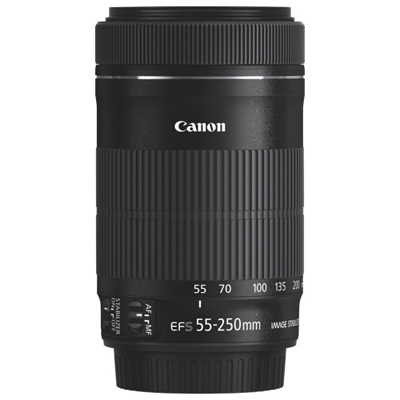
Cameras for bird watchers bring small, easily missed moments into view: a chickadee lifting a seed, a woodpecker pausing on a perch, or a pair of finches taking turns at a feeding tray. A bird watching camera captures photos or video of birds near a feeder, perch, or other observation point, allowing people to watch their behaviour without standing nearby. Smart bird feeder cameras combine a feeding station with a built-in camera, while stand-alone cameras can be positioned beside an existing feeder or another frequently visited spot. Depending on the model, connected features may include live viewing through an app, motion-triggered recordings, activity notifications, two-way audio, and automated species identification. These functions serve different purposes: a live view lets someone check in during a quiet break, while saved clips make it possible to revisit a brief visit that happened earlier. For a closer look at this type of setup, Bird Watching Cameras brings the focus to camera-based bird observation. The appeal extends beyond getting a sharp picture. Watching the same feeding spot over time can reveal which birds arrive together, how they handle different seeds, and where they pause before approaching. Families can use those recordings to practise identifying familiar visitors, and experienced birders can keep a visual record of markings or behaviours that were difficult to see in the moment. A feeder camera also makes a thoughtful gift for someone who enjoys watching birds from a kitchen window, especially when its controls and maintenance needs suit the recipient’s routine. For people who prefer photographing birds along walking paths or in parks, a handheld camera with a suitable telephoto lens offers a different experience, with more freedom to follow subjects and compose images. Fixed feeder cameras are better suited to observing a familiar location with minimal hands-on operation, rather than tracking distant birds in flight.
Image quality in a bird feeder camera depends on more than the resolution printed in its specifications. Video described as 2K or 4K can show fine feather detail, but focus distance, lens placement, lighting, and compression also influence what appears in a recording. A camera designed to focus close to its feeding tray may capture a crisp view of a bird’s face while leaving the background soft; a general-purpose camera positioned too close to the same tray may struggle to focus. A wide-angle lens can show several visitors and more of the surrounding perch, although birds may look smaller when they sit farther from the lens. The placement of the feeding area within the frame matters just as much. A clear view of the head, breast, wings, and tail can make identification easier than a tightly cropped image of a bird leaning into a seed opening. Motion detection helps collect visits automatically, but moving branches and activity beyond the feeder can also trigger recordings. Adjustable detection settings, where supported, allow the camera’s response to better suit its position. Prompt capture and a useful recording length can mean the difference between seeing a bird arrive and receiving a clip of an empty perch after it leaves. Automated bird identification can add context by suggesting a species, but it is best treated as a starting point rather than a guaranteed answer. Similar-looking birds, juveniles, unusual angles, and partly hidden markings can all affect a match. Comparing the suggested name with visible features and the species normally found in the area adds confidence. Audio recording, where included, may preserve calls alongside the footage, giving another clue about a visitor. Night-viewing capabilities also vary: some cameras record in infrared, while others need visible light for colour footage. Since many familiar feeder birds are active during daylight, clear close-range daytime images often matter more than an extensive list of night-viewing features.
A satisfying bird watching setup also depends on how comfortably the camera fits into daily life. For connected feeder cameras, the Wi-Fi signal needs to reach the installation point, not just the nearest room inside the home. Supported network bands vary, and a camera that requires a 2.4 GHz connection must be paired with a compatible network. App compatibility, shared access for household members, and straightforward controls can be particularly important when the camera is a gift. Recording arrangements differ too: some cameras save clips to a memory card, some use an online account, and others support both. Storage capacity, clip retention, and the ability to download a favourite recording affect how easily a collection of visits can be kept. Power arrangements deserve similar attention. A rechargeable camera should be accessible for charging, while a wired installation needs a suitable power connection and careful cable routing away from feeding areas. The feeder itself is part of the experience, not merely a holder for the lens. Smooth surfaces, removable trays, and accessible seed compartments make regular cleaning easier, and durable plastics or corrosion-resistant metal components can stand up to repeated handling. A secure mounting bracket helps keep the view steady as birds land, while a stable perch gives them a place to pause within the camera’s focus range. Feeder capacity should suit the level of bird activity and the owner’s cleaning routine rather than simply being as large as possible. Seed buildup and droppings need regular attention, and feeders should be cleaned according to appropriate bird-feeding guidance. The camera module may need to be removed before washing, following the manufacturer’s care instructions. A soft lens-safe cloth can help clear smudges without scratching the viewing surface. Thoughtful positioning keeps feeding activity away from pets, avoids unnecessary disturbance around nests, and reduces window-collision risks through appropriate placement and window treatments. With the camera, feeder, mounting position, and viewing features working together, everyday visits become easier to observe, save, and share without turning a simple pleasure into a complicated routine.
Image quality in a bird feeder camera depends on more than the resolution printed in its specifications. Video described as 2K or 4K can show fine feather detail, but focus distance, lens placement, lighting, and compression also influence what appears in a recording. A camera designed to focus close to its feeding tray may capture a crisp view of a bird’s face while leaving the background soft; a general-purpose camera positioned too close to the same tray may struggle to focus. A wide-angle lens can show several visitors and more of the surrounding perch, although birds may look smaller when they sit farther from the lens. The placement of the feeding area within the frame matters just as much. A clear view of the head, breast, wings, and tail can make identification easier than a tightly cropped image of a bird leaning into a seed opening. Motion detection helps collect visits automatically, but moving branches and activity beyond the feeder can also trigger recordings. Adjustable detection settings, where supported, allow the camera’s response to better suit its position. Prompt capture and a useful recording length can mean the difference between seeing a bird arrive and receiving a clip of an empty perch after it leaves. Automated bird identification can add context by suggesting a species, but it is best treated as a starting point rather than a guaranteed answer. Similar-looking birds, juveniles, unusual angles, and partly hidden markings can all affect a match. Comparing the suggested name with visible features and the species normally found in the area adds confidence. Audio recording, where included, may preserve calls alongside the footage, giving another clue about a visitor. Night-viewing capabilities also vary: some cameras record in infrared, while others need visible light for colour footage. Since many familiar feeder birds are active during daylight, clear close-range daytime images often matter more than an extensive list of night-viewing features.
A satisfying bird watching setup also depends on how comfortably the camera fits into daily life. For connected feeder cameras, the Wi-Fi signal needs to reach the installation point, not just the nearest room inside the home. Supported network bands vary, and a camera that requires a 2.4 GHz connection must be paired with a compatible network. App compatibility, shared access for household members, and straightforward controls can be particularly important when the camera is a gift. Recording arrangements differ too: some cameras save clips to a memory card, some use an online account, and others support both. Storage capacity, clip retention, and the ability to download a favourite recording affect how easily a collection of visits can be kept. Power arrangements deserve similar attention. A rechargeable camera should be accessible for charging, while a wired installation needs a suitable power connection and careful cable routing away from feeding areas. The feeder itself is part of the experience, not merely a holder for the lens. Smooth surfaces, removable trays, and accessible seed compartments make regular cleaning easier, and durable plastics or corrosion-resistant metal components can stand up to repeated handling. A secure mounting bracket helps keep the view steady as birds land, while a stable perch gives them a place to pause within the camera’s focus range. Feeder capacity should suit the level of bird activity and the owner’s cleaning routine rather than simply being as large as possible. Seed buildup and droppings need regular attention, and feeders should be cleaned according to appropriate bird-feeding guidance. The camera module may need to be removed before washing, following the manufacturer’s care instructions. A soft lens-safe cloth can help clear smudges without scratching the viewing surface. Thoughtful positioning keeps feeding activity away from pets, avoids unnecessary disturbance around nests, and reduces window-collision risks through appropriate placement and window treatments. With the camera, feeder, mounting position, and viewing features working together, everyday visits become easier to observe, save, and share without turning a simple pleasure into a complicated routine.
Top selling and popular products
-
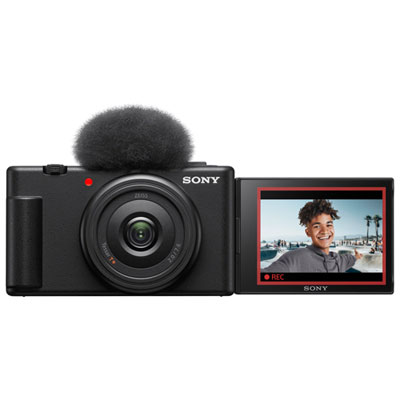 Your price for this item is $649.99
 -
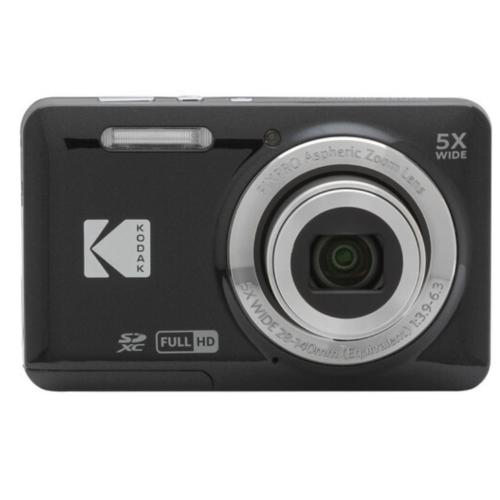 Your price for this item is $253
 -
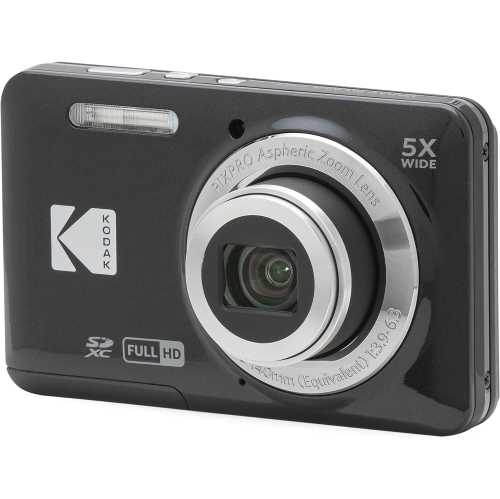 Your price for this item is $255
 -
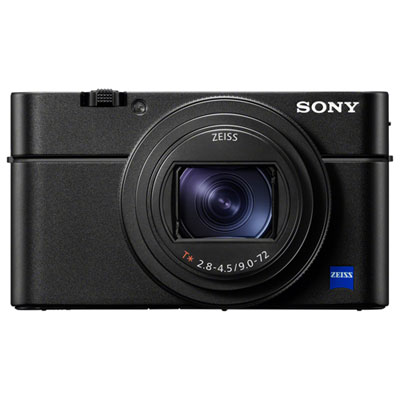 Your price for this item is $1999.99
 -
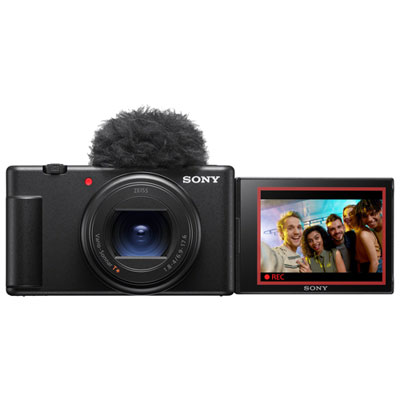 Your price for this item is $1199.99
 -
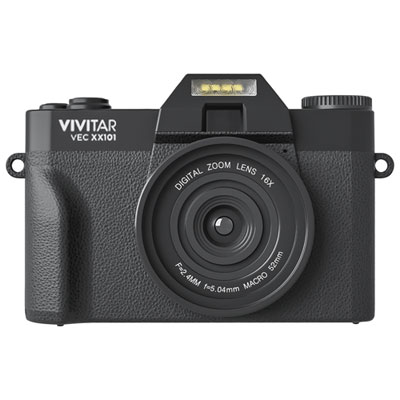 Your price for this item is $199.99
 -
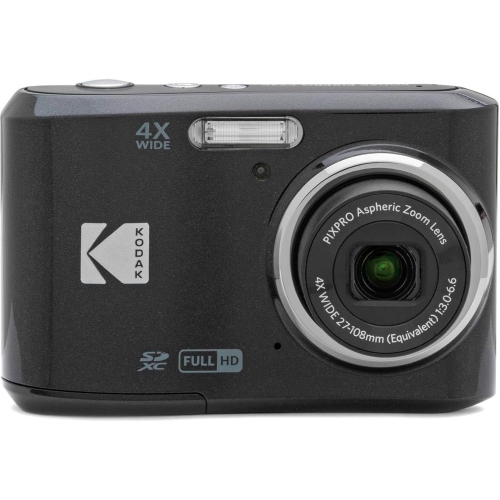 Your price for this item is $185
 -
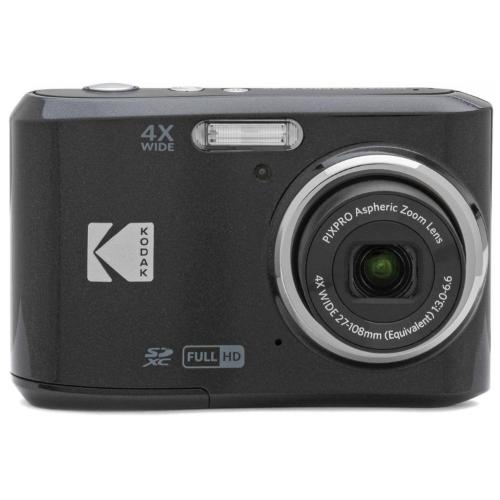 Your price for this item is $278
Discover more categories related to Cameras for Bird Watchers
Top Collections:
Pokemon Centers, Kindle Devices, Best Budget Office Chairs, Apple iPhones 16, Best Laptops for Writers, iPhone 15 Apple, Canon G7X Cameras, Refurbished Apple Laptops, Alarm Clock, Motorola Razr Phones
Some products may be subject to Environmental Handling Fees
(EHF) depending on your province.
Learn more about EHFs.