Trail Cameras
Capture stunning wildlife images and monitor your property with our wide selection of trail cameras. Whether you're an avid hunter, a nature enthusiast, or simply looking to enhance your home security, these versatile devices offer a discreet and reliable way to keep an eye on your surroundings. With advanced features such as high-resolution image capture, motion detection, and long battery life, our trail cameras are designed to deliver crisp and clear visuals day or night. Explore our range of options to find the perfect trail camera for your needs and start capturing those unforgettable moments in the great outdoors.
Sort
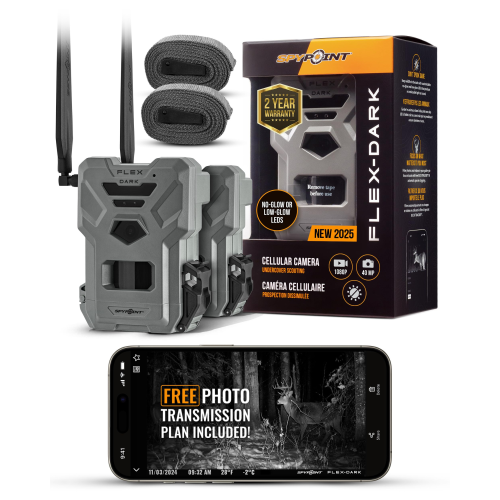
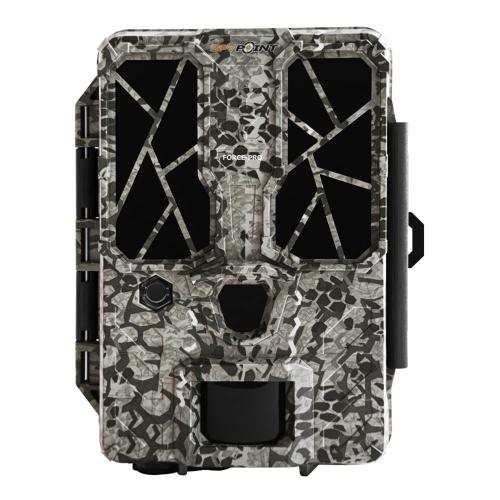
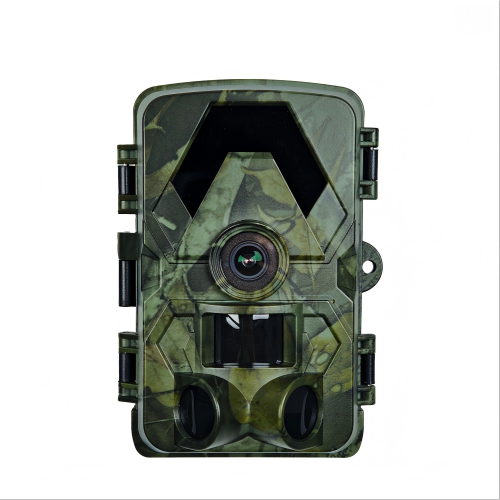
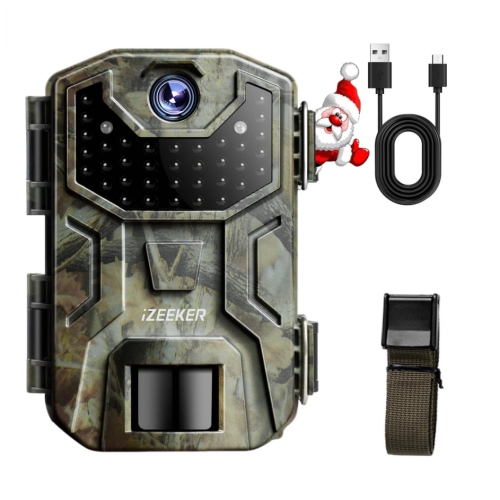
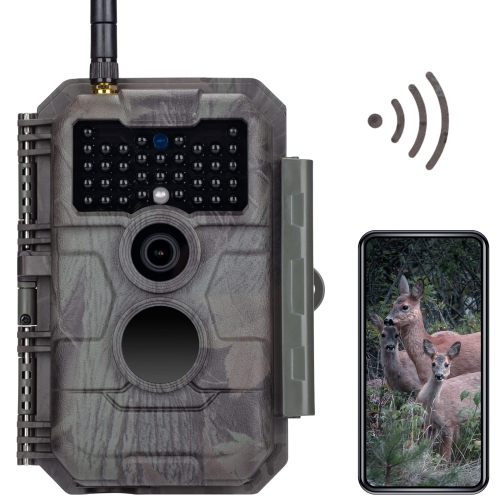
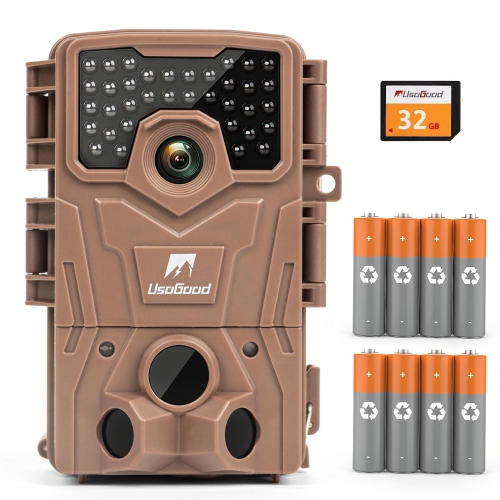
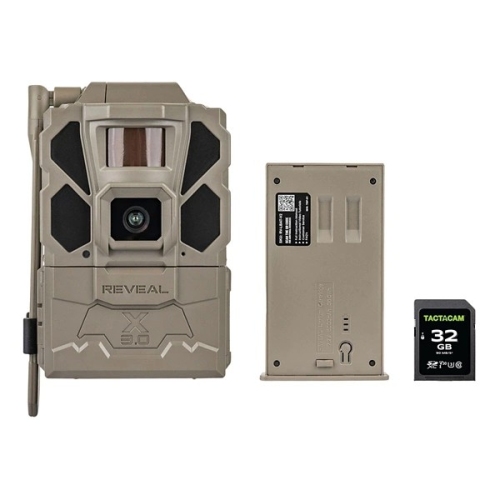
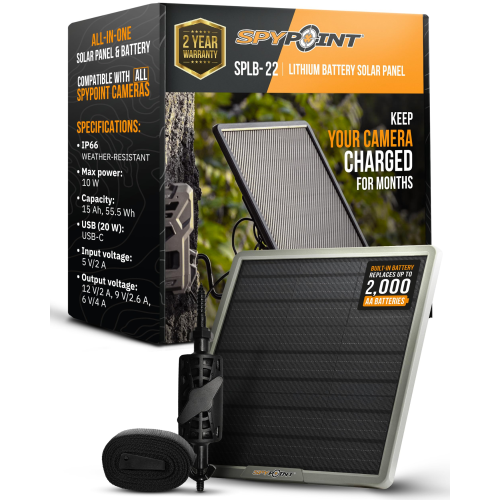
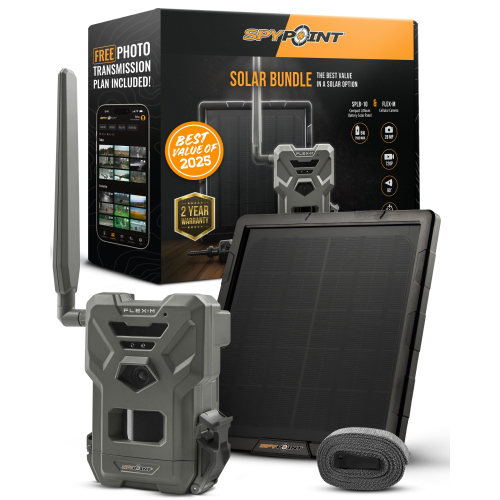
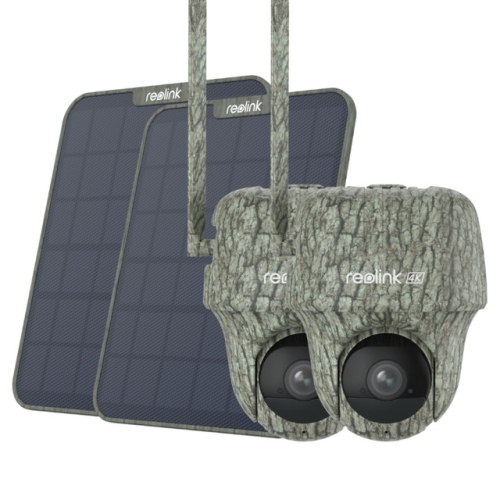
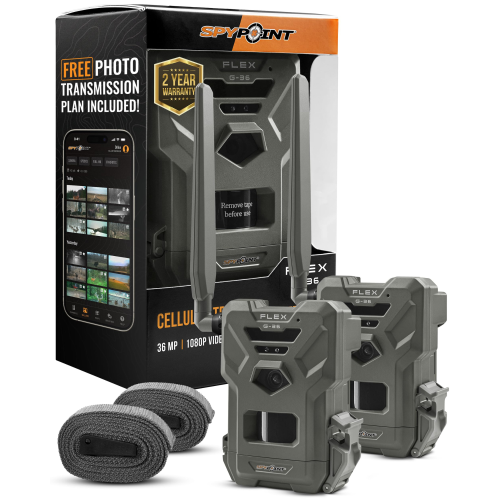
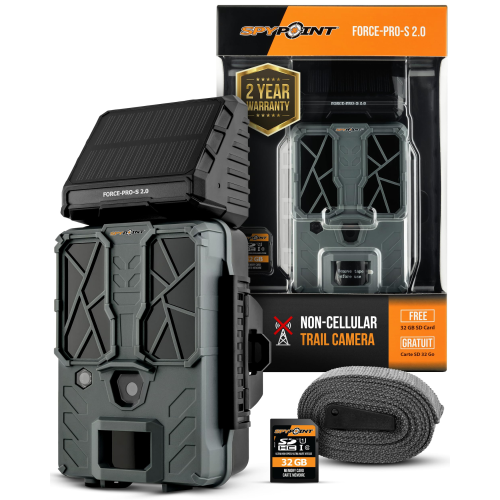

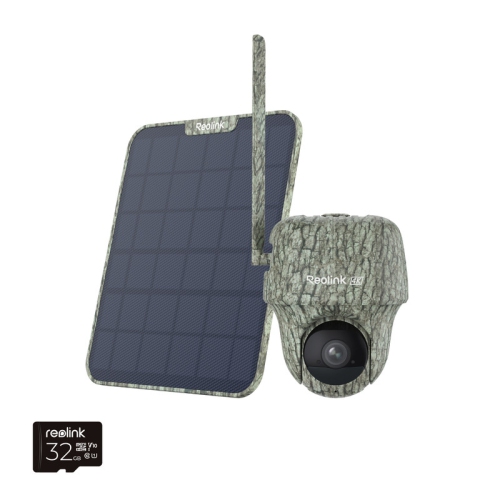
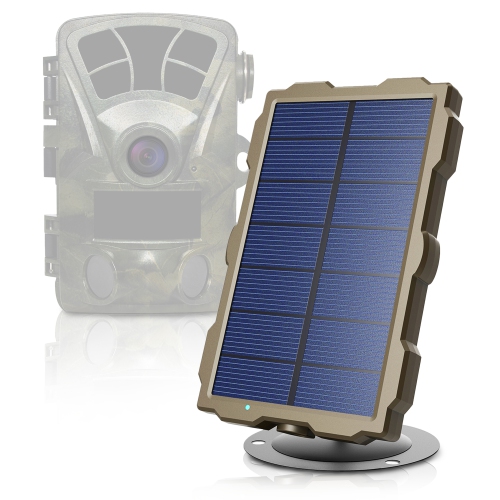

See what happens outdoors when no one’s watching
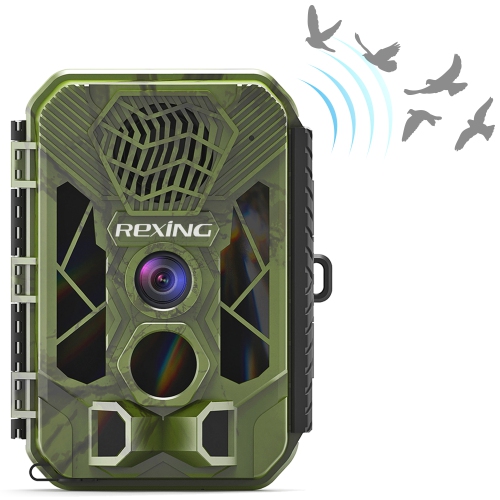
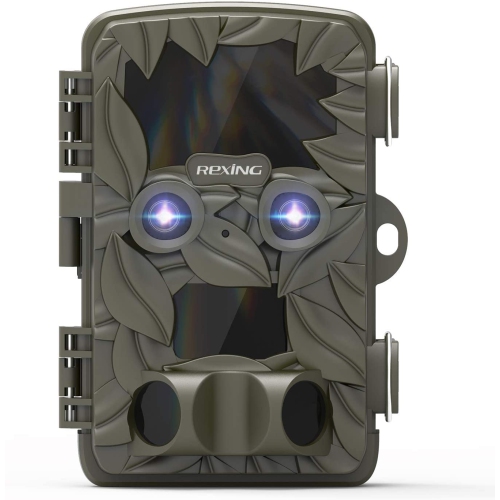
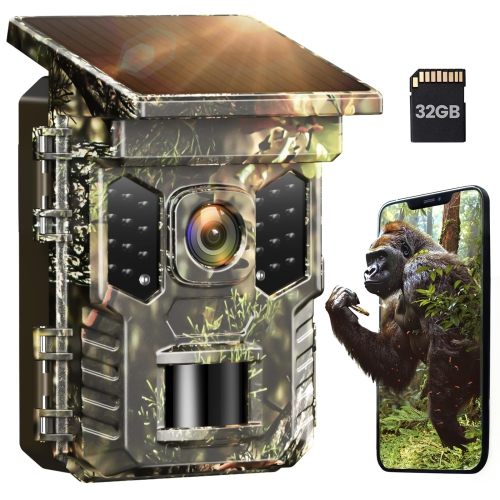
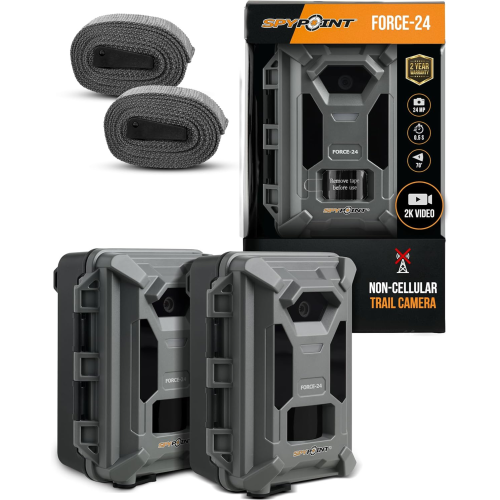
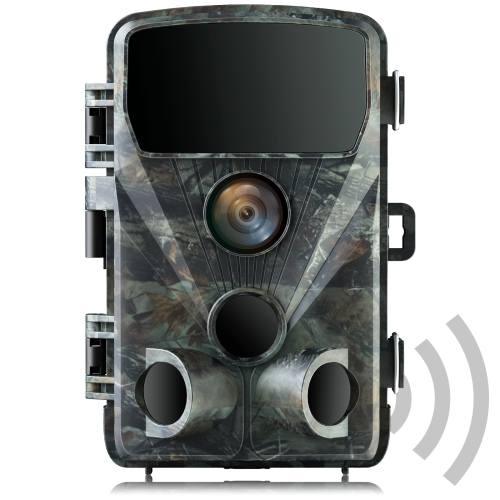
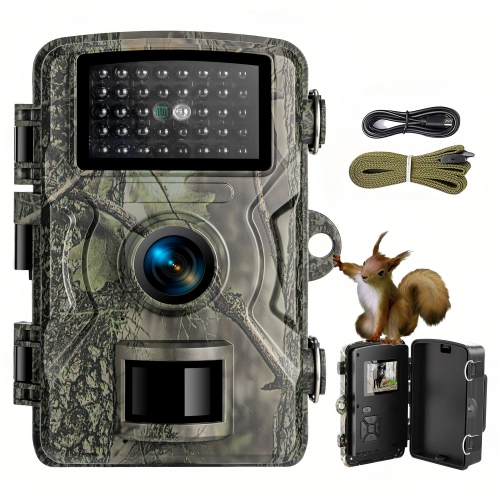
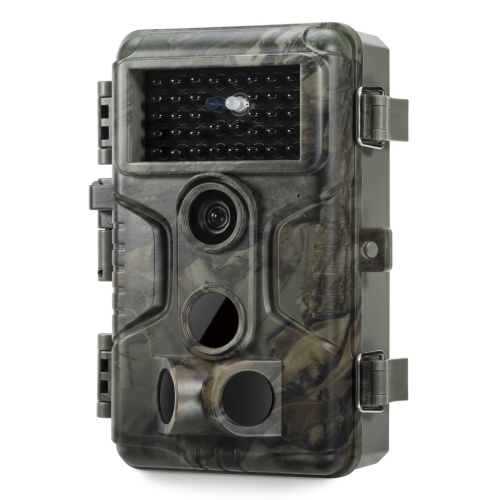
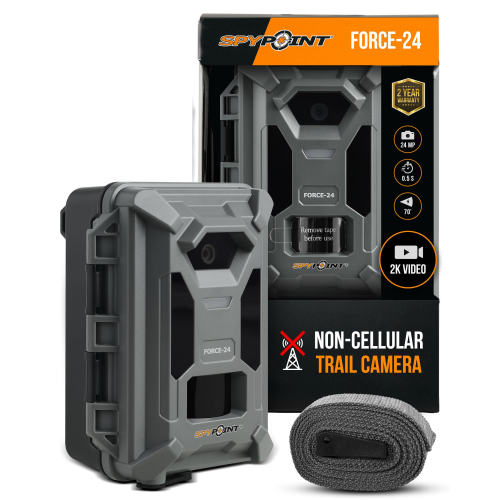
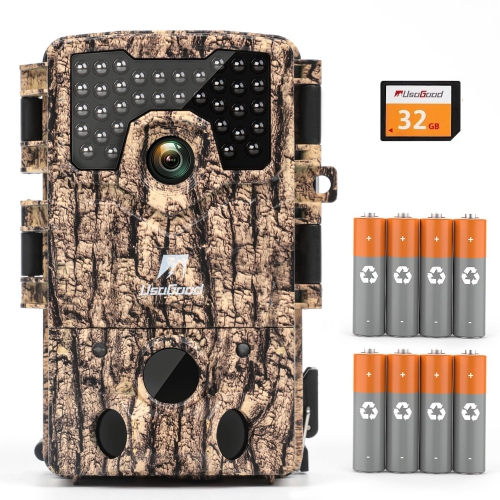
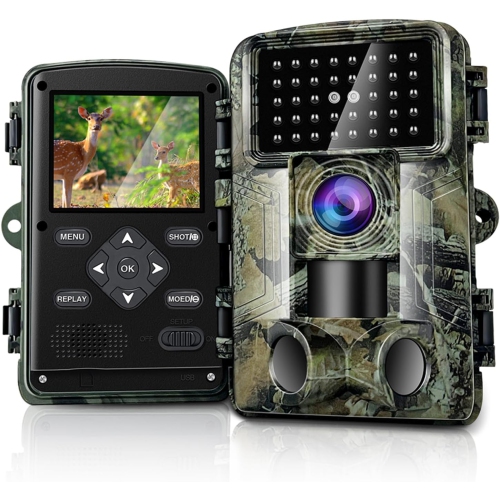
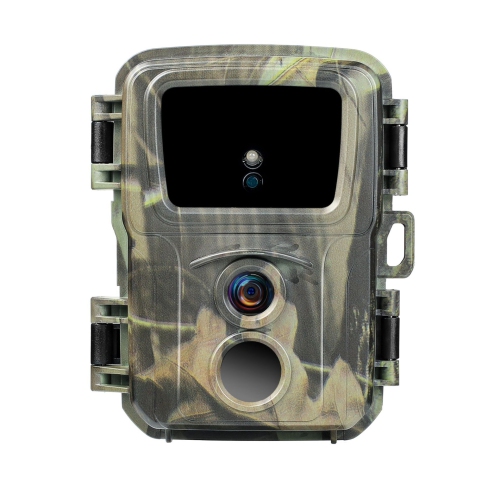
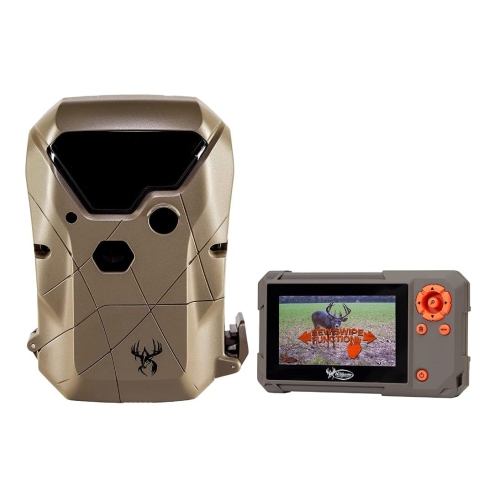
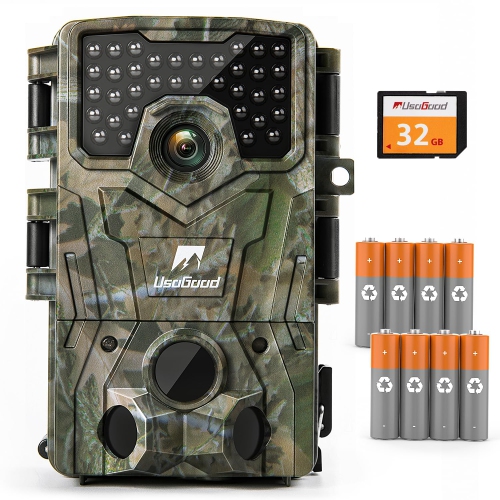
Trail cameras are motion-activated cameras designed to photograph or record activity outdoors, often in places that are difficult to observe for long periods. They are commonly used to scout wildlife, monitor game trails, watch birds and other animals, check remote areas of a property, or keep an eye on outdoor equipment and access points. Once mounted to a tree, post, building, or other stable surface, a trail camera can remain in place while its motion sensor waits for movement. When an animal or person enters its detection zone, the camera captures a still image, a burst of photos, or a video clip, depending on the selected settings. This makes trail cameras useful for anyone who enjoys nature observation but cannot spend every hour outdoors. A family might use one to discover which animals pass through a wooded section of a rural property, while a wildlife enthusiast may place one near a feeder, pond, nesting area, or well-used path. Hunters and outdoor users may also use them to understand patterns of movement before heading into the field. For related recording options, explore Hunting Video Cameras. Trail cameras can also make thoughtful gifts for people who enjoy camping, hiking, birdwatching, fishing, hunting, photography, or spending time at a cottage. The appeal is in the small discoveries: a fox crossing through the frame at first light, a deer pausing beneath the trees, or a family of raccoons appearing after dark. Because the camera works independently, it can reveal activity that would otherwise go unnoticed and create a clearer picture of what is happening around a property over days or weeks.
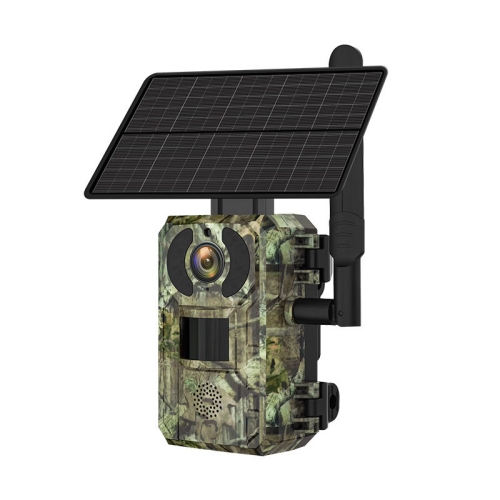
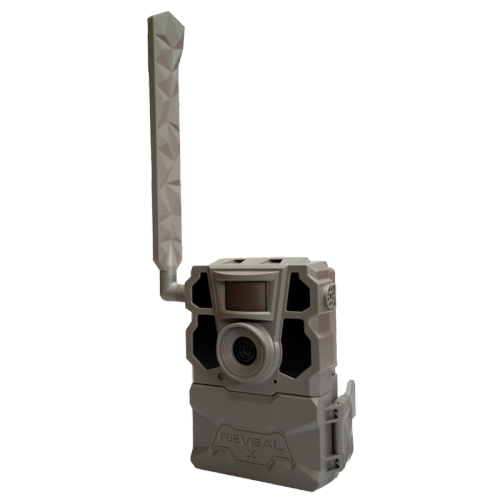
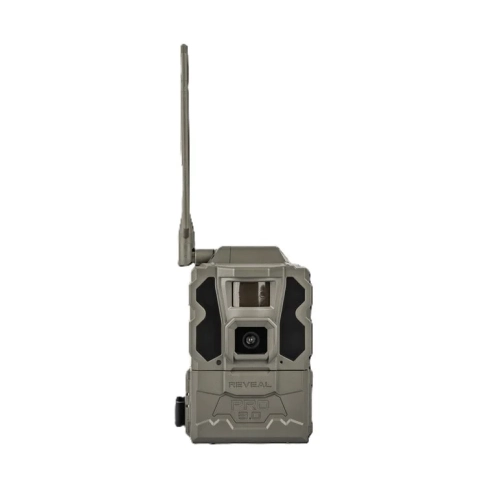
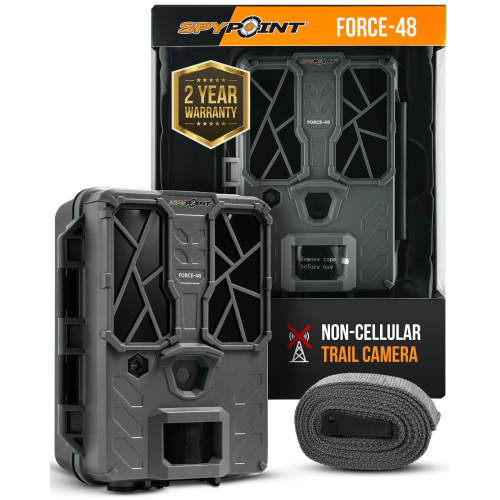
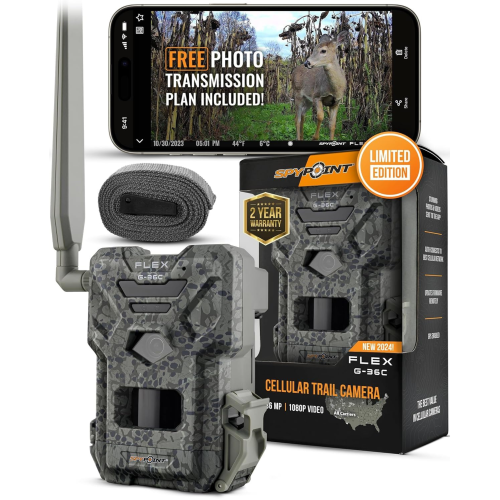
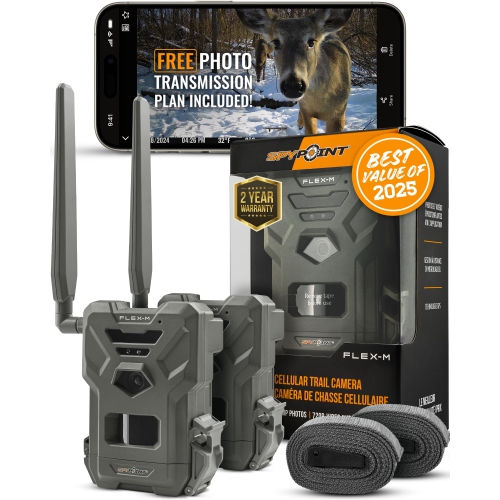
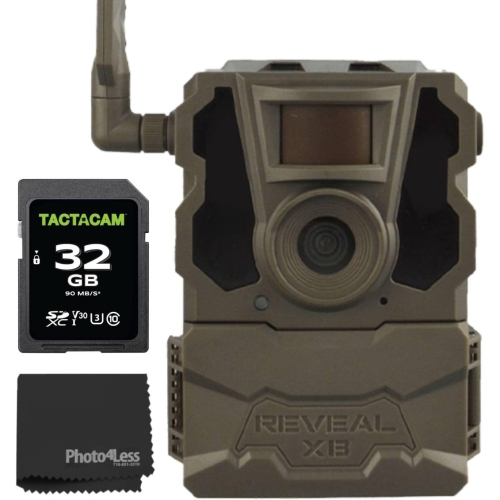
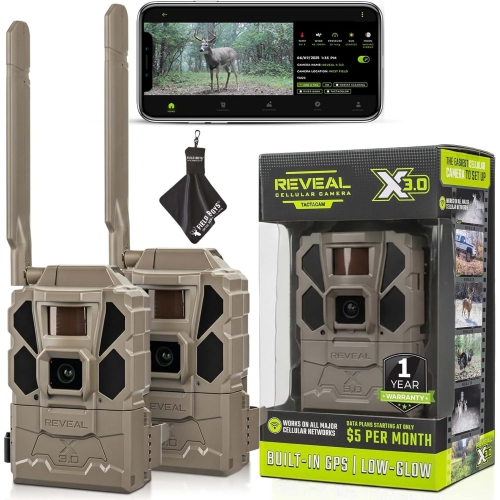
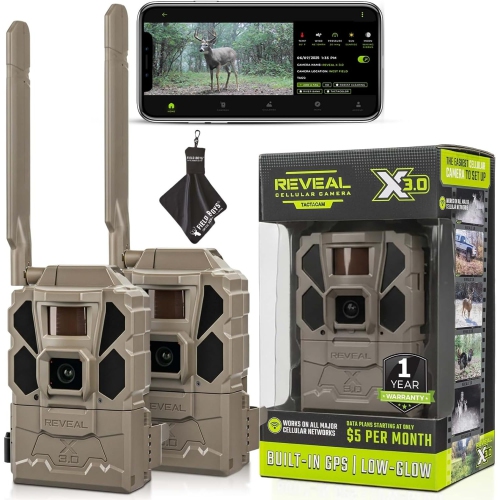
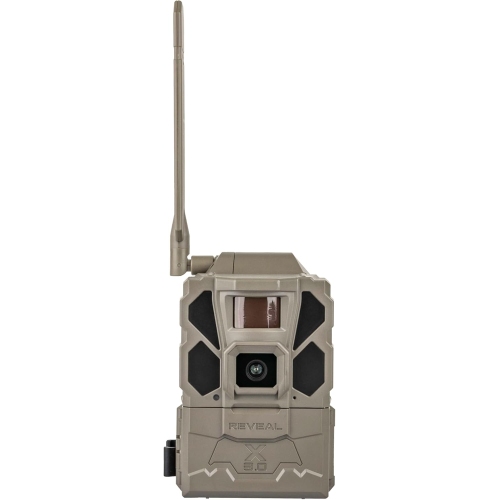
The main choice is between a traditional trail camera that stores recordings on a memory card and a cellular or wireless model that sends photos to a phone or app. SD-card cameras typically record images locally, making them a straightforward choice for users who prefer to collect the card and review files in person. They can be well suited to a nearby property, a frequently visited hunting area, or a location where cellular coverage is limited. Cellular trail cameras transmit images over a compatible mobile network, allowing users to check activity without travelling to the camera. This can be especially convenient when the camera is positioned on a distant trail, across a large property, or in a location that is challenging to reach during cooler months. Cellular models may require a separate data plan, so it is worth confirming network compatibility, coverage, activation requirements, and any ongoing service costs before choosing one. Some cameras offer both photo and video capture, while others focus on efficient still images to preserve storage and battery power. Resolution matters when identifying animals, reading details in a scene, or reviewing footage on a larger screen, but a high pixel count is only one part of image quality. Look for a useful field of view, dependable focus, clear motion capture, and settings that can be adjusted for the surroundings. Trigger speed indicates how quickly the camera takes a picture after its sensor detects movement; a trigger speed under 0.4 seconds can help capture an animal before it moves out of frame. Detection range is also important, particularly on an open trail or across a clearing, while a shorter range may be preferable in a dense area where branches and leaves could cause unwanted recordings. Adjustable sensitivity, time-lapse modes, scheduled operation, and multi-shot settings can help tailor the camera to a specific location. A camera positioned near a narrow path may need different settings from one facing a broad field, and taking a few test images after installation can help reveal whether the framing and detection zone are working as expected.
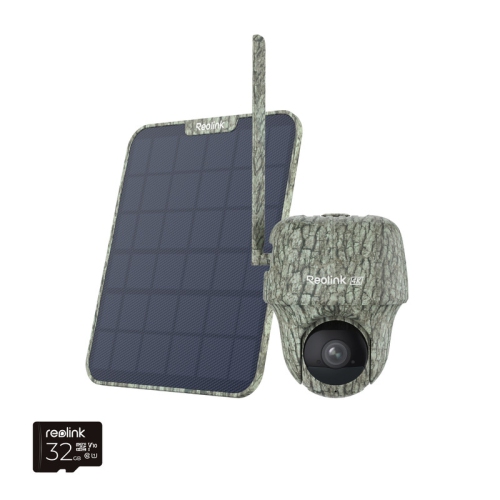
Night-time performance is another important consideration because many animals are most active after sunset. Infrared night vision allows a trail camera to capture monochrome images in low-light conditions, with low-glow or no-glow infrared LEDs helping reduce visible illumination that could disturb wildlife or draw attention to the camera. No-glow operation may be preferable for cautious animals or discreet property monitoring, while low-glow systems can still provide detailed night images in many situations. Battery life depends on factors such as temperature, network activity, video length, trigger frequency, and how often the camera transmits files. A camera in a busy area may use more power than one in a quiet location, especially when it records long video clips or sends frequent cellular alerts. Consider models with efficient standby operation, external power compatibility, or solar charging options when the camera will be installed in a remote place for an extended period. Weather resistance is essential for outdoor use, as the housing must withstand rain, dust, changing temperatures, and occasional snow or frost during the cooler months. Secure mounting, lockable compartments, password protection, and camouflage-style finishes can help keep the camera stable and less noticeable, although placement should always respect property boundaries and local rules. Newer connected models may include mobile notifications, cloud storage, image sorting, and smart alerts that help identify categories such as people, vehicles, deer, or antlers, reducing the time spent reviewing empty frames. Before setting up any trail camera, check local regulations regarding wildlife monitoring, hunting, privacy, and placement near neighbouring properties or public areas. With the right combination of detection speed, night vision, power management, connectivity, storage, and weather protection, a trail camera becomes a practical way to observe outdoor activity and preserve the moments that happen when no one is watching.
The main choice is between a traditional trail camera that stores recordings on a memory card and a cellular or wireless model that sends photos to a phone or app. SD-card cameras typically record images locally, making them a straightforward choice for users who prefer to collect the card and review files in person. They can be well suited to a nearby property, a frequently visited hunting area, or a location where cellular coverage is limited. Cellular trail cameras transmit images over a compatible mobile network, allowing users to check activity without travelling to the camera. This can be especially convenient when the camera is positioned on a distant trail, across a large property, or in a location that is challenging to reach during cooler months. Cellular models may require a separate data plan, so it is worth confirming network compatibility, coverage, activation requirements, and any ongoing service costs before choosing one. Some cameras offer both photo and video capture, while others focus on efficient still images to preserve storage and battery power. Resolution matters when identifying animals, reading details in a scene, or reviewing footage on a larger screen, but a high pixel count is only one part of image quality. Look for a useful field of view, dependable focus, clear motion capture, and settings that can be adjusted for the surroundings. Trigger speed indicates how quickly the camera takes a picture after its sensor detects movement; a trigger speed under 0.4 seconds can help capture an animal before it moves out of frame. Detection range is also important, particularly on an open trail or across a clearing, while a shorter range may be preferable in a dense area where branches and leaves could cause unwanted recordings. Adjustable sensitivity, time-lapse modes, scheduled operation, and multi-shot settings can help tailor the camera to a specific location. A camera positioned near a narrow path may need different settings from one facing a broad field, and taking a few test images after installation can help reveal whether the framing and detection zone are working as expected.
Night-time performance is another important consideration because many animals are most active after sunset. Infrared night vision allows a trail camera to capture monochrome images in low-light conditions, with low-glow or no-glow infrared LEDs helping reduce visible illumination that could disturb wildlife or draw attention to the camera. No-glow operation may be preferable for cautious animals or discreet property monitoring, while low-glow systems can still provide detailed night images in many situations. Battery life depends on factors such as temperature, network activity, video length, trigger frequency, and how often the camera transmits files. A camera in a busy area may use more power than one in a quiet location, especially when it records long video clips or sends frequent cellular alerts. Consider models with efficient standby operation, external power compatibility, or solar charging options when the camera will be installed in a remote place for an extended period. Weather resistance is essential for outdoor use, as the housing must withstand rain, dust, changing temperatures, and occasional snow or frost during the cooler months. Secure mounting, lockable compartments, password protection, and camouflage-style finishes can help keep the camera stable and less noticeable, although placement should always respect property boundaries and local rules. Newer connected models may include mobile notifications, cloud storage, image sorting, and smart alerts that help identify categories such as people, vehicles, deer, or antlers, reducing the time spent reviewing empty frames. Before setting up any trail camera, check local regulations regarding wildlife monitoring, hunting, privacy, and placement near neighbouring properties or public areas. With the right combination of detection speed, night vision, power management, connectivity, storage, and weather protection, a trail camera becomes a practical way to observe outdoor activity and preserve the moments that happen when no one is watching.
Top selling and popular products
-
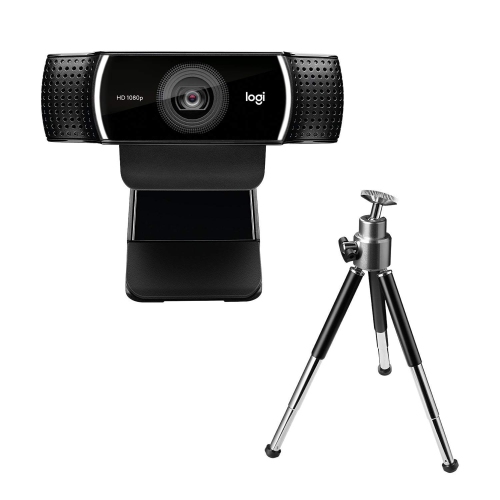 Your price for this item is $114.99
 -
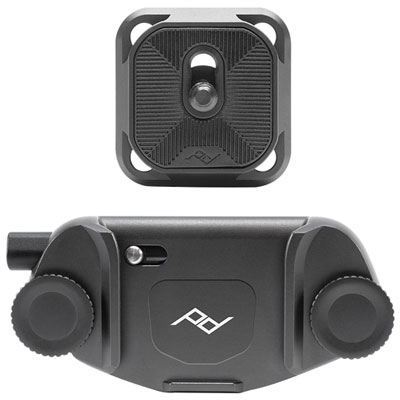 Your price for this item is $109.99
 -
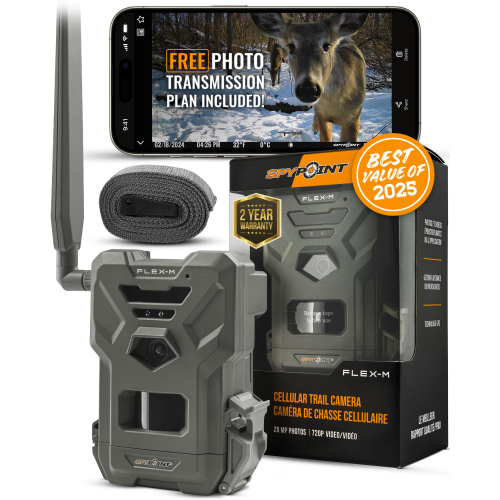 Your price for this item is $159.99
 -
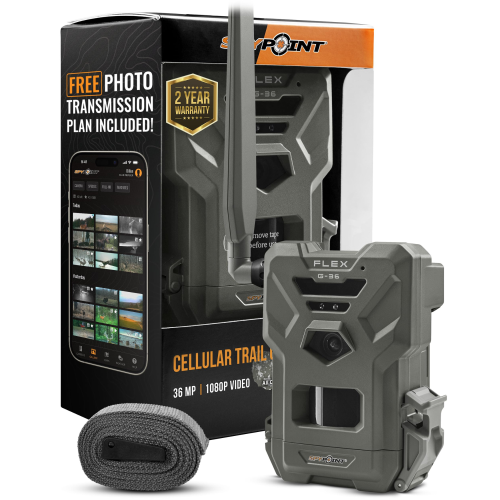 Your price for this item is $189.99
 -
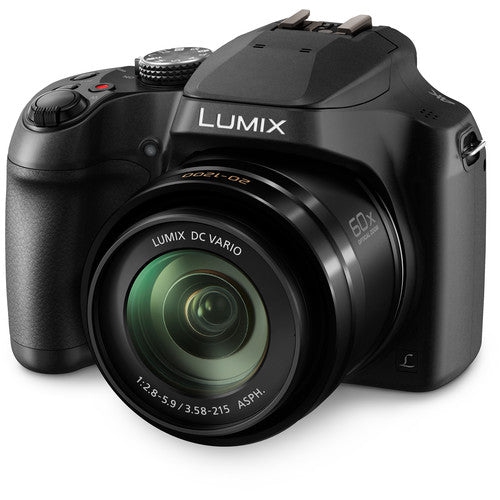 Your price for this item is $1710
 -
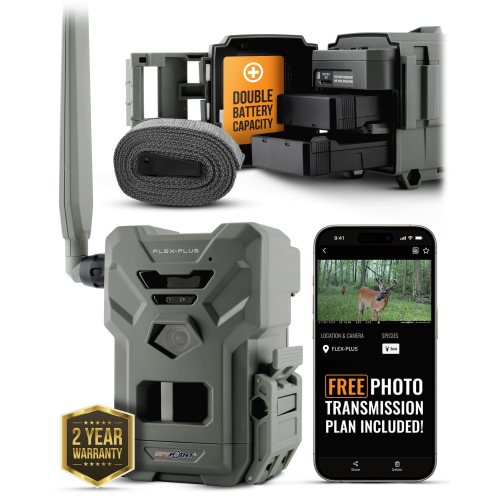 Your price for this item is $149.99
 -
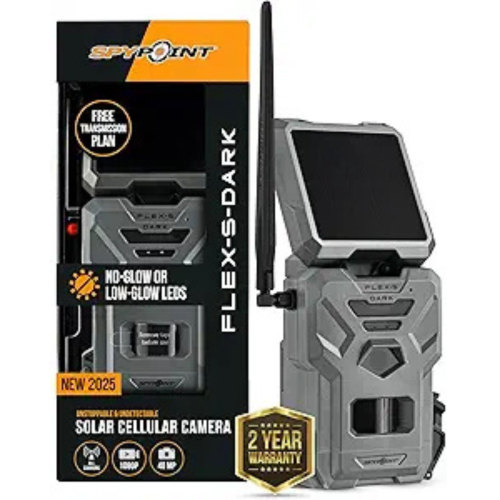 Your price for this item is $199.99
 -
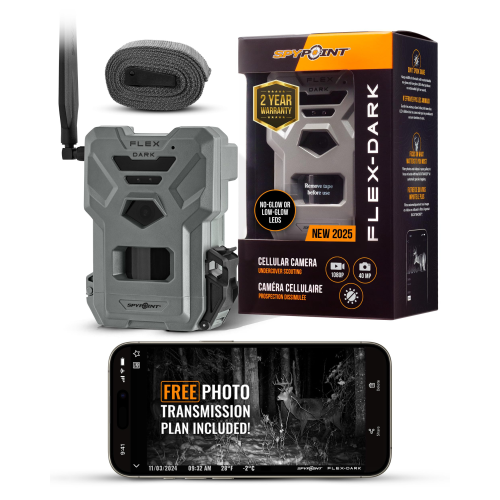 Your price for this item is $189.99
Discover more categories related to Trail Cameras
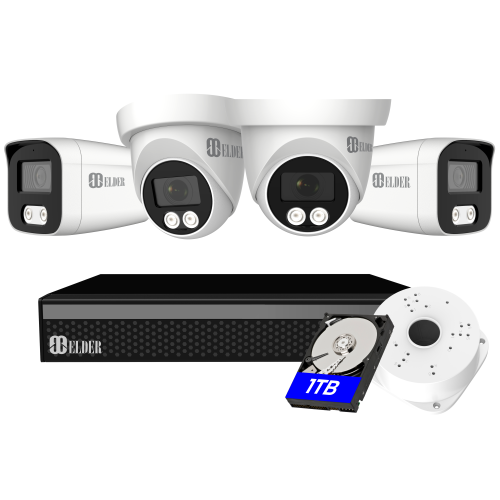

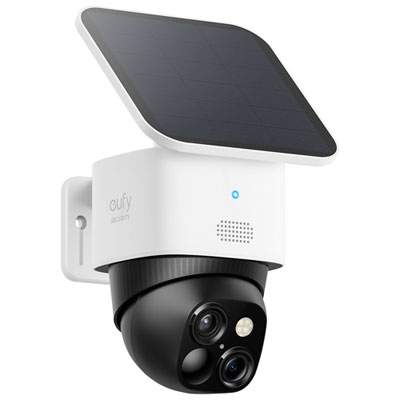
Top Collections:
Pokemon Centers, Kindle Devices, Best Budget Office Chairs, Apple iPhones 16, Best Laptops for Writers, iPhone 15 Apple, Canon G7X Cameras, Refurbished Apple Laptops, Alarm Clock, Motorola Razr Phones
Some products may be subject to Environmental Handling Fees
(EHF) depending on your province.
Learn more about EHFs.