Camera Lens Cases
Protect your camera lenses with our wide selection of camera lens cases. Whether you're a professional photographer or an avid hobbyist, keeping your lenses safe and secure is essential for capturing those perfect shots. Our camera lens cases are designed to provide maximum protection against dust, scratches, and accidental bumps, ensuring that your lenses stay in pristine condition. With various sizes and styles available, you'll find the perfect case to fit your specific lens needs. Explore our collection of camera lens cases and never worry about damaging your valuable equipment again.
Sort
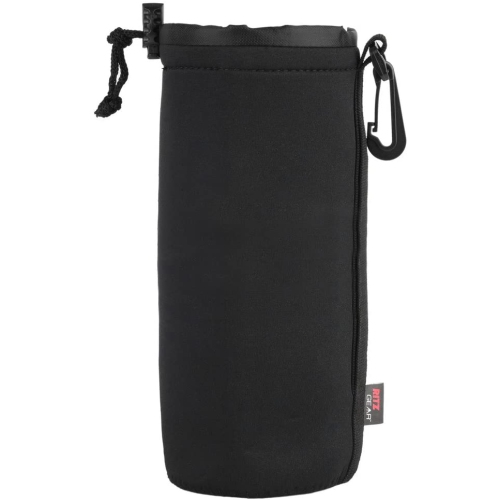
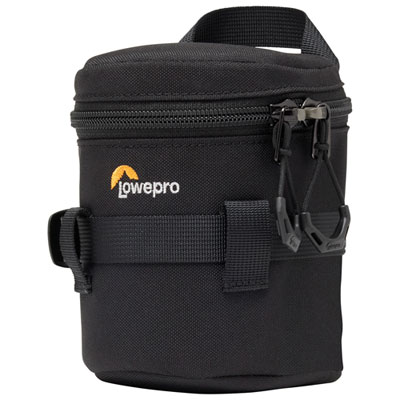

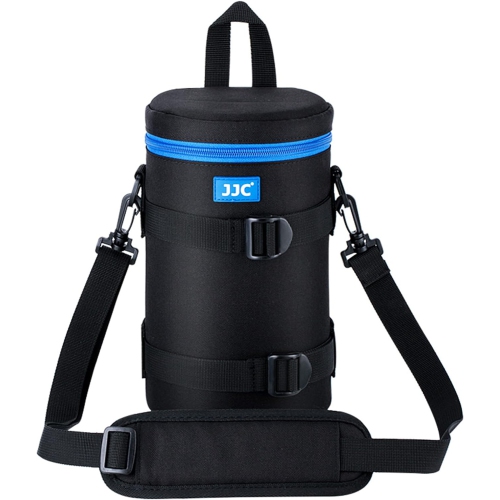
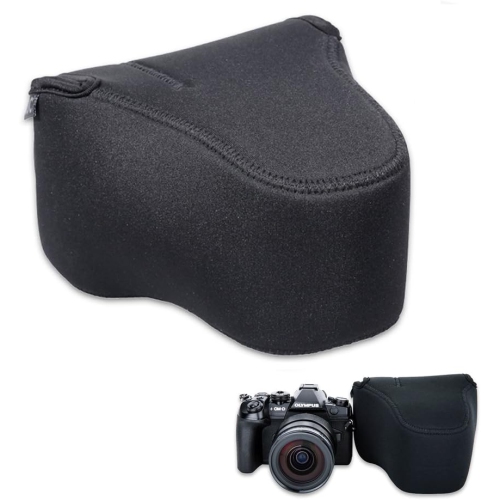
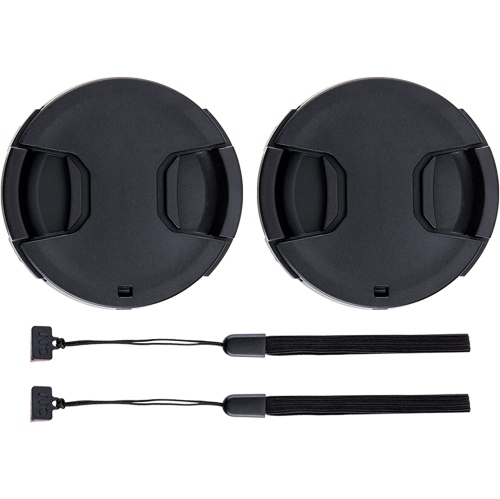
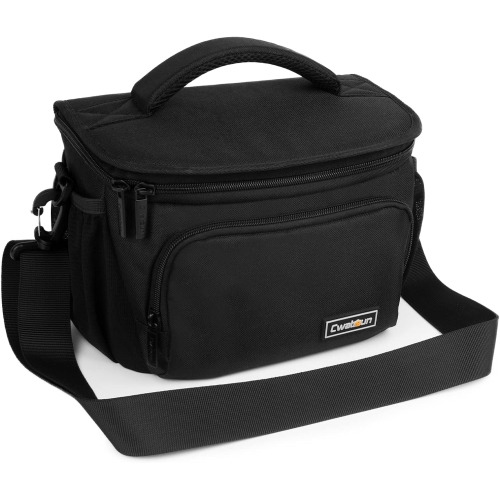
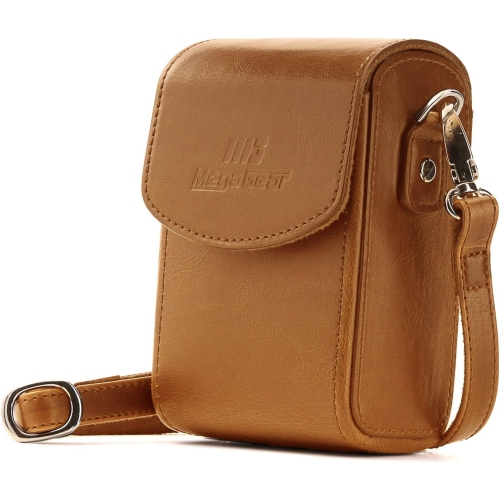
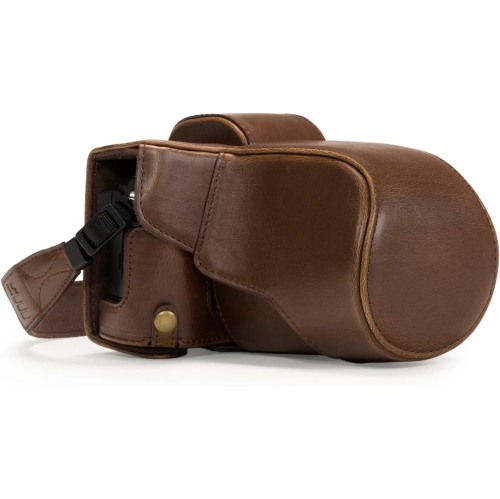
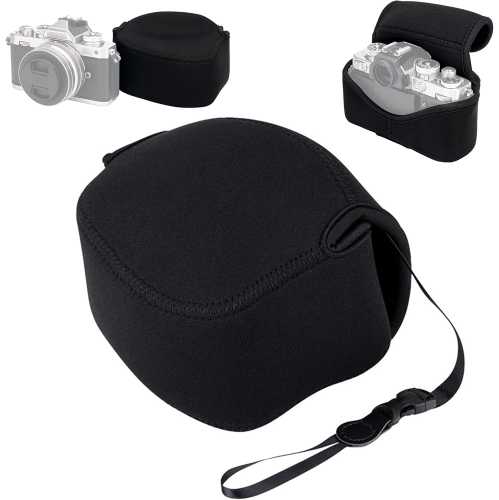
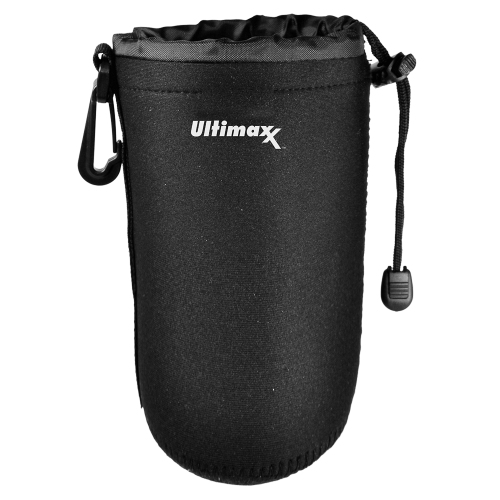

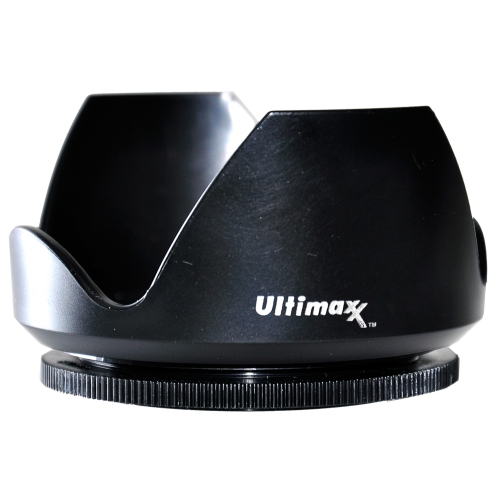
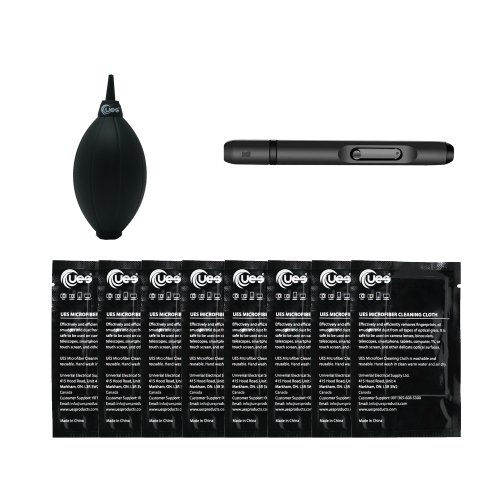
Protection and organization for lenses wherever photography takes you
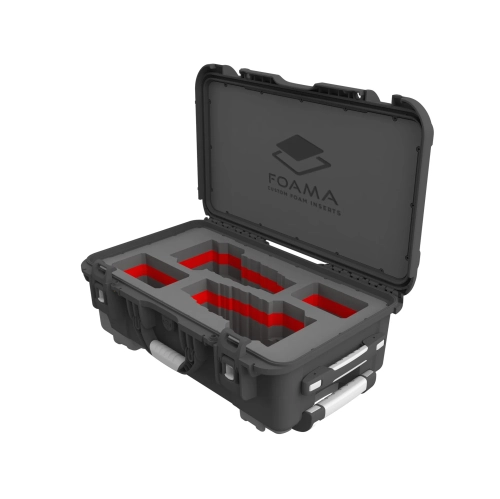
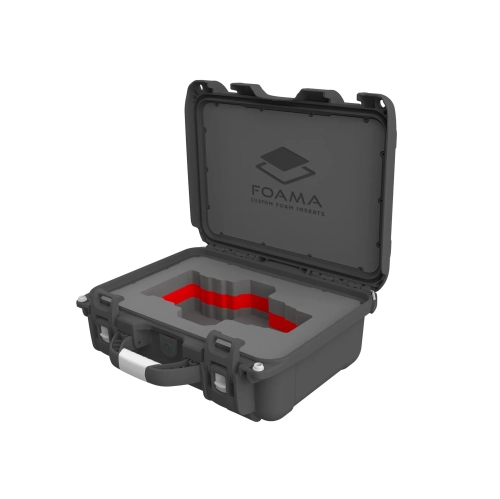
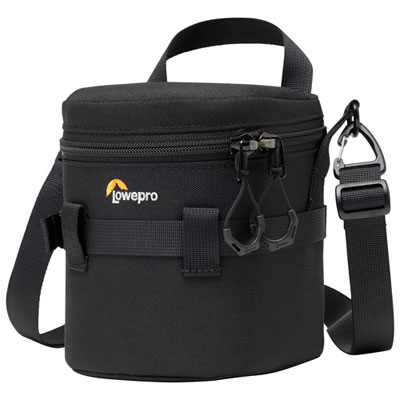
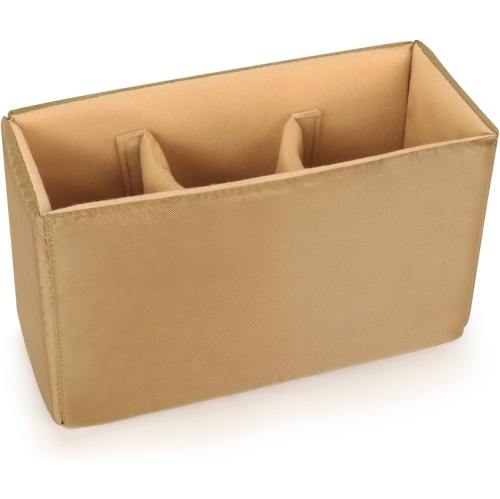
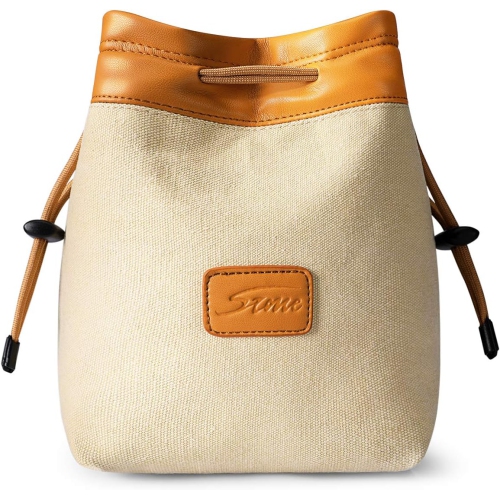
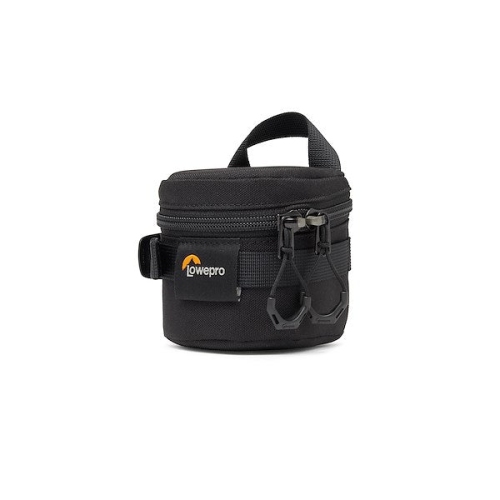
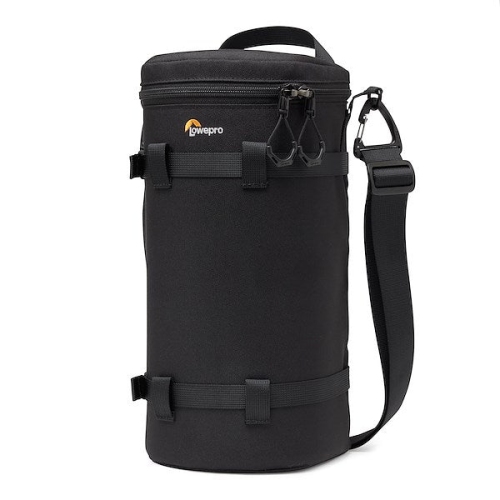
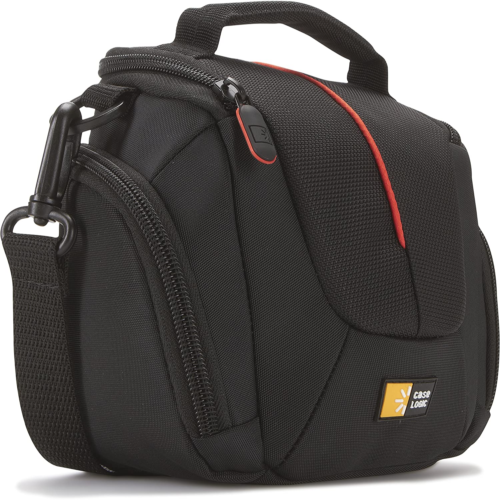
Camera lens cases provide a practical layer of protection for interchangeable camera lenses during storage, transport, and everyday use. A lens may look sturdy from the outside, but its glass elements, focus rings, zoom mechanisms, and electronic contacts can be vulnerable to scratches, dust, moisture, and impact. A dedicated case helps prevent a lens from knocking against spare batteries, memory cards, keys, or other equipment in a camera bag, while also making it easier to organize a changing kit. Soft pouches are lightweight and convenient for photographers who carry their equipment in a padded backpack or shoulder bag. Fabric, synthetic, or neoprene-style sleeves can cushion smaller lenses and help keep dust away without adding much bulk. Padded cylindrical cases offer more structure and all-around cushioning, making them suitable for lenses that travel frequently or need a little extra protection inside a larger bag. Some cases can be secured to a belt, external strap, or compatible camera bag, keeping a frequently used lens close at hand while leaving room inside the main compartment. Hard shell cases are designed for more demanding conditions, with rigid walls and protective interiors that help absorb heavier knocks. They may be particularly useful for air travel, remote assignments, outdoor photography, or anyone transporting valuable gear through busy airports, crowded venues, gravel paths, or changing weather. For more information about related storage and protective options, explore Camera Lens Protection and compare the features that suit your equipment and routine.
Choosing the right camera lens case begins with measuring the lens rather than relying only on its general description. Check the lens length, widest diameter, and any attached accessories, such as a lens hood, protective filter, tripod collar, or cap. A case that is too tight can make it difficult to remove the lens and may put pressure on its controls, while one that is too large can allow the lens to shift and strike the sides during movement. The interior should provide enough room for a secure fit without leaving excessive empty space. Consider whether the case closes with a drawstring, hook-and-loop flap, zipper, buckle, or another fastening system. A zipper can help keep dust and small debris out, while a quick-access flap may be more convenient when changing lenses on a trail or at an event. Look for cushioning that surrounds the lens rather than protecting only one surface, and consider a reinforced base if the case may be placed on tables, vehicle floors, or uneven ground. Weather-resistant materials can be helpful during a damp walk, a cool morning shoot, or an afternoon when the weather changes unexpectedly, although no soft case should be treated as a substitute for a fully sealed hard case in severe conditions. Interior lining is also worth considering, as a smooth surface can help reduce scuffs on the lens barrel. A case with a handle or attachment point may be easier to carry separately, while a compact pouch can slip neatly into a larger camera bag. Photographers with several lenses may prefer a mix of sizes and styles: a slim sleeve for a compact prime lens, a deeper padded case for a standard zoom, and a more robust enclosure for a large telephoto lens. Keeping each lens in a properly fitted case also makes it easier to identify equipment at a glance, especially when preparing for a family gathering, a sporting event, a wedding, a landscape outing, or a creative project close to home.
Camera lens cases are useful for a wide range of photographers, from someone building a first interchangeable-lens camera kit to an experienced shooter carrying equipment for work. A student learning photography can use a simple pouch to protect a lens between classes and while travelling on public transit. A parent photographing weekend activities may appreciate quick access and lightweight storage, particularly when there are already snacks, coats, and personal items competing for space. Travellers, hikers, birdwatchers, content creators, and event photographers can benefit from choosing a case that matches how often the lens is handled and how challenging the surroundings may be. During the warmer part of the year, a protective case can help keep gear organized on day trips, at outdoor celebrations, and beside the water; during the cooler months, it can make it easier to move equipment between indoor and outdoor locations without leaving lenses loose in a bag. Allowing a cold lens to acclimatize gradually in its closed case when moving into a warm room can also help reduce the chance of condensation forming on the equipment. Cases can make thoughtful gifts for photography students, hobbyists, new camera owners, and travellers who are assembling a reliable kit, especially when the recipient already has a favourite lens that deserves dedicated storage. If the exact lens dimensions are unknown, a versatile adjustable case or a gift receipt can make the choice more practical. Before purchasing, consider the lens’s measurements, the amount of padding required, the carrying method, the weather conditions it may encounter, and whether the case needs to fit inside an existing camera bag. With the right balance of size, cushioning, access, and portability, camera lens cases help protect delicate optics and make photography equipment easier to carry, store, and reach for whenever a memorable scene appears.
Choosing the right camera lens case begins with measuring the lens rather than relying only on its general description. Check the lens length, widest diameter, and any attached accessories, such as a lens hood, protective filter, tripod collar, or cap. A case that is too tight can make it difficult to remove the lens and may put pressure on its controls, while one that is too large can allow the lens to shift and strike the sides during movement. The interior should provide enough room for a secure fit without leaving excessive empty space. Consider whether the case closes with a drawstring, hook-and-loop flap, zipper, buckle, or another fastening system. A zipper can help keep dust and small debris out, while a quick-access flap may be more convenient when changing lenses on a trail or at an event. Look for cushioning that surrounds the lens rather than protecting only one surface, and consider a reinforced base if the case may be placed on tables, vehicle floors, or uneven ground. Weather-resistant materials can be helpful during a damp walk, a cool morning shoot, or an afternoon when the weather changes unexpectedly, although no soft case should be treated as a substitute for a fully sealed hard case in severe conditions. Interior lining is also worth considering, as a smooth surface can help reduce scuffs on the lens barrel. A case with a handle or attachment point may be easier to carry separately, while a compact pouch can slip neatly into a larger camera bag. Photographers with several lenses may prefer a mix of sizes and styles: a slim sleeve for a compact prime lens, a deeper padded case for a standard zoom, and a more robust enclosure for a large telephoto lens. Keeping each lens in a properly fitted case also makes it easier to identify equipment at a glance, especially when preparing for a family gathering, a sporting event, a wedding, a landscape outing, or a creative project close to home.
Camera lens cases are useful for a wide range of photographers, from someone building a first interchangeable-lens camera kit to an experienced shooter carrying equipment for work. A student learning photography can use a simple pouch to protect a lens between classes and while travelling on public transit. A parent photographing weekend activities may appreciate quick access and lightweight storage, particularly when there are already snacks, coats, and personal items competing for space. Travellers, hikers, birdwatchers, content creators, and event photographers can benefit from choosing a case that matches how often the lens is handled and how challenging the surroundings may be. During the warmer part of the year, a protective case can help keep gear organized on day trips, at outdoor celebrations, and beside the water; during the cooler months, it can make it easier to move equipment between indoor and outdoor locations without leaving lenses loose in a bag. Allowing a cold lens to acclimatize gradually in its closed case when moving into a warm room can also help reduce the chance of condensation forming on the equipment. Cases can make thoughtful gifts for photography students, hobbyists, new camera owners, and travellers who are assembling a reliable kit, especially when the recipient already has a favourite lens that deserves dedicated storage. If the exact lens dimensions are unknown, a versatile adjustable case or a gift receipt can make the choice more practical. Before purchasing, consider the lens’s measurements, the amount of padding required, the carrying method, the weather conditions it may encounter, and whether the case needs to fit inside an existing camera bag. With the right balance of size, cushioning, access, and portability, camera lens cases help protect delicate optics and make photography equipment easier to carry, store, and reach for whenever a memorable scene appears.
Top selling and popular products
-
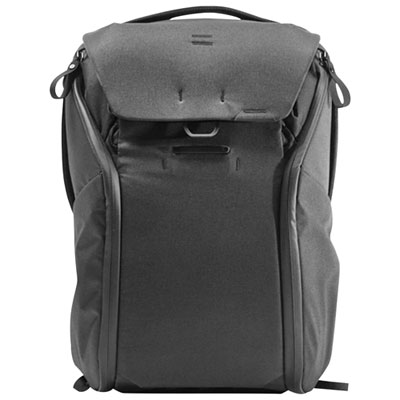 Your price for this item is $389.99
 -
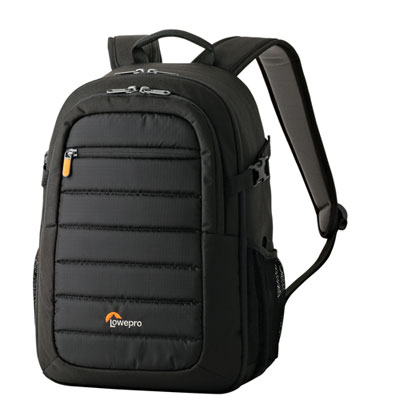 Your price for this item is $98.98
 -
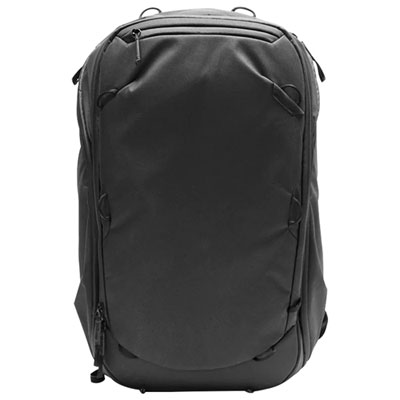 Your price for this item is $399.97
 -
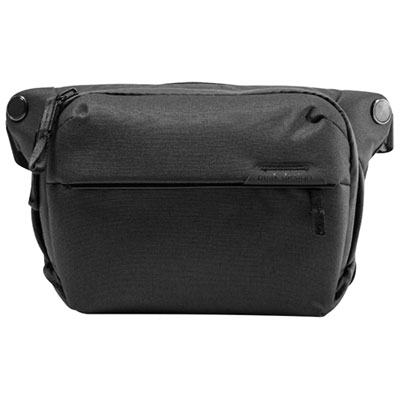 Your price for this item is $139.99
 -
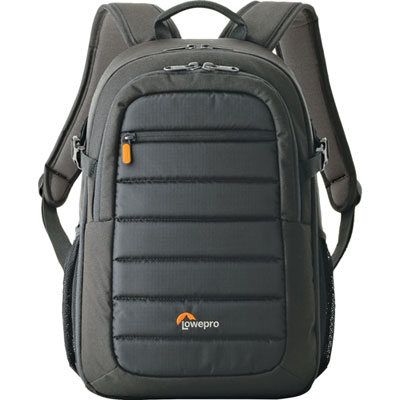 Your price for this item is $119.99
 -
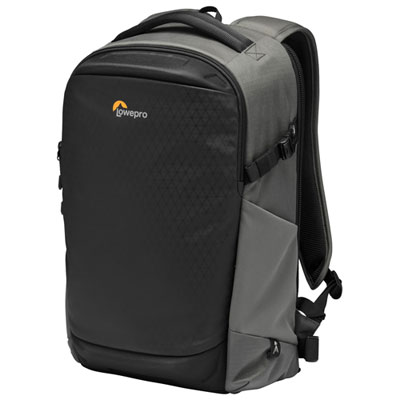 Your price for this item is $229.99
 -
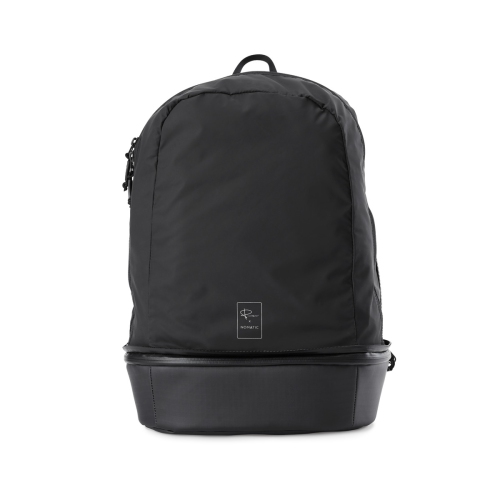 Your price for this item is $179.99
 -
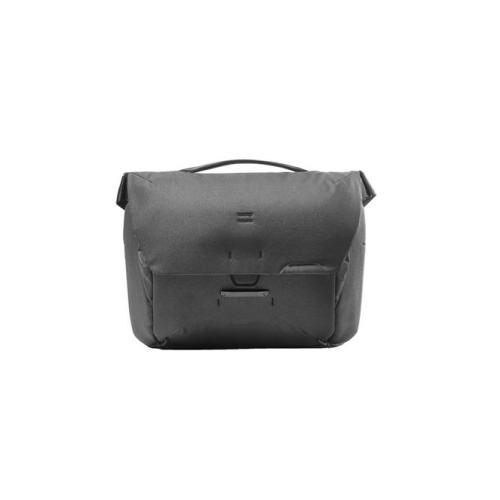 Your price for this item is $349
Discover more categories related to Camera Lens Cases
Top Collections:
Pokemon Centers, Kindle Devices, Best Budget Office Chairs, Apple iPhones 16, Best Laptops for Writers, iPhone 15 Apple, Canon G7X Cameras, Refurbished Apple Laptops, Alarm Clock, Motorola Razr Phones
Some products may be subject to Environmental Handling Fees
(EHF) depending on your province.
Learn more about EHFs.