Lens Caps for Canon
Protect your valuable Canon lenses with high-quality lens caps. Whether you're a professional photographer or an avid hobbyist, having the right lens cap is essential to keep your equipment safe and in optimal condition. Our selection of lens caps for Canon cameras offers a variety of sizes and styles to suit different lenses, ensuring a snug fit and reliable protection against dust, scratches, and accidental bumps. With durable materials and easy-to-use designs, these lens caps are a must-have accessory for any Canon camera owner.
Sort

Why filter diameter matters more than focal length
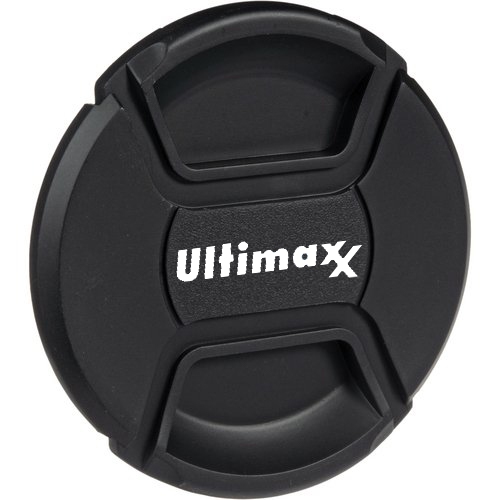
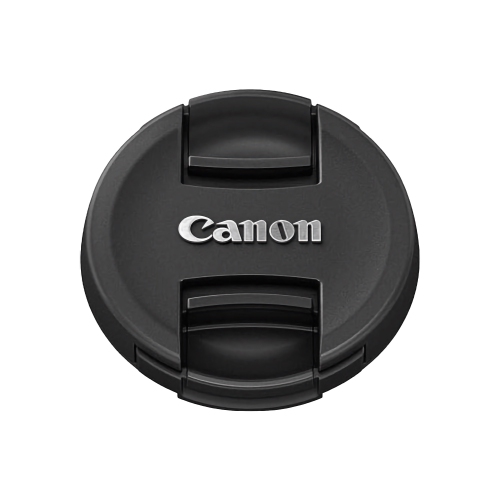
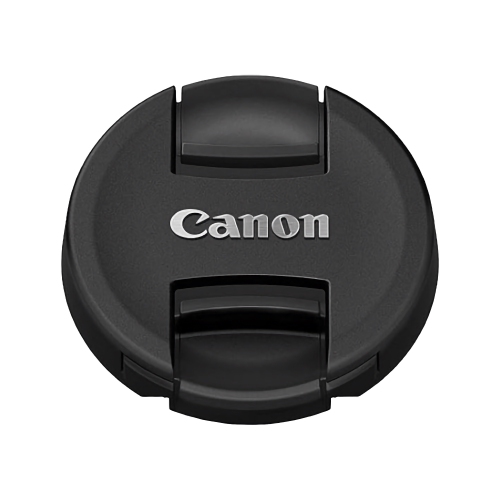
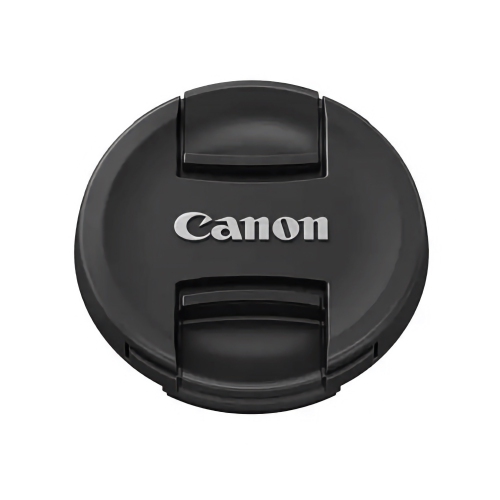
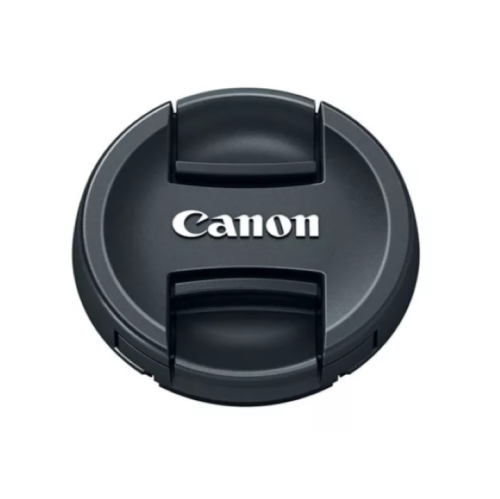
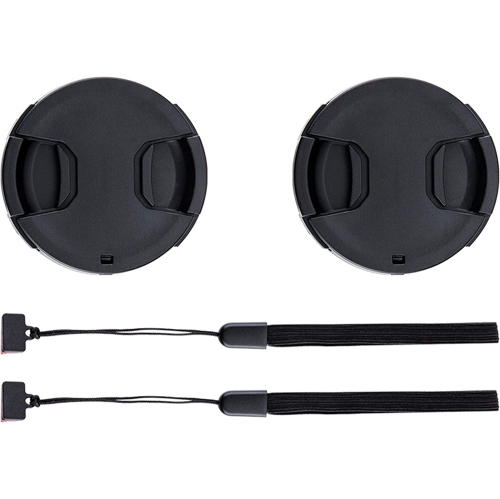
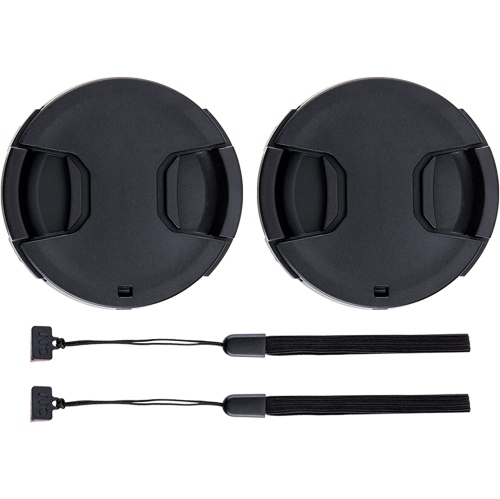
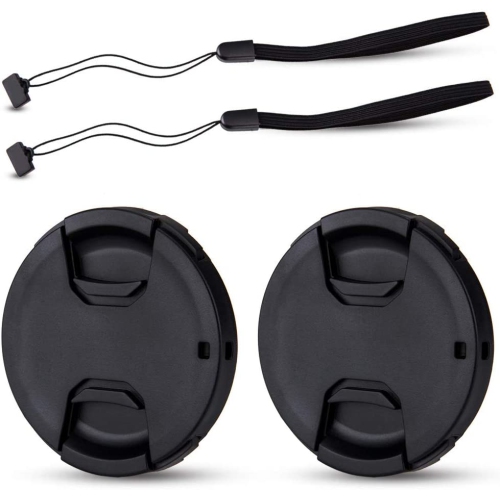
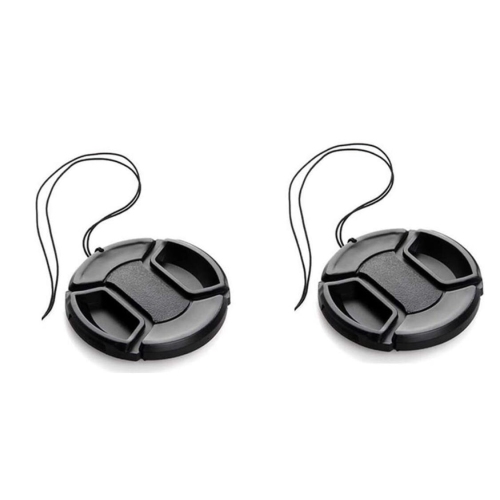
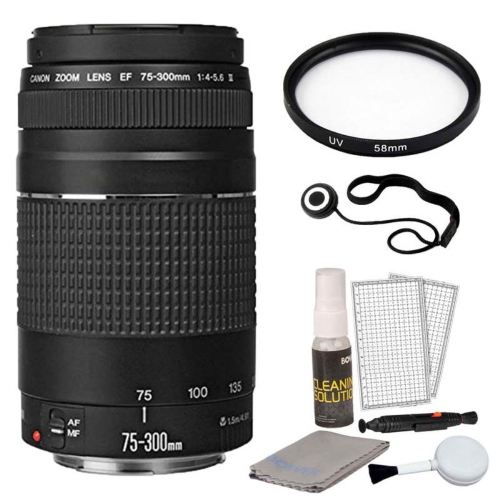
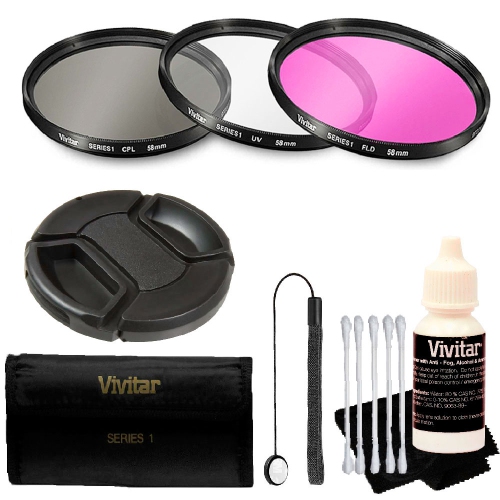
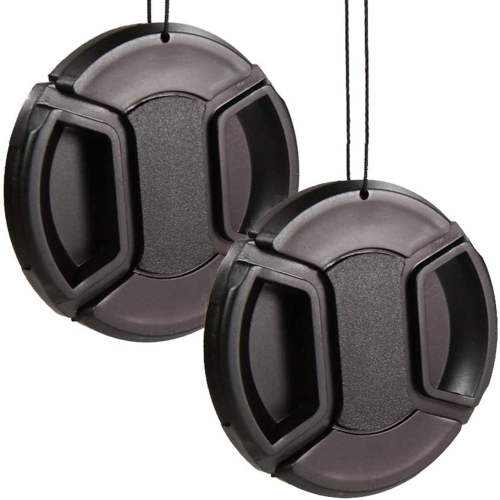
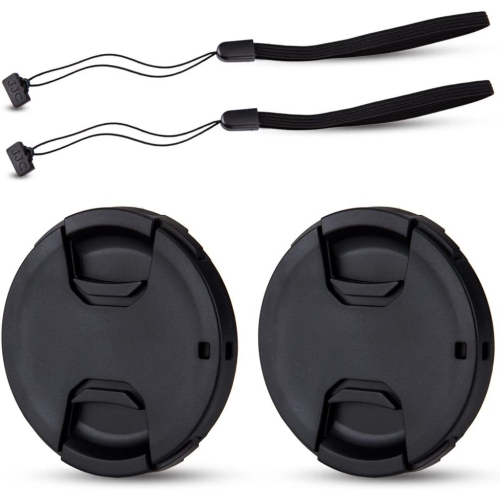
Lens caps provide a simple physical barrier between a lens’s exposed surfaces and the dust, fingerprints, and incidental contact that come with carrying camera equipment. A front cap covers the front element or an attached filter when the lens is not being used, while a rear cap covers the mounting end of a detached lens. These two types serve different purposes, and neither replaces the other. For most conventional snap-on front caps, fit depends on the lens’s filter-thread diameter, measured in millimetres, rather than its focal length or the camera body it attaches to. A lens marked with a 58 mm filter diameter needs a matching 58 mm front cap; a focal-length marking such as 50 mm does not establish cap size. The filter diameter is often printed beside a diameter symbol, ø, on the front rim or lens barrel, and it may also appear in the lens specifications. This distinction matters because lenses with very different focal lengths can share a front-cap size, while two lenses used on the same camera can require different sizes. A well-fitting cap should sit evenly and hold securely without being forced into position. When a threaded filter is attached, the cap normally fits the filter’s front rim, provided that rim retains the same diameter and has a suitable attachment surface. Step-up rings, oversized filters, and certain filter holders can change what fits, so the outermost attachment point becomes the relevant measurement. Some ultra-wide and fisheye lenses have a projecting front element or a fixed hood that prevents the use of a conventional snap-on cap. These designs generally need a cap shaped for that particular lens or hood. For everyday photography, an accurately fitted front cap helps keep a camera ready to pack away after a portrait session, a family gathering, or a walk through a gallery, without leaving the glass exposed inside a bag.
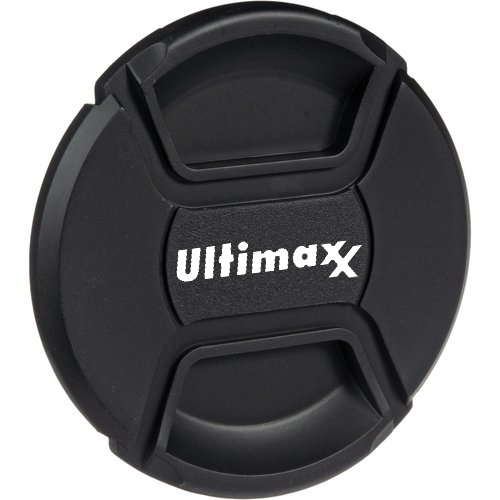
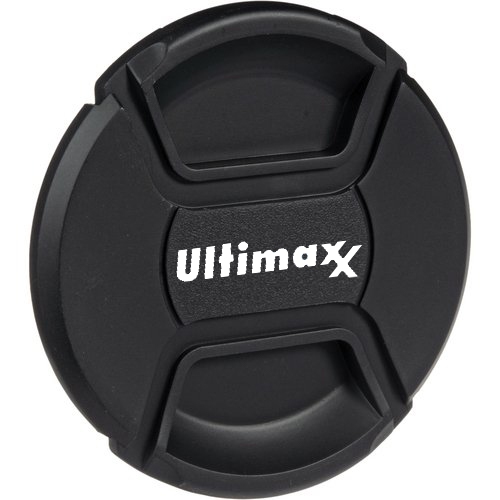
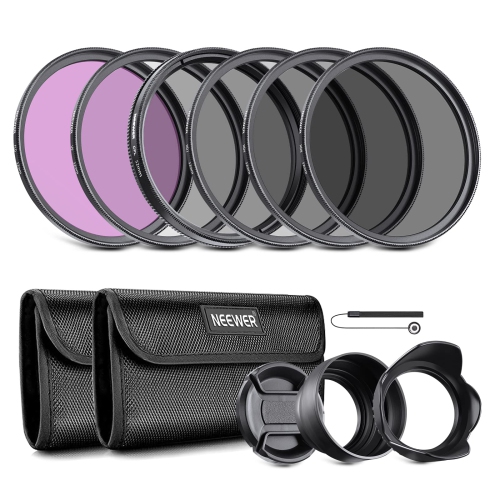
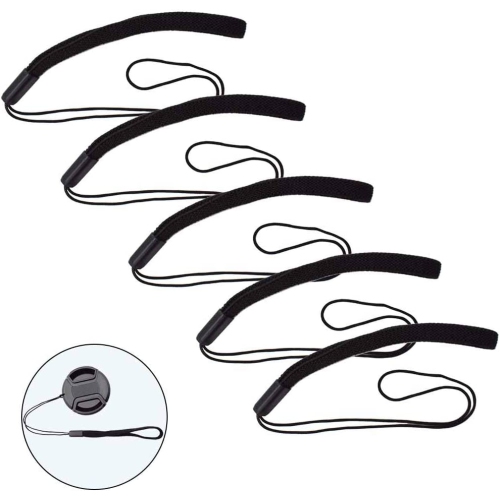
The way a lens cap attaches can make a noticeable difference during regular use. Centre-pinch designs have release tabs near the middle, allowing fingers to reach the mechanism even when a lens hood surrounds the cap. Edge-pinch designs release from the outer rim and can work well when that rim is easy to reach. A deep hood may limit access to side tabs, making the relationship between cap and hood worth considering alongside diameter. Screw-in caps attach through matching filter threads rather than a spring mechanism and take more turns to remove or replace. Slip-on caps fit over the outside of a lens barrel or hood, with compatibility determined by the dimensions and shape of that surface rather than simply the filter-thread measurement. Many everyday caps use lightweight moulded plastic, which adds little bulk to a camera bag and is comfortable to handle repeatedly. Durability depends on more than the thickness of the face: intact tabs, consistent spring tension, smooth edges, and an attachment that does not loosen easily all contribute to reliable use. A cracked rim or weakened latch can allow a cap to fall away even when its stated size is correct. Some designs accommodate a tether or keeper that connects the cap to the camera or lens, reducing the chance of leaving it on a table after taking a photograph. That convenience comes with a practical trade-off, since a hanging cap can swing against equipment or enter the frame when the camera is pointed downward. Photographers recording video may also prefer to keep loose accessories from tapping against the camera during a quiet scene. A dedicated bag pocket or pouch offers another place for a removed cap. Whatever the attachment style, a cap is intended for protection between shots and during storage, not as a substitute for a padded compartment or careful handling. It does not make a lens impact-proof or create a dependable seal against liquids.
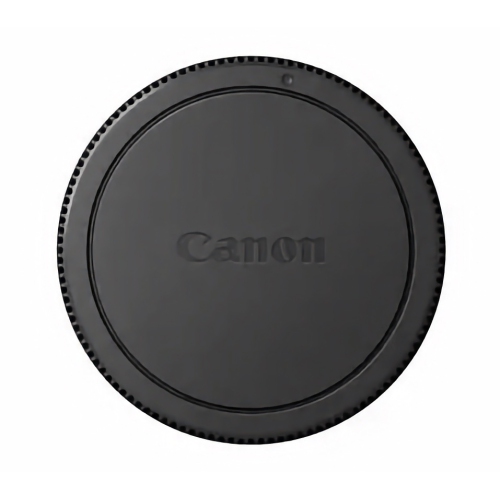
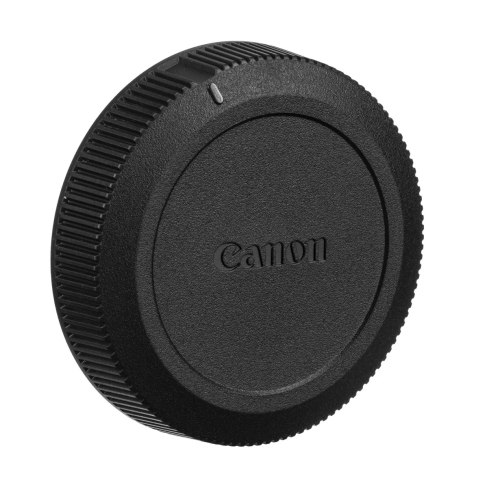
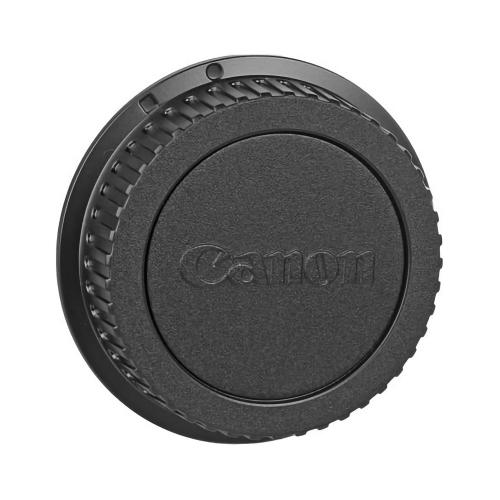
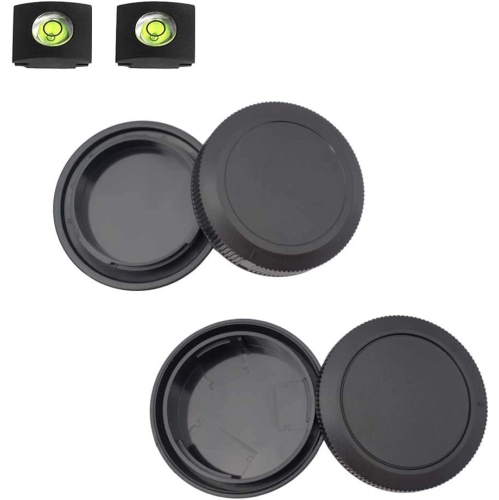
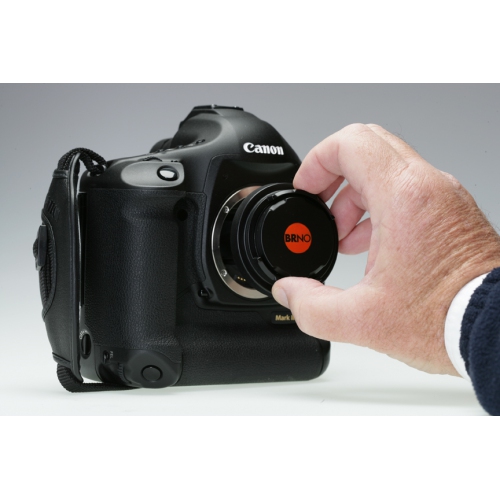
Rear lens caps are especially useful for photographers who change lenses, store spare lenses separately, or carry more than one lens in a shoulder bag. Unlike a conventional front cap, a rear cap must match the lens mount: filter diameter does not determine whether it will attach. Lenses designed for different camera systems, or for different mounts within the same system, should not be assumed to share rear caps. A suitable rear cap covers the rear optical area and helps shield the mount and, where present, electrical contacts from dust and accidental handling. A camera body cap is a separate accessory that closes the camera’s lens opening when no lens is attached; it does not replace a rear lens cap. These distinctions are helpful in households with shared equipment, school photography programmes, and studios where several camera kits are packed side by side. For equipment belonging to another system, Lens Caps for Nikon provides a separate category to browse, with fit still depending on the relevant front diameter or rear mount. Keeping caps clean matters as much as keeping them close at hand. Grit collected inside a cap can be transferred back towards the lens, so caps are best stored away from crumbs, loose sand, and other debris. Loose particles can be removed with a clean, soft brush or hand-operated blower, while exterior marks can generally be wiped away with a soft cloth according to the accessory’s care instructions. Any cap that has become damp during cleaning should be fully dry before it is refitted. Clean caps are particularly helpful when equipment spends time packed between uses, whether it belongs to a student learning photography or an experienced photographer carrying several lenses for an assignment. As a small practical gift, a replacement or spare cap is most useful when the recipient’s lens diameter or mount is known. The value lies in an exact fit and a dependable place in the camera kit, rather than extra features that may not suit the way the equipment is used.
The way a lens cap attaches can make a noticeable difference during regular use. Centre-pinch designs have release tabs near the middle, allowing fingers to reach the mechanism even when a lens hood surrounds the cap. Edge-pinch designs release from the outer rim and can work well when that rim is easy to reach. A deep hood may limit access to side tabs, making the relationship between cap and hood worth considering alongside diameter. Screw-in caps attach through matching filter threads rather than a spring mechanism and take more turns to remove or replace. Slip-on caps fit over the outside of a lens barrel or hood, with compatibility determined by the dimensions and shape of that surface rather than simply the filter-thread measurement. Many everyday caps use lightweight moulded plastic, which adds little bulk to a camera bag and is comfortable to handle repeatedly. Durability depends on more than the thickness of the face: intact tabs, consistent spring tension, smooth edges, and an attachment that does not loosen easily all contribute to reliable use. A cracked rim or weakened latch can allow a cap to fall away even when its stated size is correct. Some designs accommodate a tether or keeper that connects the cap to the camera or lens, reducing the chance of leaving it on a table after taking a photograph. That convenience comes with a practical trade-off, since a hanging cap can swing against equipment or enter the frame when the camera is pointed downward. Photographers recording video may also prefer to keep loose accessories from tapping against the camera during a quiet scene. A dedicated bag pocket or pouch offers another place for a removed cap. Whatever the attachment style, a cap is intended for protection between shots and during storage, not as a substitute for a padded compartment or careful handling. It does not make a lens impact-proof or create a dependable seal against liquids.
Rear lens caps are especially useful for photographers who change lenses, store spare lenses separately, or carry more than one lens in a shoulder bag. Unlike a conventional front cap, a rear cap must match the lens mount: filter diameter does not determine whether it will attach. Lenses designed for different camera systems, or for different mounts within the same system, should not be assumed to share rear caps. A suitable rear cap covers the rear optical area and helps shield the mount and, where present, electrical contacts from dust and accidental handling. A camera body cap is a separate accessory that closes the camera’s lens opening when no lens is attached; it does not replace a rear lens cap. These distinctions are helpful in households with shared equipment, school photography programmes, and studios where several camera kits are packed side by side. For equipment belonging to another system, Lens Caps for Nikon provides a separate category to browse, with fit still depending on the relevant front diameter or rear mount. Keeping caps clean matters as much as keeping them close at hand. Grit collected inside a cap can be transferred back towards the lens, so caps are best stored away from crumbs, loose sand, and other debris. Loose particles can be removed with a clean, soft brush or hand-operated blower, while exterior marks can generally be wiped away with a soft cloth according to the accessory’s care instructions. Any cap that has become damp during cleaning should be fully dry before it is refitted. Clean caps are particularly helpful when equipment spends time packed between uses, whether it belongs to a student learning photography or an experienced photographer carrying several lenses for an assignment. As a small practical gift, a replacement or spare cap is most useful when the recipient’s lens diameter or mount is known. The value lies in an exact fit and a dependable place in the camera kit, rather than extra features that may not suit the way the equipment is used.
Top selling and popular products
-
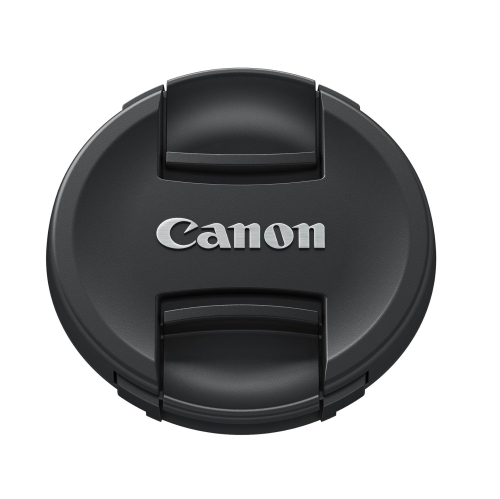 Your price for this item is $1.99
 -
![GENERIC 40.5MM Snap-On Lens Cap for Sony 16-50MM F/3.5-5.6 Lens for Sony Alpha A6600 A6500 A6400 A5000[2 Packs], Fire-Rock Lens](https://multimedia.bbycastatic.ca/multimedia/products/500x500/173/17388/17388736.jpeg) Your price for this item is $9.99
Your price for this item is $9.99 -
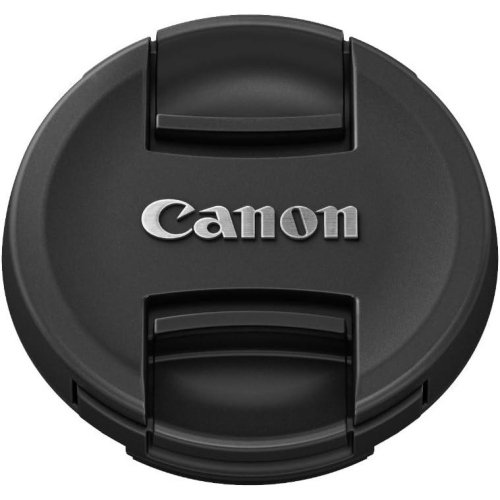 Your price for this item is $12.99
 -
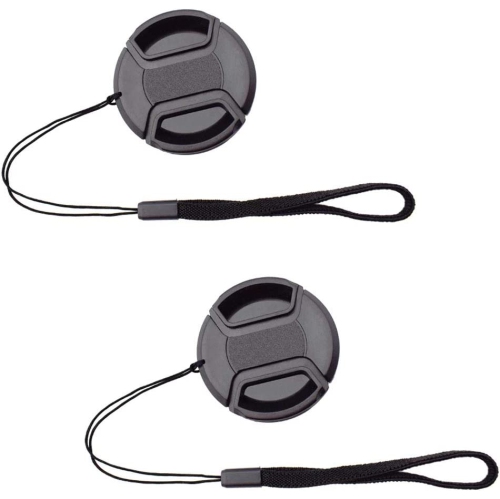 Your price for this item is $10.99
 -
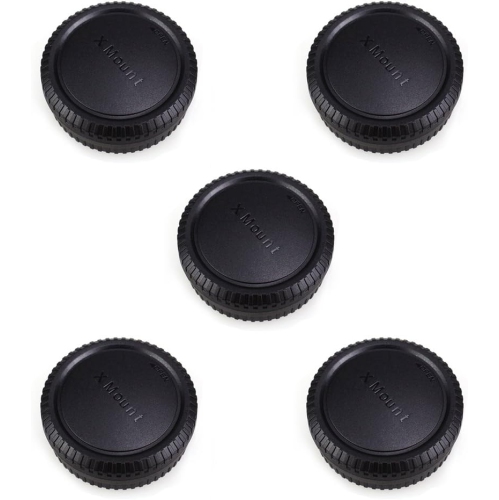 Your price for this item is $17.99
 -
 Your price for this item is $32.99
 -
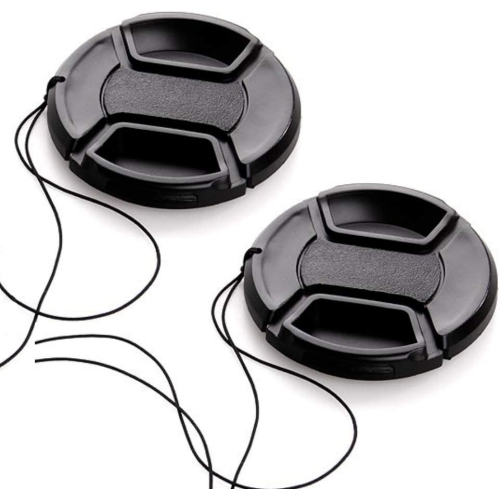 Your price for this item is $9.99
 -
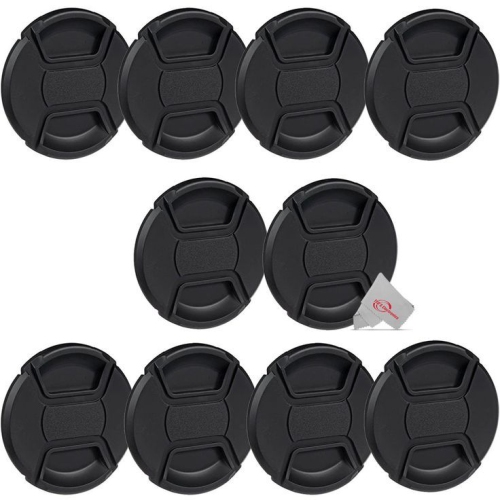 Your price for this item is $54.99
Discover more categories related to Lens Caps for Canon
Top Collections:
Pokemon Centers, Kindle Devices, Best Budget Office Chairs, Apple iPhones 16, Best Laptops for Writers, iPhone 15 Apple, Canon G7X Cameras, Refurbished Apple Laptops, Alarm Clock, Motorola Razr Phones
Some products may be subject to Environmental Handling Fees
(EHF) depending on your province.
Learn more about EHFs.