Camera Parts
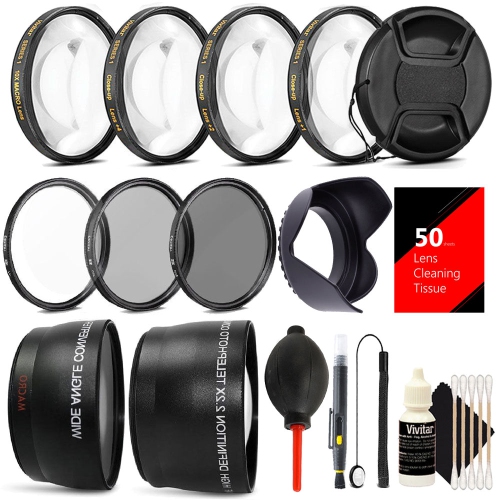
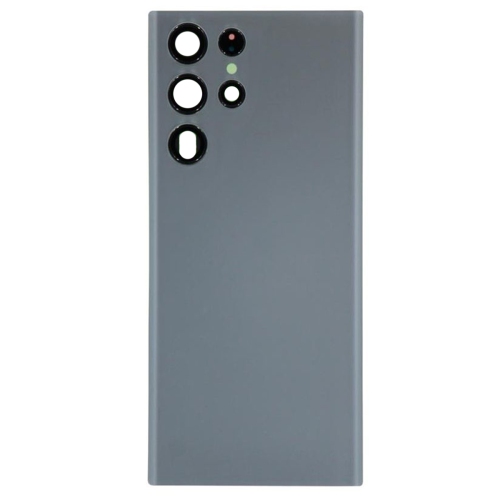
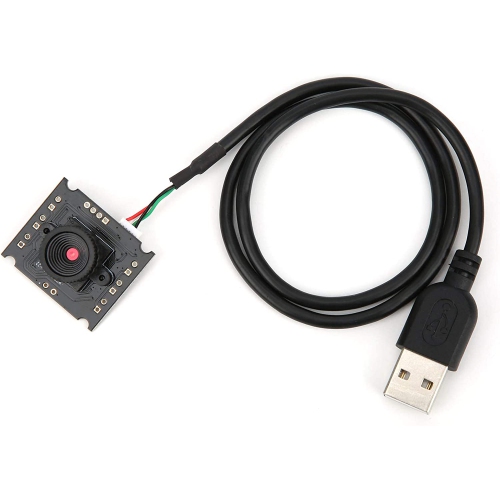
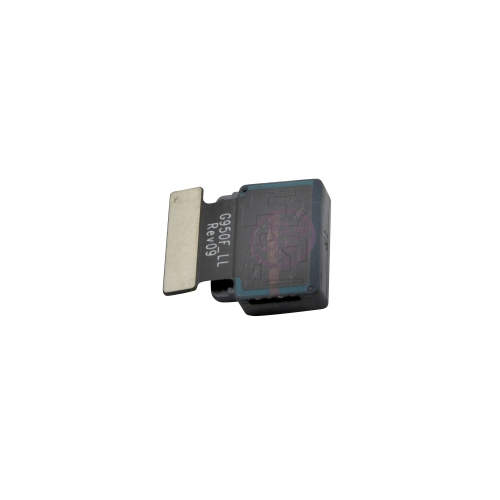
Looking to upgrade or replace camera parts? Look no further! Our extensive collection of camera parts is designed to cater to all your photography needs. Whether you're a professional photographer looking for high-quality lenses, filters, or tripods, or an amateur enthusiast seeking the perfect camera strap or battery charger, we have you covered. With a wide range of options available, you can easily find the perfect camera parts to enhance your photography skills and capture those unforgettable moments with precision and clarity. Here are some great options available.
Sort

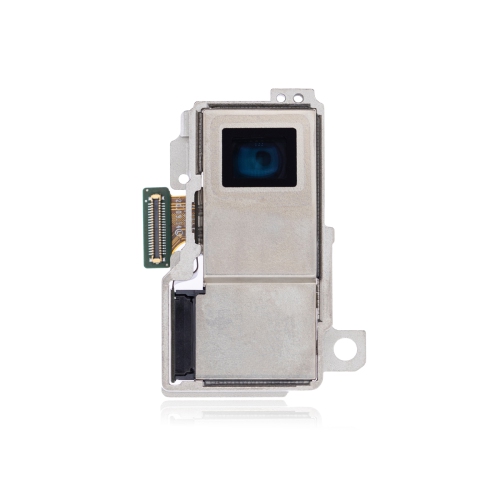
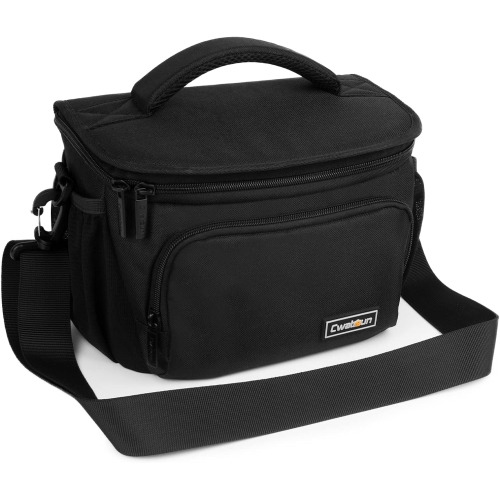
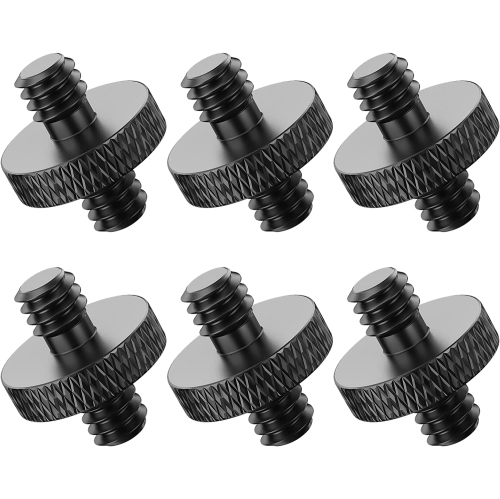
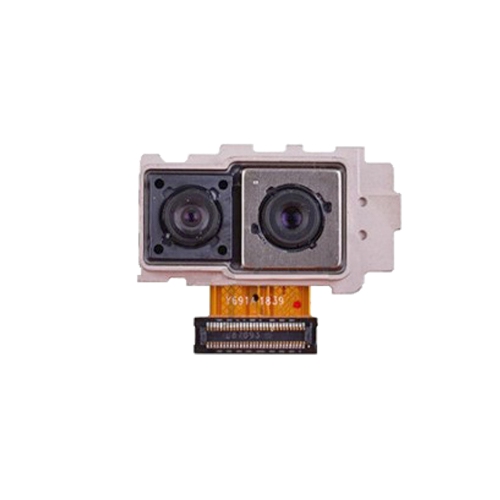
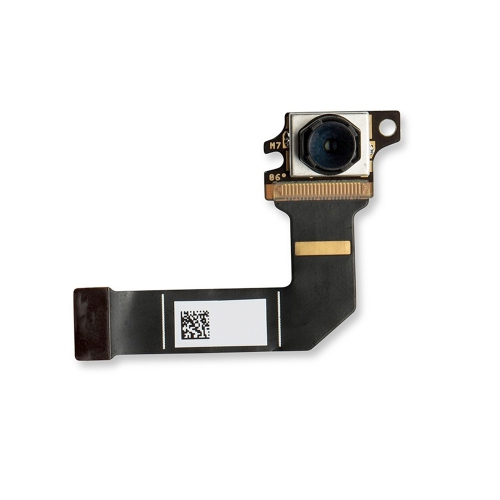

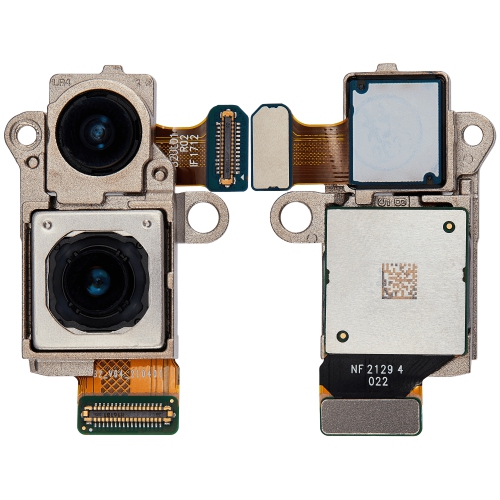
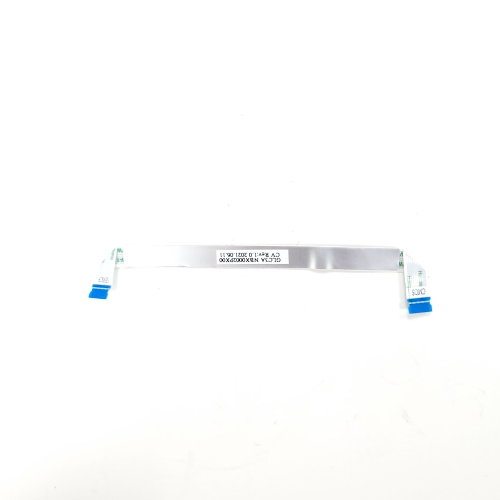
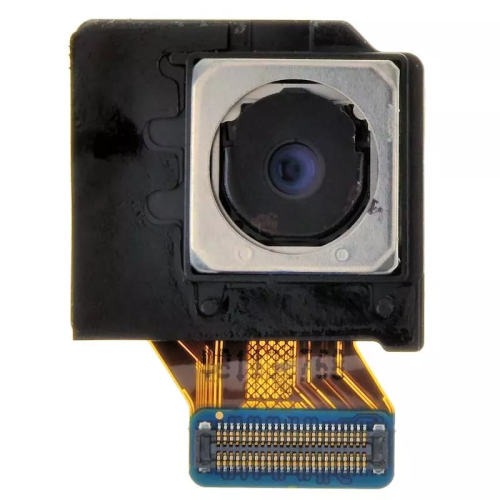
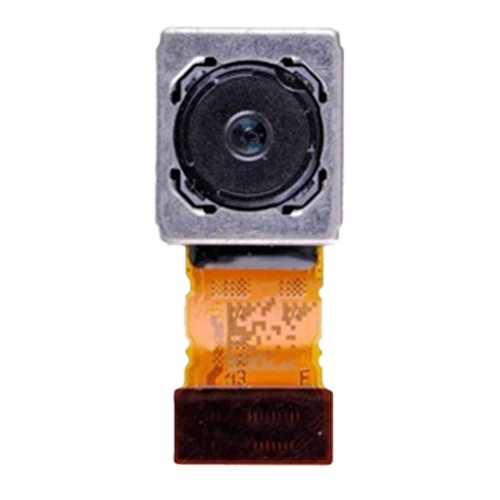
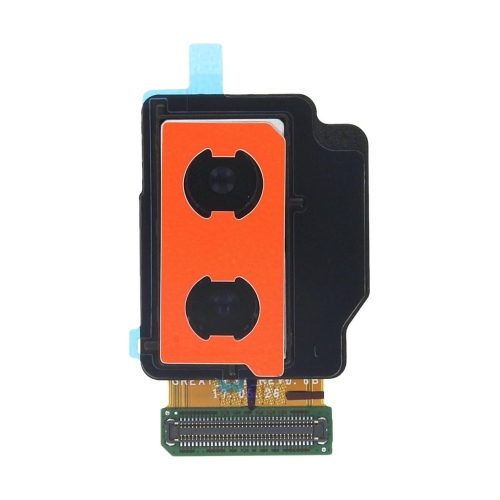
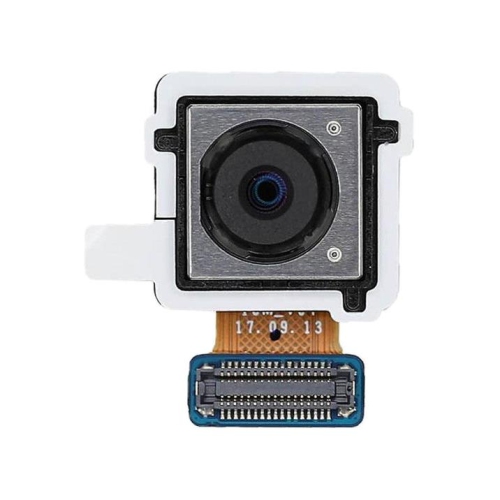
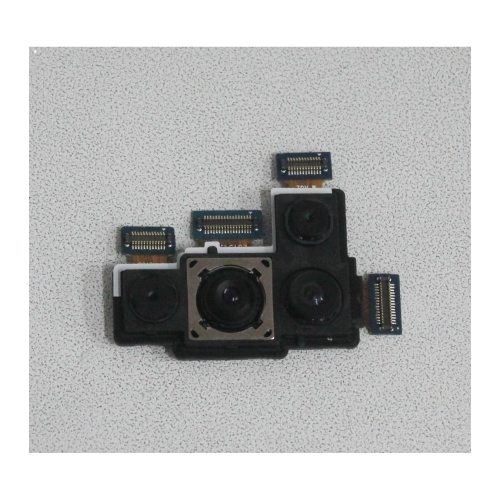

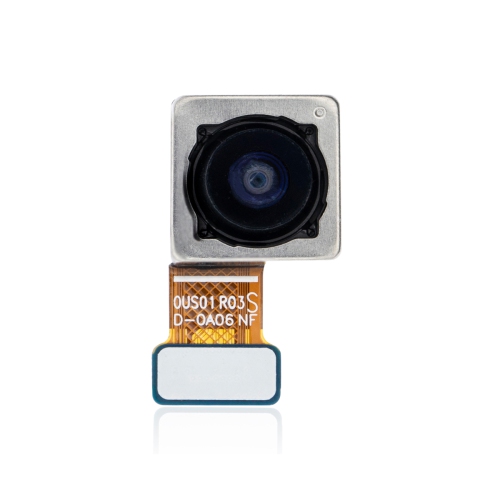
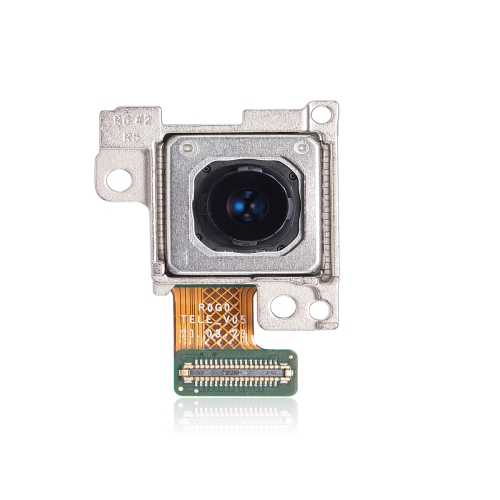
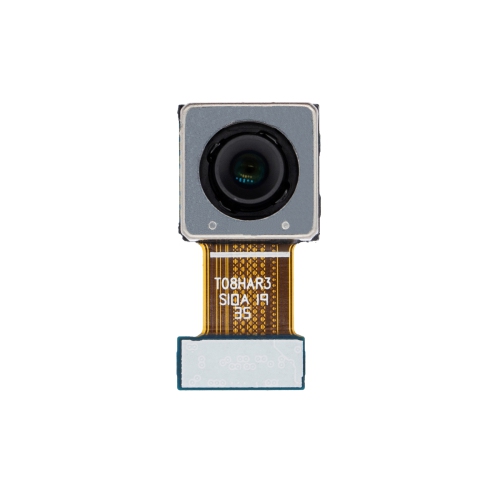
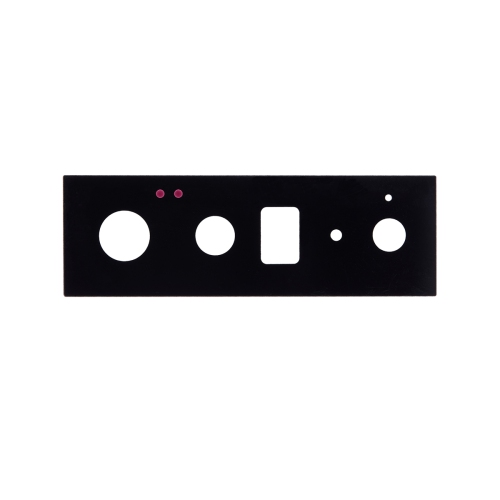
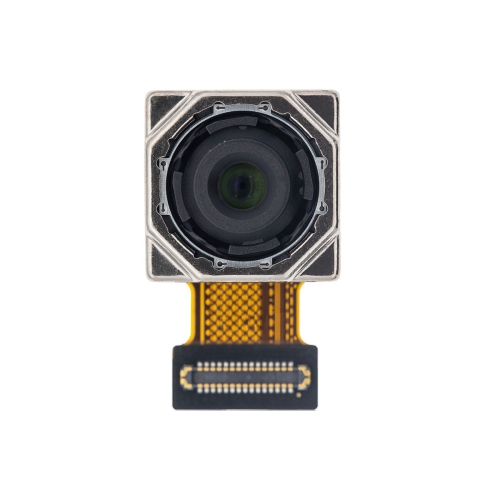
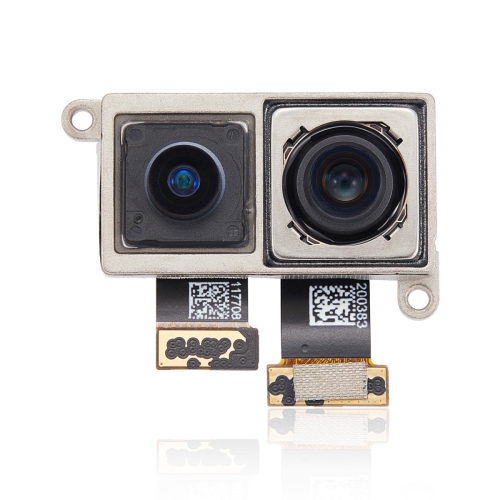
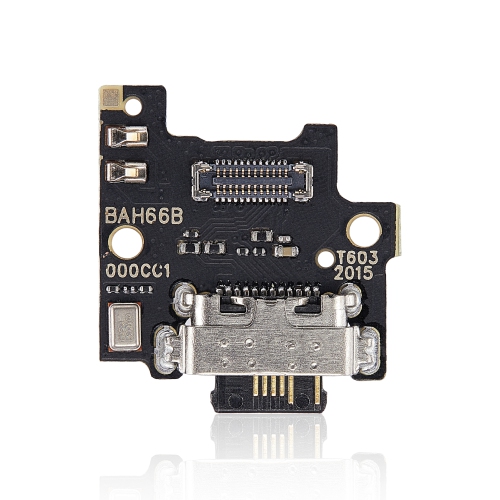
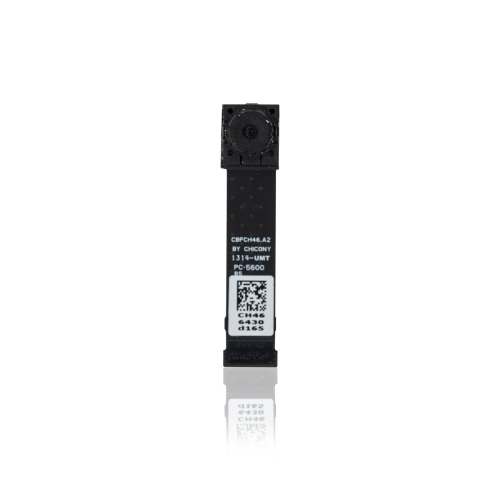
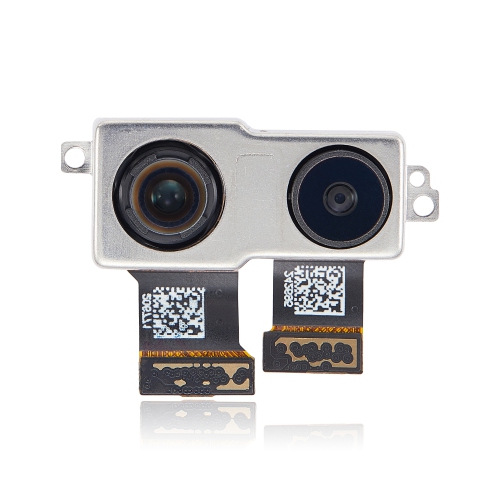
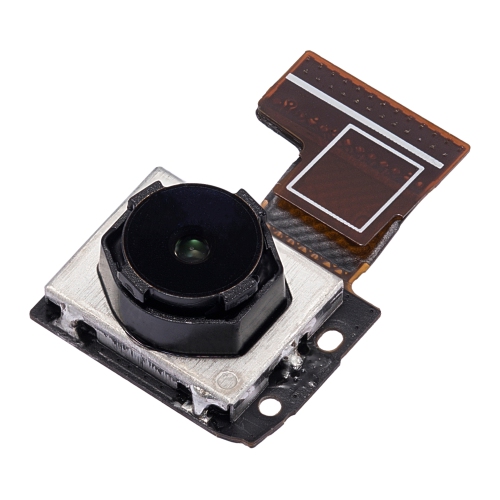
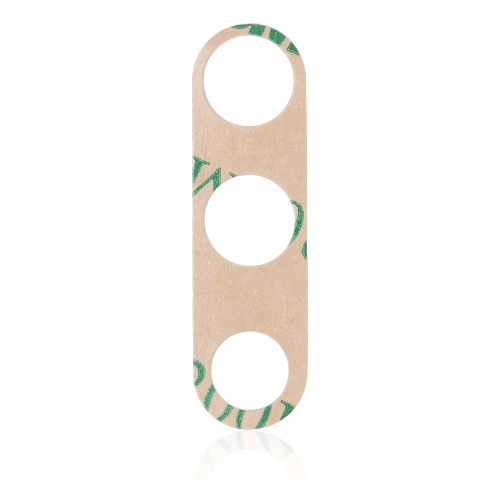
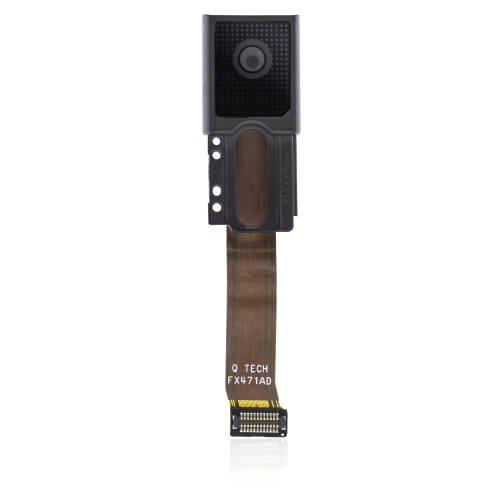
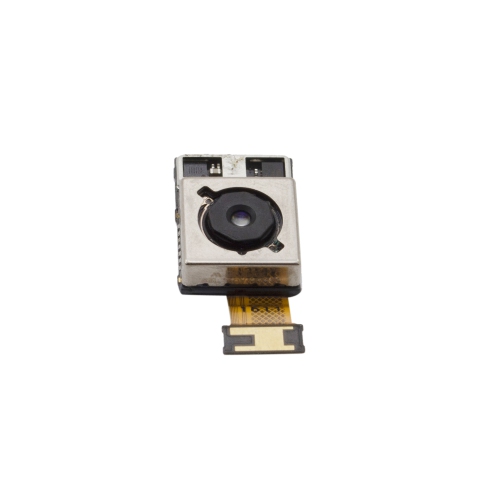
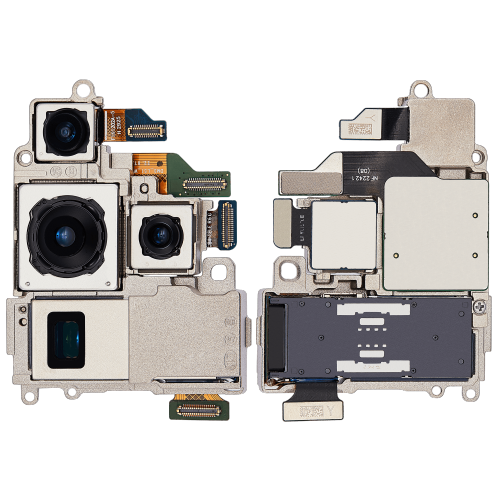
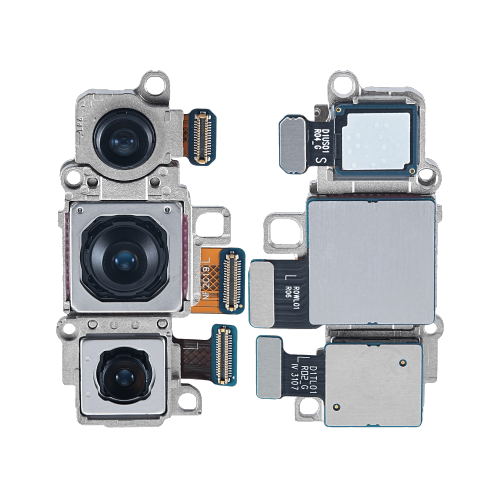
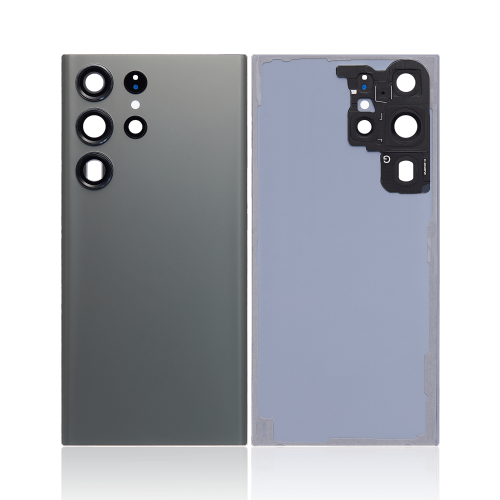
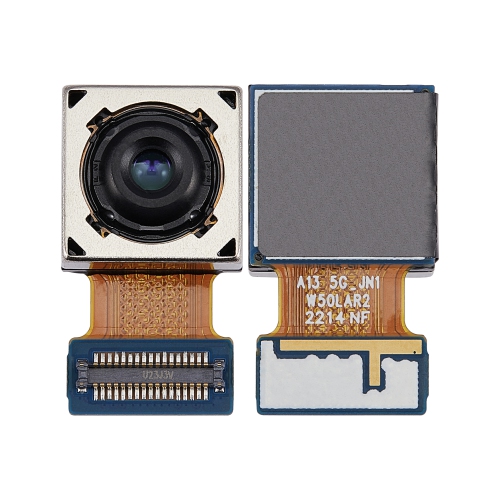
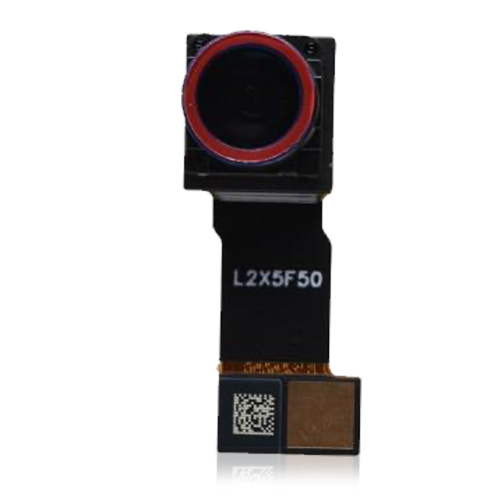
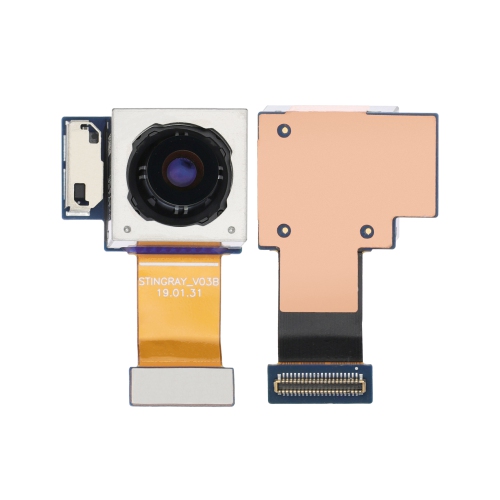
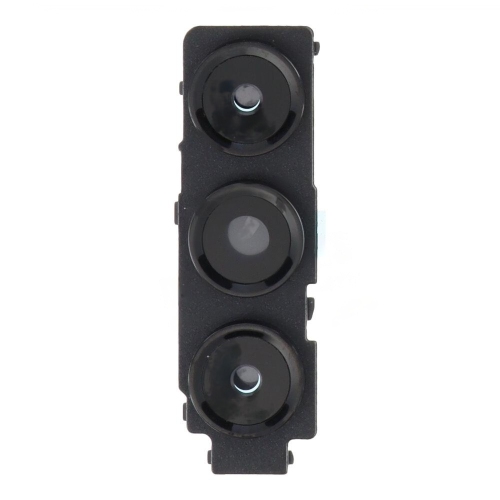
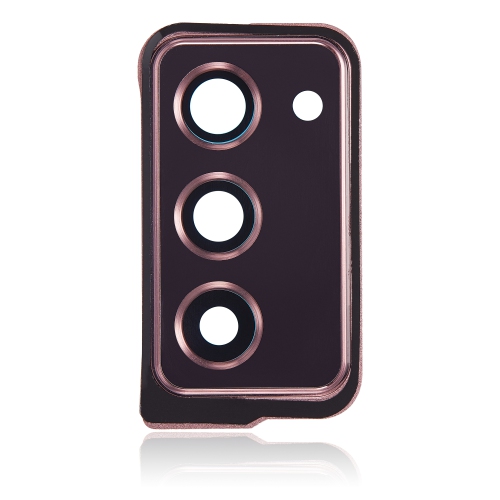

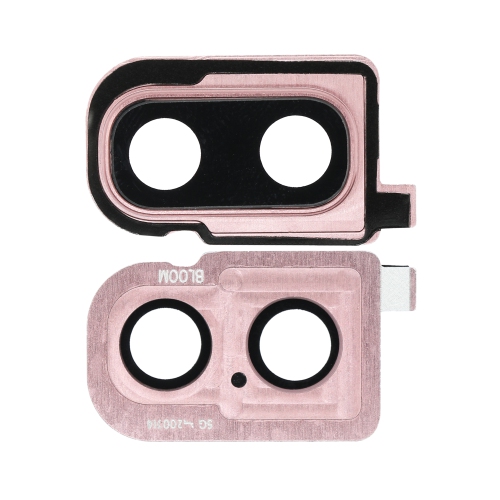
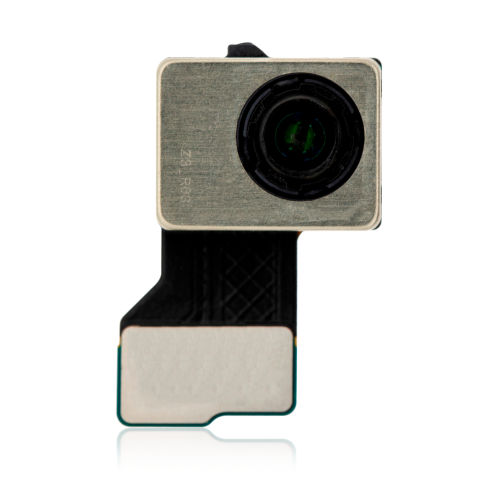
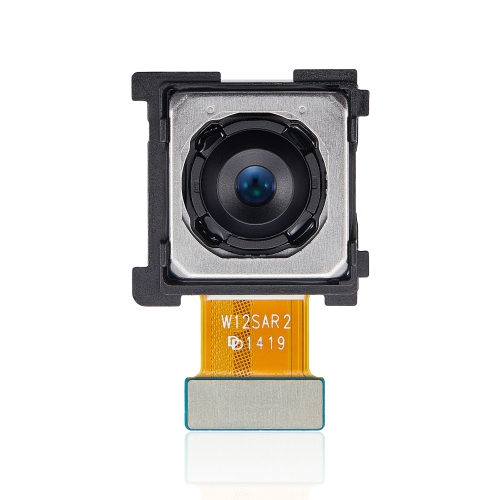
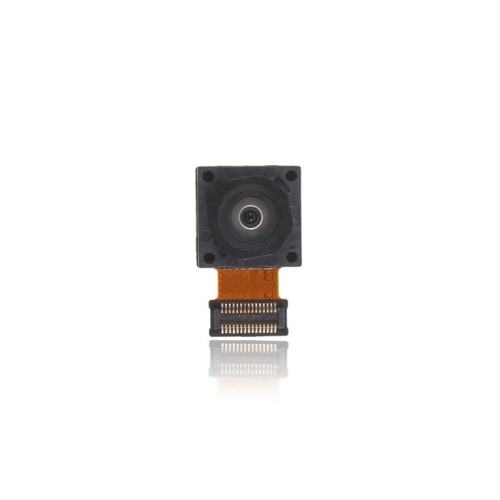
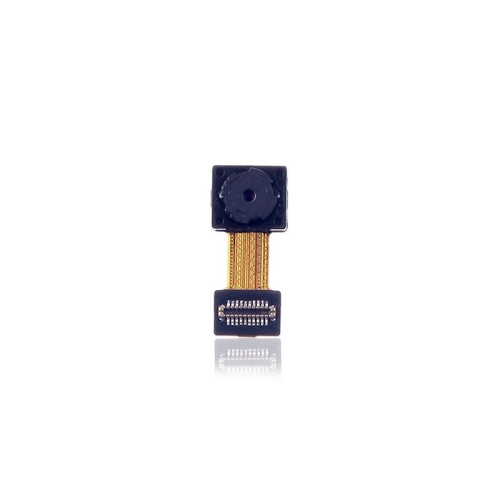
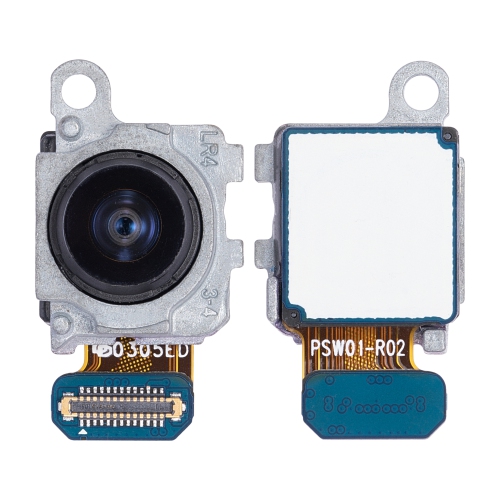

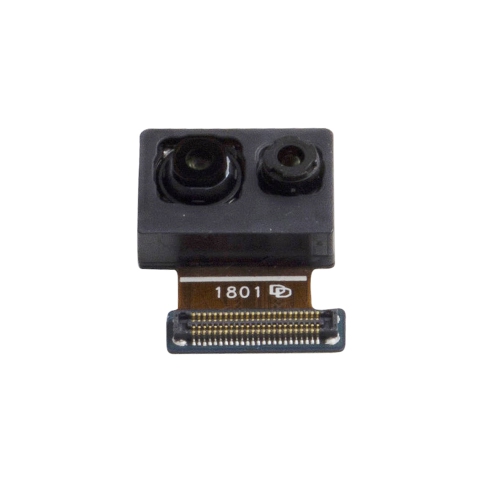
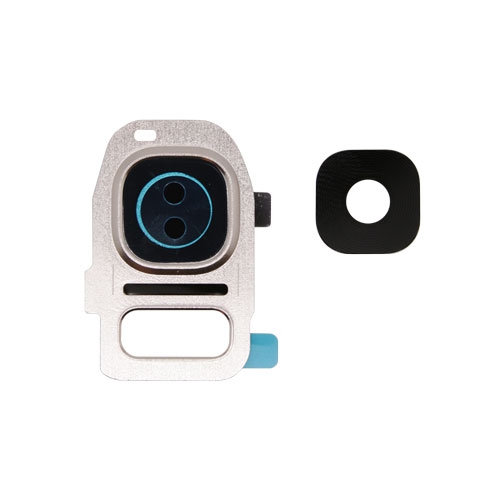
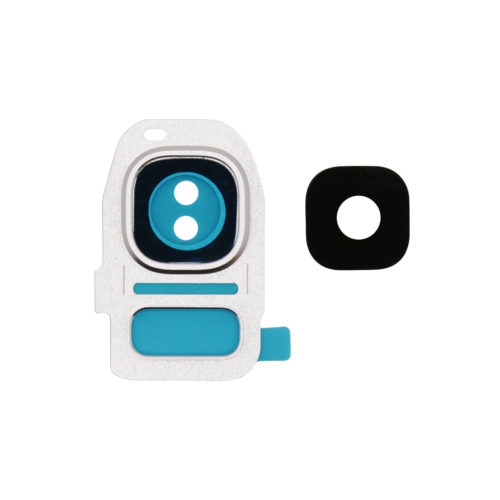
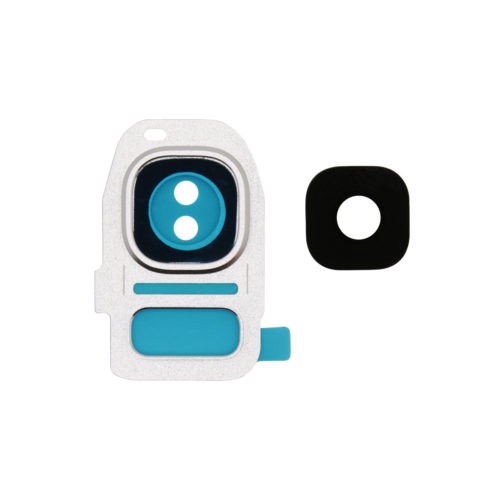
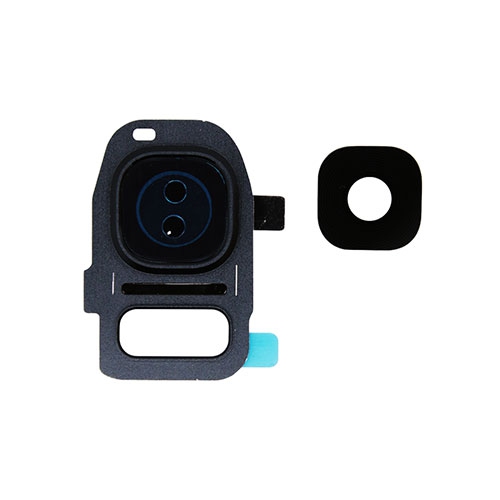
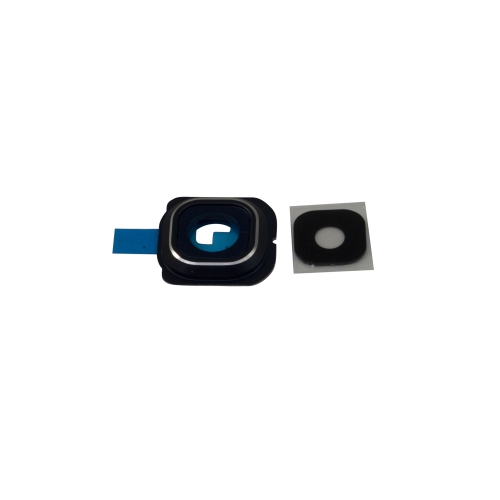
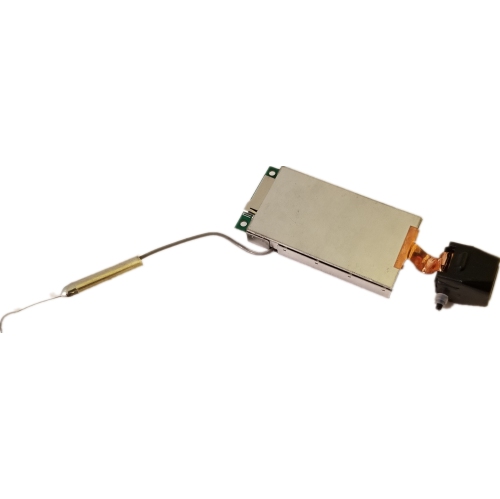
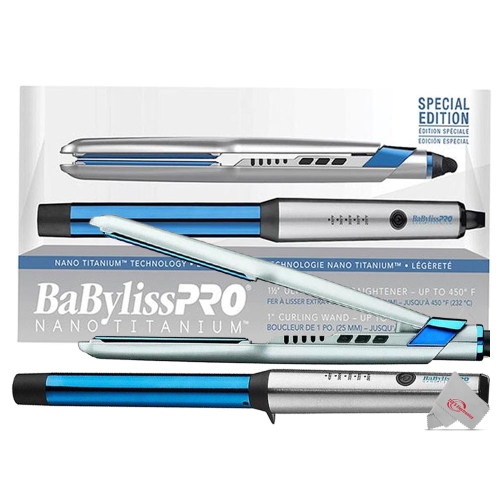
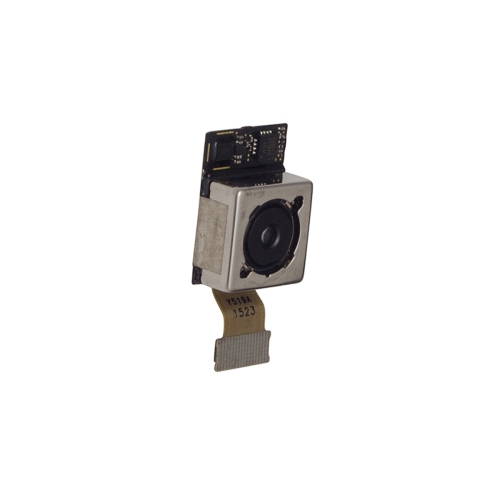



Why the right fit matters for camera replacements
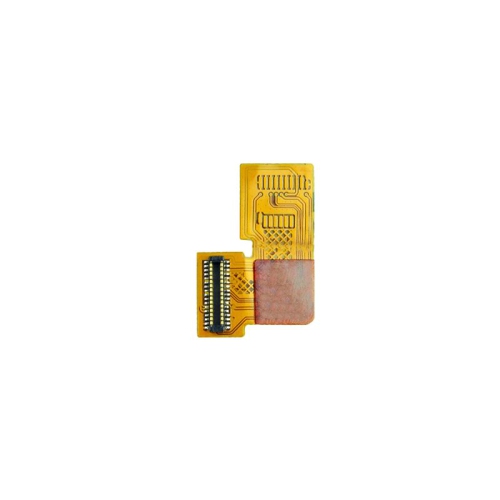
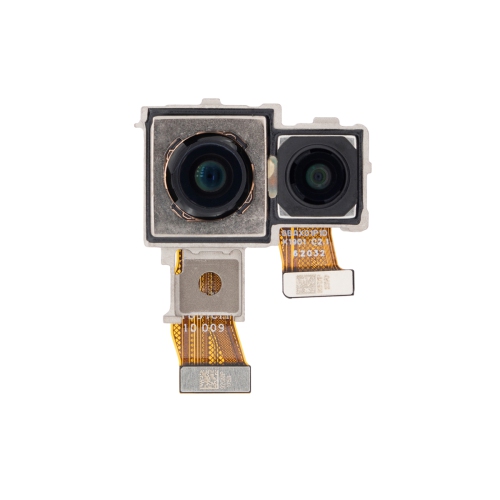
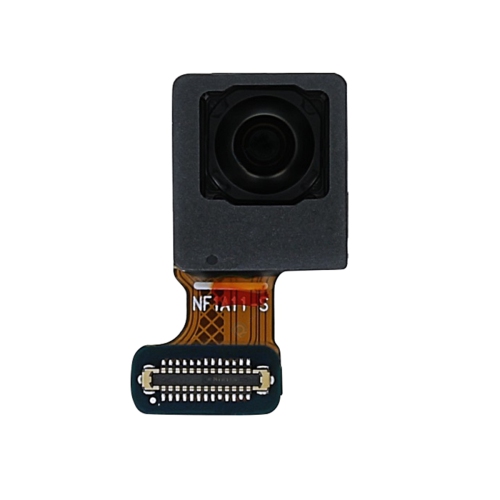
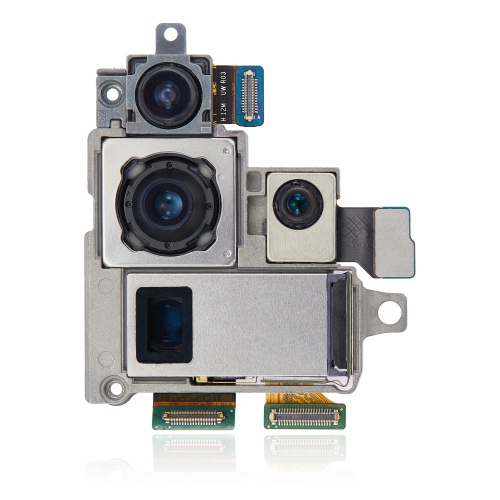
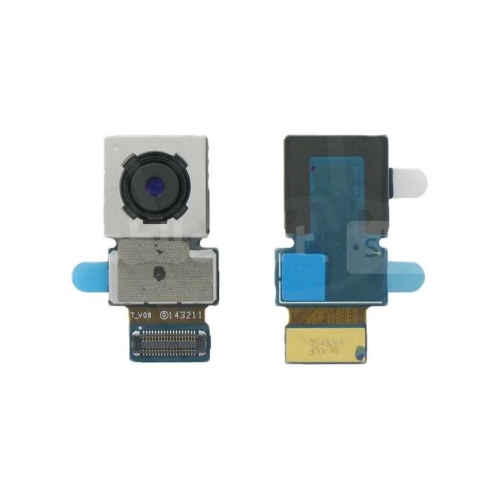
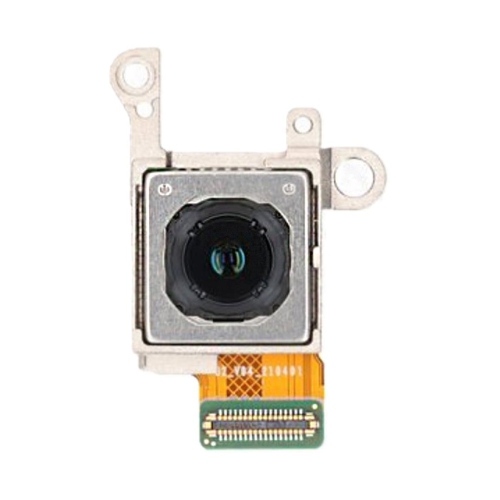
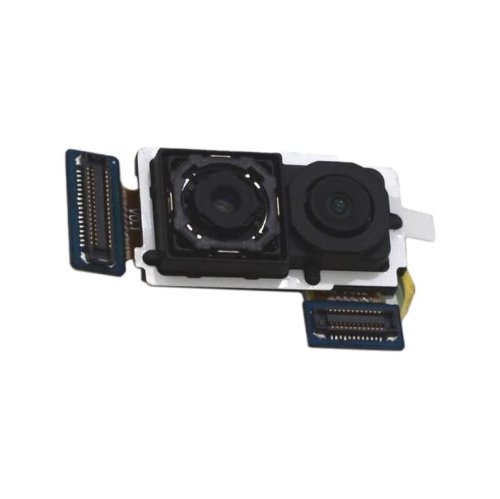
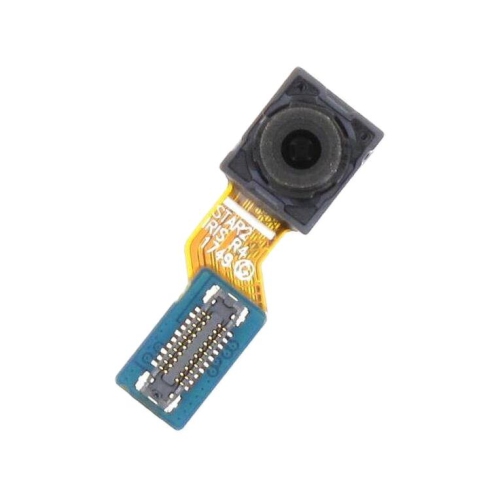
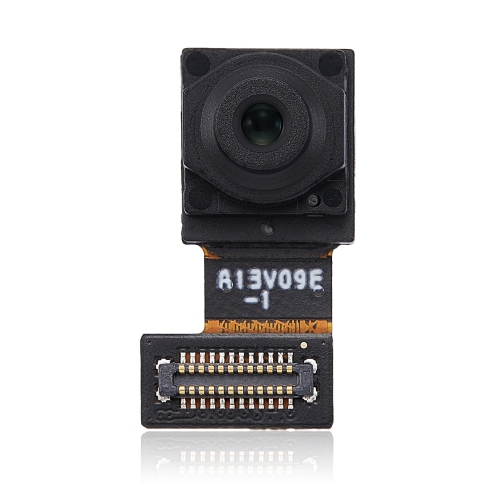
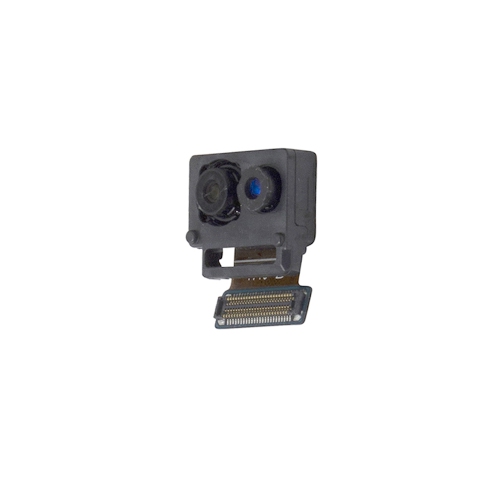
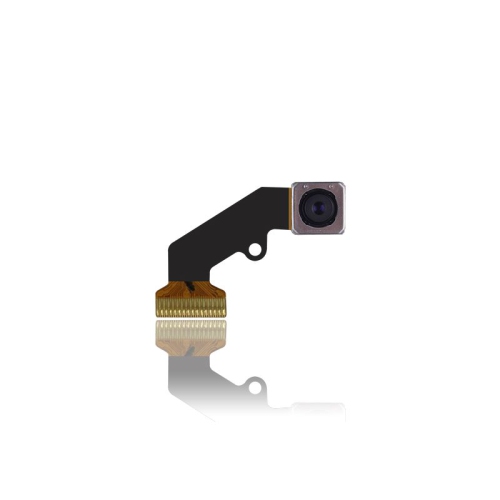
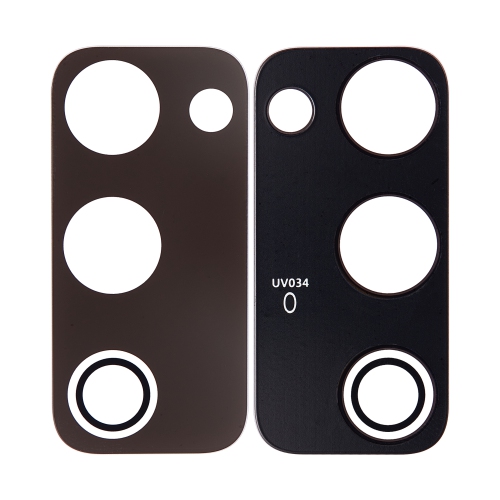
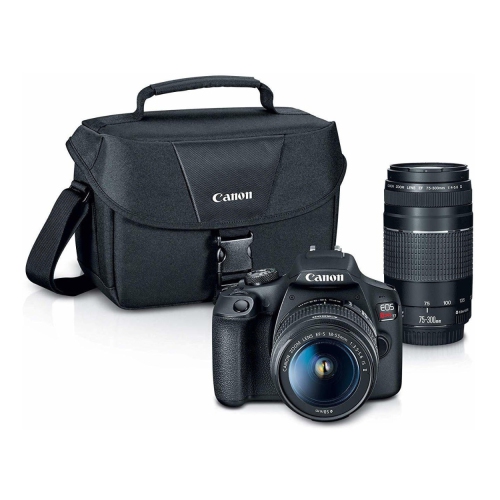
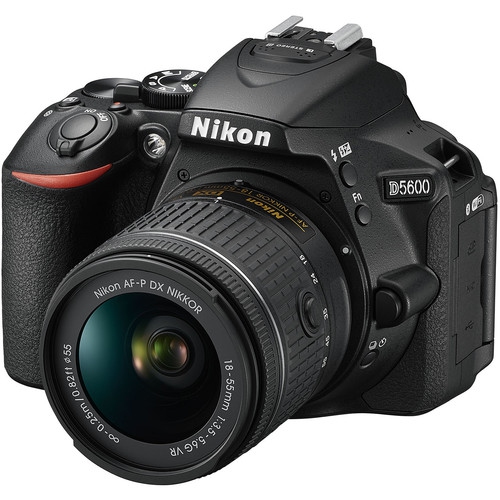
Camera parts are the components that give a camera its structure, capture light, and support its controls and connections. The main parts of a digital camera include the body, lens, image sensor, aperture, and shutter, along with a rear screen and, on many models, a viewfinder. The body houses the imaging system and provides the grip, buttons, compartments, and mounting points. The lens directs light towards the sensor, which converts that light into information used to create a photograph. The aperture is the adjustable opening within the lens that controls how much light passes through and helps determine how much of a scene appears in focus. The shutter controls the duration of the exposure, either through a physical mechanism or electronic operation, depending on the camera’s design. A viewfinder or rear screen provides the view used to compose an image, while dials and buttons provide access to settings. These systems work together, but they do not all have the same replacement requirements. Some camera parts are intended for straightforward external replacement, while others belong inside precision assemblies and require a qualified repair technician. Covers, eyecups, compartment doors, and other exterior fittings serve different purposes from internal shutters, sensors, or circuit boards. Understanding that distinction helps keep a replacement focused on the actual need, whether that is restoring a secure closure, improving viewing comfort, or addressing a damaged control. A missing eyecup can make framing less comfortable for someone who wears glasses, while a worn battery door latch can interfere with keeping the compartment securely closed. Camera replacement parts are therefore about more than appearance: the correct component can help restore handling, protect an opening, or return a familiar function to working order. For photographers who know the layout and feel of their equipment, retaining that familiar body can also mean preserving a comfortable grip and a well-practised shooting routine.
Compatibility is central to choosing camera parts because similar-looking components are not necessarily interchangeable. The exact camera model, body generation, lens mount, attachment shape, and electrical contacts can all matter. Even cameras within the same product family may use different hinges, screw positions, door profiles, or connection layouts. A part described for one model should not be assumed to fit another simply because the two bodies look alike. Lens-related fittings need particular attention to dimensions: a lens mount designation describes the connection to the camera body, while a filter thread diameter describes the threaded opening at the front of a compatible lens. Those measurements serve different purposes and cannot be used interchangeably. Fit also affects everyday handling. An exterior replacement should sit correctly without obstructing a nearby dial, pressing against the screen, or leaving a compartment unable to close as designed. Materials contribute to that fit and feel. Moulded plastics are commonly used for lightweight covers and shaped housings; rubber and similar flexible materials can provide grip or cushioning around contact areas; and metal is often used where rigidity, secure threading, or resistance to repeated mechanical wear is important. No single material is best for every application. A flexible eyecup has a different job from a rigid mounting point, and a replacement needs to suit the stresses placed on that location. Surface texture, edge finishing, and the quality of a hinge or latch can be as relevant as the main material. Where a component includes a seal or gasket, correct seating matters, and an exterior replacement alone does not establish that the camera retains its original protective rating. Electronic components bring further considerations, including contact arrangement and specified power requirements. Clear compatibility information and installation requirements are especially valuable for these parts. A component that needs calibration, soldering, or substantial disassembly is a different purchase from an externally attached fitting, even when both are described as replacement camera parts.
Intended use gives camera parts their practical context. A photography student carrying a camera between classes may place particular value on secure covers and comfortable contact points, while a portrait photographer who frequently works through the viewfinder may notice a damaged eyecup immediately. Someone photographing small objects at a desk may handle the screen and mounting connection repeatedly, making the condition of those areas especially relevant. For video work, access to ports, articulated screens, and controls can be important when the camera is connected to other equipment. A suitable replacement should preserve that access rather than solve one problem by introducing another. Durability depends on appropriate construction, accurate fit, and the way a part is handled over time. Repeatedly forcing a misaligned cover or overtightening a threaded fitting can damage both the replacement and the surrounding camera body. Routine care is generally most effective when it follows the camera manufacturer’s instructions and keeps abrasive debris away from moving joints, contact surfaces, and openings. Exterior surfaces may call for gentle cleaning with an appropriate soft cloth, while optical surfaces and image sensors require different tools and methods. Household cleaners, excess liquid, and unnecessary disassembly can create additional problems. Internal work deserves particular caution: opening a camera can expose delicate cables and assemblies, and flash circuitry can retain a hazardous electrical charge even after the battery is removed. Professional assessment is appropriate when the fault involves internal electronics, impact damage, or uncertain installation steps. For gift giving, camera parts tend to be most useful when the recipient has identified a particular need and the exact compatible component. A replacement for a well-used camera can be a thoughtful, practical choice, but guessing at fit is less reliable than confirming the model and purpose first. For broader photography gift inspiration, Camera Presents offers a related starting point. Whether the goal is restoring a small exterior detail or supporting a more involved repair, the strongest match is a part that suits the camera’s design, the photographer’s habits, and the work the equipment is expected to do.
Compatibility is central to choosing camera parts because similar-looking components are not necessarily interchangeable. The exact camera model, body generation, lens mount, attachment shape, and electrical contacts can all matter. Even cameras within the same product family may use different hinges, screw positions, door profiles, or connection layouts. A part described for one model should not be assumed to fit another simply because the two bodies look alike. Lens-related fittings need particular attention to dimensions: a lens mount designation describes the connection to the camera body, while a filter thread diameter describes the threaded opening at the front of a compatible lens. Those measurements serve different purposes and cannot be used interchangeably. Fit also affects everyday handling. An exterior replacement should sit correctly without obstructing a nearby dial, pressing against the screen, or leaving a compartment unable to close as designed. Materials contribute to that fit and feel. Moulded plastics are commonly used for lightweight covers and shaped housings; rubber and similar flexible materials can provide grip or cushioning around contact areas; and metal is often used where rigidity, secure threading, or resistance to repeated mechanical wear is important. No single material is best for every application. A flexible eyecup has a different job from a rigid mounting point, and a replacement needs to suit the stresses placed on that location. Surface texture, edge finishing, and the quality of a hinge or latch can be as relevant as the main material. Where a component includes a seal or gasket, correct seating matters, and an exterior replacement alone does not establish that the camera retains its original protective rating. Electronic components bring further considerations, including contact arrangement and specified power requirements. Clear compatibility information and installation requirements are especially valuable for these parts. A component that needs calibration, soldering, or substantial disassembly is a different purchase from an externally attached fitting, even when both are described as replacement camera parts.
Intended use gives camera parts their practical context. A photography student carrying a camera between classes may place particular value on secure covers and comfortable contact points, while a portrait photographer who frequently works through the viewfinder may notice a damaged eyecup immediately. Someone photographing small objects at a desk may handle the screen and mounting connection repeatedly, making the condition of those areas especially relevant. For video work, access to ports, articulated screens, and controls can be important when the camera is connected to other equipment. A suitable replacement should preserve that access rather than solve one problem by introducing another. Durability depends on appropriate construction, accurate fit, and the way a part is handled over time. Repeatedly forcing a misaligned cover or overtightening a threaded fitting can damage both the replacement and the surrounding camera body. Routine care is generally most effective when it follows the camera manufacturer’s instructions and keeps abrasive debris away from moving joints, contact surfaces, and openings. Exterior surfaces may call for gentle cleaning with an appropriate soft cloth, while optical surfaces and image sensors require different tools and methods. Household cleaners, excess liquid, and unnecessary disassembly can create additional problems. Internal work deserves particular caution: opening a camera can expose delicate cables and assemblies, and flash circuitry can retain a hazardous electrical charge even after the battery is removed. Professional assessment is appropriate when the fault involves internal electronics, impact damage, or uncertain installation steps. For gift giving, camera parts tend to be most useful when the recipient has identified a particular need and the exact compatible component. A replacement for a well-used camera can be a thoughtful, practical choice, but guessing at fit is less reliable than confirming the model and purpose first. For broader photography gift inspiration, Camera Presents offers a related starting point. Whether the goal is restoring a small exterior detail or supporting a more involved repair, the strongest match is a part that suits the camera’s design, the photographer’s habits, and the work the equipment is expected to do.
Top selling and popular products
-
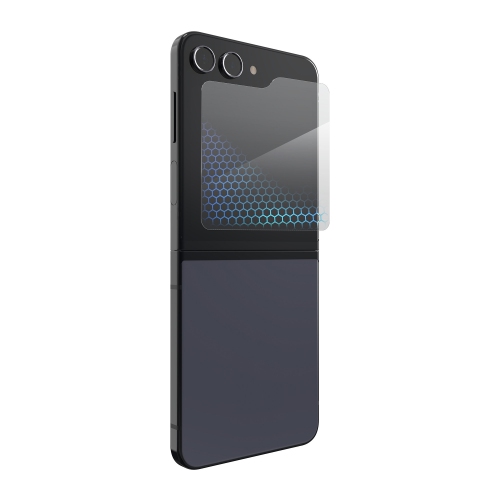 Your price for this item is $59.99
 -
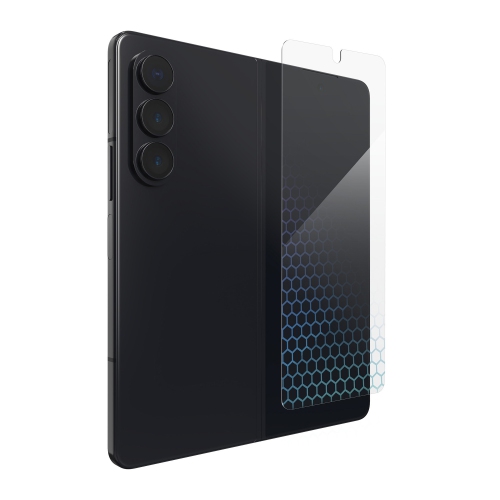 Your price for this item is $59.99
 -
 Your price for this item is $89.99
 -
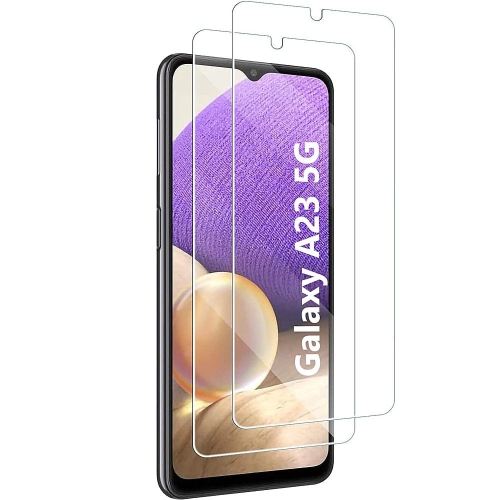 Your price for this item is $52
 -
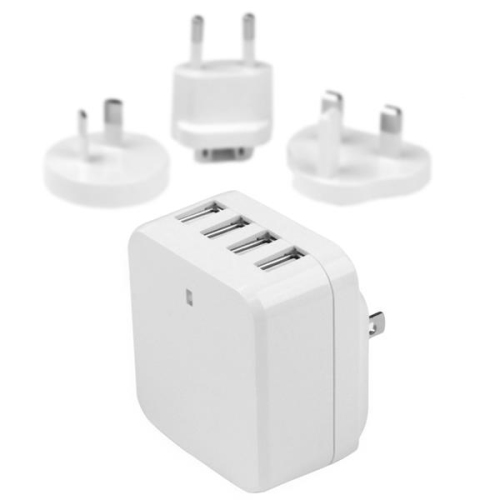 Your price for this item is $49.99
 -
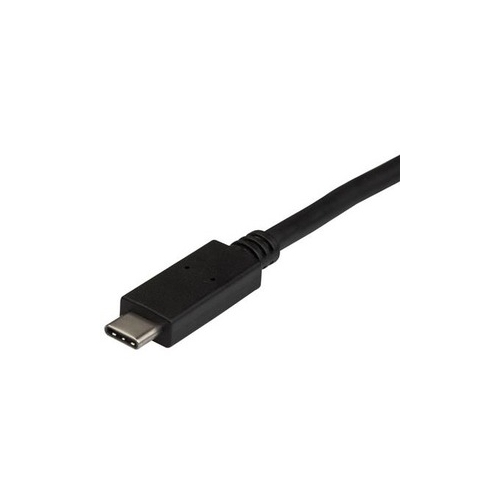 Your price for this item is $14.68
 -
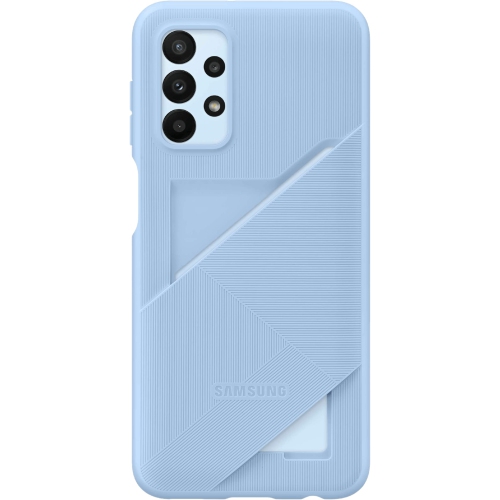 Your price for this item is $52.49
 -
 Your price for this item is $16.79
Discover more categories related to Camera Parts
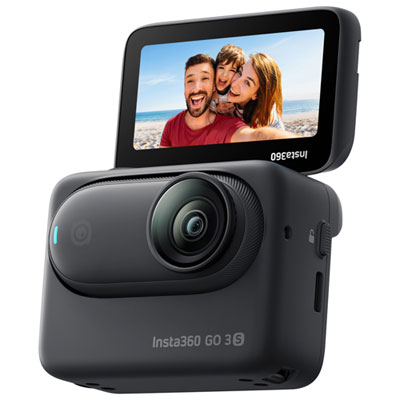
Top Collections:
Pokemon Centers, Kindle Devices, Best Budget Office Chairs, Apple iPhones 16, Best Laptops for Writers, iPhone 15 Apple, Canon G7X Cameras, Refurbished Apple Laptops, Alarm Clock, Motorola Razr Phones
Some products may be subject to Environmental Handling Fees
(EHF) depending on your province.
Learn more about EHFs.