Modern Cameras
Capture life's moments with the latest advancements in modern cameras. Whether you're a professional photographer or just love to snap photos on the go, these cutting-edge cameras are sure to impress. From sleek mirrorless cameras to powerful DSLRs, we have the perfect device to suit your photography needs. Discover state-of-the-art features, stunning image quality, and intuitive controls that will elevate your photography game to new heights.
Sort
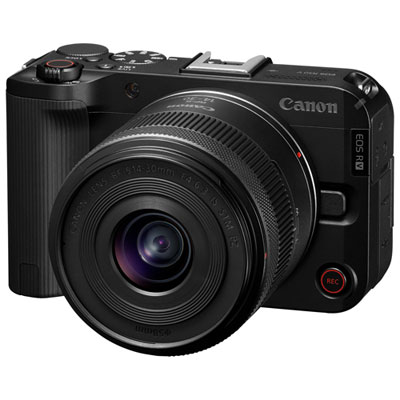

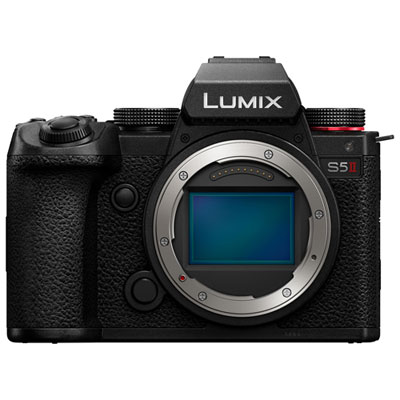
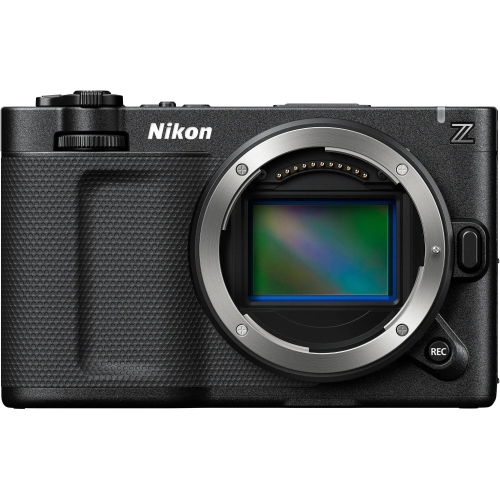
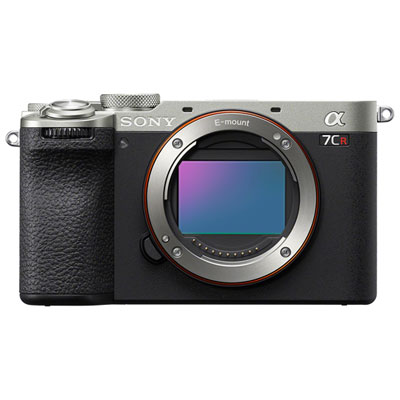
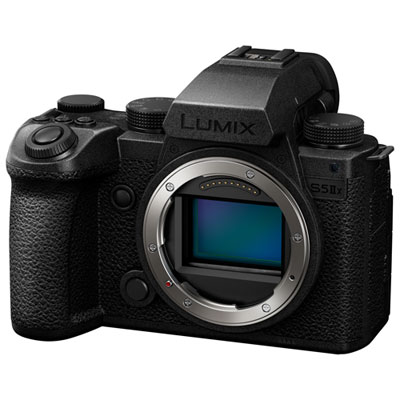
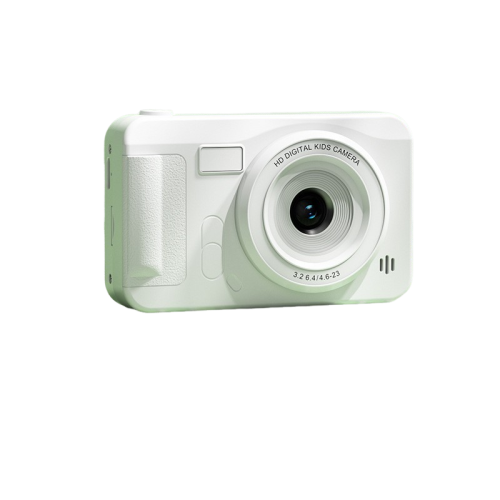
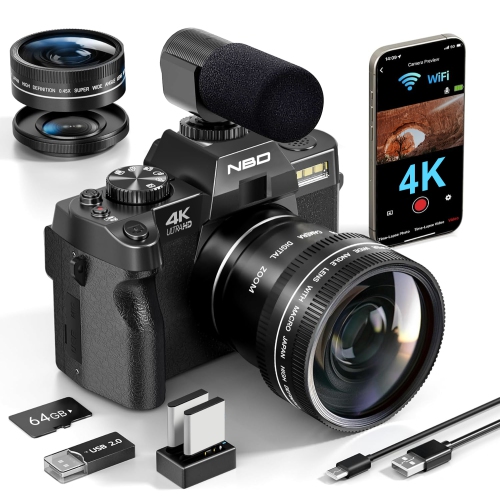
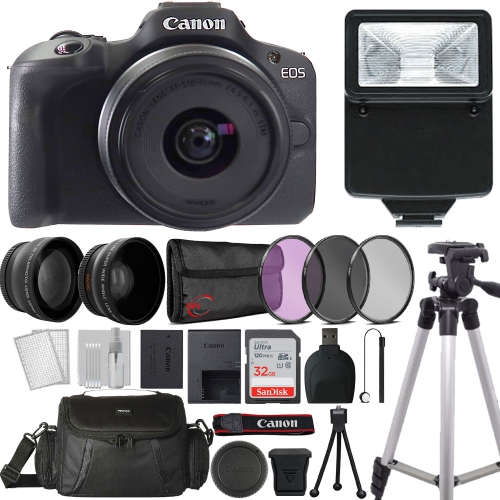
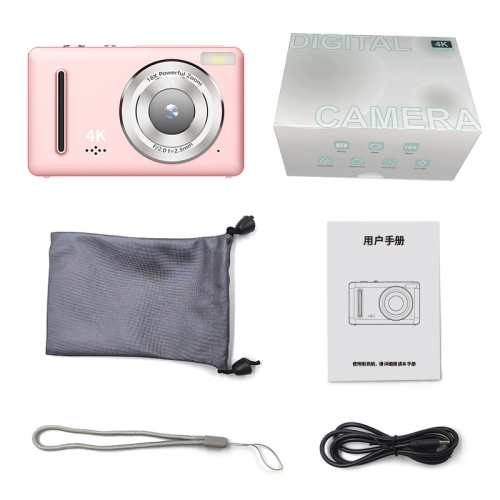
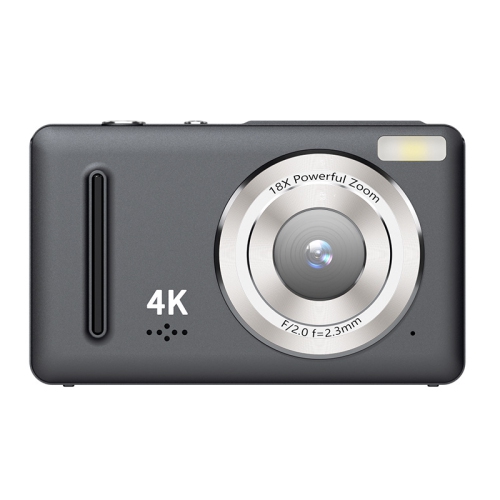
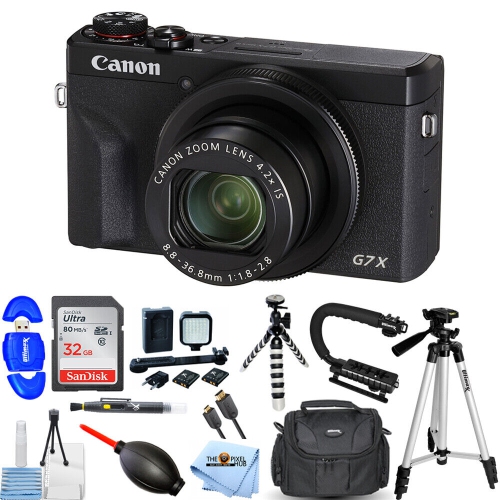
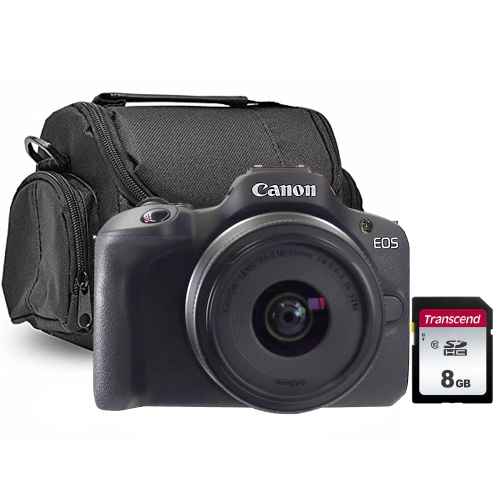
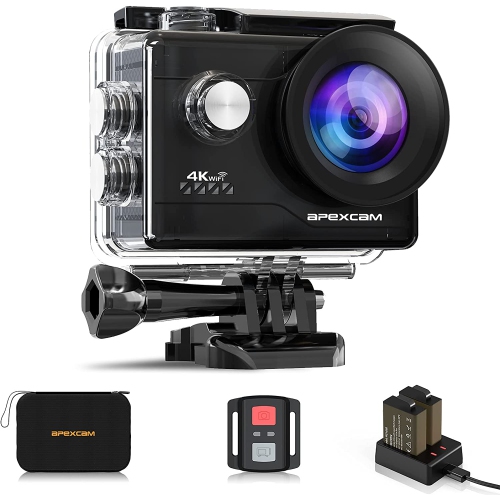
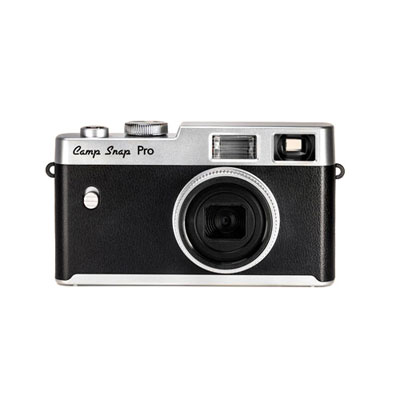
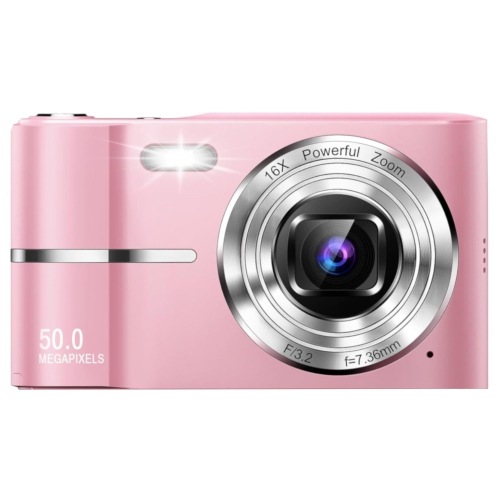
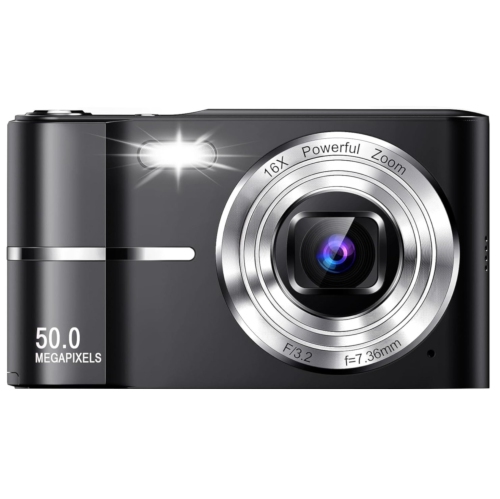



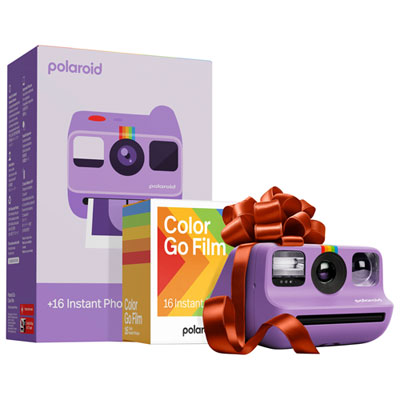
Camera features that matter beyond the megapixel count
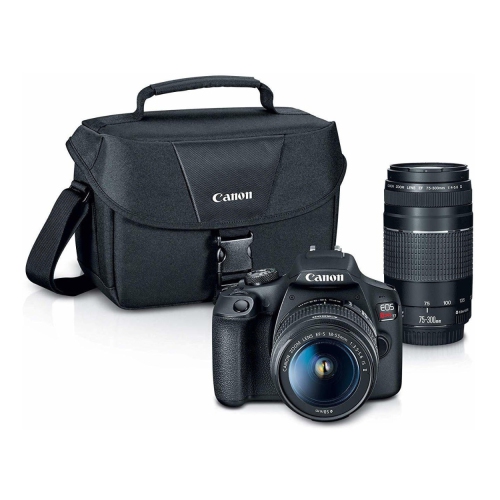
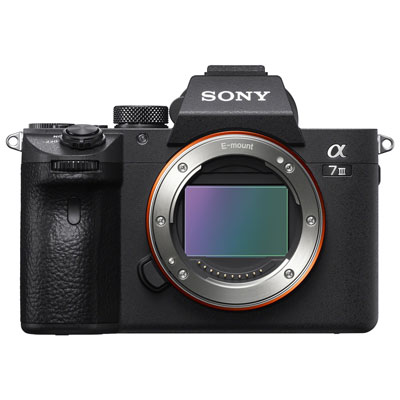
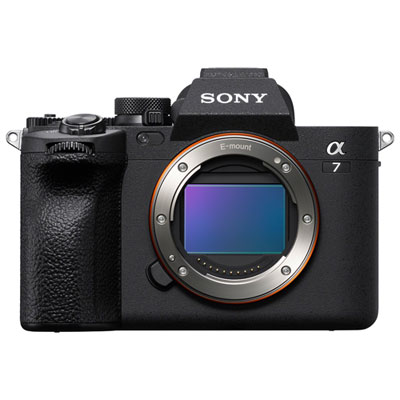
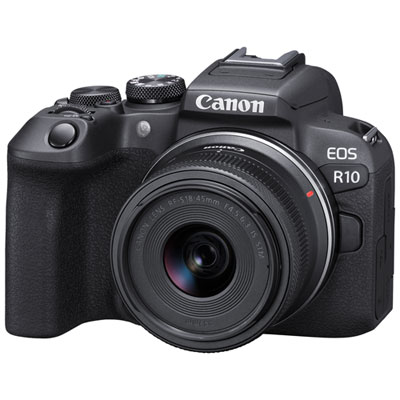
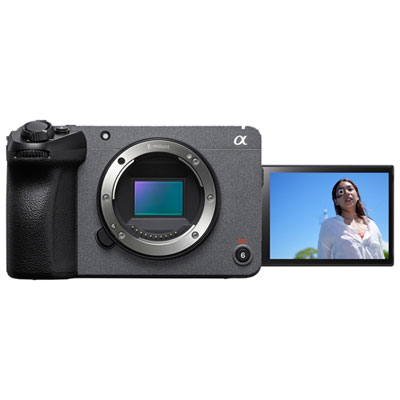
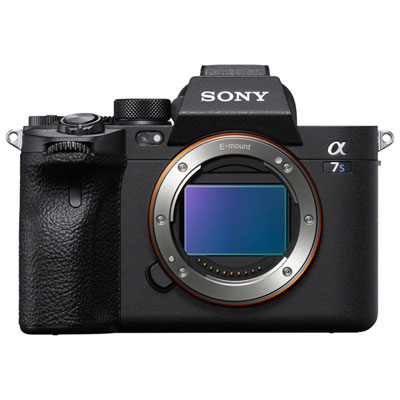
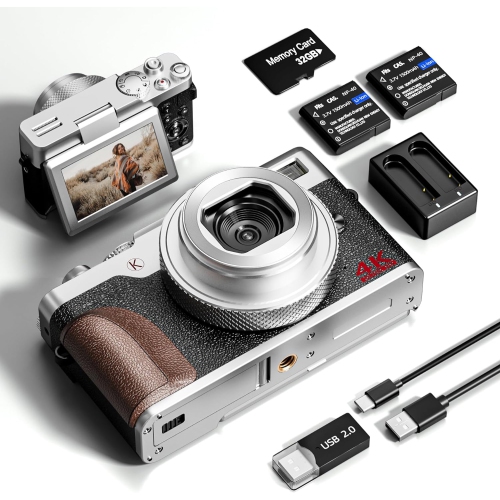
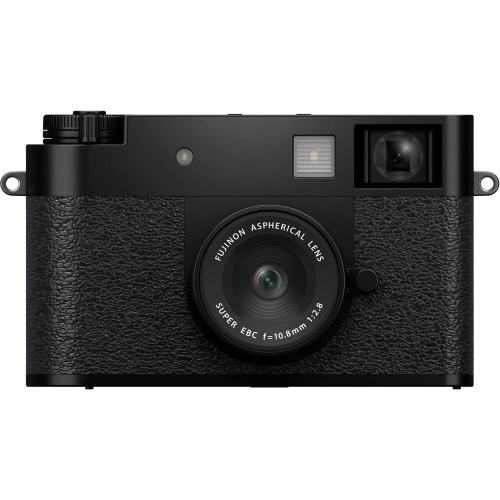
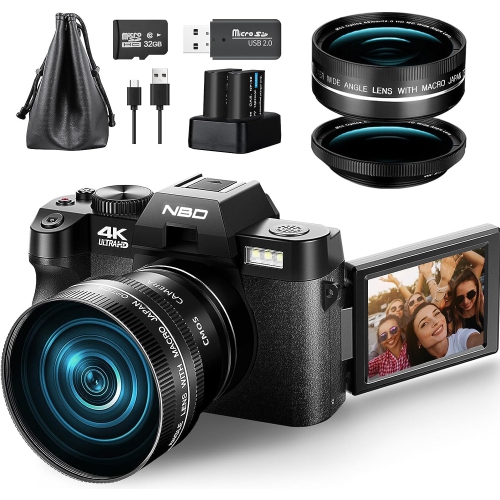
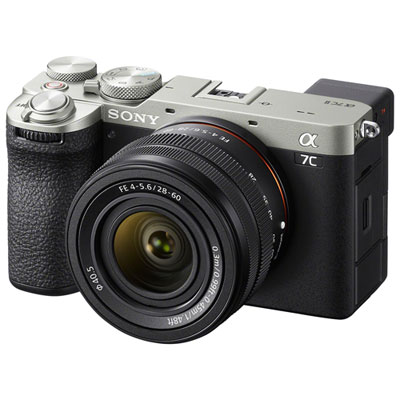
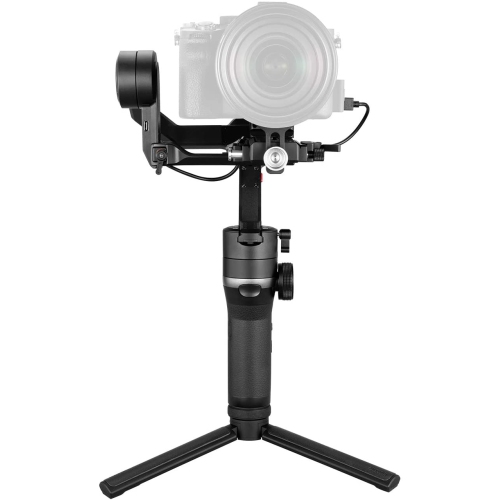
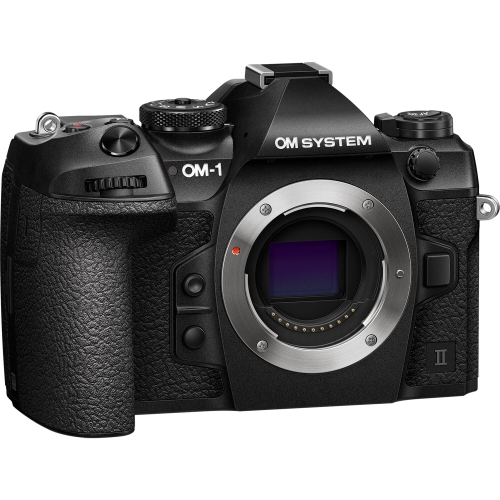
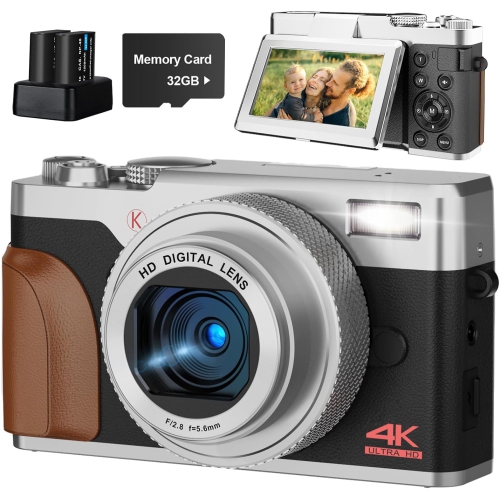
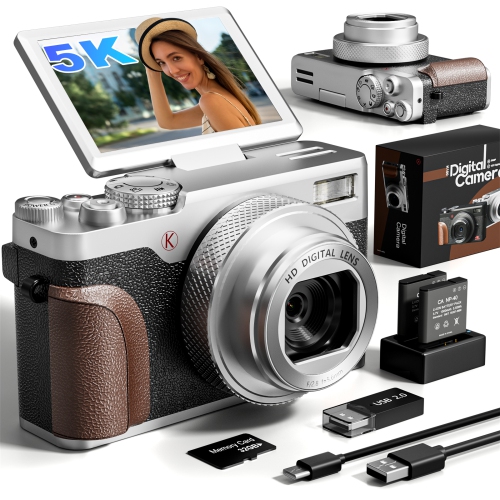
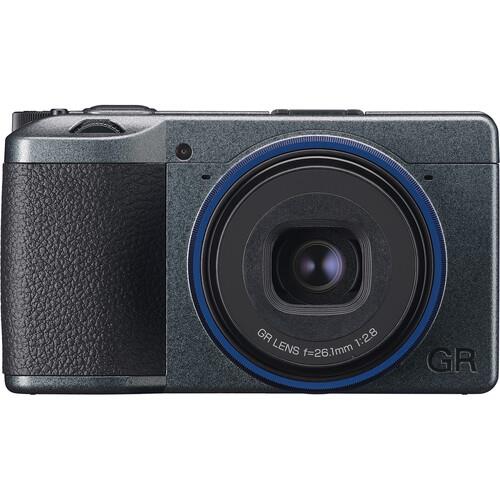
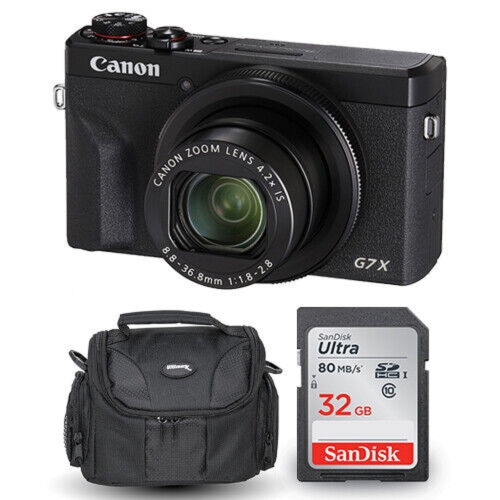
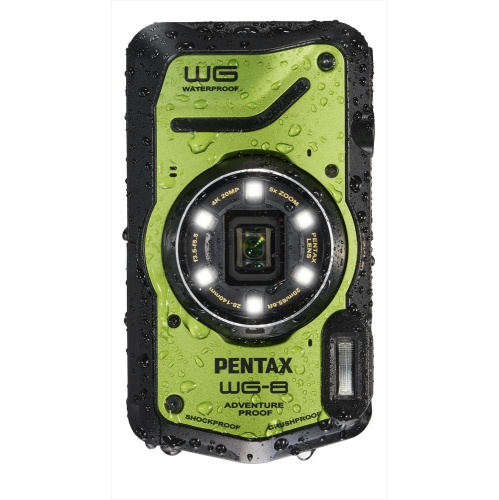
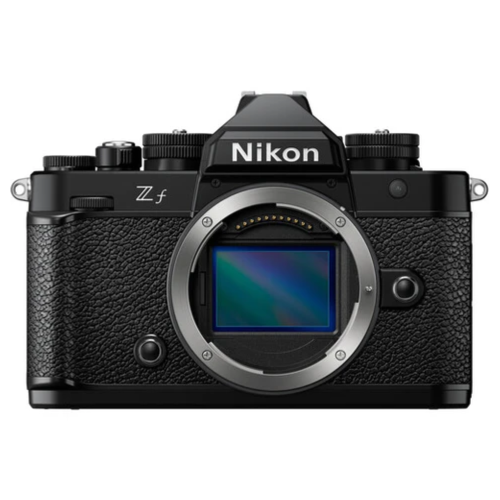
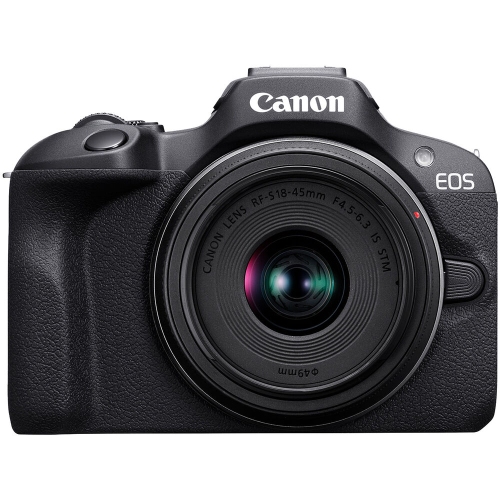
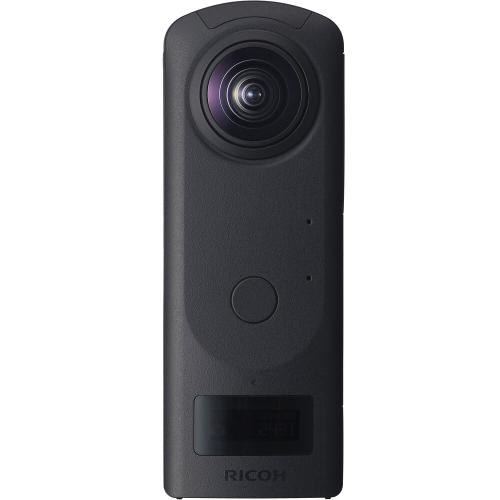
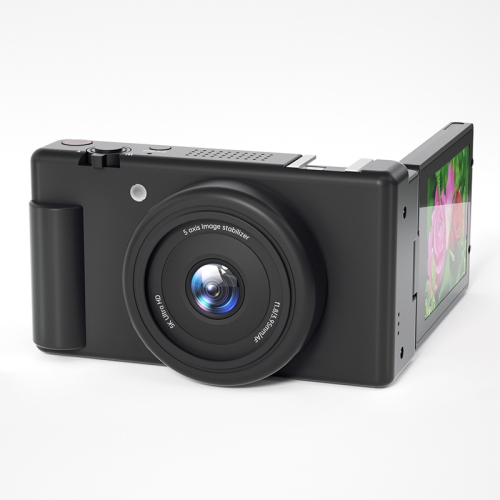
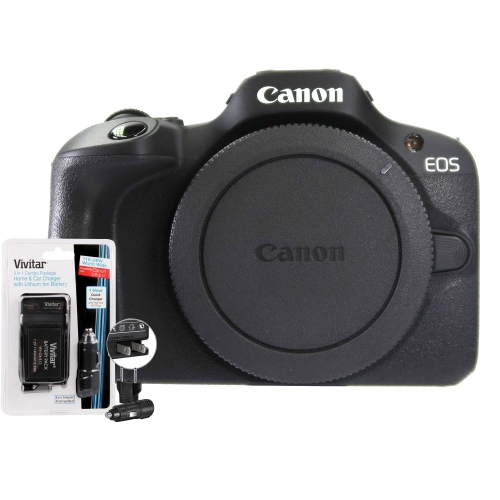
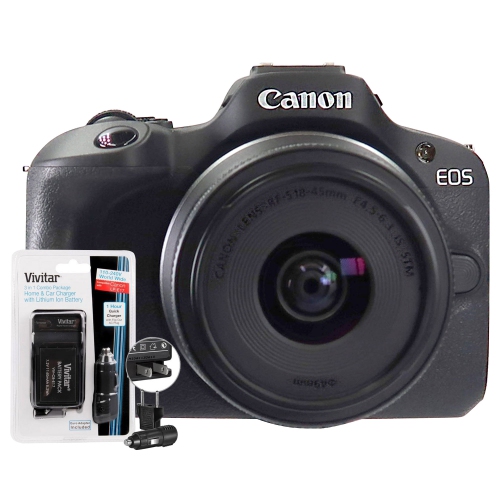
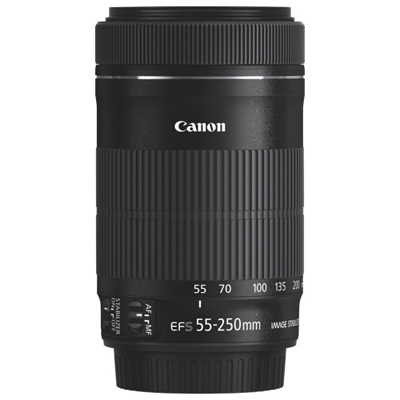
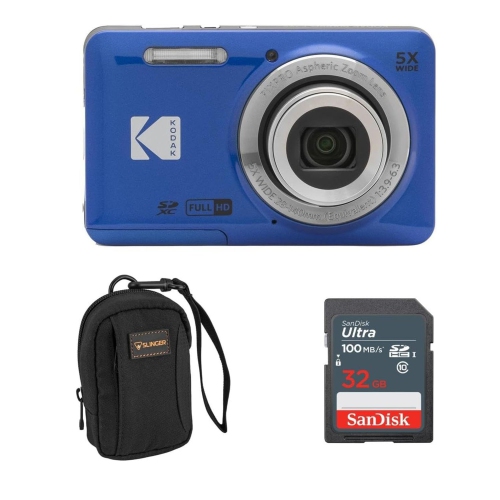
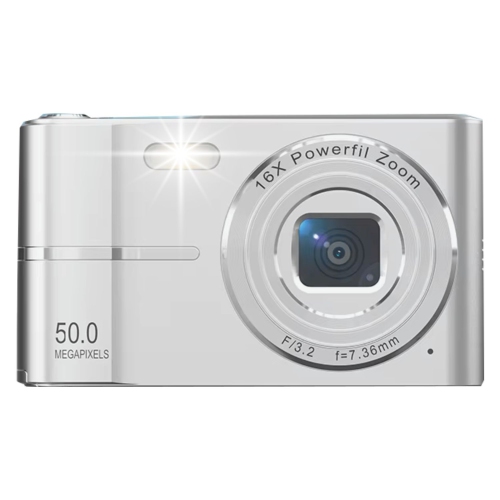
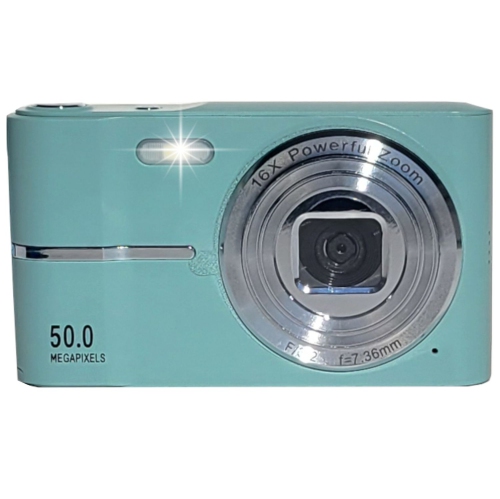
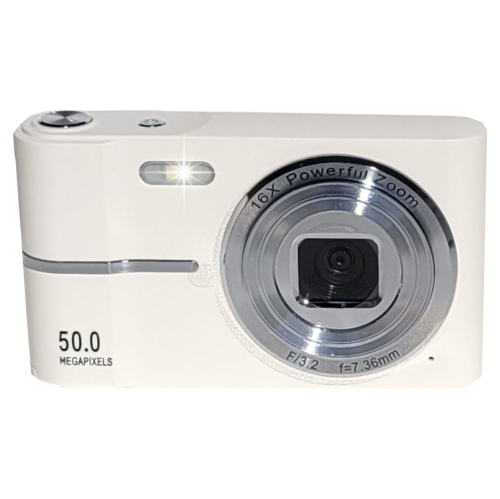
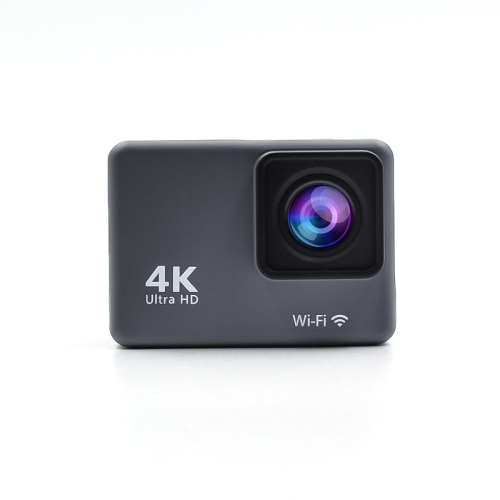
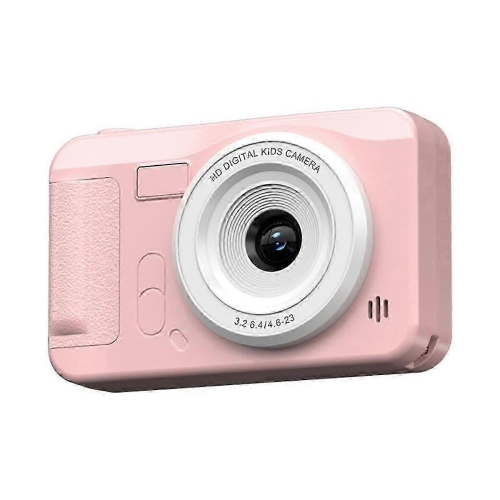
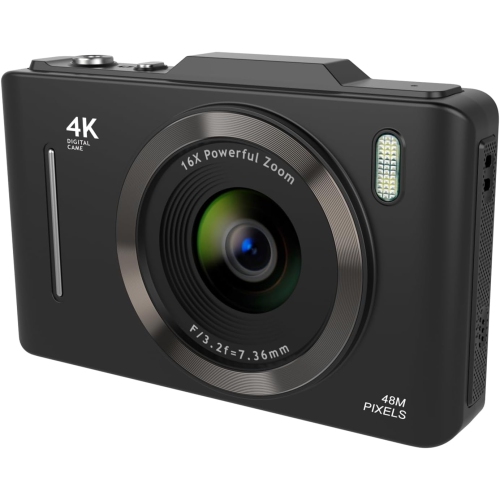
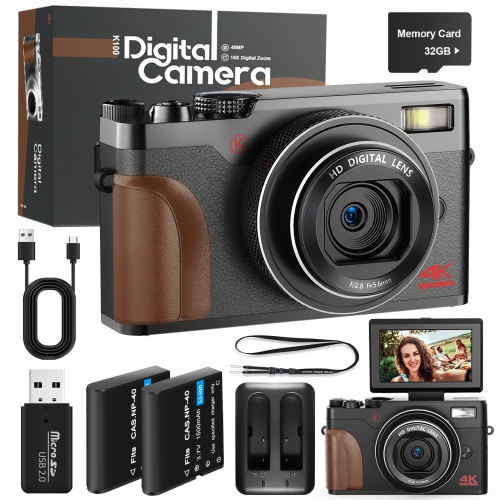
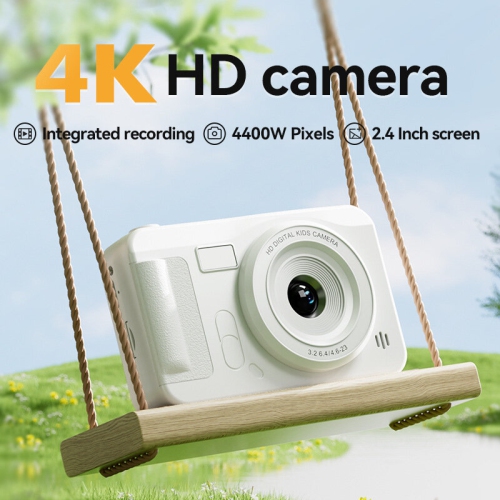
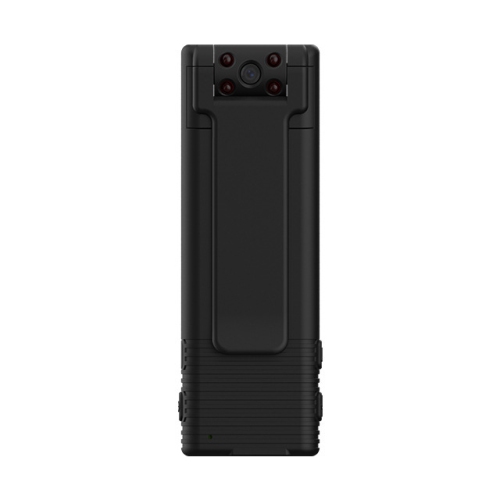
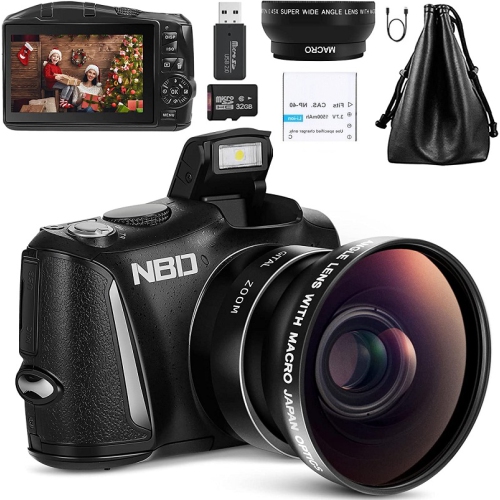
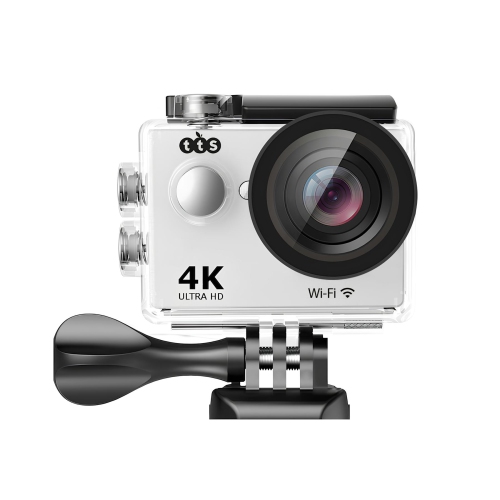
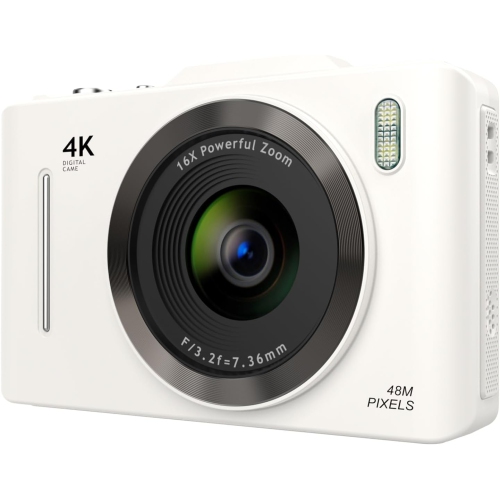
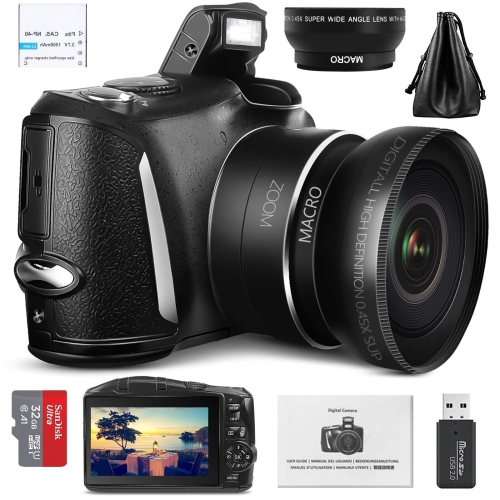
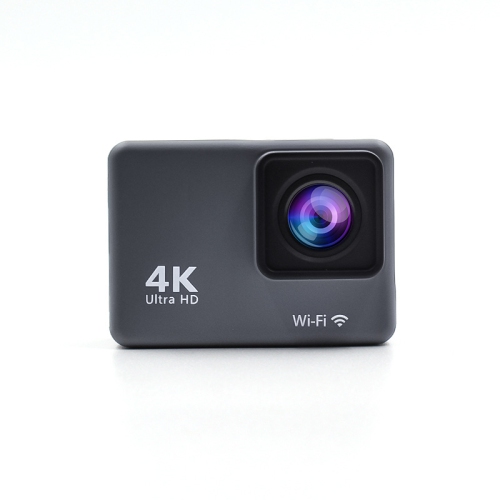
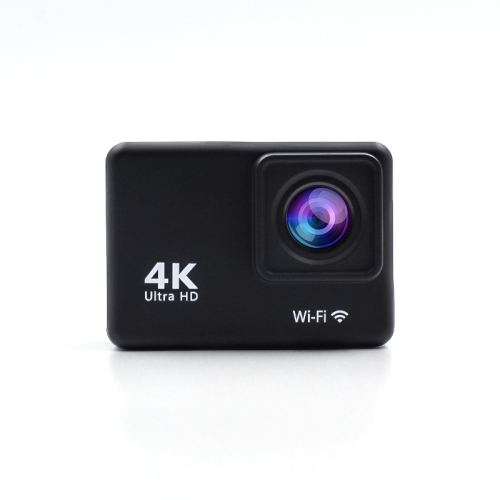
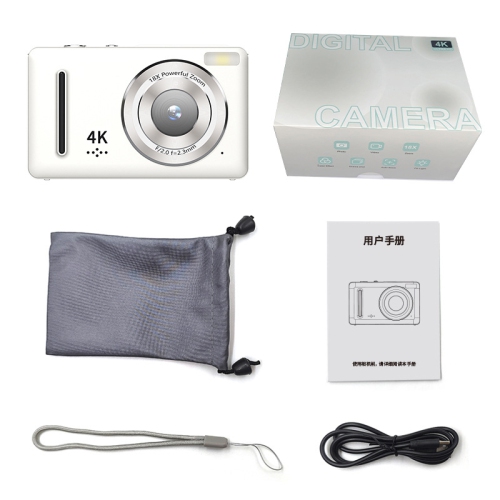
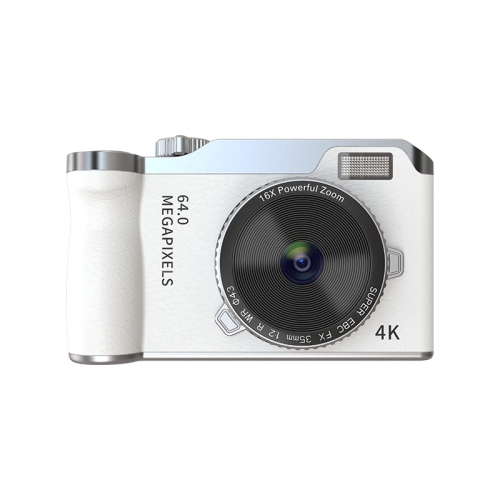
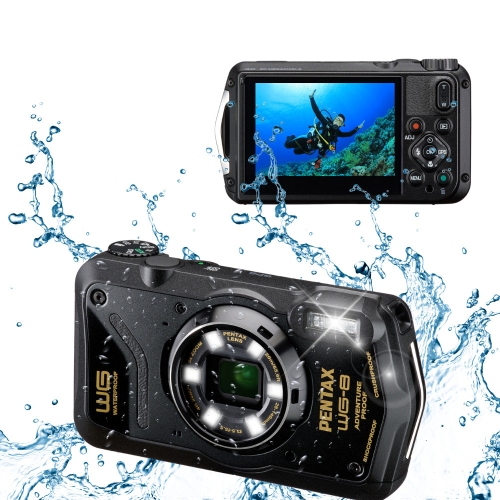
Modern cameras are digital imaging devices that combine an image sensor, a processor, and a lens to capture photographs and video with control over focus, exposure, and detail. Many use CMOS sensors and offer features such as subject-tracking autofocus, 4K video recording, image stabilization, and wireless connectivity, although capabilities vary by camera. Their appeal goes beyond resolution: a comfortable grip, responsive controls, and a clear viewfinder can make photographing a child’s expression or framing a distant architectural detail feel more deliberate. Mirrorless cameras use an electronic viewfinder or rear screen to display the image coming through the lens, often providing a preview of brightness, colour, and exposure before the shutter is pressed. Without the mirror mechanism found in a DSLR, a mirrorless body can be relatively compact, though its overall size and weight depend heavily on the attached lens. DSLRs use an optical viewfinder for through-the-lens viewing and remain useful for photographers who prefer that approach. Compact digital cameras have built-in lenses, making them convenient for everyday photography and travel without the need to carry or change separate lenses. Action cameras emphasize small, mountable designs for recording movement, while video-oriented cameras often place greater emphasis on audio connections, articulated screens, and extended recording features. Each format suits a different way of capturing a scene, from a quick photograph at a family gathering to a carefully composed portrait or a recorded demonstration at a desk. Interchangeable-lens cameras provide room to explore different perspectives, including wide views of interiors, close-up details, and distant subjects. Fixed-lens designs keep the setup simpler, with fewer separate pieces to pack. For students, hobbyists, travellers, and people creating visual content for a small business, the most relevant differences are often practical ones: how easily the camera travels, how quickly it responds, and whether its controls support the photographs or videos they want to make.
Image quality comes from the interaction of sensor size, lens quality, lighting, focus, and processing rather than megapixel count alone. Higher resolution can leave more room for cropping or making large prints, but it also creates larger files that need more storage and processing power. Larger sensors can offer advantages in low light and greater control over background blur, although the lens aperture and distance from the subject also shape the result. A portrait with softly blurred shelves behind the subject, for example, depends on more than choosing a particular camera format. Modern autofocus systems may include eye detection and tracking for people, animals, or vehicles, helping maintain focus as a subject moves through the frame. Supported subject types and tracking performance differ, and a fast-moving pet presents a different challenge from a stationary object on a table. Continuous shooting captures a sequence of still images, while the camera’s buffer and memory card affect how long that sequence can continue at full speed. In-body image stabilization moves the sensor to counter small camera movements; optical stabilization performs a similar role through elements in a compatible lens. These features can reduce blur from handheld movement, but they do not freeze a moving subject. For video, 4K describes recording resolution, not the complete quality or flexibility of the footage. Frame rates, autofocus behaviour, recording limits, and any crop applied in a particular mode also matter. A front-facing or fully articulated screen makes framing easier when someone is both presenting and operating the camera. Microphone inputs support external audio capture, and headphone connections allow monitoring where provided. Some cameras also offer flat recording profiles or advanced colour options for people who edit their footage. For simpler sharing, JPEG photographs and standard video profiles often need less preparation. RAW photo files retain more image data for adjusting exposure and colour during editing. Wi-Fi and Bluetooth can support phone pairing, image transfer, or remote operation through a compatible app, with functions and transfer speeds depending on the camera and connection.
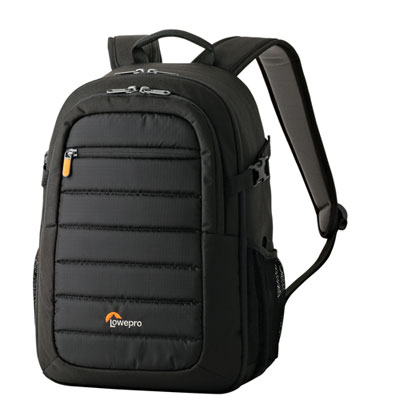
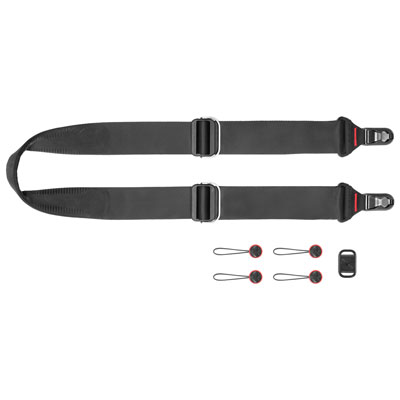
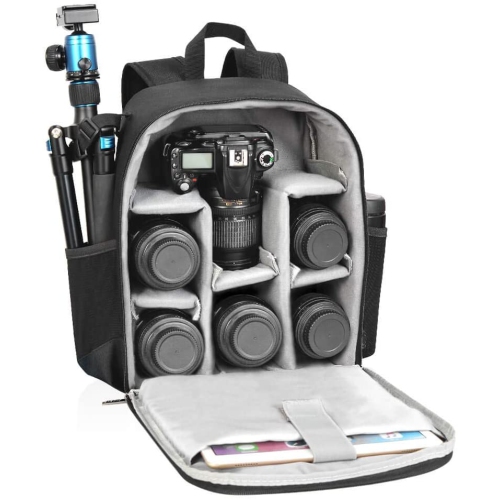
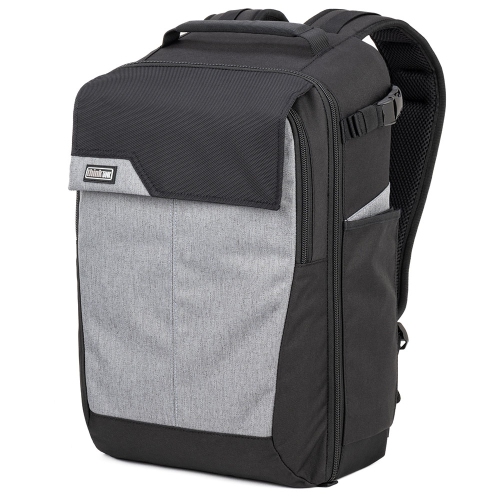
The physical design of a modern camera matters over a full day of carrying and shooting. Bodies may use engineering plastics, metal alloys, or a combination of materials to balance weight, rigidity, and handling. A deeper grip can feel steadier with a substantial lens, while a smaller body may fit more comfortably in a day bag. Button placement, touchscreen responsiveness, and the ability to reach key settings without changing grip all contribute to everyday comfort. Lens size deserves equal attention: a compact body paired with a large zoom can feel very different from the same body fitted with a small fixed-focal-length lens. A padded bag with adjustable dividers helps keep equipment from knocking together, and a properly attached strap adds security when moving between shots. Durability also depends on thoughtful care. Lens caps protect exposed glass during storage, a clean microfibre cloth is suitable for gentle surface cleaning, and a hand-operated blower can help remove loose dust without rubbing it across the lens. Sensor cleaning requires particular care and may be best handled by a qualified service provider. For interchangeable-lens systems, keeping the camera opening uncovered only briefly during lens changes helps limit dust entry. Battery endurance varies with screen use, wireless functions, autofocus activity, and video recording, so longer sessions may call for a charged spare. Memory card compatibility includes both format and speed requirements, especially for high-resolution video or extended bursts of photographs. Regular file backups help protect images once a card leaves the camera. For someone receiving a camera as a gift, familiarity with their interests and any lenses they already own can be more useful than choosing by resolution alone. A budding filmmaker may value reliable audio options, while a family photographer may appreciate straightforward controls and dependable face detection. Those interested in experimenting with perspective, colour, and visual storytelling can also explore Creative Cameras. Whether used to document handmade work, capture candid expressions, or develop a personal photography practice, a camera earns its place through the balance of image quality, handling, and features that make it enjoyable to use.
Image quality comes from the interaction of sensor size, lens quality, lighting, focus, and processing rather than megapixel count alone. Higher resolution can leave more room for cropping or making large prints, but it also creates larger files that need more storage and processing power. Larger sensors can offer advantages in low light and greater control over background blur, although the lens aperture and distance from the subject also shape the result. A portrait with softly blurred shelves behind the subject, for example, depends on more than choosing a particular camera format. Modern autofocus systems may include eye detection and tracking for people, animals, or vehicles, helping maintain focus as a subject moves through the frame. Supported subject types and tracking performance differ, and a fast-moving pet presents a different challenge from a stationary object on a table. Continuous shooting captures a sequence of still images, while the camera’s buffer and memory card affect how long that sequence can continue at full speed. In-body image stabilization moves the sensor to counter small camera movements; optical stabilization performs a similar role through elements in a compatible lens. These features can reduce blur from handheld movement, but they do not freeze a moving subject. For video, 4K describes recording resolution, not the complete quality or flexibility of the footage. Frame rates, autofocus behaviour, recording limits, and any crop applied in a particular mode also matter. A front-facing or fully articulated screen makes framing easier when someone is both presenting and operating the camera. Microphone inputs support external audio capture, and headphone connections allow monitoring where provided. Some cameras also offer flat recording profiles or advanced colour options for people who edit their footage. For simpler sharing, JPEG photographs and standard video profiles often need less preparation. RAW photo files retain more image data for adjusting exposure and colour during editing. Wi-Fi and Bluetooth can support phone pairing, image transfer, or remote operation through a compatible app, with functions and transfer speeds depending on the camera and connection.
The physical design of a modern camera matters over a full day of carrying and shooting. Bodies may use engineering plastics, metal alloys, or a combination of materials to balance weight, rigidity, and handling. A deeper grip can feel steadier with a substantial lens, while a smaller body may fit more comfortably in a day bag. Button placement, touchscreen responsiveness, and the ability to reach key settings without changing grip all contribute to everyday comfort. Lens size deserves equal attention: a compact body paired with a large zoom can feel very different from the same body fitted with a small fixed-focal-length lens. A padded bag with adjustable dividers helps keep equipment from knocking together, and a properly attached strap adds security when moving between shots. Durability also depends on thoughtful care. Lens caps protect exposed glass during storage, a clean microfibre cloth is suitable for gentle surface cleaning, and a hand-operated blower can help remove loose dust without rubbing it across the lens. Sensor cleaning requires particular care and may be best handled by a qualified service provider. For interchangeable-lens systems, keeping the camera opening uncovered only briefly during lens changes helps limit dust entry. Battery endurance varies with screen use, wireless functions, autofocus activity, and video recording, so longer sessions may call for a charged spare. Memory card compatibility includes both format and speed requirements, especially for high-resolution video or extended bursts of photographs. Regular file backups help protect images once a card leaves the camera. For someone receiving a camera as a gift, familiarity with their interests and any lenses they already own can be more useful than choosing by resolution alone. A budding filmmaker may value reliable audio options, while a family photographer may appreciate straightforward controls and dependable face detection. Those interested in experimenting with perspective, colour, and visual storytelling can also explore Creative Cameras. Whether used to document handmade work, capture candid expressions, or develop a personal photography practice, a camera earns its place through the balance of image quality, handling, and features that make it enjoyable to use.
Top selling and popular products
-
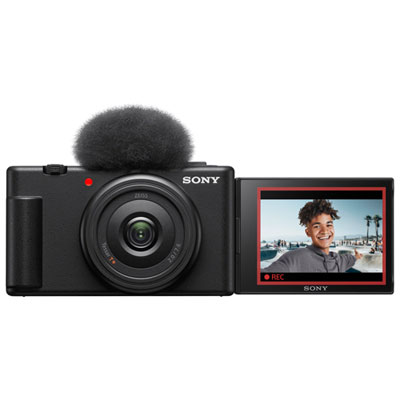 Your price for this item is $649.99
 -
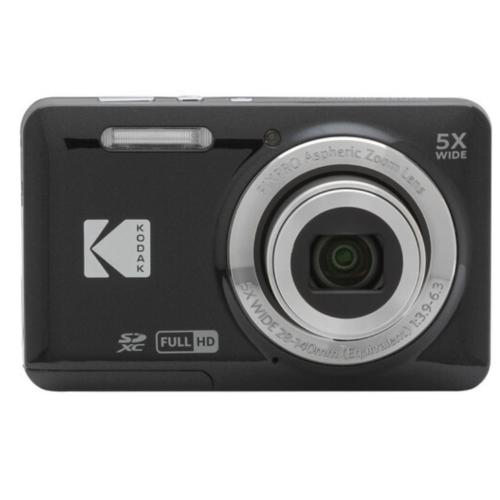 Your price for this item is $253
 -
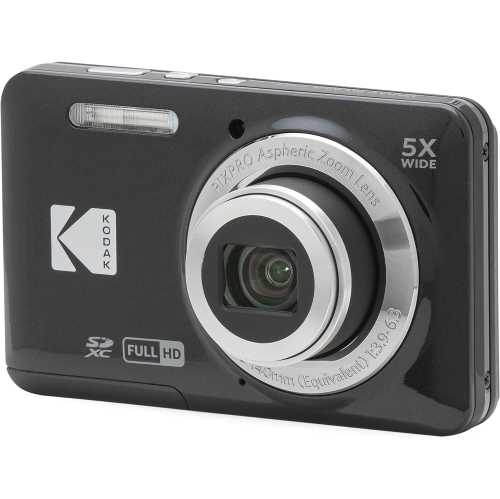 Your price for this item is $255
 -
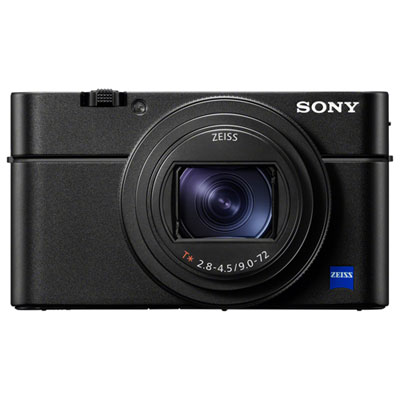 Your price for this item is $1999.99
 -
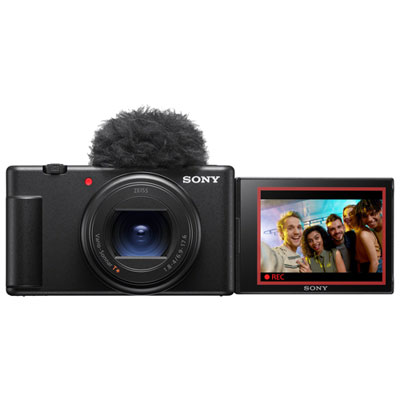 Your price for this item is $1199.99
 -
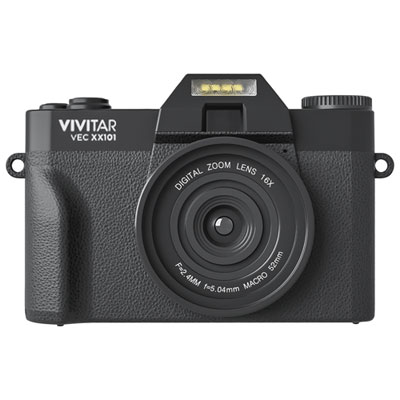 Your price for this item is $199.99
 -
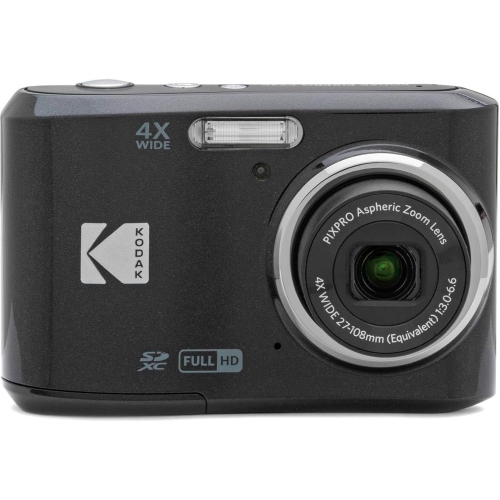 Your price for this item is $185
 -
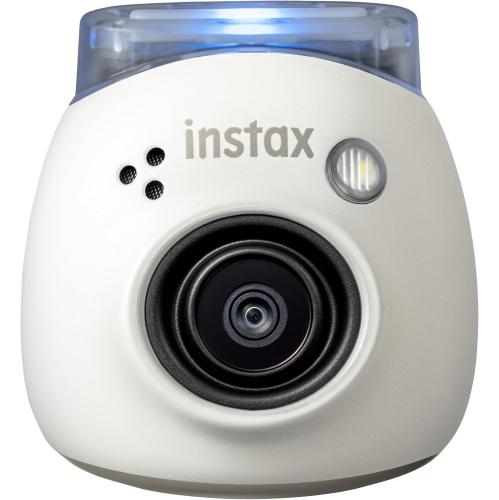
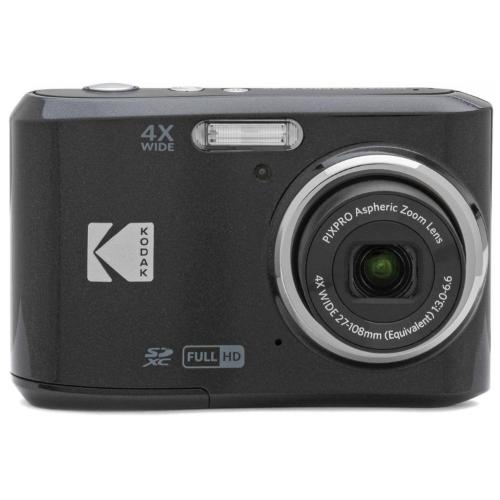 Your price for this item is $278
Discover more categories related to Modern Cameras
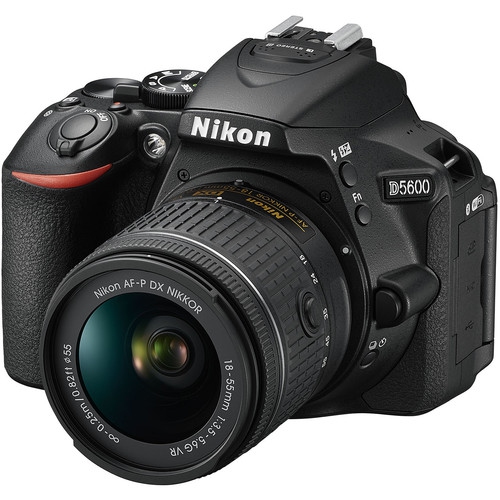
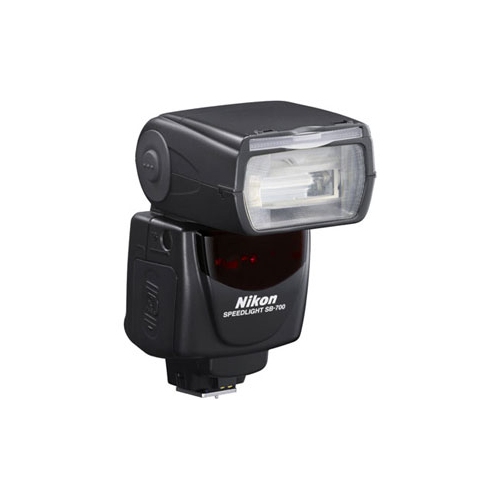
Top Collections:
Pokemon Centers, Kindle Devices, Best Budget Office Chairs, Apple iPhones 16, Best Laptops for Writers, iPhone 15 Apple, Canon G7X Cameras, Refurbished Apple Laptops, Alarm Clock, Motorola Razr Phones
Some products may be subject to Environmental Handling Fees
(EHF) depending on your province.
Learn more about EHFs.