Drones With 360 Degree Camera
Capture stunning aerial footage from every angle with our selection of drones equipped with 360-degree cameras. Whether you're a professional photographer, an adventurous traveler, or simply an enthusiast looking to elevate your photography skills, these cutting-edge drones will take your creativity to new heights. With the ability to capture panoramic views and immersive videos, you'll be able to document your experiences like never before.
Sort
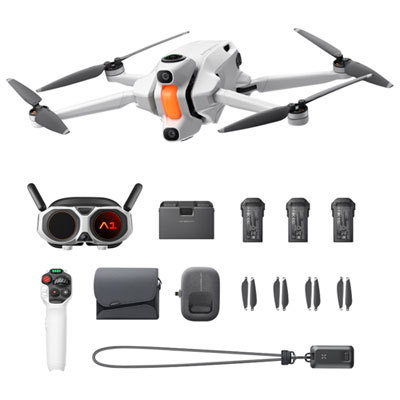
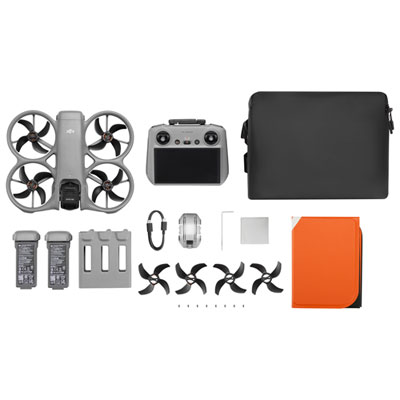
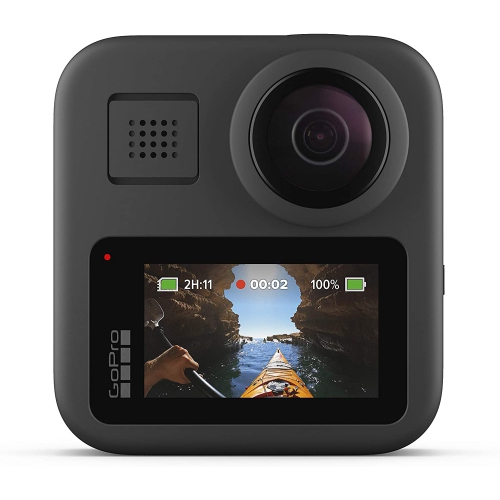
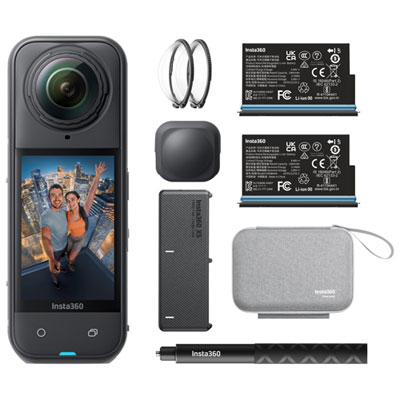
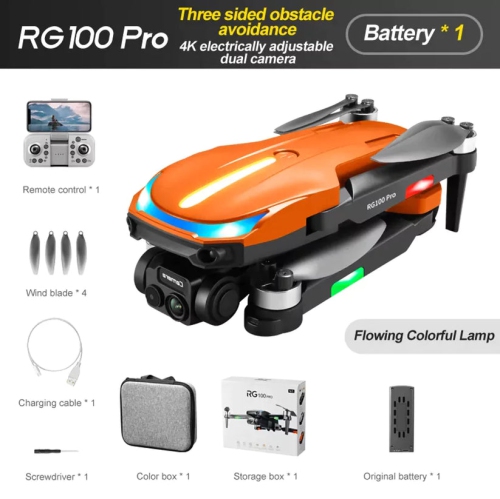
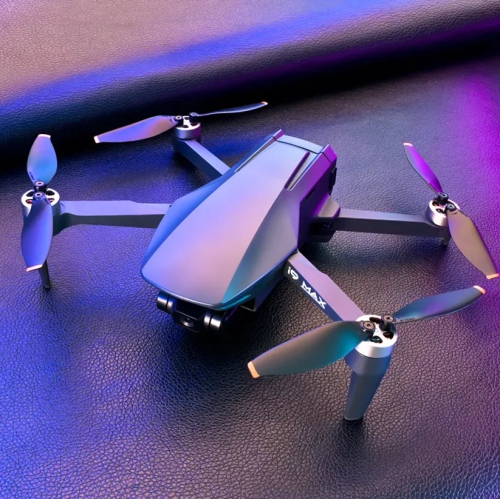

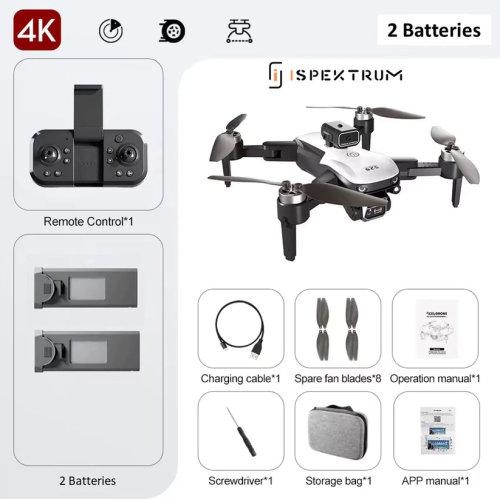
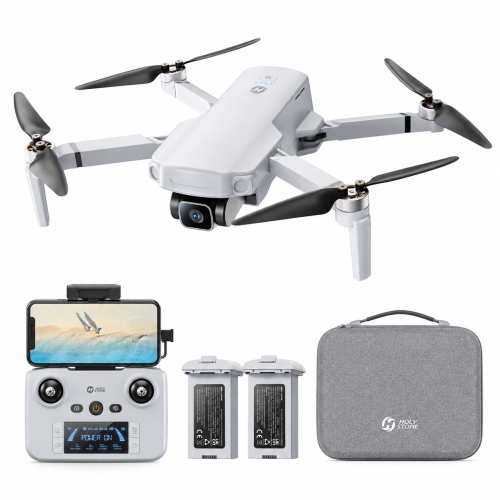
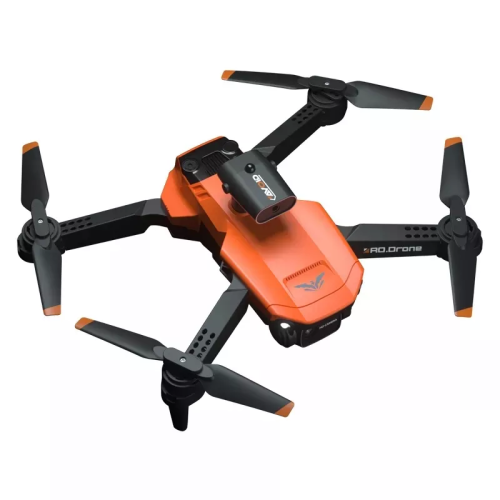

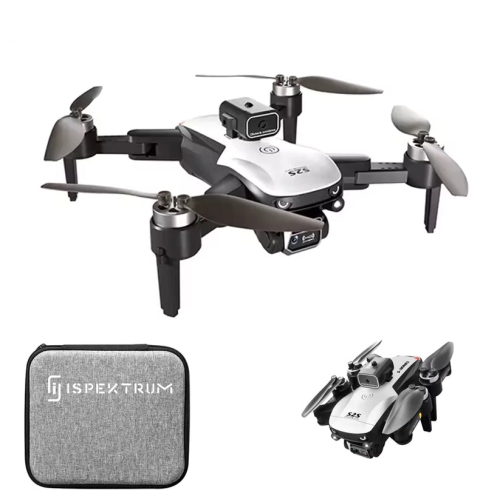
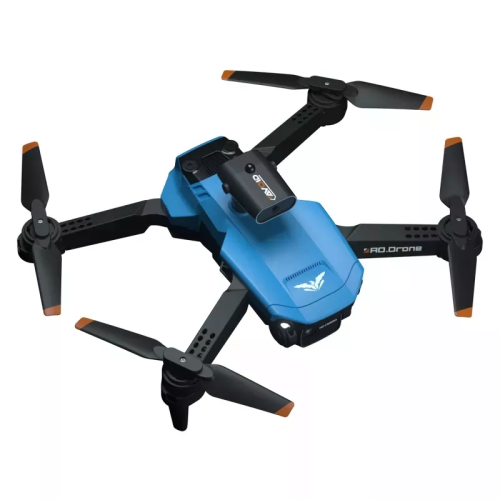
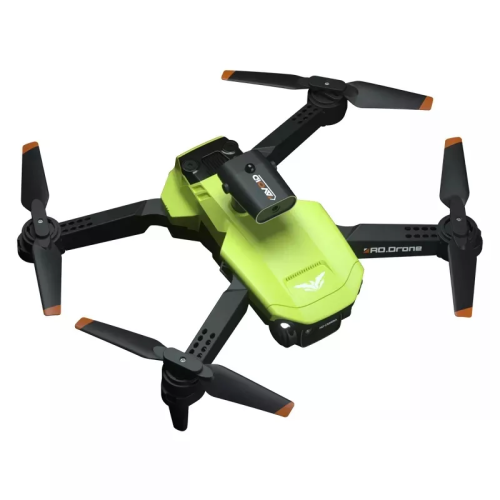
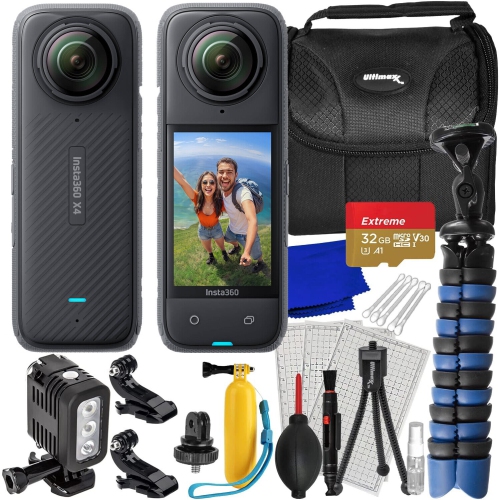
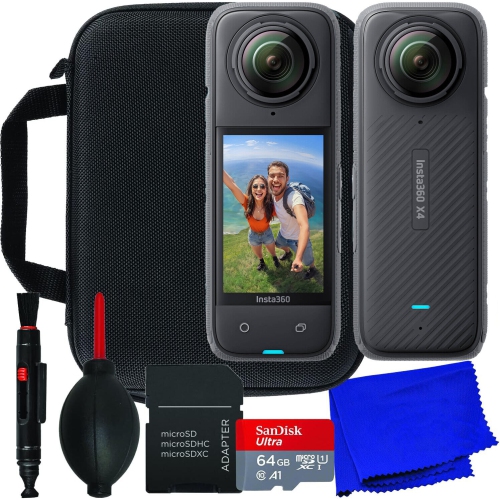
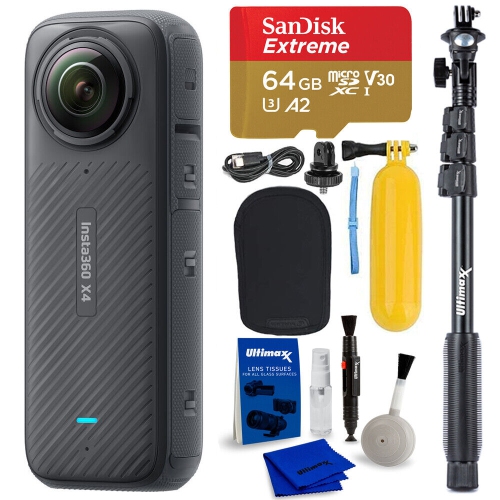
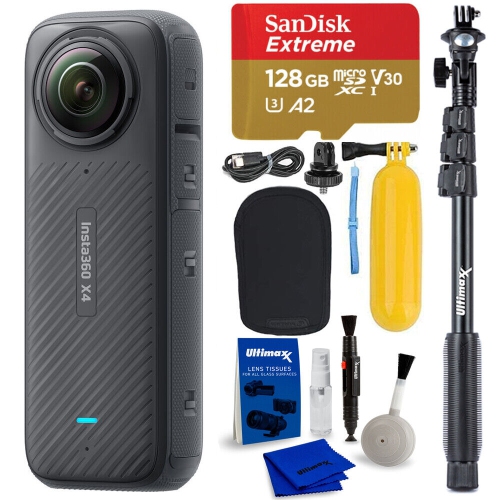
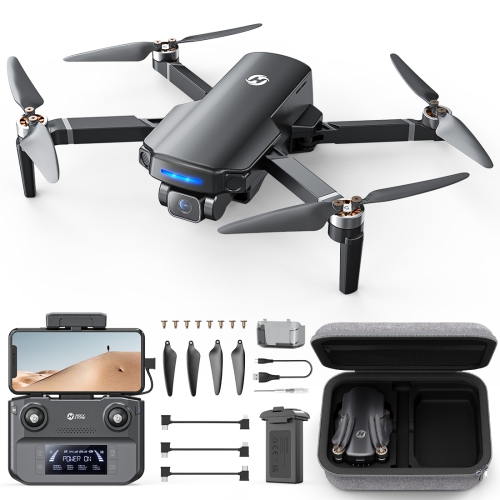
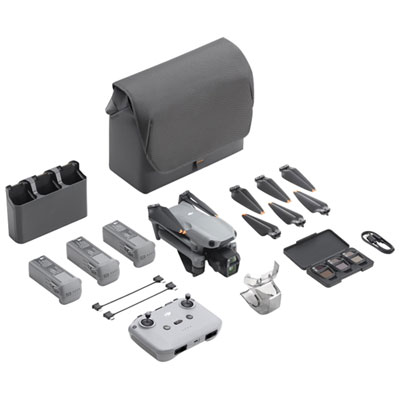
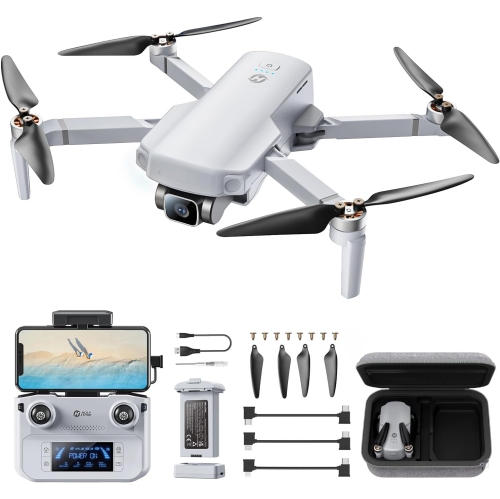
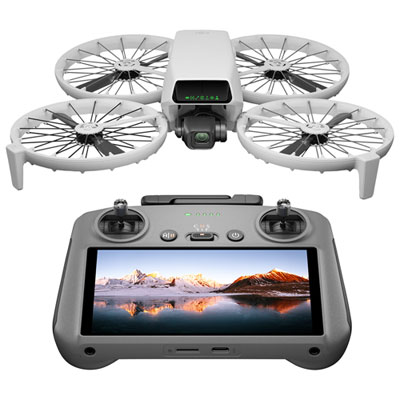

More ways to frame footage after the flight
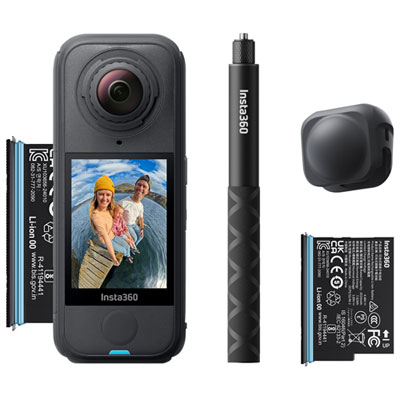
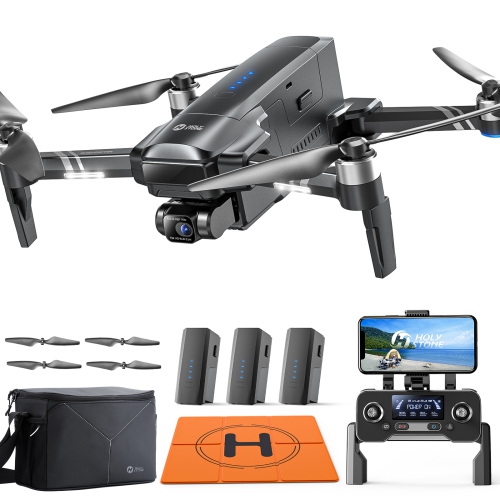
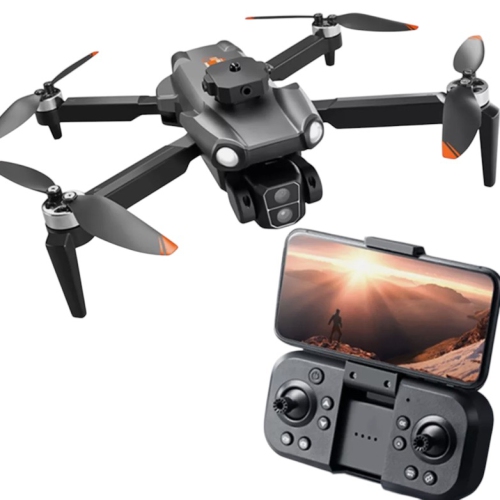
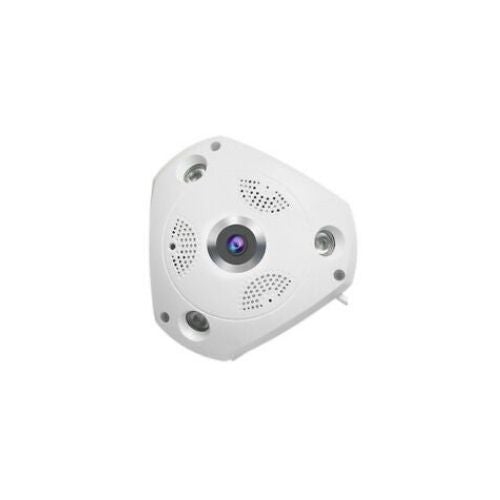
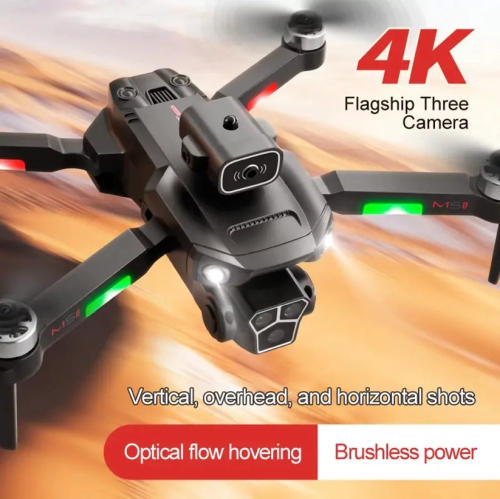
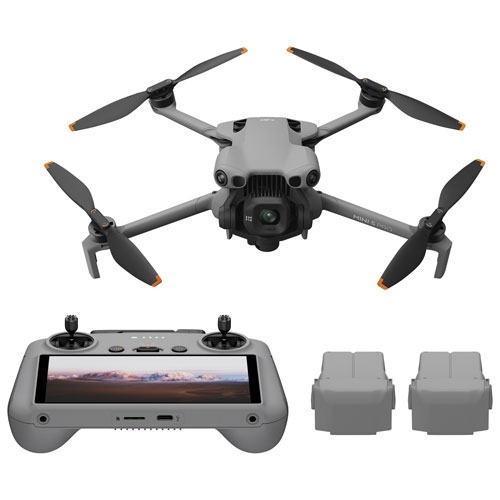
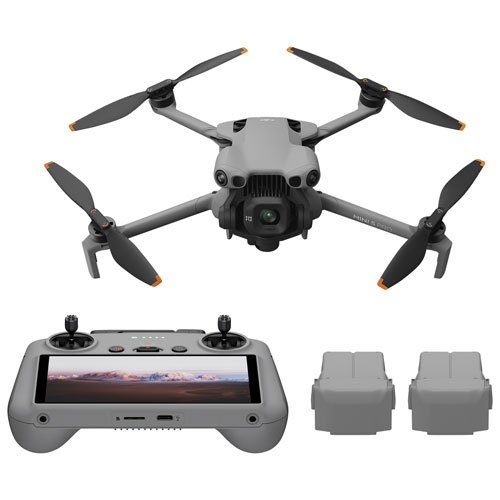
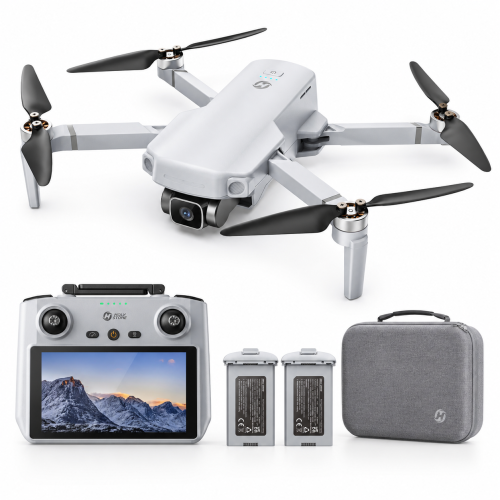
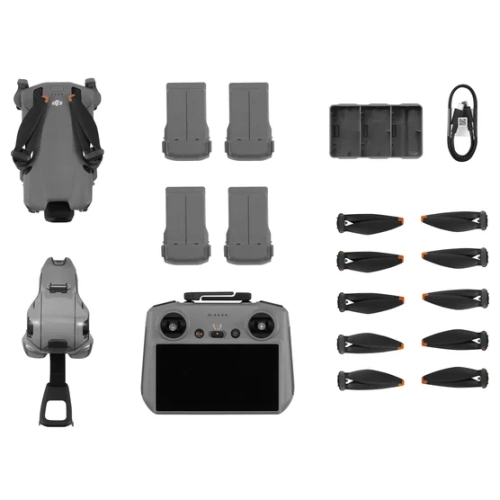
Drones with a 360-degree camera bring a wider perspective to aerial photography by capturing the scene around the aircraft rather than only the view directly ahead. A true spherical camera system typically uses two ultra-wide lenses with overlapping fields of view, then combines their images through a process called stitching. Depending on the camera design and mounting position, the resulting footage can show almost every direction around the drone, including above and below it. This differs from a conventional drone that rotates to take a panoramic photograph: a stitched panorama captures a scene across several exposures, while spherical video captures surrounding views continuously. It also differs from 360-degree obstacle sensing, which describes a flight assistance feature rather than the camera’s recording format. For photographers, travel filmmakers, and video creators, the main appeal is the ability to choose framing after the flight. A single pass beside a rocky shoreline could become a forward-facing sequence, a view back towards the launch point, or a downward-looking shot of patterns along the water’s edge. Compatible editing software can turn the same recording into horizontal footage for a television, vertical clips for a phone, or an interactive spherical video that lets viewers look around. This flexibility makes aerial 360 cameras useful when several finished formats need to come from one flight. It does not remove the need to plan a clear flight path, maintain safe separation, or position the aircraft thoughtfully; distance, light, and movement still determine how useful the footage will be. Some systems combine the drone and spherical camera in one aircraft, while others rely on a compatible external camera and purpose-built mount. That distinction matters for setup, handling, and the accessories needed to get started. For someone who enjoys editing as much as flying, the ability to revisit a flight and find a different angle can be a substantial part of the appeal.
Camera specifications are most helpful when considered alongside the way the footage will be viewed. With spherical video, the stated resolution covers the full captured scene, so a cropped, forward-facing export will contain fewer pixels than the complete sphere. A high-resolution recording therefore does not guarantee an equally high-resolution close-up, particularly when the framing is narrow or the subject is distant. Sensor size, lens quality, exposure control, bitrate, and image processing also influence detail in textured surfaces, bright skies, and shaded areas. Frame rate affects how movement looks and whether footage can be slowed down smoothly, while stabilization helps keep the horizon steady as the aircraft changes direction. Electronic stabilization and horizon levelling are not the same as a mechanical gimbal, which physically adjusts the camera’s position. For a different approach to steady, deliberately framed aerial footage, Drones With Gimbal offer a related category to explore, though a gimbal alone does not provide spherical capture. Stitching quality deserves attention because the join between lenses can become visible around nearby objects or complex details. Drone bodies, propellers, and camera supports may also appear in the image unless the system’s design and processing can conceal them; a completely invisible aircraft should not be assumed. On an add-on setup, physical fit is just as important as image quality. The mount needs explicit compatibility with the aircraft and camera, adequate clearance from moving parts, and a secure attachment that does not block sensors or affect the aircraft’s balance beyond its supported limits. Added camera weight can change flight performance, battery endurance, and the aircraft’s operating weight. Integrated systems can simplify these decisions, but controller support, phone compatibility, required software, and included accessories still vary. Storage and editing demands are another practical consideration: detailed spherical recordings can produce large files, and smooth stitching, previewing, and exporting may require a capable computer or compatible mobile device. Supported memory card specifications, file formats, and export options help determine how easily footage moves from the aircraft to a finished project.
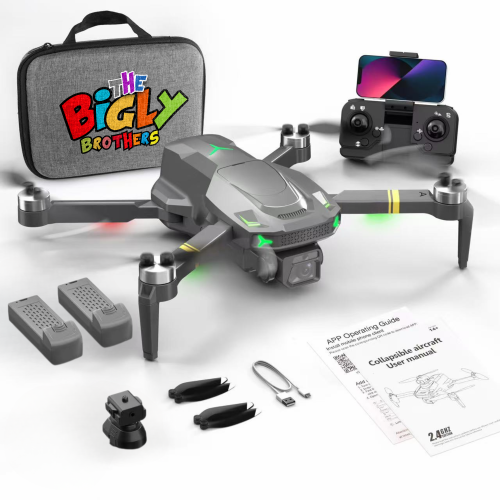
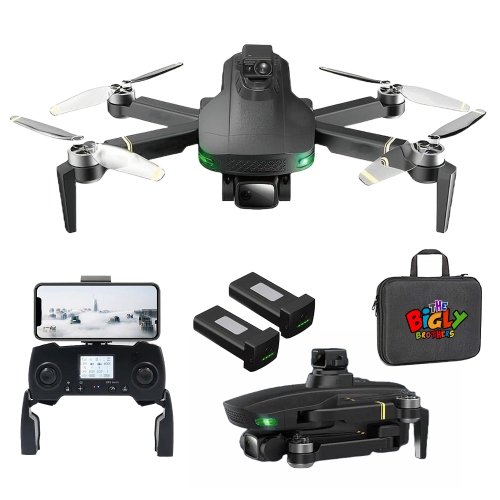
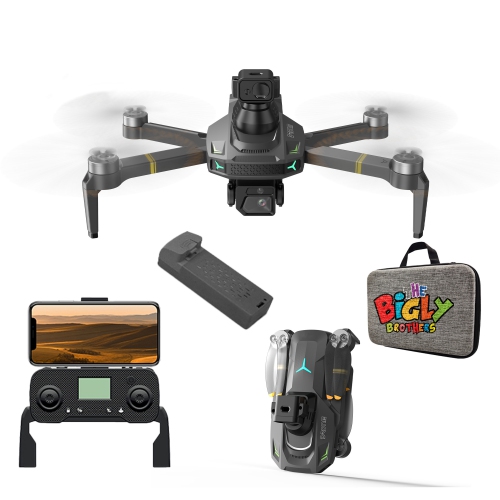
The best fit for an aerial 360 camera setup depends on where it will be carried, how it will be flown, and how much time its owner wants to spend refining footage. A compact folding airframe can be easier to pack alongside other photography equipment, while a larger setup may require a dedicated carrying case with separate spaces for the controller, camera, batteries, and spare propellers. Airframes commonly use lightweight moulded plastics or composite materials, but material alone does not determine durability: hinge design, arm construction, landing clearance, and access to replacement parts all matter. Protruding spherical lenses deserve particular care because a small scratch can remain visible across many recordings. Lens covers, a fitted case, and cleaning with suitable optical tools help protect image quality between flights. Before packing the aircraft away, checking propellers for chips, mounts for movement, and exposed lenses for grit can prevent a minor issue from becoming a damaged camera or an interrupted shoot. Batteries should be charged and stored according to the manufacturer’s instructions, and flight planning should allow enough reserve for a controlled return and landing rather than relying on the longest advertised flight time. Features such as satellite positioning, return-to-home functions, and obstacle sensing can support flight control, but their capabilities and limits vary; they do not replace a pilot’s attention. In Canada, requirements depend on factors including operating weight, aircraft capabilities, location, and the type of operation. A drone below 250 grams is not exempt from safe flying obligations, and adding a camera or mount can affect its weight category. Checking Transport Canada requirements and applicable airspace restrictions is part of preparing for a flight, particularly if goggles or other first-person viewing equipment will be used. Permission and privacy also matter when filming near people or property. As a gift, this category is particularly suited to an adult photography enthusiast or video creator who enjoys both technical setup and post-production. For that recipient, a well-matched combination of aircraft, camera, controls, and editing tools is more meaningful than a headline resolution alone.
Camera specifications are most helpful when considered alongside the way the footage will be viewed. With spherical video, the stated resolution covers the full captured scene, so a cropped, forward-facing export will contain fewer pixels than the complete sphere. A high-resolution recording therefore does not guarantee an equally high-resolution close-up, particularly when the framing is narrow or the subject is distant. Sensor size, lens quality, exposure control, bitrate, and image processing also influence detail in textured surfaces, bright skies, and shaded areas. Frame rate affects how movement looks and whether footage can be slowed down smoothly, while stabilization helps keep the horizon steady as the aircraft changes direction. Electronic stabilization and horizon levelling are not the same as a mechanical gimbal, which physically adjusts the camera’s position. For a different approach to steady, deliberately framed aerial footage, Drones With Gimbal offer a related category to explore, though a gimbal alone does not provide spherical capture. Stitching quality deserves attention because the join between lenses can become visible around nearby objects or complex details. Drone bodies, propellers, and camera supports may also appear in the image unless the system’s design and processing can conceal them; a completely invisible aircraft should not be assumed. On an add-on setup, physical fit is just as important as image quality. The mount needs explicit compatibility with the aircraft and camera, adequate clearance from moving parts, and a secure attachment that does not block sensors or affect the aircraft’s balance beyond its supported limits. Added camera weight can change flight performance, battery endurance, and the aircraft’s operating weight. Integrated systems can simplify these decisions, but controller support, phone compatibility, required software, and included accessories still vary. Storage and editing demands are another practical consideration: detailed spherical recordings can produce large files, and smooth stitching, previewing, and exporting may require a capable computer or compatible mobile device. Supported memory card specifications, file formats, and export options help determine how easily footage moves from the aircraft to a finished project.
The best fit for an aerial 360 camera setup depends on where it will be carried, how it will be flown, and how much time its owner wants to spend refining footage. A compact folding airframe can be easier to pack alongside other photography equipment, while a larger setup may require a dedicated carrying case with separate spaces for the controller, camera, batteries, and spare propellers. Airframes commonly use lightweight moulded plastics or composite materials, but material alone does not determine durability: hinge design, arm construction, landing clearance, and access to replacement parts all matter. Protruding spherical lenses deserve particular care because a small scratch can remain visible across many recordings. Lens covers, a fitted case, and cleaning with suitable optical tools help protect image quality between flights. Before packing the aircraft away, checking propellers for chips, mounts for movement, and exposed lenses for grit can prevent a minor issue from becoming a damaged camera or an interrupted shoot. Batteries should be charged and stored according to the manufacturer’s instructions, and flight planning should allow enough reserve for a controlled return and landing rather than relying on the longest advertised flight time. Features such as satellite positioning, return-to-home functions, and obstacle sensing can support flight control, but their capabilities and limits vary; they do not replace a pilot’s attention. In Canada, requirements depend on factors including operating weight, aircraft capabilities, location, and the type of operation. A drone below 250 grams is not exempt from safe flying obligations, and adding a camera or mount can affect its weight category. Checking Transport Canada requirements and applicable airspace restrictions is part of preparing for a flight, particularly if goggles or other first-person viewing equipment will be used. Permission and privacy also matter when filming near people or property. As a gift, this category is particularly suited to an adult photography enthusiast or video creator who enjoys both technical setup and post-production. For that recipient, a well-matched combination of aircraft, camera, controls, and editing tools is more meaningful than a headline resolution alone.
Top selling and popular products
-
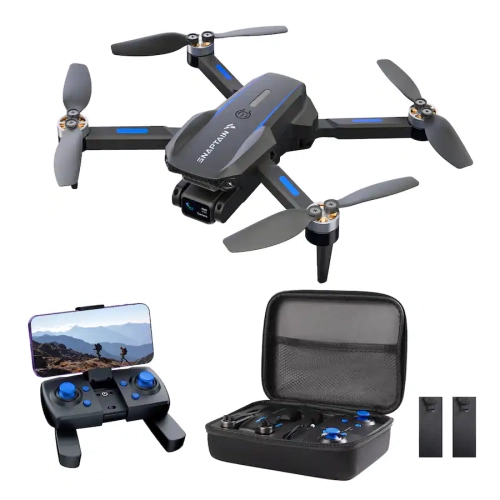 Your price for this item is $109.98
 -
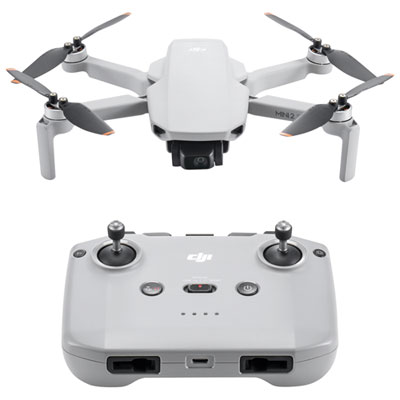 Your price for this item is $359.99
 -
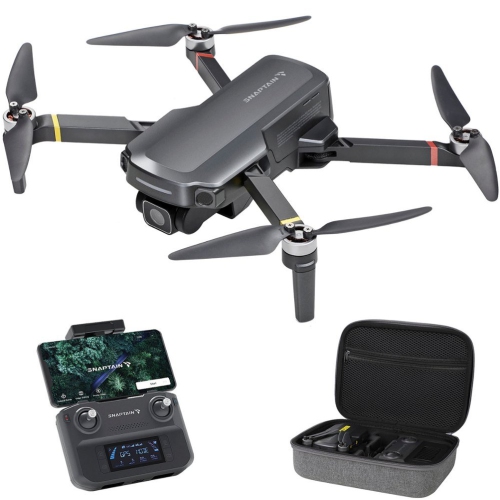 Your price for this item is $279.9
 -
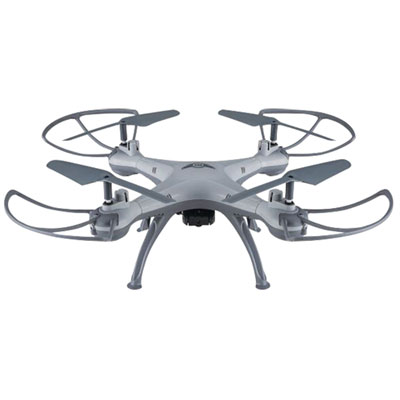 Your price for this item is $49.99
 -
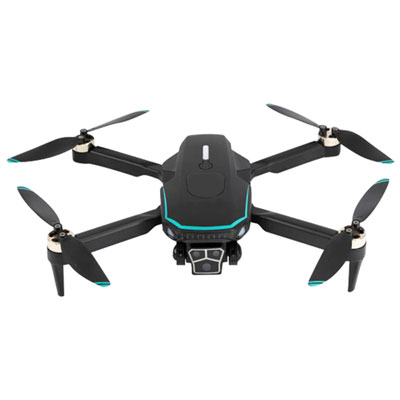 Your price for this item is $79.99
 -
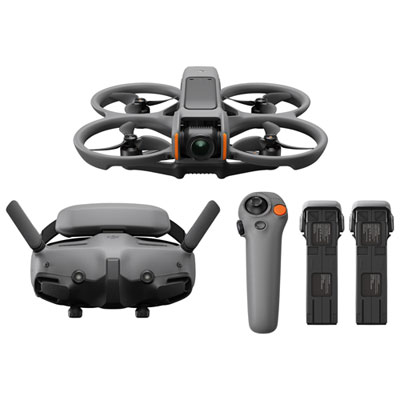 Your price for this item is $1279.99
 -
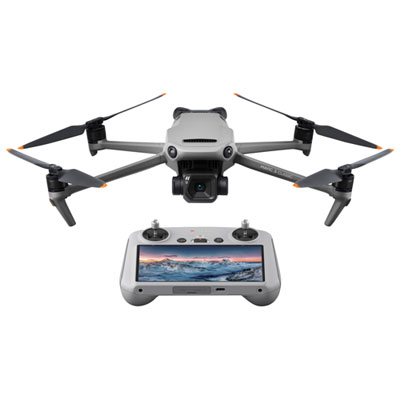 Your price for this item is $1759.99
 -
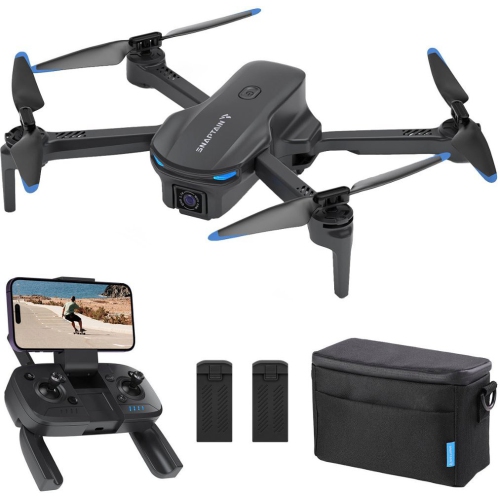 Your price for this item is $189.9
Discover more categories related to Drones With 360 Degree Camera
Top Collections:
Pokemon Centers, Kindle Devices, Best Budget Office Chairs, Apple iPhones 16, Best Laptops for Writers, iPhone 15 Apple, Canon G7X Cameras, Refurbished Apple Laptops, Alarm Clock, Motorola Razr Phones
Some products may be subject to Environmental Handling Fees
(EHF) depending on your province.
Learn more about EHFs.