Drones With Gimbal
Looking to take your aerial photography and videography skills to new heights? Look no further than our selection of Aerial Drones with gimbal. These innovative devices combine the thrill of flying with the stability and precision of a built-in gimbal, allowing you to capture breathtaking shots with ease. Whether you're a professional photographer or a hobbyist looking to up your game, our range of drones with gimbal is sure to have the perfect option for you. Explore our collection of drones today and soar into a world of endless creative possibilities.
Sort
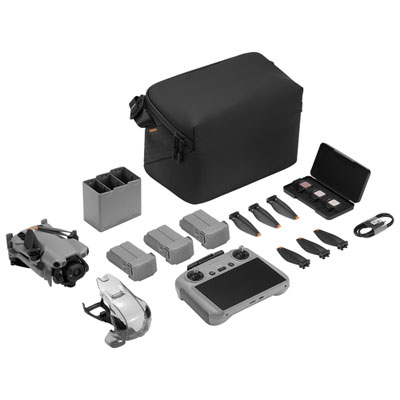
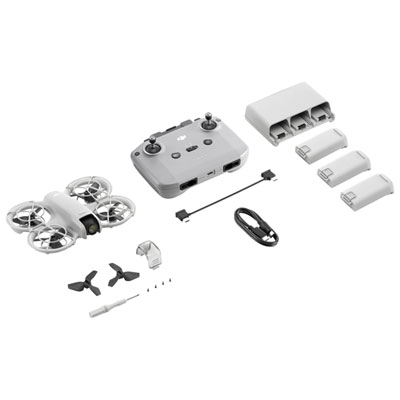
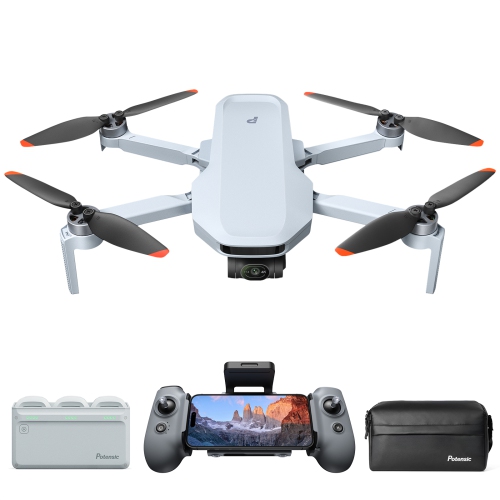
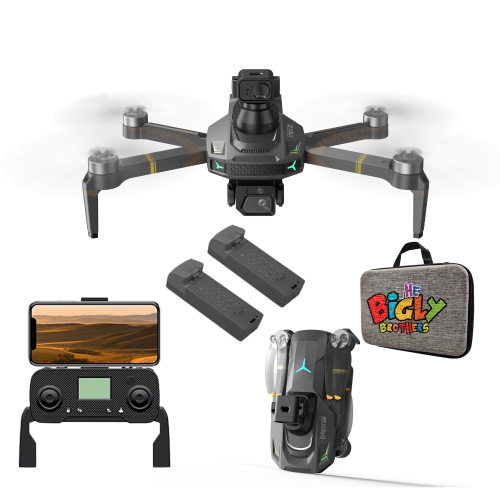
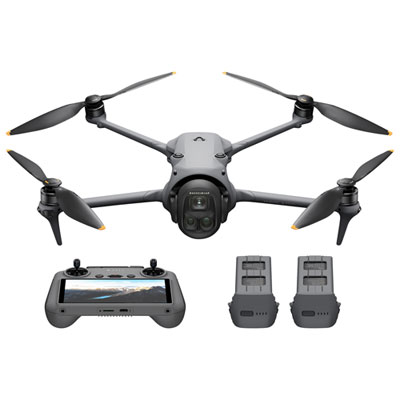
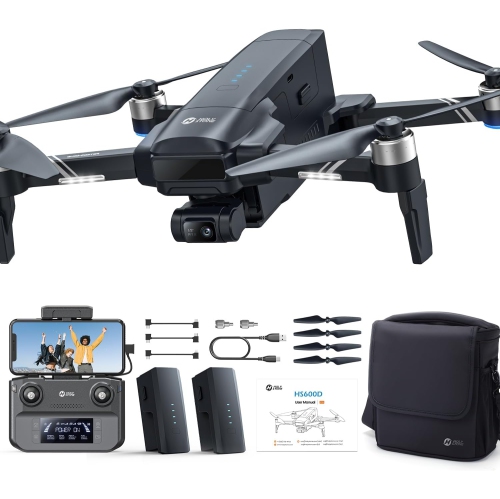
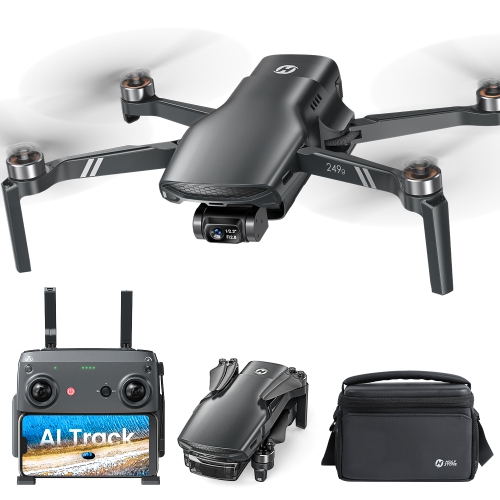
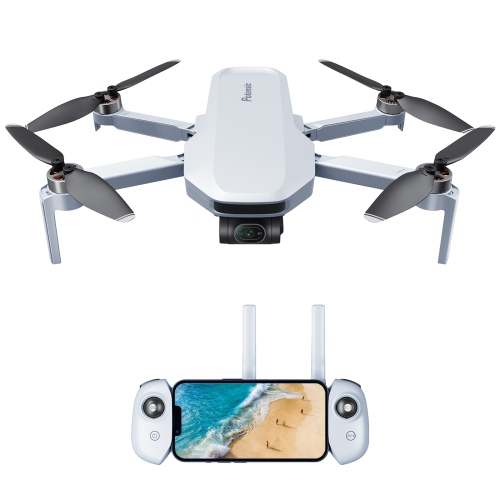
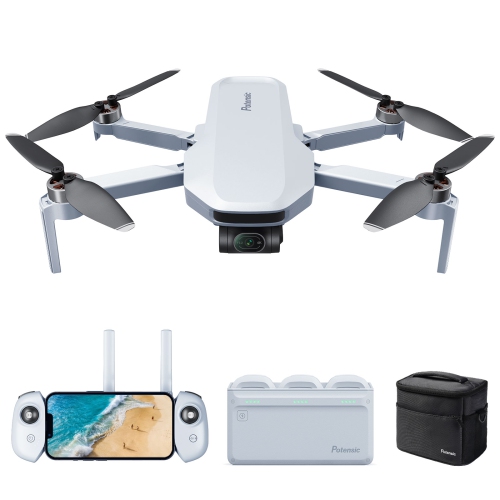
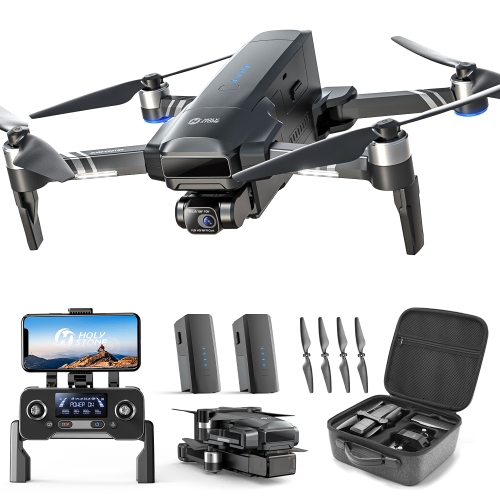
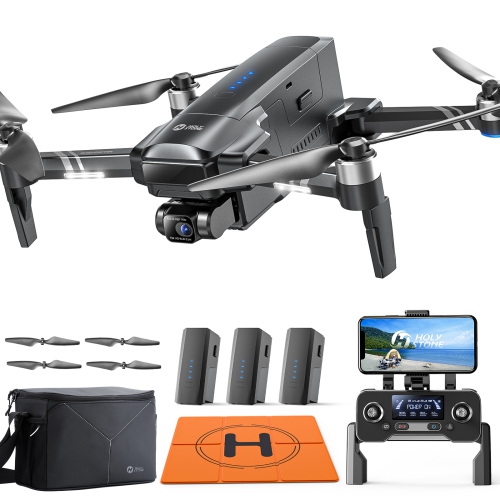
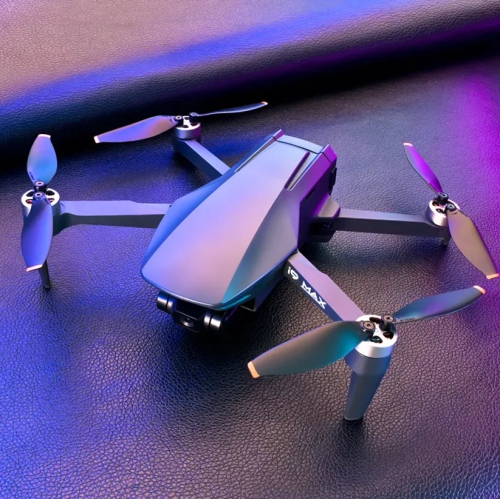
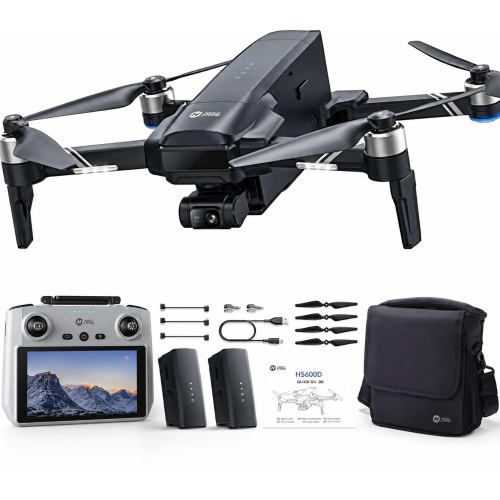
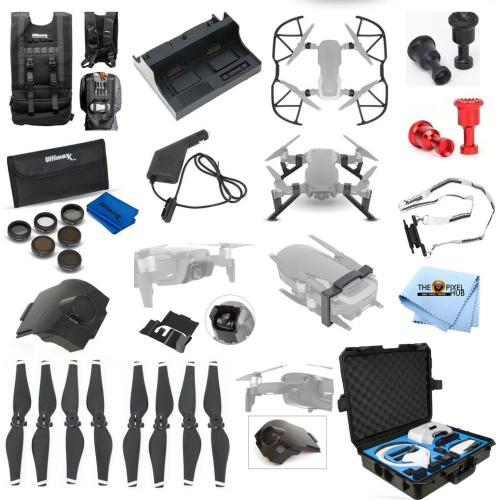
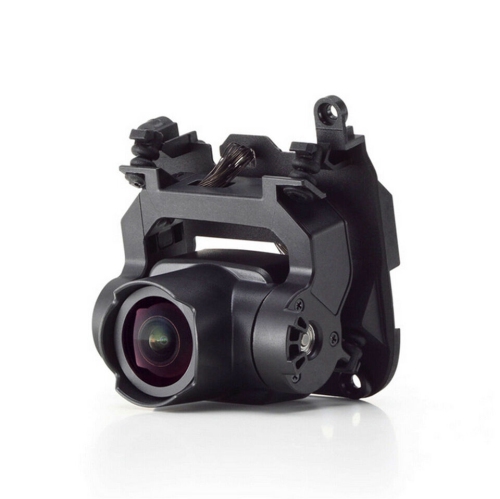


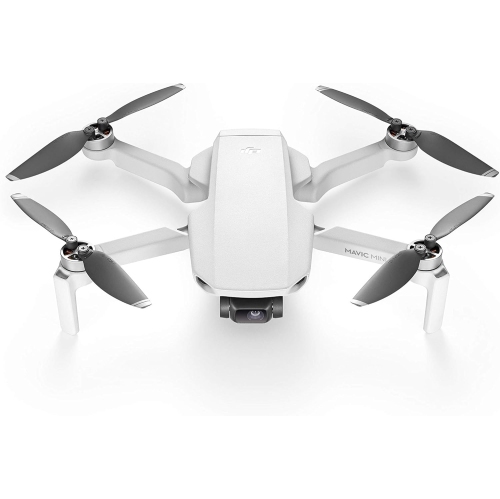
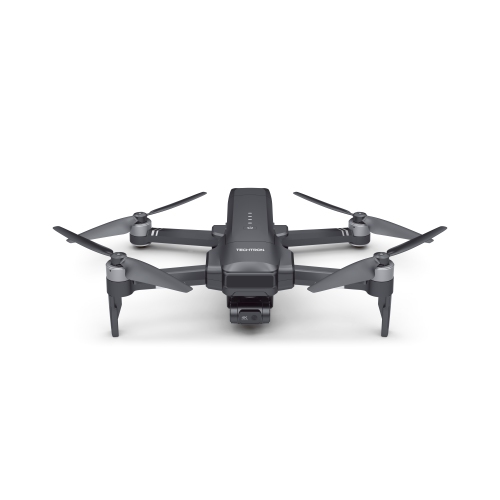
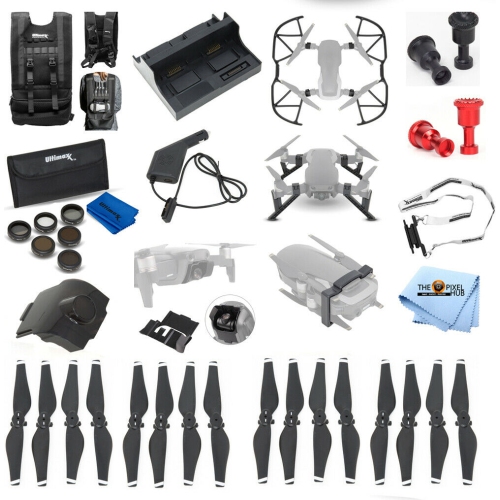
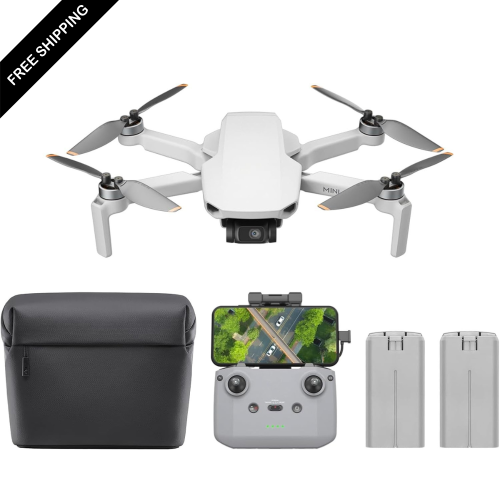
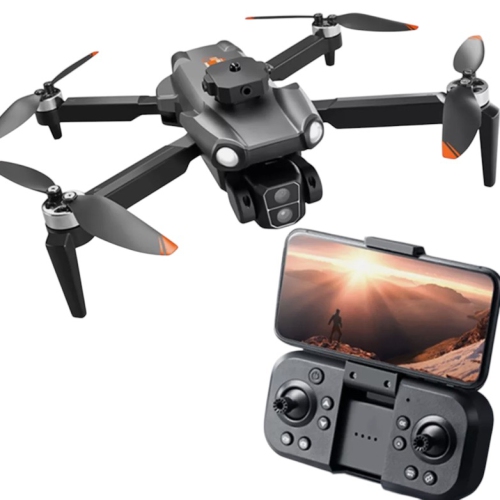
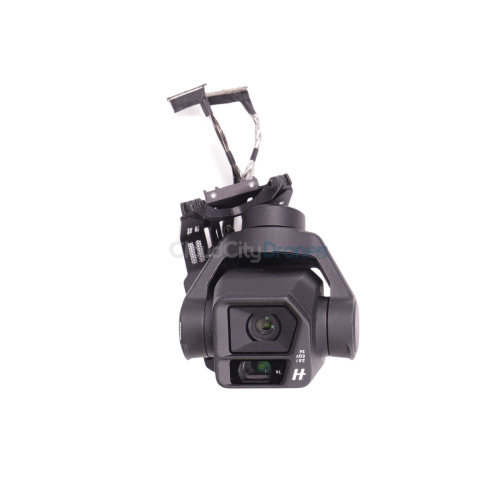
How gimbals steady aerial footage as drones move
Drones with a gimbal pair an aerial camera with a motorized mount that helps keep the camera steady as the aircraft moves. The gimbal responds to changes in orientation, reducing unwanted tilting and shake so footage looks smoother and the horizon stays more level. This is especially noticeable during a slow flight along a shoreline, a rising view above an open field, or a gentle turn around a permitted filming location. A three-axis gimbal stabilizes the camera across pitch, roll, and yaw: the movements associated with tilting up and down, leaning from side to side, and turning left or right. A two-axis system controls fewer movements, so its results can differ when the drone turns or encounters gusts. Mechanical gimbal stabilization is also different from electronic image stabilization, which adjusts the captured image and may crop the frame. Some camera systems use both, but a high video resolution alone does not indicate how steady the footage will look. The gimbal cannot remove every bump or make flights in strong wind suitable; smooth control inputs and conditions within the aircraft’s operating limits still matter. For photographers, travellers, and video creators, the appeal is a camera that can hold a deliberate composition while the drone changes position. A downward-facing view can show the geometry of a pathway, while a gradual upward tilt can reveal distant hills without an abrupt change in framing. Camera tilt range, adjustable gimbal speed, and supported shooting orientations help determine which movements are possible. Many camera drones use a four-rotor design, and Quadcopters With Gimbal brings that aircraft configuration into focus. Whether the intended result is a travel montage, landscape photography, or footage for a property presentation, the most useful combination is stable camera movement, suitable image quality, and flight controls that match the pilot’s experience.
Camera specifications shape the finished image just as much as the stabilization system. Sensor size, lens quality, dynamic range, and image processing all influence how well a camera captures bright skies alongside shaded ground. A larger sensor can offer advantages in lower light, although results also depend on the lens, exposure settings, and processing. Video resolution describes the dimensions of the image, while frame rate affects motion rendering and the flexibility to create slow-motion sequences when supported. For still photography, RAW capture can provide more editing latitude than a compressed image alone. Creators who regularly adjust colour may also value supported colour profiles and bit depths, but these features are most helpful when they fit an established editing workflow. A clear, well-exposed shot with a controlled camera move often looks more polished than a higher-resolution clip captured with abrupt turns. Physical size matters beyond the camera, too. A folding aircraft can fit more easily into a daypack, but the packed kit also includes the controller, batteries, charging equipment, and protective storage. Lightweight polymer housings and reinforced structural components can help balance portability with rigidity, though the gimbal remains a delicate assembly rather than a convenient lifting point. The camera mount needs clearance to move freely, and compatible accessories should not obstruct its travel or add unsupported weight. Filters, replacement propellers, batteries, and carrying inserts need to match the aircraft and camera system precisely. Controller comfort is another practical consideration: grip shape, screen visibility, and access to camera controls can affect the experience during longer outings. Some controllers depend on a compatible phone, making device size, operating-system support, and connection requirements relevant. Flight-time figures generally reflect specified test conditions rather than a guaranteed filming window. Wind, temperature, manoeuvres, and payload can reduce usable time, and a sensible battery reserve is needed for the return and landing. A balanced kit supports the whole outing, not simply the minutes spent capturing a favourite view.
Durability and care are particularly important for drones with a gimbal because an aircraft built for outdoor flight is not necessarily resistant to rain, snow, or blowing grit. Water resistance, temperature limits, and permitted wind conditions vary, so the manufacturer’s specifications should define where and when the drone is used. During the cooler months, battery performance can decline, and condensation may form when cold equipment moves into a warm indoor space. Allowing equipment to adjust gradually, keeping it dry, and following the stated charging-temperature range can help protect the aircraft and its batteries. A fitted case keeps the camera assembly from knocking against other gear in transit. Where supplied, the gimbal protector belongs in place for transport and must be removed before startup, according to the manufacturer’s directions. A clean landing pad can help keep grass and loose debris away from the camera and propellers. After an outing, checking for damaged propellers, trapped grit, loose components, or unusual gimbal movement helps identify problems before another flight. Lens cleaning should use materials intended for optical surfaces, and the gimbal should never be forced by hand. These drones can suit hobby photographers, experienced pilots adding aerial footage to their work, and thoughtful gift recipients with an interest in cameras and flying. For a newer pilot, predictable handling, a clear live camera view, and understandable flight settings may be more valuable than advanced filming modes. Obstacle sensing and return-to-home functions can provide assistance, but neither replaces attention, planning, or the ability to take control. In Canada, requirements depend on aircraft weight and the type and location of the operation. A drone weighing less than 250 g is not free of flight restrictions or safety responsibilities. Transport Canada requirements, airspace restrictions, land-access rules, and privacy considerations all remain relevant to planning a flight. Giving people and wildlife space, checking the proposed location, and maintaining the required visual contact with the aircraft support responsible use. With suitable care and a realistic match between camera features, portability, and piloting needs, a gimbal-equipped drone can make controlled aerial photography and video a rewarding extension of an existing creative hobby or professional workflow.
Camera specifications shape the finished image just as much as the stabilization system. Sensor size, lens quality, dynamic range, and image processing all influence how well a camera captures bright skies alongside shaded ground. A larger sensor can offer advantages in lower light, although results also depend on the lens, exposure settings, and processing. Video resolution describes the dimensions of the image, while frame rate affects motion rendering and the flexibility to create slow-motion sequences when supported. For still photography, RAW capture can provide more editing latitude than a compressed image alone. Creators who regularly adjust colour may also value supported colour profiles and bit depths, but these features are most helpful when they fit an established editing workflow. A clear, well-exposed shot with a controlled camera move often looks more polished than a higher-resolution clip captured with abrupt turns. Physical size matters beyond the camera, too. A folding aircraft can fit more easily into a daypack, but the packed kit also includes the controller, batteries, charging equipment, and protective storage. Lightweight polymer housings and reinforced structural components can help balance portability with rigidity, though the gimbal remains a delicate assembly rather than a convenient lifting point. The camera mount needs clearance to move freely, and compatible accessories should not obstruct its travel or add unsupported weight. Filters, replacement propellers, batteries, and carrying inserts need to match the aircraft and camera system precisely. Controller comfort is another practical consideration: grip shape, screen visibility, and access to camera controls can affect the experience during longer outings. Some controllers depend on a compatible phone, making device size, operating-system support, and connection requirements relevant. Flight-time figures generally reflect specified test conditions rather than a guaranteed filming window. Wind, temperature, manoeuvres, and payload can reduce usable time, and a sensible battery reserve is needed for the return and landing. A balanced kit supports the whole outing, not simply the minutes spent capturing a favourite view.
Durability and care are particularly important for drones with a gimbal because an aircraft built for outdoor flight is not necessarily resistant to rain, snow, or blowing grit. Water resistance, temperature limits, and permitted wind conditions vary, so the manufacturer’s specifications should define where and when the drone is used. During the cooler months, battery performance can decline, and condensation may form when cold equipment moves into a warm indoor space. Allowing equipment to adjust gradually, keeping it dry, and following the stated charging-temperature range can help protect the aircraft and its batteries. A fitted case keeps the camera assembly from knocking against other gear in transit. Where supplied, the gimbal protector belongs in place for transport and must be removed before startup, according to the manufacturer’s directions. A clean landing pad can help keep grass and loose debris away from the camera and propellers. After an outing, checking for damaged propellers, trapped grit, loose components, or unusual gimbal movement helps identify problems before another flight. Lens cleaning should use materials intended for optical surfaces, and the gimbal should never be forced by hand. These drones can suit hobby photographers, experienced pilots adding aerial footage to their work, and thoughtful gift recipients with an interest in cameras and flying. For a newer pilot, predictable handling, a clear live camera view, and understandable flight settings may be more valuable than advanced filming modes. Obstacle sensing and return-to-home functions can provide assistance, but neither replaces attention, planning, or the ability to take control. In Canada, requirements depend on aircraft weight and the type and location of the operation. A drone weighing less than 250 g is not free of flight restrictions or safety responsibilities. Transport Canada requirements, airspace restrictions, land-access rules, and privacy considerations all remain relevant to planning a flight. Giving people and wildlife space, checking the proposed location, and maintaining the required visual contact with the aircraft support responsible use. With suitable care and a realistic match between camera features, portability, and piloting needs, a gimbal-equipped drone can make controlled aerial photography and video a rewarding extension of an existing creative hobby or professional workflow.
Top selling and popular products
-
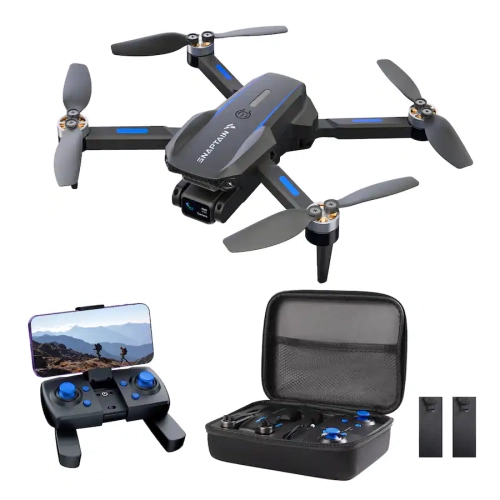 Your price for this item is $109.98
 -
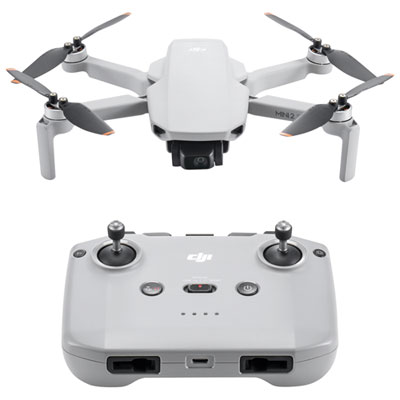 Your price for this item is $359.99
 -
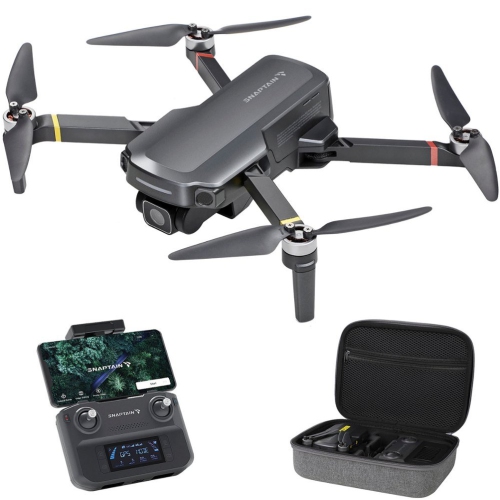 Your price for this item is $279.9
 -
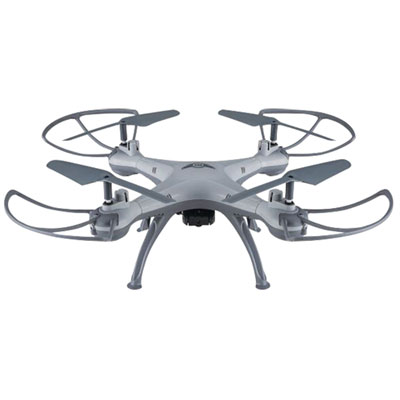 Your price for this item is $49.99
 -
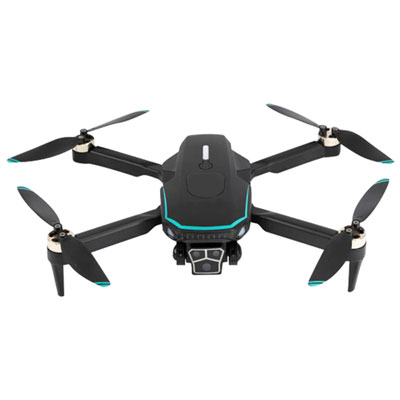 Your price for this item is $79.99
 -
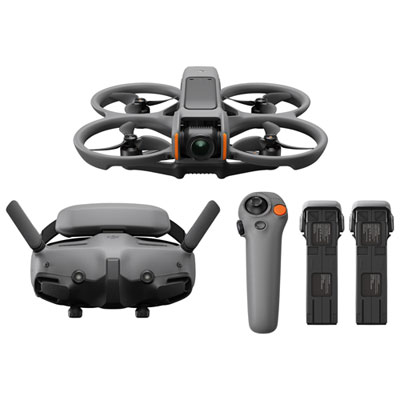 Your price for this item is $1279.99
 -
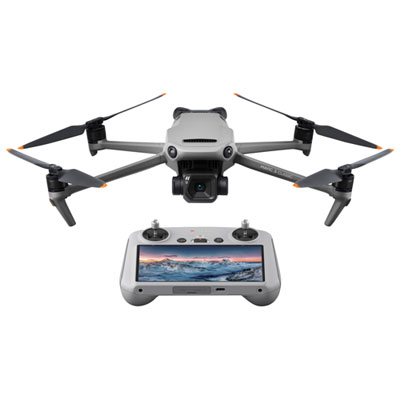 Your price for this item is $1759.99
 -
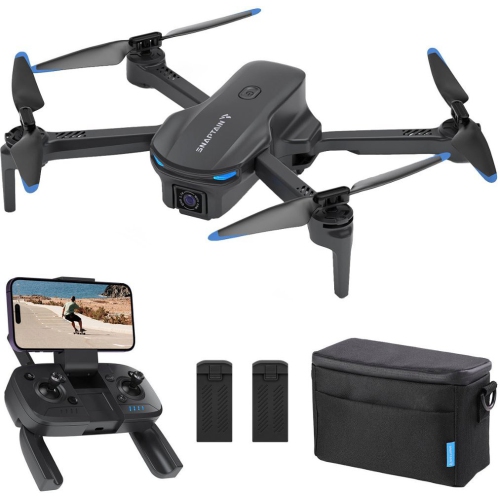 Your price for this item is $189.9
Discover more categories related to Drones With Gimbal

Top Collections:
Pokemon Centers, Kindle Devices, Best Budget Office Chairs, Apple iPhones 16, Best Laptops for Writers, iPhone 15 Apple, Canon G7X Cameras, Refurbished Apple Laptops, Alarm Clock, Motorola Razr Phones
Some products may be subject to Environmental Handling Fees
(EHF) depending on your province.
Learn more about EHFs.