Drones With Obstacle Avoidance
Explore the exhilarating world of drones equipped with obstacle avoidance technology. These cutting-edge devices are designed to take your aerial adventures to new heights, allowing you to navigate through challenging environments with ease and precision. Whether you're a seasoned drone enthusiast or a beginner looking to dip your toes into the exciting world of unmanned flight, these drones with obstacle avoidance will provide you with an unparalleled flying experience.
Sort
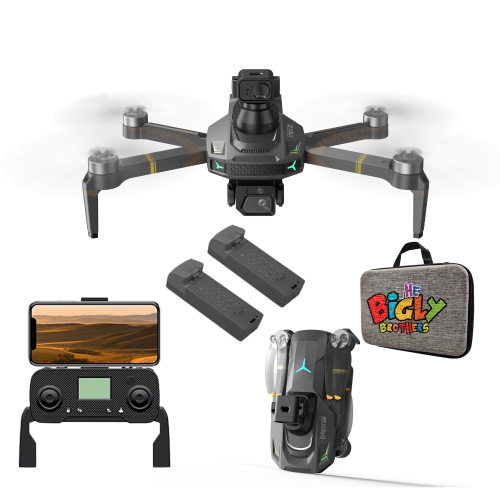
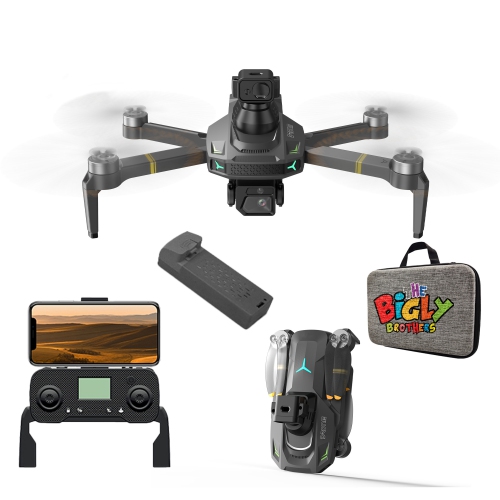
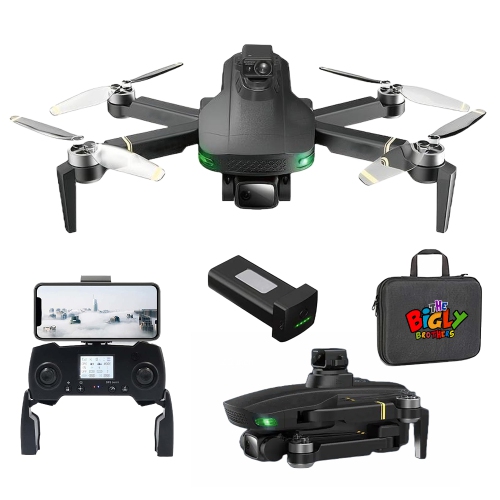
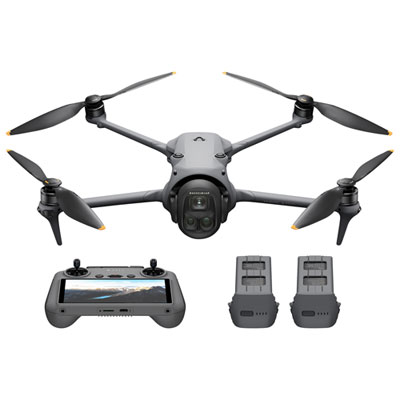

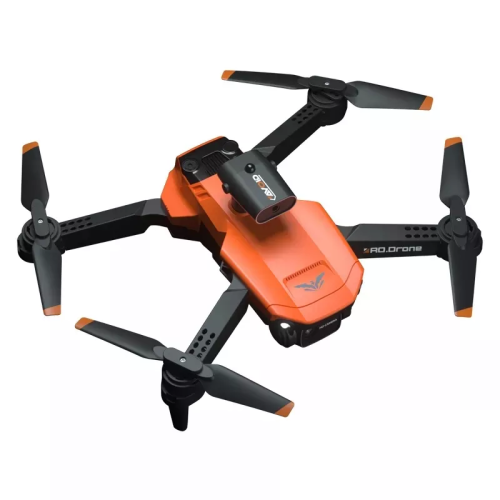

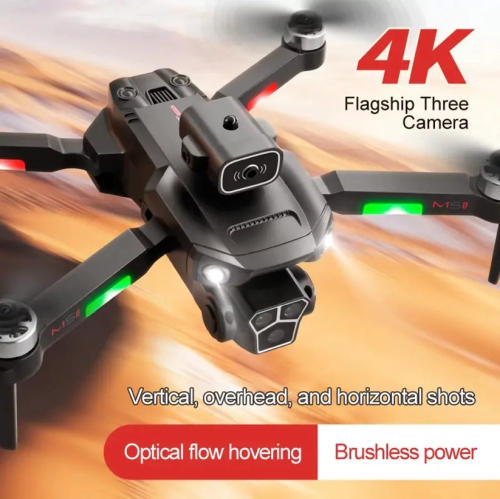
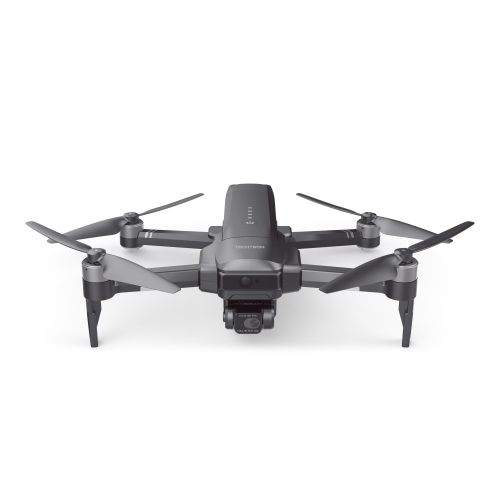
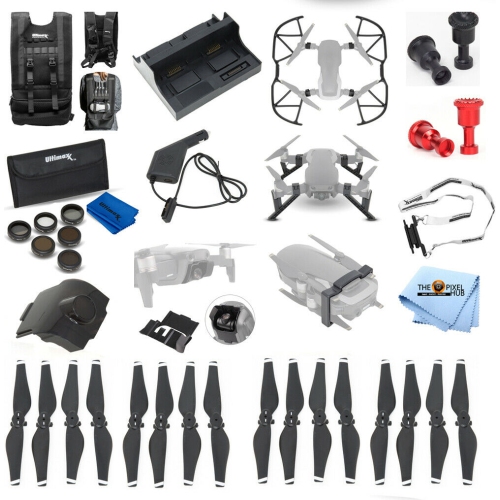
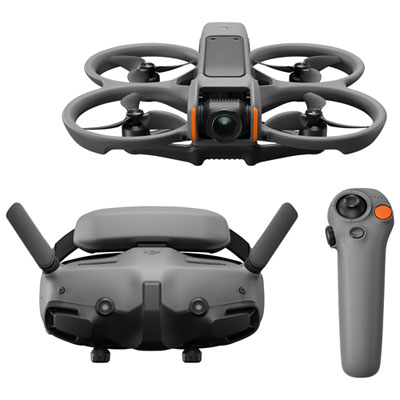
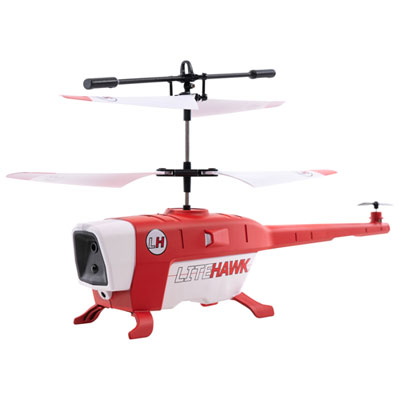
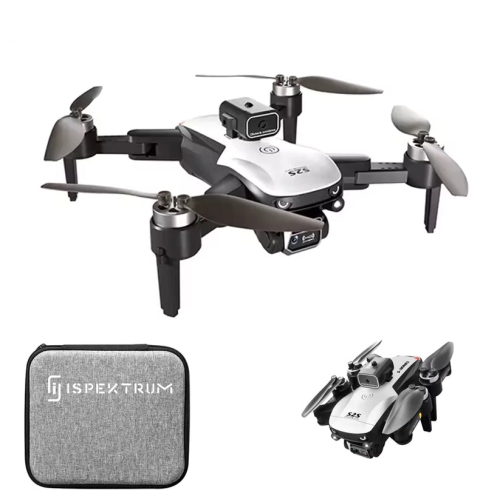
How obstacle sensing supports safer, smoother flights
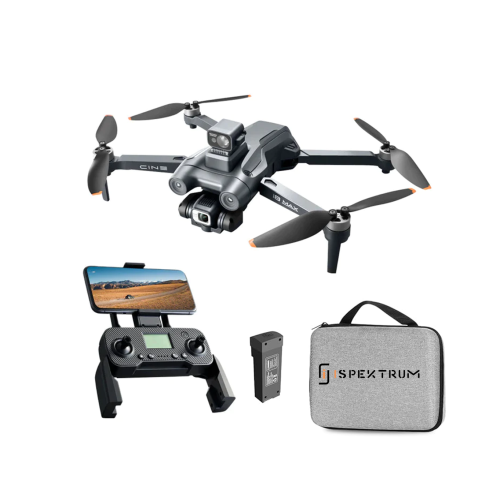
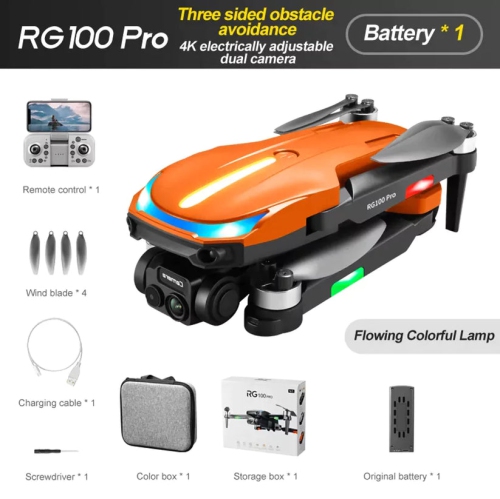
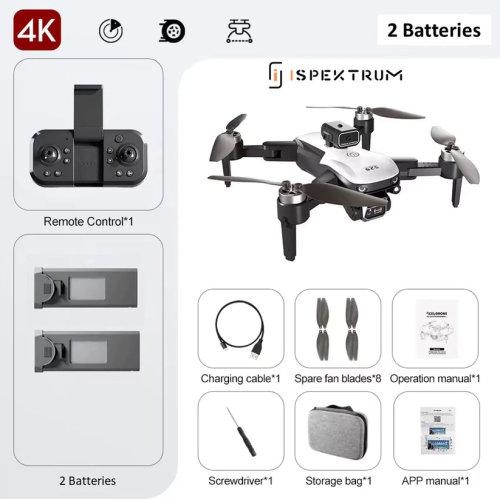
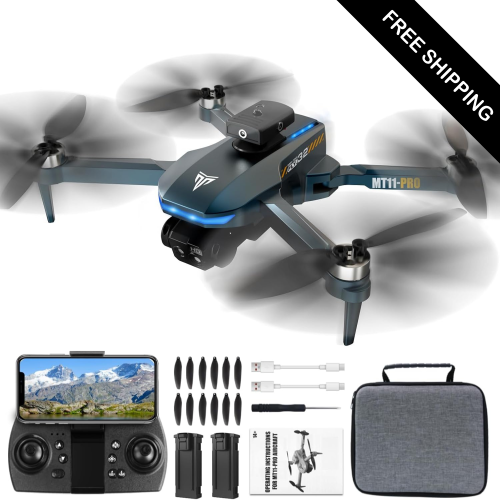
Drones with obstacle avoidance are designed to make flying more confident and controlled by using built-in sensors to detect objects in the aircraft’s path. Depending on the model, these sensors may include cameras, infrared systems, LiDAR, or a combination of technologies positioned at the front, rear, sides, top, and bottom of the drone. When the system recognizes an obstacle, it may warn the pilot, stop and hover in place, or attempt to steer around the object. Common flight settings include Brake, which brings the drone to a stop when an obstruction is detected, and Bypass, which allows it to navigate around certain objects while continuing along its route. Obstacle avoidance can be particularly helpful when filming a walk through a wooded trail, following a cyclist across an open field, or capturing an overhead view of a cottage property, since it gives the pilot an additional layer of awareness while concentrating on the live camera feed and flight controls. It is important to treat this feature as an aid rather than a replacement for active piloting. Thin branches, wires, poles, fences, glass, dark surfaces, moving objects, and obstacles outside the sensors’ coverage can still be difficult to detect. Bright sunlight, low light, fog, rain, snow, dust, and other conditions may also affect how reliably the system performs. Before each flight, check the aircraft, propellers, battery, remote control, and surrounding area, then maintain a clear line of sight and be prepared to take manual control.
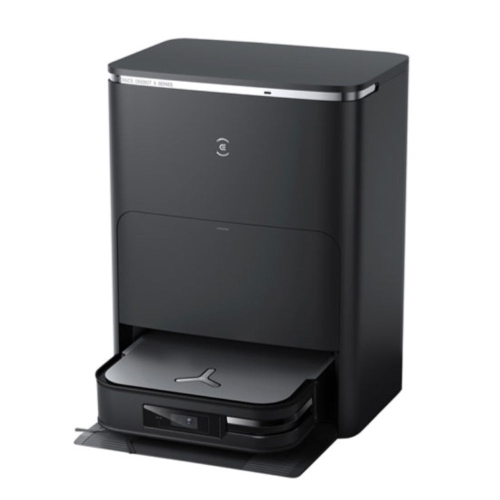
When comparing drones with obstacle avoidance, consider the sensing coverage first. A model with forward-facing detection may help when flying ahead, while a drone with multi-directional or omnidirectional sensing can offer broader protection during side-to-side movement, backward flight, ascending, descending, and automated tracking. Sensor coverage is only one part of the experience: flight time, charging options, camera quality, image stabilization, transmission range, controller design, portability, and ease of use all influence how enjoyable the drone will be. A lightweight foldable design can fit comfortably in a small bag for scenic trips and outdoor weekends, while a larger aircraft may provide steadier footage in breezy conditions and more room for advanced camera controls. If aerial photography is the main goal, look for a gimbal-stabilized camera, high-resolution video, adjustable exposure settings, and a live view that remains clear while the drone is in motion. For learning and casual recreation, responsive controls, beginner flight modes, altitude hold, return-to-home functions, and a clear app interface can make the first flights less intimidating. Battery capacity and spare battery availability are also worth considering, especially when a memorable sunset, fall landscape, or snowy backyard scene may last only a few minutes. Obstacle avoidance should work alongside geofencing, low-battery alerts, automatic return-to-home features, and carefully chosen flight paths. As with other sensor-equipped home products, the underlying idea is to help a device recognize its surroundings; for a different application, see these Robot Vacuums With Obstacle Avoidance. Always review the manufacturer’s instructions and applicable Transport Canada requirements before takeoff, including rules related to registration, operating locations, altitude, airspace, and visual line of sight.
Drones with obstacle avoidance can suit a wide range of pilots and make thoughtful gifts for photographers, travellers, outdoor enthusiasts, technology fans, and families who enjoy learning together. A beginner may appreciate the reassurance of automatic braking while practising gentle turns over an open lawn, whereas an experienced pilot may value bypass modes, subject tracking, waypoint planning, and the ability to adjust how the drone responds to detected objects. They can be used to photograph changing landscapes, document a renovation project, inspect a roof or property from a safe distance, record outdoor sports, or create smooth video for a personal project. Before giving one as a gift, consider the recipient’s experience, storage space, access to suitable flying areas, and interest in photography versus hands-on piloting. Cooler months can bring crisp air and striking scenery, but batteries may lose performance in cold conditions, and wet, icy, or windy weather can make flying unsuitable. Keep batteries warm until use, avoid moisture, allow equipment to return to room temperature before storing it, and follow the recommended operating conditions. A safe launch area should be open, free of people, animals, trees, overhead wires, and nearby structures, with enough room for landing if the sensors issue a warning or the pilot needs to stop. Obstacles can appear quickly when a drone is moving, and automatic systems may not recognize every narrow or low-contrast object. Careful planning remains essential: check the surroundings, select a conservative altitude, watch the aircraft rather than relying only on the screen, and keep your hands ready on the controls. With the right combination of sensing coverage, dependable flight controls, camera capability, battery life, portability, and responsible operation, a drone with obstacle avoidance can make aerial exploration feel more approachable while leaving room to build genuine piloting skills.
When comparing drones with obstacle avoidance, consider the sensing coverage first. A model with forward-facing detection may help when flying ahead, while a drone with multi-directional or omnidirectional sensing can offer broader protection during side-to-side movement, backward flight, ascending, descending, and automated tracking. Sensor coverage is only one part of the experience: flight time, charging options, camera quality, image stabilization, transmission range, controller design, portability, and ease of use all influence how enjoyable the drone will be. A lightweight foldable design can fit comfortably in a small bag for scenic trips and outdoor weekends, while a larger aircraft may provide steadier footage in breezy conditions and more room for advanced camera controls. If aerial photography is the main goal, look for a gimbal-stabilized camera, high-resolution video, adjustable exposure settings, and a live view that remains clear while the drone is in motion. For learning and casual recreation, responsive controls, beginner flight modes, altitude hold, return-to-home functions, and a clear app interface can make the first flights less intimidating. Battery capacity and spare battery availability are also worth considering, especially when a memorable sunset, fall landscape, or snowy backyard scene may last only a few minutes. Obstacle avoidance should work alongside geofencing, low-battery alerts, automatic return-to-home features, and carefully chosen flight paths. As with other sensor-equipped home products, the underlying idea is to help a device recognize its surroundings; for a different application, see these Robot Vacuums With Obstacle Avoidance. Always review the manufacturer’s instructions and applicable Transport Canada requirements before takeoff, including rules related to registration, operating locations, altitude, airspace, and visual line of sight.
Drones with obstacle avoidance can suit a wide range of pilots and make thoughtful gifts for photographers, travellers, outdoor enthusiasts, technology fans, and families who enjoy learning together. A beginner may appreciate the reassurance of automatic braking while practising gentle turns over an open lawn, whereas an experienced pilot may value bypass modes, subject tracking, waypoint planning, and the ability to adjust how the drone responds to detected objects. They can be used to photograph changing landscapes, document a renovation project, inspect a roof or property from a safe distance, record outdoor sports, or create smooth video for a personal project. Before giving one as a gift, consider the recipient’s experience, storage space, access to suitable flying areas, and interest in photography versus hands-on piloting. Cooler months can bring crisp air and striking scenery, but batteries may lose performance in cold conditions, and wet, icy, or windy weather can make flying unsuitable. Keep batteries warm until use, avoid moisture, allow equipment to return to room temperature before storing it, and follow the recommended operating conditions. A safe launch area should be open, free of people, animals, trees, overhead wires, and nearby structures, with enough room for landing if the sensors issue a warning or the pilot needs to stop. Obstacles can appear quickly when a drone is moving, and automatic systems may not recognize every narrow or low-contrast object. Careful planning remains essential: check the surroundings, select a conservative altitude, watch the aircraft rather than relying only on the screen, and keep your hands ready on the controls. With the right combination of sensing coverage, dependable flight controls, camera capability, battery life, portability, and responsible operation, a drone with obstacle avoidance can make aerial exploration feel more approachable while leaving room to build genuine piloting skills.
Top selling and popular products
-
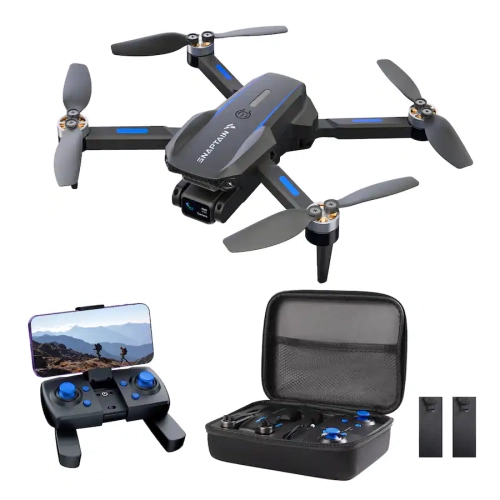 Your price for this item is $109.98
 -
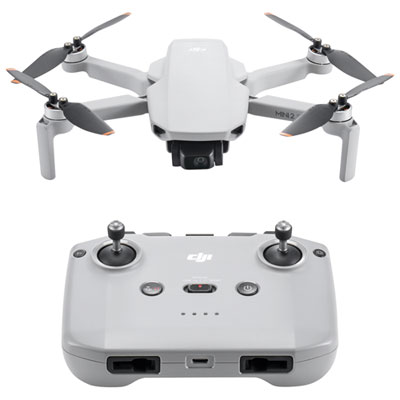 Your price for this item is $359.99
 -
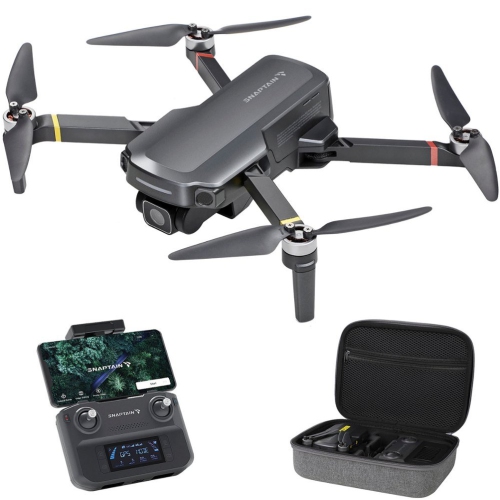 Your price for this item is $279.9
 -
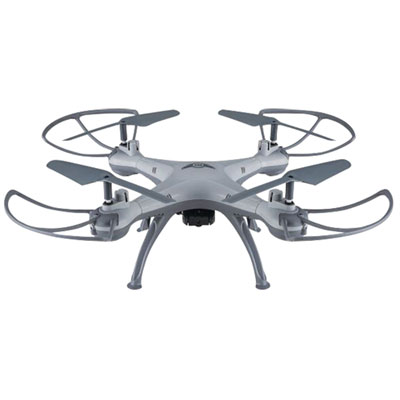 Your price for this item is $49.99
 -
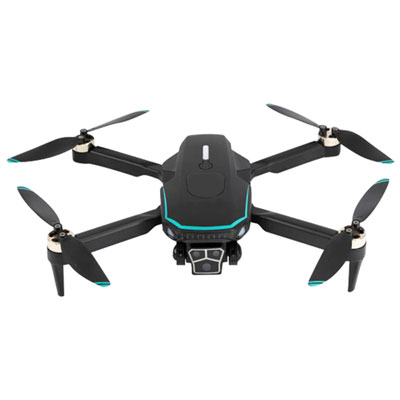 Your price for this item is $79.99
 -
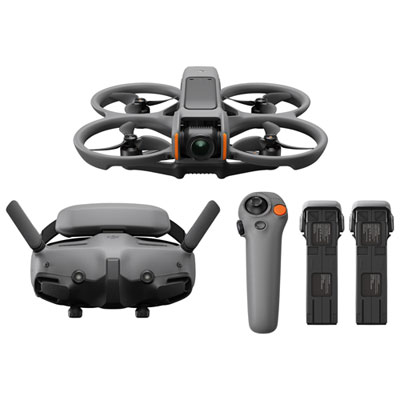 Your price for this item is $1279.99
 -
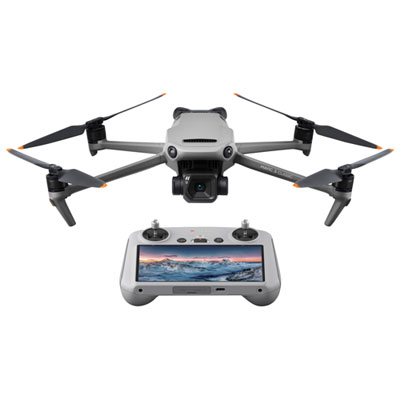 Your price for this item is $1759.99
 -
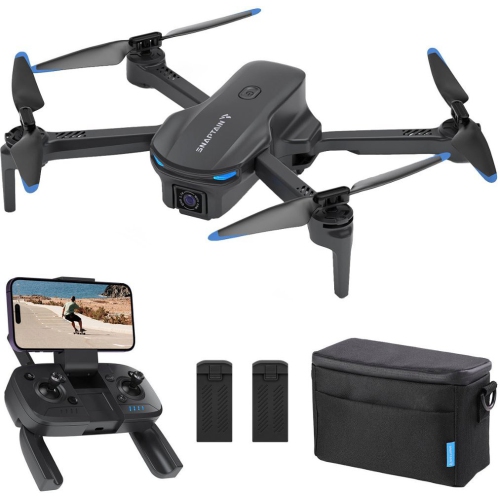 Your price for this item is $189.9
Discover more categories related to Drones With Obstacle Avoidance
Top Collections:
Pokemon Centers, Kindle Devices, Best Budget Office Chairs, Apple iPhones 16, Best Laptops for Writers, iPhone 15 Apple, Canon G7X Cameras, Refurbished Apple Laptops, Alarm Clock, Motorola Razr Phones
Some products may be subject to Environmental Handling Fees
(EHF) depending on your province.
Learn more about EHFs.