Obstacle Avoidance Drones
Looking to take your drone flying skills to new heights? Look no further than our selection of obstacle avoidance drones. These cutting-edge devices are equipped with advanced technology that allows them to navigate around obstacles effortlessly, ensuring a smooth and safe flight every time. Whether you're a seasoned drone enthusiast or just starting out, these drones are perfect for capturing stunning aerial footage without the worry of collisions. Explore our range of obstacle avoidance drones and experience the thrill of flying with confidence.
Sort

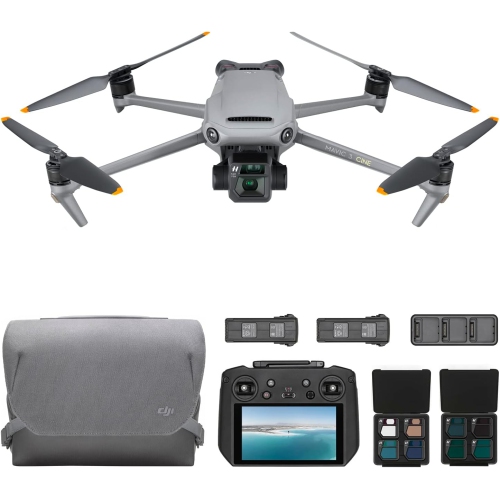
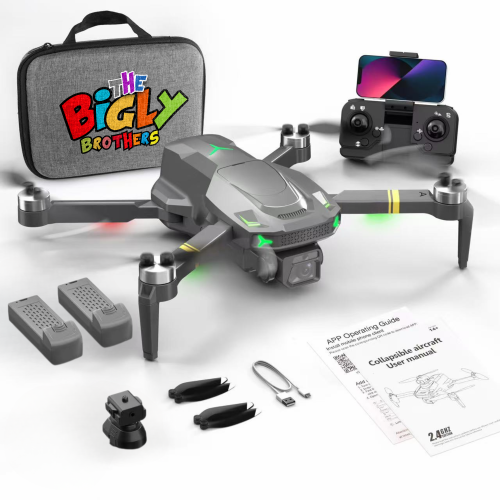
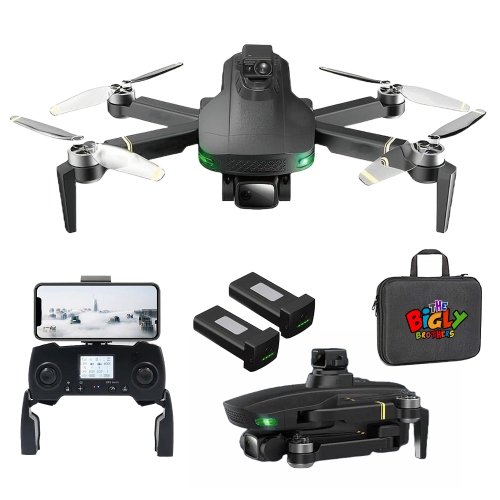
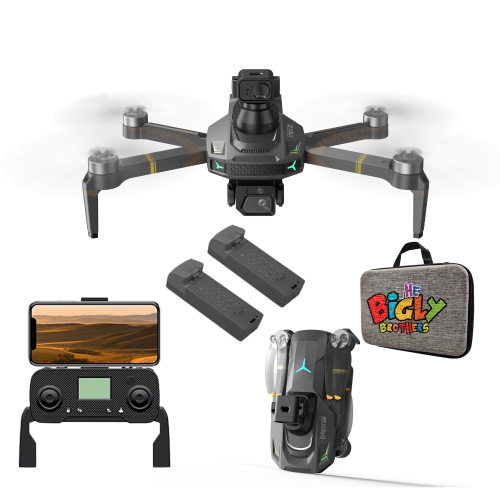
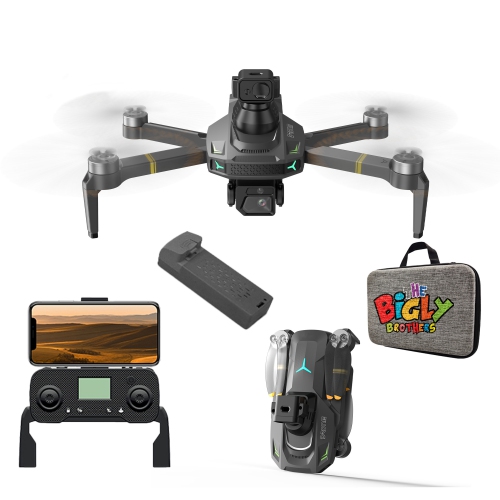
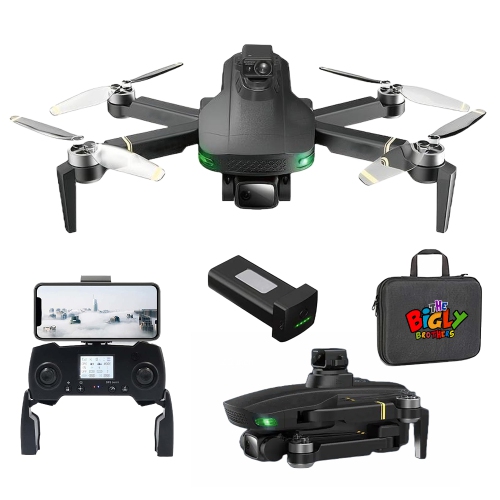
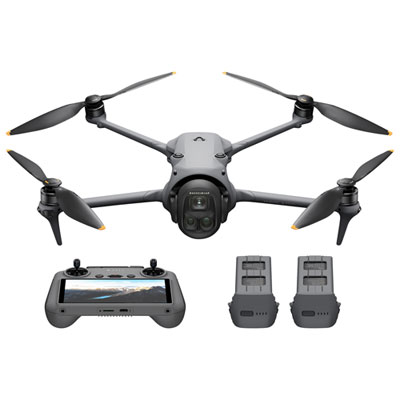
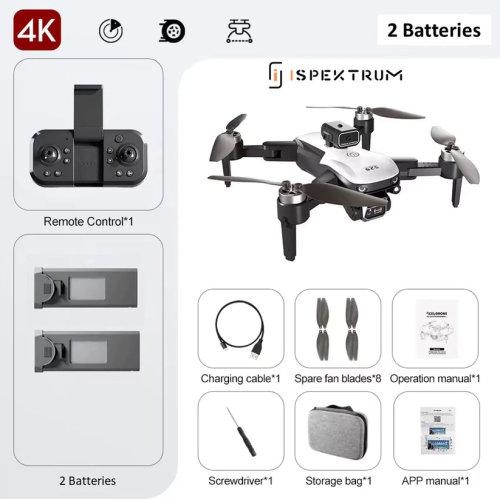
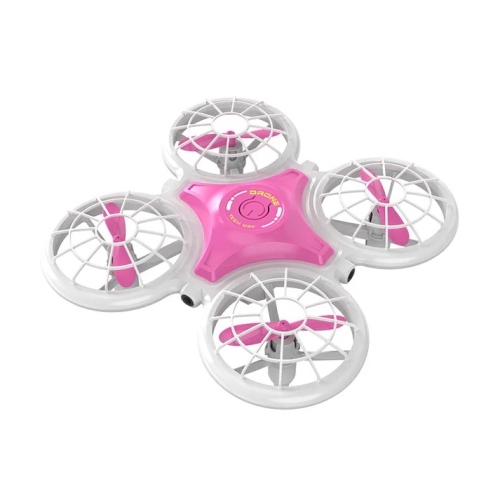
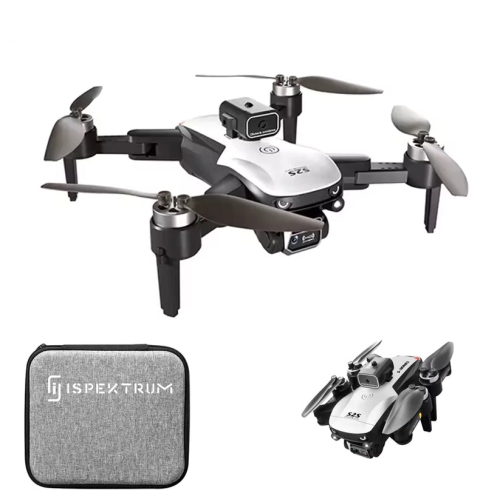
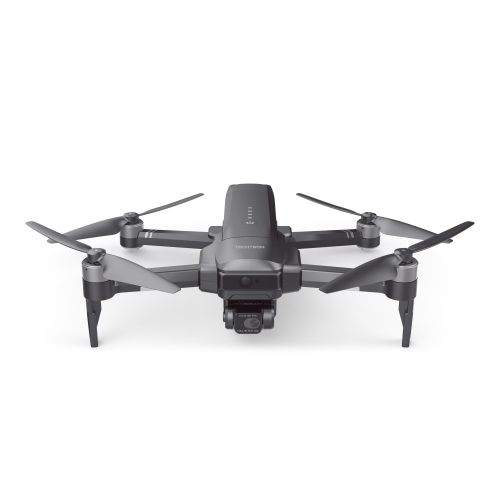

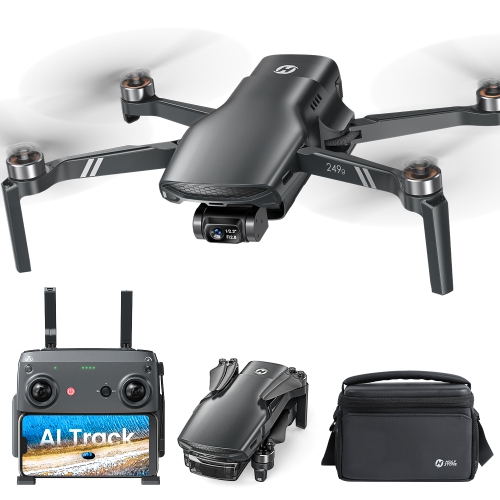
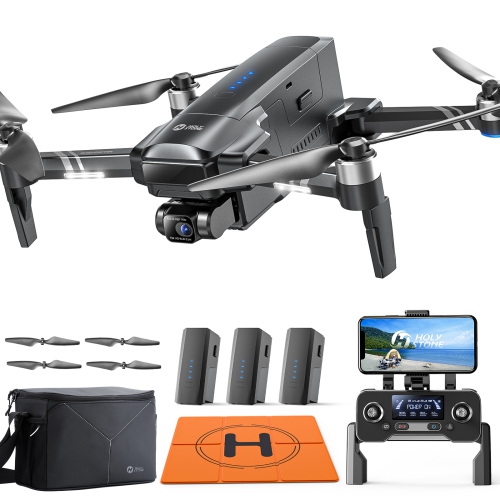
How onboard sensors support smoother, more confident flights
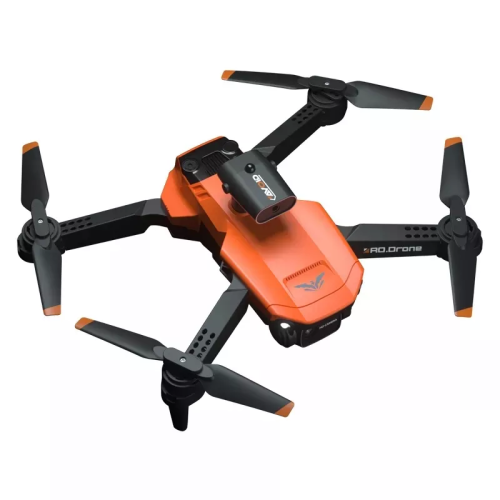
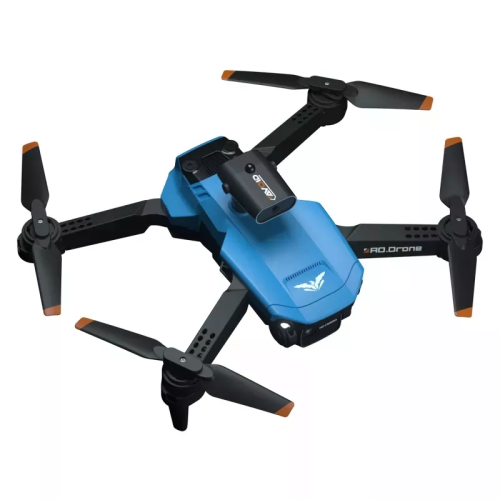
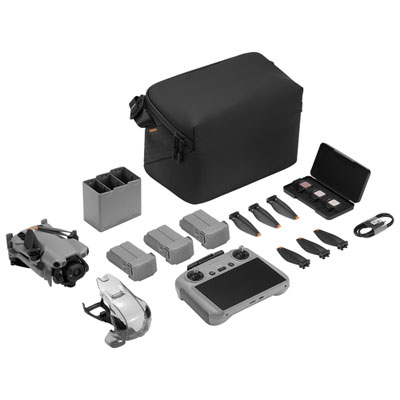
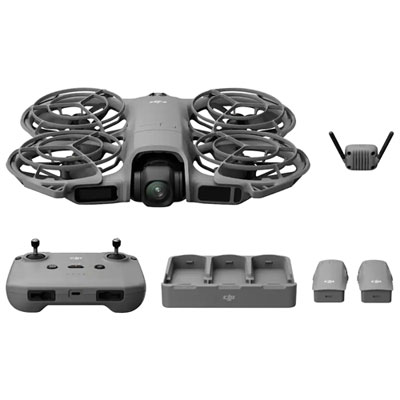
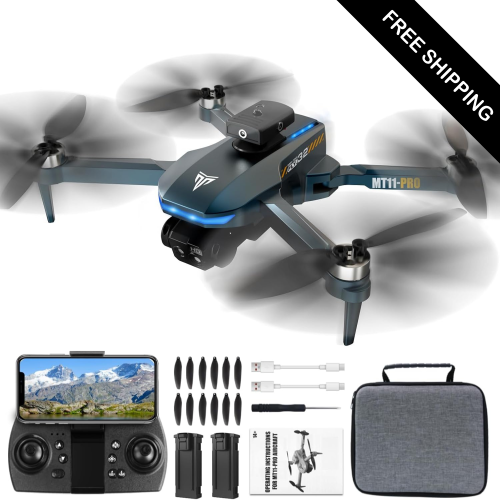
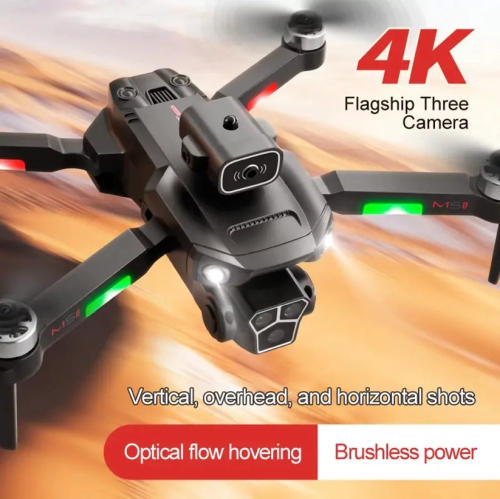
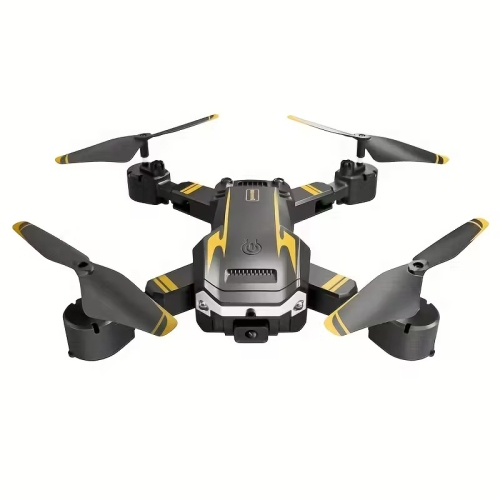
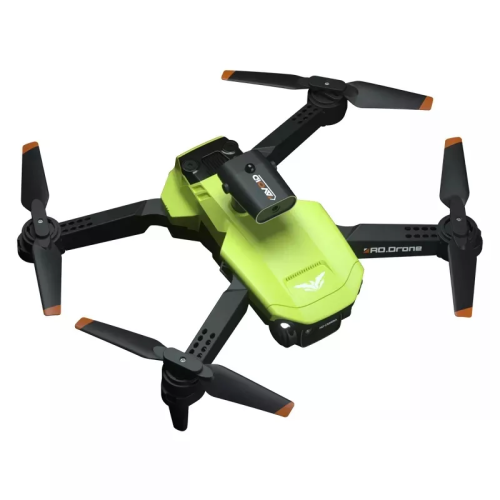
Obstacle avoidance drones are designed to make flying more approachable by helping detect objects in the aircraft’s path. Instead of relying only on the pilot to steer around trees, walls, furniture, or other obstacles, these drones combine onboard sensors with flight-control software to assess their surroundings and respond to potential hazards. Vision cameras can use two lenses to compare images and estimate depth, much like human eyes judging how far away an object is. Infrared or ultrasonic sensors can measure short distances, while LiDAR and radar systems can map nearby surfaces with greater precision in challenging conditions such as low light, fog, or airborne dust. Depending on the drone’s design, an obstacle-sensing system may activate a brake mode, causing the aircraft to stop and hover when an object is detected, or a bypass mode, allowing it to steer around or over the obstruction while continuing along its route. These features can be particularly helpful for new pilots who are still learning how quickly a drone responds, as well as experienced flyers capturing smooth footage around buildings, trees, fences, and other structures. Obstacle avoidance does not make a drone crash-proof, however. Sensors may have difficulty with thin branches, wires, transparent surfaces, dark objects, reflective materials, or rapidly changing light. A careful pilot should always keep the drone within sight, monitor its surroundings, and leave enough space for safe manoeuvring.
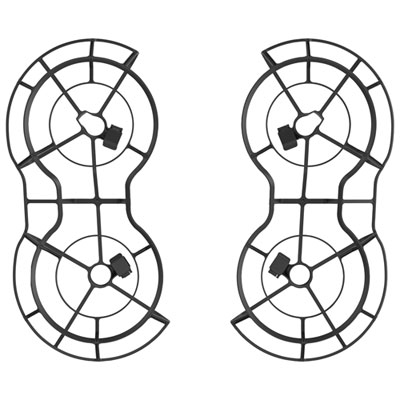
When choosing an obstacle avoidance drone, consider where and how it will be flown. A compact model can be convenient for indoor practice or for carrying in a backpack during a walk, while a larger aircraft may offer improved stability in outdoor conditions and more room for advanced cameras or accessories. Sensor coverage is another important detail: some drones detect obstacles only in front of them, while others provide awareness in several directions, including above, below, behind, and to the sides. More extensive coverage can be valuable when flying backwards, orbiting a subject, or following a moving person, but it should not replace attentive control. Look for flight modes that match your experience level, such as altitude hold, return-to-home, automatic landing, waypoint flight, or subject tracking. Battery life, charging time, controller range, storage options, and replacement parts also affect the everyday experience. A drone that is easy to charge and quick to prepare may get more use than one that requires a complicated setup before every flight. Camera specifications matter for pilots who want aerial photos or video, but image quality can also depend on gimbal stabilisation, wind resistance, transmission performance, and the pilot’s ability to plan a smooth route. For indoor flights, pay close attention to propeller guards, low-speed controls, and the drone’s size. For outdoor use during the cooler months, check the operating temperature range and remember that cold weather can reduce battery performance. Keeping batteries warm before takeoff, avoiding precipitation, and landing with reserve power can help make each flight more predictable.
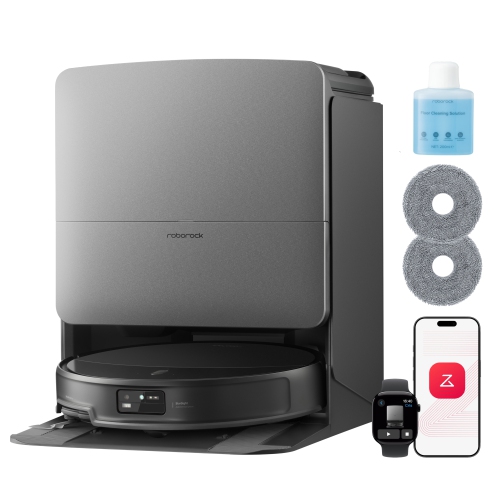
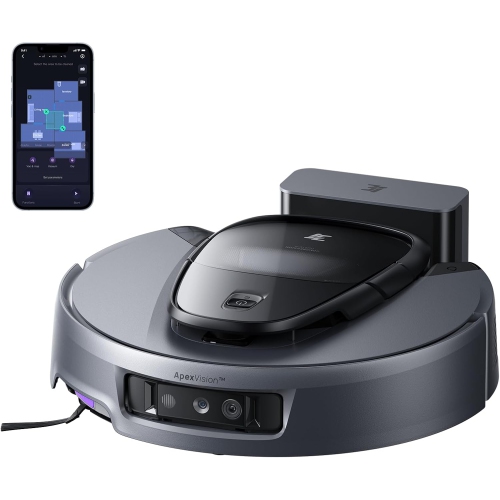
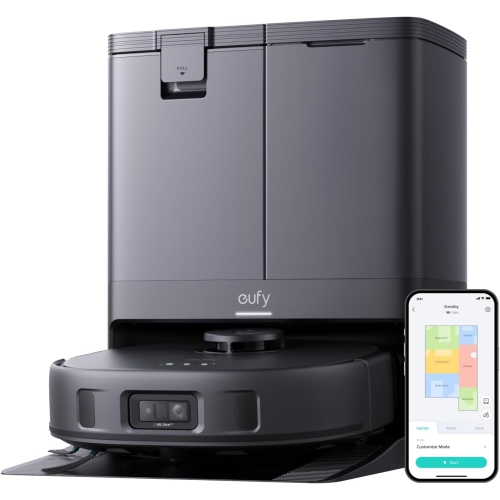
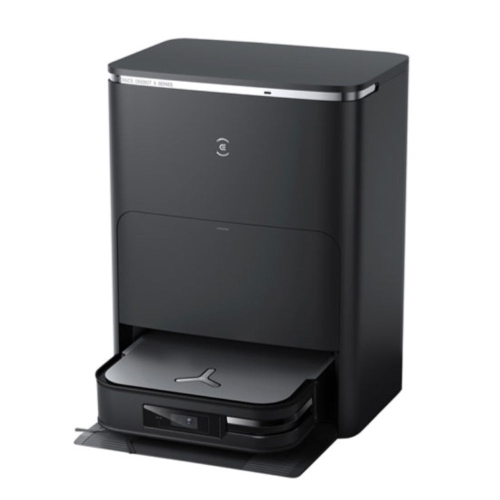
Obstacle avoidance drones can appeal to hobbyists, first-time pilots, travellers, students, content creators, and families looking for an engaging technology gift. They offer a hands-on way to explore photography, navigation, robotics, and the basics of flight control, making them suitable for curious learners who enjoy seeing how hardware and software work together. A beginner may use obstacle sensing while practising gentle turns in an open room or a clear park, gaining confidence before attempting more complex movements. An enthusiast might use it to trace a shoreline, follow a hiking route, inspect the shape of a property from a safe distance, or create sweeping overhead footage of a gathering, provided local rules and privacy expectations are respected. Before flying in Canada, review the applicable Transport Canada requirements, including registration, pilot certification, airspace restrictions, altitude limits, and rules around people, airports, and emergency operations. Municipal and provincial restrictions may also apply in parks, conservation areas, and public spaces. Always avoid flying near power lines, roads, crowds, wildlife, and private areas without appropriate permission. If you are comparing obstacle-sensing technology across other household devices, you can also browse Robot Vacuums With Obstacle Avoidance for a different example of sensors helping an automated device navigate around everyday objects. With the right combination of sensor coverage, flight controls, camera features, battery planning, and responsible operation, an obstacle avoidance drone can provide a more comfortable introduction to aerial technology while leaving room to develop more advanced flying skills.
When choosing an obstacle avoidance drone, consider where and how it will be flown. A compact model can be convenient for indoor practice or for carrying in a backpack during a walk, while a larger aircraft may offer improved stability in outdoor conditions and more room for advanced cameras or accessories. Sensor coverage is another important detail: some drones detect obstacles only in front of them, while others provide awareness in several directions, including above, below, behind, and to the sides. More extensive coverage can be valuable when flying backwards, orbiting a subject, or following a moving person, but it should not replace attentive control. Look for flight modes that match your experience level, such as altitude hold, return-to-home, automatic landing, waypoint flight, or subject tracking. Battery life, charging time, controller range, storage options, and replacement parts also affect the everyday experience. A drone that is easy to charge and quick to prepare may get more use than one that requires a complicated setup before every flight. Camera specifications matter for pilots who want aerial photos or video, but image quality can also depend on gimbal stabilisation, wind resistance, transmission performance, and the pilot’s ability to plan a smooth route. For indoor flights, pay close attention to propeller guards, low-speed controls, and the drone’s size. For outdoor use during the cooler months, check the operating temperature range and remember that cold weather can reduce battery performance. Keeping batteries warm before takeoff, avoiding precipitation, and landing with reserve power can help make each flight more predictable.
Obstacle avoidance drones can appeal to hobbyists, first-time pilots, travellers, students, content creators, and families looking for an engaging technology gift. They offer a hands-on way to explore photography, navigation, robotics, and the basics of flight control, making them suitable for curious learners who enjoy seeing how hardware and software work together. A beginner may use obstacle sensing while practising gentle turns in an open room or a clear park, gaining confidence before attempting more complex movements. An enthusiast might use it to trace a shoreline, follow a hiking route, inspect the shape of a property from a safe distance, or create sweeping overhead footage of a gathering, provided local rules and privacy expectations are respected. Before flying in Canada, review the applicable Transport Canada requirements, including registration, pilot certification, airspace restrictions, altitude limits, and rules around people, airports, and emergency operations. Municipal and provincial restrictions may also apply in parks, conservation areas, and public spaces. Always avoid flying near power lines, roads, crowds, wildlife, and private areas without appropriate permission. If you are comparing obstacle-sensing technology across other household devices, you can also browse Robot Vacuums With Obstacle Avoidance for a different example of sensors helping an automated device navigate around everyday objects. With the right combination of sensor coverage, flight controls, camera features, battery planning, and responsible operation, an obstacle avoidance drone can provide a more comfortable introduction to aerial technology while leaving room to develop more advanced flying skills.
Top selling and popular products
-
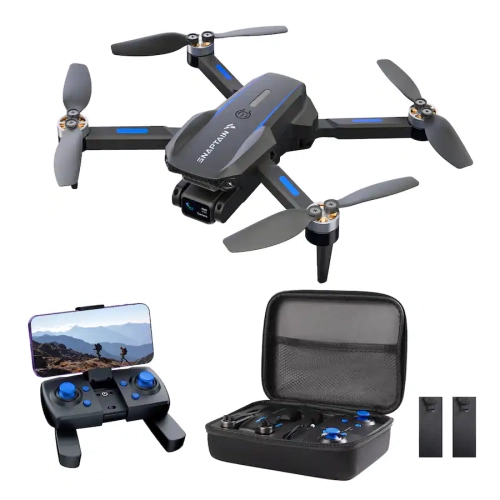 Your price for this item is $109.98
 -
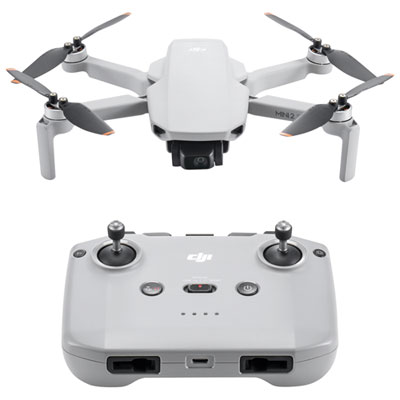 Your price for this item is $359.99
 -
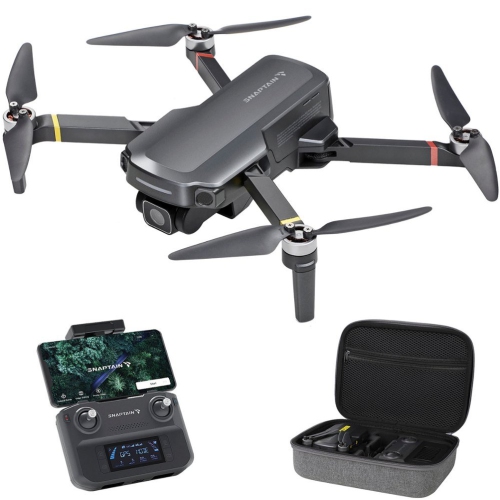 Your price for this item is $279.9
 -
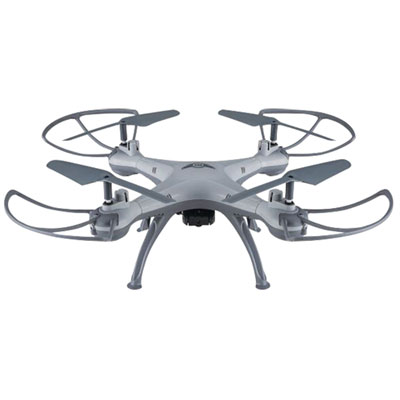 Your price for this item is $49.99
 -
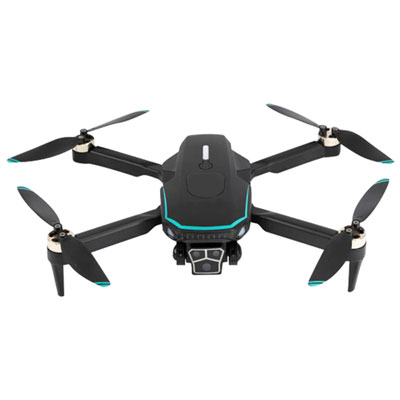 Your price for this item is $79.99
 -
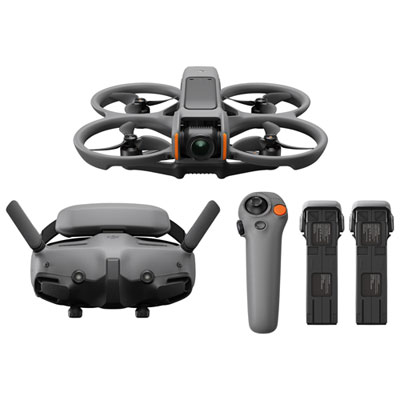 Your price for this item is $1279.99
 -
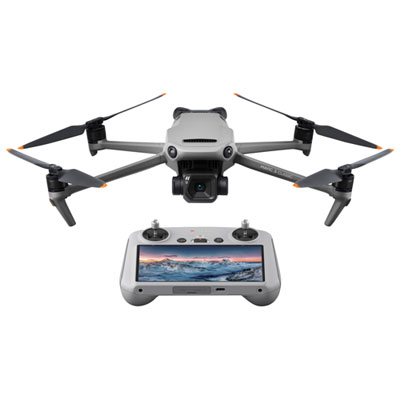 Your price for this item is $1759.99
 -
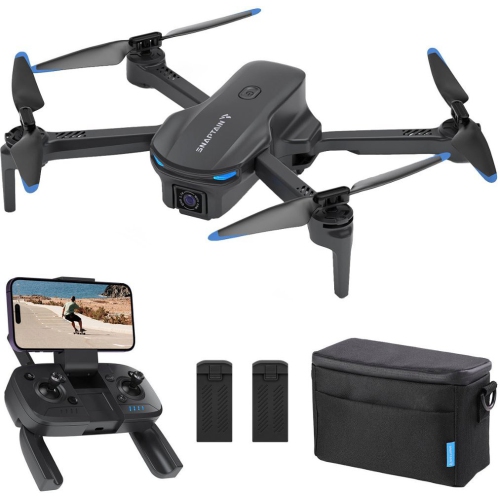 Your price for this item is $189.9
Discover more categories related to Obstacle Avoidance Drones
Top Collections:
Pokemon Centers, Kindle Devices, Best Budget Office Chairs, Apple iPhones 16, Best Laptops for Writers, iPhone 15 Apple, Canon G7X Cameras, Refurbished Apple Laptops, Alarm Clock, Motorola Razr Phones
Some products may be subject to Environmental Handling Fees
(EHF) depending on your province.
Learn more about EHFs.