DSLR Camera Cleaning Kits
DSLR Camera Cleaning Kits are essential for keeping your camera in top condition, ensuring clear, crisp images every time you shoot. Whether you’re a professional photographer or an enthusiastic hobbyist, maintaining your equipment helps deliver the best possible performance. Explore a variety of DSLR Camera Cleaning Kits designed to help you easily care for your camera lenses and sensors, so you can focus on capturing the perfect shot. Find the right kit to keep your gear ready for any photography adventure.
Sort
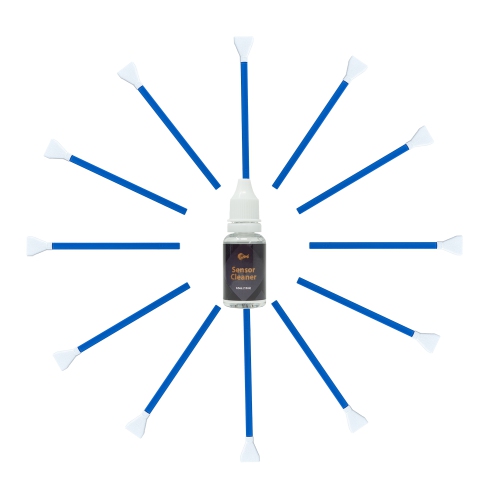

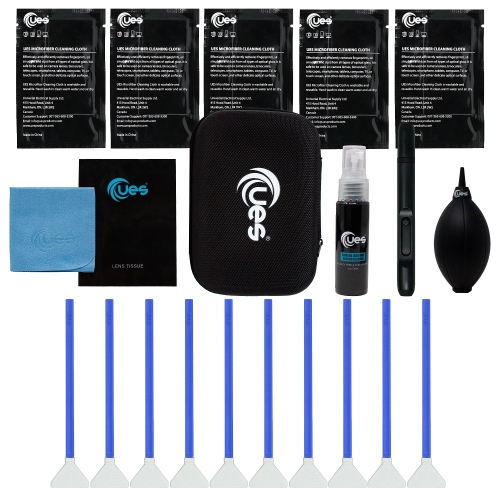

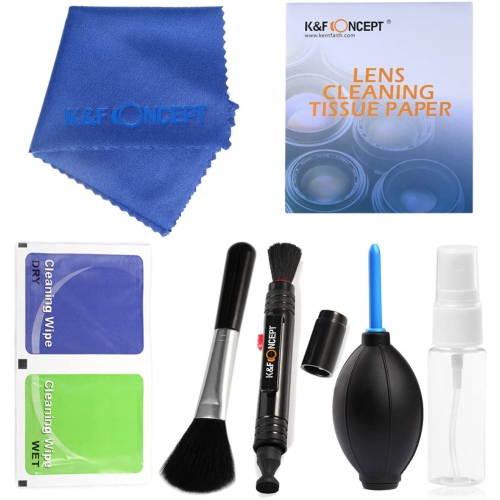
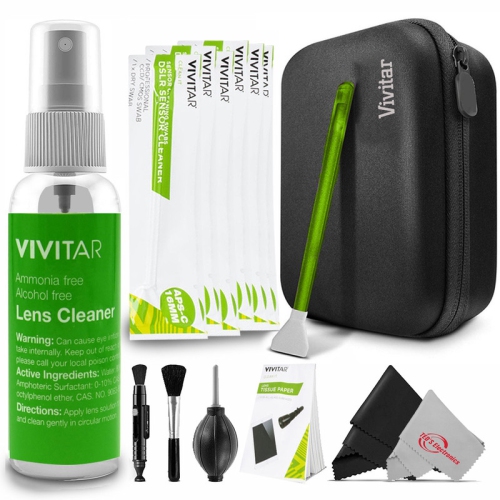
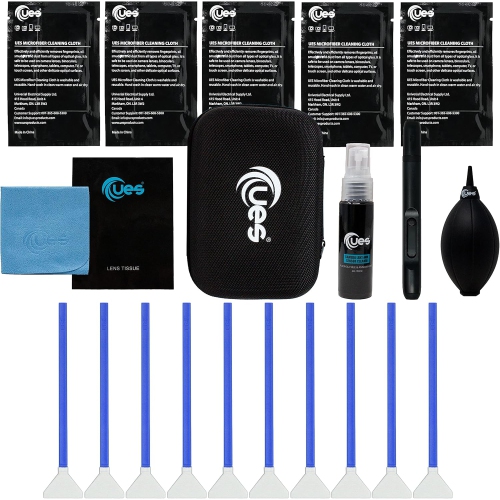
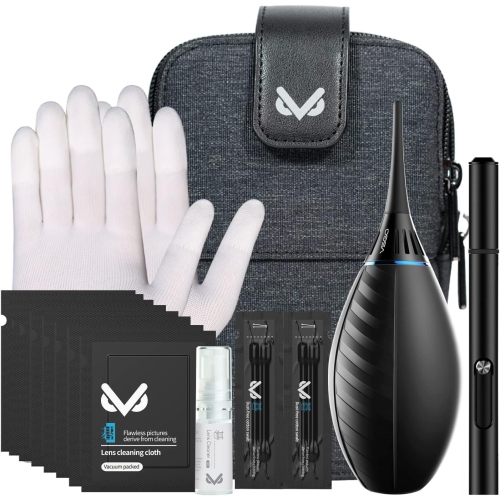
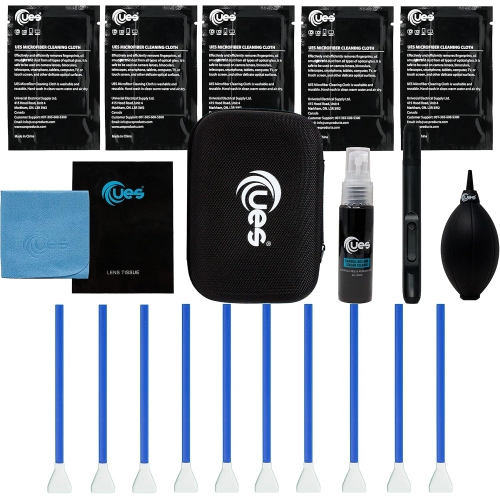
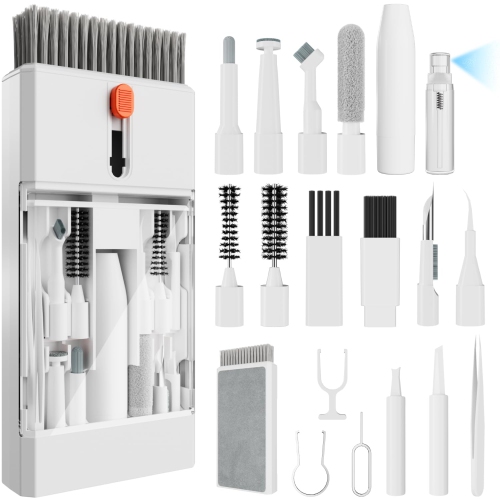
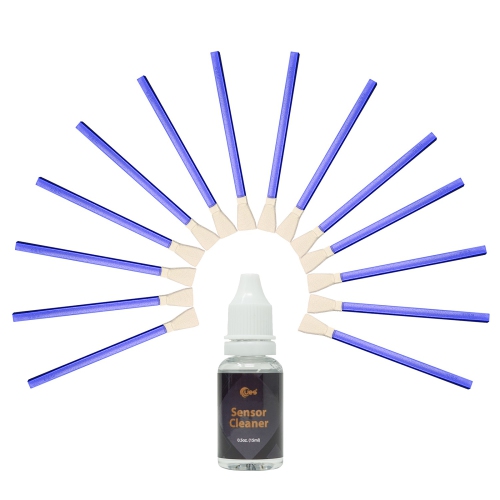
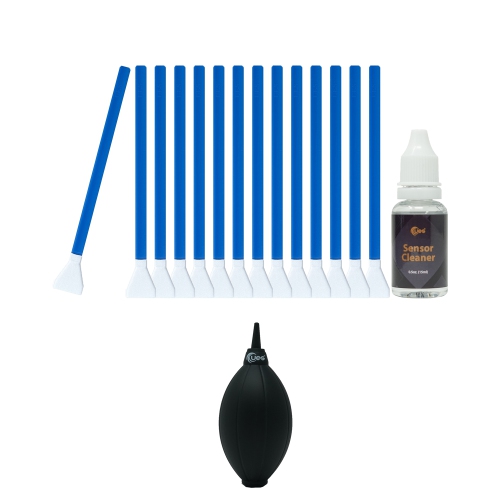
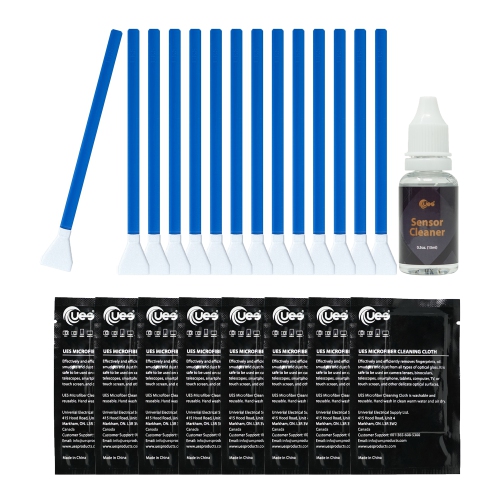
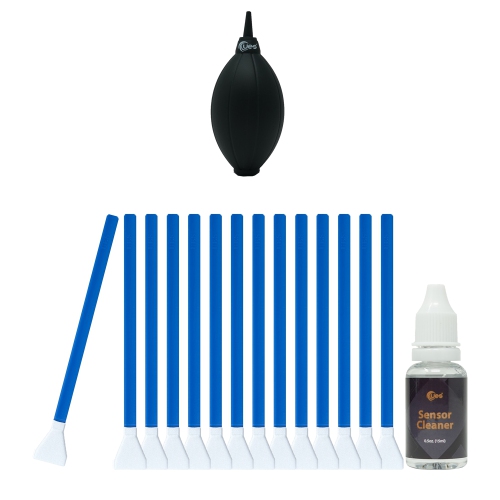
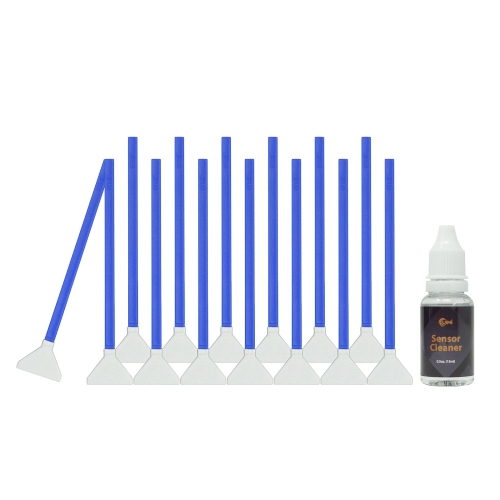
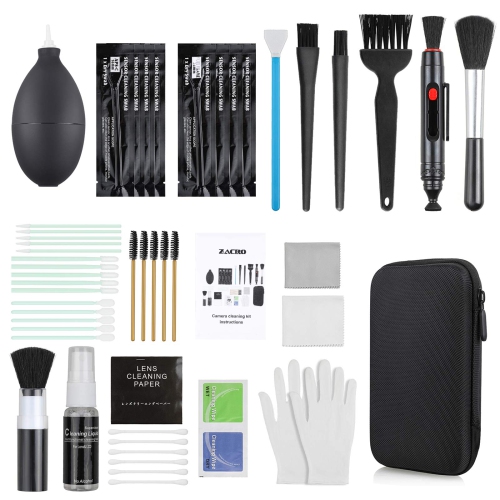
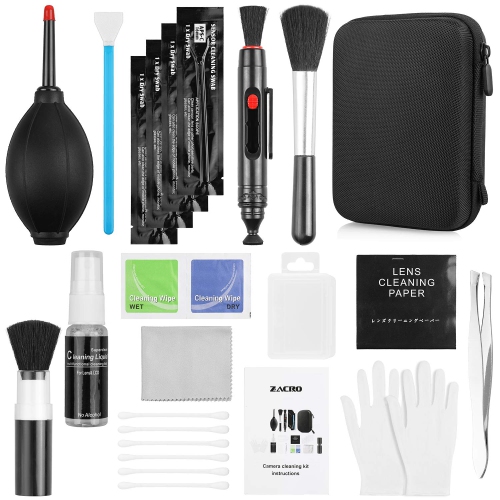
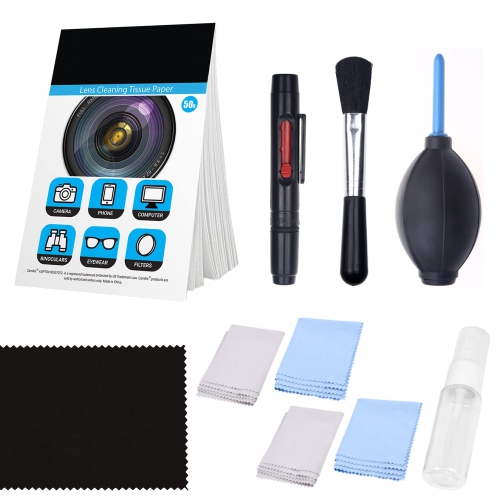
Different camera surfaces call for different cleaning tools
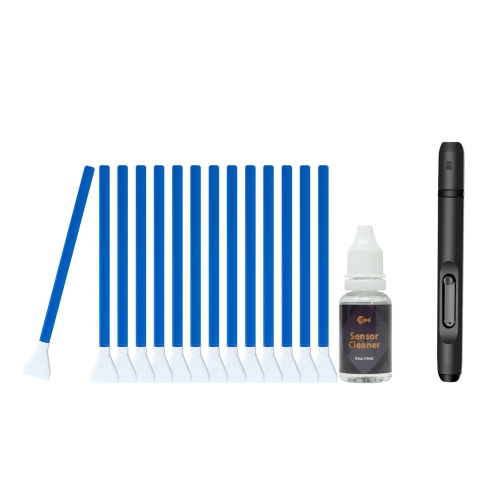
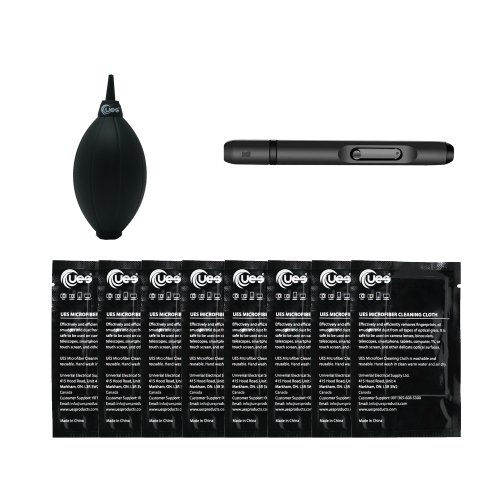
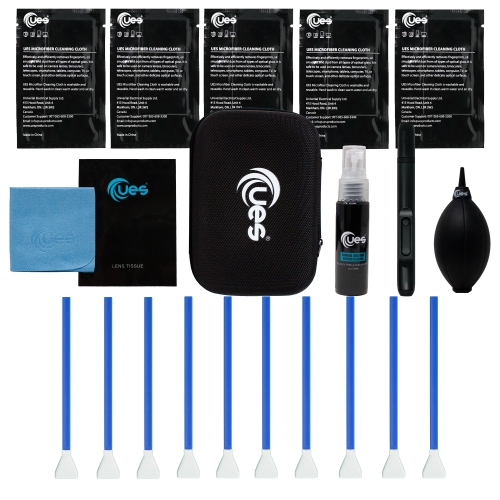
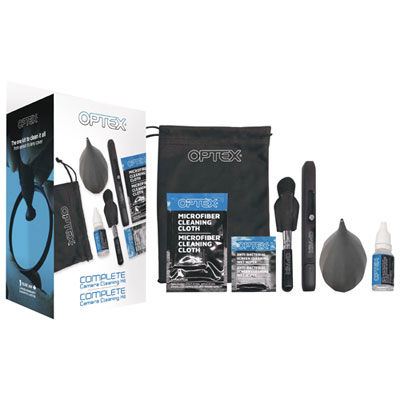
DSLR camera cleaning kits bring together tools for removing loose dust, fingerprints, and light surface marks from camera equipment. Their contents vary, but common components include a hand-operated air blower, a soft brush, a lens cleaning pen, microfibre cloths, lens tissues, and a cleaning solution formulated for compatible optical surfaces. Some kits focus on external care for lenses, filters, screens, and camera bodies, while others include dedicated sensor-cleaning supplies. That distinction matters: a kit intended to freshen up a lens barrel or rear display is not necessarily suitable for the sensitive surfaces inside a DSLR. For everyday photography, a compact lens cleaning kit can help address the thumbprint left while fitting a lens cap or the dust gathered around a viewfinder during a busy portrait session. More extensive kits suit photographers who maintain several lenses, use screw-on filters, or want separate tools for different parts of their equipment. Keeping those tools together in a fitted pouch makes them easier to find in a camera bag and helps prevent clean cloths from rubbing against other accessories. A useful assortment is less about having the highest number of pieces and more about matching the surfaces that need attention. Several suitable cloths, for example, may be more practical than a large collection of unfamiliar attachments. Clear labelling, protective caps, and separate storage for delicate tools also make a difference when equipment is packed and unpacked frequently. Photographers who shoot family gatherings, products, portraits, or travel scenes can all benefit from having appropriate cleaning supplies close at hand. Clean optical surfaces can help reduce the effects of fingerprints and oily smears, which may contribute to flare or reduced contrast under strong lighting. Cleaning accessories are intended for surface care, however, rather than repairing scratched coatings, removing fungus within a lens, or resolving mechanical faults. Those problems call for assessment by a qualified camera service provider.
The materials and construction of a DSLR camera cleaning kit affect how well it fits a photographer’s routine. A manual air blower uses a squeezable bulb to direct air at loose particles without requiring a cloth to touch the surface. A comfortable bulb, secure nozzle, and protective storage are useful features; hand-operated blowers are different from canned compressed air, which may discharge propellant or apply excessive force to delicate components. Soft brushes can lift loose dust from suitable surfaces, but their bristles need protection from oils and grit between uses. Lens cleaning pens typically combine a brush with a cleaning tip designed for compatible optical glass. Some use a carbon-based compound to help lift oily marks, and their intended surfaces and replacement requirements vary. Microfibre cloths offer a flexible option for compatible lenses, displays, and exterior surfaces, with a fine texture that can pick up residue. No cloth is scratch-proof when it contains trapped grit, so cleanliness matters as much as softness. Separate cloths for optical glass and camera bodies help keep residue from textured grips away from delicate coatings. Washable cloths can be useful for repeated care, provided their washing instructions are followed; fabric softener and lint from other fabrics can leave unwanted residue. Individually packed lens tissues or wipes offer another format, particularly when a fresh cleaning surface is needed away from home. Any pre-moistened wipe or bottled solution should be explicitly suitable for the lens coating, filter, or display being cleaned. Household glass cleaners and general-purpose wipes are not interchangeable with optical cleaning supplies. Bottle closures that seal securely, cloth pouches that close fully, and cases with separate compartments are practical details for frequent use. Durability also involves knowing which components are reusable and which need replacement. A sturdy carrying case may last through many photography sessions, while tissues, cleaning tips, and other consumables have different service lives. Kits with clearly identified contents make it easier to understand those differences without assuming every accessory can be washed or used indefinitely.
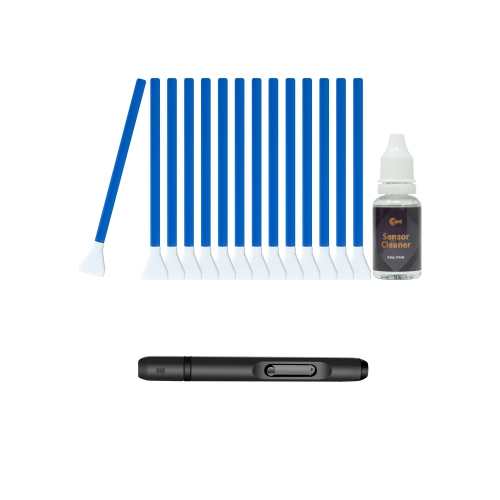
Sensor cleaning kits are a more specialized part of camera care because a DSLR’s sensor sits behind a moving mirror and shutter assembly. Dust on the sensor’s protective surface can appear as persistent spots in photographs, often more noticeable against a plain background at a narrow aperture. A mark on an image does not automatically identify its source, though, and sensor tools should not be treated as general-purpose accessories for every internal surface. Sensor swabs need to match the camera’s specified sensor dimensions, and full-frame and APS-C formats require different considerations. Even within a format label, compatibility deserves attention rather than relying on the word “universal.” Dedicated sensor fluid must also be approved for the intended use; ordinary lens solution is not automatically suitable. Individually sealed swabs help keep unused cleaning surfaces protected, and single-use designs should not be reused. Camera manufacturers’ instructions determine whether user sensor cleaning is supported and what precautions apply. Professional servicing is a sensible option for anyone uncomfortable working near the shutter mechanism, or when marks remain after appropriate care. For that reason, an external lens and body cleaning kit is often a more approachable gift for a new DSLR owner than a sensor-cleaning set. Photography students, hobbyists building their first camera bag, and experienced photographers organizing a backup pouch may each value a different mix of tools. A small case suits someone carrying one body and lens, while a compartmentalized kit can be easier to organize alongside a larger collection of equipment. At a desk used for editing photographs, Laptop Cleaning Kits serve a related but separate purpose for compatible computer surfaces; their contents should not be assumed safe for camera optics or sensors. Across these routines, clearly separated supplies, protected cleaning surfaces, and compatibility information make a kit easier to use responsibly. The most useful DSLR camera cleaning kits support the equipment a photographer actually owns, with appropriate tools for routine marks and dust rather than unnecessary contact with delicate components.
The materials and construction of a DSLR camera cleaning kit affect how well it fits a photographer’s routine. A manual air blower uses a squeezable bulb to direct air at loose particles without requiring a cloth to touch the surface. A comfortable bulb, secure nozzle, and protective storage are useful features; hand-operated blowers are different from canned compressed air, which may discharge propellant or apply excessive force to delicate components. Soft brushes can lift loose dust from suitable surfaces, but their bristles need protection from oils and grit between uses. Lens cleaning pens typically combine a brush with a cleaning tip designed for compatible optical glass. Some use a carbon-based compound to help lift oily marks, and their intended surfaces and replacement requirements vary. Microfibre cloths offer a flexible option for compatible lenses, displays, and exterior surfaces, with a fine texture that can pick up residue. No cloth is scratch-proof when it contains trapped grit, so cleanliness matters as much as softness. Separate cloths for optical glass and camera bodies help keep residue from textured grips away from delicate coatings. Washable cloths can be useful for repeated care, provided their washing instructions are followed; fabric softener and lint from other fabrics can leave unwanted residue. Individually packed lens tissues or wipes offer another format, particularly when a fresh cleaning surface is needed away from home. Any pre-moistened wipe or bottled solution should be explicitly suitable for the lens coating, filter, or display being cleaned. Household glass cleaners and general-purpose wipes are not interchangeable with optical cleaning supplies. Bottle closures that seal securely, cloth pouches that close fully, and cases with separate compartments are practical details for frequent use. Durability also involves knowing which components are reusable and which need replacement. A sturdy carrying case may last through many photography sessions, while tissues, cleaning tips, and other consumables have different service lives. Kits with clearly identified contents make it easier to understand those differences without assuming every accessory can be washed or used indefinitely.
Sensor cleaning kits are a more specialized part of camera care because a DSLR’s sensor sits behind a moving mirror and shutter assembly. Dust on the sensor’s protective surface can appear as persistent spots in photographs, often more noticeable against a plain background at a narrow aperture. A mark on an image does not automatically identify its source, though, and sensor tools should not be treated as general-purpose accessories for every internal surface. Sensor swabs need to match the camera’s specified sensor dimensions, and full-frame and APS-C formats require different considerations. Even within a format label, compatibility deserves attention rather than relying on the word “universal.” Dedicated sensor fluid must also be approved for the intended use; ordinary lens solution is not automatically suitable. Individually sealed swabs help keep unused cleaning surfaces protected, and single-use designs should not be reused. Camera manufacturers’ instructions determine whether user sensor cleaning is supported and what precautions apply. Professional servicing is a sensible option for anyone uncomfortable working near the shutter mechanism, or when marks remain after appropriate care. For that reason, an external lens and body cleaning kit is often a more approachable gift for a new DSLR owner than a sensor-cleaning set. Photography students, hobbyists building their first camera bag, and experienced photographers organizing a backup pouch may each value a different mix of tools. A small case suits someone carrying one body and lens, while a compartmentalized kit can be easier to organize alongside a larger collection of equipment. At a desk used for editing photographs, Laptop Cleaning Kits serve a related but separate purpose for compatible computer surfaces; their contents should not be assumed safe for camera optics or sensors. Across these routines, clearly separated supplies, protected cleaning surfaces, and compatibility information make a kit easier to use responsibly. The most useful DSLR camera cleaning kits support the equipment a photographer actually owns, with appropriate tools for routine marks and dust rather than unnecessary contact with delicate components.
Top selling and popular products
-
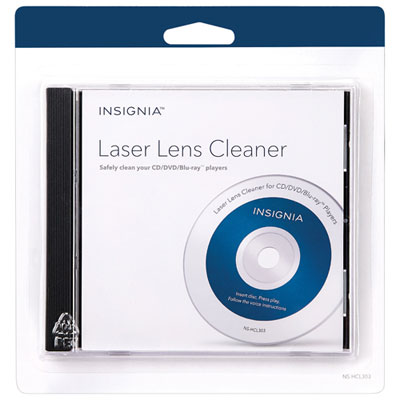 Your price for this item is $11.99
 -
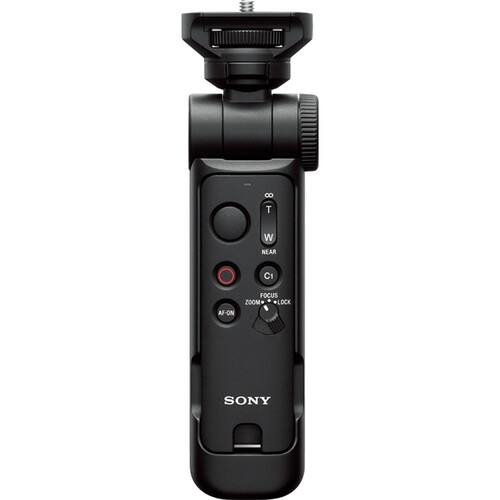 Your price for this item is $219.99
 -
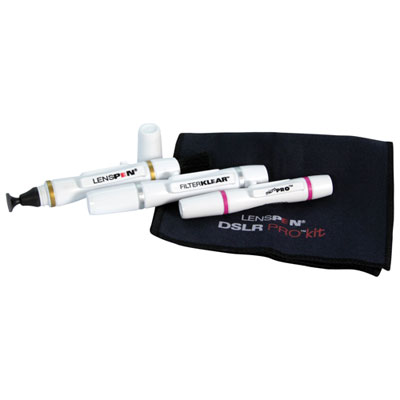 Your price for this item is $24.97
 -
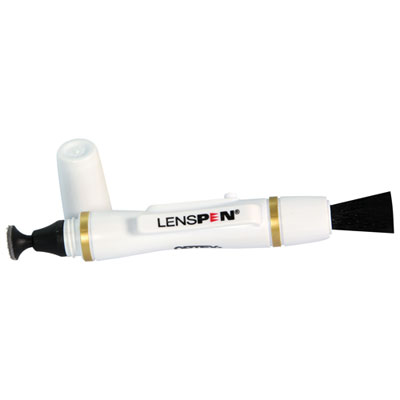 Your price for this item is $4.97
 -
 Your price for this item is $24.99
 -
 Your price for this item is $36.96
 -
 Your price for this item is $56.96
 -
![MEDCA Lens Cleaning Wipes - [210 Pack] Pre Moistened Cleansing Cloths And Individually Wrapped Eyeglass Cleaner Wipe Pads for Phones, Tablet Screens](https://multimedia.bbycastatic.ca/multimedia/products/500x500/175/17593/17593356.jpeg) Your price for this item is $33.99
Your price for this item is $33.99
Discover more categories related to DSLR Camera Cleaning Kits
Top Collections:
Pokemon Centers, Kindle Devices, Best Budget Office Chairs, Apple iPhones 16, Best Laptops for Writers, iPhone 15 Apple, Canon G7X Cameras, Refurbished Apple Laptops, Alarm Clock, Motorola Razr Phones
Some products may be subject to Environmental Handling Fees
(EHF) depending on your province.
Learn more about EHFs.