Camera Sensor Cleaning Kits
Capture crystal-clear photos every time by keeping your equipment in top condition with Camera Sensor Cleaning Kits. Designed for photographers and videographers who demand precision, these kits help maintain your camera's performance by ensuring the sensor stays free from dust and debris. Whether you're a professional or an enthusiast, finding the right Camera Sensor Cleaning Kit is essential for protecting your gear and achieving sharp, flawless images. Explore a wide selection to find the perfect solution for your camera maintenance needs.
Sort




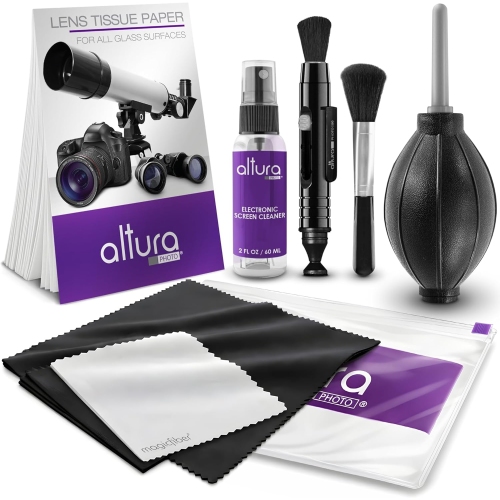
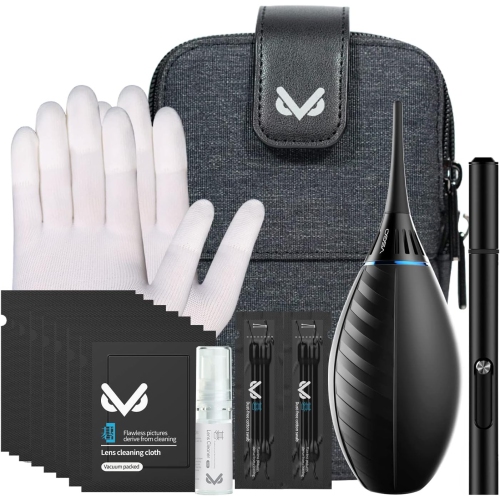
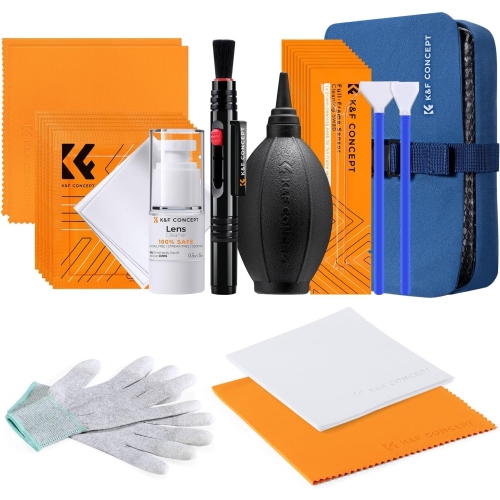
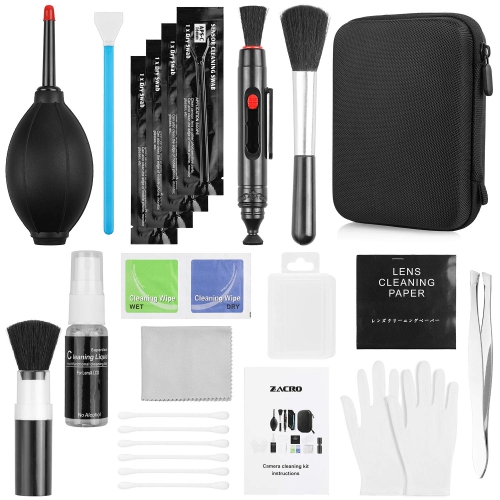
Why sensor dust calls for purpose-built cleaning tools
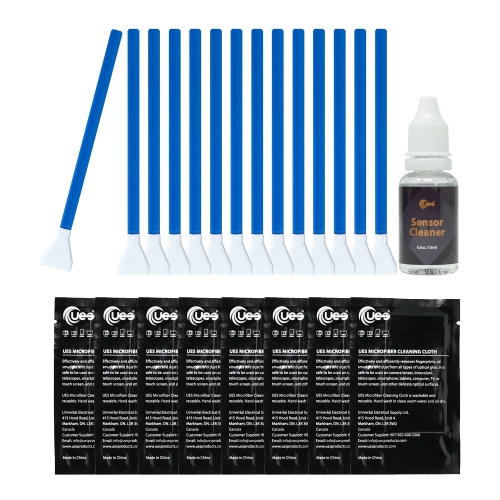
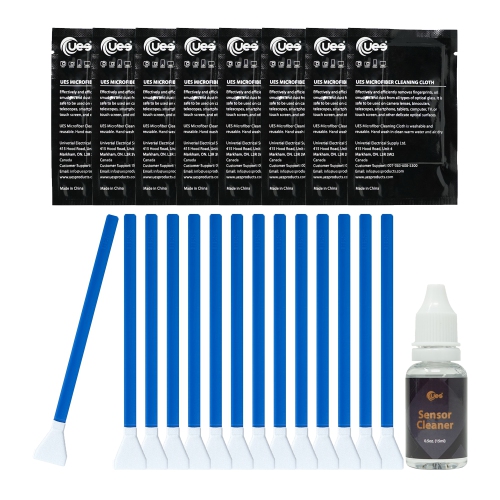
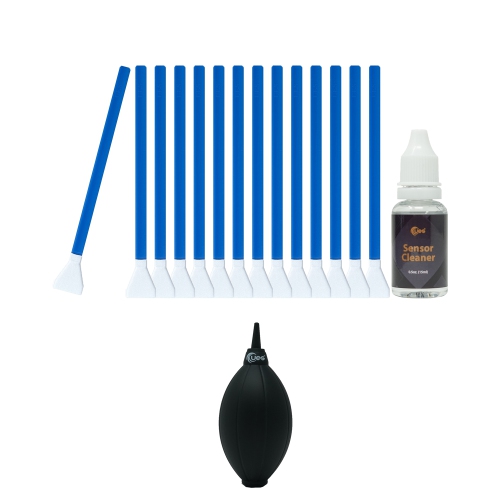
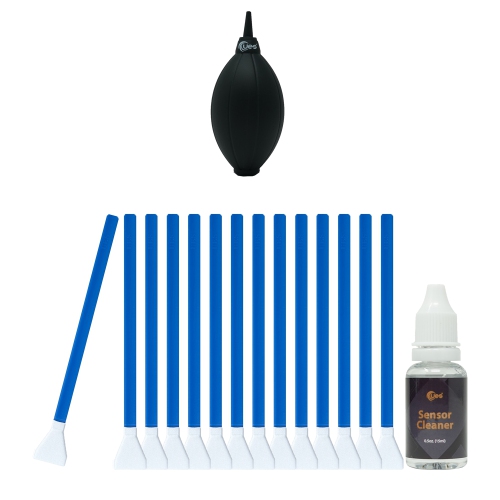
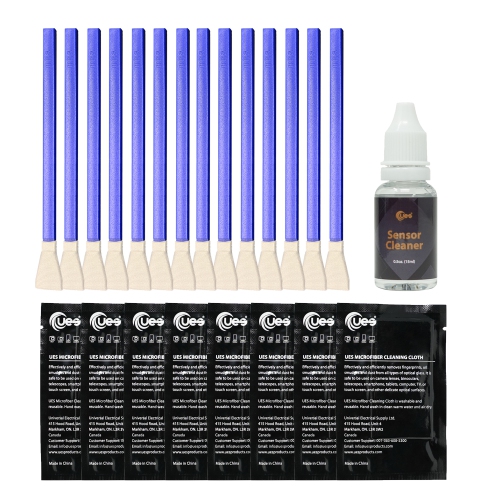
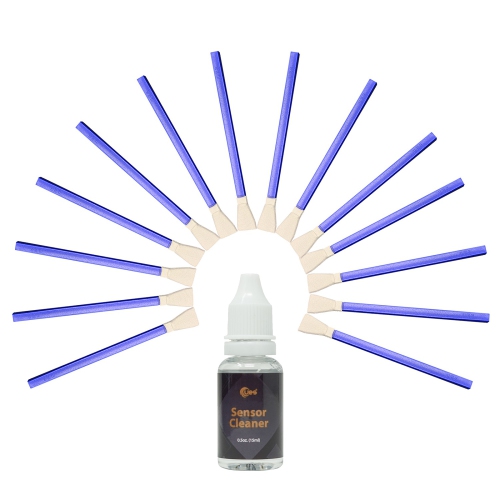
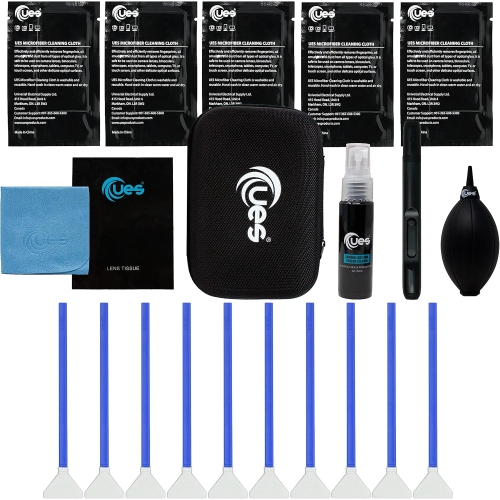
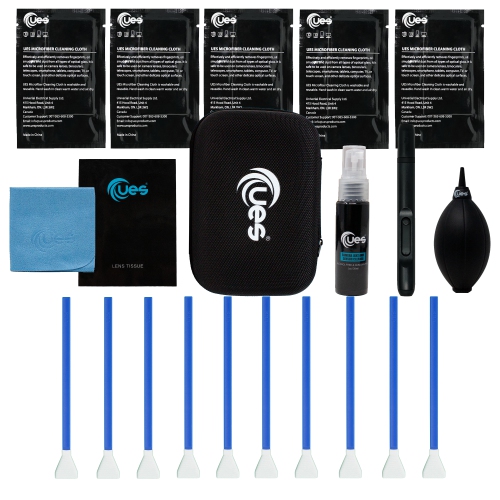
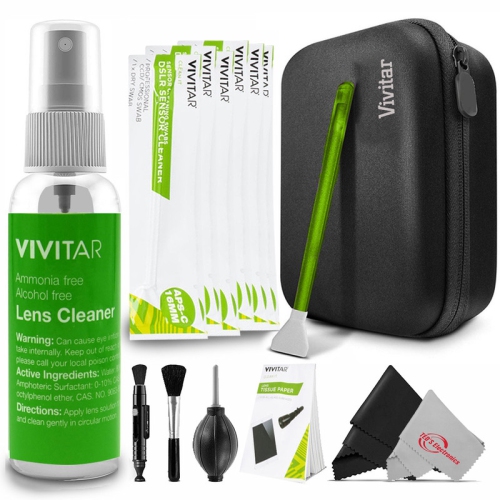
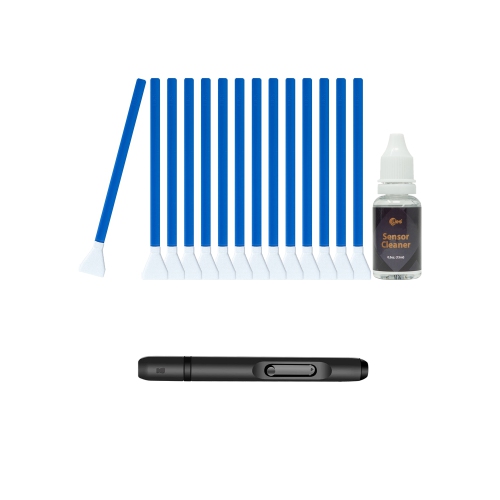
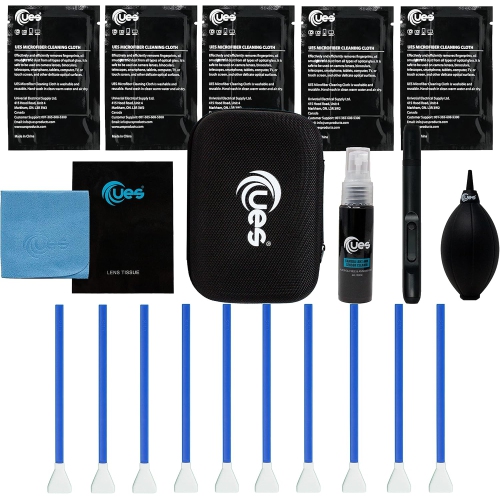
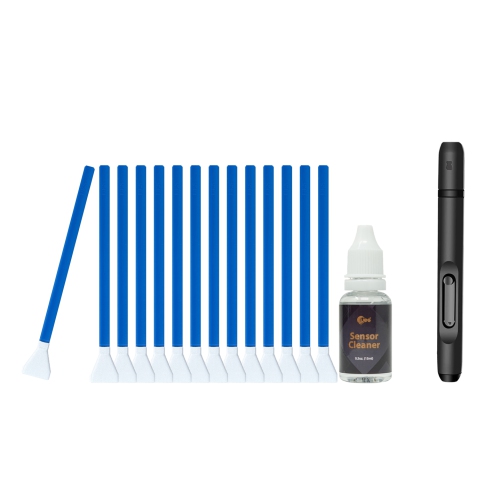
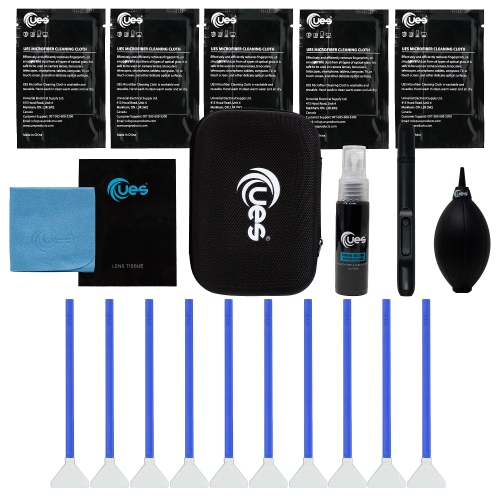
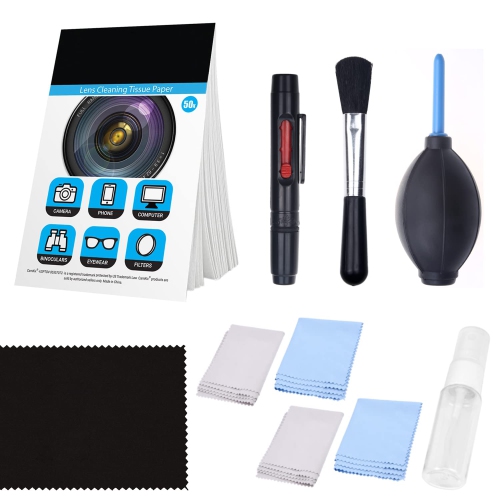
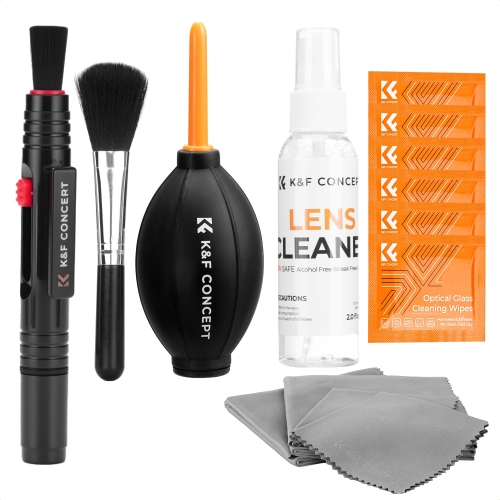
Camera sensor cleaning kits bring together tools designed to remove dust and, where supported by the camera manufacturer, marks from the protective surface in front of a digital camera’s imaging sensor. They serve a different purpose from a lens cloth or a general electronics cleaning kit: the working surfaces, swab dimensions, and cleaning fluids need to suit a particularly delicate part of the camera. Dust can enter an interchangeable-lens camera during a lens change, even when the body and lenses are handled carefully. In photographs, that dust may appear as a small dark spot that stays in the same position across multiple images, often becoming more noticeable against a plain sky, a pale studio backdrop, or another evenly lit area at a narrow aperture. A sensor cleaning kit can therefore be a useful maintenance accessory for photographers who want fewer distracting marks to remove during editing. Kit contents vary, but common components include individually wrapped sensor swabs, fluid formulated for approved sensor surfaces, a hand-operated air blower, and a protective storage case. Some broader camera cleaning kits also contain lens tissues, microfibre cloths, or brushes for other parts of the camera system. Those extras have their own roles and should not be assumed suitable for direct sensor contact. A blower is intended to help dislodge loose particles without touching the surface, while a compatible swab and fluid address a different type of cleaning need. Neither approach makes every mark safe to remove at home. Greasy smears, stubborn contamination, and unfamiliar marks can call for assessment by a qualified camera service provider. For shoppers comparing camera sensor cleaning kits, the most useful distinction is not simply how many accessories are included, but whether the kit contains appropriate tools for the camera and the kind of maintenance its owner is comfortable carrying out. A compact selection of clearly labelled, purpose-built tools can be more practical than a larger assortment with uncertain applications.
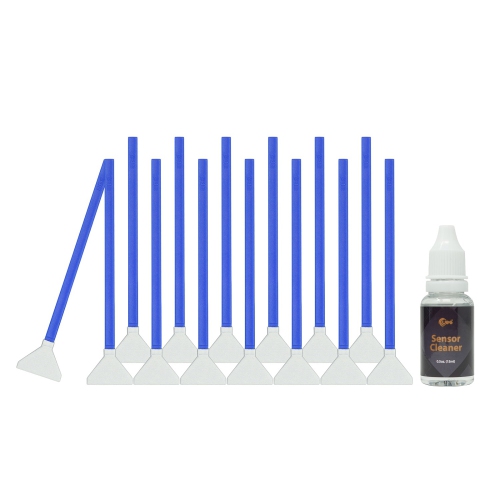
Compatibility starts with the camera model, sensor format, and manufacturer’s cleaning guidance. Full-frame, APS-C, and Micro Four Thirds cameras do not all require the same swab width, and even cameras described by the same broad format can have different requirements. A 24 mm swab is commonly associated with full-frame sensors, while a 16 mm swab is commonly used with many APS-C sensors; these measurements are useful reference points, not a substitute for checking the stated fit. Swab sizing relates to the physical cleaning area rather than the camera’s megapixel count. DSLR and mirrorless bodies also differ in how the sensor is accessed, and models with sensor-shift image stabilization may have specific restrictions on manual cleaning. A kit labelled for CCD or CMOS sensors still needs to be assessed against the camera maker’s instructions, since that label alone does not establish compatibility with every coating or mechanism. The swab material matters because it comes into contact with the approved cleaning surface. Purpose-made, low-lint cleaning heads are designed to limit loose fibres, while a correctly sized head supports controlled contact without requiring an improvised tool. Individually sealed packaging helps keep unused swabs protected until needed; it does not make a used swab suitable for repeated cleaning sessions. Fluid selection deserves the same care. Sensor cleaning solutions are formulated for particular applications, and household glass cleaners, general disinfectants, and lens cleaning liquids should not be treated as interchangeable substitutes. A kit’s fluid should be explicitly suitable for the intended camera surface, with clear handling and storage directions. Aerosol dusters are not substitutes for a purpose-made hand blower, as propellant or excessive force can create additional problems. Clear labelling, intact packaging, and a case that keeps components separated all contribute to a kit that is easier to handle carefully. Reusable accessories such as a blower or case offer lasting utility, while disposable contact materials need to remain clean and be replaced as directed.
The right kit also depends on how a camera is used. A photographer who regularly switches between wide-angle and telephoto lenses may have different maintenance needs from someone who keeps one lens attached for most outings. Product photographers working with plain backgrounds, landscape photographers using narrow apertures, and people making large prints may notice sensor dust more readily than those sharing smaller images with busy backgrounds. For video work, a fixed mark can remain visible throughout a shot, making clean equipment useful before an important recording. These situations make sensor cleaning kits practical accessories for experienced enthusiasts, working photographers, and students learning to look after an interchangeable-lens camera. As a gift, a kit is most thoughtful when the recipient’s exact camera model and comfort with manual maintenance are known; swab size and fluid compatibility matter more than an impressive accessory count. Portability can also influence the choice. A fitted case helps prevent loose tools from rubbing against one another in a camera bag, while separate compartments make it easier to distinguish unused swabs from exterior cleaning supplies. At home, a dedicated storage spot away from household cleaners helps preserve that separation. Cloths used on fingerprints around a camera grip or laptop keyboard should not be repurposed for the sensor. Photographers maintaining an editing workstation may also find Laptop Cleaning Kits useful for suitable computer surfaces, but their tools and solutions should remain separate from sensor cleaning supplies. Camera sensor care is best approached as occasional, targeted maintenance rather than a reason to make unnecessary contact with the imaging assembly. Built-in camera cleaning functions may already address some loose dust, and manufacturer-authorized servicing remains an option when a mark persists or the correct method is unclear. A well-matched kit supports careful ownership by keeping the appropriate supplies organized, protected, and ready for the maintenance the camera actually permits.
Top selling and popular products
-
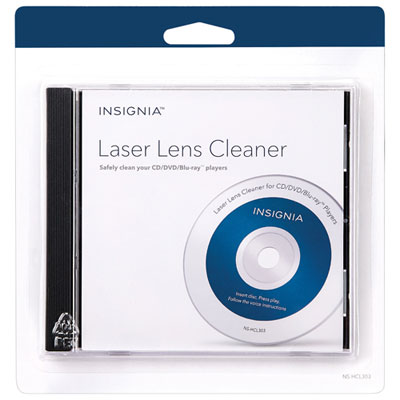 Your price for this item is $11.99
-
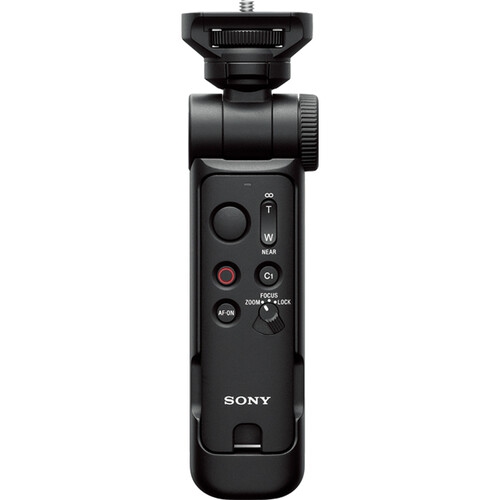 Your price for this item is $219.99
-
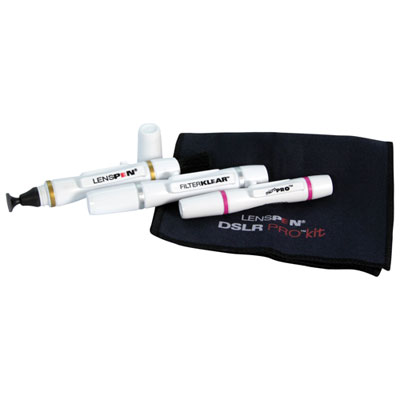 Your price for this item is $24.97
-
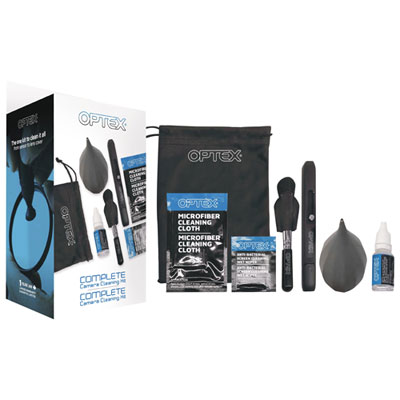 Your price for this item is $24.99
-
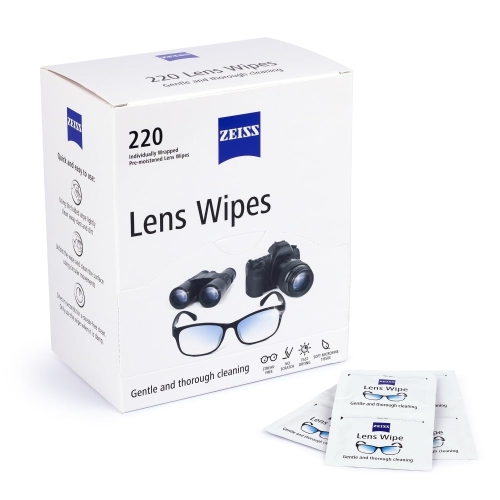 Your price for this item is $75.67
-
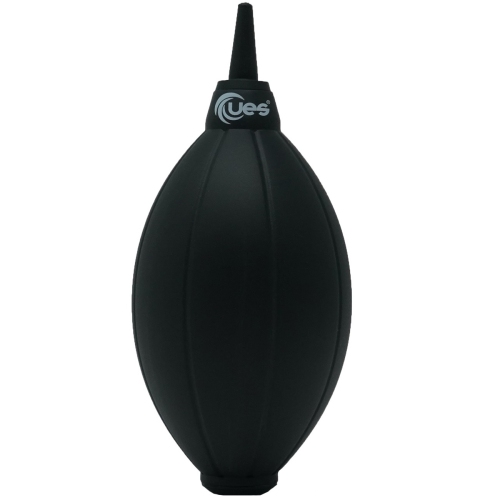 Your price for this item is $19.99
-
 Your price for this item is $36.96
-
 Your price for this item is $46.96
Discover more categories related to Camera Sensor Cleaning Kits
Top Collections:
Best Black Friday Deals This Year, Best Black Friday Deals On Electronics, Kindle Devices, Pokemon Centers, Best Black Friday Deals On Apple Products, Best Cameras for Sports Photography, Dyson Airwrap, Pokémon 30th Celebration Cards, Apple iPhone 17 Pro, Canon G7X Cameras
Some products may be subject to Environmental Handling Fees
(EHF) depending on your province.
Learn more about EHFs.