Fujifilm Instax Cameras
Capture life’s special moments instantly with fujifilm instax cameras. Designed for those who love the charm of instant photography, these cameras offer a fun and creative way to preserve memories. Whether you’re at a party, traveling, or simply enjoying time with friends and family, fujifilm instax cameras make it easy to snap and share your favorite experiences. Explore a variety of models and styles to find the perfect fit for your needs and start creating tangible keepsakes in seconds.
Sort

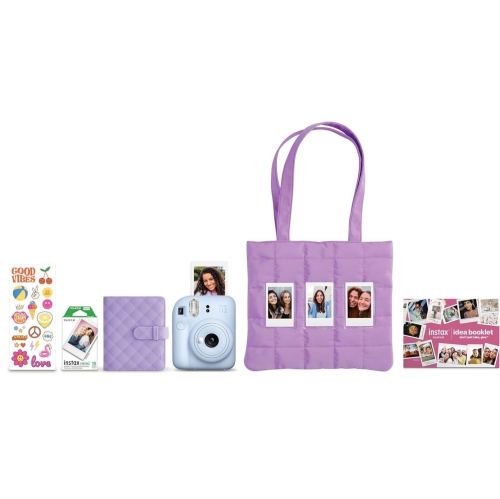

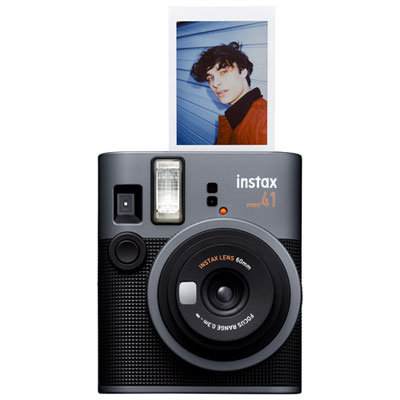
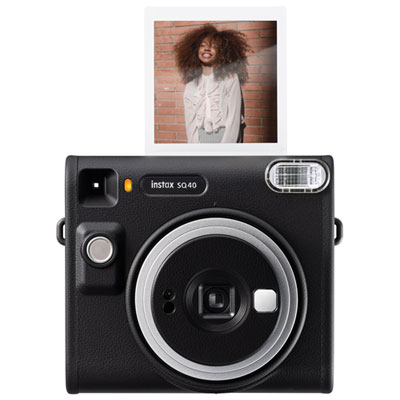
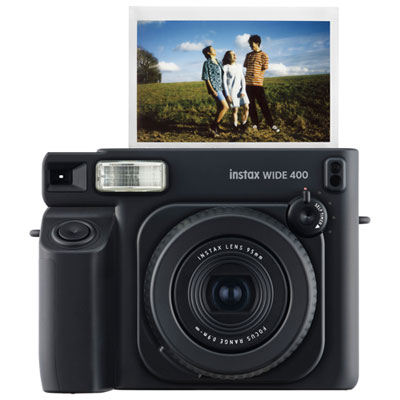
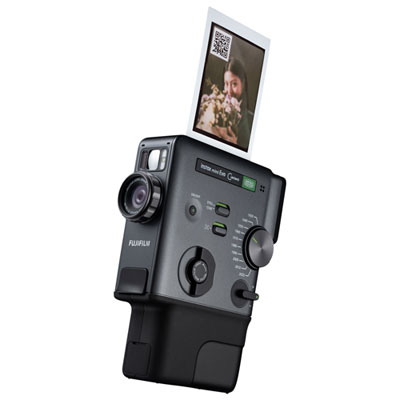
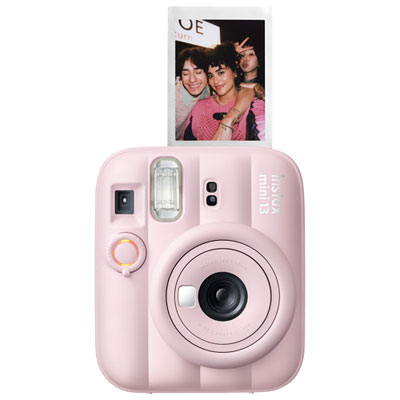
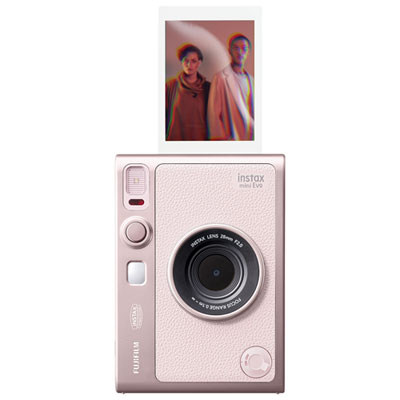
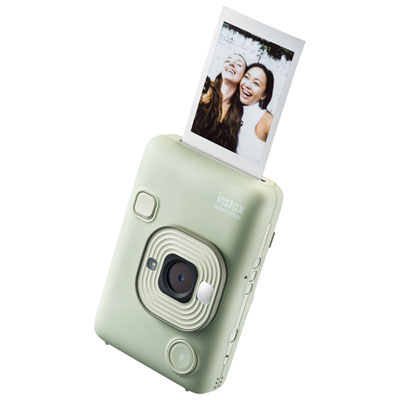
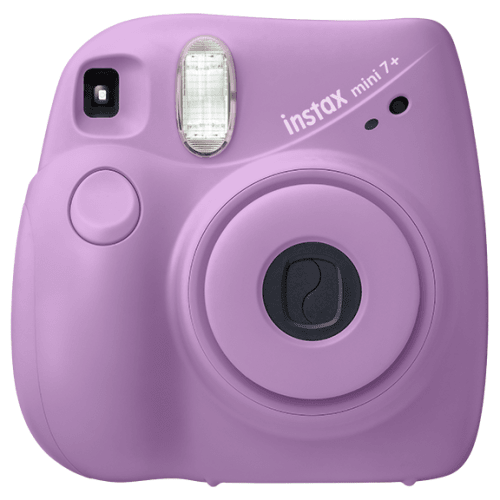

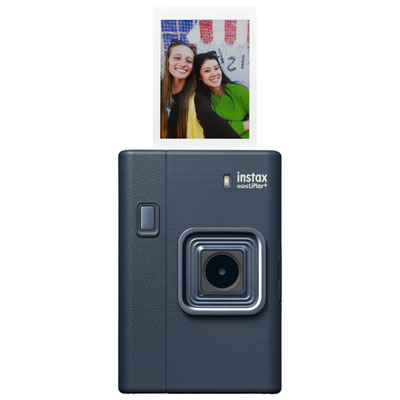
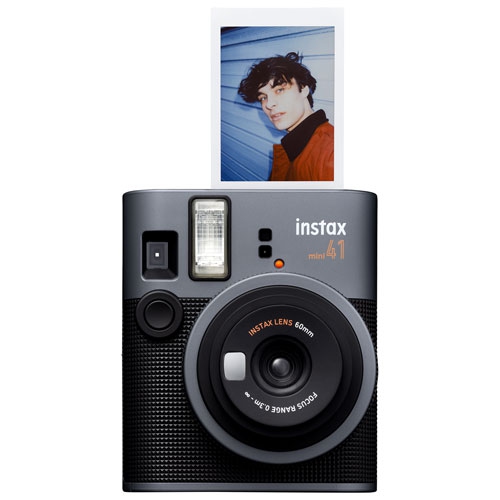
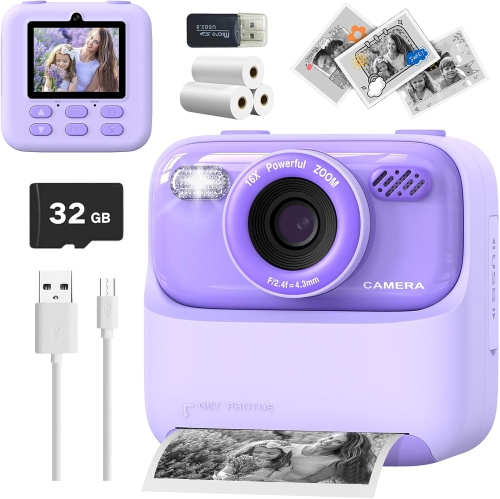
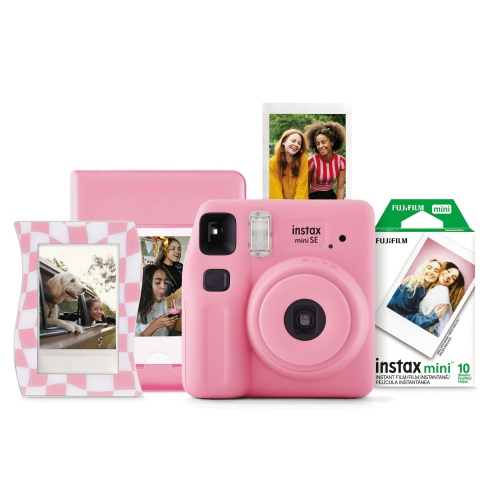
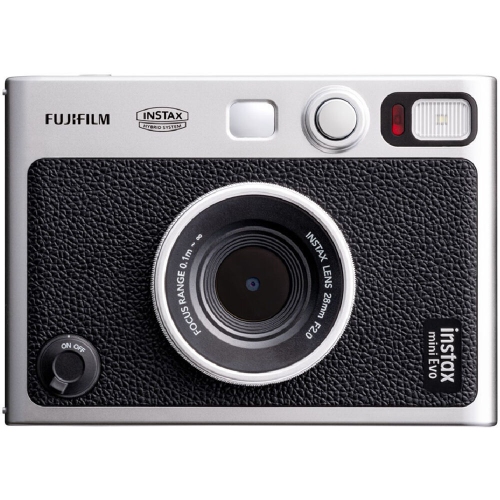
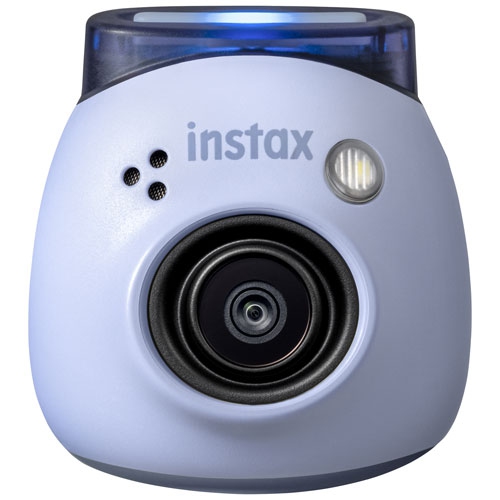
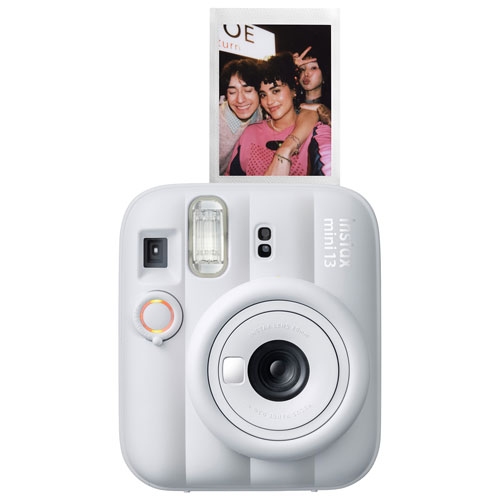
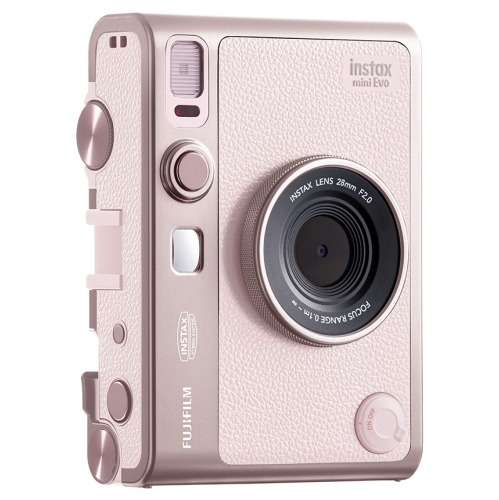
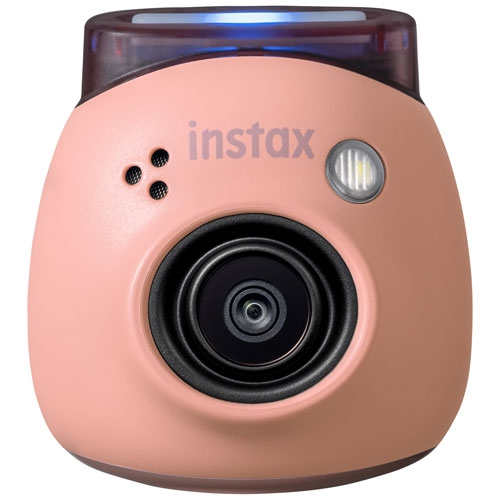
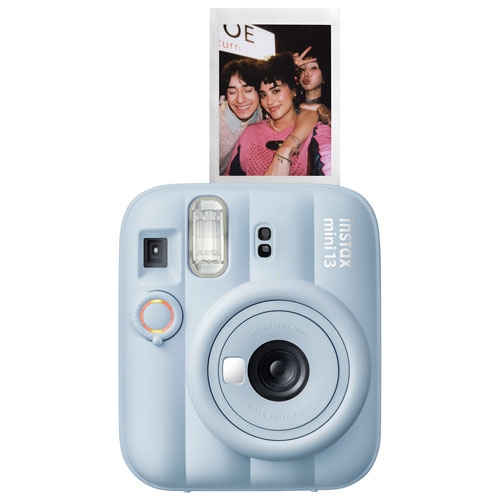
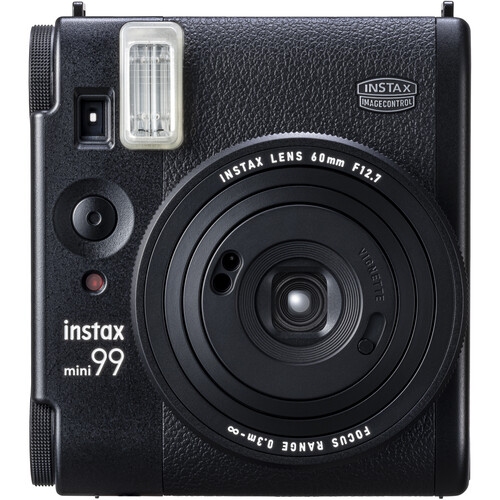
How print size shapes your instant photography experience
Instant cameras turn a shutter press into a physical photograph, with Mini, Square, and Wide film offering three distinct print formats. Mini film produces a credit-card-sized print measuring approximately 54 × 86 mm, including its border. Square film measures approximately 72 × 86 mm overall and has a square image area, while Wide film measures approximately 108 × 86 mm overall and provides a broader rectangular image. These measurements describe the complete sheet, not just the photograph within the white border. The difference matters when choosing both a camera and somewhere to display the finished pictures. Mini prints slip easily into small albums or a greeting card; square images suit centred portraits and balanced compositions; wider prints give a group of friends or a room setting more space within the frame. Each camera accepts a designated film format, so these sizes are not interchangeable. Choosing a format is therefore part of choosing the camera itself, rather than a setting that can be changed between shots. Traditional analogue designs expose the film when the shutter is pressed, making each exposure a physical original. Hybrid designs combine digital capture with instant printing and may allow images to be reviewed or selected on a screen before a print is made. That distinction shapes the experience: one approach emphasizes capturing the moment as it happens, while the other offers more control over which pictures become keepsakes. Both can appeal to people who enjoy photographs that can be held, passed around, or displayed without opening a gallery on a phone. For everyday snapshots, travel journals, birthday gatherings, or a guest book beside a celebration table, the finished print becomes part of the occasion. A handwritten name or date on the border can add context that remains useful long after the details of the day have faded.
Camera size, grip, and controls are as important as the appearance of the prints. Many instant cameras have moulded plastic bodies that keep them manageable to carry, but their shapes range from compact, rounded designs to larger bodies built around wider film. A camera that feels comfortable in one hand is useful for quick portraits, while a larger format may be worth the extra room in a bag when group photographs are the priority. The position of the shutter button, the size of the viewfinder, and the ease of attaching a wrist or shoulder strap all affect everyday handling. Automatic exposure and built-in flash are common features, although close-up settings, flash controls, timers, and shooting modes vary between cameras. A close-up mode can help with a face across a café table or a small detail in a scrapbook project, provided the subject stays within the stated focusing distance. Where a small mirror is included beside the lens, it helps position a self-portrait but does not change how close the camera can focus. Optical viewfinders can also show a slightly different view from the lens at short distances, so leaving a little space around a face helps avoid an unexpectedly tight crop. Good instant photographs often come from straightforward composition: bring people together, keep distracting objects away from the edges, and make sure the main subject is within the camera’s working range. Flash has a limited reach, so a person standing nearby may be well lit while a distant background remains dark. Holding the camera steady and keeping fingers clear of the lens, flash, and light sensor also make a practical difference. The resulting colours and contrast have their own character rather than necessarily matching a phone screen, which is part of the appeal for portraits, candid moments, and small scenes with a clear focal point.
Care and compatibility help make an instant camera enjoyable beyond its first few outings. Film should match the camera’s required format, and the instructions supplied with the camera explain how to load a pack and remove its protective cover sheet. Once a pack is loaded, keeping the film door closed prevents light from reaching the remaining unexposed sheets. The print exit slot also needs to stay unobstructed while a photograph emerges. Development takes place within the film after ejection; shaking, bending, squeezing, or peeling the print does not improve the result and may damage it. Letting the photograph develop undisturbed, following the film’s handling directions, gives it the best chance of forming properly. A fitted case or padded compartment helps protect the lens and body from knocks, while a securely attached strap reduces the chance of a drop when passing the camera between friends. A sturdy-looking shell should not be mistaken for protection against spills or rough handling. Keeping the camera dry, removing dust gently, and cleaning the lens only with suitable materials are sensible habits. Power requirements deserve attention as well, since some designs use replaceable batteries and others have rechargeable batteries. For a gift, the right combination is often a camera that feels approachable, compatible film, and an album or display that fits the full print dimensions. Small prints can suit a student documenting time with friends, while a wider frame may appeal to someone who regularly photographs family groups. A hybrid design may suit a person who likes reviewing pictures, whereas a straightforward analogue camera can appeal to someone who enjoys fewer decisions between framing and pressing the shutter. The Best Instax Cameras collection offers a starting point for comparing those preferences. Whether the finished photographs are tucked into a journal, shared with guests, or arranged on a desk, matching the print format and camera handling to the person using it helps make the experience feel natural.
Top selling and popular products
-
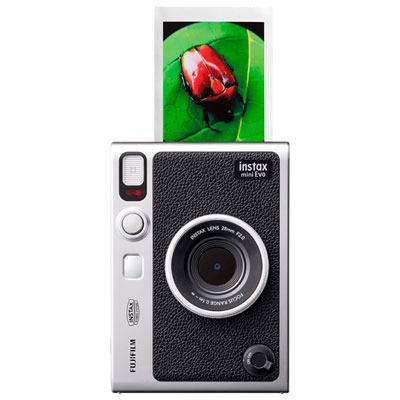 Your price for this item is $299.99
-
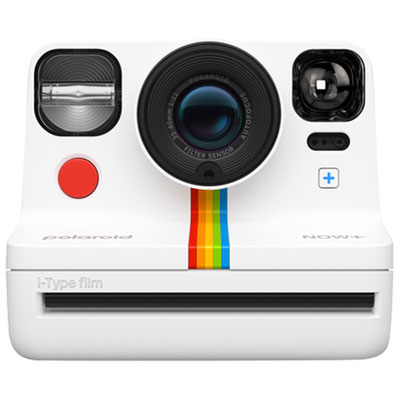 Your price for this item is $199.97
-
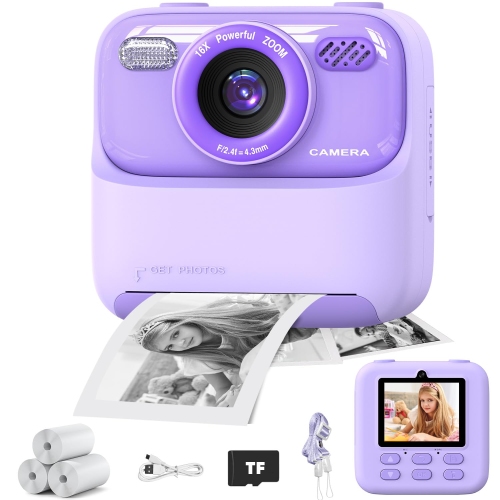 Your price for this item is $91.99
-
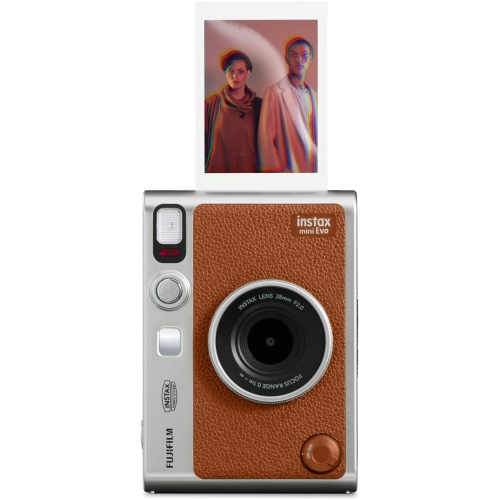 Your price for this item is $450
-
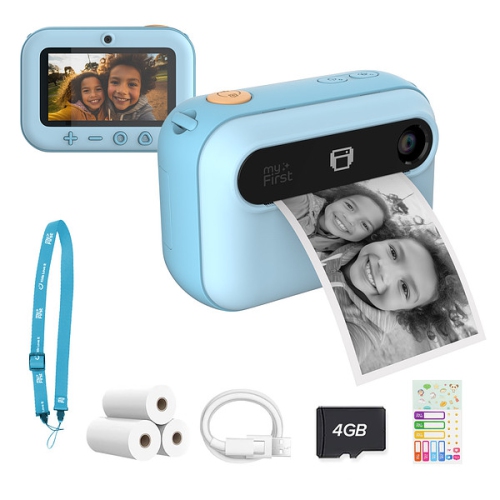 Your price for this item is $129.9
-
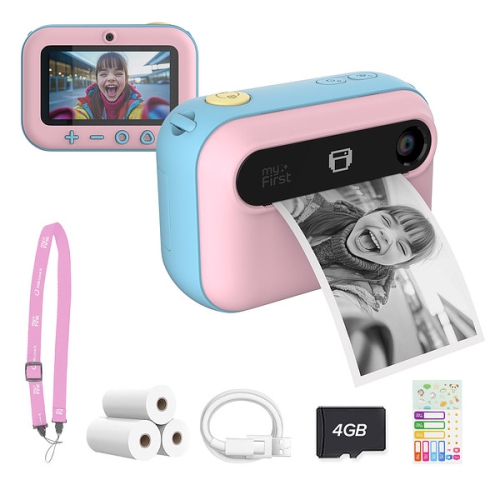 Your price for this item is $129.9
-
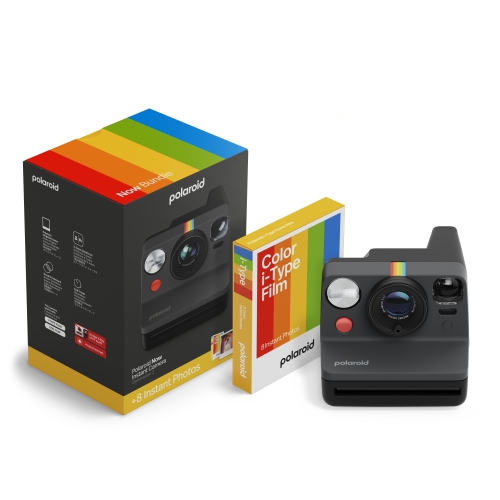 Your price for this item is $199.99
-
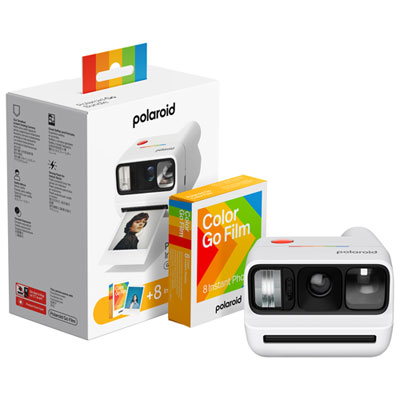 Your price for this item is $144.99
Discover more categories related to Fujifilm Instax Cameras
Top Collections:
Best Black Friday Deals This Year, Best Black Friday Deals On Electronics, Kindle Devices, Pokemon Centers, Best Black Friday Deals On Apple Products, Best Cameras for Sports Photography, Dyson Airwrap, Pokémon 30th Celebration Cards, Apple iPhone 17 Pro, Canon G7X Cameras
Some products may be subject to Environmental Handling Fees
(EHF) depending on your province.
Learn more about EHFs.