GoPro Waterproof Cameras
Capture every adventure with a GoPro Waterproof Camera, designed to help you record your moments wherever you go. Whether you're exploring underwater scenes, hiking through rain-soaked trails, or enjoying a day at the beach, these cameras are built for action and versatility. Discover options that make it easy to document your experiences with confidence and clarity. Find the perfect GoPro Waterproof Camera to suit your active lifestyle and never miss a moment, no matter where your journey takes you.
Sort

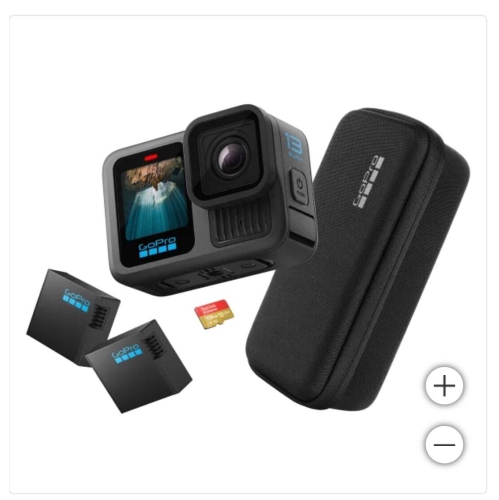

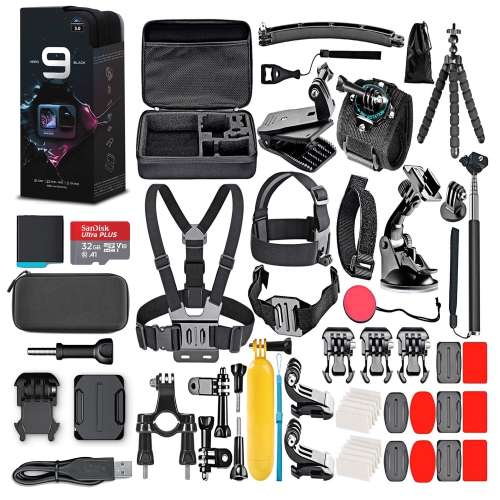

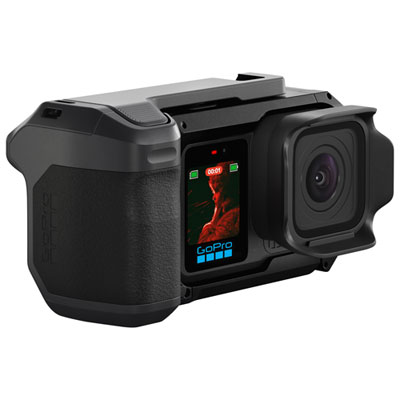
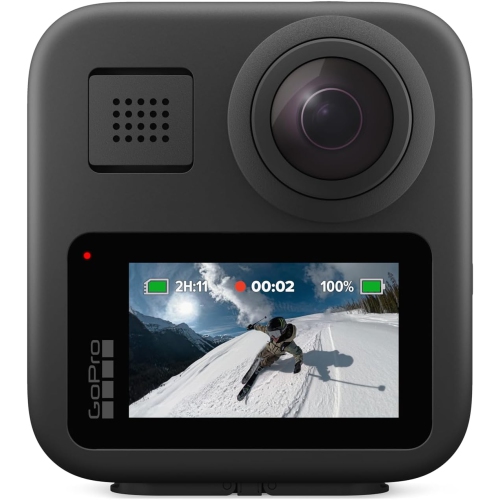
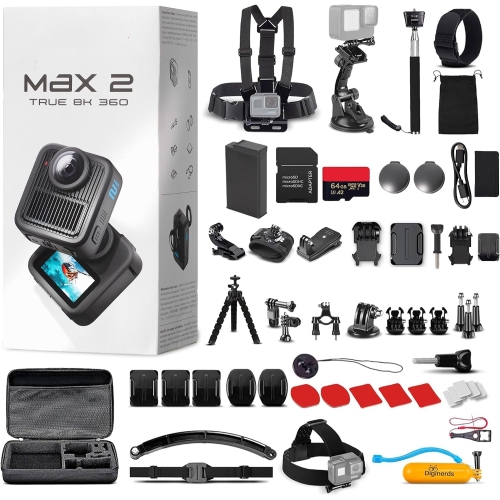

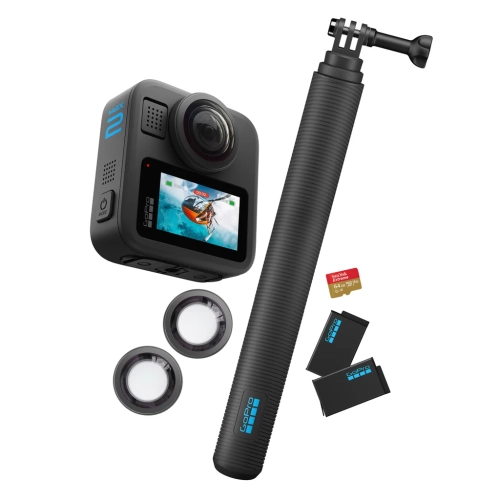


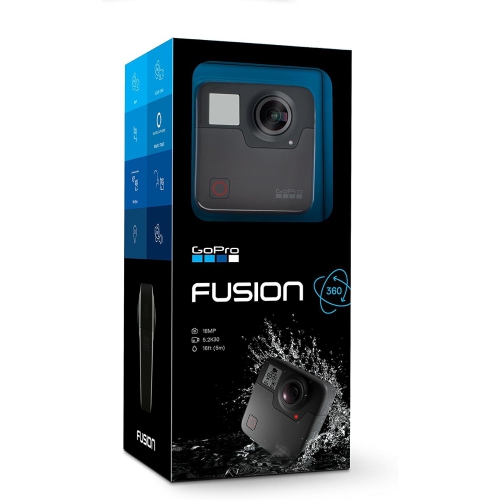
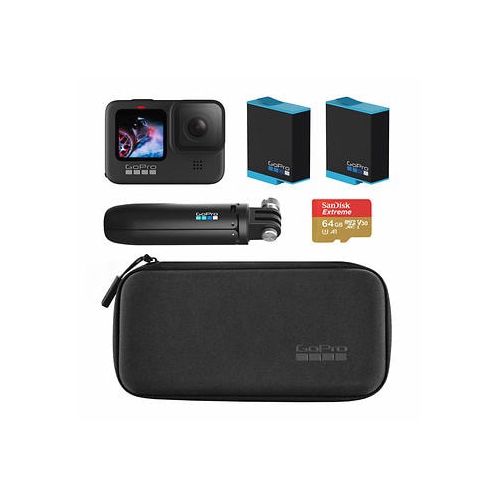

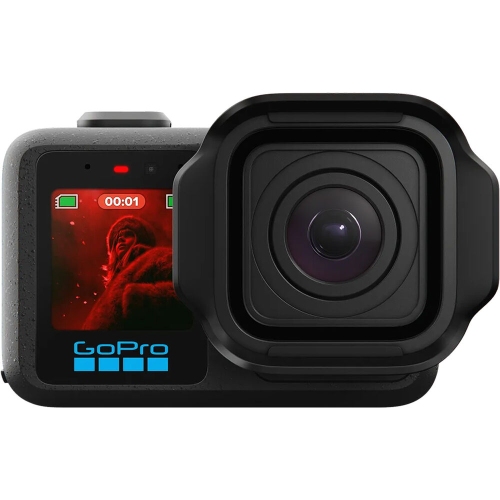
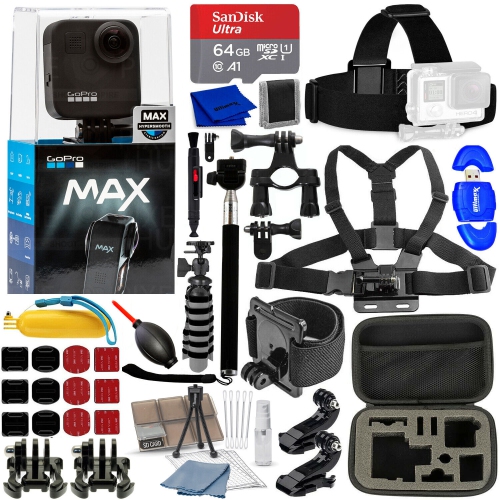

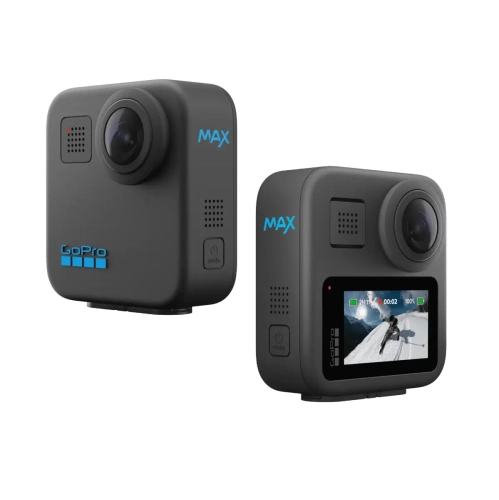
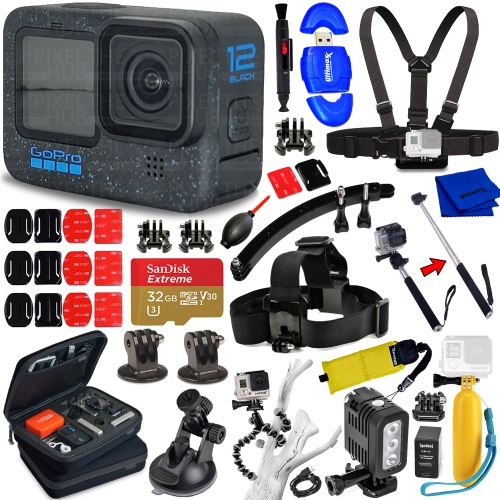
There’s more to underwater filming than a waterproof label
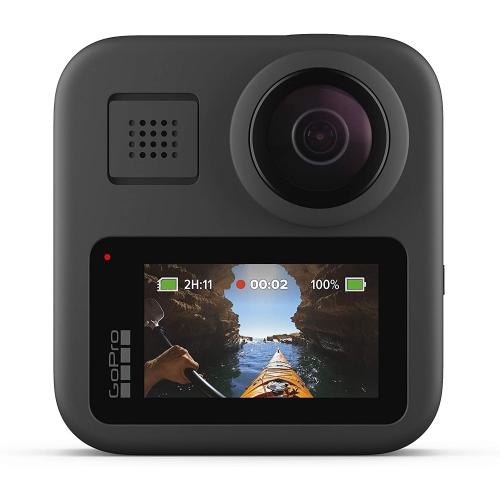
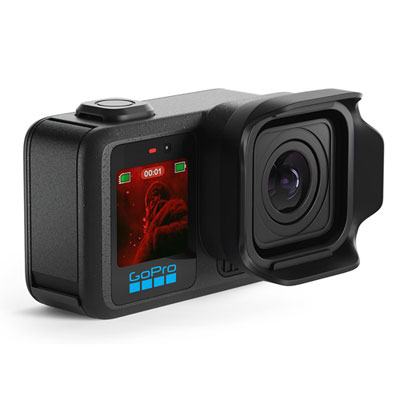
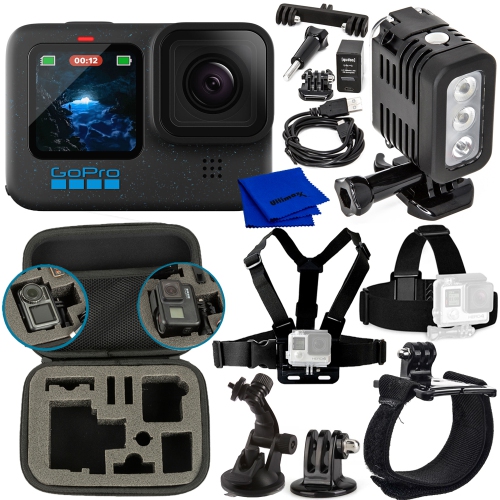
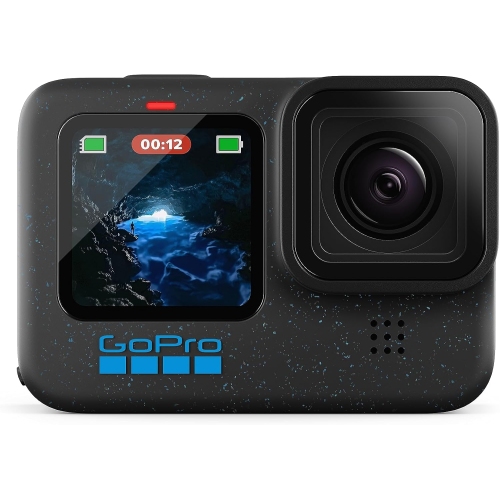
Many waterproof models in the GoPro Action Cameras range can be submerged without a separate housing, provided their battery doors, port covers, and latches are fully closed and their seals are clean and undamaged. The permitted depth depends on the camera, so the manufacturer’s waterproof rating is more useful than a general assumption about what an action camera can withstand. A camera suitable for swimming or snorkelling is not necessarily suitable for a deeper scuba dive without an appropriate protective housing. Waterproofing also applies to a complete, correctly assembled camera: an open charging connection, an improperly seated door, or a grain of sand across a seal can compromise protection. These compact cameras are designed to capture activities where a handheld phone would be awkward to carry or difficult to secure, from paddling through a narrow channel to following a swimmer across a clear pool. Their appeal is partly the perspective. A camera positioned near the waterline can capture the bow of a kayak cutting through ripples, while a secure chest mount can keep hands free during a paddleboarding outing. Small dimensions make them practical companions for travellers, recreational athletes, snorkellers, and families who want footage from in and around the water. Intended use matters more than the waterproof label alone. Surface swimming, repeated splashes, prolonged immersion, and deeper diving place different demands on the camera and its accessories. A stated depth rating should not be treated as a guarantee against every forceful splash or high-speed impact with water. Protective housings may provide additional depth protection for compatible cameras, but they can also affect sound, access to controls, and handling. A secure grip or mount helps with positioning, while a suitable tether can offer an extra safeguard against losing the camera. Whether the aim is a short underwater clip or a longer record of a day on the water, reliable results begin with matching the camera’s rated capabilities to the activity.
Image quality underwater depends on more than resolution. Clear, shallow water with plenty of light can reveal fine details in fish, rock formations, and the movement of bubbles, while deeper or murkier water reduces visibility and changes the colours a camera can capture. Higher-resolution video offers more room to crop a frame or view footage on a larger screen, but it also creates larger files and can place greater demands on storage and battery power. Higher frame rates can make quick movements look smoother or allow slow-motion playback, although available recording combinations vary between cameras. Image stabilization is useful when footage comes from a moving board, boat, or handheld grip, but it cannot eliminate every jolt or compensate fully for poor light. Field of view is another practical consideration: a wide view can include a swimmer and the surrounding reef, while a narrower view may suit a subject that needs more prominence in the frame. Minimum focus distance matters for close-ups, since a tiny shell held immediately in front of the lens may not appear sharp. Screens, clear recording indicators, and accessible controls can make framing easier, particularly when the camera is mounted somewhere that makes its rear display difficult to see. Touch controls may be less practical underwater, so physical buttons and suitable recording presets are worth considering. Audio deserves realistic expectations, too. Underwater sound differs from sound recorded above the surface, and a protective housing can further muffle voices and other details. The camera’s construction and mounting fit matter just as much as its recording features. Impact-resistant body materials, a well-protected lens area, and secure mounting points help a compact camera tolerate frequent handling, though waterproof does not mean scratchproof or indestructible. Grips should feel secure in wet hands, straps should adjust comfortably, and mounts should suit the intended equipment without interfering with movement. For a snorkeller, a compact hand grip may offer easy framing; for a paddler, a carefully positioned mount can capture the activity without requiring constant attention.
Care between outings helps preserve the seals, controls, and optical surfaces that waterproof performance depends on. Salt, sand, and pool chemicals can leave residue around doors, buttons, and mounting hardware, so cleaning should follow the manufacturer’s instructions, including any guidance on rinsing with fresh water after use. A camera should be dry before its battery or charging compartment is opened, with particular attention to droplets collected around the door edges. Seals need to remain clean and correctly seated; unapproved cleaners or lubricants can damage materials rather than protect them. A soft cloth suitable for lenses helps remove marks without adding scratches, while a protective case keeps the camera from rubbing against keys, tools, or loose accessories during transport. Housings need their own care, including inspection of sealing surfaces and latches before immersion. An empty-housing leak test, performed as directed by its manufacturer, can help identify a problem before a camera goes inside. After a hard impact, a cracked cover, distorted latch, or damaged seal deserves attention before another underwater session. Storage and power planning also influence everyday usability. Compatible memory cards need enough capacity and write speed for the intended recording settings, and spare batteries are useful only when they can be changed in a dry, suitable place. Charging generally requires opening a protected connection, which can remove the camera’s waterproof protection until that connection is properly closed again. Wireless transfers, where supported, are generally more practical once the camera is above water, since radio connections do not work reliably through water. For someone receiving a waterproof action camera as a gift, the most useful features often reflect an activity they already enjoy: straightforward controls for casual family footage, flexible mounting for a paddler, or compatible depth-rated protection for a diver. A comfortable grip, suitable storage, and an uncomplicated way to transfer clips can be more valuable than features the recipient is unlikely to use. The best fit is a camera setup that feels manageable to carry, secure to handle, and appropriate for the water activities it will actually capture.
Top selling and popular products
-
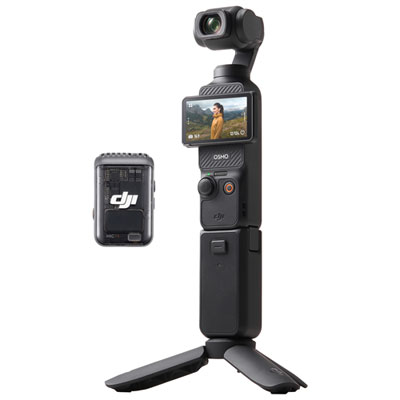 Your price for this item is $649.99
-
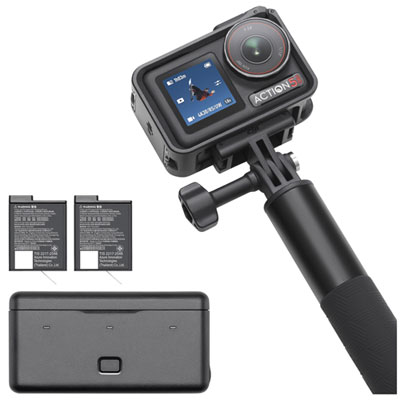 Your price for this item is $585.99
-
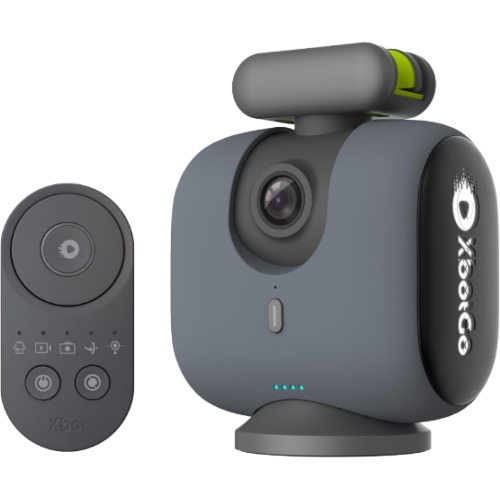 Your price for this item is $489.99
-
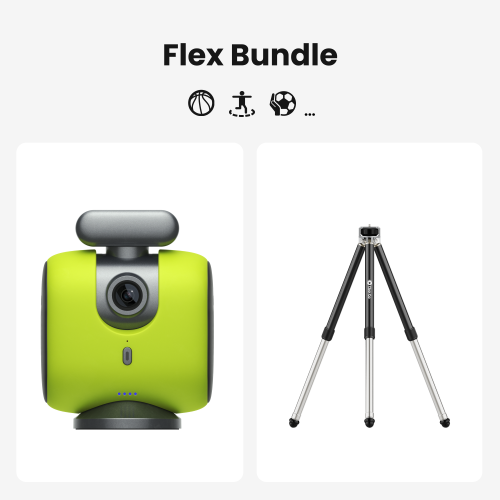 Your price for this item is $433.99
-
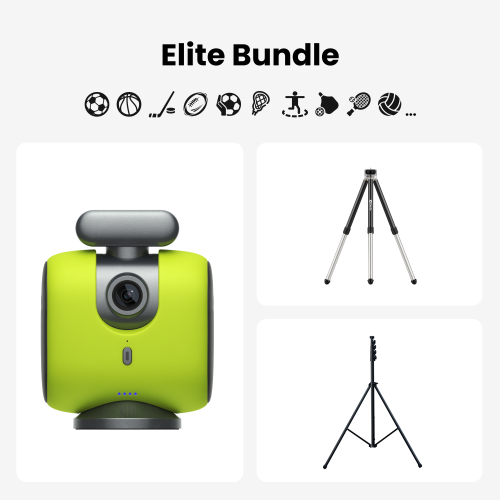 Your price for this item is $653.99
-
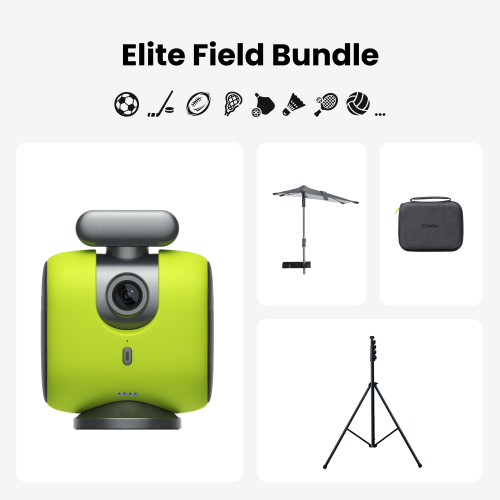 Your price for this item is $719.99
-
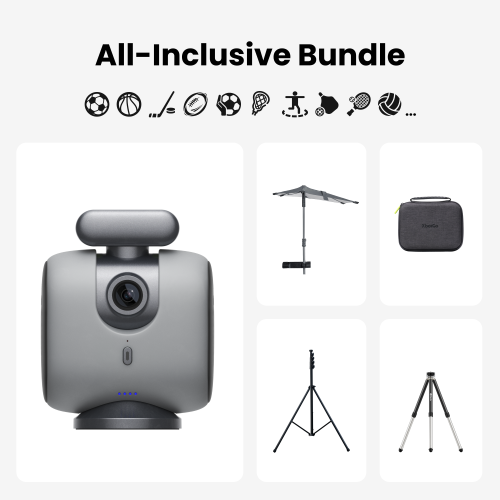 Your price for this item is $859.99
-
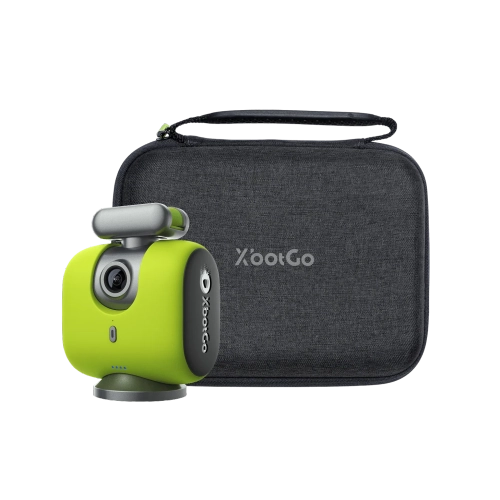 Your price for this item is $489.99
Discover more categories related to GoPro Waterproof Cameras
Top Collections:
Best Black Friday Deals This Year, Best Black Friday Deals On Electronics, Kindle Devices, Pokemon Centers, Best Black Friday Deals On Apple Products, Best Cameras for Sports Photography, Dyson Airwrap, Pokémon 30th Celebration Cards, Apple iPhone 17 Pro, Canon G7X Cameras
Some products may be subject to Environmental Handling Fees
(EHF) depending on your province.
Learn more about EHFs.