Handycam Camcorders
Capture all of life's precious moments with our wide selection of handycam camcorders. Whether you're documenting your child's first steps, recording breathtaking travel adventures, or simply preserving family gatherings, these versatile devices are designed to deliver exceptional video quality and ease of use. With advanced features such as optical zoom, image stabilization, and high-resolution recording capabilities, our handycam camcorders ensure that every memory is vividly captured with stunning clarity. Shop our range of options and find the perfect camcorder to suit your needs and create lasting memories for years to come.
Sort















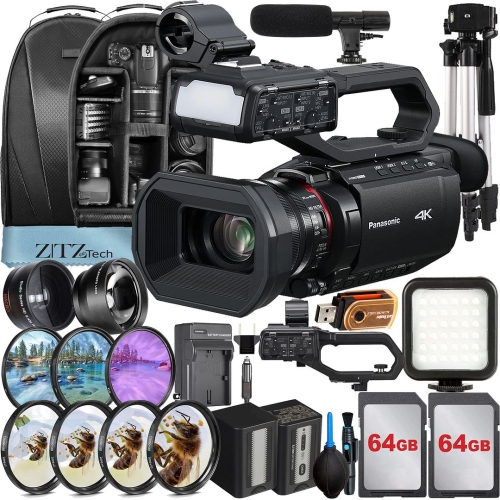
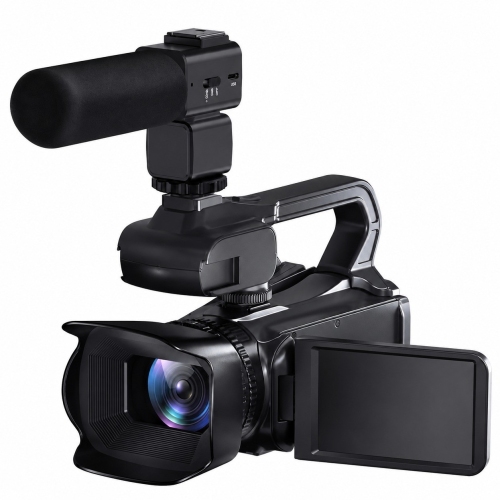
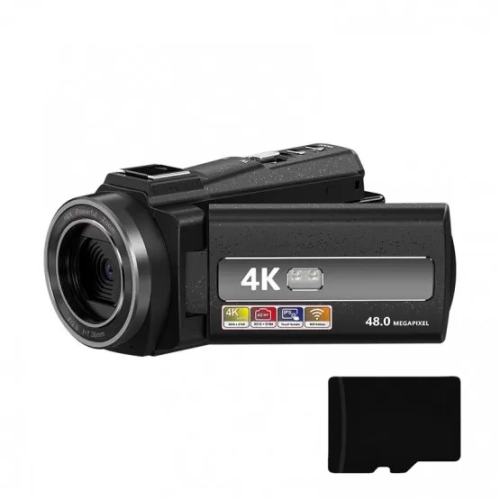
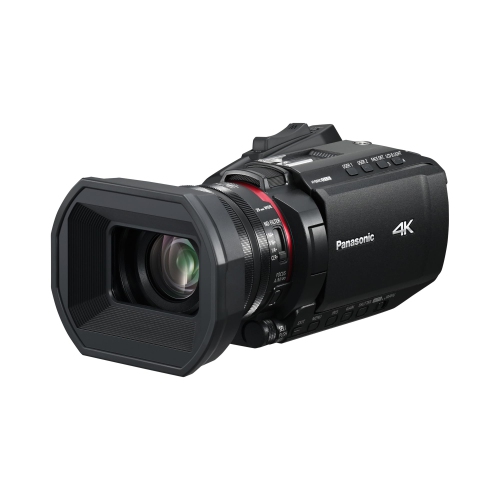




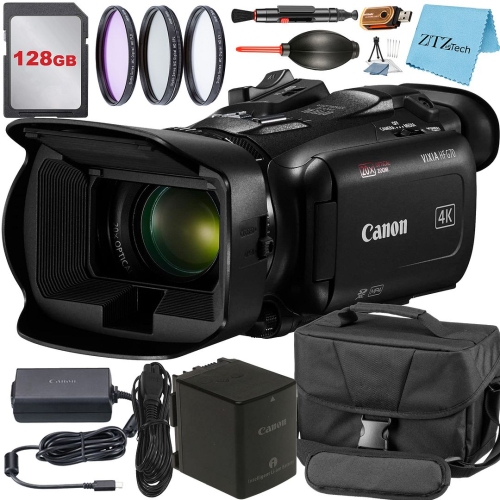
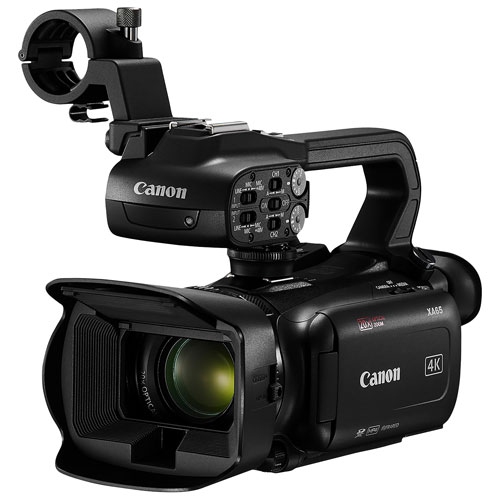
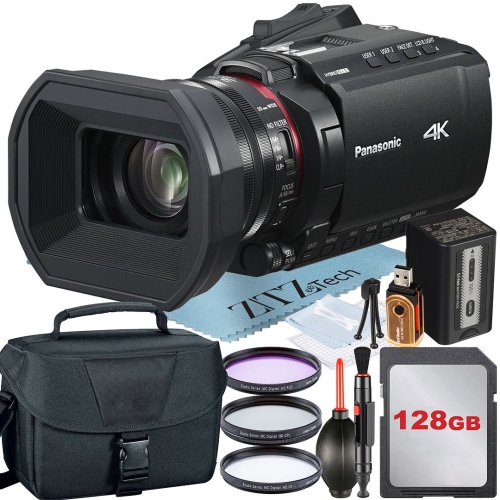


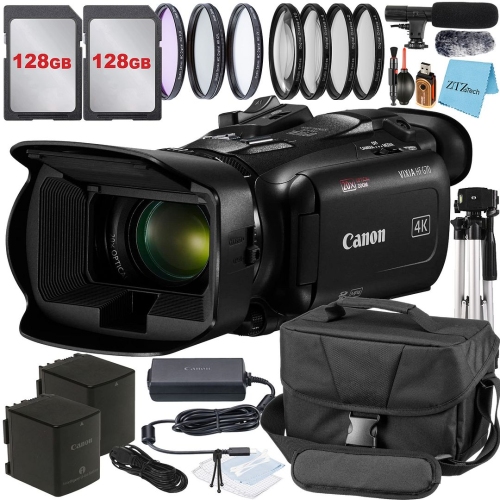
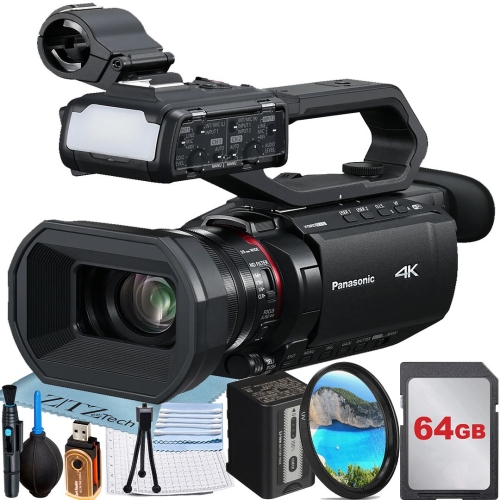
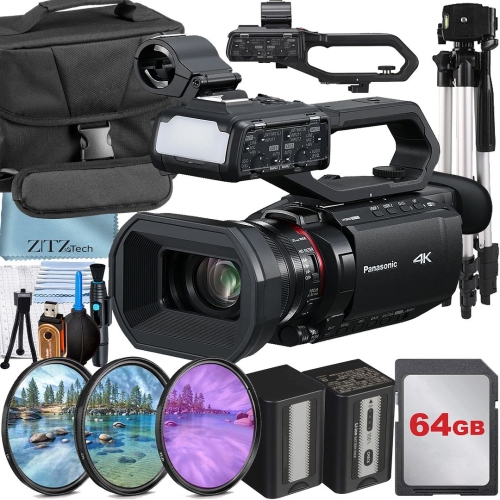

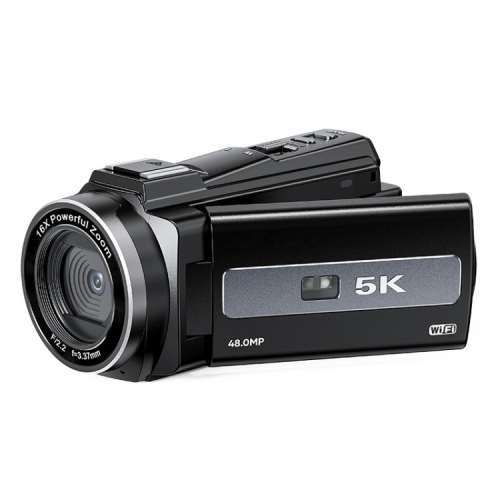
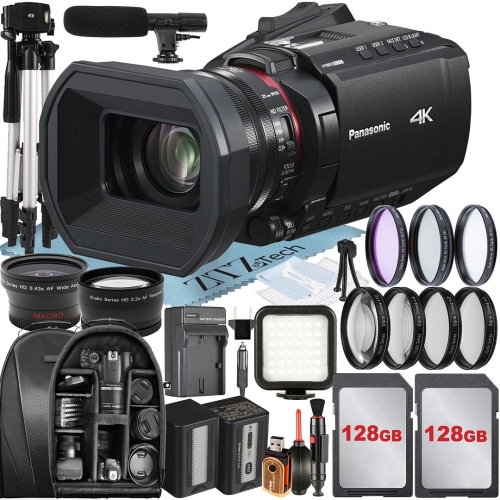





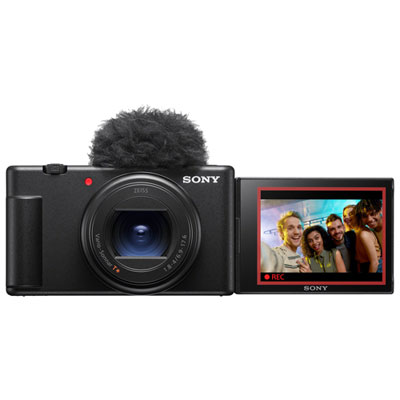
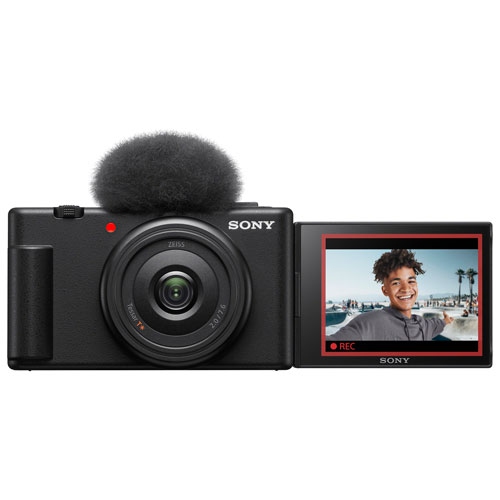

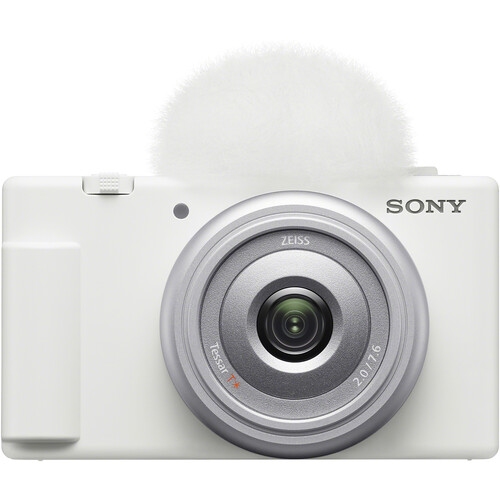
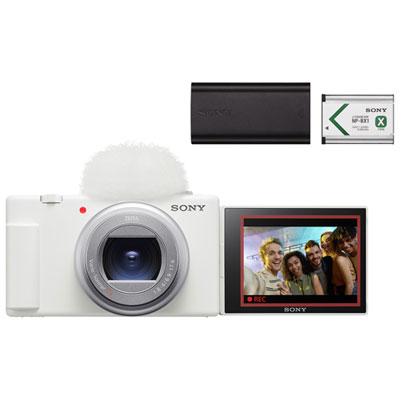






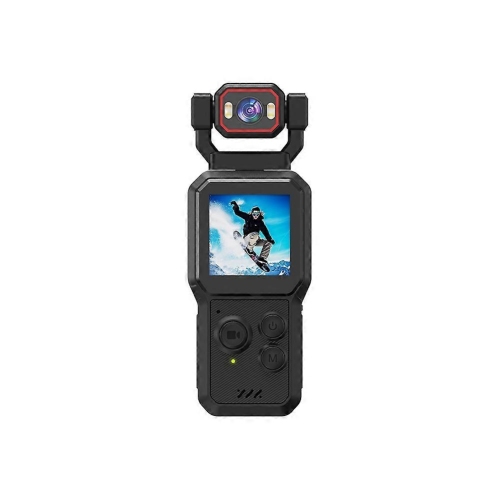
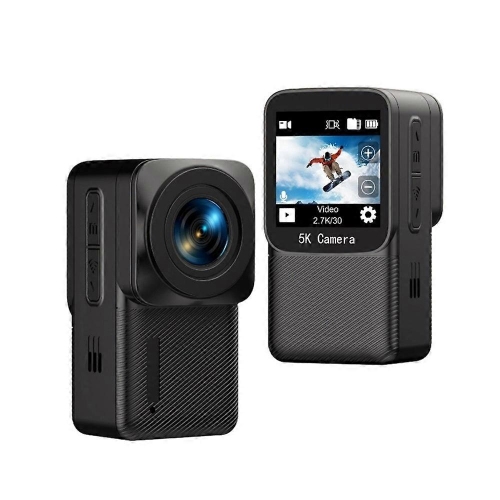

Why camcorder comfort matters as much as resolution
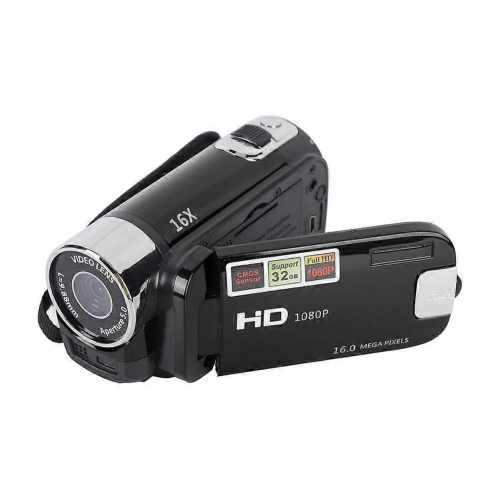
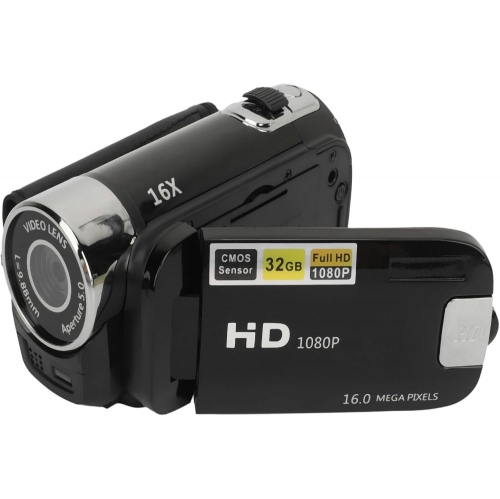
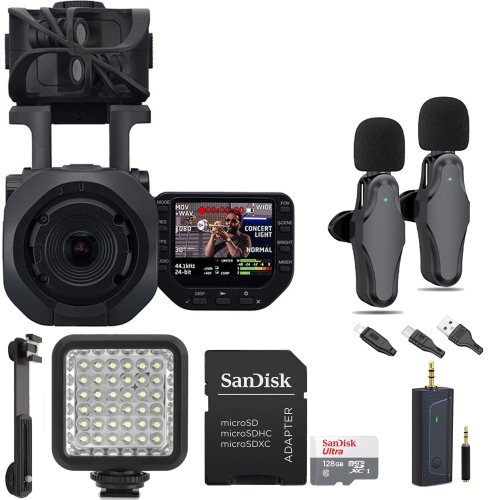
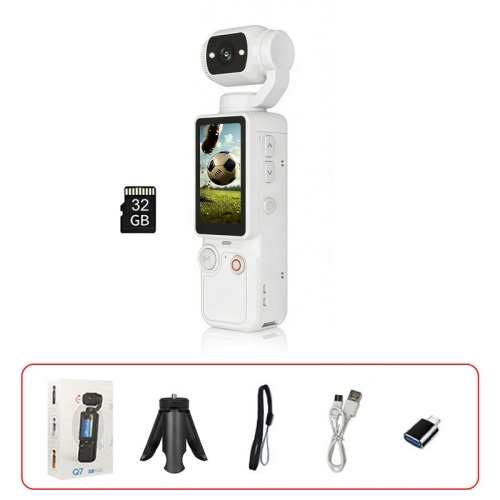
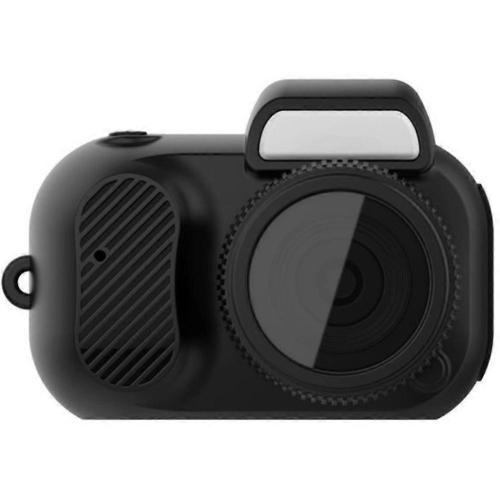
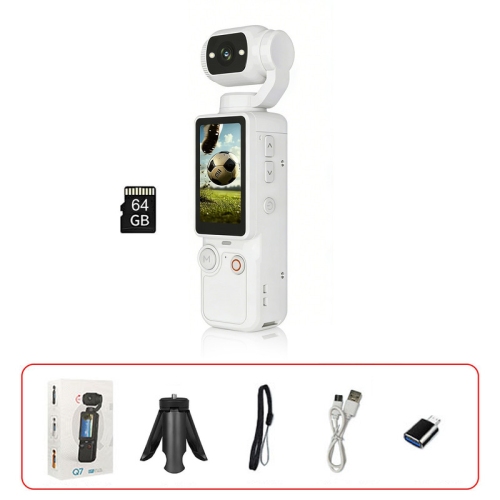
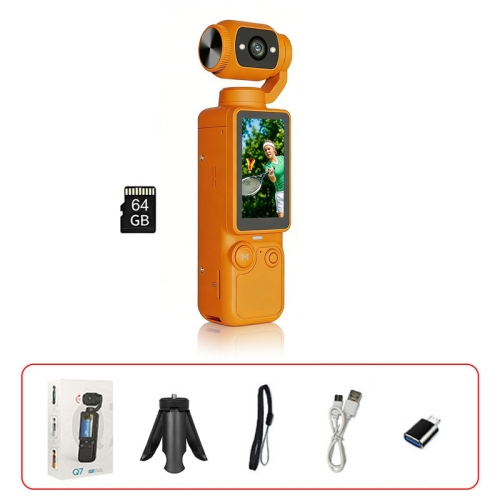
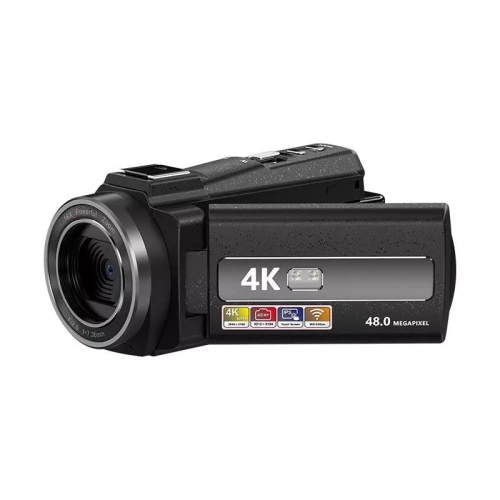
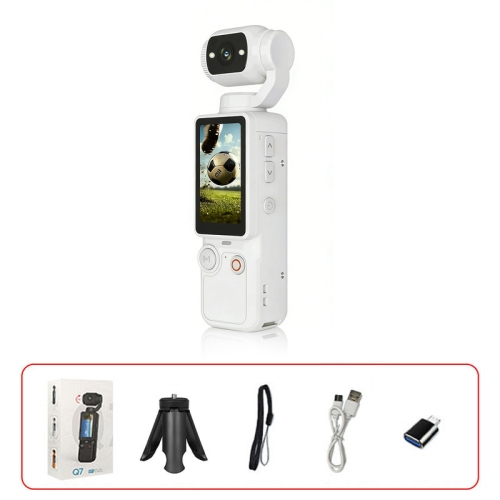
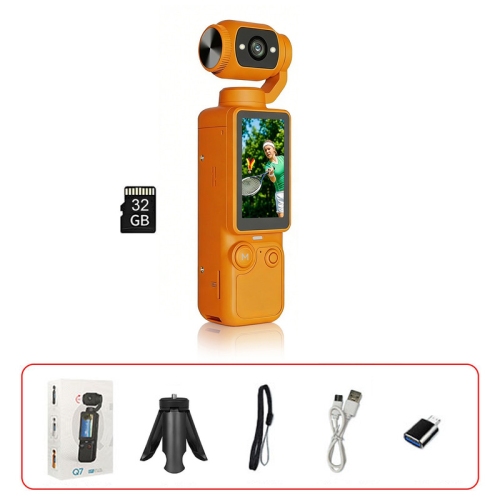
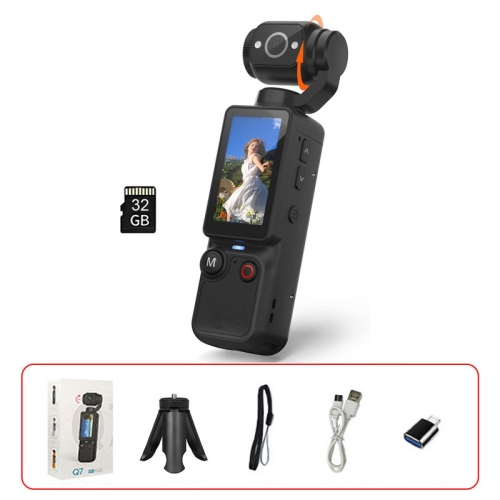
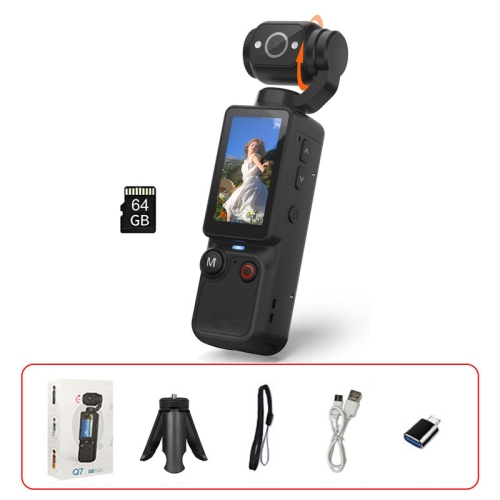
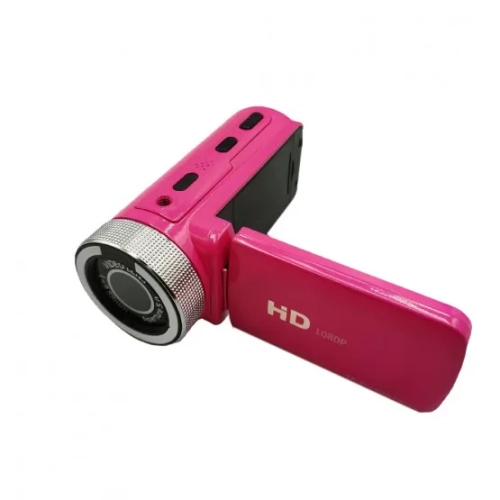
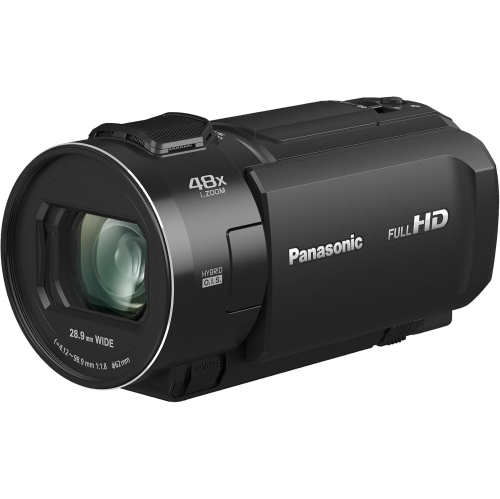
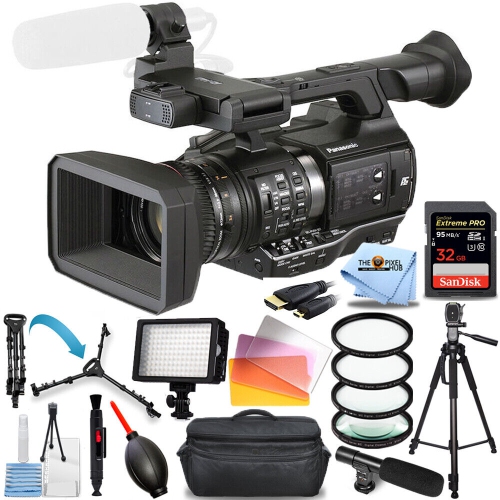
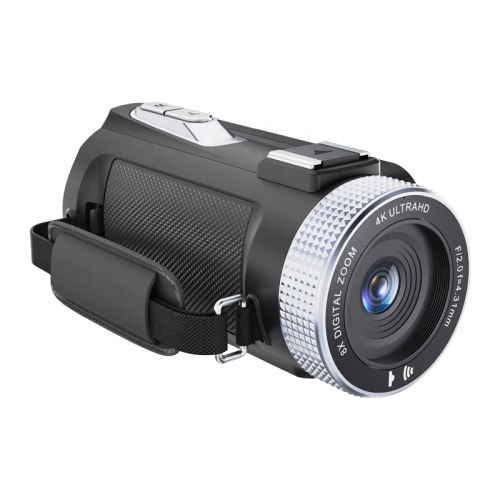
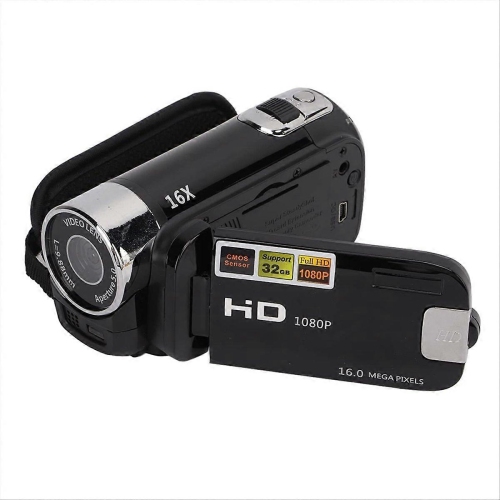
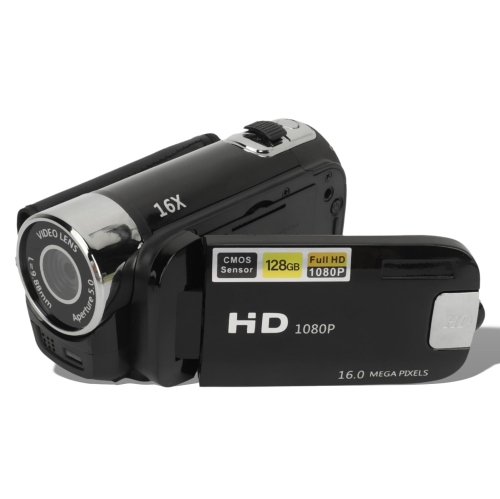
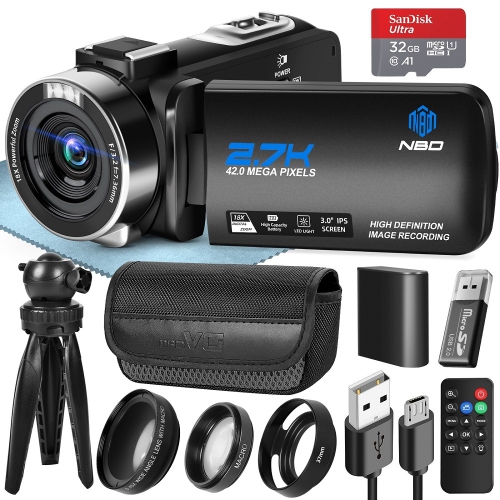
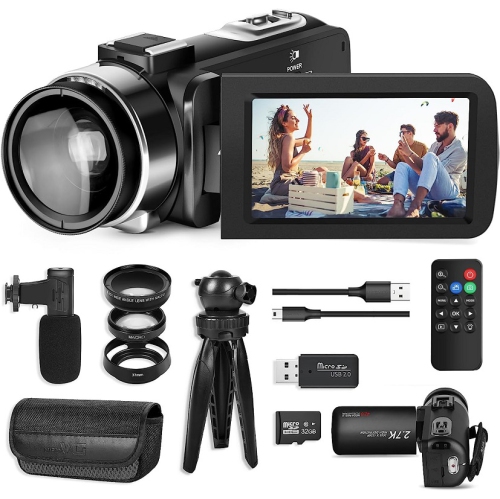
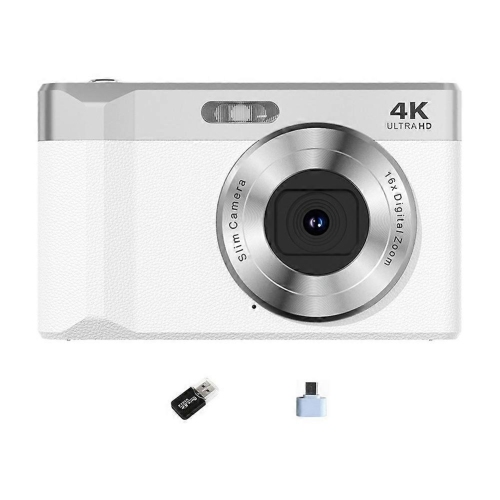
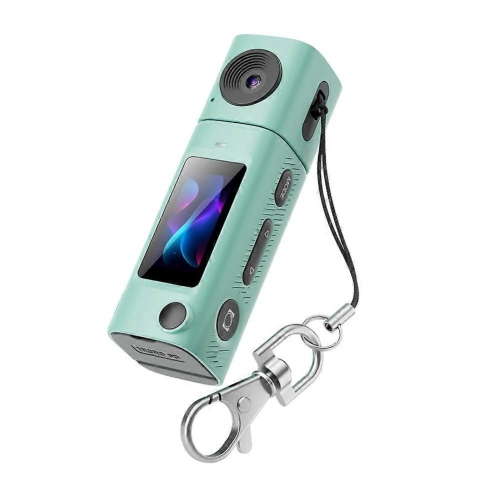
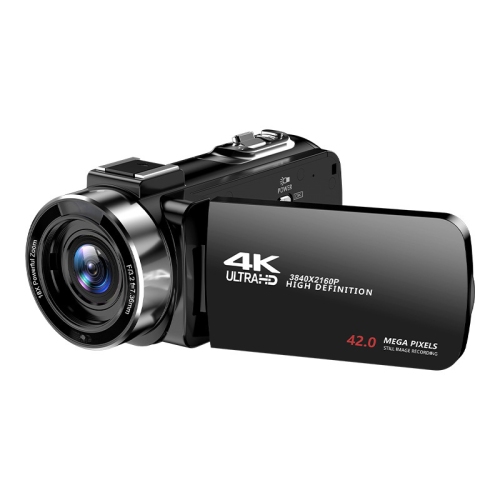
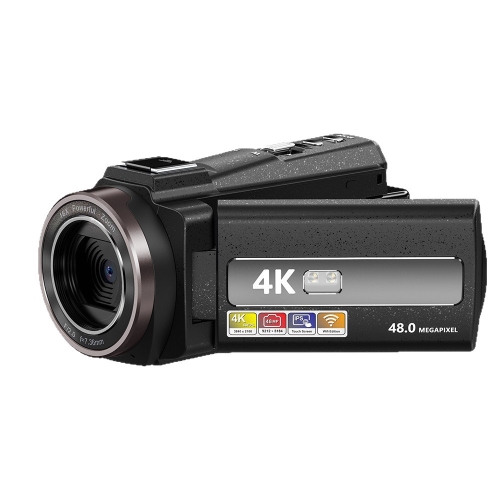
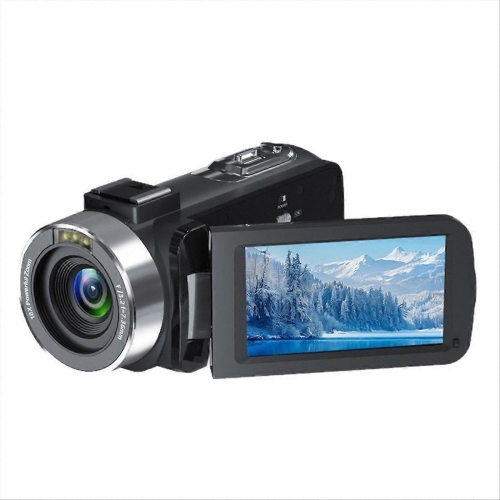
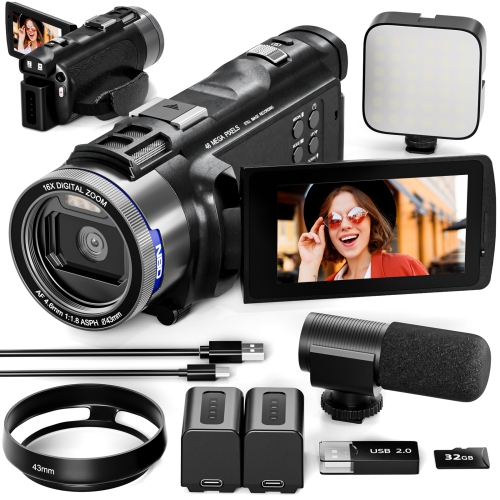
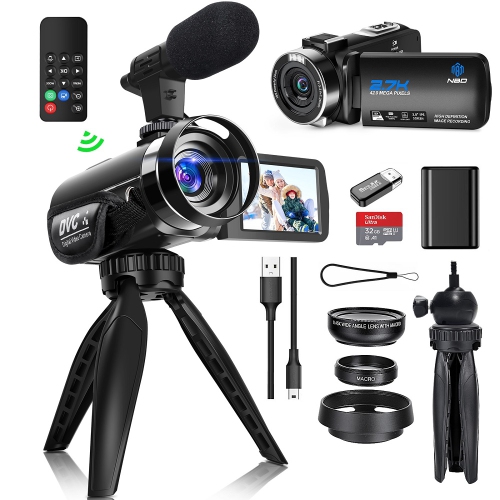
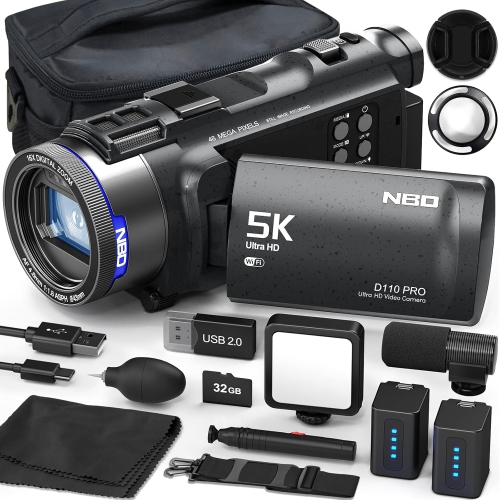
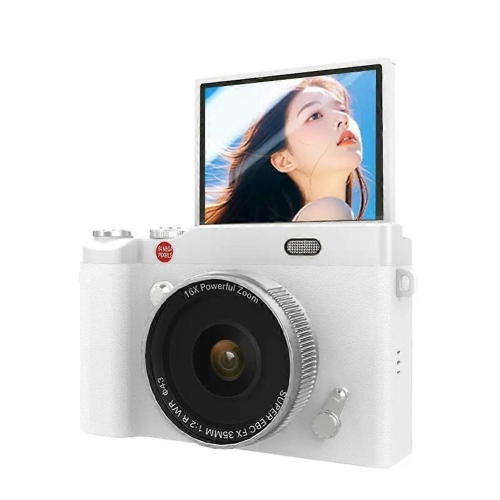
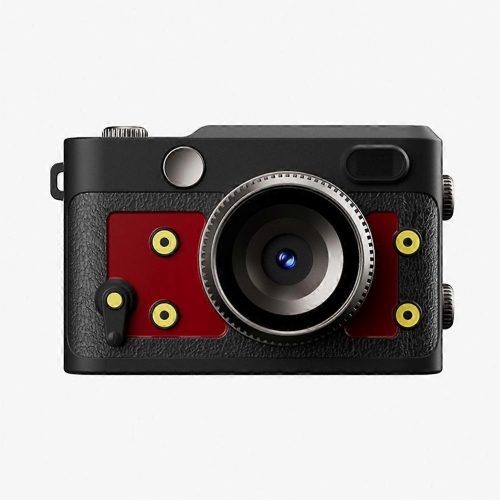
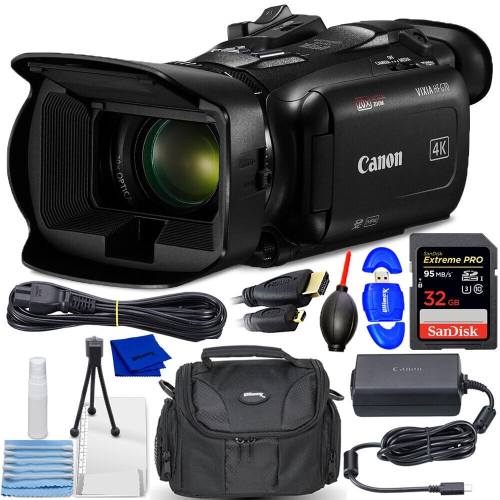
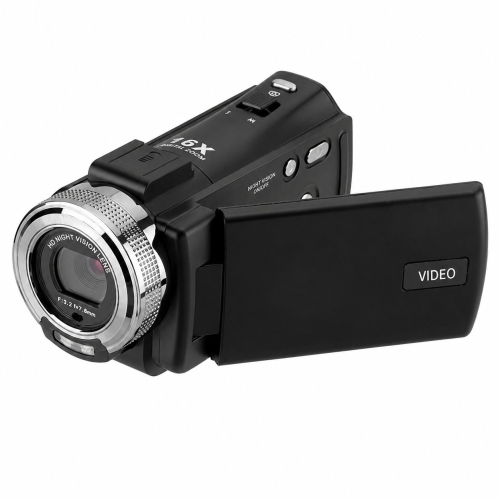
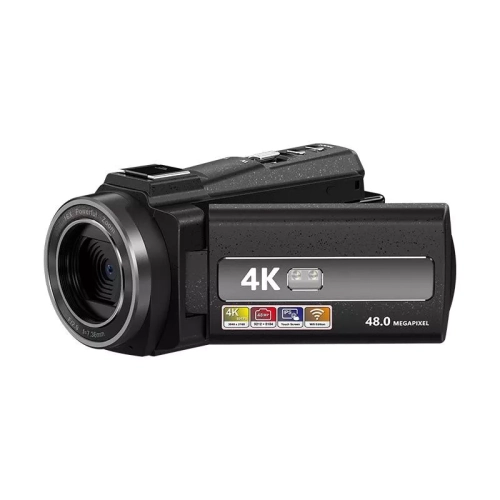
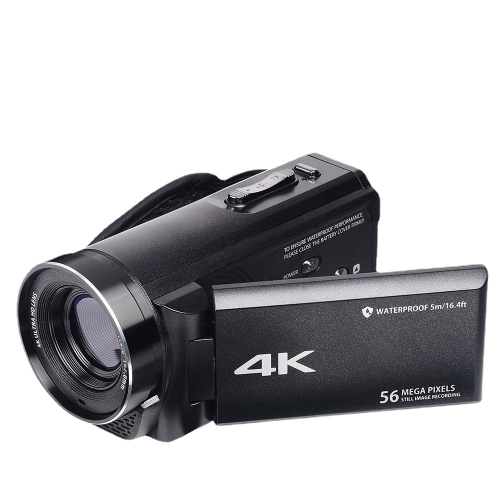
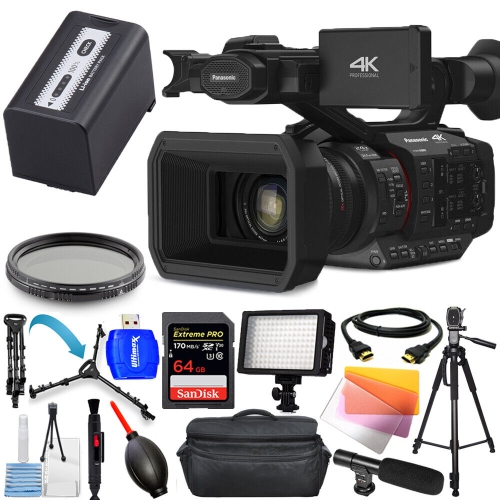
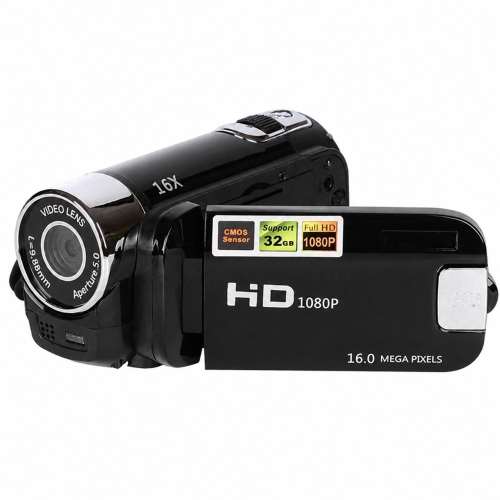
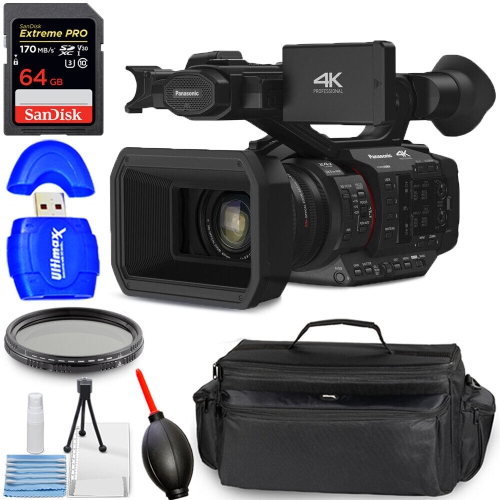
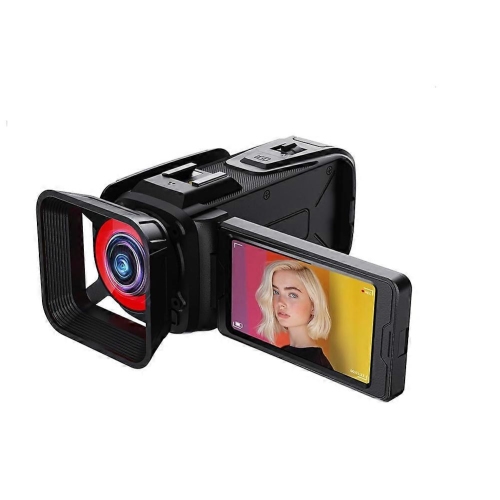
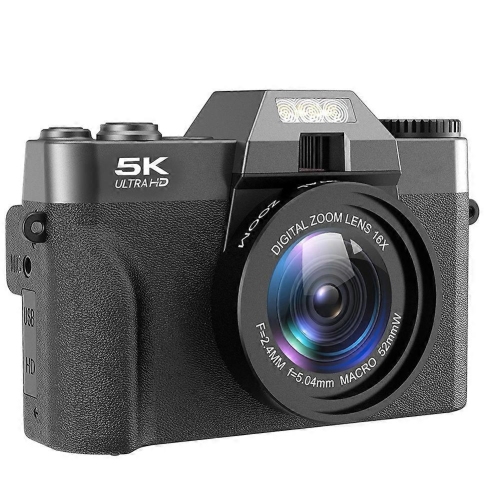
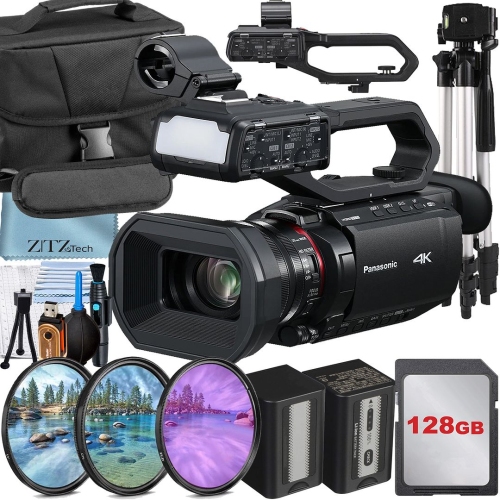
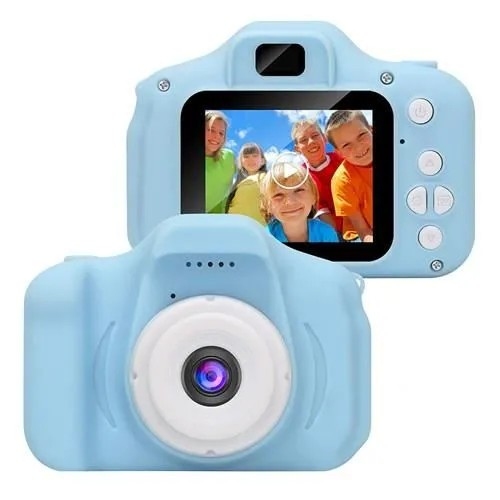
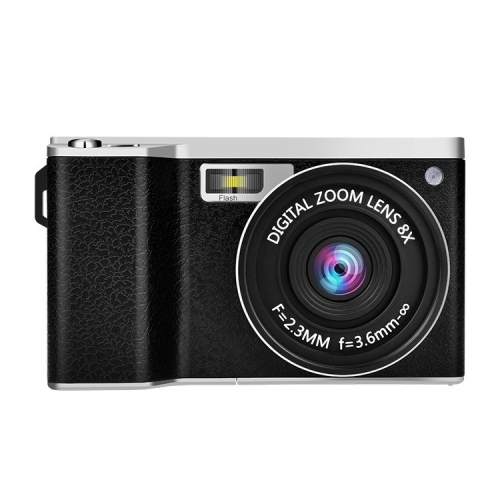
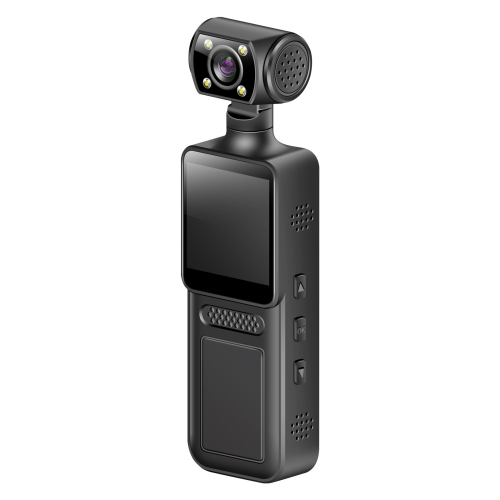
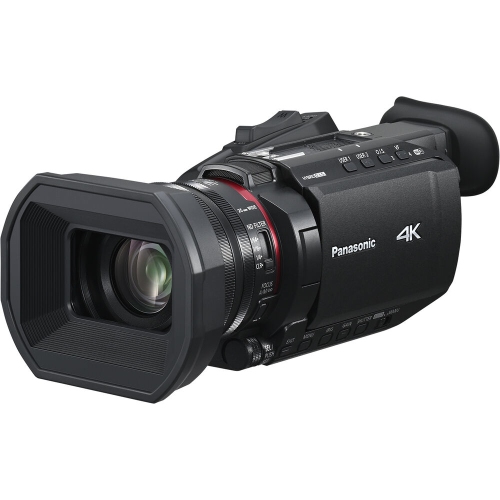
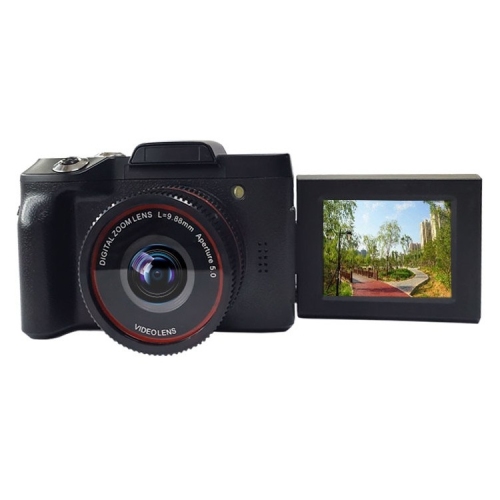
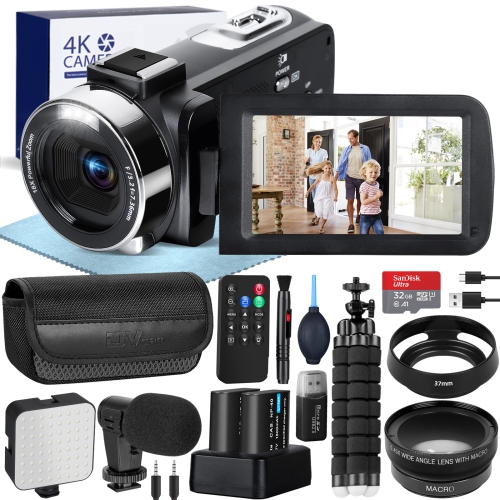
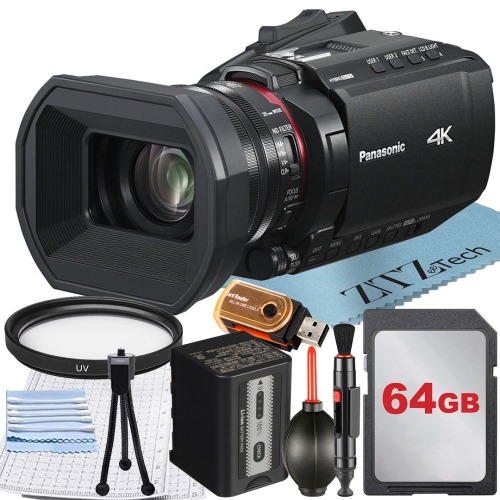
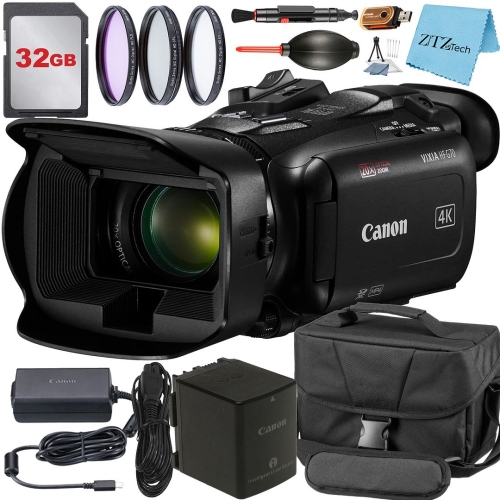
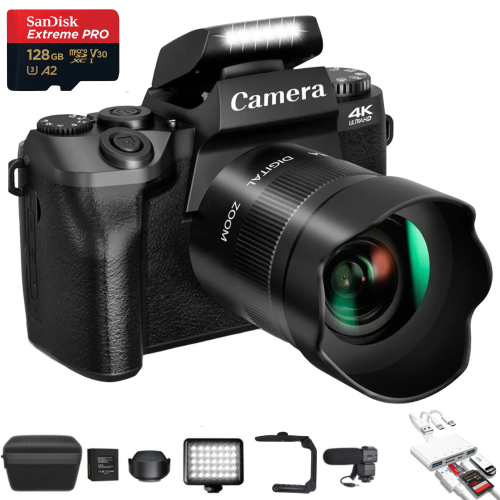
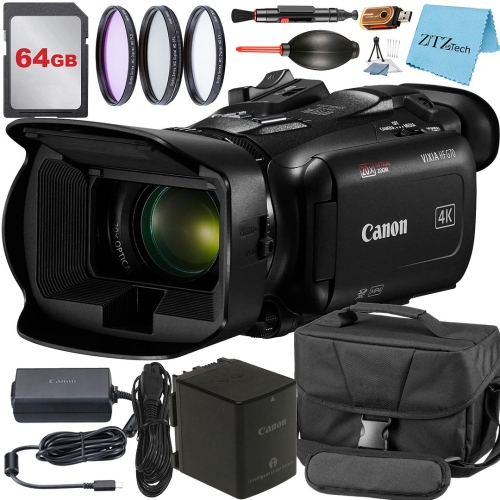
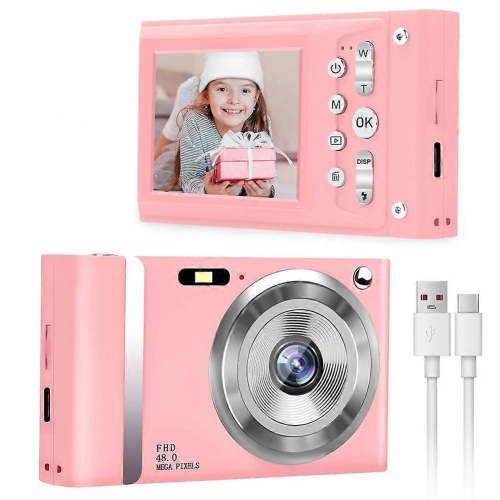
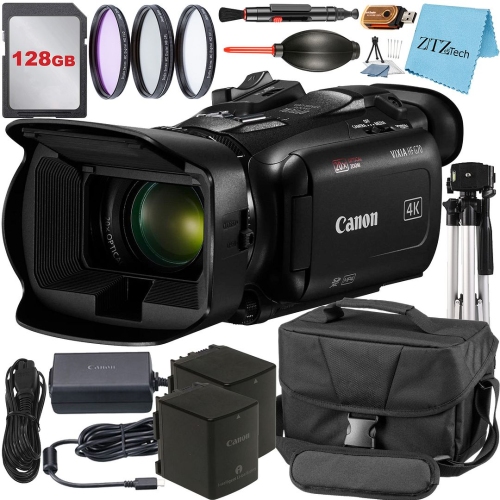
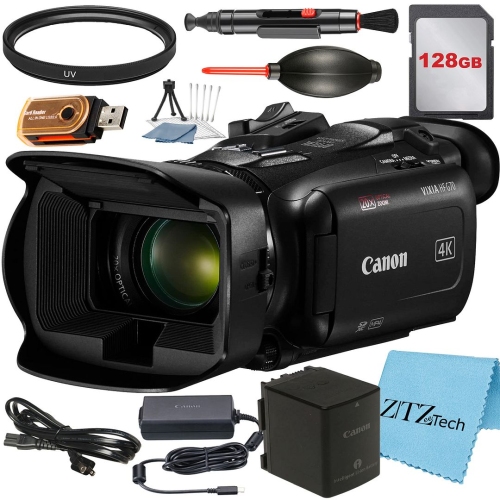
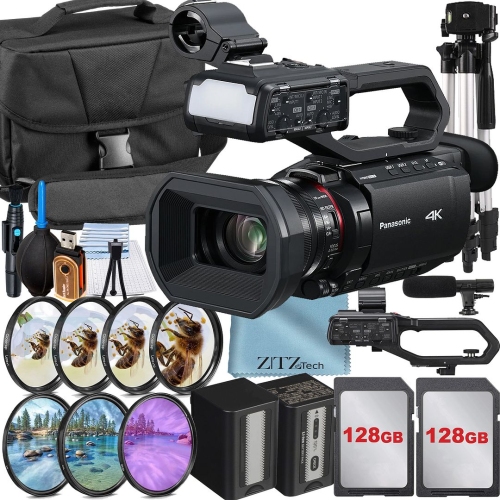
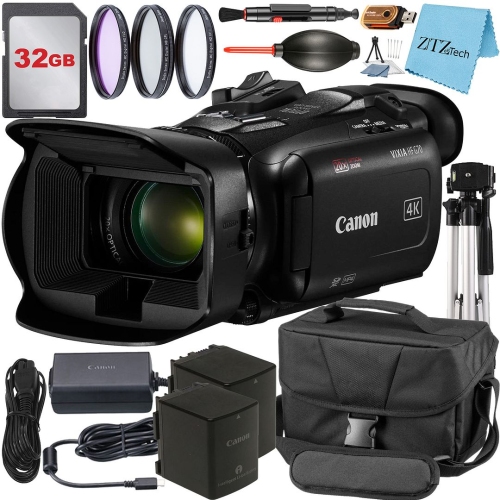
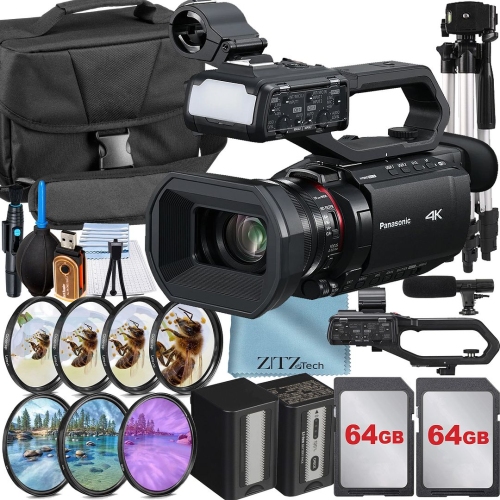
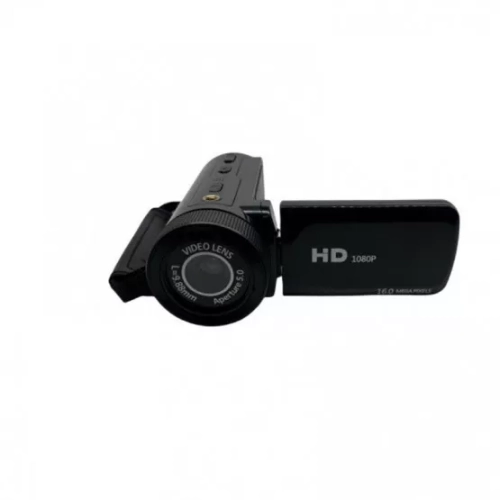
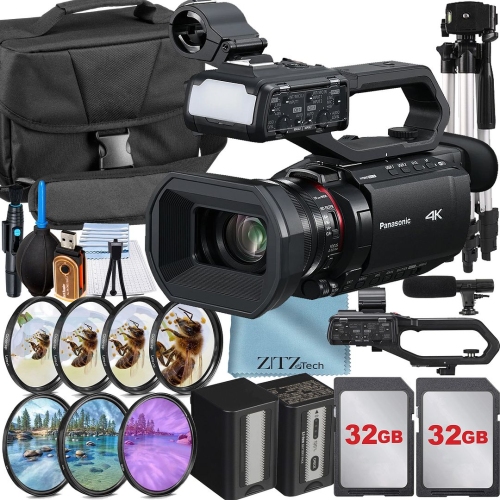
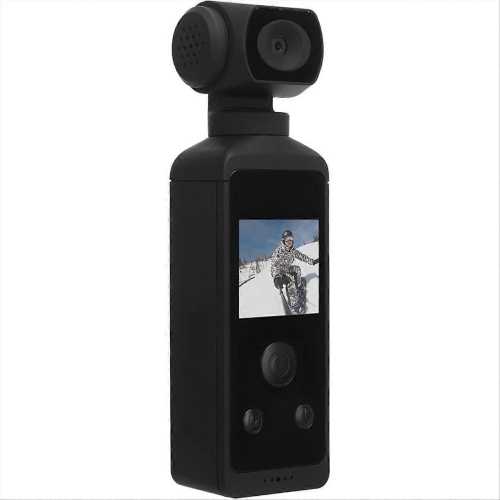
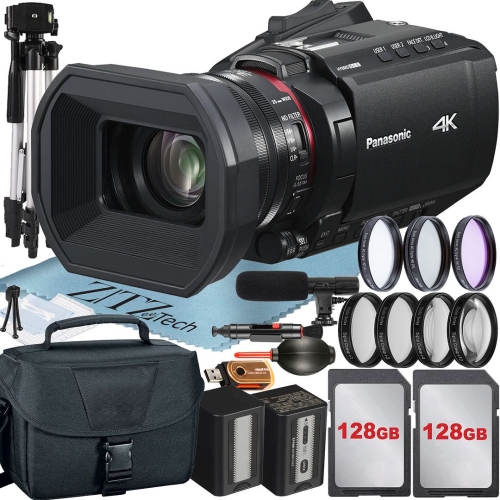
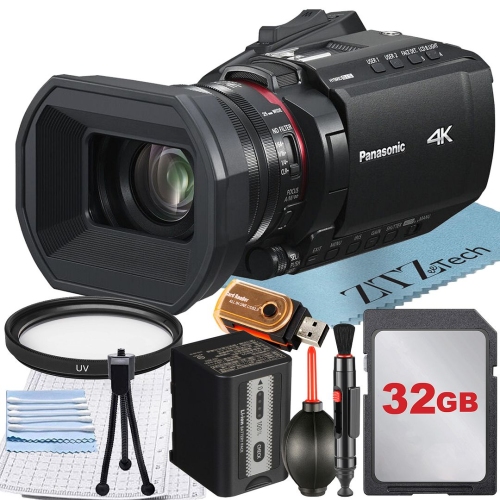
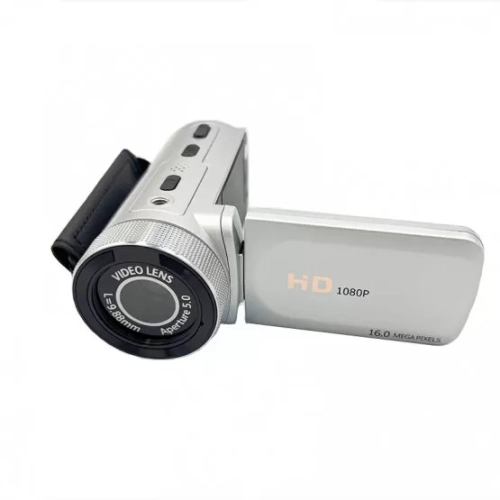
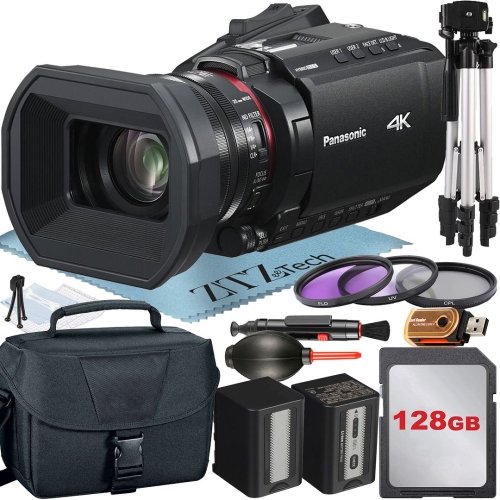
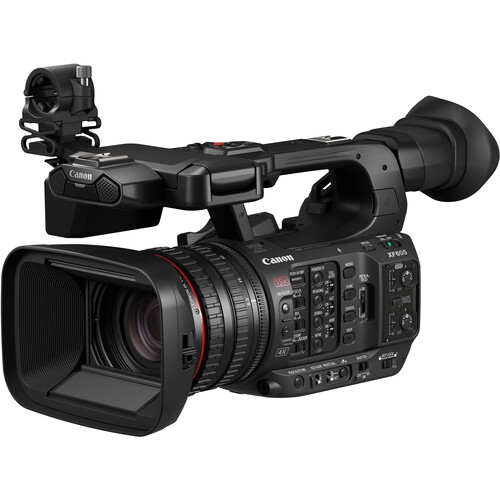
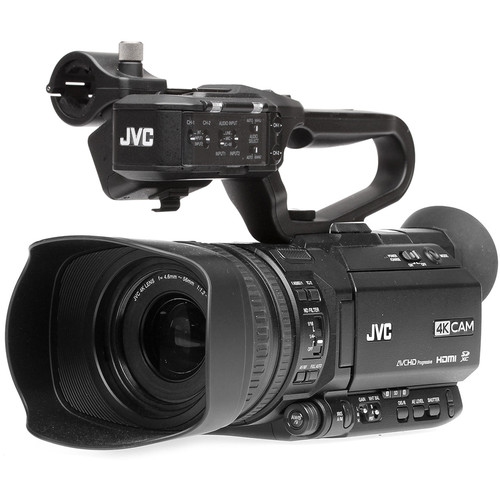
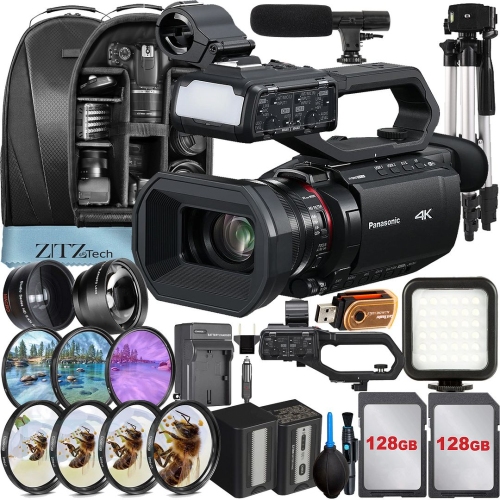
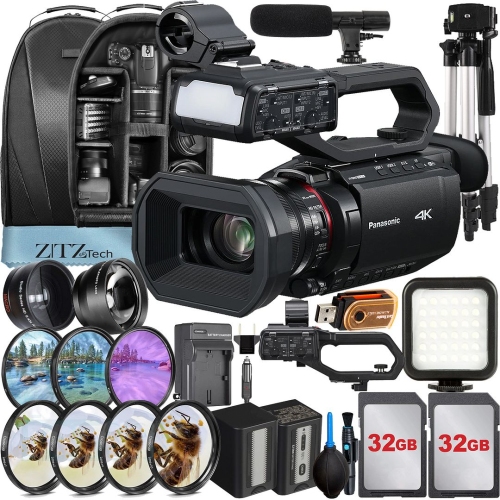
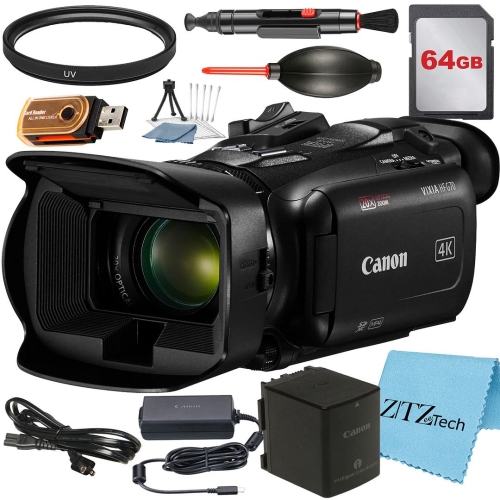
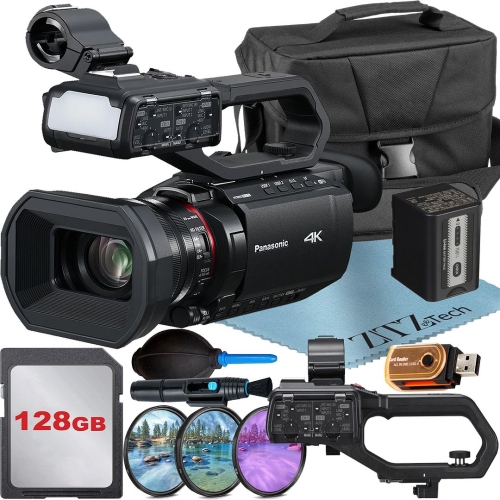
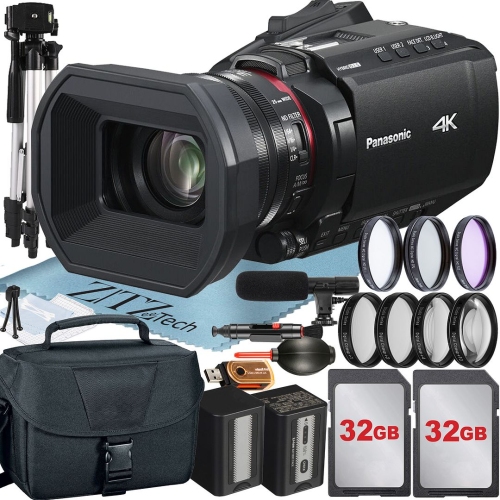
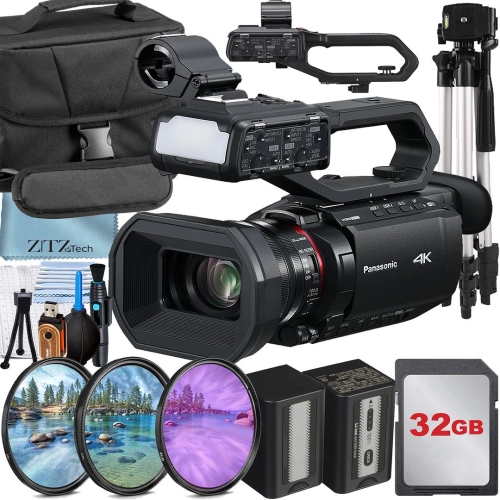
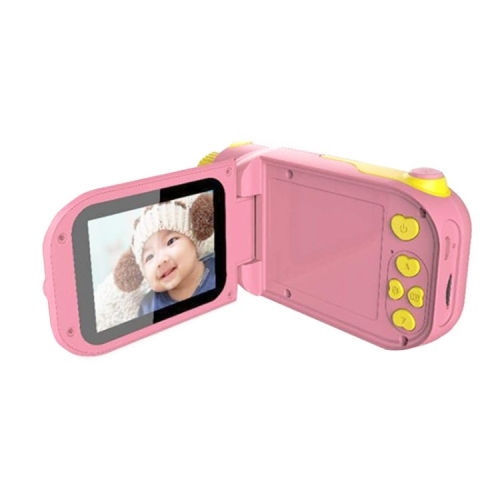
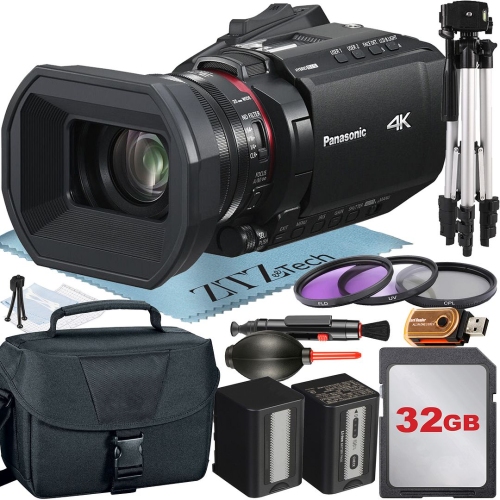
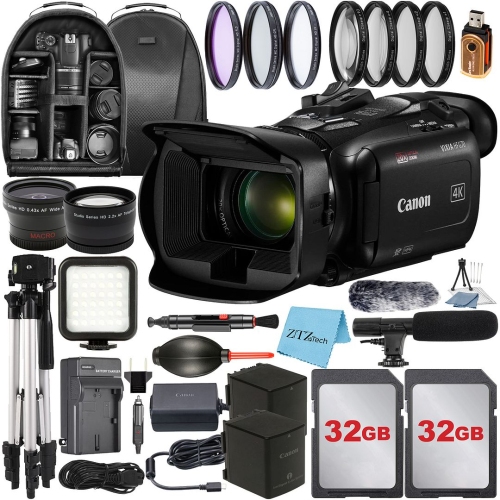
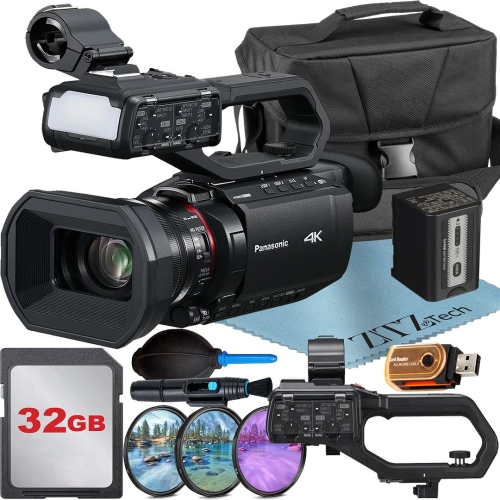
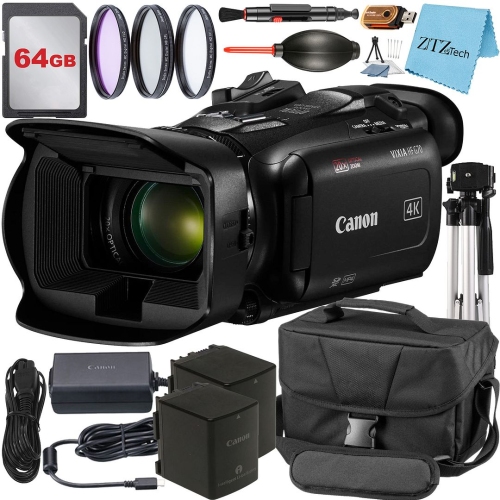
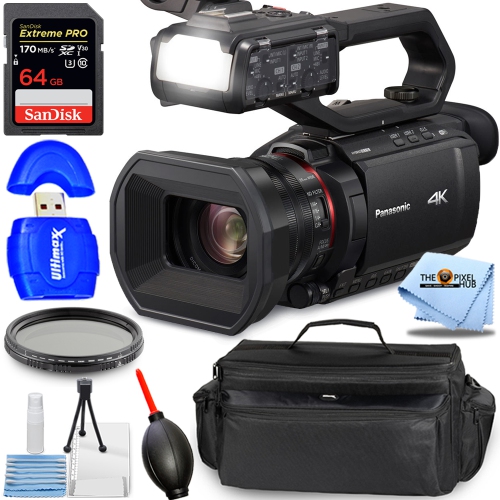
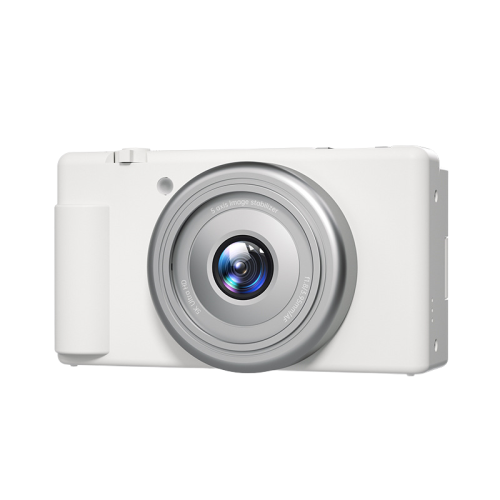
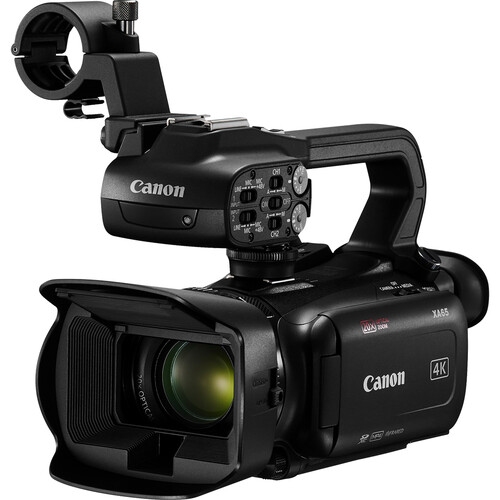
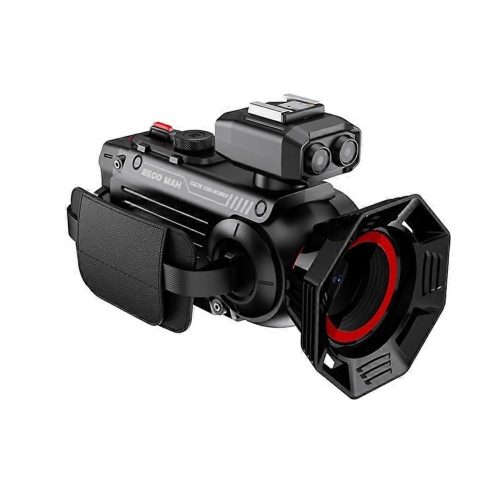
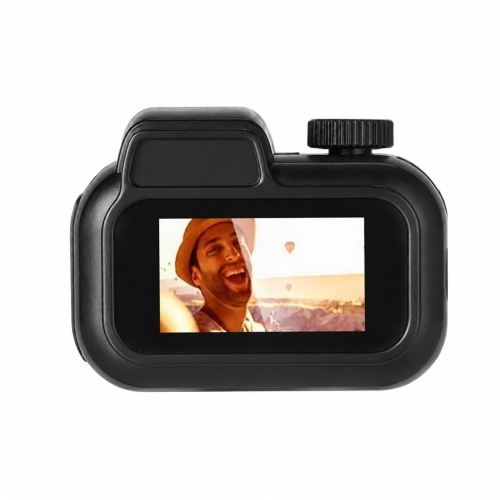
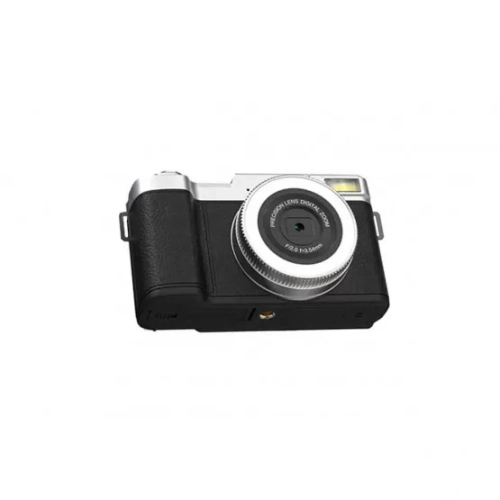
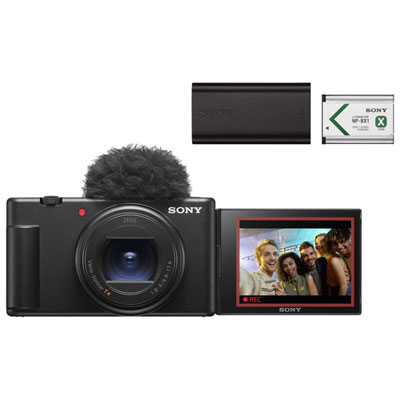
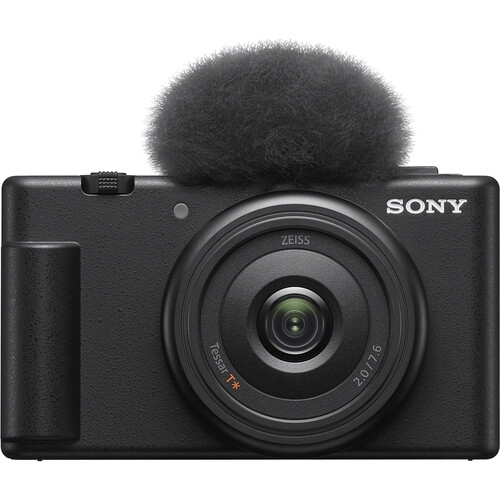
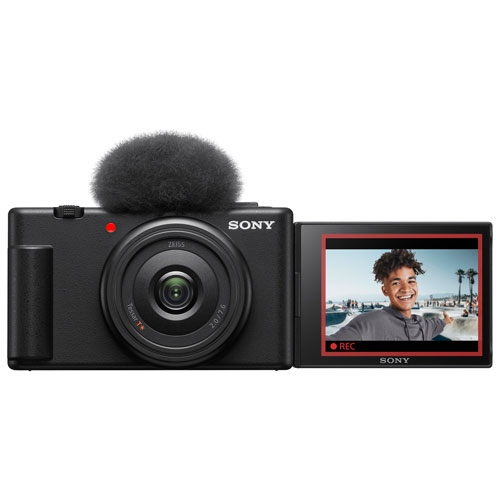
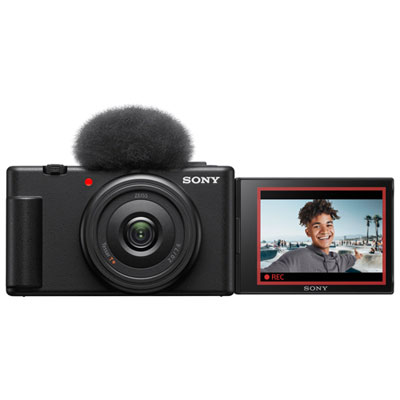
Handheld camcorders are compact video cameras designed for comfortable, extended recording, with a built-in zoom lens, a supportive hand strap, and controls positioned for use while filming. Their palm-sized shape makes them practical for family videos, school performances, amateur sports, travel diaries, and personal documentary projects. Unlike a device that divides its attention between calls, messages, and photography, a dedicated camcorder keeps video capture at the centre of the experience. A flip-out screen helps frame a child at floor level or follow a speaker from a seated position, while a zoom rocker allows gradual changes in framing without moving through an audience. The category spans several generations of technology, from older tape-based and internal hard-drive designs to digital models that save footage to memory cards. Each recording format has its own character and workflow. Modern high-definition and 4K recording can preserve fine detail in faces, clothing, and distant scenery, while older standard-definition footage may appeal to creators seeking the softer detail and distinctive motion associated with home videos from earlier decades. Resolution alone does not determine the look of a recording: the lens, sensor, lighting, compression, and camera movement all contribute. A higher-resolution file also needs more storage and a compatible playback or editing setup to show its full detail. For someone recording a graduation ceremony or a full music recital, reliable handling and sufficient battery life may matter more than the highest resolution setting. For a creator filming short features, access to manual exposure, focus, and audio controls may carry greater weight. Camcorders can also make thoughtful gifts for new parents, grandparents who enjoy documenting family gatherings, or students developing an interest in filmmaking. The most suitable format is one that fits how the recipient plans to capture, transfer, edit, and watch their videos, rather than simply matching a specification on paper.
The appeal of a handheld camcorder becomes especially clear when a subject is too far away to film comfortably from a fixed position. Optical zoom changes the lens’s magnification to bring a stage performer or a player across the field into closer view, whereas digital zoom generally crops or enlarges the image and can reduce visible detail. Strong magnification also makes small hand movements more noticeable, so image stabilization and a secure grip are important companions to zoom reach. Optical and electronic stabilization work differently, and some electronic settings crop the frame; their effectiveness depends on the camera and shooting conditions. A tripod can provide a steadier view during a lengthy presentation, provided its mount and weight capacity suit the camera. Fit in the hand deserves similar attention. An adjustable strap should support the camera without forcing the fingers to stretch for the record button, and a balanced body is easier to hold through a sequence than one that pulls noticeably forward. Many compact camcorders use moulded plastic housings to keep weight manageable, with grip surfaces and strap padding that affect comfort during longer sessions. A rotating screen can make unusual angles easier to monitor, while a viewfinder, where fitted, provides another way to compose a shot. Picture quality in dim rooms depends partly on sensor and lens performance, not just the advertised resolution; brightening a dark scene electronically can introduce visible noise. Sound is equally central to a watchable recording. Built-in microphones are convenient for everyday use, but distance, room acoustics, and handling noise can make speech harder to understand. A compatible external microphone input can help when recording interviews or presentations, and a headphone output allows monitoring on models that include one. Wireless connectivity, where supported, may simplify remote operation or file transfer, though compatible apps, devices, and supported file types vary. These practical differences shape whether a camcorder feels comfortable at a birthday gathering, beside a sports court, or on a small video production.
Recording media and everyday care have a lasting effect on how useful a camcorder remains. Memory-card models generally allow files to be copied through a card reader or a supported cable connection, but the card’s capacity, speed rating, and format must meet the camera’s requirements, particularly for higher-bitrate video. Battery runtime varies with recording settings, screen use, zoom operation, and battery condition, so a long event calls for enough charged capacity as well as enough storage. Older hard-drive and tape camcorders require closer attention to compatible power supplies, connections, and the condition of moving components. Tape-based recording has a particular appeal for people recreating the pacing and texture of older home movies, although the results vary substantially between formats and cameras. For a closer look at that recording format, the Camcorder Mini Dv page focuses on a tape-based part of the category. MiniDV records digital video onto small cassettes, and transferring that footage commonly involves real-time capture through compatible equipment rather than simply copying a file from a memory card. A connector that physically fits does not necessarily support the required video transfer, making the complete connection path important when working with older recordings. For any format, keeping more than one copy of important footage helps protect family memories and creative work from accidental deletion or media failure. Physical care is straightforward but worthwhile: a padded case separates the camera from loose cables and other objects, while a lens cap or built-in lens cover protects the front element between sessions. Dust and fingerprints should be removed with suitable optical-cleaning tools, without abrasive cloths or household cleaners. Screens, hinges, card doors, and cable ports benefit from gentle handling, and a compact body should not be assumed to have impact or water resistance unless the manufacturer specifies it. With a comfortable grip, a suitable recording format, and a manageable transfer routine, a camcorder becomes a familiar tool for preserving voices, gestures, and small moments that still photographs cannot fully capture.
Top selling and popular products
-
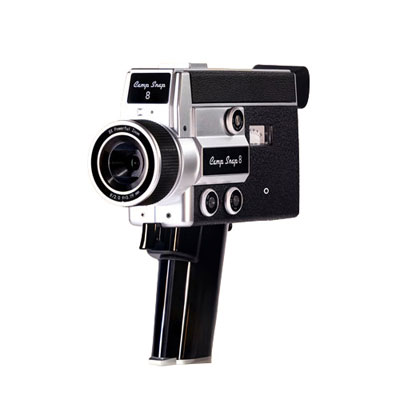 Your price for this item is $199.99
-
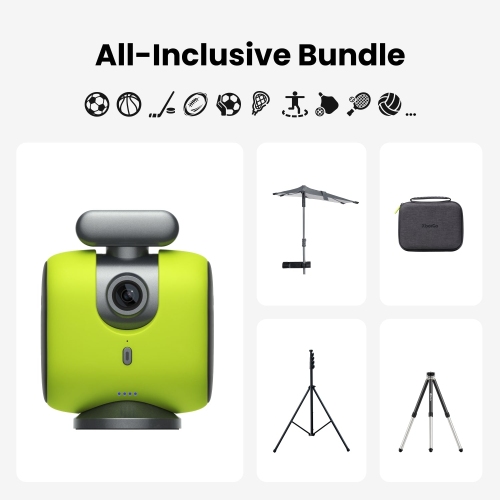 Your price for this item is $859.99
-
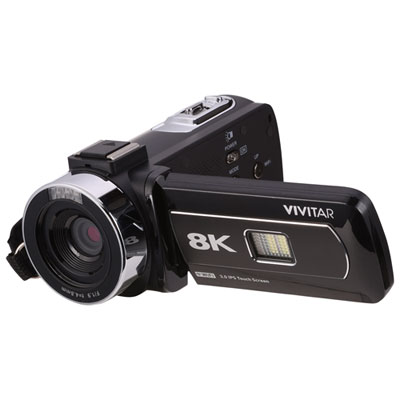 Your price for this item is $249.99
-
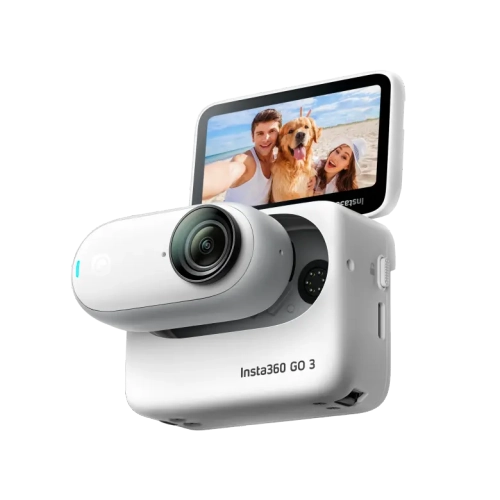 Your price for this item is $522.37
-
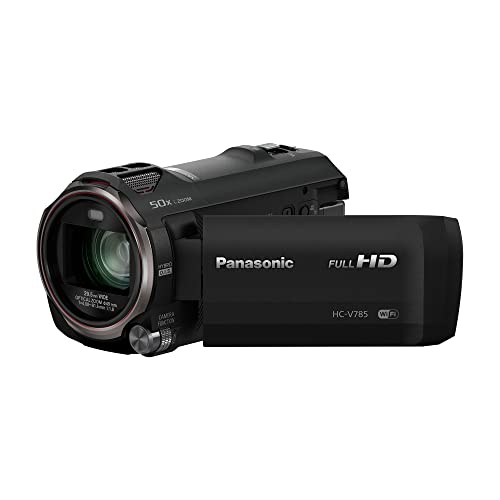 Your price for this item is $839.98
-
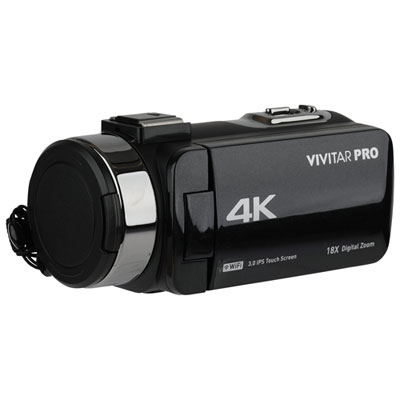 Your price for this item is $199.99
-
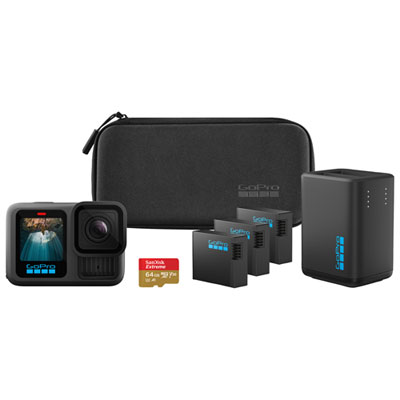 Your price for this item is $679.97
-
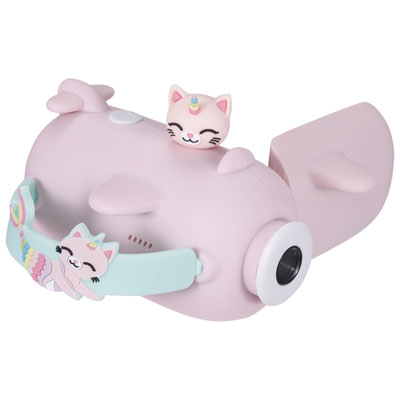 Your price for this item is $69.99
Discover more categories related to Handycam Camcorders
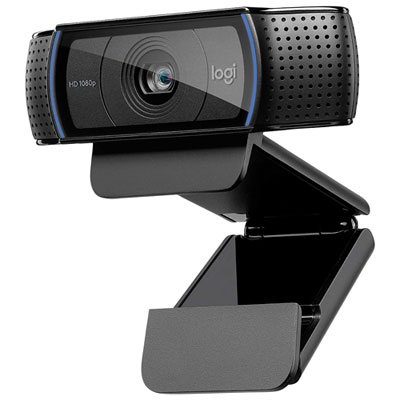
Top Collections:
Pokemon Centers, Best Cameras for Sports Photography, Kindle Devices, Samsung Galaxy Phones, Canon G7X Cameras, Pokémon 30th Celebration Cards, Refurbished Apple Laptops, iPhone 15 Apple, Laptops for Students, Budget Smartphones
Some products may be subject to Environmental Handling Fees
(EHF) depending on your province.
Learn more about EHFs.