Helmet Accessories
Enhance your riding experience with our wide range of helmet accessories. Whether you're looking to upgrade comfort, improve safety, or add a touch of personal style, you'll find everything you need right here. Explore options designed to fit various helmet types and discover how these accessories can make your rides smoother and more enjoyable. From visors and liners to communication systems and mounts, our collection of helmet accessories has something for every rider's needs.
Sort
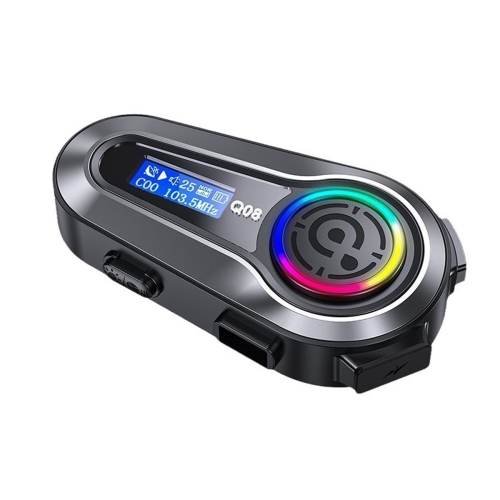
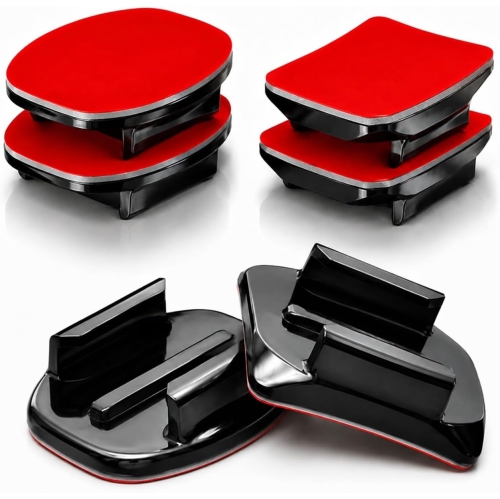
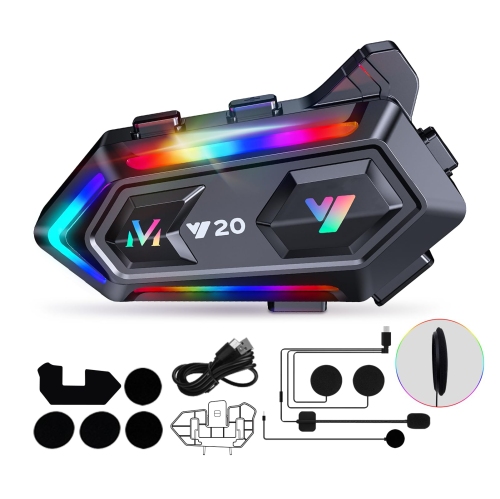
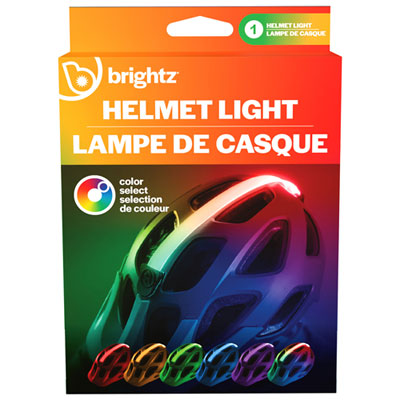

Everyday comfort starts with accessories that fit your helmet
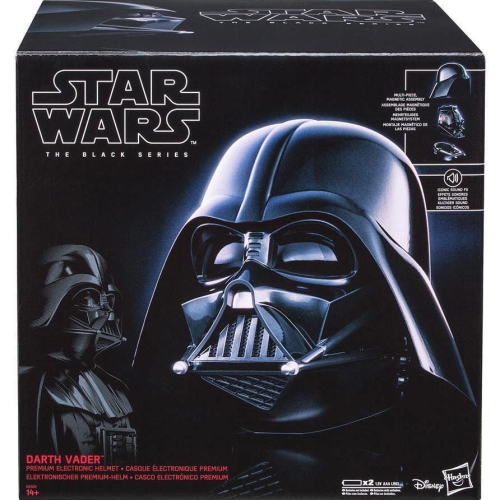
Helmet accessories are add-ons and replacement components that support comfort, visibility, communication, and everyday helmet use. The category spans replacement padding, face shields, anti-fog inserts, helmet mirrors, communication systems, mounting hardware, and storage accessories, with different designs serving motorcycle riders, cyclists, sports participants, and workers. A commuter may want a mirror positioned within an easy glance, while a rider travelling with a companion may value an intercom that keeps conversation clear without hand signals. For someone wearing head protection throughout a work shift, compatible hearing protection or a face shield may be the more relevant addition. These accessories are not interchangeable simply because they attach to a helmet: shell shape, mounting points, shield mechanisms, and internal space all affect compatibility. Even helmets from the same manufacturer can use different cheek pads, attachment plates, or visor fittings. For motorcycle-specific head protection, the Helmet Motorcycle collection offers a related place to explore the helmets that riding accessories complement. The right pairing preserves the helmet’s intended fit and function rather than forcing an attachment into place. Manufacturer-approved fittings are particularly important where an accessory connects to the shell, retention system, or protective components. Drilling holes, cutting internal material, or using an unsuitable adhesive can compromise a helmet, so attachment methods matter as much as the accessory itself. Intended use also sets clear boundaries: a cycling mirror is not a substitute for checking surrounding traffic, and a sports face guard does not automatically provide the protection required for an industrial task. Accessories make the most sense when they address a specific need, such as replacing a worn removable liner, adding an approved shield, or keeping a helmet protected between uses. Their purpose is to complement suitable head protection, not turn one type of helmet into another or restore a helmet that needs replacement.
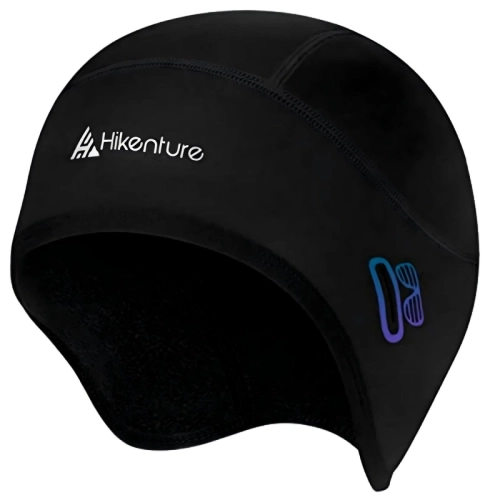
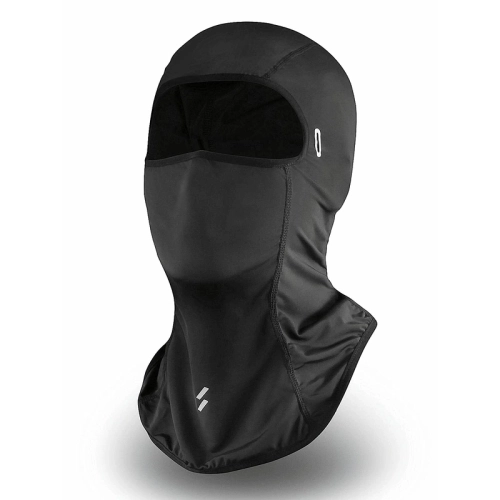
Comfort-focused helmet accessories often make the biggest difference during repeated use. Removable liners and cheek pads sit directly against the head and face, so their shape, thickness, fabric, and fastening method affect how the helmet feels each time it goes on. Soft textile surfaces can reduce rubbing, while moisture-managing fabrics help handle perspiration during sustained activity. Replacement comfort padding must match the helmet model and the manufacturer’s fit requirements; adding extra foam is not a reliable way to correct a helmet that is the wrong size. A properly fitted accessory should not leave the helmet rocking, create concentrated pressure, or interfere with a securely fastened chin strap. Thin helmet-compatible caps and head coverings also need enough room without changing how the helmet sits. Around the face opening, shields and inserts serve a different but equally practical role. Clear shields support an unobstructed view, while tinted options reduce incoming light where their use is appropriate and permitted. Optical clarity, coverage, scratch resistance, and compatibility with prescription glasses all influence daily usability. A shield that repeatedly touches an eyeglass frame can become a distraction at every stop, even if its attachment mechanism fits correctly. Anti-fog inserts are designed to limit condensation on compatible shields, but they depend on the correct size, positioning, and seal. Breath deflectors and chin curtains may help manage airflow around the face on helmets designed to accept them. Durable shield materials can resist everyday wear, but no surface is immune to scratches or damage from unsuitable cleaning products. Care requirements therefore belong alongside fit considerations: removable fabrics may have separate washing instructions, and coated lenses often need gentle cleaning with an approved solution and a soft cloth. Abrasive wiping, harsh solvents, and rough storage can shorten the useful life of components that otherwise remain comfortable and functional.
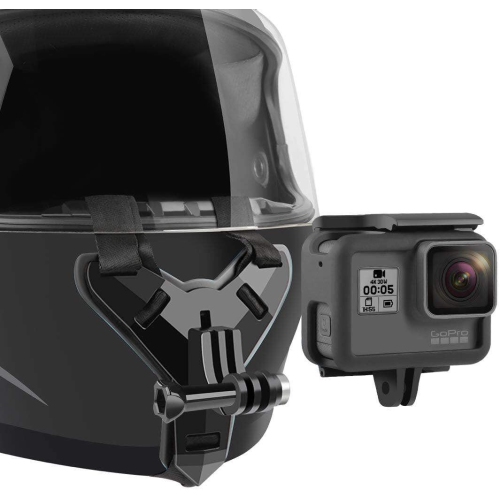
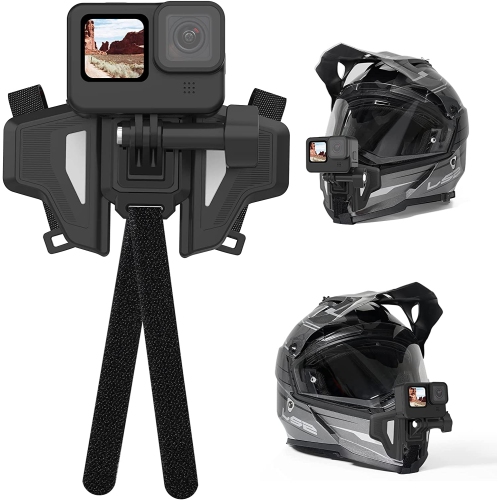
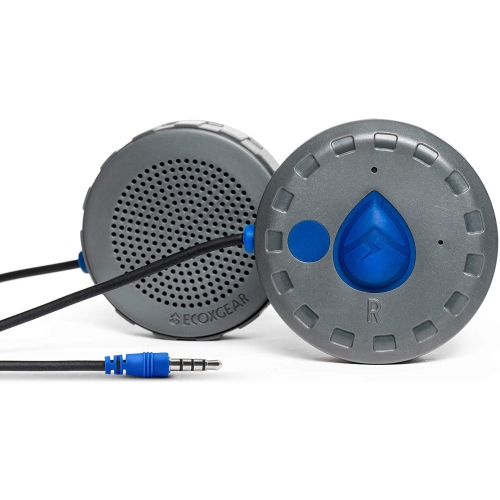
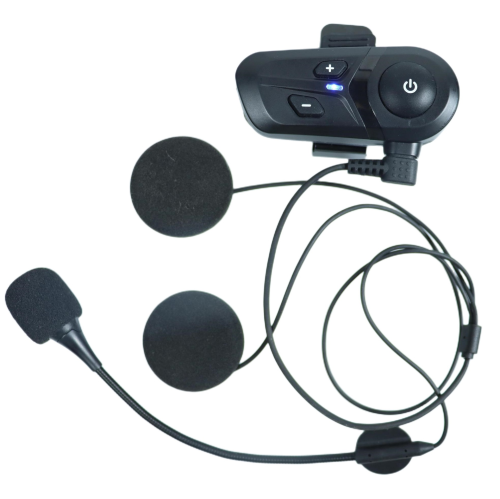
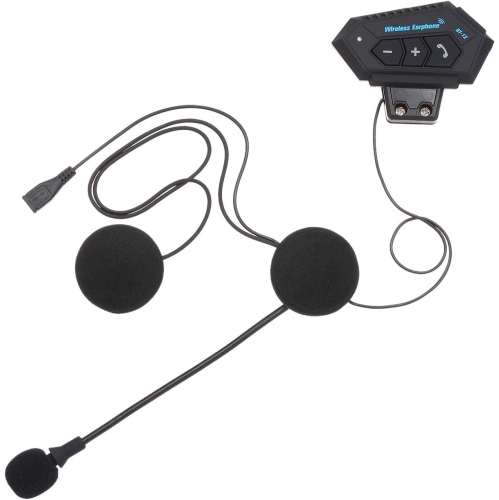
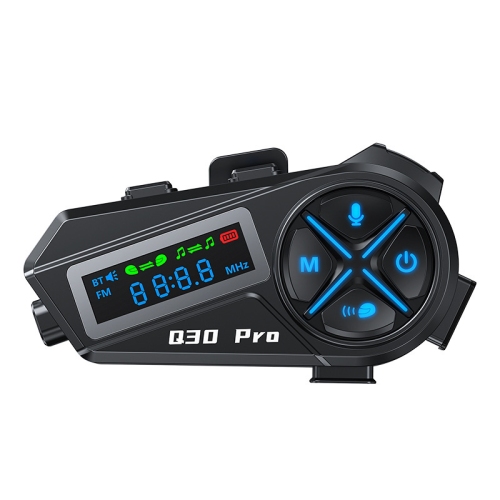
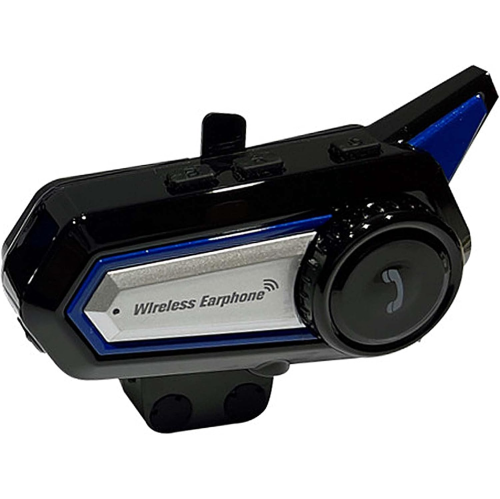
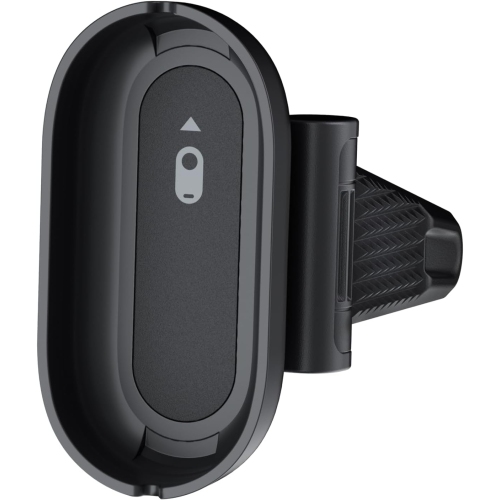
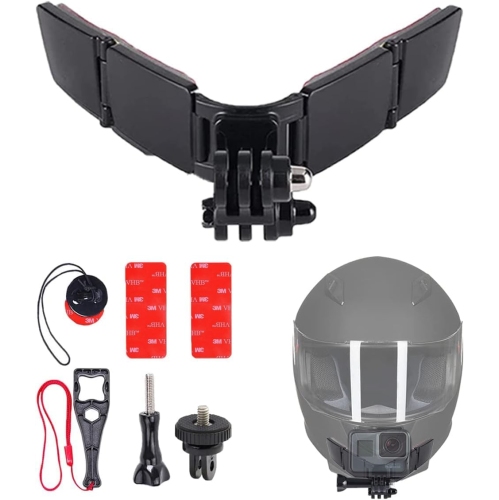
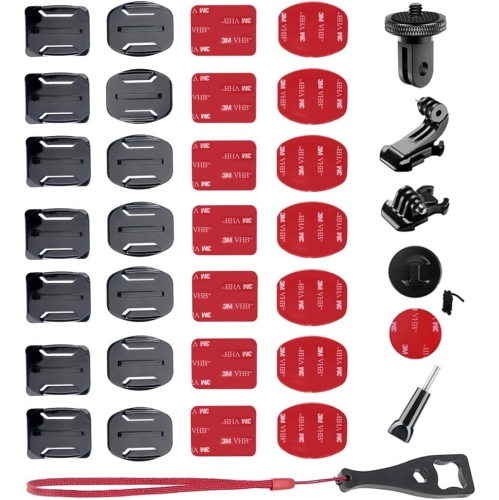
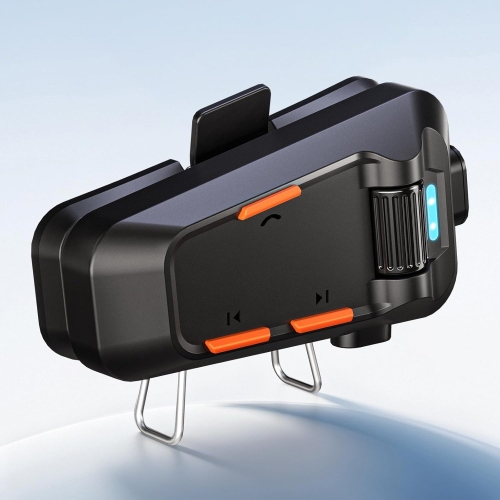
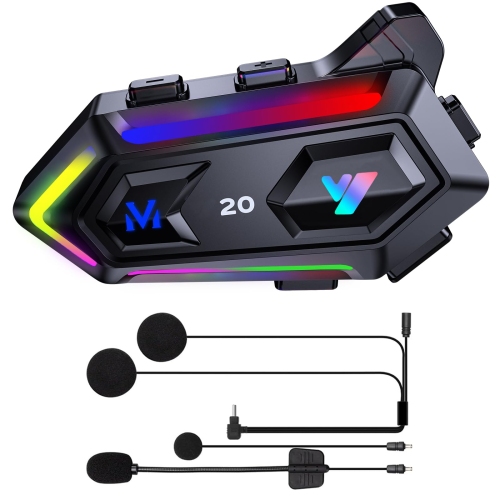
Communication, visibility, and mounting accessories add another layer of convenience, particularly for riders who use their helmets regularly. Wireless intercom systems may support rider-to-passenger conversation, group communication, or spoken navigation prompts, depending on their features and compatibility. Useful considerations include battery life, microphone placement, speaker thickness, control accessibility, and whether the system supports the connections needed for the intended ride. Speakers should sit in designated recesses where provided, without pressing against the ears or interfering with fit. Clear audio does not remove the need to remain attentive to traffic, and setup or adjustments are best handled while safely stopped and in accordance with local laws. Camera mounts and other external attachments bring their own compatibility concerns, including secure fastening, added weight, balance, and the helmet manufacturer’s restrictions. A mount that feels unobtrusive in the hand may be noticeable once positioned away from the centre of the helmet. Reflective decals and helmet-mounted lights may improve conspicuity, but they do not replace required bicycle or motorcycle lighting, and any adhesive must be suitable for the helmet’s finish. For work helmets, face shields, hearing protectors, and mounting adapters need to form an approved combination appropriate to the task and applicable workplace requirements. Replacement screws, clips, straps, and other hardware likewise need to match the original specifications rather than merely look similar. Beyond use, a soft-lined helmet bag helps separate the shell and shield from keys, tools, and other objects that could leave marks during transport. Clean, dry storage and regular checks for loose fittings, worn fabric, cracked plastic, or damaged wiring help keep accessories ready for their intended role. Damaged protective components require the manufacturer’s recommended response, and new accessories cannot make an impact-damaged helmet safe again. For gifting, a helmet owner’s exact model and activity are more useful than appearance alone: a compatible replacement liner, approved attachment, or protective carrying bag can be a thoughtful choice when it suits the recipient’s equipment and routine.
Top selling and popular products
-
 Your price for this item is $328
-
 Your price for this item is $62.66
-
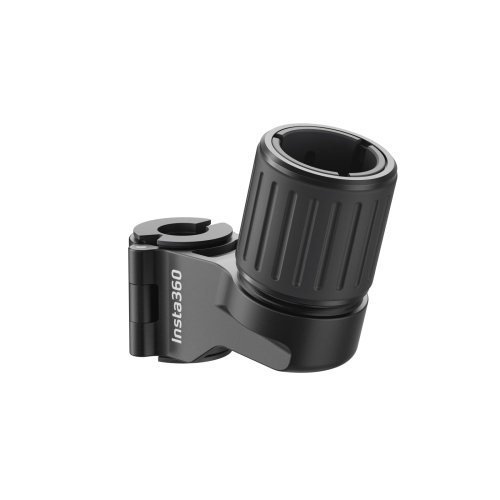 Your price for this item is $70.37
-
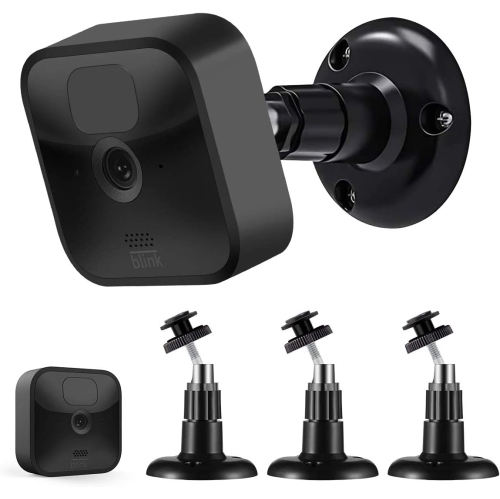 Your price for this item is $34.95
-
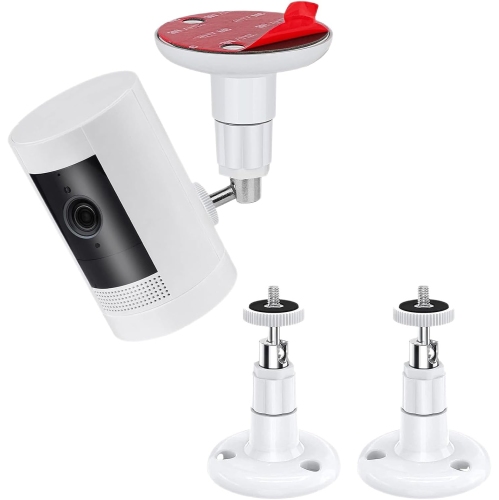 Your price for this item is $18.43
-
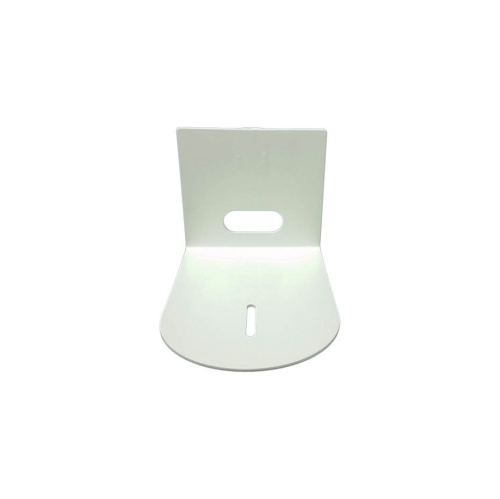 Your price for this item is $183.99
-
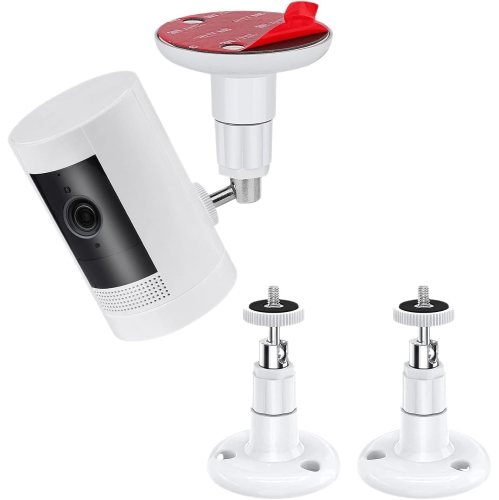 Your price for this item is $23.88
-
 Your price for this item is $119.1
Discover more categories related to Helmet Accessories

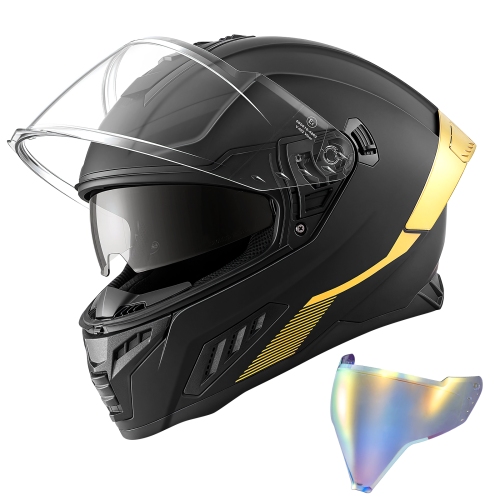
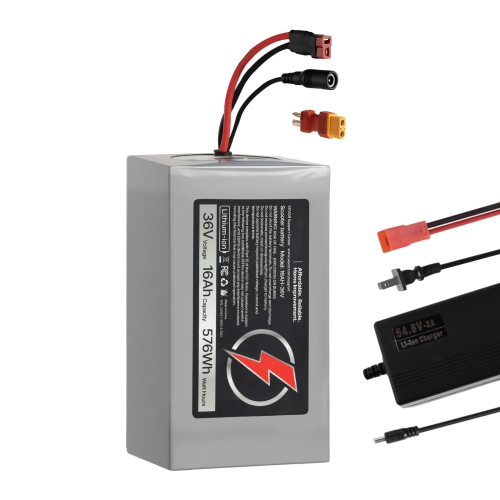
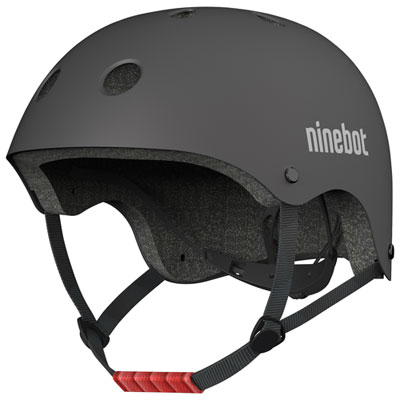
Top Collections:
Best Black Friday Deals This Year, Best Black Friday Deals On Electronics, Kindle Devices, Pokemon Centers, Best Black Friday Deals On Apple Products, Best Cameras for Sports Photography, Dyson Airwrap, Pokémon 30th Celebration Cards, Apple iPhone 17 Pro, Canon G7X Cameras
Some products may be subject to Environmental Handling Fees
(EHF) depending on your province.
Learn more about EHFs.