Lens Caps for Nikon
Protect your valuable Nikon lenses with high-quality lens caps. Whether you're a professional photographer or an enthusiastic hobbyist, lens caps are an essential accessory to keep your lenses safe from dust, scratches, and accidental damage. Explore this collection and find the perfect lens cap to safeguard your investment and ensure optimal performance for years to come.
Sort
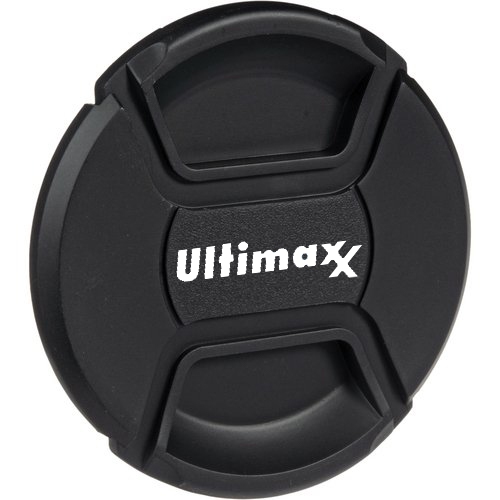
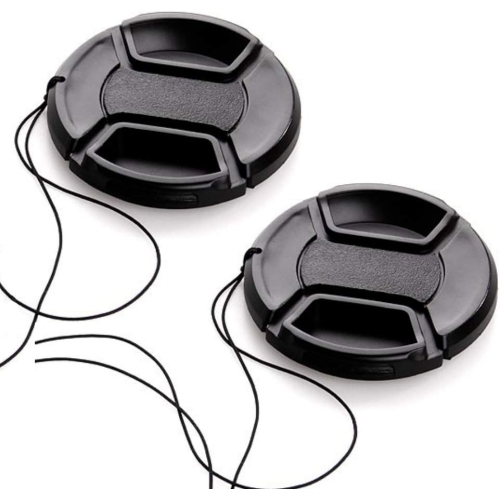
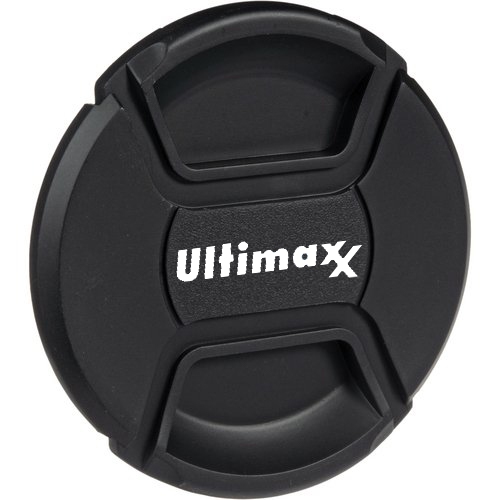
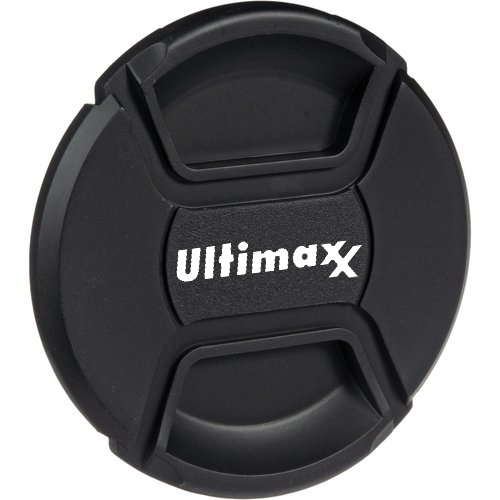
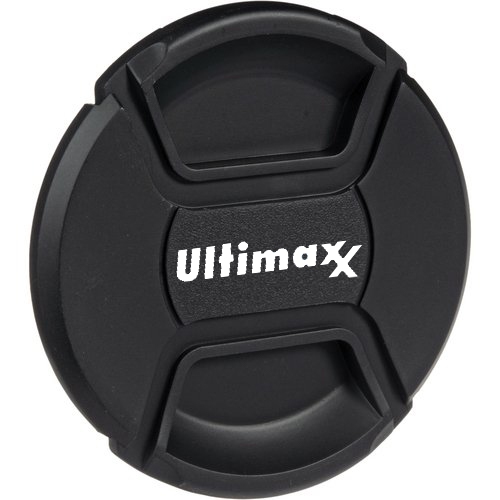
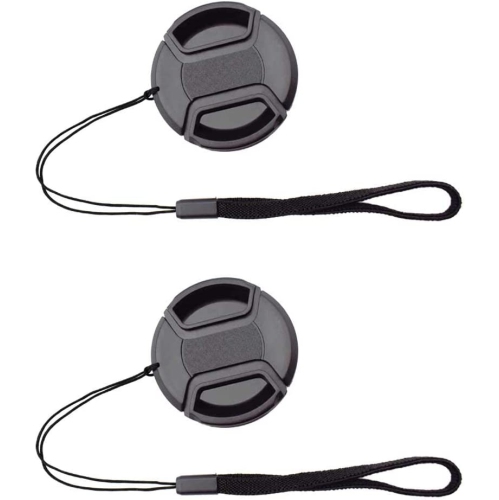
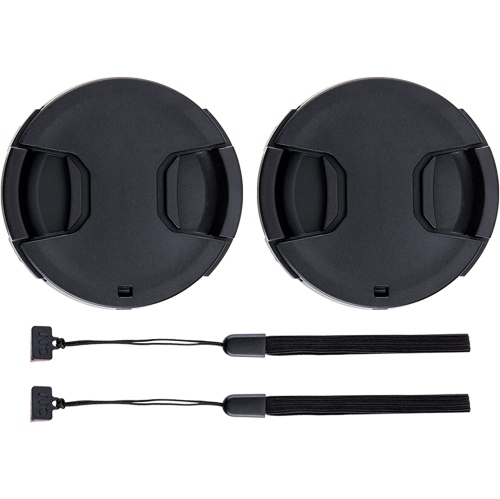
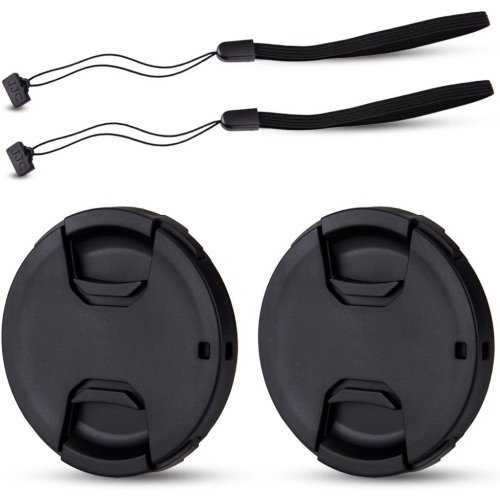
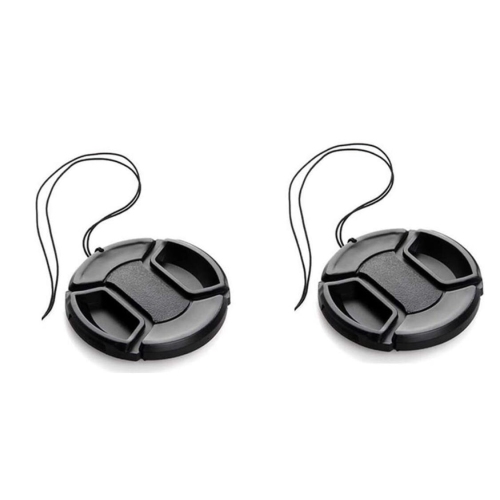
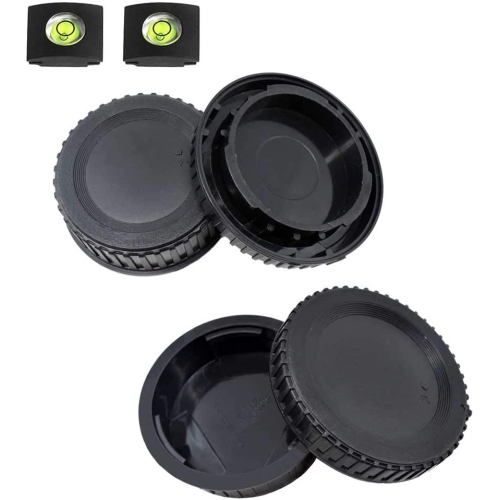
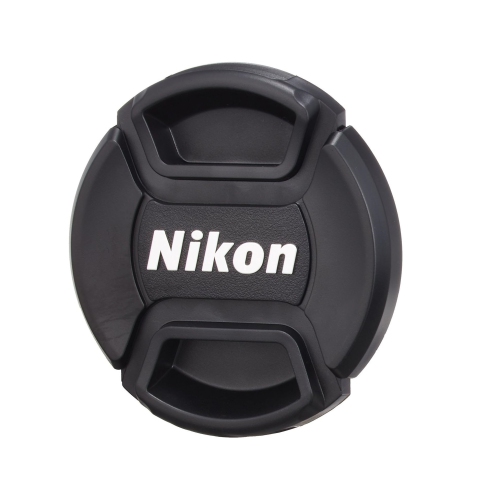
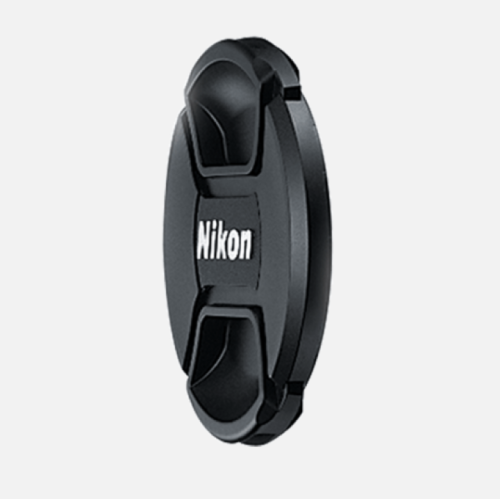
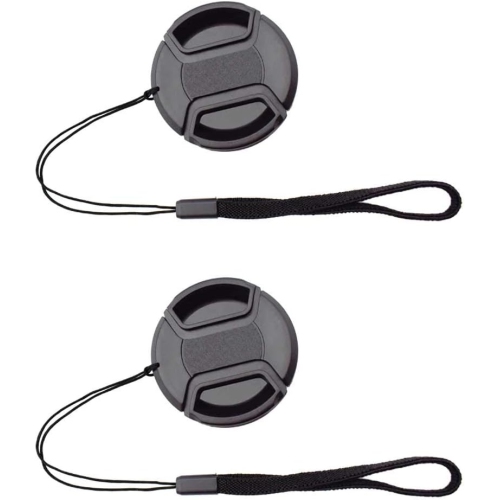
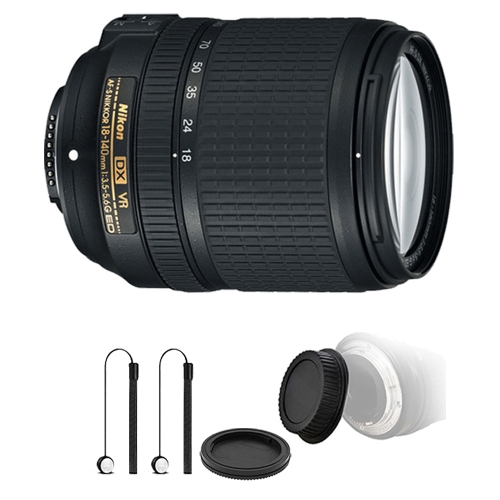
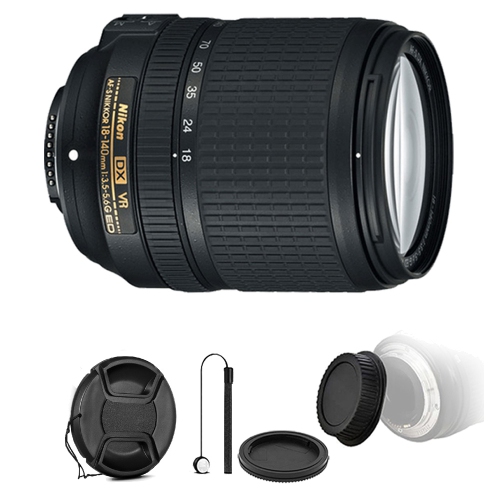
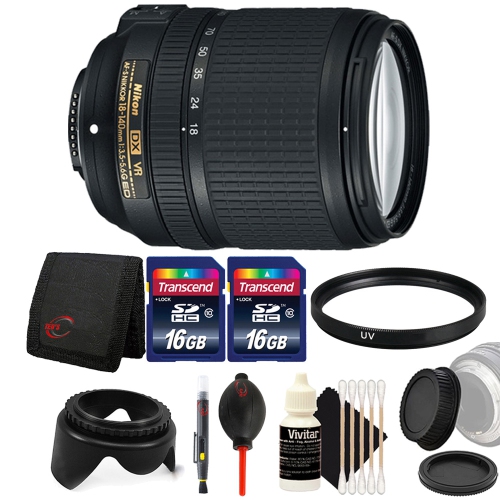
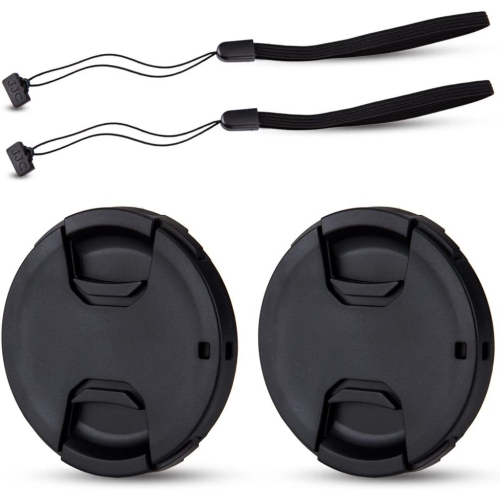
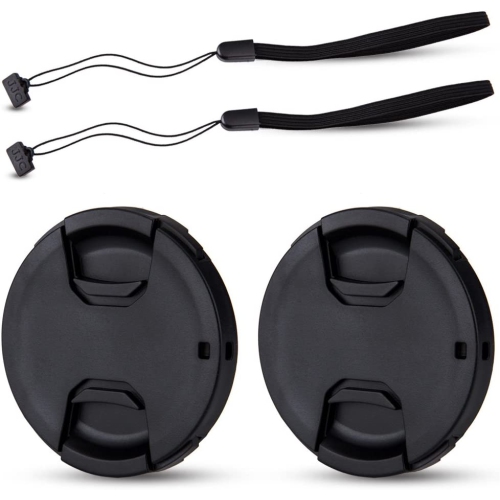
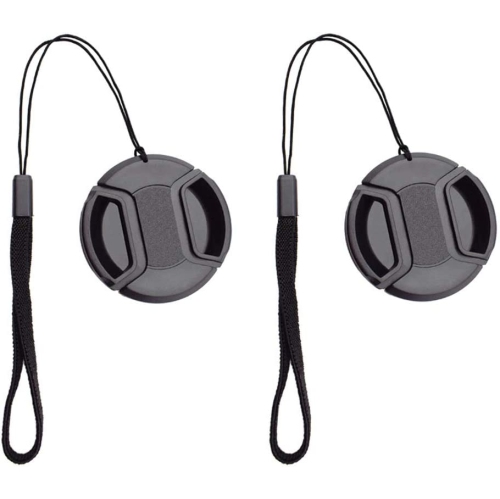
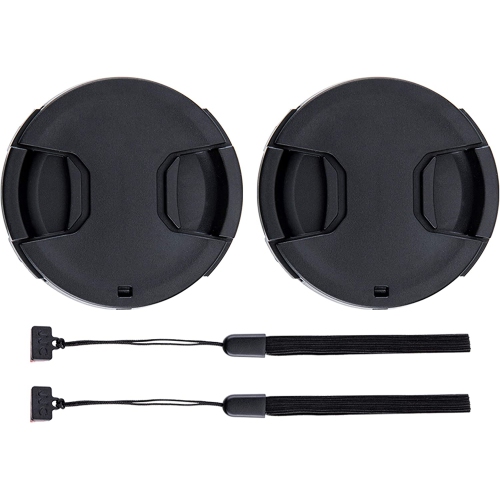
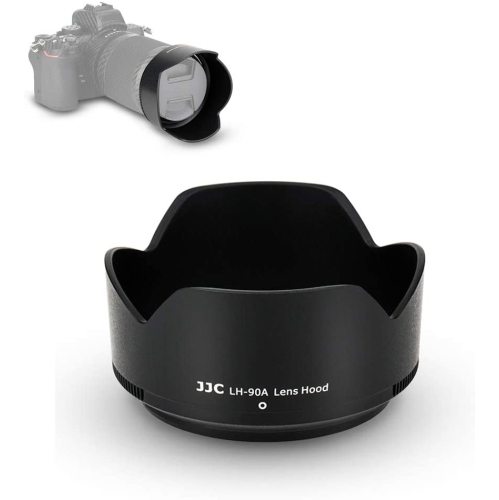
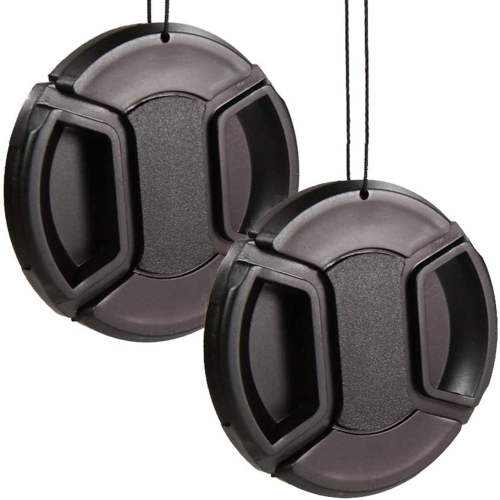

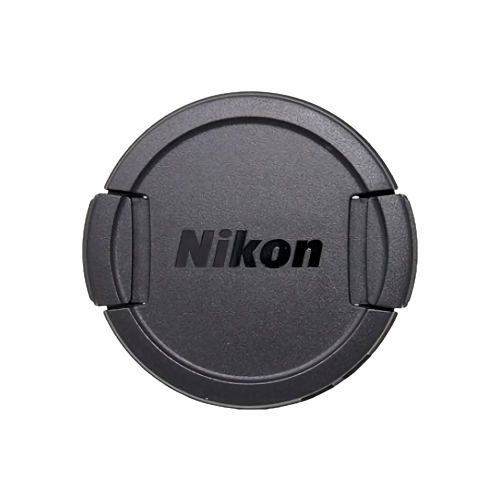
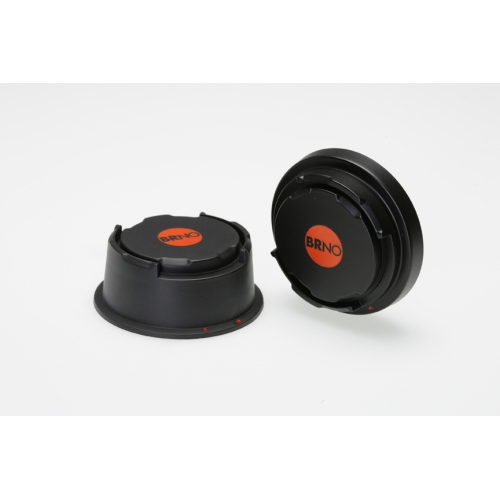
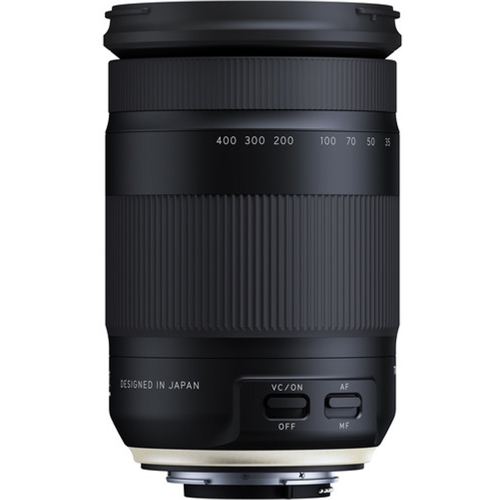
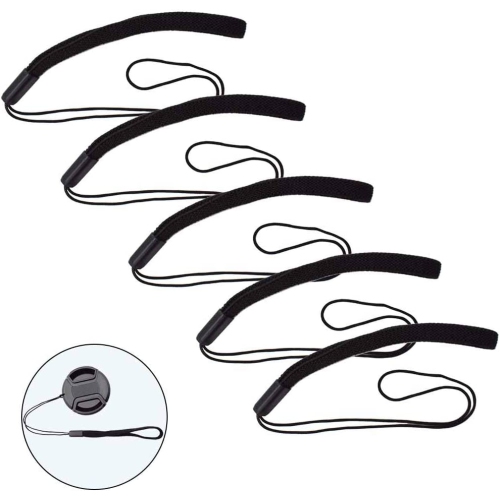
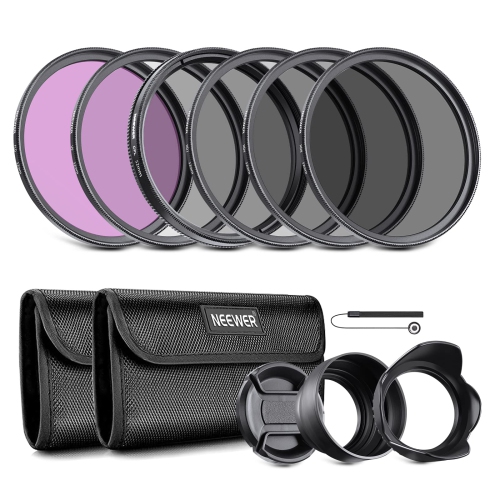
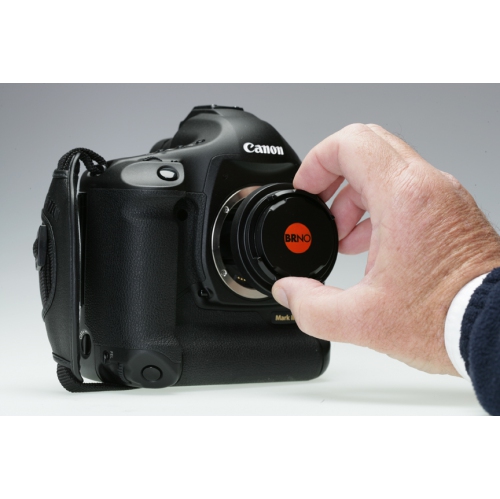
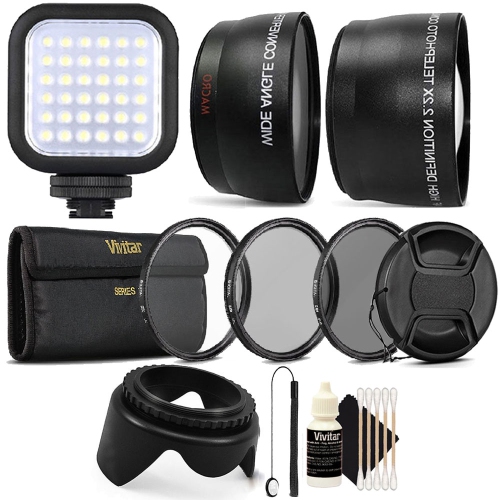
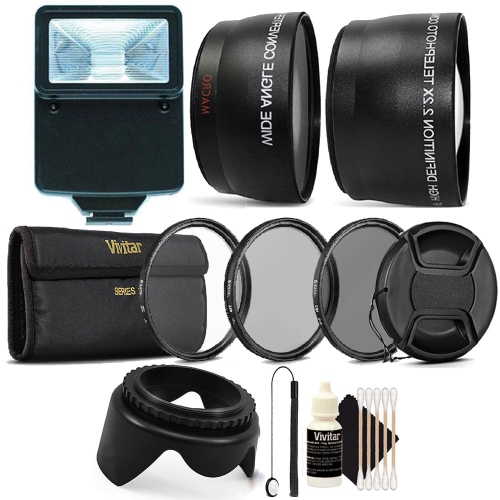
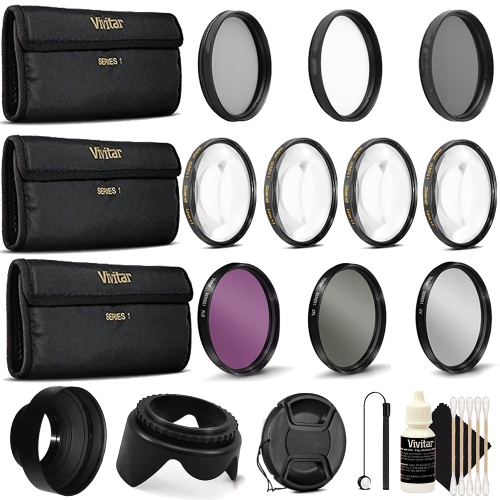
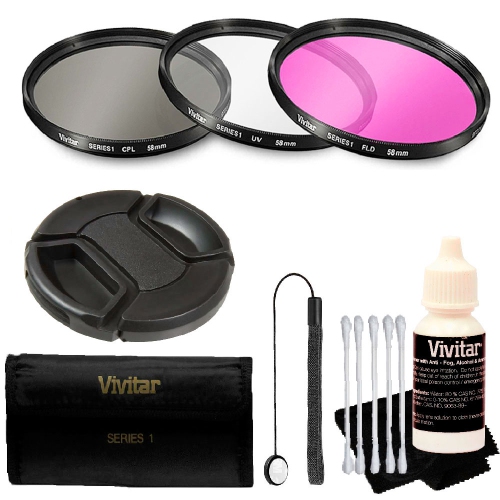
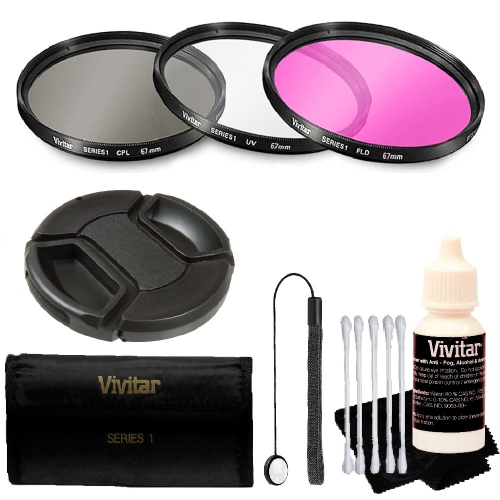
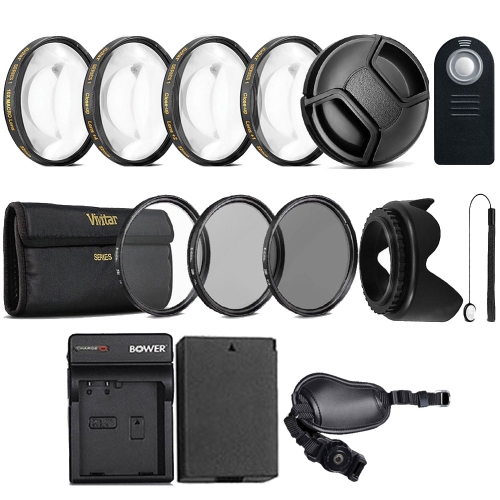
Protective coverage for Nikon lenses, mounts, and cameras
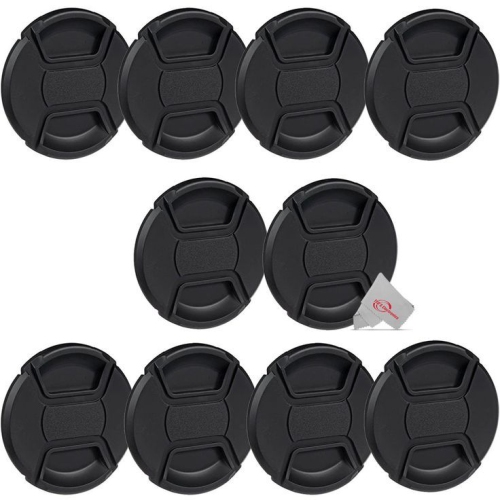
Lens caps for Nikon cameras and lenses provide a simple but important layer of protection between photo sessions. A front lens cap covers the exposed glass at the front of a lens, helping keep away dust, fingerprints, moisture, grit, and accidental scratches when the camera is stored in a bag, placed on a table, or carried between locations. A rear lens cap protects the back of a detached lens, including its mounting area and electronic contacts, while a body cap covers the open lens mount on a camera body when no lens is attached. Keeping these openings covered can make everyday camera care easier, particularly for photographers who change lenses outdoors, travel with more than one lens, or spend time shooting in places where sand, leaves, rain, and fine particles can quickly settle on equipment. The right cap is designed to fit securely without placing unnecessary pressure on the lens or camera mount, and a well-fitting replacement can be a practical addition to any camera bag. Centre-pinch front caps are especially convenient because they can often be removed while a lens hood remains in place, allowing a photographer to work quickly when a fleeting scene appears. Slip-on or specialty designs may be suitable for lenses with unusual front dimensions, built-in hoods, or larger telephoto assemblies. Since lens caps are made for particular sizes and mounting systems, checking the lens specifications before ordering is essential. The diameter may be printed on the front of the lens, shown beside a symbol that resembles a circle with a line through it, or listed in the lens documentation. The correct measurement applies to the front filter thread for many standard snap-on caps, but not every cap uses the same attachment method, so the lens design and intended cap style should also be considered.
When choosing lens caps for Nikon equipment, start by confirming whether the required accessory is a front cap, rear cap, or body cap. Front caps are commonly selected by diameter, with different lenses requiring different sizes even when they are used with the same camera body. A rear cap must match the lens mount, and a body cap must match the camera mount, so these accessories are not interchangeable simply because they look similar. Photographers who own several lenses may find it helpful to keep each cap with its matching lens, particularly when working quickly at an event, on a hike, or during a family gathering. A spare front cap can also be useful for replacing one that has been misplaced in a coat pocket, left on a café table, or dropped in the grass while changing lenses. Look for a cap that sits evenly, grips firmly, and releases smoothly without catching on the lens barrel. Centre-pinch tabs are comfortable when the camera is held close to the body, and a textured surface can make the cap easier to handle with cold or gloved hands during the cooler months. A low-profile cap can be convenient for storage, while a design that works with a lens hood may save time when moving between protection and shooting. For people who regularly travel, a securely fitting cap helps keep the inside of a camera bag from brushing directly against the glass. For studio photographers, it can protect equipment during long periods between projects. For outdoor photographers, it adds reassurance when a camera rests on a dusty trail, a damp bench, or a vehicle seat between locations. These accessories can also make thoughtful gifts for someone beginning photography, building a camera kit, or returning to a hobby after time away. They are small enough to add to a camera bag without taking up meaningful space, yet useful enough to become part of a regular routine. A photographer receiving a replacement cap may appreciate being able to protect an important lens without changing how they shoot.
Before adding a lens cap to an order, compare the required size or mount with the exact lens or camera body it is intended for, and consider how the accessory will be used day to day. A cap that is frequently removed and replaced should have a dependable fit and an easy-to-grip design. If the lens is often used with a hood, check that the cap can be removed without taking the hood off first. If multiple lenses are stored together, label caps or keep them in dedicated compartments to reduce mix-ups. It is also sensible to inspect a cap from time to time for cracks, loose clips, warped edges, or accumulated grit that could interfere with a smooth fit. A soft, clean cloth is generally suitable for wiping the exterior, while the lens glass itself should be cleaned with materials intended for optical surfaces rather than clothing or paper towels. Keeping a cap on whenever the camera is not in use, even during a short pause, can help reduce the need for frequent cleaning and protect the equipment from the small knocks that happen during normal handling. Photographers comparing accessories for other camera systems can also browse Lens Caps for Canon. Whether the goal is to replace a missing cover, prepare a second camera bag, organize a growing collection of lenses, or give a useful photography accessory, selecting the correct style and fit helps keep Nikon camera equipment ready for the next clear view, close-up detail, or bright outdoor scene.
When choosing lens caps for Nikon equipment, start by confirming whether the required accessory is a front cap, rear cap, or body cap. Front caps are commonly selected by diameter, with different lenses requiring different sizes even when they are used with the same camera body. A rear cap must match the lens mount, and a body cap must match the camera mount, so these accessories are not interchangeable simply because they look similar. Photographers who own several lenses may find it helpful to keep each cap with its matching lens, particularly when working quickly at an event, on a hike, or during a family gathering. A spare front cap can also be useful for replacing one that has been misplaced in a coat pocket, left on a café table, or dropped in the grass while changing lenses. Look for a cap that sits evenly, grips firmly, and releases smoothly without catching on the lens barrel. Centre-pinch tabs are comfortable when the camera is held close to the body, and a textured surface can make the cap easier to handle with cold or gloved hands during the cooler months. A low-profile cap can be convenient for storage, while a design that works with a lens hood may save time when moving between protection and shooting. For people who regularly travel, a securely fitting cap helps keep the inside of a camera bag from brushing directly against the glass. For studio photographers, it can protect equipment during long periods between projects. For outdoor photographers, it adds reassurance when a camera rests on a dusty trail, a damp bench, or a vehicle seat between locations. These accessories can also make thoughtful gifts for someone beginning photography, building a camera kit, or returning to a hobby after time away. They are small enough to add to a camera bag without taking up meaningful space, yet useful enough to become part of a regular routine. A photographer receiving a replacement cap may appreciate being able to protect an important lens without changing how they shoot.
Before adding a lens cap to an order, compare the required size or mount with the exact lens or camera body it is intended for, and consider how the accessory will be used day to day. A cap that is frequently removed and replaced should have a dependable fit and an easy-to-grip design. If the lens is often used with a hood, check that the cap can be removed without taking the hood off first. If multiple lenses are stored together, label caps or keep them in dedicated compartments to reduce mix-ups. It is also sensible to inspect a cap from time to time for cracks, loose clips, warped edges, or accumulated grit that could interfere with a smooth fit. A soft, clean cloth is generally suitable for wiping the exterior, while the lens glass itself should be cleaned with materials intended for optical surfaces rather than clothing or paper towels. Keeping a cap on whenever the camera is not in use, even during a short pause, can help reduce the need for frequent cleaning and protect the equipment from the small knocks that happen during normal handling. Photographers comparing accessories for other camera systems can also browse Lens Caps for Canon. Whether the goal is to replace a missing cover, prepare a second camera bag, organize a growing collection of lenses, or give a useful photography accessory, selecting the correct style and fit helps keep Nikon camera equipment ready for the next clear view, close-up detail, or bright outdoor scene.
Top selling and popular products
-
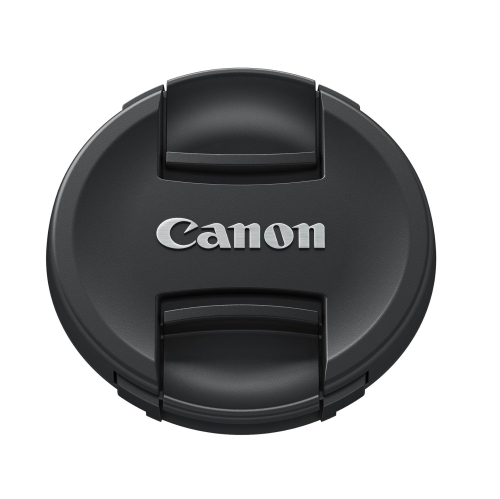 Your price for this item is $1.99
 -
![GENERIC 40.5MM Snap-On Lens Cap for Sony 16-50MM F/3.5-5.6 Lens for Sony Alpha A6600 A6500 A6400 A5000[2 Packs], Fire-Rock Lens](https://multimedia.bbycastatic.ca/multimedia/products/500x500/173/17388/17388736.jpeg) Your price for this item is $9.99
Your price for this item is $9.99 -
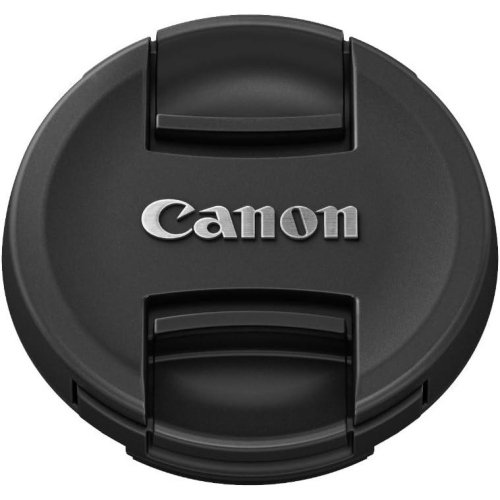 Your price for this item is $12.99
 -
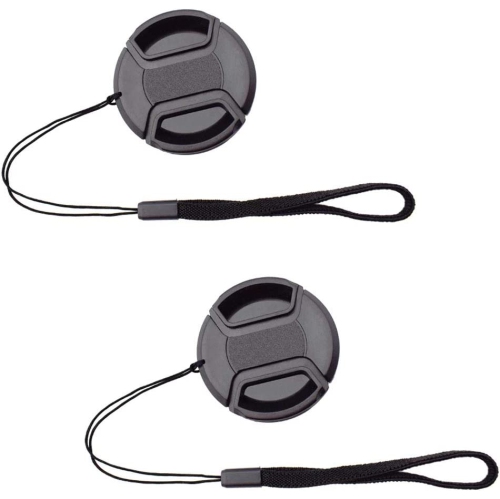 Your price for this item is $10.99
 -
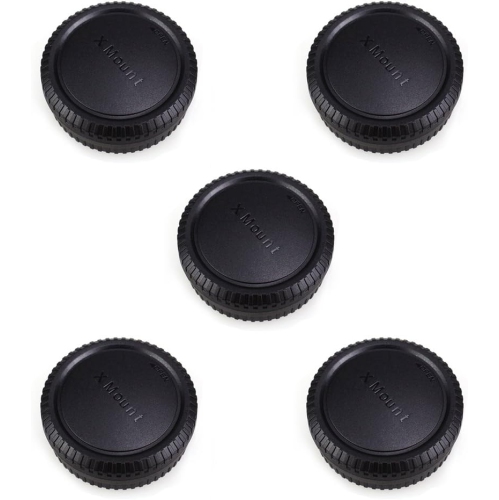 Your price for this item is $17.99
 -
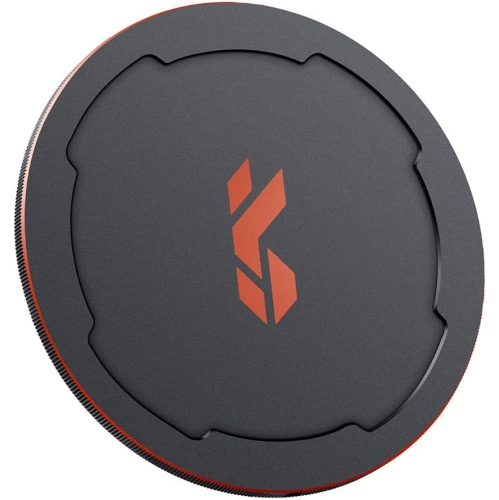 Your price for this item is $32.99
 -
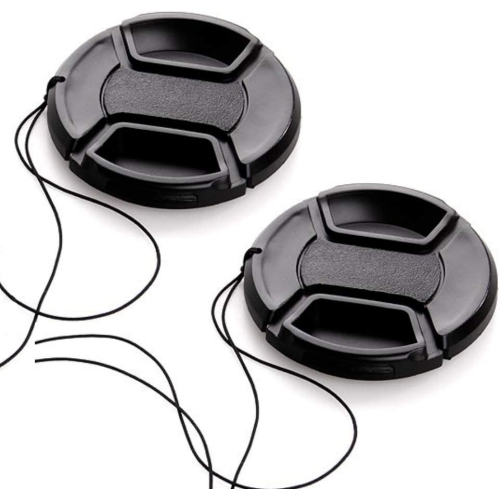 Your price for this item is $9.99
 -
 Your price for this item is $54.99
Discover more categories related to Lens Caps for Nikon
Top Collections:
Pokemon Centers, Kindle Devices, Best Budget Office Chairs, Apple iPhones 16, Best Laptops for Writers, iPhone 15 Apple, Canon G7X Cameras, Refurbished Apple Laptops, Alarm Clock, Motorola Razr Phones
Some products may be subject to Environmental Handling Fees
(EHF) depending on your province.
Learn more about EHFs.