Nikon Speedlights
Our selection of high-quality speedlights is designed to enhance your lighting setup and capture stunning images in any setting. Whether you're a professional photographer or an enthusiastic hobbyist, these versatile tools offer advanced features to help you achieve the perfect shot every time. Explore our range of speedlights and elevate your photography game today.
Sort
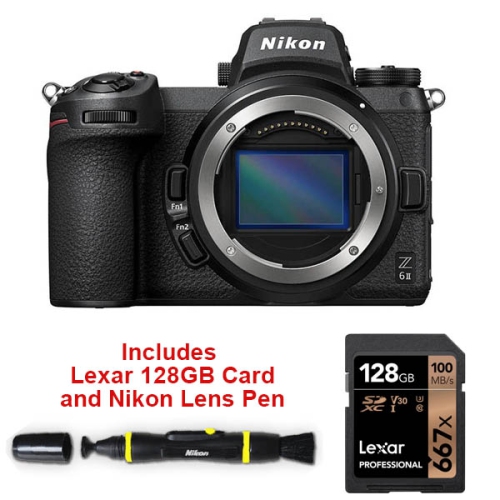
More control over light for portraits and events
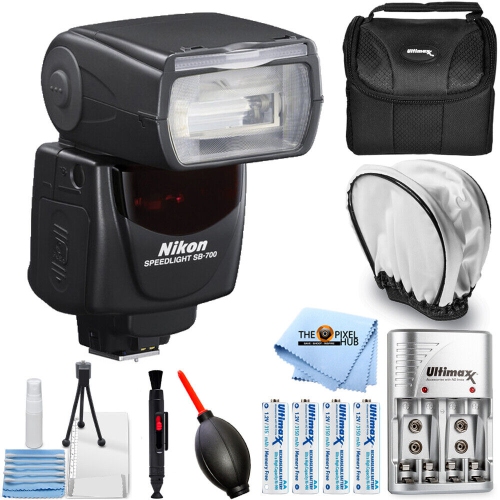
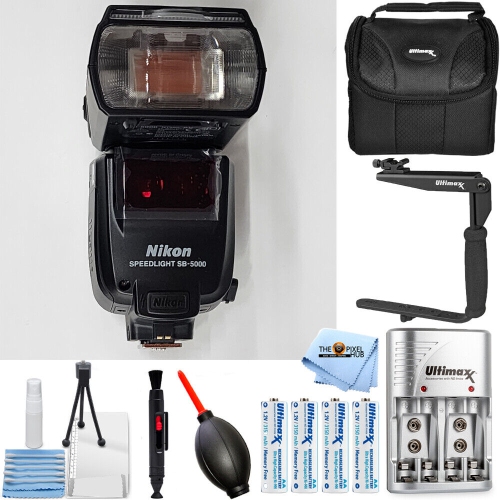
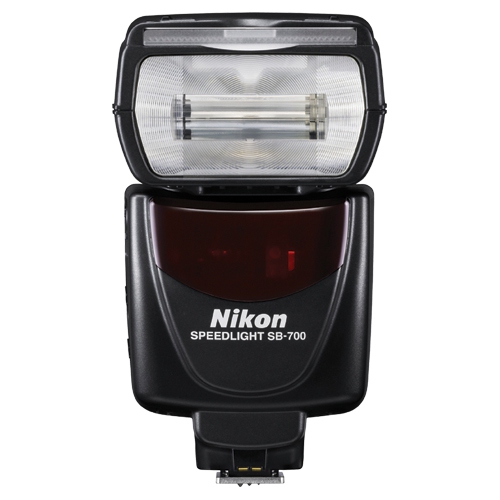
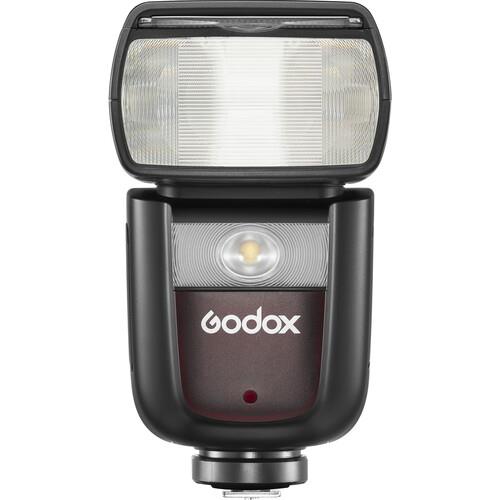
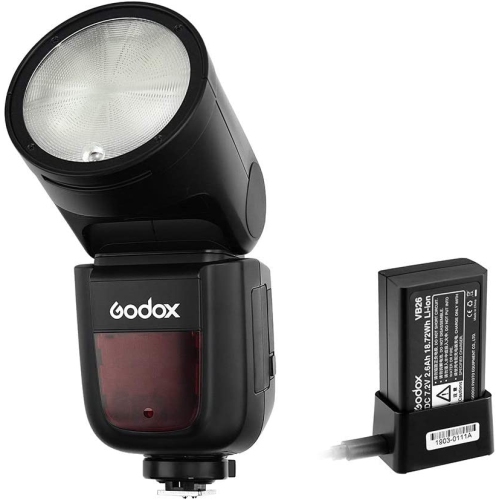
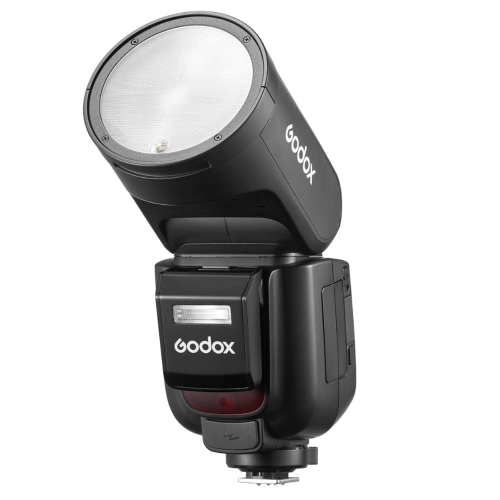
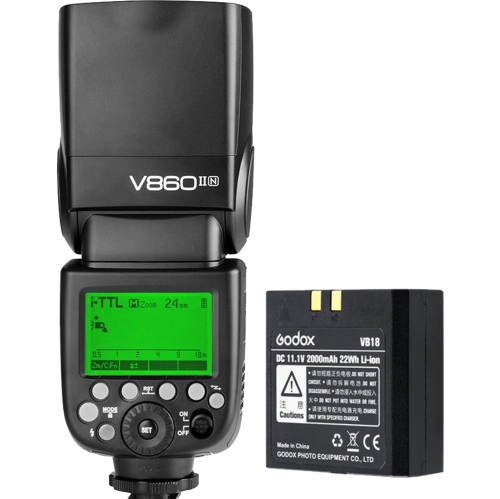
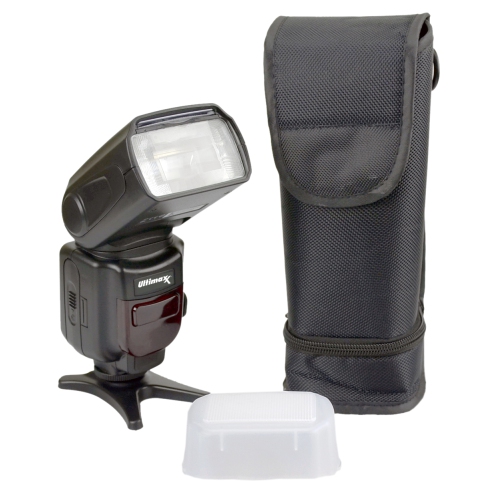
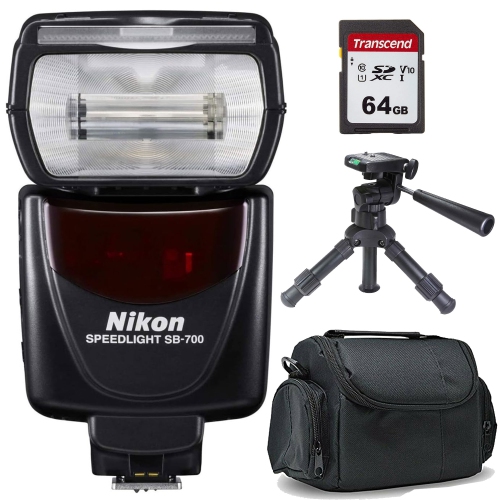
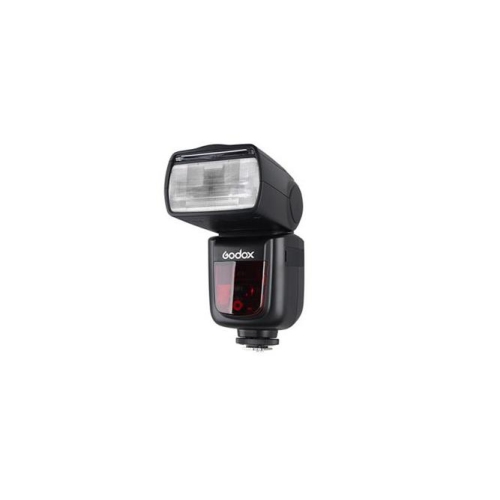
Nikon Speedlights are dedicated external flash units designed to give photographers more control over light than a built-in camera flash can provide. Mounted on a compatible camera’s hot shoe, a speedlight can add soft, directional illumination to portraits, family gatherings, indoor events, travel scenes, product photos, and everyday snapshots when available light is limited. Unlike the small, forward-facing flash built into some cameras, an external unit can often tilt upward, swivel from side to side, and adjust its coverage to suit a wide-angle or telephoto lens. Pointing the flash towards a pale ceiling or nearby wall can create a broader, gentler wash of light, helping to reduce harsh shadows and the flat, direct look that often appears when a subject is illuminated straight from the camera position. For portraits, this can bring a more natural sparkle to the eyes and help separate a person from a dim background. For indoor celebrations during the cooler months, a speedlight can preserve the atmosphere of the room while still keeping faces sharp, even when candles, lamps, or window light are not enough on their own. When choosing a unit, start with camera compatibility and intended use. Check that the flash supports the camera’s metering and exposure functions, including automatic through-the-lens control when that feature is important to your shooting style. It is also worth considering the unit’s guide number, which indicates its available output, as well as its zoom range, tilt and swivel movement, recycle time, battery type, and overall size. A compact flash may be easier to carry on hikes, holidays, and long event days, while a more powerful model can be useful in larger rooms, outdoors after sunset, or when light needs to be bounced from a high ceiling. A rotating head is especially helpful for portrait orientation, since it lets you redirect the light without turning the camera back to landscape position.
Speedlights can be useful for beginners learning the fundamentals of exposure as well as experienced photographers building a more advanced lighting setup. Someone who primarily takes family photos may appreciate a simple automatic mode that helps balance flash with existing room light, while a portrait photographer may prefer manual output adjustments for repeatable results from one frame to the next. Wireless control can expand creative possibilities by allowing the flash to be placed away from the camera, either on a stand, shelf, or other stable support. With the light positioned to one side, behind a subject, or above a small tabletop scene, photographers can create depth, edge lighting, and more dimensional shadows. Some setups use optical communication, while others rely on radio control; the practical difference is that radio systems can often work around corners or across brighter spaces without requiring a clear line of sight. Before purchasing, confirm whether the camera body and flash share the same wireless communication system and whether any additional transmitter, receiver, bracket, or stand is needed. Bounce photography also depends on the surroundings: a low, light-coloured ceiling can produce flattering illumination, whereas a high or dark ceiling may absorb much of the flash output. Diffusers, bounce cards, and small softboxes can further shape the light, though they may reduce brightness and increase the need for higher output or closer positioning. Battery performance matters when photographing a school concert, reception, sporting activity, or busy gathering where there may be little opportunity to stop. Rechargeable batteries can be convenient for frequent use, and carrying a spare set helps reduce interruptions between shots. Look for thermal protection and a cooling design if you expect to take many flashes in succession, particularly at higher power. For close-up work, a controllable flash can reveal texture in flowers, crafts, food, and small objects while keeping the camera settings consistent. It can also be helpful for short video clips when the unit includes a continuous light feature, although a flash and a video light serve different purposes and should be evaluated separately.
A speedlight can make a thoughtful gift for a photographer who has started moving beyond automatic snapshots, especially someone interested in portraits, indoor family photography, events, or creative lighting. It is also a practical addition to a camera bag for travellers who want dependable illumination in museums, restaurants, historic interiors, or evening streets where a tripod is inconvenient or unavailable. Before giving one as a gift, check the recipient’s camera mount and whether they use a DSLR or mirrorless system, since flash compatibility and communication features can vary between camera generations. A sturdy case, spare batteries, a small stand, or a compact diffuser may also complement the main unit, but the flash itself should be selected first for proper fit and useful output. New users can begin with the flash pointed slightly upward and an automatic exposure mode, then experiment with bounce angles, flash compensation, and slower shutter speeds to blend the subject with the background. Keeping the camera’s shutter speed within its supported flash-sync range is important for ordinary shooting, while high-speed sync can help when working outdoors in bright conditions or with a wide aperture. Flash exposure compensation is useful when a face looks too bright or too dark, and manual power is valuable when the same lighting arrangement needs to be recreated across a series of images. For photographers comparing systems, browsing related options such as Canon Flashes can provide helpful context about different mounts, control methods, and feature sets, but compatibility should always be confirmed before purchase. Whether it is used for a softly lit portrait beside a window, a crisp photograph of a birthday cake in a dim room, or a close-up captured at a kitchen table, the right speedlight turns available light into a more deliberate part of the image. Consider where the flash will be used most often, how much equipment the photographer is comfortable carrying, and whether the priority is easy automatic operation, wireless flexibility, greater reach, or precise manual control.
Speedlights can be useful for beginners learning the fundamentals of exposure as well as experienced photographers building a more advanced lighting setup. Someone who primarily takes family photos may appreciate a simple automatic mode that helps balance flash with existing room light, while a portrait photographer may prefer manual output adjustments for repeatable results from one frame to the next. Wireless control can expand creative possibilities by allowing the flash to be placed away from the camera, either on a stand, shelf, or other stable support. With the light positioned to one side, behind a subject, or above a small tabletop scene, photographers can create depth, edge lighting, and more dimensional shadows. Some setups use optical communication, while others rely on radio control; the practical difference is that radio systems can often work around corners or across brighter spaces without requiring a clear line of sight. Before purchasing, confirm whether the camera body and flash share the same wireless communication system and whether any additional transmitter, receiver, bracket, or stand is needed. Bounce photography also depends on the surroundings: a low, light-coloured ceiling can produce flattering illumination, whereas a high or dark ceiling may absorb much of the flash output. Diffusers, bounce cards, and small softboxes can further shape the light, though they may reduce brightness and increase the need for higher output or closer positioning. Battery performance matters when photographing a school concert, reception, sporting activity, or busy gathering where there may be little opportunity to stop. Rechargeable batteries can be convenient for frequent use, and carrying a spare set helps reduce interruptions between shots. Look for thermal protection and a cooling design if you expect to take many flashes in succession, particularly at higher power. For close-up work, a controllable flash can reveal texture in flowers, crafts, food, and small objects while keeping the camera settings consistent. It can also be helpful for short video clips when the unit includes a continuous light feature, although a flash and a video light serve different purposes and should be evaluated separately.
A speedlight can make a thoughtful gift for a photographer who has started moving beyond automatic snapshots, especially someone interested in portraits, indoor family photography, events, or creative lighting. It is also a practical addition to a camera bag for travellers who want dependable illumination in museums, restaurants, historic interiors, or evening streets where a tripod is inconvenient or unavailable. Before giving one as a gift, check the recipient’s camera mount and whether they use a DSLR or mirrorless system, since flash compatibility and communication features can vary between camera generations. A sturdy case, spare batteries, a small stand, or a compact diffuser may also complement the main unit, but the flash itself should be selected first for proper fit and useful output. New users can begin with the flash pointed slightly upward and an automatic exposure mode, then experiment with bounce angles, flash compensation, and slower shutter speeds to blend the subject with the background. Keeping the camera’s shutter speed within its supported flash-sync range is important for ordinary shooting, while high-speed sync can help when working outdoors in bright conditions or with a wide aperture. Flash exposure compensation is useful when a face looks too bright or too dark, and manual power is valuable when the same lighting arrangement needs to be recreated across a series of images. For photographers comparing systems, browsing related options such as Canon Flashes can provide helpful context about different mounts, control methods, and feature sets, but compatibility should always be confirmed before purchase. Whether it is used for a softly lit portrait beside a window, a crisp photograph of a birthday cake in a dim room, or a close-up captured at a kitchen table, the right speedlight turns available light into a more deliberate part of the image. Consider where the flash will be used most often, how much equipment the photographer is comfortable carrying, and whether the priority is easy automatic operation, wireless flexibility, greater reach, or precise manual control.
Top selling and popular products
-
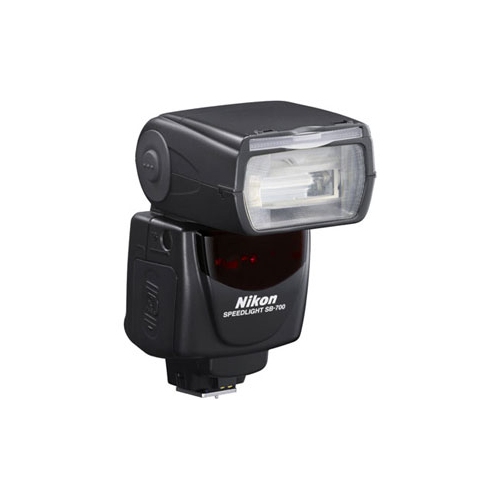 Your price for this item is $479
 -
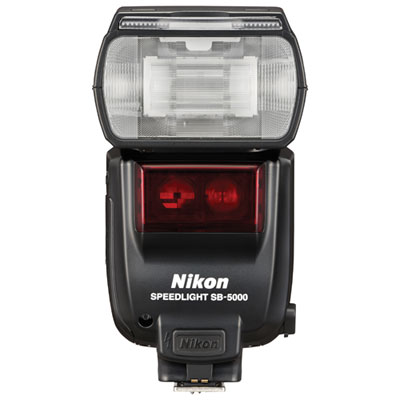 Your price for this item is $768.98
 -
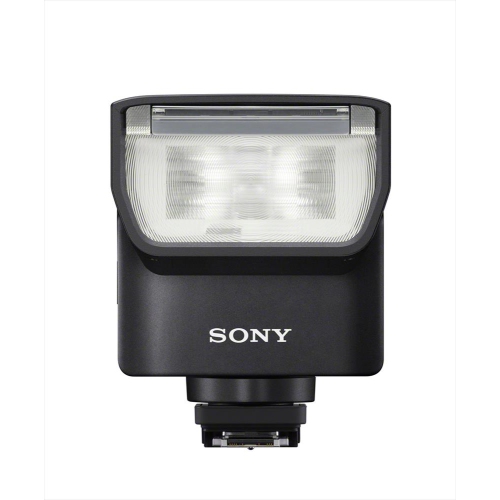 Your price for this item is $328
 -
 Your price for this item is $129
 -
 Your price for this item is $179
 -
 Your price for this item is $349
 -
 Your price for this item is $299
 -
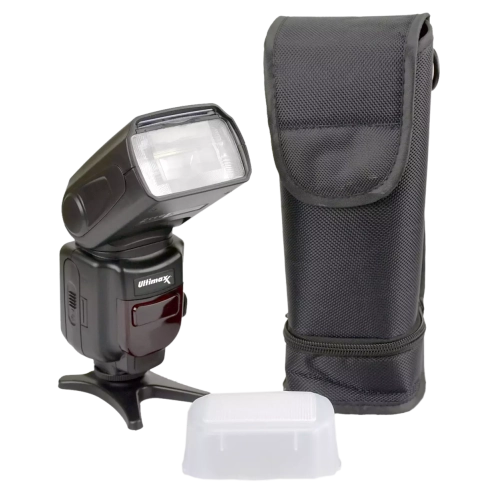 Your price for this item is $149.95
Discover more categories related to Nikon Speedlights
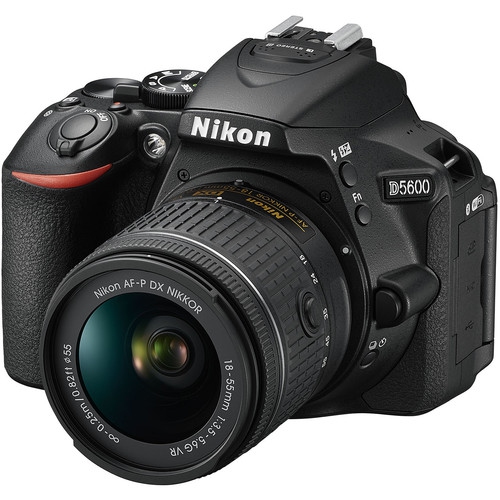
Top Collections:
Pokemon Centers, Kindle Devices, Best Budget Office Chairs, Apple iPhones 16, Best Laptops for Writers, iPhone 15 Apple, Canon G7X Cameras, Refurbished Apple Laptops, Alarm Clock, Motorola Razr Phones
Some products may be subject to Environmental Handling Fees
(EHF) depending on your province.
Learn more about EHFs.