Point And Shoot Cameras Under $100
Capture life's moments with ease and affordability by exploring point and shoot cameras under $100. Perfect for casual photographers, travelers, or anyone looking to snap quick photos without breaking the bank, these cameras offer a simple way to preserve memories. Discover a range of options that combine convenience and value, making it easier than ever to enjoy photography on a budget. Find the ideal point and shoot camera under $100 to suit your needs and start capturing everyday moments effortlessly.
Sort
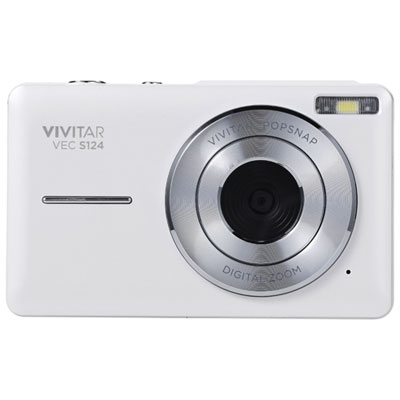
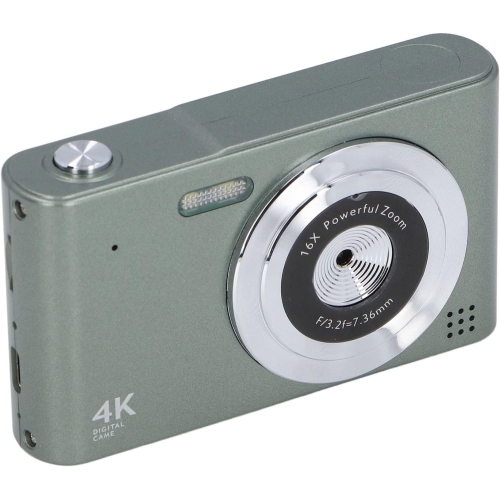
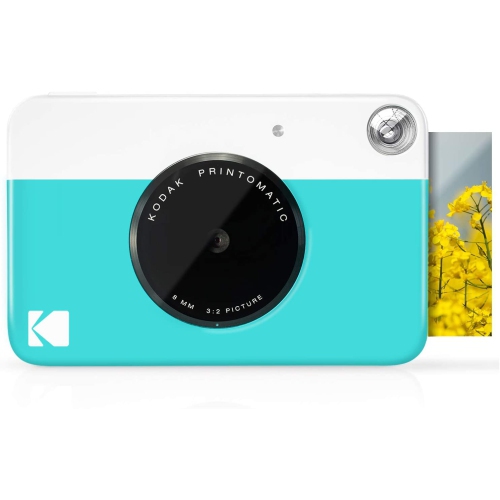
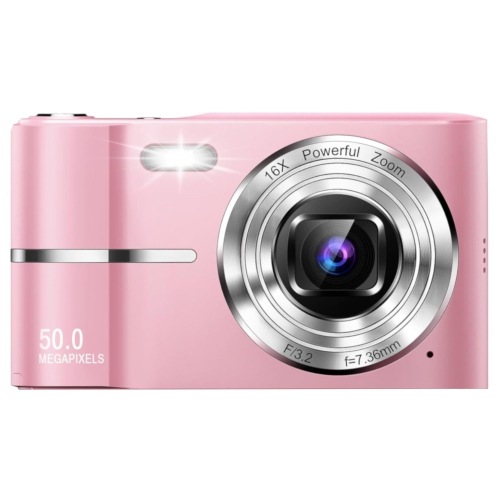
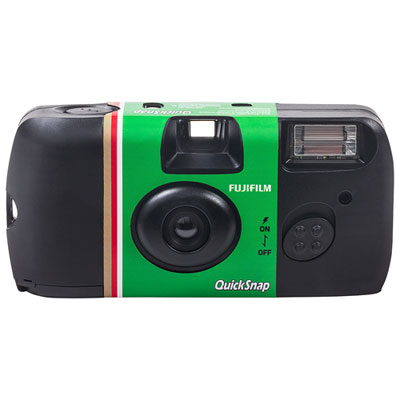
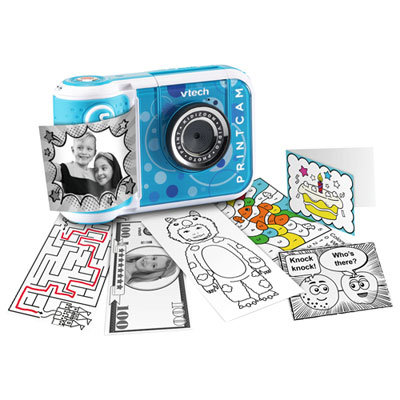
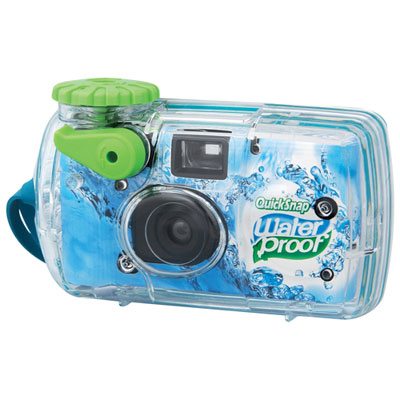
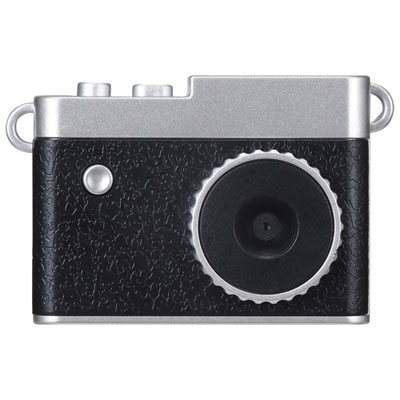
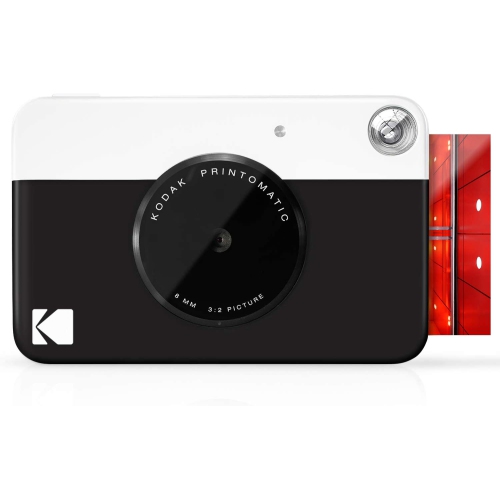
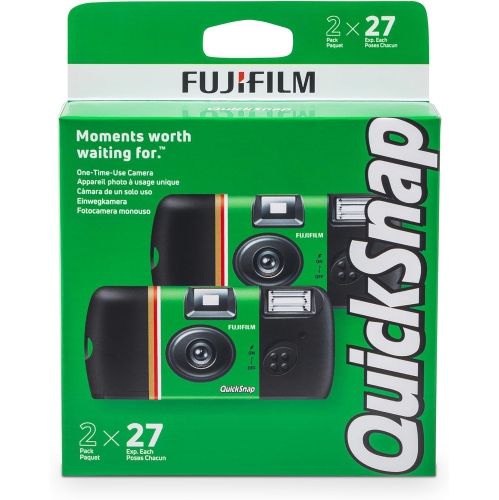
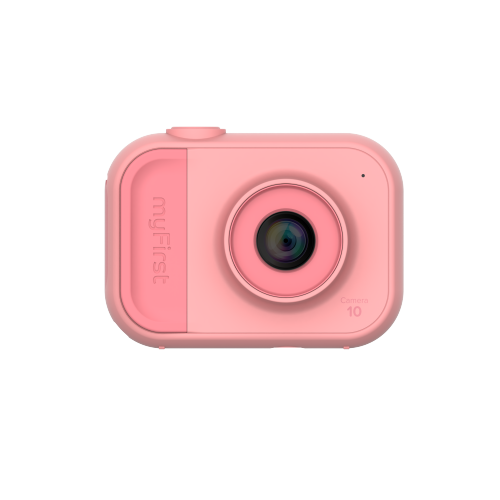
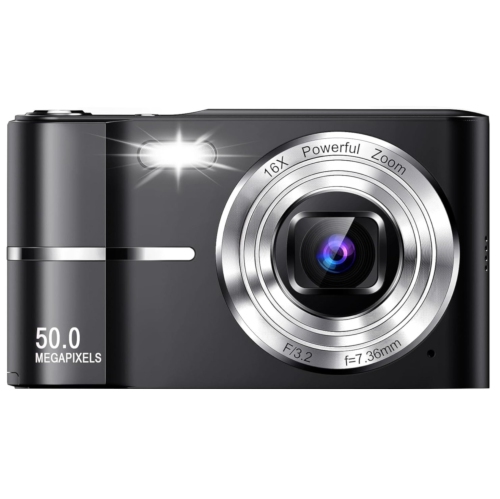
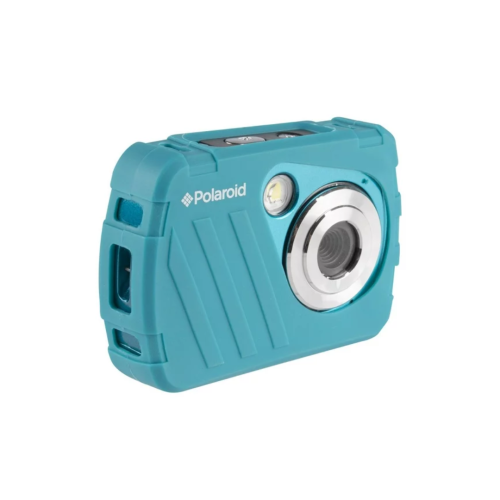
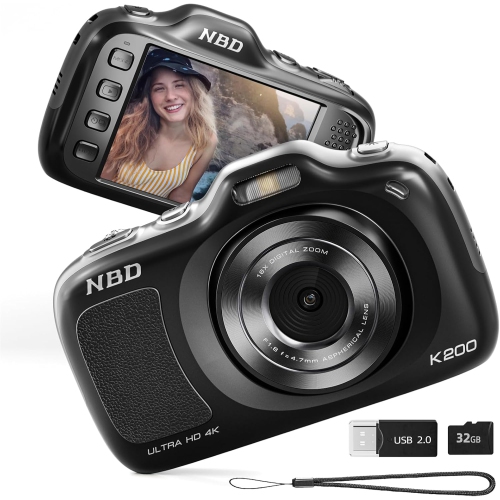
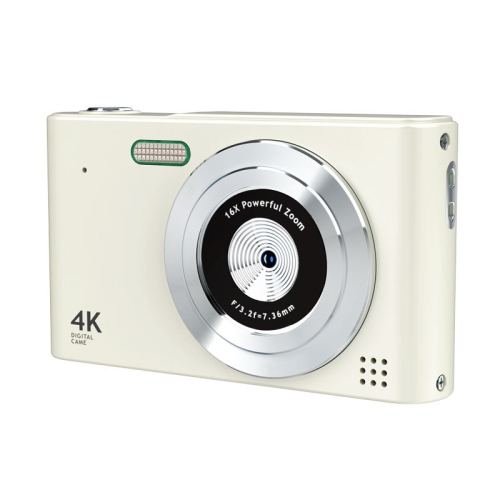
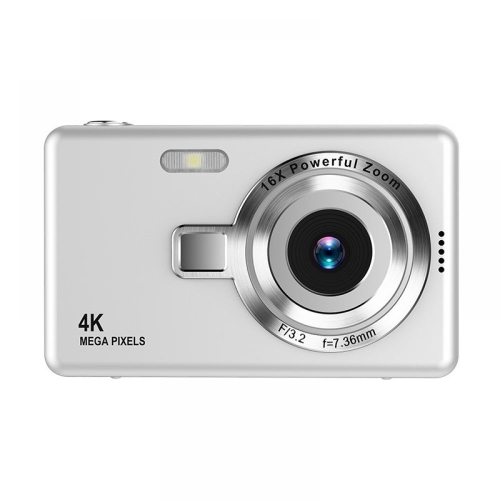
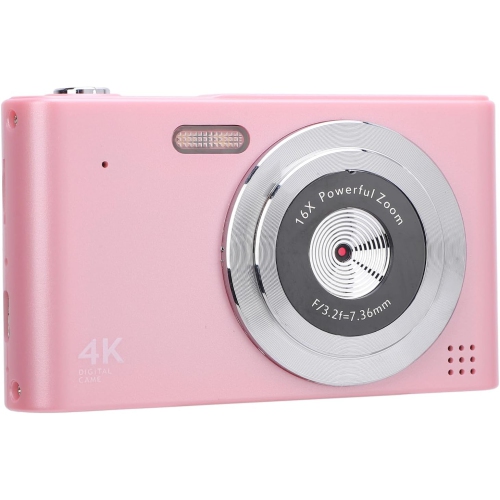
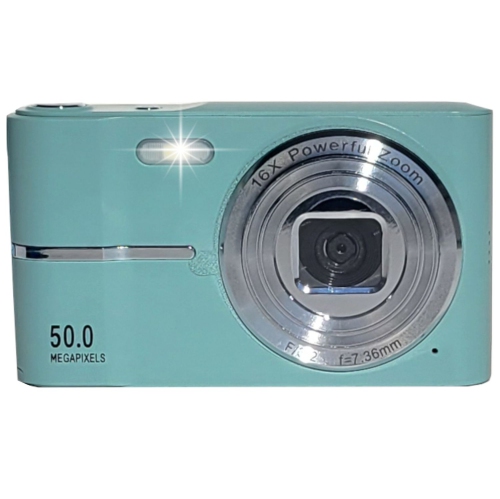
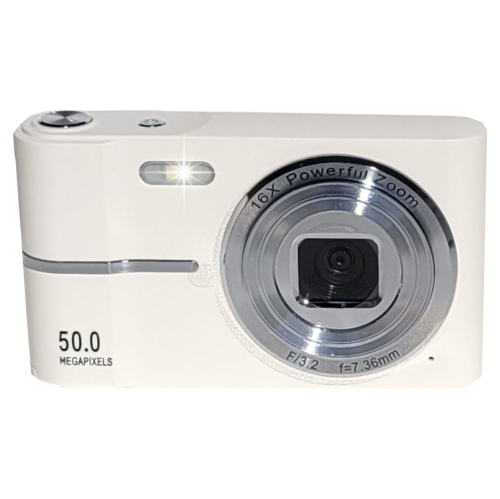
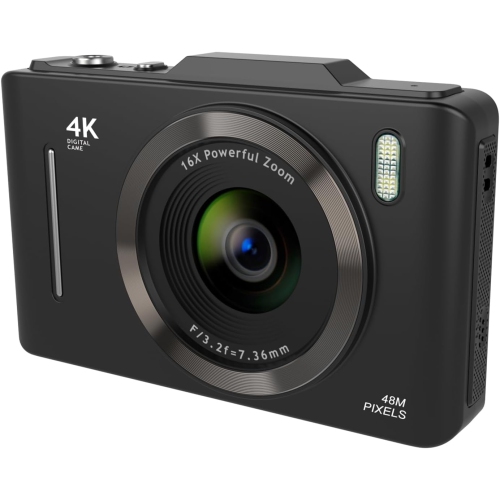
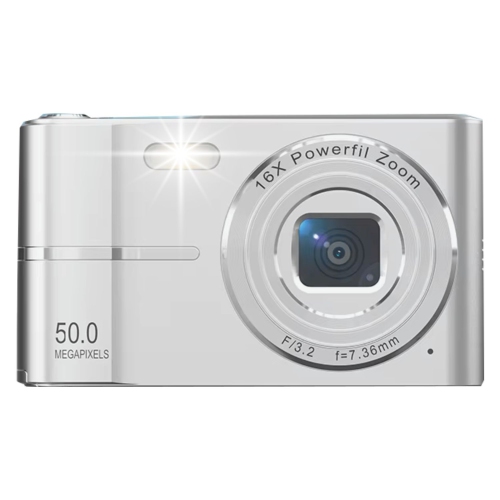
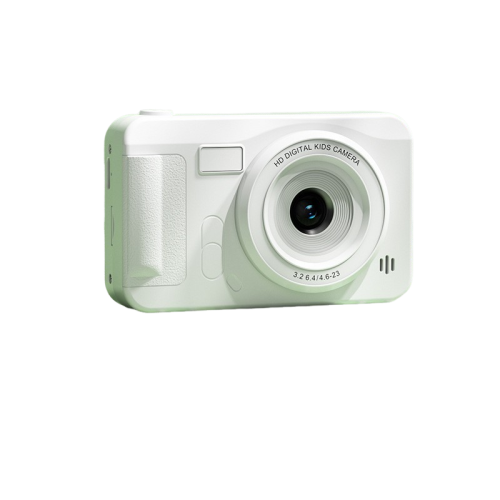
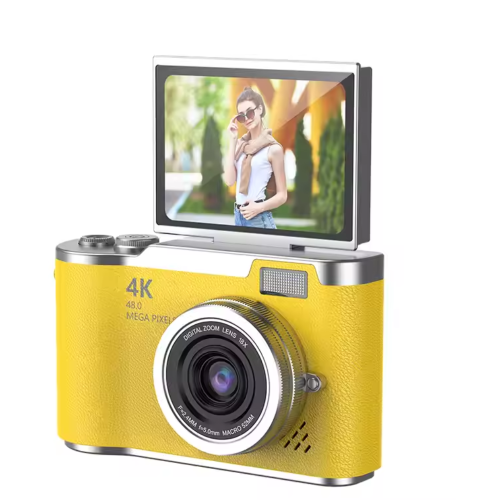
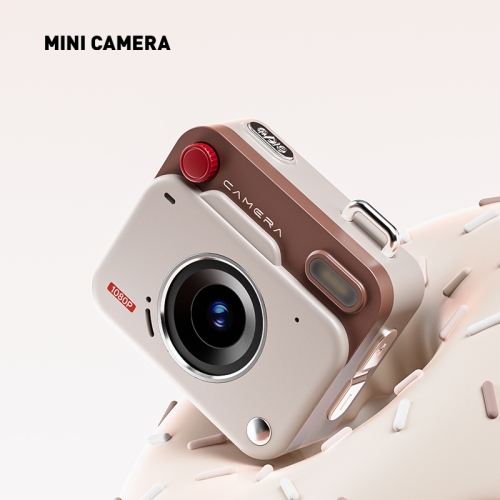
Everyday snapshots without the distractions of a phone
Point-and-shoot cameras are compact, self-contained cameras designed for everyday photography without interchangeable lenses or extensive manual setup. Their appeal is straightforward: a dedicated shutter button, a screen for framing pictures, and a device that can stay focused on taking photos rather than messages and notifications. Simple digital cameras suit casual outings, family gatherings, school projects, and the small scenes that catch the eye on a walk, from colourful leaves along a path to a pet stretched across a sunny windowsill. They can also give children and beginners a hands-on introduction to composition, timing, and holding a camera steady. Features vary considerably, so a point-and-shoot design does not necessarily mean autofocus, optical zoom, or wireless sharing is included. Some cameras use fixed-focus lenses, which work best within a particular distance range; others adjust focus automatically when the shutter button is pressed halfway. Entry-level cameras often have lightweight plastic bodies and basic imaging hardware, making them easy to carry but not necessarily capable of better pictures than a recent smartphone. That distinction matters for anyone expecting sharper night photos or more detailed images simply because the device is a dedicated camera. The attraction may instead be the tactile experience, the separation from a phone, or the pleasure of handing a camera to a friend and seeing what they notice. For a young photographer, a weekend away can become a collection of doorways, interesting shadows, and candid family moments rather than a sequence of perfect portraits. As gifts, these cameras can suit people who enjoy documenting daily life and prefer physical controls over a touchscreen-only experience. Ease of use depends on practical details such as readable menus, clearly marked buttons, and a comfortable grip, not just the number of shooting modes. A simple layout can be especially welcome when the camera changes hands at a gathering or belongs to someone still learning the basics.
Image quality in a compact digital camera depends on the sensor, lens, processing, and available light, rather than the advertised megapixel count alone. Some resolution figures may refer to interpolated output, where software increases the image dimensions without capturing an equivalent amount of extra detail. For everyday snapshots, natural-looking colour, reliable focus, and manageable motion blur are often more useful than a very large file. Daylight generally gives basic cameras their best opportunity to capture clear pictures, particularly when the subject is still and the light falls across it evenly. A portrait near a window or a landscape on a bright, overcast afternoon is usually less demanding than children running through a dim living room. In lower light, small sensors can produce visible grain and lose fine detail, while longer exposures make hand movement more noticeable. A built-in flash, where fitted, can brighten nearby faces and create the direct, high-contrast look associated with casual snapshots, but its reach is limited and it cannot illuminate an entire hall. Zoom descriptions deserve similar attention. Optical zoom changes the lens’s focal length to frame a distant subject more tightly, while digital zoom typically crops and enlarges the image, potentially reducing detail. A large digital zoom figure therefore does not offer the same result as an equivalent optical zoom range. Screen size and visibility also affect the experience: a rear display is useful for framing a group photo or reviewing a picture, but a small preview may conceal blur that becomes obvious on a computer. Video, self-timers, face detection, and image stabilisation may be useful extras when included, although their implementation differs between cameras. A self-timer can make a tabletop group portrait easier, while basic video capture may be enough for a short greeting rather than detailed footage of a sporting event. The wider collection of point-and-shoot cameras provides another place to compare feature combinations, with attention to the stated specifications rather than assumptions about what every compact camera includes.
The physical details of a camera influence how often it leaves the house and how comfortably it fits into daily routines. Lightweight plastic housings are practical for carrying in a small bag, although they can scuff and should not be assumed to withstand drops. A textured grip and an accessible shutter button can make a small camera easier to hold, especially for someone whose fingers cover closely spaced controls. For children, age suitability and supervision matter, particularly around batteries, memory cards, and straps. A properly fitted wrist strap can help prevent an accidental slip, while a padded pouch keeps the body and screen from rubbing against keys or other hard objects. Compact does not mean weatherproof: rain, blowing snow, sand, and drinks on a crowded table can all pose problems unless the camera has a suitable stated protection rating. During the cooler months, battery life may shorten outdoors, and moving a cold camera into a warm room can cause condensation. Keeping it in a closed bag while it gradually warms can help reduce sudden exposure to warm, moist air. Everyday care is otherwise uncomplicated. Dust can be removed with a camera-safe blower, and a clean lens cloth helps lift fingerprints without scratching the lens; household cleaners and rough tissues are best kept away from optical surfaces. Battery type, charging method, and storage compatibility are equally important parts of ownership. Some cameras use removable rechargeable batteries, some charge through a cable, and others use replaceable cells, so preparation for a day trip depends on the design. Memory card format and capacity limits should match the camera’s requirements, and a card should not be assumed to be included. Moving photos to a computer may require a compatible USB connection or card reader rather than Wi-Fi. Saving another copy before deleting images from the camera helps preserve birthday portraits, travel snapshots, and early experiments in photography. With realistic expectations and a little routine care, a simple compact camera can make taking pictures feel deliberate, approachable, and pleasantly separate from the rest of a connected day.
Image quality in a compact digital camera depends on the sensor, lens, processing, and available light, rather than the advertised megapixel count alone. Some resolution figures may refer to interpolated output, where software increases the image dimensions without capturing an equivalent amount of extra detail. For everyday snapshots, natural-looking colour, reliable focus, and manageable motion blur are often more useful than a very large file. Daylight generally gives basic cameras their best opportunity to capture clear pictures, particularly when the subject is still and the light falls across it evenly. A portrait near a window or a landscape on a bright, overcast afternoon is usually less demanding than children running through a dim living room. In lower light, small sensors can produce visible grain and lose fine detail, while longer exposures make hand movement more noticeable. A built-in flash, where fitted, can brighten nearby faces and create the direct, high-contrast look associated with casual snapshots, but its reach is limited and it cannot illuminate an entire hall. Zoom descriptions deserve similar attention. Optical zoom changes the lens’s focal length to frame a distant subject more tightly, while digital zoom typically crops and enlarges the image, potentially reducing detail. A large digital zoom figure therefore does not offer the same result as an equivalent optical zoom range. Screen size and visibility also affect the experience: a rear display is useful for framing a group photo or reviewing a picture, but a small preview may conceal blur that becomes obvious on a computer. Video, self-timers, face detection, and image stabilisation may be useful extras when included, although their implementation differs between cameras. A self-timer can make a tabletop group portrait easier, while basic video capture may be enough for a short greeting rather than detailed footage of a sporting event. The wider collection of point-and-shoot cameras provides another place to compare feature combinations, with attention to the stated specifications rather than assumptions about what every compact camera includes.
The physical details of a camera influence how often it leaves the house and how comfortably it fits into daily routines. Lightweight plastic housings are practical for carrying in a small bag, although they can scuff and should not be assumed to withstand drops. A textured grip and an accessible shutter button can make a small camera easier to hold, especially for someone whose fingers cover closely spaced controls. For children, age suitability and supervision matter, particularly around batteries, memory cards, and straps. A properly fitted wrist strap can help prevent an accidental slip, while a padded pouch keeps the body and screen from rubbing against keys or other hard objects. Compact does not mean weatherproof: rain, blowing snow, sand, and drinks on a crowded table can all pose problems unless the camera has a suitable stated protection rating. During the cooler months, battery life may shorten outdoors, and moving a cold camera into a warm room can cause condensation. Keeping it in a closed bag while it gradually warms can help reduce sudden exposure to warm, moist air. Everyday care is otherwise uncomplicated. Dust can be removed with a camera-safe blower, and a clean lens cloth helps lift fingerprints without scratching the lens; household cleaners and rough tissues are best kept away from optical surfaces. Battery type, charging method, and storage compatibility are equally important parts of ownership. Some cameras use removable rechargeable batteries, some charge through a cable, and others use replaceable cells, so preparation for a day trip depends on the design. Memory card format and capacity limits should match the camera’s requirements, and a card should not be assumed to be included. Moving photos to a computer may require a compatible USB connection or card reader rather than Wi-Fi. Saving another copy before deleting images from the camera helps preserve birthday portraits, travel snapshots, and early experiments in photography. With realistic expectations and a little routine care, a simple compact camera can make taking pictures feel deliberate, approachable, and pleasantly separate from the rest of a connected day.
Top selling and popular products
-
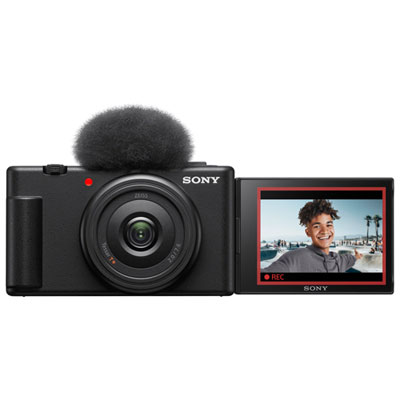 Your price for this item is $649.99
 -
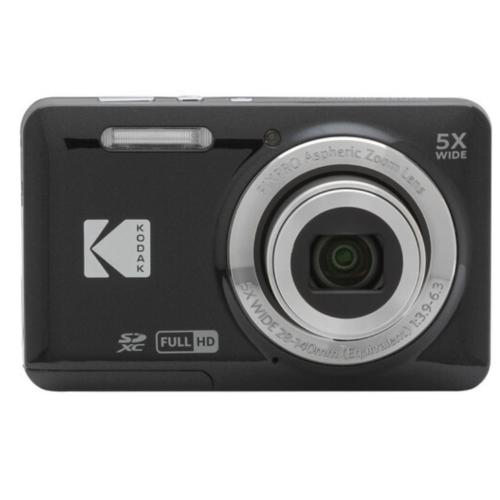 Your price for this item is $253
 -
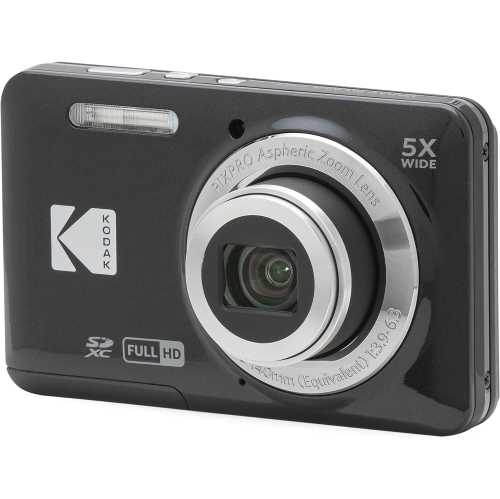 Your price for this item is $255
 -
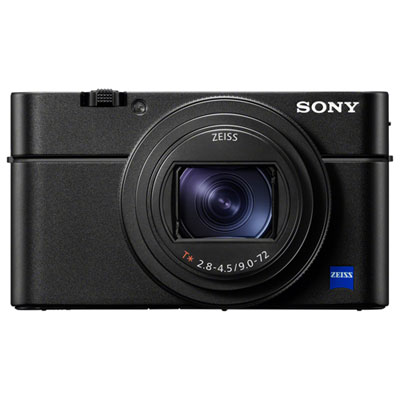 Your price for this item is $1999.99
 -
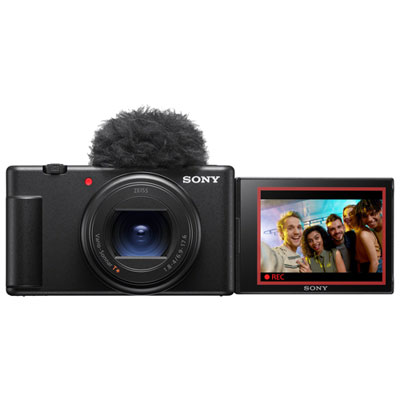 Your price for this item is $1199.99
 -
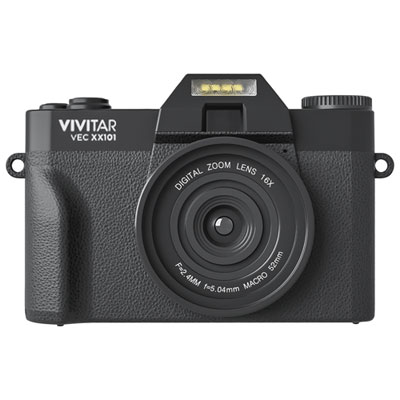 Your price for this item is $199.99
 -
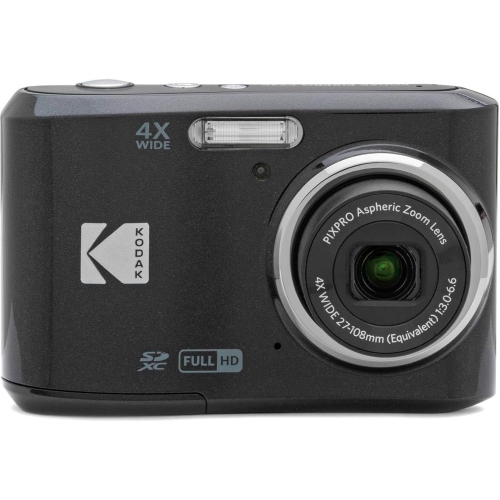 Your price for this item is $185
 -
 Your price for this item is $278
Discover more categories related to Point And Shoot Cameras Under $100
Top Collections:
Pokemon Centers, Kindle Devices, Best Budget Office Chairs, Apple iPhones 16, Best Laptops for Writers, iPhone 15 Apple, Canon G7X Cameras, Refurbished Apple Laptops, Alarm Clock, Motorola Razr Phones
Some products may be subject to Environmental Handling Fees
(EHF) depending on your province.
Learn more about EHFs.