Point And Shoot Waterproof Cameras
Capture every adventure with ease using point and shoot waterproof cameras, designed for effortless photography in a variety of environments. Whether you're exploring the beach, hiking near waterfalls, or enjoying poolside fun, these cameras offer reliable performance without the need for complicated settings. Discover a range of options that combine portability and durability, making them ideal companions for vacations, outdoor activities, and everyday moments. Find the perfect point and shoot waterproof camera to help you preserve memories wherever life takes you.
Sort
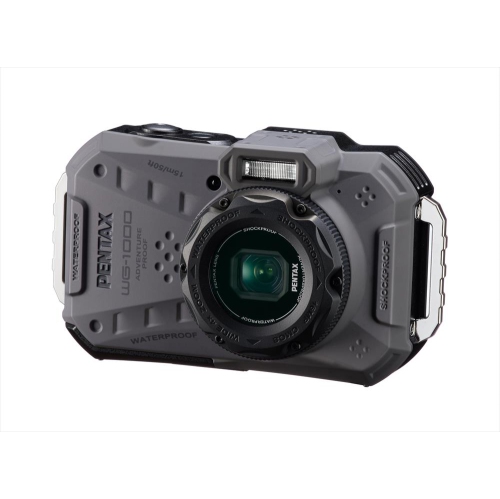
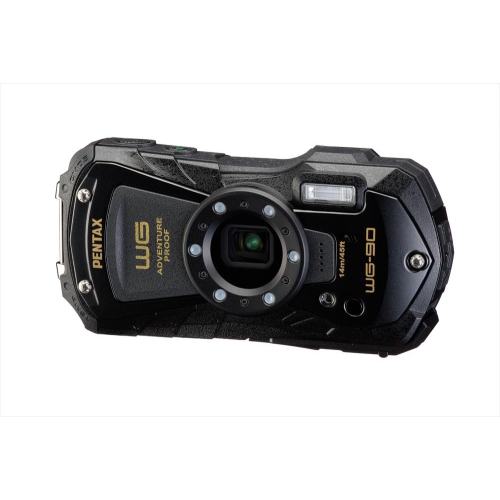

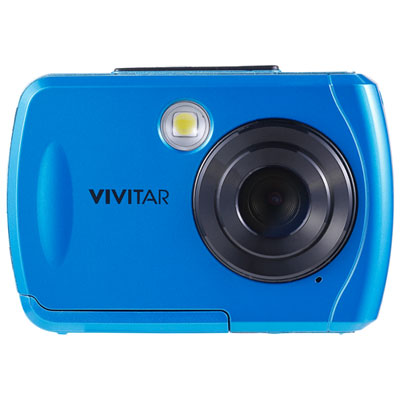
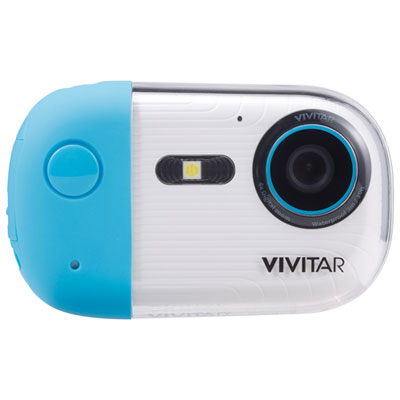
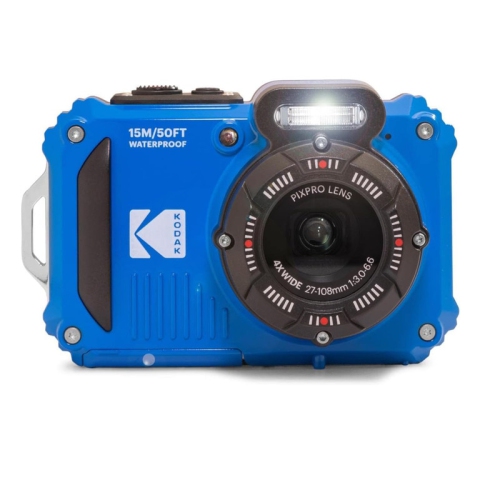
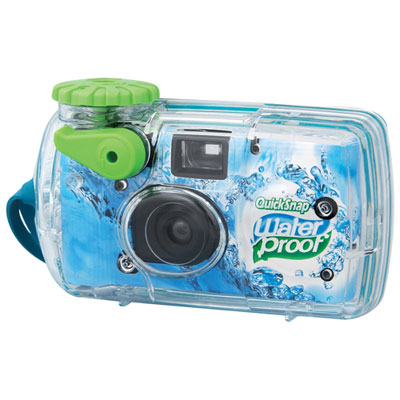
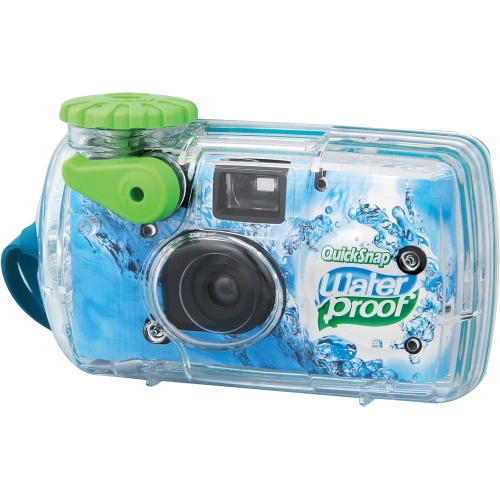
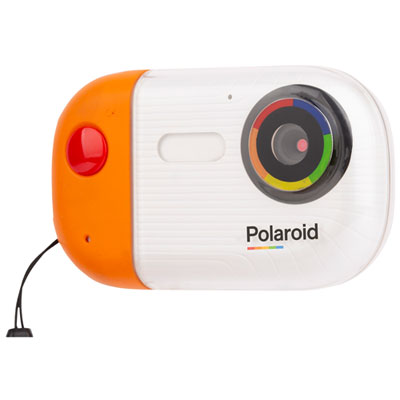


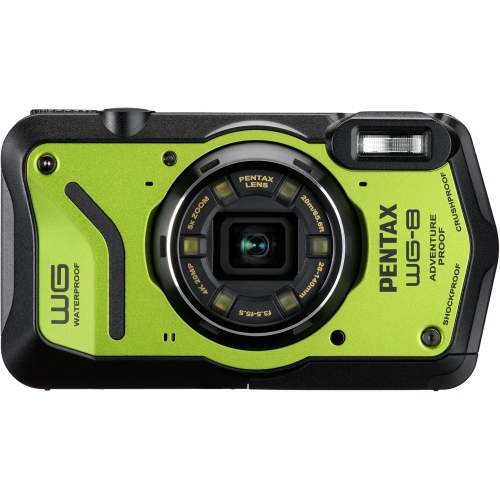
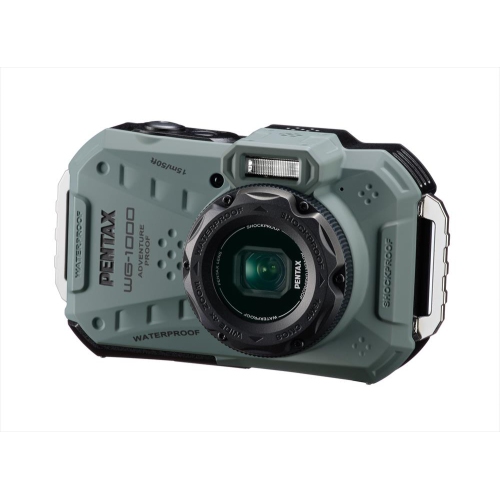
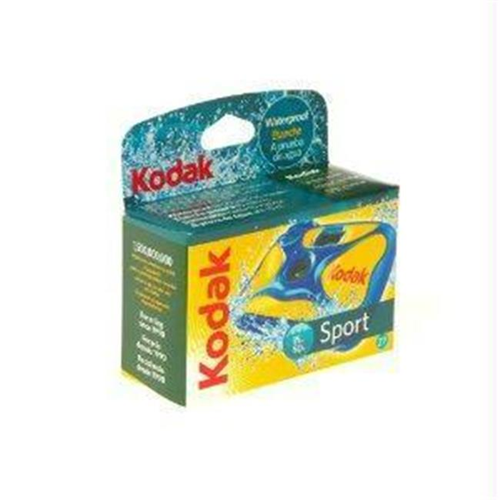
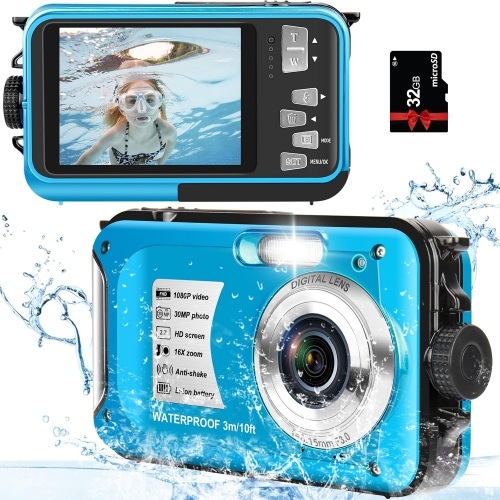

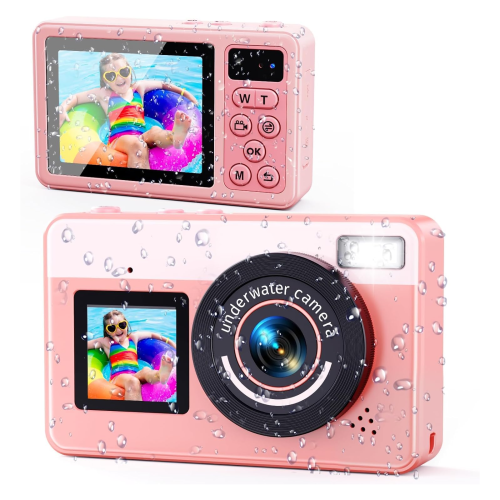
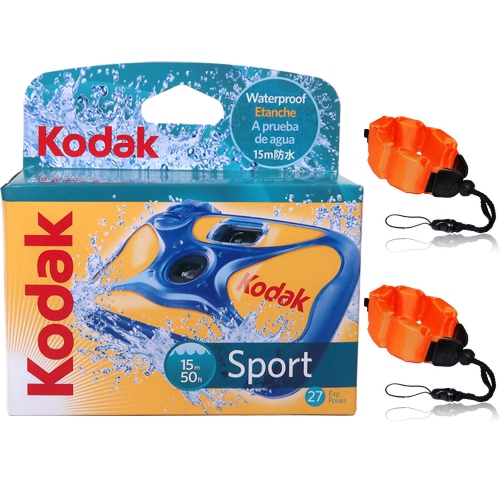
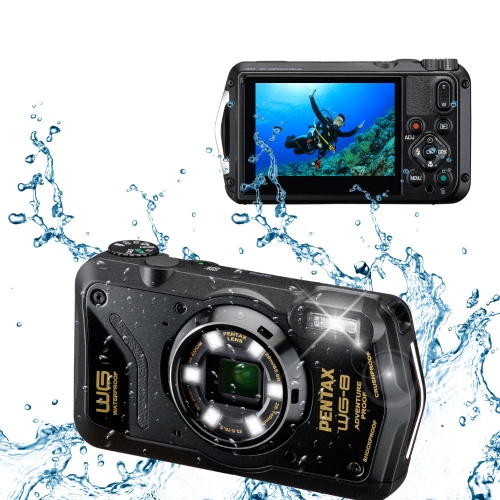
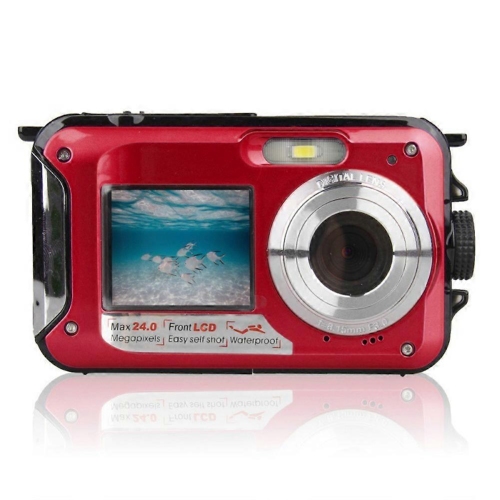
Simple photography for pool days and paddling trips
Point-and-shoot waterproof cameras bring the simplicity of a compact digital camera to places where splashes, wet hands, and sudden rain are part of the day. They are designed for straightforward photography without interchangeable lenses, with automatic exposure and focus that let the photographer concentrate on the moment rather than a series of settings. For families, travellers, paddlers, and casual snorkellers, that can mean capturing a child’s first swimming lesson, clear water beneath a dock, or spray lifting off the bow of a kayak while keeping a phone safely tucked away. The defining feature is a sealed body rated for use in water, but the permitted depth and duration vary by model. A waterproof rating applies under the manufacturer’s stated test conditions; it does not mean a camera can remain underwater indefinitely or withstand every kind of water pressure. Splash resistance alone is not enough for swimming or underwater photography, and an IP rating needs to be read alongside the specified immersion limits. A camera suited to surface snorkelling may not be suitable for scuba diving without a compatible underwater housing. Within this category, differences in lens design, sensor size, screen visibility, and control layout shape the experience just as much as the waterproof specification. A wide-angle view helps fit a group into a poolside photo or include more of a rocky shoreline, while optical zoom, where included, brings a distant subject closer without relying solely on digital enlargement. Compact proportions also make these cameras practical companions for cottage weekends and trips with limited luggage space. Shoppers considering similar pocket-sized designs can explore Compact Waterproof Cameras for the same emphasis on portability and water-ready construction. The appeal is a dedicated camera that is easy to carry, quick to use, and built for the conditions described in its specifications, whether the day involves a quiet lakeside walk or an afternoon in the pool.
Image quality depends on more than megapixels, particularly when photographing moving swimmers, shaded forest trails, or subjects beneath the water’s surface. Sensor size, lens brightness, autofocus performance, and image processing all influence how much detail a camera captures and how clean an image looks in dim light. Higher resolution can leave room for cropping, but it does not automatically produce sharper photographs. A lens with a wider maximum aperture can gather more light, while stabilization can help reduce blur caused by small hand movements; neither replaces a sufficiently fast shutter speed when the subject is moving. Underwater scenes present their own challenges because water absorbs light and changes how colours appear, with warm tones fading as depth and distance increase. Underwater scene modes or white balance settings can help compensate, although their effectiveness depends on the light and water conditions. Getting physically closer to a subject, without touching wildlife or disturbing the bottom, often produces clearer results than using a long zoom through cloudy water. Built-in flash can illuminate nearby details, but suspended particles may reflect that light as bright specks. These differences matter for everyday memories as well as more deliberate photography: a close picture of a shell in shallow water places different demands on a camera than a fast-moving child leaping into a pool. Some waterproof point-and-shoot cameras include close-focus modes for small details, burst shooting for brief action sequences, or RAW capture for photographers who want more flexibility when editing. Video capabilities also vary, from Full HD to 4K, with frame rate, stabilization, and autofocus affecting the finished clip alongside resolution. Clear footage of a paddle cutting through the water depends on steady handling as well as the camera’s specifications. Where offered, Wi-Fi or Bluetooth can make transferring photos more convenient once the camera is out of the water, though wireless connections should not be expected to work reliably while submerged. Battery life, memory card compatibility, and supported video formats round out the features that influence how comfortably a camera fits into a day away.
The best fit for an active outing involves handling and construction as much as imaging features. Waterproof camera bodies commonly combine rigid plastic or metal components with seals around openings, and some designs add textured grips or protective sections around areas likely to take a knock. A secure hold matters when fingers are wet or cold, while well-spaced physical buttons can be easier to operate than a touchscreen alone. Screen size and brightness influence how easily a scene can be framed in strong daylight, and wrist straps help keep a small camera close during everyday use. A compatible floating strap may provide extra reassurance around water, but its buoyancy needs to support the camera and any attached accessories. Waterproof, shockproof, dustproof, and freezeproof claims describe different capabilities; one rating does not imply the others. A camera intended for cooler-weather hikes or snowy outings needs its own stated low-temperature limits, and cold conditions can shorten battery runtime even when the body is rated for that temperature. These practical details also make waterproof point-and-shoot cameras thoughtful gifts for a keen swimmer, a frequent traveller, or someone who enjoys documenting weekend adventures without managing a larger camera kit. For younger photographers, manageable size, simple menus, and secure carrying options may matter more than advanced manual controls, with adult help needed to check compartment locks and seals. Care remains important regardless of how rugged the camera feels. Battery and memory card doors need to be fully closed and locked before water exposure, with sealing surfaces free of sand, hair, and other debris. After saltwater or pool use, the manufacturer’s fresh-water cleaning procedure helps remove residue that can affect buttons and seals. The exterior should be thoroughly dried before any compartment is opened, and batteries or cards should be changed with dry hands away from spray. Hot tubs, saunas, strong jets, and high-impact water entry may fall outside a camera’s approved conditions. Following the specified cleaning, storage, and seal-maintenance requirements helps preserve the protection that makes these compact cameras useful in the first place.
Top selling and popular products
-
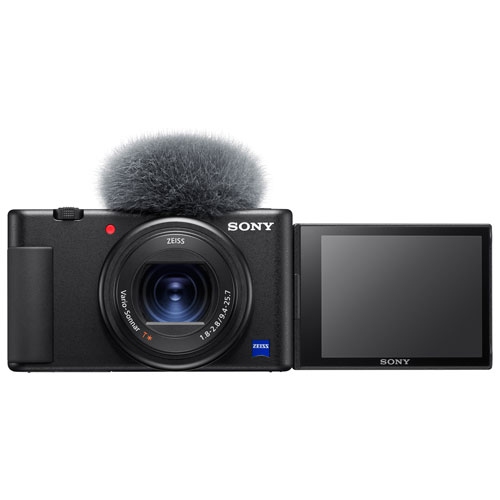 Your price for this item is $804.97
-
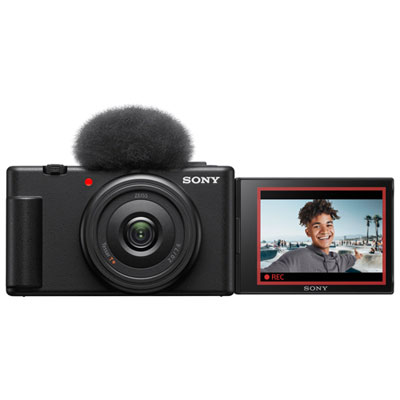 Your price for this item is $649.99
-
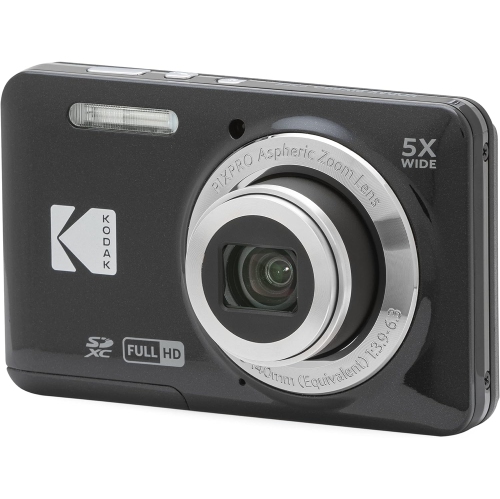 Your price for this item is $255
-
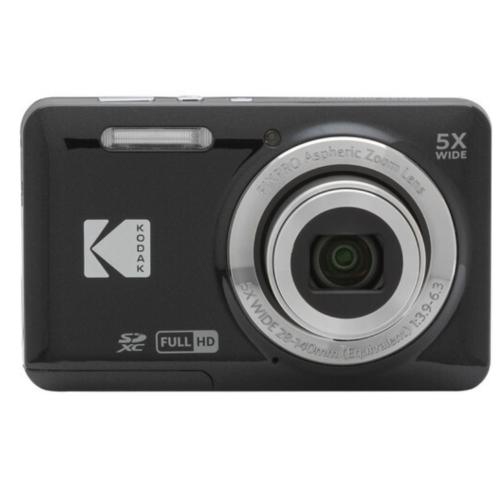 Your price for this item is $253
-
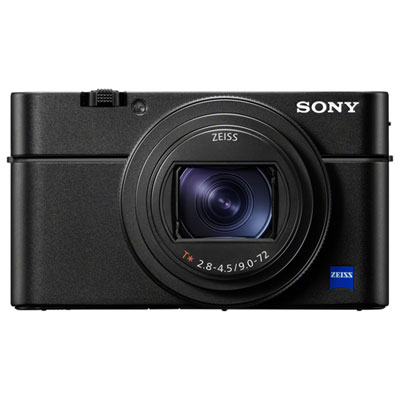 Your price for this item is $1999.99
-
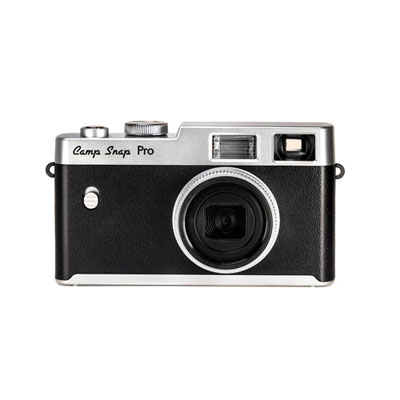 Your price for this item is $99.99
-
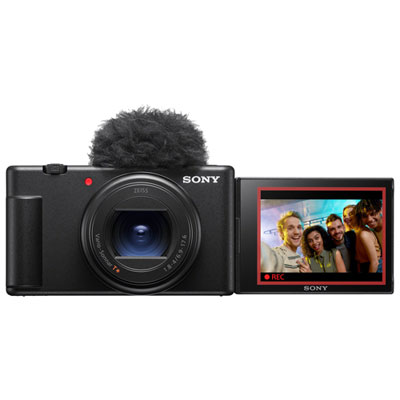 Your price for this item is $1199.99
-
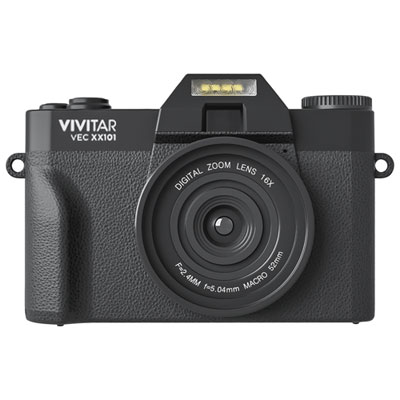 Your price for this item is $249.99
Discover more categories related to Point And Shoot Waterproof Cameras
Top Collections:
Pokemon Centers, Best Budget Office Chairs, Kindle Devices, Best Cameras for Sports Photography, Pokémon 30th Celebration Cards, Best Laptops for Writers, Apple iPhones 16, Laptops for Business Work, Canon G7X Cameras, iPhone 15 Apple
Some products may be subject to Environmental Handling Fees
(EHF) depending on your province.
Learn more about EHFs.