Quadcopter Drones
Elevate your aerial adventures with a quadcopter drone, the perfect fusion of cutting-edge technology and exhilarating flight. Whether you're an aspiring filmmaker capturing breathtaking landscapes or simply looking to explore the skies from a fresh perspective, these drones offer an unmatched combination of agility and precision. With intuitive controls and advanced stabilization features, piloting a quadcopter drone is both accessible and thrilling for enthusiasts of all skill levels. Discover the freedom of flight and unlock new creative possibilities with a quadcopter drone that suits your needs.
Sort

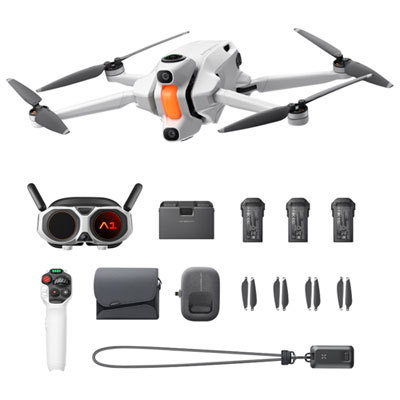
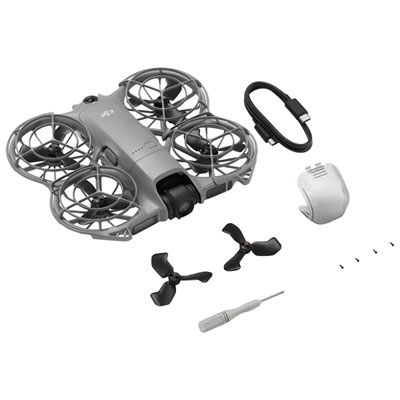
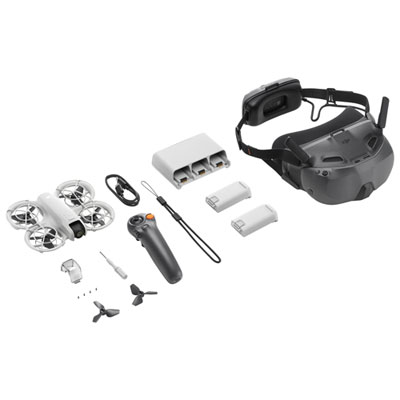
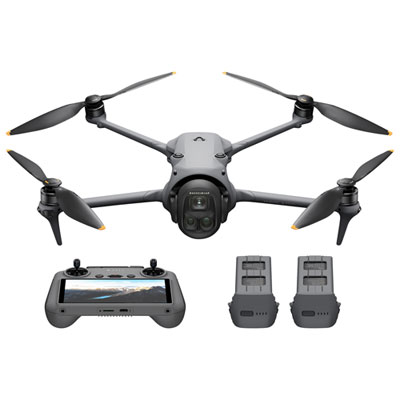
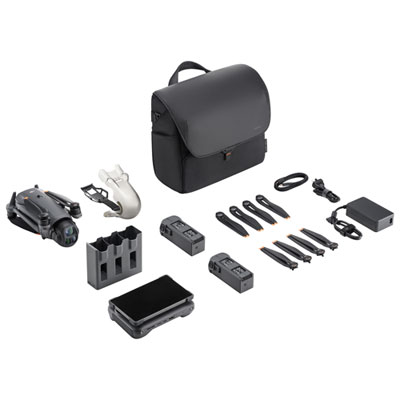
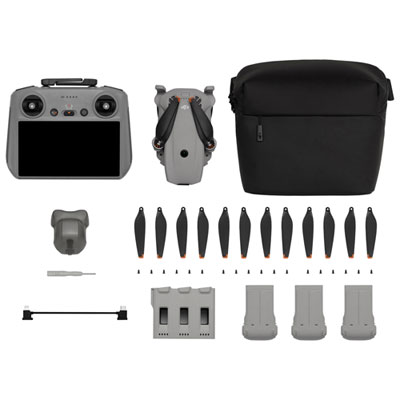
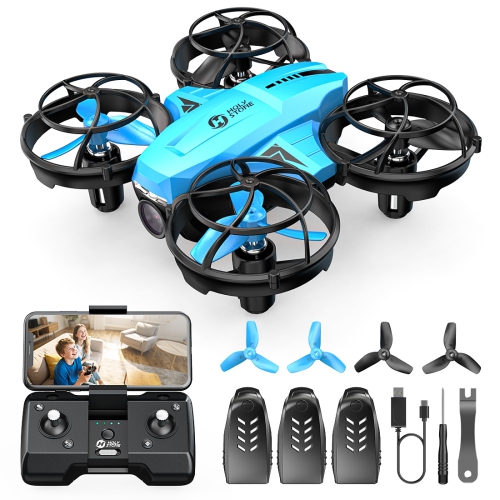
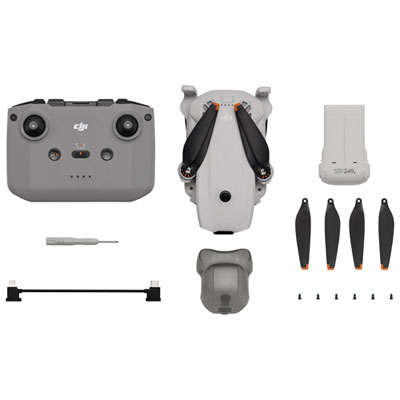
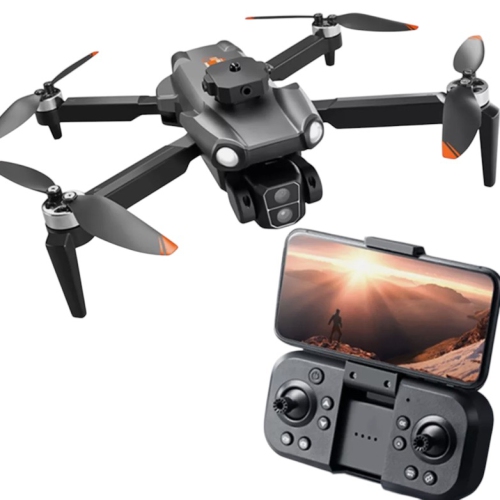
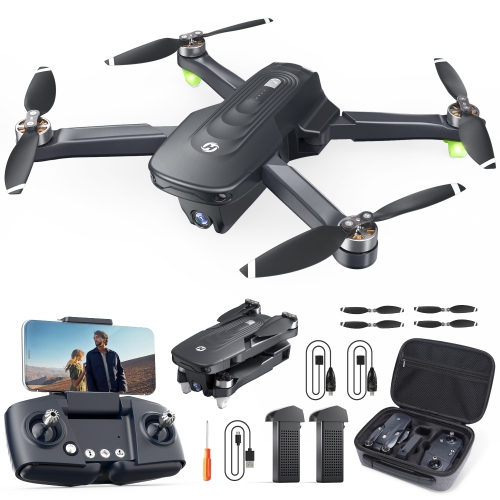
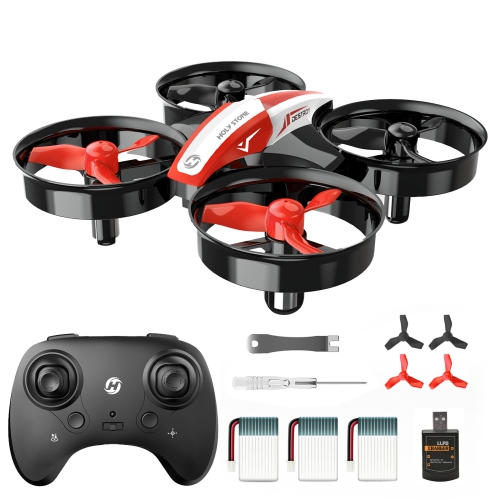
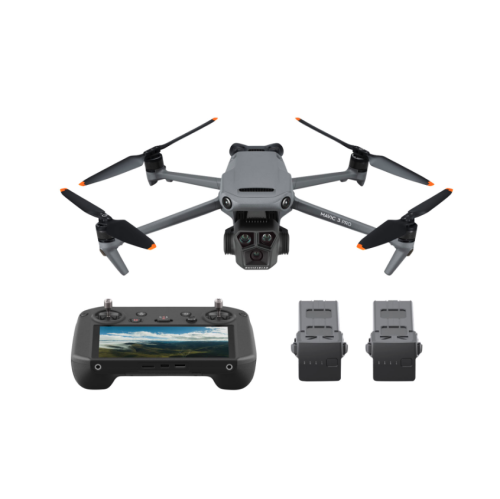
How four propellers unlock steady flight and aerial perspectives
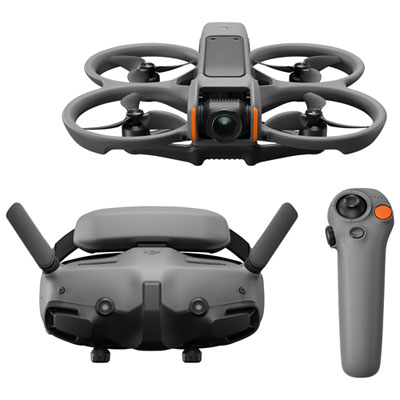
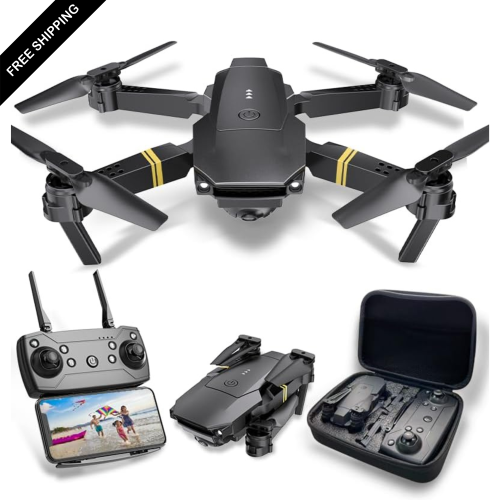
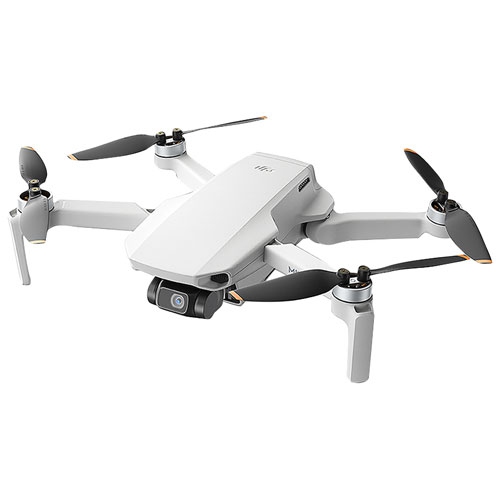
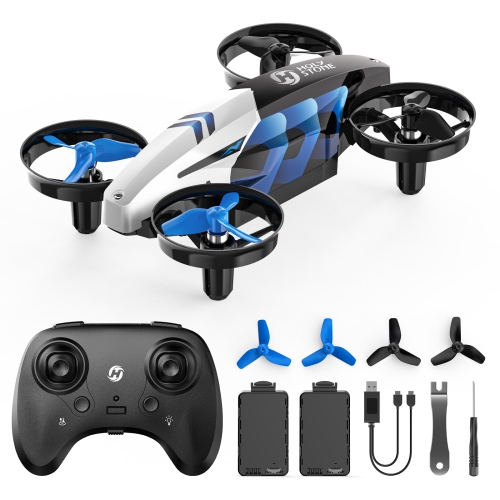
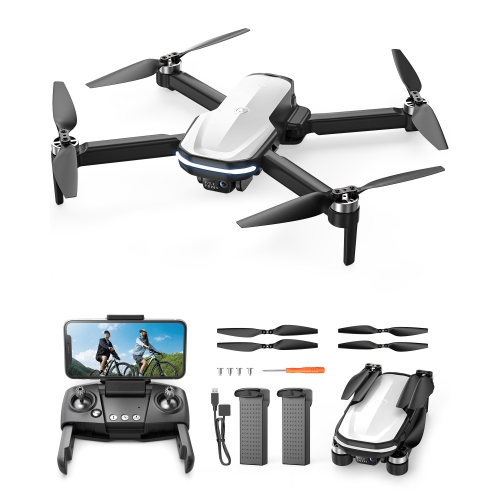
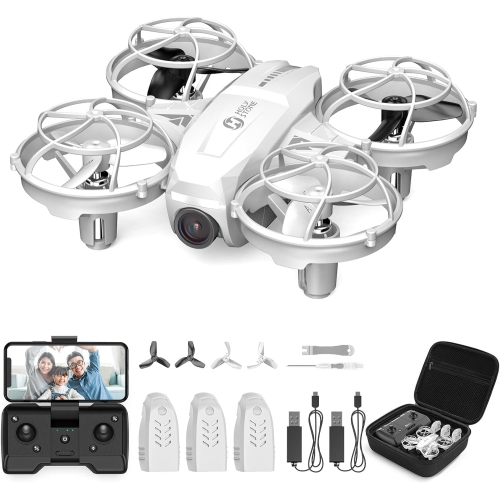
A quadcopter drone is an aircraft that uses four motor-driven propellers to lift off, hover, turn, and move through the air. Two propellers typically rotate clockwise and two counter-clockwise, balancing rotational forces while the flight controller adjusts motor speeds to direct movement. This four-rotor design allows vertical takeoff and landing without a runway, making quadcopter drones useful for aerial photography, video, recreational flying, and developing piloting skills. Their appeal ranges from the simple satisfaction of holding a steady hover to capturing a broad landscape from a perspective a handheld camera cannot reach. Different designs suit different kinds of flying: compact recreational drones often emphasize straightforward controls and portability, camera drones focus on stable footage, and racing or freestyle designs prioritize responsiveness and manoeuvrability. Some small quadcopters are intended for indoor use in suitable open spaces, while larger aircraft generally need more clearance and an appropriate outdoor flying location. A drone’s physical dimensions matter just as much as its weight when considering where it can be used and how easily it fits into a carrying case. Folding arms can make a camera drone easier to pack alongside other photography equipment, while a fixed frame may suit a pilot who values a simple structure with fewer moving joints. Moulded plastic housings are common on compact designs, and some performance-focused frames use carbon fibre for stiffness with relatively little weight. Neither material makes an aircraft immune to damage: exposed propellers, camera mounts, and folding hinges still need careful handling. Propeller guards can help limit contact with nearby objects on compatible models, although they do not make flying near people or pets safe. For someone receiving a quadcopter as a gift, the best fit depends on their experience, interests, and access to a permitted flying space. A new hobbyist may appreciate predictable handling more than complex camera settings, whereas a photographer may value image quality and precise control over aircraft positioning.
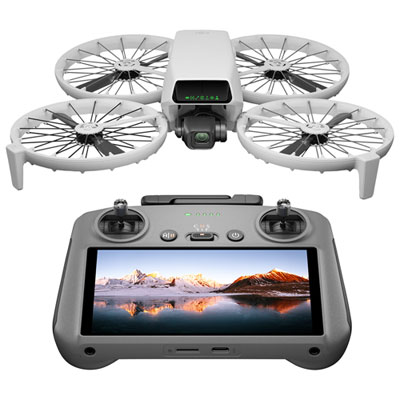
Camera capabilities shape what a quadcopter drone can capture, but a resolution figure alone does not describe the finished image. Sensor size, lens quality, image processing, and stabilization all contribute to detail, contrast, and the smoothness of moving footage. A mechanically stabilized gimbal helps keep the camera level as the aircraft changes position, which is particularly useful for a slow reveal over a ridge or a measured view of a property where flying and filming are permitted. Electronic stabilization works differently and may crop the image, so the type of stabilization matters alongside the stated video resolution. Frame-rate options affect how movement looks and whether footage can be slowed during editing, while support for RAW photos gives experienced photographers more flexibility when adjusting exposure and colour. Camera tilt range also affects composition: looking straight down produces a different view from framing a distant horizon. Some quadcopters have fixed cameras, and others are designed primarily for flying rather than photography. For pilots interested in more advanced imaging and aircraft controls, Pro Quadcopters brings that category into focus. Beyond the camera, the controller and viewing setup influence the flying experience. A dedicated controller provides physical sticks for adjusting movement, while the live view may appear on a connected phone or a built-in screen, depending on the design. Phone dimensions, operating-system compatibility, connector type, and the clearance needed around a protective case can all affect fit. Clear flight information helps a pilot monitor battery level, aircraft position, and connection status without relying only on the camera view. Satellite positioning, where supported, can help an aircraft hold its position, while downward-facing sensors may assist hovering closer to the ground under suitable conditions. Obstacle sensing differs considerably between designs and may cover only certain directions; it is an aid rather than a substitute for an attentive pilot. Return-to-home functions also have limitations and depend on factors such as positioning information, setup, remaining power, and a clear flight path. A stated transmission distance describes a technical capability, not permission to fly beyond legal limits or visual line of sight.
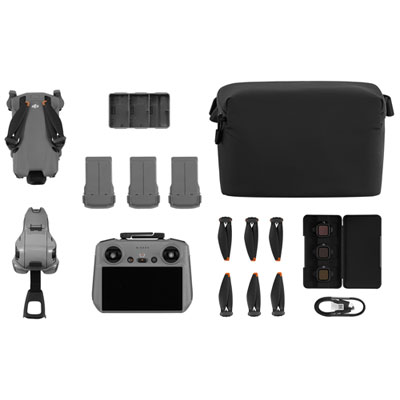
Day-to-day ownership involves batteries, storage, maintenance, and the small details that keep a quadcopter ready for its intended use. Advertised flight time is usually measured under specified test conditions, and usable flying time varies with the aircraft’s movements, attached accessories, battery condition, and the reserve needed for a safe landing. Spare compatible batteries can support separate flights, but charging arrangements deserve attention too: a hub may charge batteries in sequence rather than simultaneously, and different systems have different power requirements. Lithium-based flight batteries need charging and storage practices that follow the manufacturer’s directions, including use of the correct charger and removal from service if swelling or damage appears. A fitted carrying case helps prevent pressure on folded arms and camera assemblies, while a gimbal cover, when supplied, protects the camera during transport and must be removed before operation. Propellers are lightweight working parts that can become chipped, bent, or cracked after contact with an object. Correct replacement size, mounting method, and rotation direction are essential because propellers are not universally interchangeable. Dust and grit around motors, hinges, or vents can interfere with operation, so gentle cleaning according to the aircraft’s care instructions is preferable to improvised washing or lubrication. Storage capacity is another practical consideration for camera use: higher-resolution footage can fill a memory card quickly, and the aircraft may require a particular card speed or format. Clear space for takeoff and landing helps protect both the drone and its surroundings, especially when the landing surface contains loose debris. In Canada, the rules that apply depend on aircraft weight, the type of operation, and where the flight takes place. Registration and pilot certification may be required, and a small drone is not exempt from all safety obligations or location restrictions. Transport Canada requirements, airspace restrictions, property access, and other applicable rules all matter when planning a flight. Respect for privacy is equally important when a camera can see into neighbouring spaces. With a design matched to the pilot’s abilities and purpose, quadcopter drones offer a distinctive combination of hands-on control, technical interest, and creative possibility.
Camera capabilities shape what a quadcopter drone can capture, but a resolution figure alone does not describe the finished image. Sensor size, lens quality, image processing, and stabilization all contribute to detail, contrast, and the smoothness of moving footage. A mechanically stabilized gimbal helps keep the camera level as the aircraft changes position, which is particularly useful for a slow reveal over a ridge or a measured view of a property where flying and filming are permitted. Electronic stabilization works differently and may crop the image, so the type of stabilization matters alongside the stated video resolution. Frame-rate options affect how movement looks and whether footage can be slowed during editing, while support for RAW photos gives experienced photographers more flexibility when adjusting exposure and colour. Camera tilt range also affects composition: looking straight down produces a different view from framing a distant horizon. Some quadcopters have fixed cameras, and others are designed primarily for flying rather than photography. For pilots interested in more advanced imaging and aircraft controls, Pro Quadcopters brings that category into focus. Beyond the camera, the controller and viewing setup influence the flying experience. A dedicated controller provides physical sticks for adjusting movement, while the live view may appear on a connected phone or a built-in screen, depending on the design. Phone dimensions, operating-system compatibility, connector type, and the clearance needed around a protective case can all affect fit. Clear flight information helps a pilot monitor battery level, aircraft position, and connection status without relying only on the camera view. Satellite positioning, where supported, can help an aircraft hold its position, while downward-facing sensors may assist hovering closer to the ground under suitable conditions. Obstacle sensing differs considerably between designs and may cover only certain directions; it is an aid rather than a substitute for an attentive pilot. Return-to-home functions also have limitations and depend on factors such as positioning information, setup, remaining power, and a clear flight path. A stated transmission distance describes a technical capability, not permission to fly beyond legal limits or visual line of sight.
Day-to-day ownership involves batteries, storage, maintenance, and the small details that keep a quadcopter ready for its intended use. Advertised flight time is usually measured under specified test conditions, and usable flying time varies with the aircraft’s movements, attached accessories, battery condition, and the reserve needed for a safe landing. Spare compatible batteries can support separate flights, but charging arrangements deserve attention too: a hub may charge batteries in sequence rather than simultaneously, and different systems have different power requirements. Lithium-based flight batteries need charging and storage practices that follow the manufacturer’s directions, including use of the correct charger and removal from service if swelling or damage appears. A fitted carrying case helps prevent pressure on folded arms and camera assemblies, while a gimbal cover, when supplied, protects the camera during transport and must be removed before operation. Propellers are lightweight working parts that can become chipped, bent, or cracked after contact with an object. Correct replacement size, mounting method, and rotation direction are essential because propellers are not universally interchangeable. Dust and grit around motors, hinges, or vents can interfere with operation, so gentle cleaning according to the aircraft’s care instructions is preferable to improvised washing or lubrication. Storage capacity is another practical consideration for camera use: higher-resolution footage can fill a memory card quickly, and the aircraft may require a particular card speed or format. Clear space for takeoff and landing helps protect both the drone and its surroundings, especially when the landing surface contains loose debris. In Canada, the rules that apply depend on aircraft weight, the type of operation, and where the flight takes place. Registration and pilot certification may be required, and a small drone is not exempt from all safety obligations or location restrictions. Transport Canada requirements, airspace restrictions, property access, and other applicable rules all matter when planning a flight. Respect for privacy is equally important when a camera can see into neighbouring spaces. With a design matched to the pilot’s abilities and purpose, quadcopter drones offer a distinctive combination of hands-on control, technical interest, and creative possibility.
Top selling and popular products
-
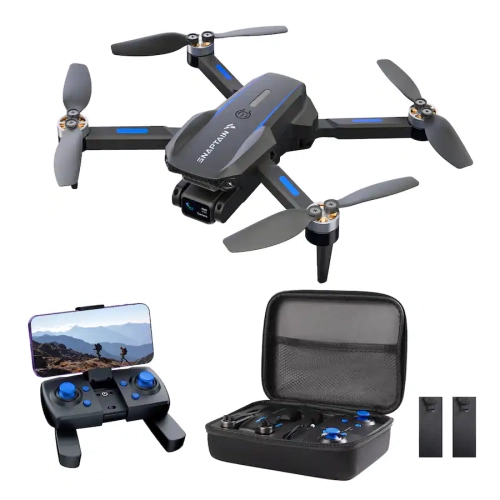 Your price for this item is $109.98
 -
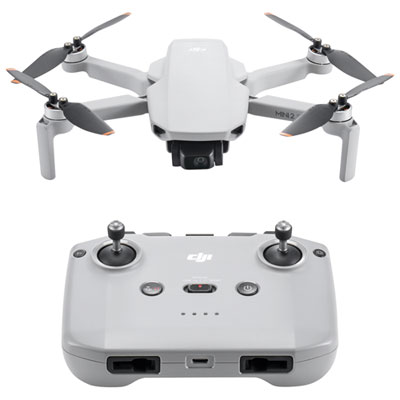 Your price for this item is $359.99
 -
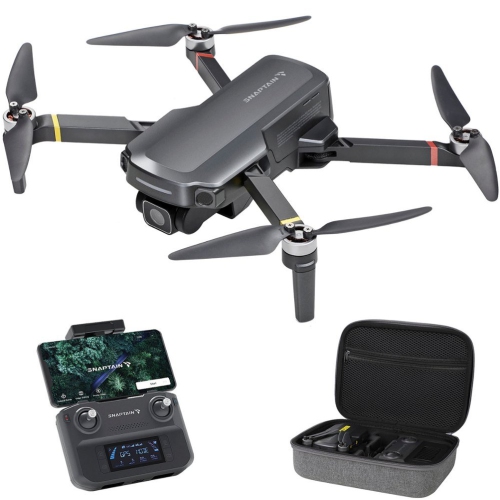 Your price for this item is $279.9
 -
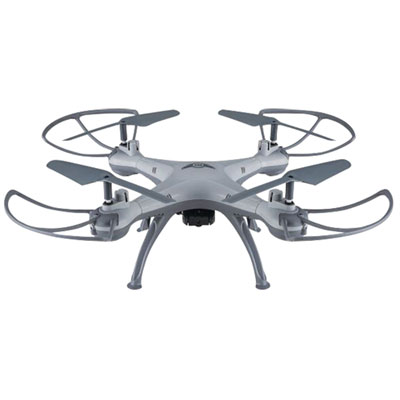 Your price for this item is $49.99
 -
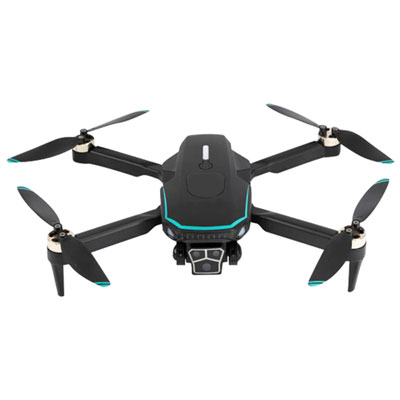 Your price for this item is $79.99
 -
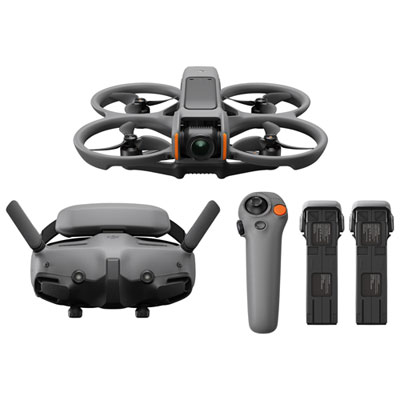 Your price for this item is $1279.99
 -
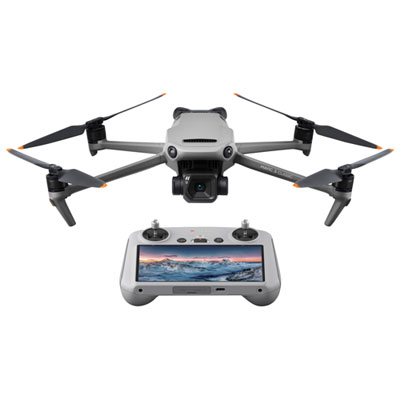 Your price for this item is $1759.99
 -
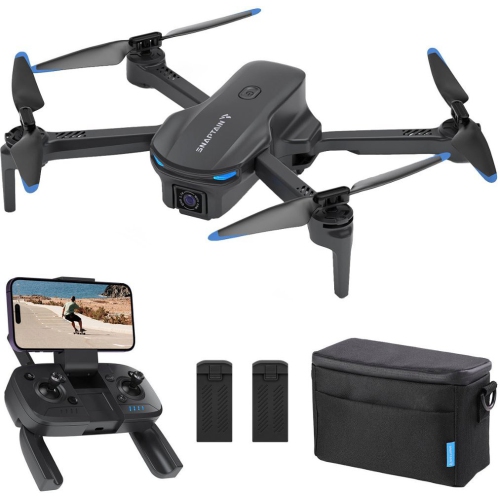 Your price for this item is $189.9
Discover more categories related to Quadcopter Drones
Top Collections:
Pokemon Centers, Kindle Devices, Best Budget Office Chairs, Apple iPhones 16, Best Laptops for Writers, iPhone 15 Apple, Canon G7X Cameras, Refurbished Apple Laptops, Alarm Clock, Motorola Razr Phones
Some products may be subject to Environmental Handling Fees
(EHF) depending on your province.
Learn more about EHFs.