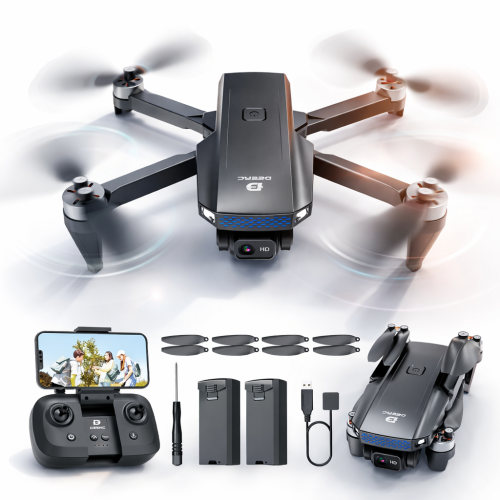
Best Drones

Capture stunning aerial photos and videos with the best drones, ranked by user review ratings. Whether you’re a first-time flyer or an experienced pilot, explore customer favourites and compare features such as camera quality, flight time, and ease of control to find the right drone for your next adventure.

Read More

What to look for in the best drones

1. Camera Quality

Compare video resolution, sensor size and photo capabilities to find the right camera for your needs. A mechanical gimbal helps keep footage steady, while adjustable camera settings give you more creative control.

2. Flight Time and Batteries

Check the advertised flight time per charge, keeping in mind that wind, temperature and flying style can affect battery life. Spare batteries and a charging hub can help you spend more time flying between charging sessions.

3. Flight Controls and Safety Features

Look for responsive controls, stable hovering and return-to-home features that can make flying easier. Obstacle sensing can offer added assistance, but coverage varies by model and does not replace keeping your drone in sight.

4. Size and Weight

A compact, foldable drone is easier to pack for travel, while larger models may offer better wind resistance. In Canada, drones weighing 250 g or more generally require registration and a pilot certificate; lighter drones still have safety rules to follow.
Citrus catapult arrow
  1. 1

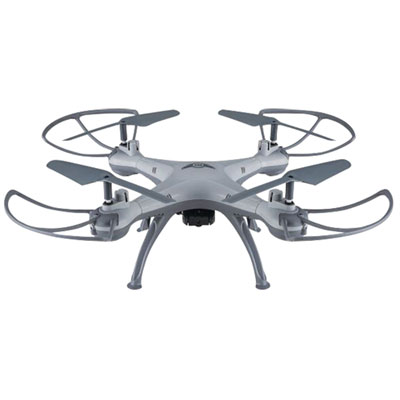
    Sky Rider X-51 Atlas Quadcopter Drone with Camera & Controller - Ready-to-Fly - Matte Grey - Only at Best Buy

    About this product

    A matte grey quadcopter drone with a 0.3MP Wi-Fi camera, six-axis gyroscope, and 328ft control range.

    What customers like

    • Good battery life
    • Great camera quality
    • Good value for beginners
    • Easy to use
    • Lightweight and portable
    (330)
    $49.99
    SAVE $15
    Your price for this item is $49.99
  2. 2

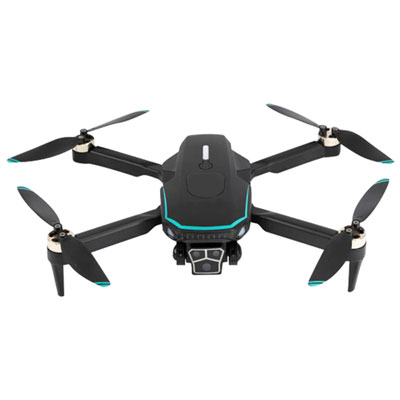
    Sky Rider XG-34 Neith Quadcopter Drone with Camera & Controller - Ready-to-Fly - Black - Only at Best Buy

    About this product

    A black quadcopter drone with GPS, Wi-Fi camera, and VR mode for immersive aerial views.

    What customers like

    • Small size
    • Easy to control
    • Fun to use
    • Cool features
    • Good camera quality
    (329)
    $79.99
    SAVE $20
    Your price for this item is $79.99
  3. 3

    DJI Neo Quadcopter Drone with Camera

    About this product

    A lightweight drone capturing 4K ultra-stabilized video with AI subject tracking and QuickShots.

    What customers like

    • Good camera
    • Fun to use
    • Easy to fly
    • Great price
    • Stabilized video
    (166)
    $205.99 Your price for this item is $205.99
  4. 4

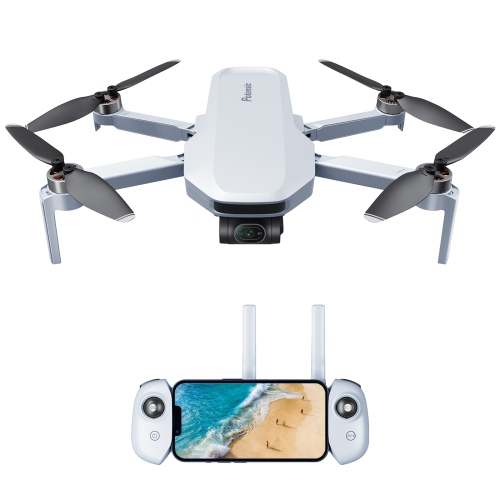
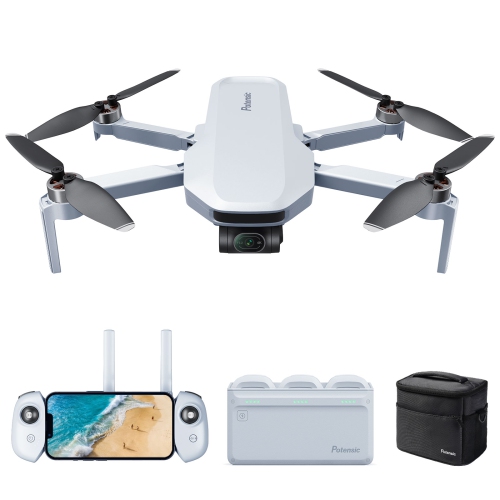
    POTENSIC Atom 3-Axis Gimbal 4K Gps Drone, Under 249G, 32 Mins Flight, 6Km Long Range Transmission, Visual Tracking, 4K/30Fps Quickshots, Foldable

    About this product

    A foldable drone with 3-axis gimbal, 4K video, GPS, visual tracking, and 32-minute flight time.

    (3)
    $499.99 Your price for this item is $499.99
  5. 5

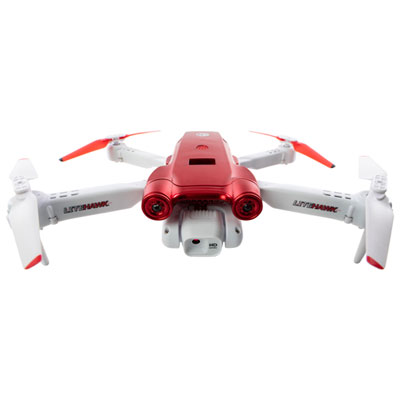
    LiteHawk Ally HD Drone with Camera - Red/White

    About this product

    A red and white drone featuring a wide-angle camera, auto take-off, and live video streaming.

    (3)
    $109.99 Your price for this item is $109.99
  6. 6

    POTENSIC Atom 3-Axis Gimbal 4K Gps Drone, Under 249G, 96 Mins Flight, Max 6Km Transmission, Visual Tracking, 4K/30Fps Quickshots, Foldable For

    About this product

    A lightweight foldable drone with 4K camera, 3-axis gimbal, GPS, and up to 96 minutes flight time.

    (2)
    $439.99
    SAVE $200
    Your price for this item is $439.99
  7. 7

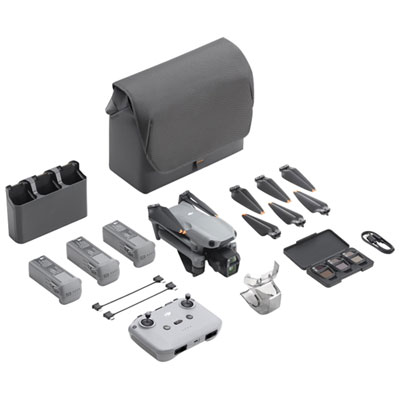
    DJI Air 3S Quadcopter Drone Fly More Combo with Camera & Remote Controller (DJI RC-N3)

    About this product

    A versatile quadcopter featuring dual cameras, 2.7K vertical shooting, waypoint flight, and cruise control.

    (2)
    $1,839.99 Your price for this item is $1839.99

Drone features that matter beyond video resolution

The best drones combine dependable flight control, useful camera features, and a design that suits the way they will be flown. A compact folding drone makes sense for someone carrying a camera bag along a walking trail, while a larger camera drone may better suit a photographer who needs more lens options and steadier handling in breezy conditions. For beginners, predictable hovering, responsive controls, and clear flight information can matter more than the highest video resolution. For experienced pilots, adjustable camera settings, consistent image quality, and precise movement open up more creative possibilities. Camera drones capture perspectives that are difficult to achieve from the ground, from the curve of a shoreline to the patterns of rooftops or a wide view of a rural property. Their usefulness depends on more than a sharp-looking specification sheet. A mechanically stabilized gimbal helps keep the horizon level and footage smooth as the aircraft moves, while sensor size, lens quality, and image processing influence detail in bright skies and shaded areas. Higher video resolutions allow room for cropping, and higher frame rates can support smooth slow-motion playback when the selected recording mode allows it. Photographers may value RAW image capture for greater editing flexibility, while casual users may prefer photos and videos that look polished with minimal adjustment. A wide-angle camera works well for expansive scenery; additional focal lengths can offer tighter compositions without relying entirely on digital zoom. The right balance also depends on where the images will end up. Short clips shared with family have different demands from footage edited for a large screen or a client project. Across these uses, the best camera drones make it easier to capture an intentional shot rather than simply a higher viewpoint, with controls and camera capabilities that match the pilot’s comfort level.

Drone size, weight, and construction shape both the flying experience and the effort involved in taking the aircraft along. Lightweight plastic housings keep portable drones manageable, while reinforced components can add rigidity around arms and other stressed areas. Folding designs fit more easily into a daypack, although hinges, propellers, and exposed camera assemblies still need protection in transit. A fitted case with separate spaces for the aircraft, controller, and batteries helps prevent loose accessories from pressing against delicate parts. Controller fit matters too: comfortable grips, accessible buttons, and a readable display can make a longer session less tiring. Some controllers use a compatible phone for the live camera view, making device dimensions, operating-system support, and connection requirements important details; others have an integrated screen. Flight time deserves similar attention. Published maximums are measured under specified conditions, and actual time in the air varies with wind, temperature, speed, payload, and the battery reserve needed for a safe return. Spare batteries can extend an outing, but each flight still needs enough margin for landing without rushing. Positioning systems and downward-facing sensors can help a drone hold its place, though performance depends on signal reception, lighting, surface texture, and the aircraft’s design. Obstacle sensing is another useful feature, not a guarantee against collisions: thin branches, wires, reflective surfaces, and low light can be difficult for sensors to interpret. Return-to-home functions also depend on correct setup, positioning information, and a suitable flight path. For anyone drawn to first-person-view flying, the immersive perspective brings different control demands from those of a camera drone built for stable hovering. Propeller guards may be useful for compatible beginner aircraft in suitable practice spaces, but they do not make every drone appropriate for indoor flight. The most satisfying match is an aircraft whose size, handling, and assistance features suit the intended setting, whether that means learning basic manoeuvres in an open area or practising slow, controlled camera movements.

Long-term enjoyment comes from choosing a drone that is practical to maintain and appropriate for the places it will be used. Replaceable propellers, supported batteries, and accessible service information can make routine ownership easier. Before flight, intact blades, secure arms, a clean camera lens, and properly seated batteries all contribute to reliable operation. After an outing, dust and grit should be removed according to the manufacturer’s care instructions, with particular attention to moving parts and ventilation openings. Batteries need compatible charging equipment and storage conditions that follow their specified temperature and charge guidelines; a swollen or damaged battery should not be used. During the cooler months, reduced battery performance and shorter daylight hours can affect an otherwise familiar flight plan. Wind resistance does not establish that a drone is waterproof, and rain, wet snow, or moisture on a landing surface can damage aircraft that lack suitable protection. A dry, level takeoff area helps keep debris away from the propellers and camera. Responsible use is equally important in Canada, where requirements depend on aircraft weight and the planned operation. Drones weighing 250 g or more generally require registration, and pilots need the appropriate certification for their operations. Drones below 250 g are not exempt from safe operation requirements or applicable airspace restrictions. Transport Canada requirements, local bylaws, property permissions, and park rules should all be checked before flying, alongside respect for privacy, wildlife, and other people using the area. Travel photographers, outdoor hobbyists, and video creators may each appreciate a drone for different reasons, making intended use especially important when choosing one as a gift. A beginner needs an approachable flying experience, while an established creator may place greater value on lens versatility, editing formats, and repeatable camera movements. For demanding production work, Best Professional Drones offers a more focused category to explore. Ultimately, a well-matched drone brings together image quality, manageable transport, dependable handling, and realistic care requirements, so it becomes a useful part of the camera kit rather than equipment that stays in its case.
Read More

FAQ

Some products may be subject to Environmental Handling Fees (EHF) depending on your province. Learn more about EHFs.