Robotic Drones
Discover the future of aerial technology with our selection of robotic drones. From advanced features like GPS navigation and obstacle avoidance to sleek designs and high-quality cameras, these drones offer endless possibilities for exploration and creativity. Explore our range of robotic drones to find the perfect one for your needs and take your adventures to new heights.
Sort

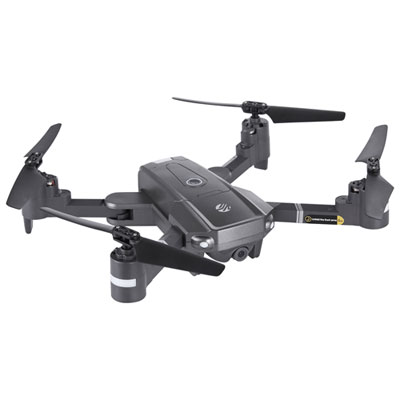
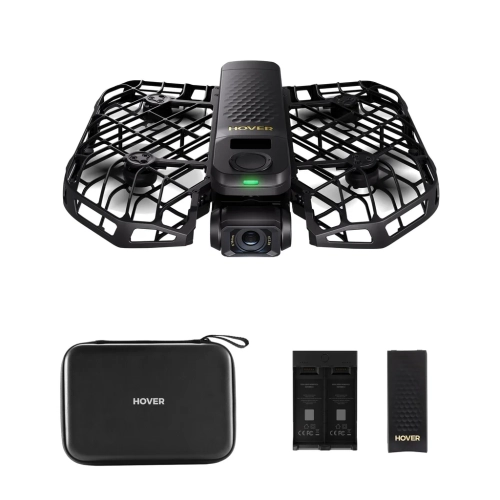

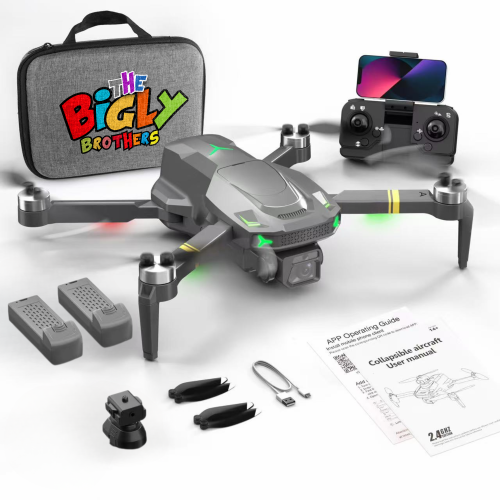
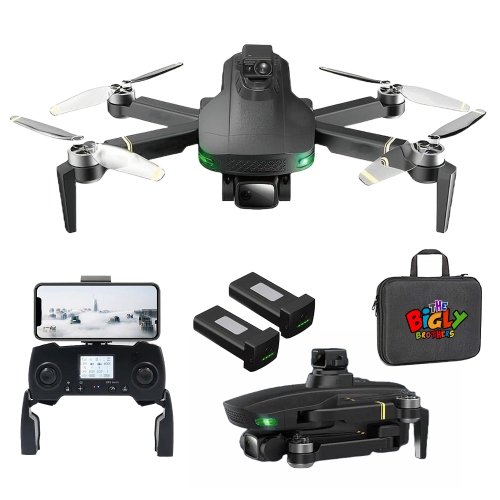
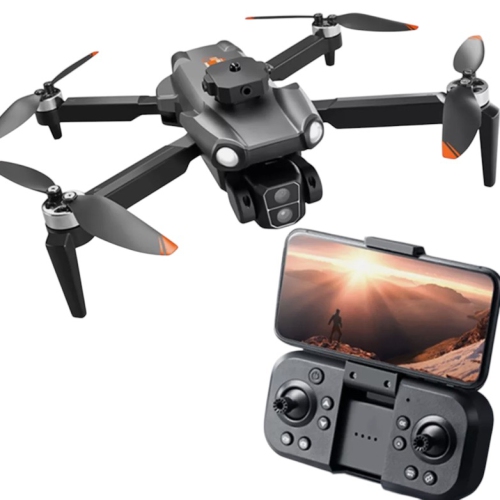
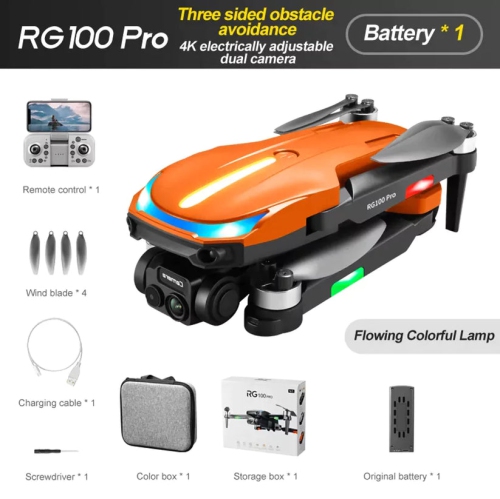
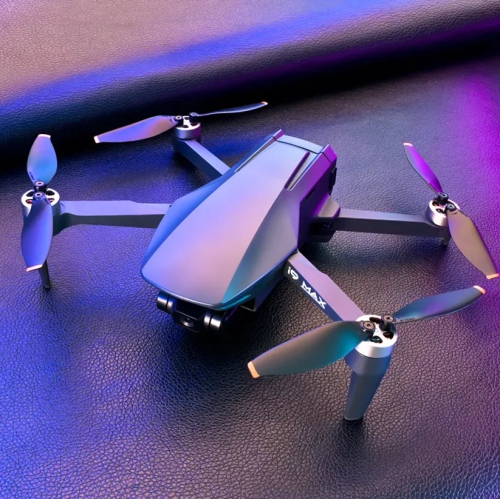
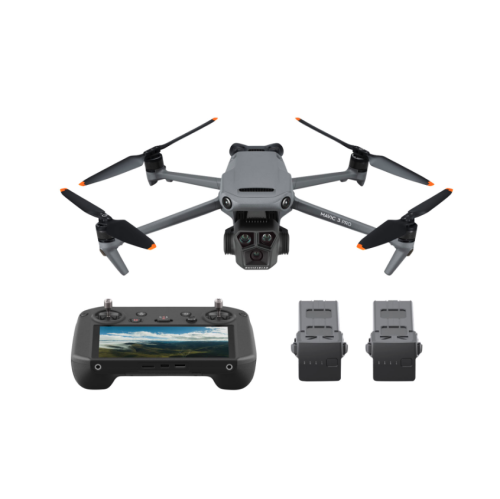
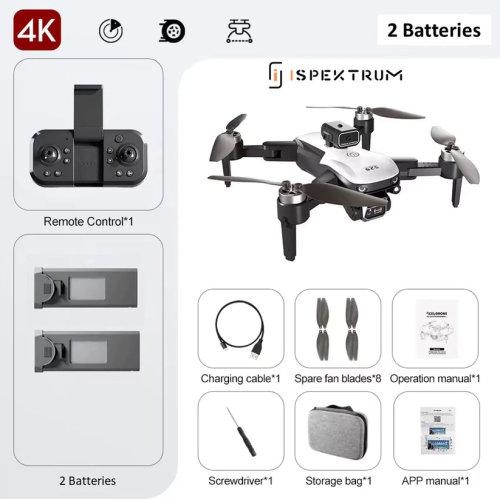
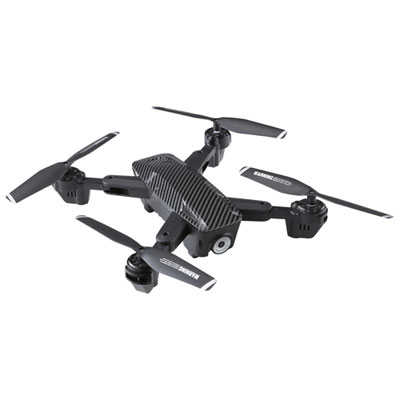
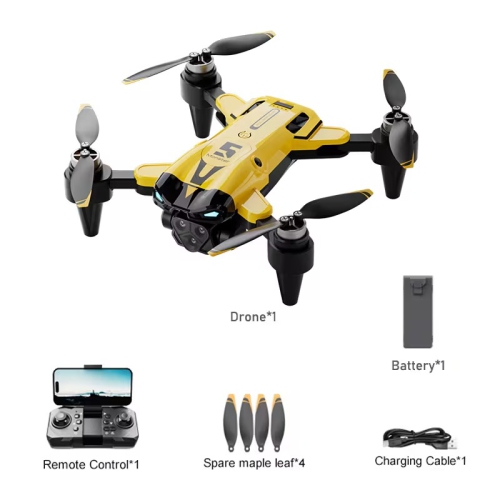
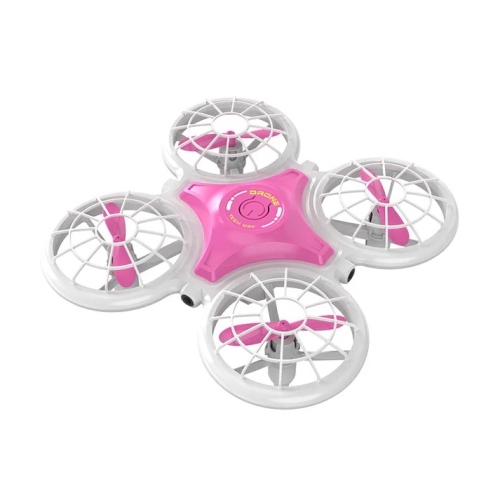

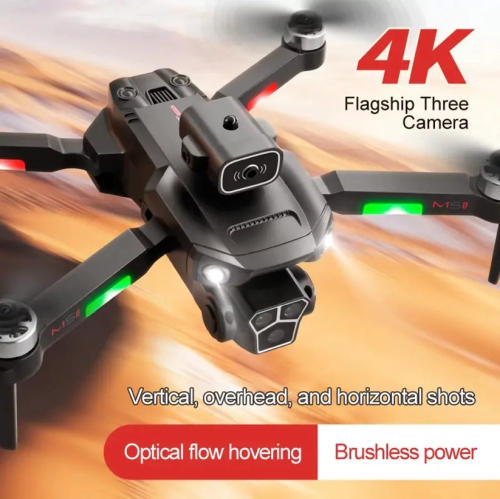
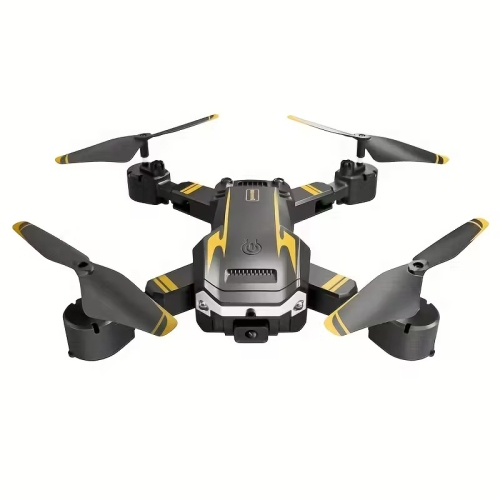
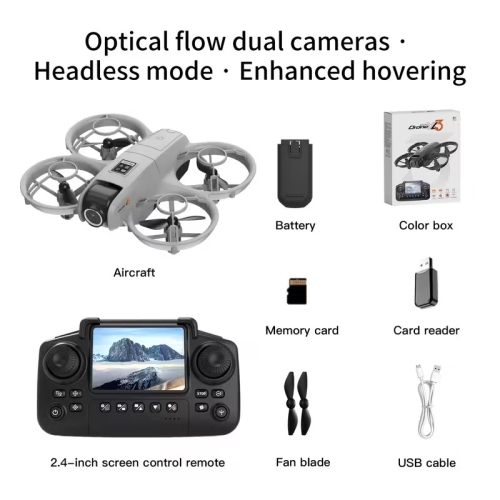
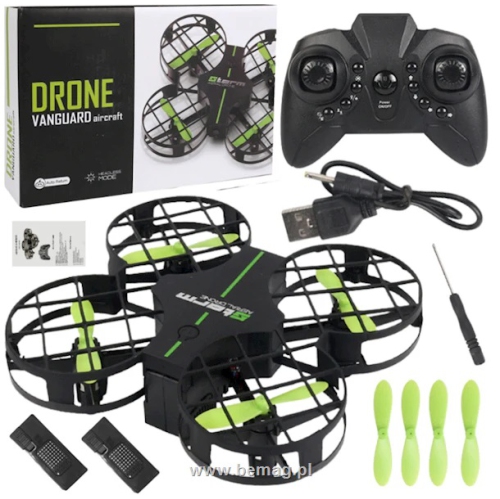
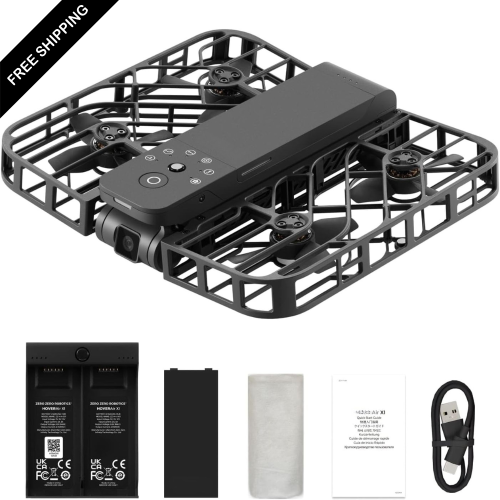
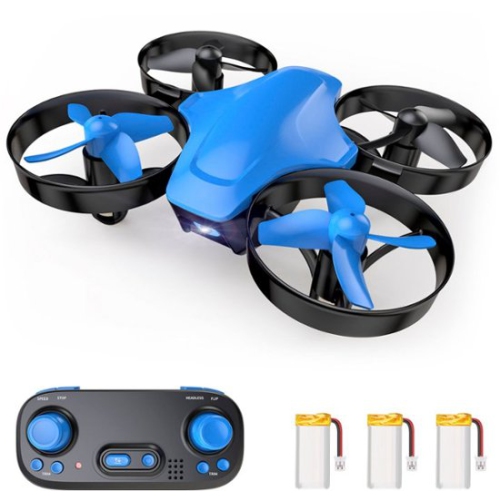
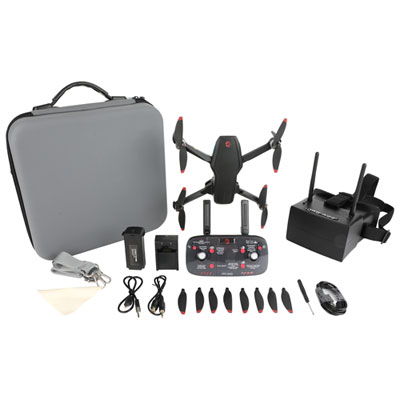
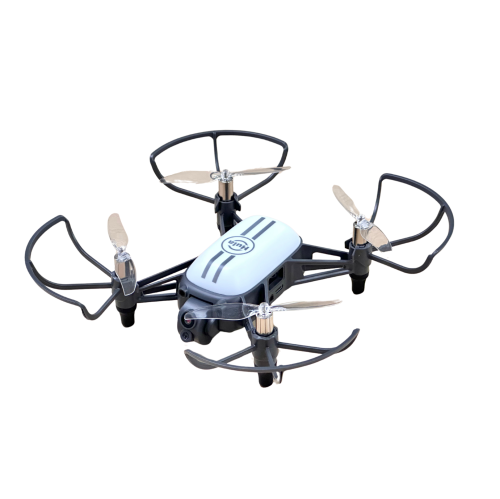
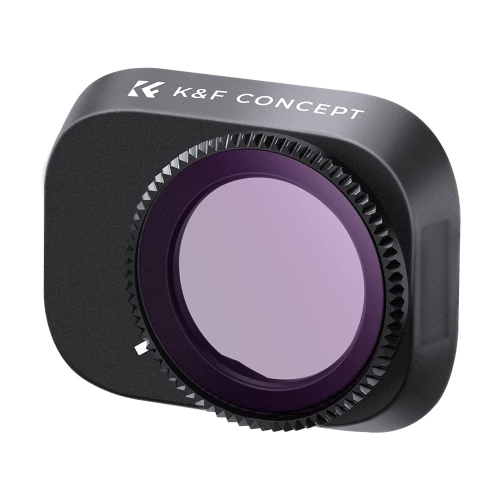
See how intelligent flight supports creativity and professional work
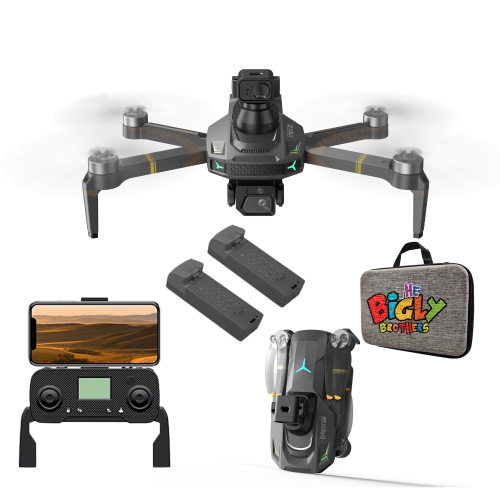
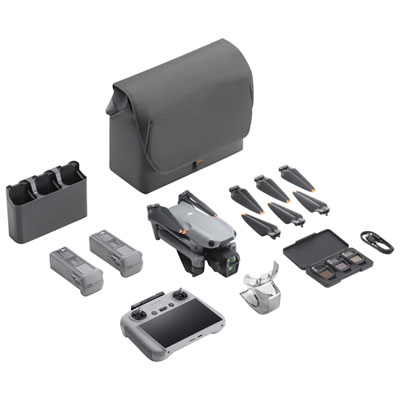
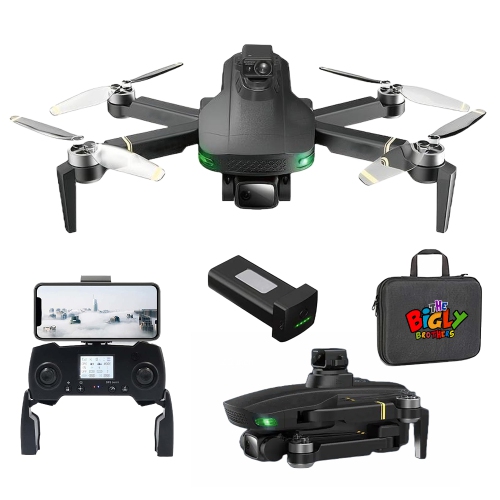
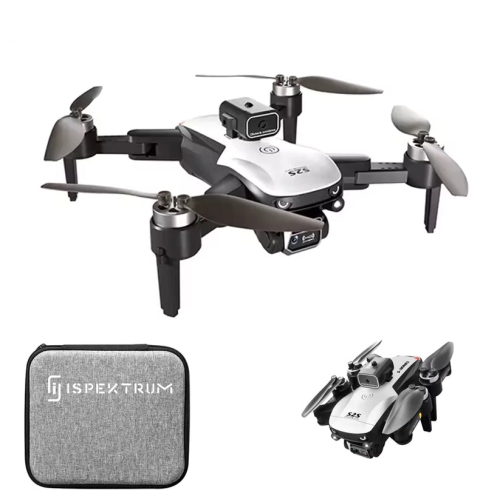
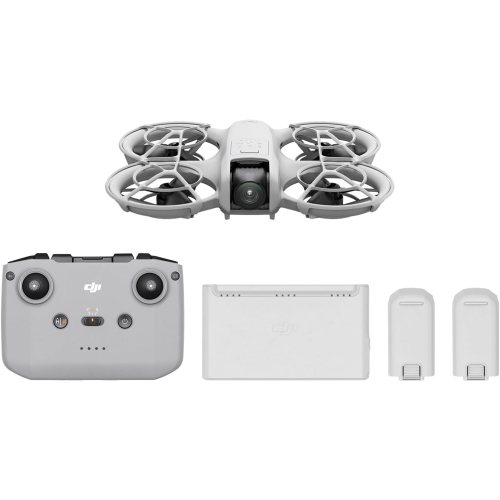
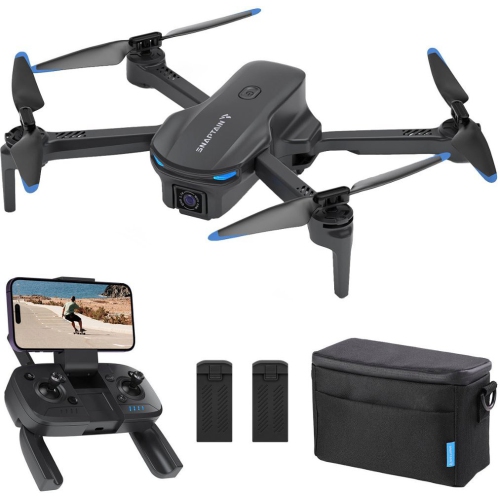
Robotic drones bring together flight controls, cameras, sensors and intelligent software to create a more responsive flying experience than a basic remote-controlled aircraft. Depending on the design, a drone may hold its position with the help of an inertial measurement unit (IMU), use optical or positioning sensors to maintain stability, recognize obstacles in its path, return to a launch point, or follow a programmed route with limited input from the pilot. Some models are designed primarily for recreation and photography, while more advanced robotic drones can support mapping, inspection, surveying and other specialized work. Their ability to collect information from the air makes them useful wherever a bird’s-eye view can reveal details that are difficult to see from the ground. A camera drone may capture smooth footage over a shoreline, park or open field, while an autonomous system equipped with additional sensors can help create a map, identify changes in terrain or inspect hard-to-reach structures. Sensor fusion is an important part of this process: information from cameras, positioning systems, LiDAR, IMUs and other onboard components can be combined to help the drone understand its movement and surroundings in real time. When browsing robotic drones, consider how much autonomy is genuinely useful for the intended activity. Automated takeoff, landing, hovering, route planning and subject tracking can make flying more approachable, but a pilot still needs to understand the controls, monitor the aircraft and respond when conditions change. Obstacle avoidance can add confidence around trees, buildings and other objects, although it should not be treated as a substitute for careful flying.
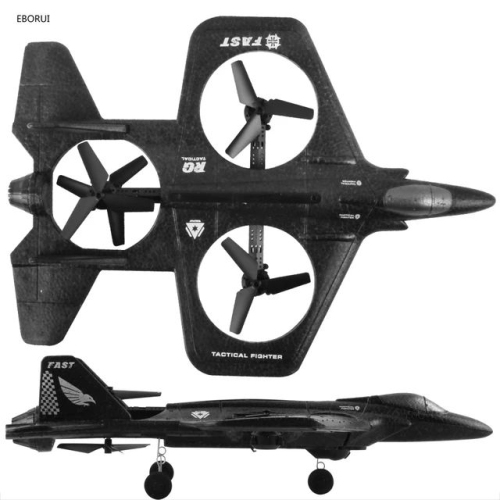
The right robotic drone depends on the environment, the pilot’s experience and the kind of information or footage they hope to collect. Beginners may appreciate a compact, durable design with straightforward controls, assisted flight modes and a clear mobile app. A more experienced pilot may prioritize longer flight time, faster charging, a higher-resolution camera, adjustable camera movement, greater transmission range and detailed manual settings. Battery capacity is only one part of the flight-time equation; wind, temperature, payload, flight speed and repeated use of automated features can all affect how long an aircraft remains in the air. It is worth checking how batteries are charged, whether spare batteries are available and how easily the drone can be stored and transported between flights. A foldable body can fit neatly into a backpack for a walk through a conservation area or a day at a cottage, while a larger frame may provide additional stability in open spaces. Also look at the controller, phone compatibility, memory requirements, video storage and the availability of replacement propellers or other serviceable components. A drone with a camera is a natural choice for someone who enjoys travel photography, outdoor filmmaking or documenting family gatherings from a new perspective. It can also be a memorable gift for a technology enthusiast, a budding photographer or a curious teenager who enjoys learning how machines respond to the world around them. For a more playful flying experience, Hover Drones can offer an accessible way to explore responsive aerial movement and automated flight features. Before giving a drone as a gift, consider the recipient’s access to a safe, open flying area, their comfort with mobile apps and whether they will need help learning the controls.
Robotic drones are also changing how professionals approach work that may be slow, difficult or risky to complete from the ground. In agriculture, aerial imaging can help monitor field conditions, assess crop health and create detailed maps that support planning. In construction and surveying, repeated flights can document progress, measure spaces and provide an overhead view of a site. Infrastructure teams may use specialized systems to inspect bridges, towers, power lines and other structures, reducing the need to send people into challenging positions for an initial visual assessment. Public safety organizations can use drones to support search operations, assess disaster areas and locate heat signatures with thermal cameras, while a drone-as-first-responder program may provide an aerial view before a crew reaches an incident. Some advanced robotic platforms are being developed to work across multiple environments, including designs that can move through the air and then operate on land or water. These professional applications rely on more than a camera: dependable navigation, secure communication, accurate positioning, obstacle detection, automated route planning and the ability to operate safely under changing conditions are all important. For personal use, the same technologies can make flights steadier, footage easier to capture and learning more gradual, but responsible operation remains essential. Check Canadian and local requirements before flying, respect privacy, keep the aircraft within the required visual range, avoid restricted areas and give people, buildings, roads and emergency operations plenty of space. Weather deserves equal attention during the warmer and cooler parts of the year, since wind, rain, snow and cold temperatures can affect batteries, sensors and visibility. With the right match between features, surroundings and experience level, a robotic drone can become a creative camera, a hands-on robotics project or a practical tool for seeing familiar places from an entirely different angle.
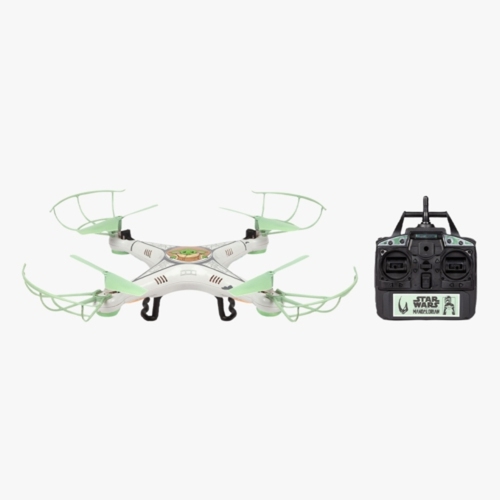
The right robotic drone depends on the environment, the pilot’s experience and the kind of information or footage they hope to collect. Beginners may appreciate a compact, durable design with straightforward controls, assisted flight modes and a clear mobile app. A more experienced pilot may prioritize longer flight time, faster charging, a higher-resolution camera, adjustable camera movement, greater transmission range and detailed manual settings. Battery capacity is only one part of the flight-time equation; wind, temperature, payload, flight speed and repeated use of automated features can all affect how long an aircraft remains in the air. It is worth checking how batteries are charged, whether spare batteries are available and how easily the drone can be stored and transported between flights. A foldable body can fit neatly into a backpack for a walk through a conservation area or a day at a cottage, while a larger frame may provide additional stability in open spaces. Also look at the controller, phone compatibility, memory requirements, video storage and the availability of replacement propellers or other serviceable components. A drone with a camera is a natural choice for someone who enjoys travel photography, outdoor filmmaking or documenting family gatherings from a new perspective. It can also be a memorable gift for a technology enthusiast, a budding photographer or a curious teenager who enjoys learning how machines respond to the world around them. For a more playful flying experience, Hover Drones can offer an accessible way to explore responsive aerial movement and automated flight features. Before giving a drone as a gift, consider the recipient’s access to a safe, open flying area, their comfort with mobile apps and whether they will need help learning the controls.
Robotic drones are also changing how professionals approach work that may be slow, difficult or risky to complete from the ground. In agriculture, aerial imaging can help monitor field conditions, assess crop health and create detailed maps that support planning. In construction and surveying, repeated flights can document progress, measure spaces and provide an overhead view of a site. Infrastructure teams may use specialized systems to inspect bridges, towers, power lines and other structures, reducing the need to send people into challenging positions for an initial visual assessment. Public safety organizations can use drones to support search operations, assess disaster areas and locate heat signatures with thermal cameras, while a drone-as-first-responder program may provide an aerial view before a crew reaches an incident. Some advanced robotic platforms are being developed to work across multiple environments, including designs that can move through the air and then operate on land or water. These professional applications rely on more than a camera: dependable navigation, secure communication, accurate positioning, obstacle detection, automated route planning and the ability to operate safely under changing conditions are all important. For personal use, the same technologies can make flights steadier, footage easier to capture and learning more gradual, but responsible operation remains essential. Check Canadian and local requirements before flying, respect privacy, keep the aircraft within the required visual range, avoid restricted areas and give people, buildings, roads and emergency operations plenty of space. Weather deserves equal attention during the warmer and cooler parts of the year, since wind, rain, snow and cold temperatures can affect batteries, sensors and visibility. With the right match between features, surroundings and experience level, a robotic drone can become a creative camera, a hands-on robotics project or a practical tool for seeing familiar places from an entirely different angle.
Top selling and popular products
-
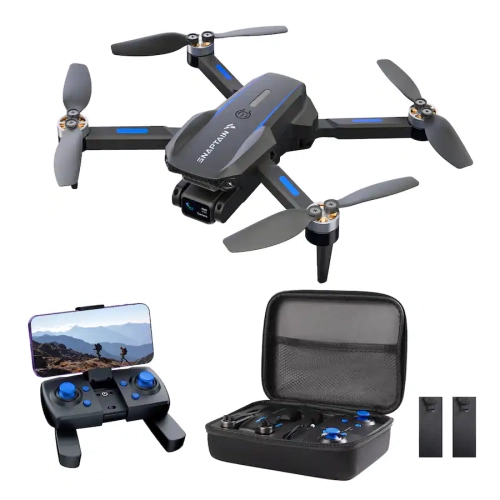 Your price for this item is $109.98
 -
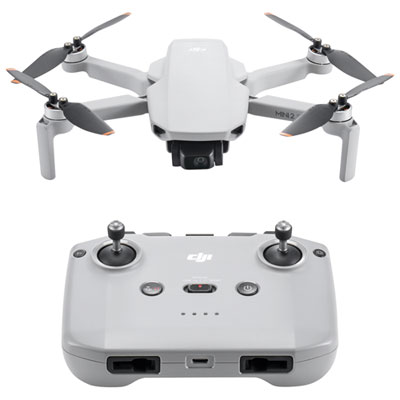 Your price for this item is $359.99
 -
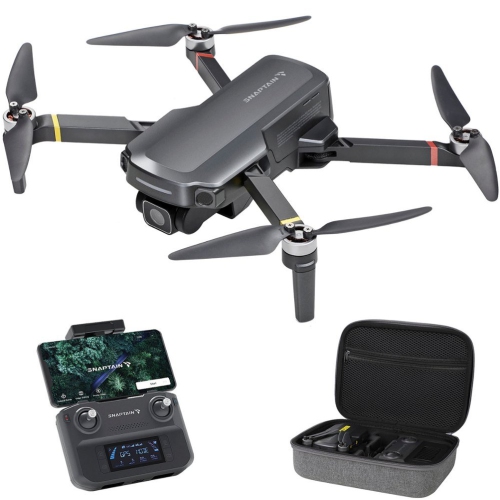 Your price for this item is $279.9
 -
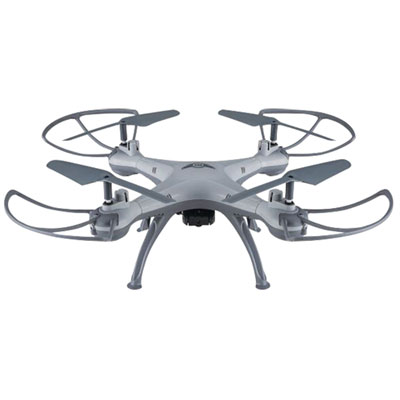 Your price for this item is $49.99
 -
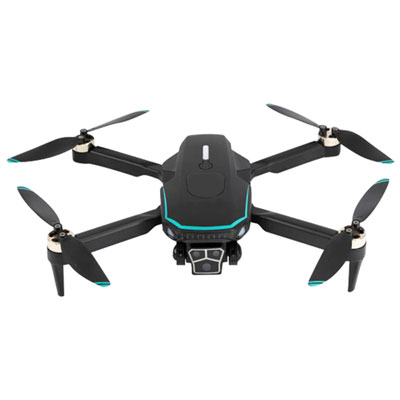 Your price for this item is $79.99
 -
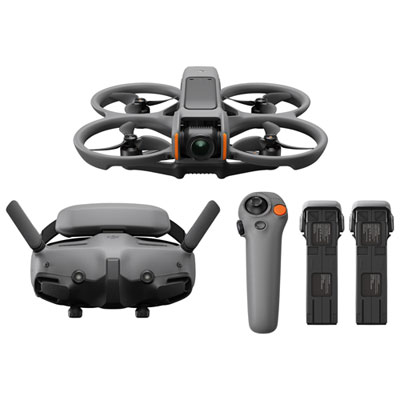 Your price for this item is $1279.99
 -
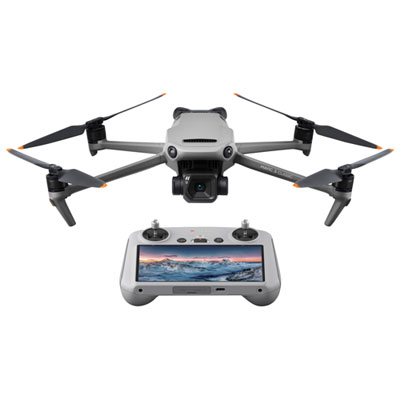 Your price for this item is $1759.99
 -
 Your price for this item is $189.9
Discover more categories related to Robotic Drones
Top Collections:
Pokemon Centers, Kindle Devices, Best Budget Office Chairs, Apple iPhones 16, Best Laptops for Writers, iPhone 15 Apple, Canon G7X Cameras, Refurbished Apple Laptops, Alarm Clock, Motorola Razr Phones
Some products may be subject to Environmental Handling Fees
(EHF) depending on your province.
Learn more about EHFs.