Short Monopod
Short Monopod options provide a convenient solution for capturing steady photos and videos on the go. Perfect for travel, events, or everyday shooting, these compact accessories are easy to carry and set up wherever inspiration strikes. Whether you're a photography enthusiast or simply looking for a practical way to improve your shots, a Short Monopod offers versatility and ease of use. Explore the selection to find the right fit for your camera or smartphone and enhance your creative experience.
Sort
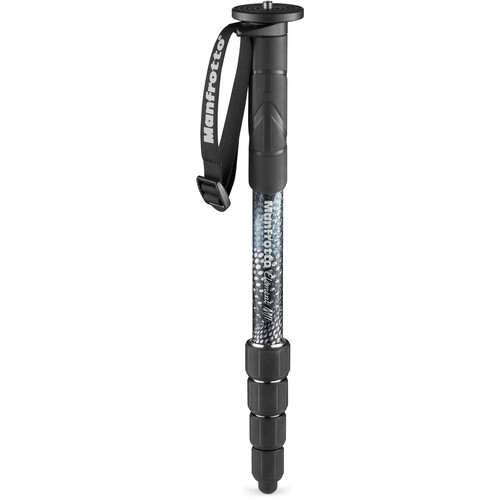
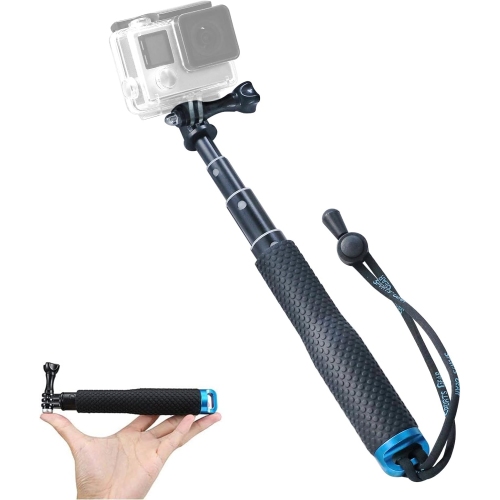
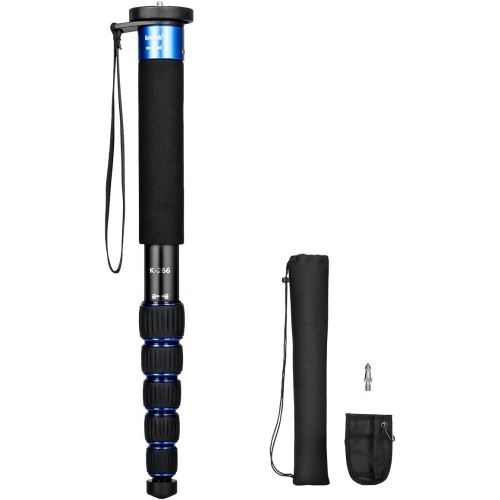

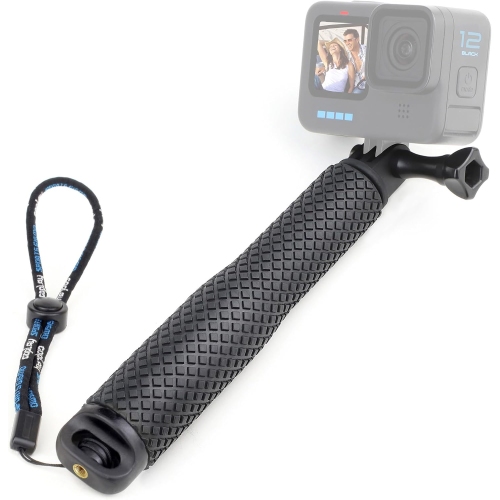

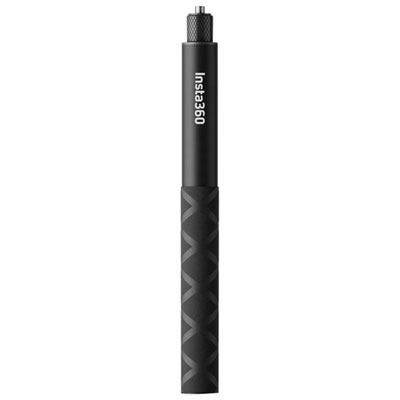
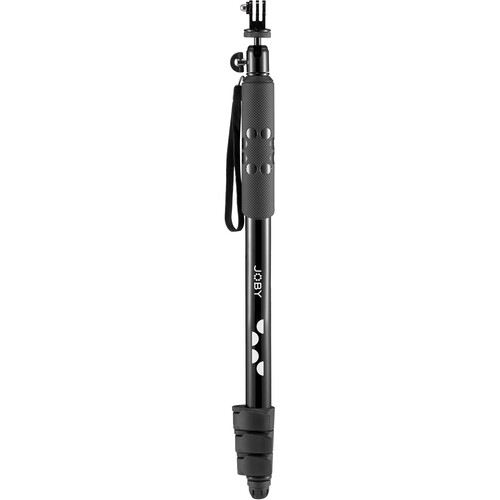
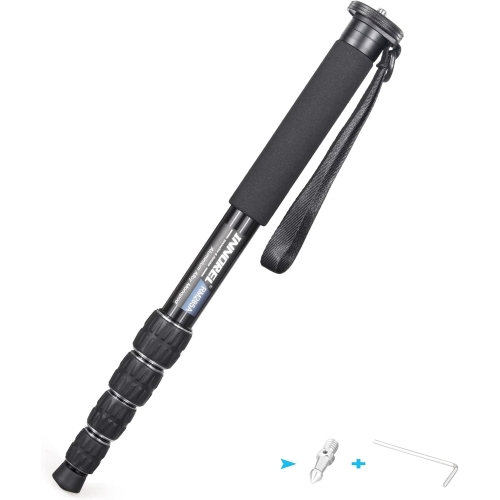

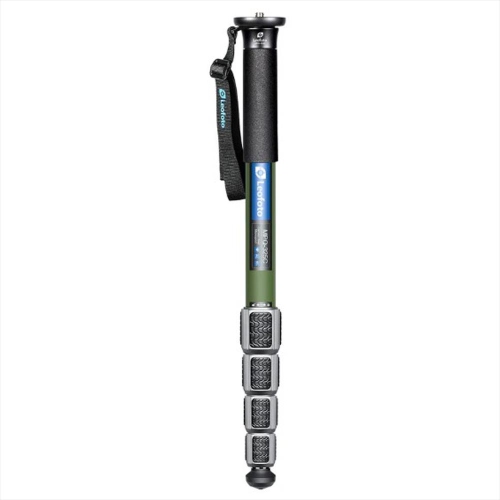
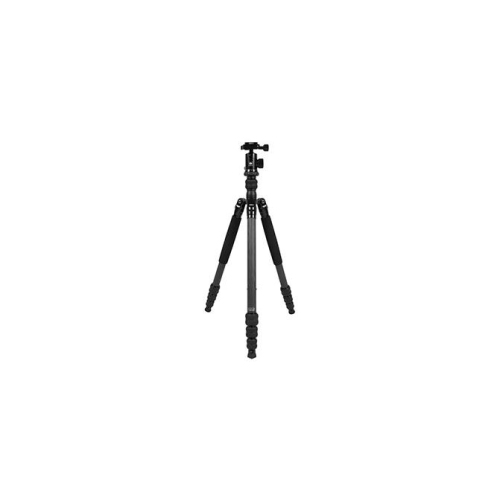
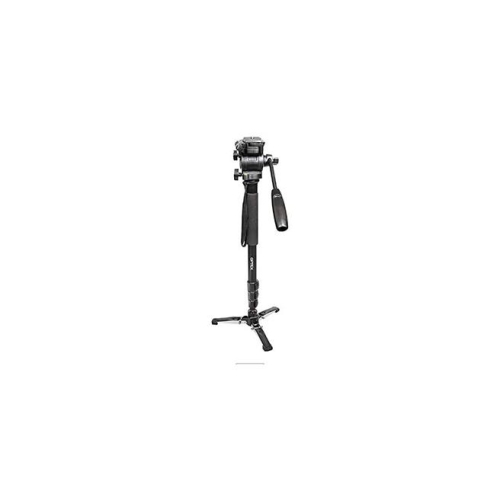
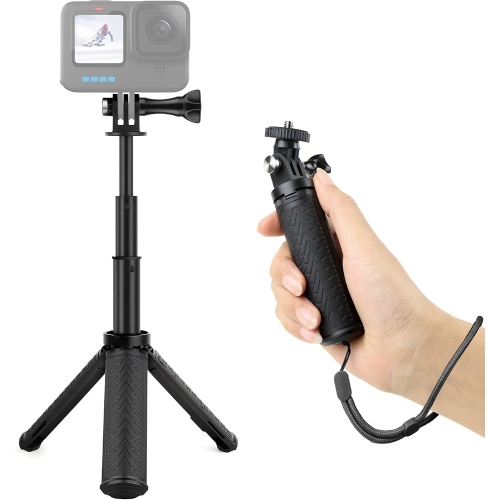
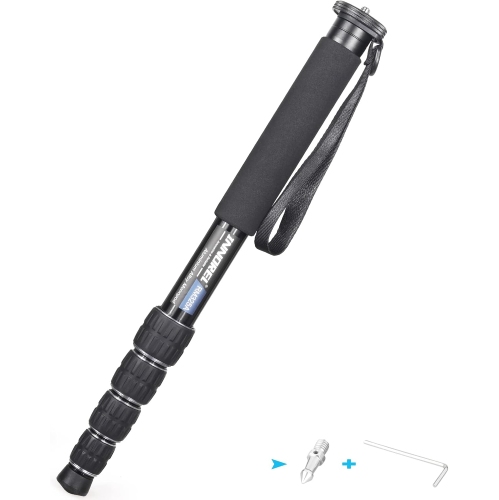
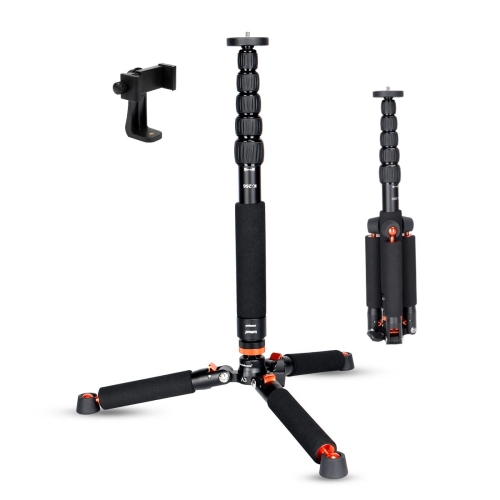

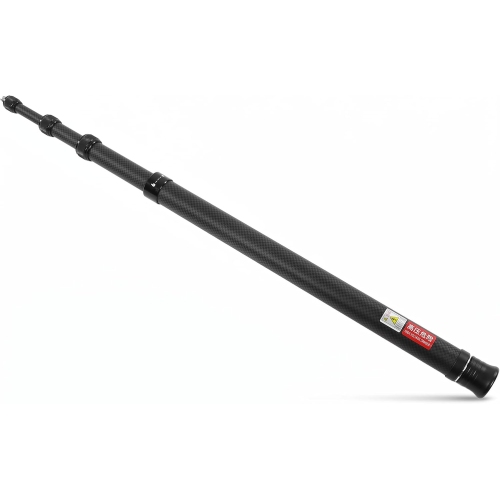
Packed size and shooting height tell different stories
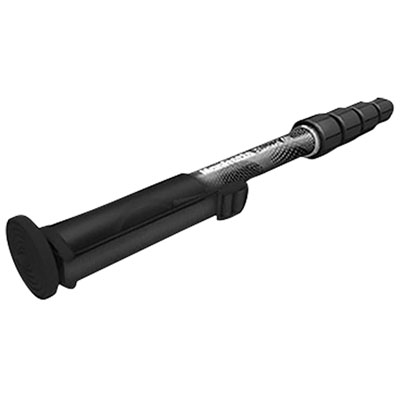
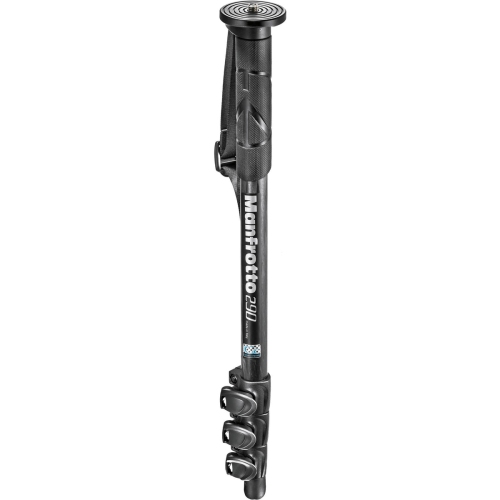
A short monopod is a compact, single-leg camera support designed to add stability without the spread or setup space of a tripod. Depending on its design, it may have a low maximum working height, collapse into a particularly small package, or combine both features. That distinction matters: a support that packs neatly into a shoulder bag may still extend to standing height, while a genuinely short model can be better suited to seated photography, close-up subjects, or viewpoints near the ground. Folded length, minimum working height, and maximum extension describe different aspects of its size, and each affects how it fits into a camera setup. For photographers moving through galleries, photographing details at a craft table, or working beside a crowded sidelines area, a narrow footprint can make positioning easier. A monopod can also take some of the weight of a camera and lens off the arms during repeated shots, although it still needs to be held and balanced. It reduces some movement rather than locking the camera in place, so it is not a substitute for a tripod when a completely stationary setup or a long exposure is essential. Some compact designs have small folding feet that improve contact with the ground, but those feet should not be assumed to make the camera safe to leave unattended. Short monopods can suit mirrorless cameras, DSLRs, compact cameras, and action cameras when the mount and weight rating are appropriate. A smartphone requires a compatible holder rather than a camera screw alone. For close-up photography, the benefit is often a more manageable shooting position: a photographer can sit beside a tabletop display or crouch near a small subject without repeatedly carrying the full camera weight. The most useful size is therefore tied to the shooting position, not simply to how short the support looks when packed. Space for the head and camera also affects the final lens height, especially when the composition needs to sit close to the subject.
Materials and construction influence how a short monopod feels in use as much as its dimensions do. Aluminum models often provide a solid feel, while carbon fibre can reduce carrying weight; actual weight and rigidity depend on the complete design, including tube diameter, leg sections, joints, and head. A compact folded length is sometimes achieved through several telescoping sections, which means more locks to operate and narrower lower sections when fully extended. Fewer, broader sections may feel firmer, but can take up more room in a bag. Twist locks offer a streamlined profile, while lever locks make their open or closed position easy to see. Either style needs to secure each section without slipping under the intended load. The rated capacity should accommodate the camera body, lens, mounting head, and attached accessories together, rather than the camera body alone. A long lens also changes the balance, so a suitable lens collar can help position its weight over the support. Mounting compatibility deserves the same attention as capacity. Common camera and support connections include 1/4-inch and 3/8-inch threads, but the correct connection depends on the camera, adapter, and head. A quick-release plate can simplify repeated attachment, provided the plate and receiver use a compatible system and engage securely. A tilt head helps angle the camera without leaning the entire shaft, while a ball head allows movement in several directions. For video, smooth panning and tilting depend on the head and base design; a basic monopod does not automatically provide fluid movement. Each added component increases the total height and weight, which can change how well a compact setup works in a confined space. Grip texture, a comfortable strap where supplied, and an appropriately sized handle area also affect control during longer sessions. At the bottom, a rubber foot can provide purchase on many hard surfaces, while an interchangeable tip may suit other surfaces if the manufacturer specifies it. Floor protection and a secure contact point both matter when working indoors.
Portability becomes especially noticeable when a camera support travels alongside lenses, batteries, and everyday belongings. A short folded monopod may fit inside a backpack rather than hanging outside it, reducing the chance of catching on a doorway or brushing against other people. Its folded diameter matters too: a small bundle with a bulky head attached can occupy more space than its length suggests. For photographers who walk between locations or carry equipment through an event, the Light Weight Monopod collection is also relevant when carrying weight matters as much as packed length. Short and lightweight describe different qualities, and neither alone establishes how much equipment a support can safely carry. Everyday practicality also includes how easily the camera detaches, whether the strap stays clear of controls, and whether the collapsed support fits the intended bag compartment. For family photography, travel documentation, or recording a demonstration from a seated position, those small details can determine whether the monopod becomes a regular companion or stays behind. As a gift, a compact camera support can suit a photography student, an enthusiast building a more portable setup, or someone who finds prolonged handheld shooting tiring. Compatibility with the recipient’s camera and typical lens is more important than appearance alone. Regular care is straightforward but worthwhile: dust and grit should be removed from accessible surfaces, grips can be wiped with a lightly dampened cloth, and the support should be dry before storage. Locking mechanisms and removable feet benefit from periodic inspection, with cleaning and adjustment kept within the manufacturer’s instructions. Solvents, unapproved lubricants, and overtightening can damage components or interfere with their operation. A protective sleeve can help prevent scuffs against other equipment in a bag. With suitable dimensions, secure mounting, and a comfortable grip, a short monopod offers a practical middle ground between unsupported handheld shooting and a larger support system, particularly when mobility and a compact working position are priorities.
Top selling and popular products
-
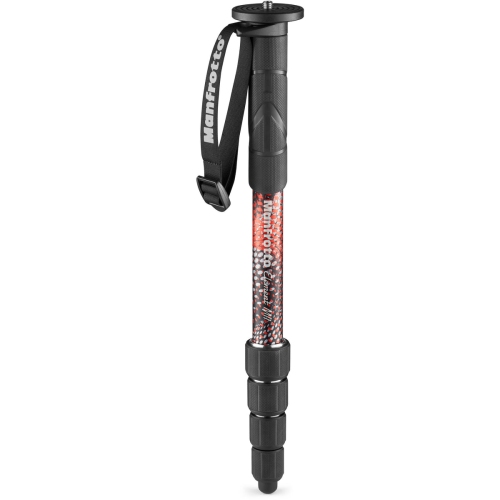 Your price for this item is $137.84
-
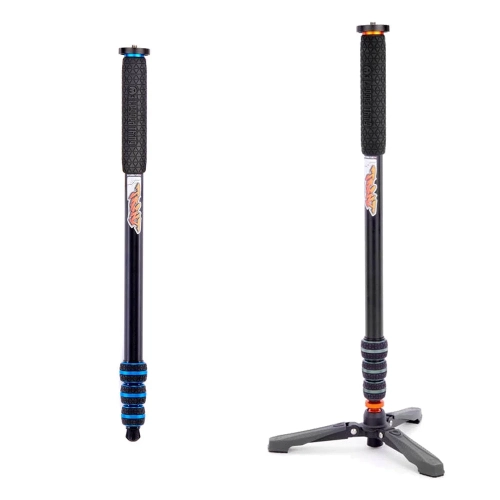 Your price for this item is $173.99
-
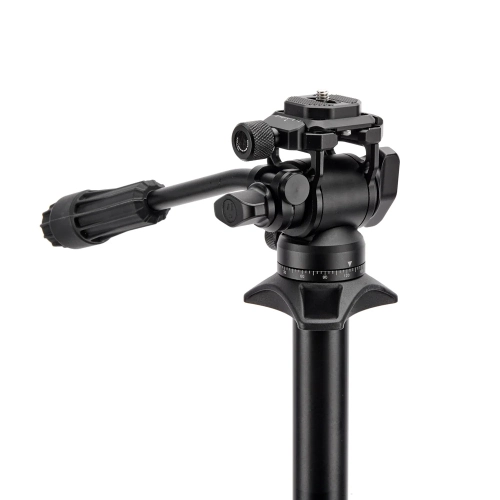 Your price for this item is $221.99
-
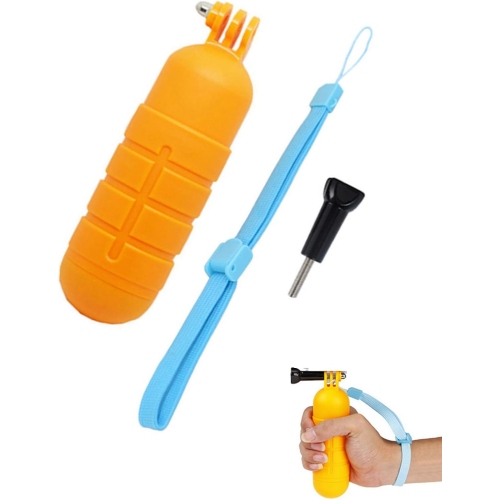 Your price for this item is $15.99
-
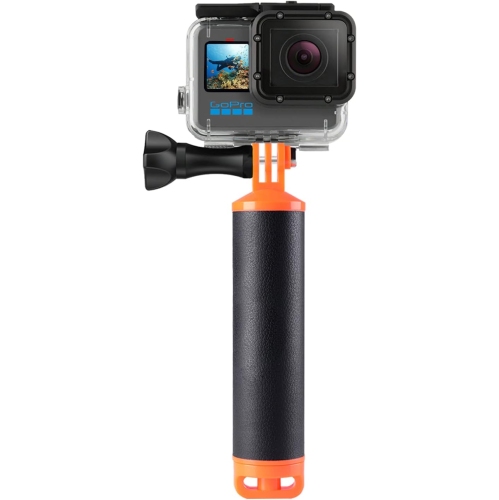 Your price for this item is $16.99
-
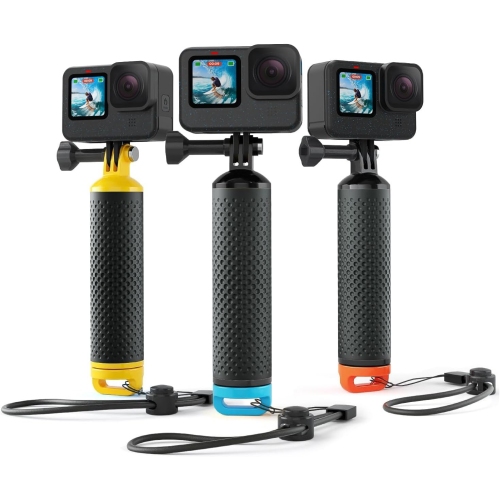 Your price for this item is $17.99
-
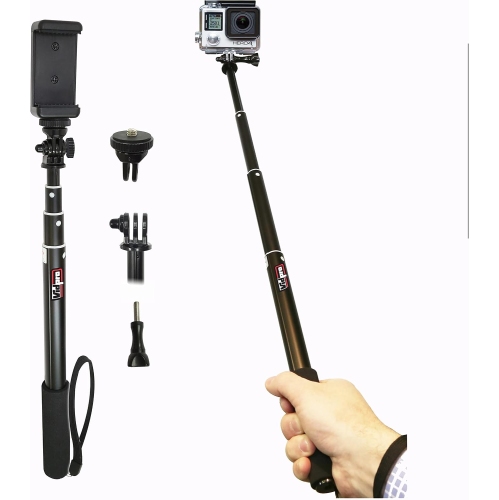 Your price for this item is $23.71
-
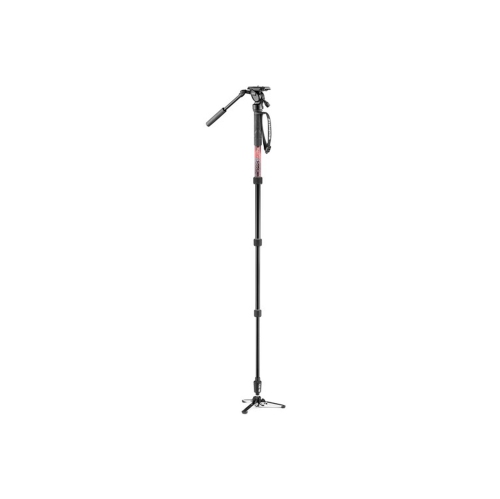 Your price for this item is $299.99
Discover more categories related to Short Monopod
Top Collections:
Best Black Friday Deals This Year, Best Black Friday Deals On Electronics, Kindle Devices, Pokemon Centers, Best Black Friday Deals On Apple Products, Best Cameras for Sports Photography, Dyson Airwrap, Pokémon 30th Celebration Cards, Apple iPhone 17 Pro, Canon G7X Cameras
Some products may be subject to Environmental Handling Fees
(EHF) depending on your province.
Learn more about EHFs.