Small Sports Cameras
If you're looking for a small, lightweight, and easy-to-use camera to capture sports activities, you've come to the right place. These cameras are perfect for capturing sports activities in crisp, clear video and audio. Here are some great options for a small sports cameras.
Sort
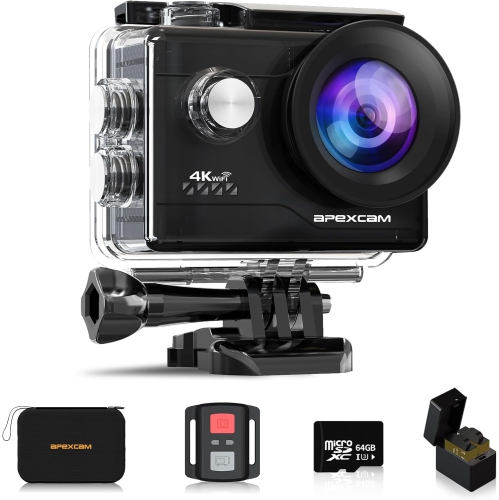
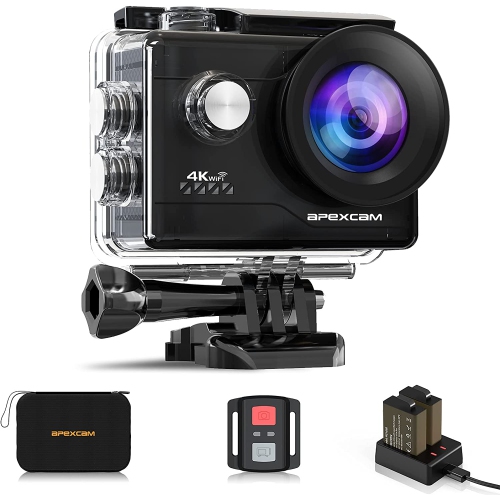
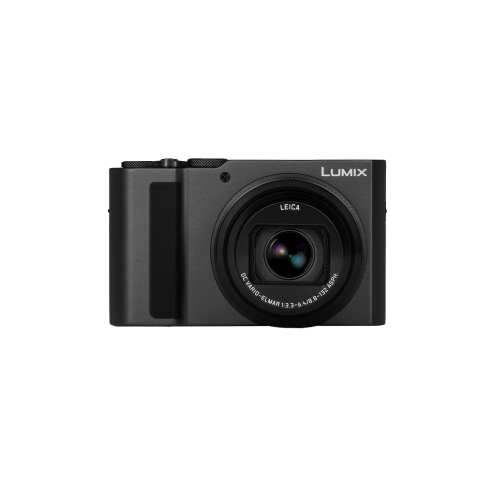
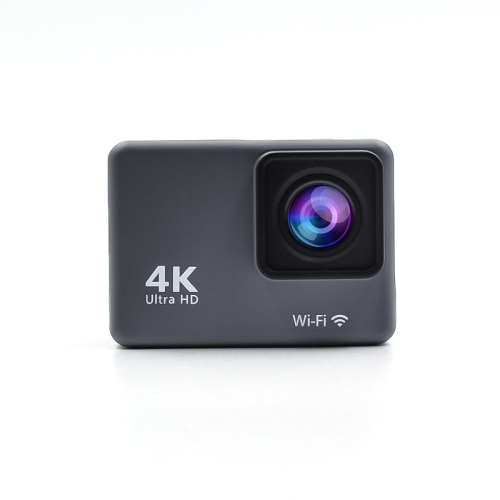
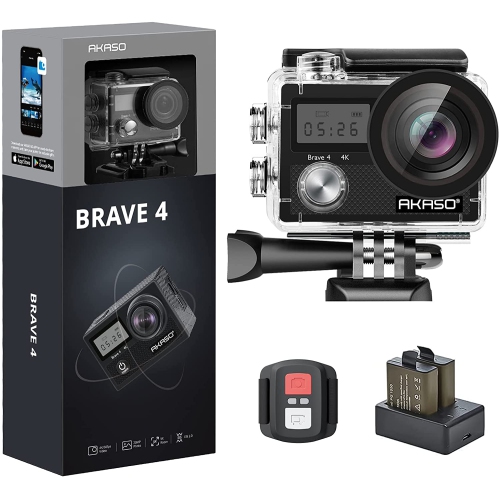
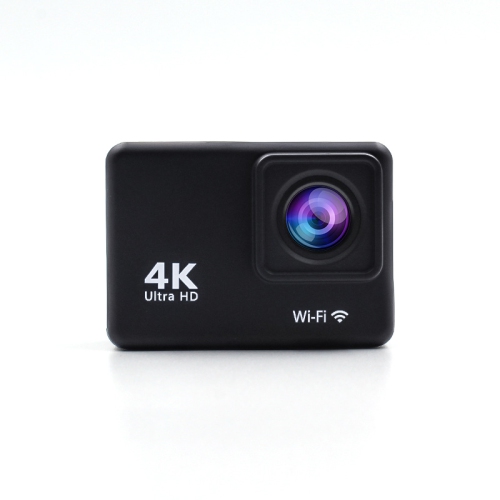
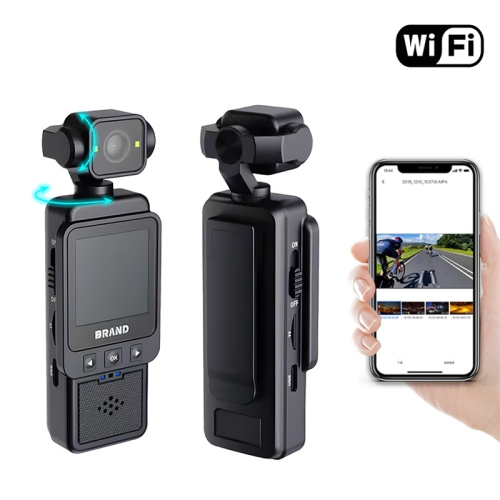
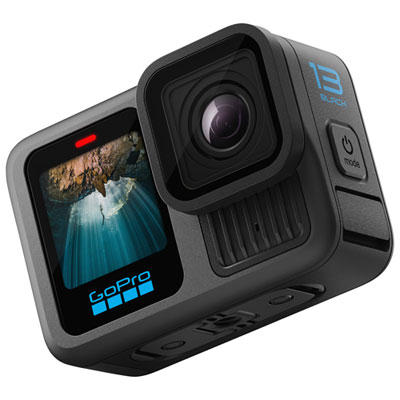
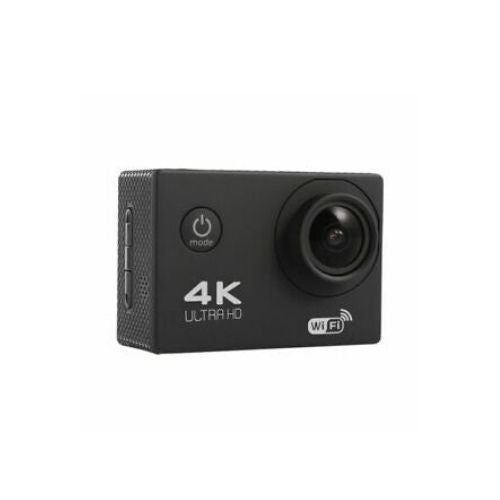
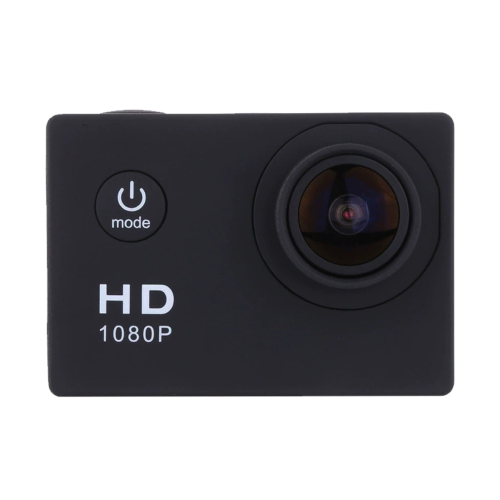
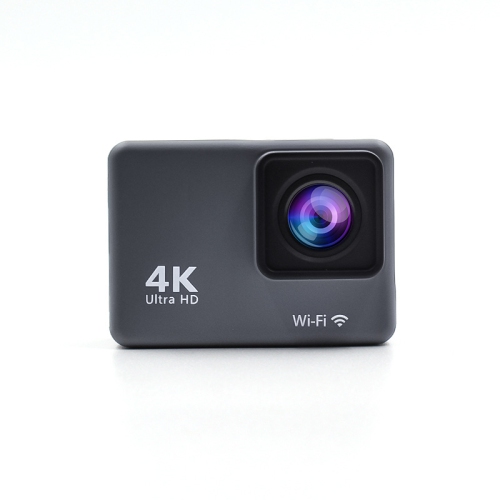
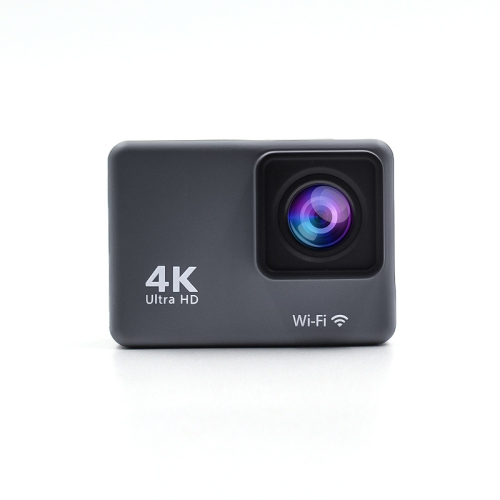
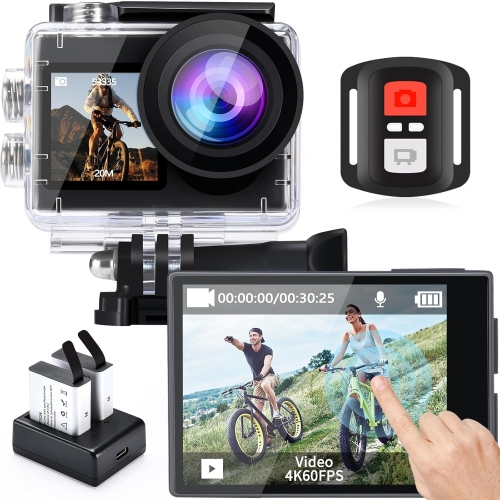
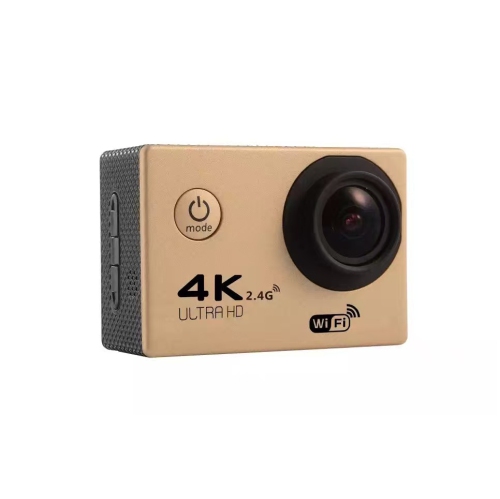
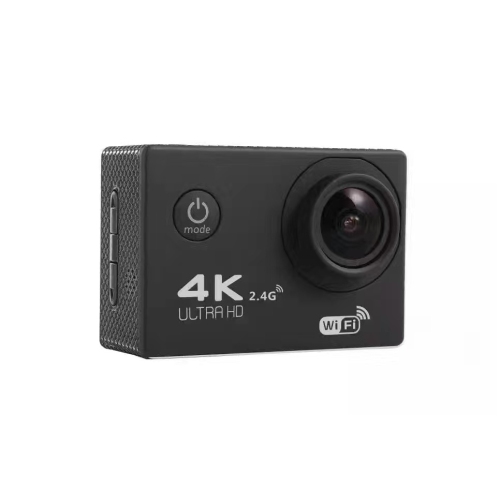
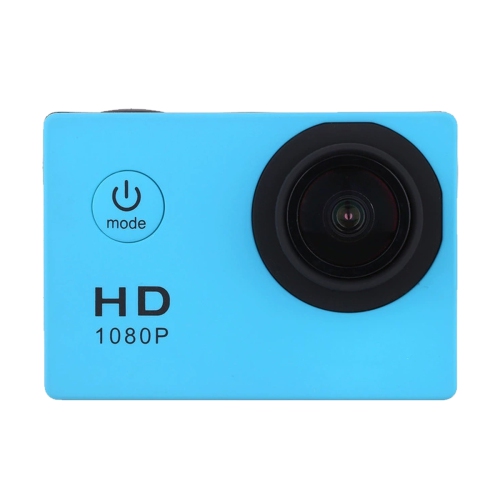
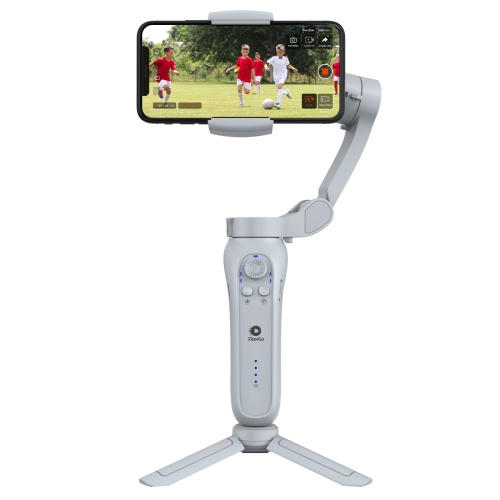
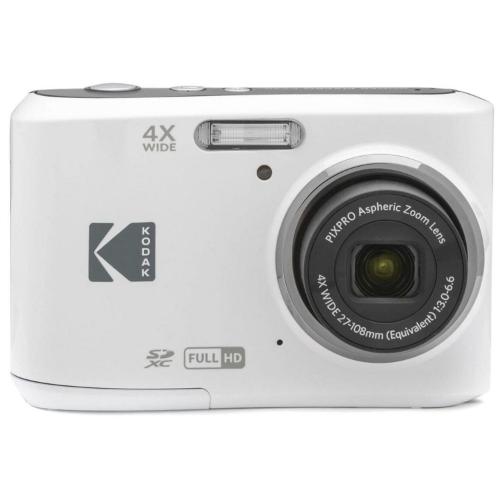
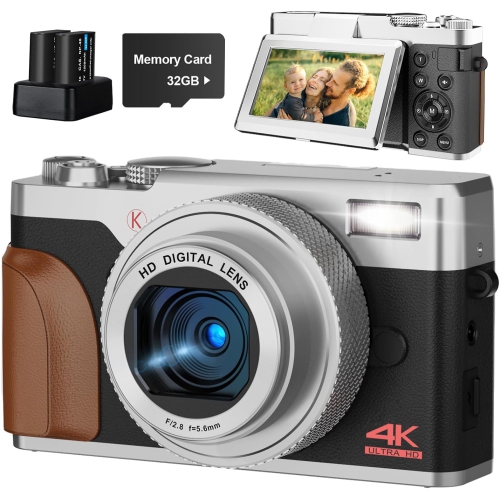
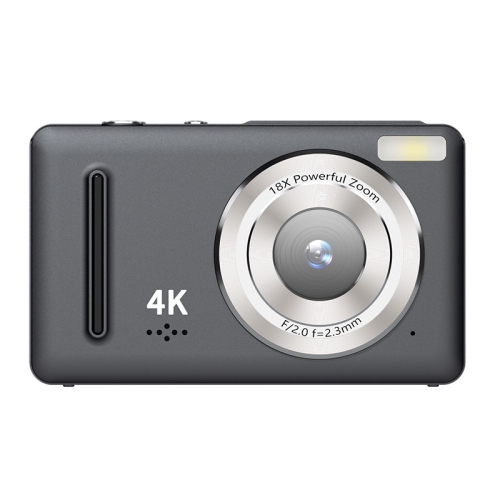
Hands-free footage starts with the right camera placement
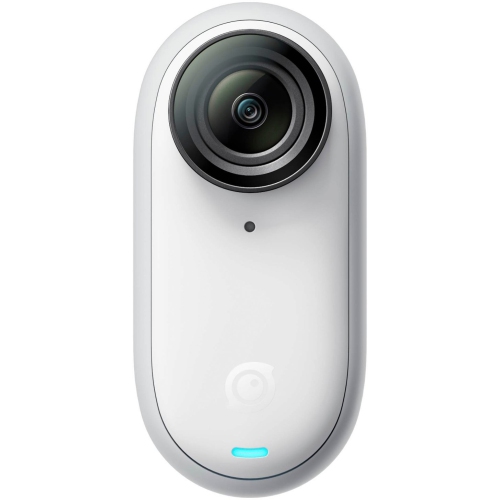
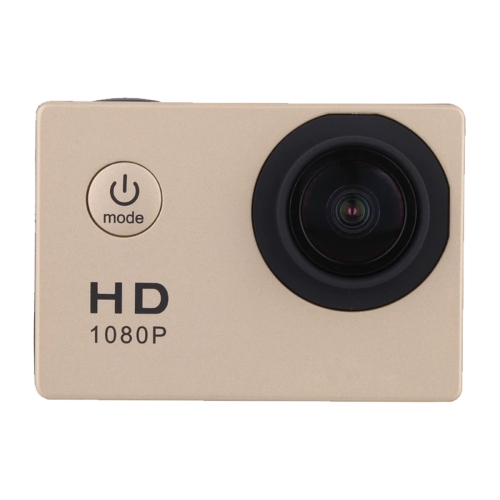
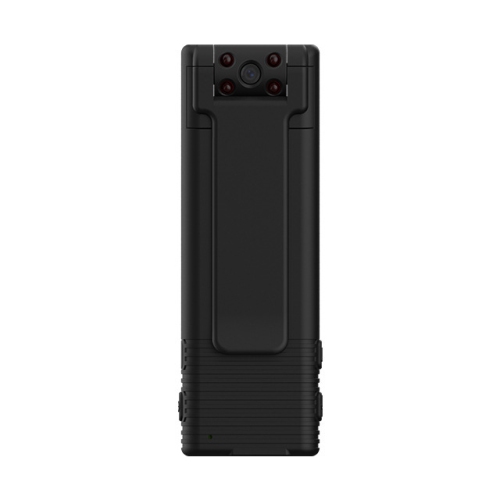
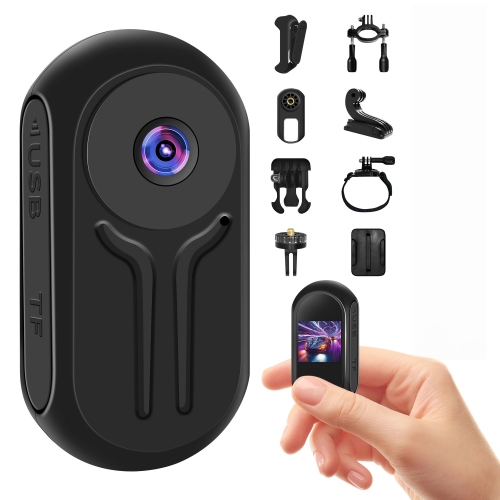
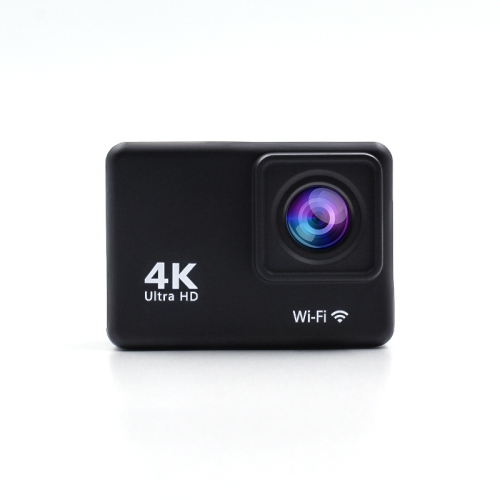
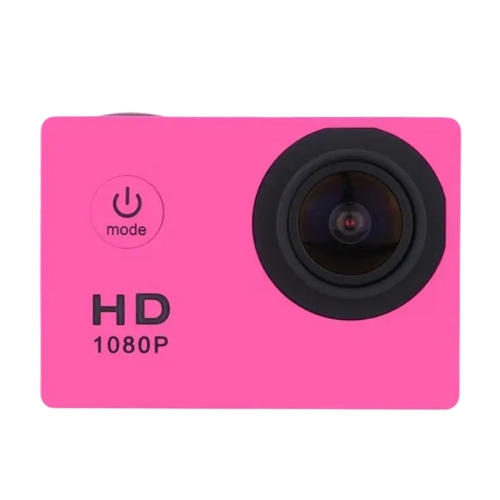
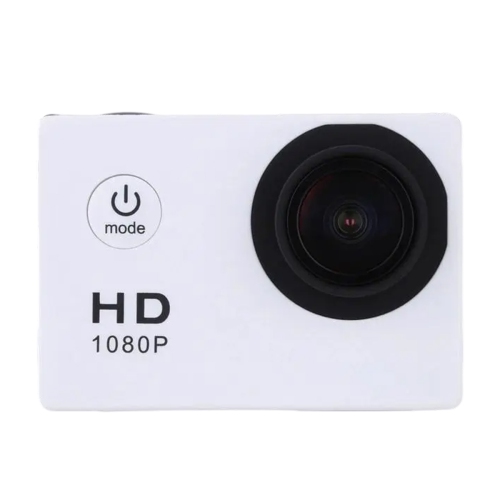
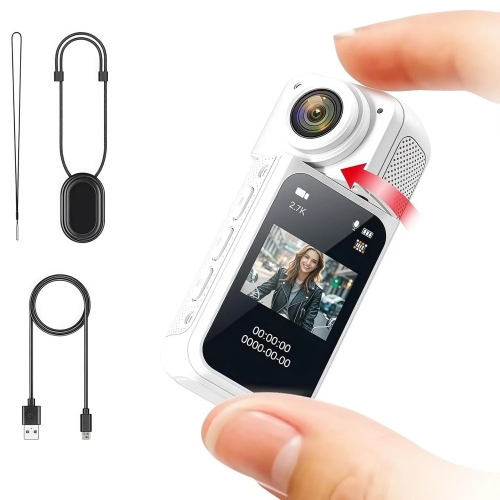
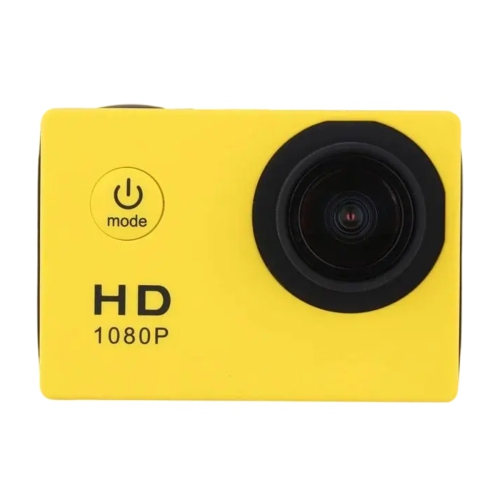
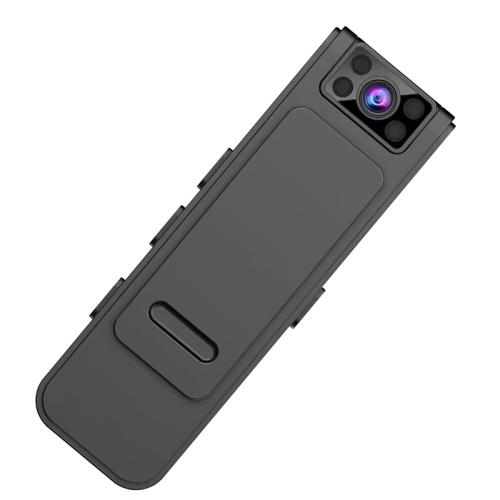
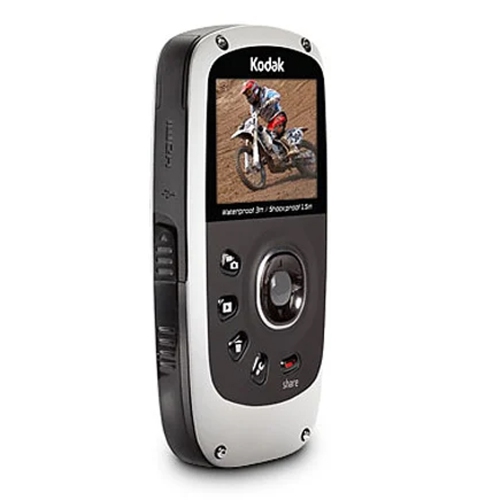
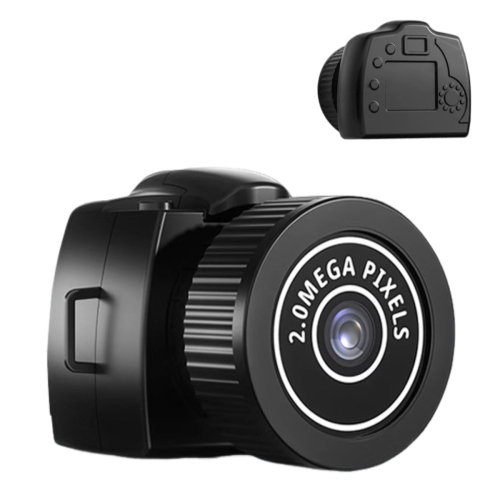
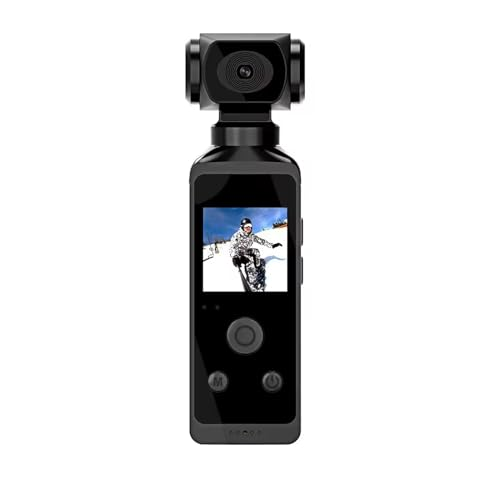
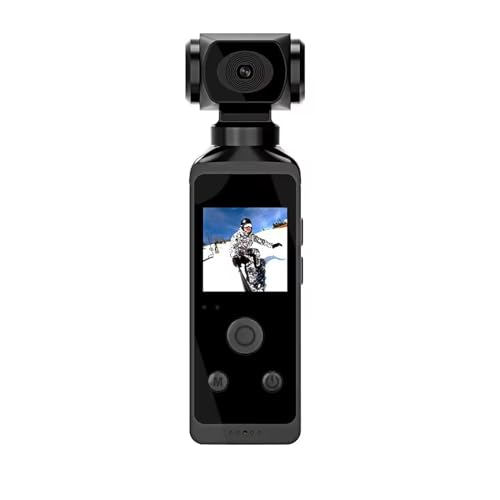
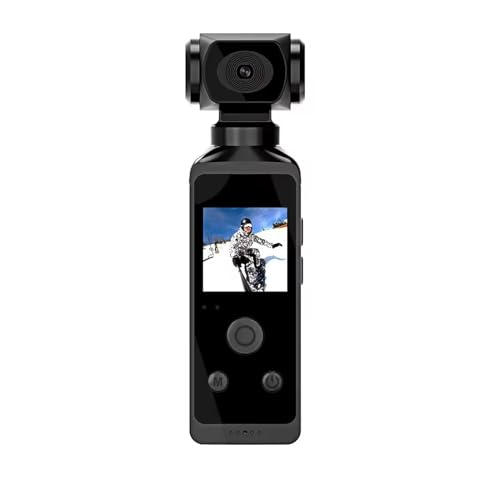
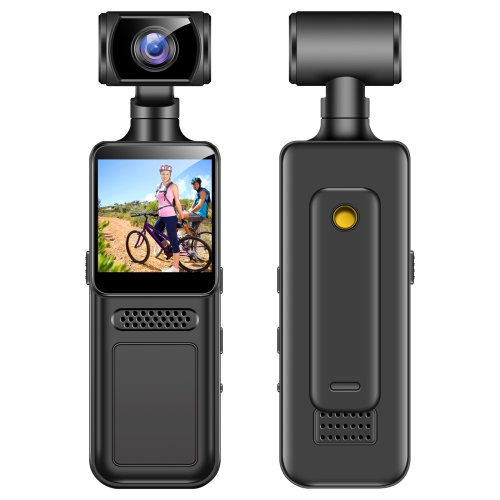
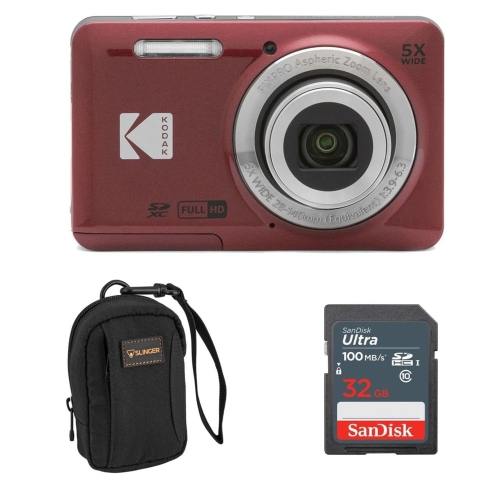
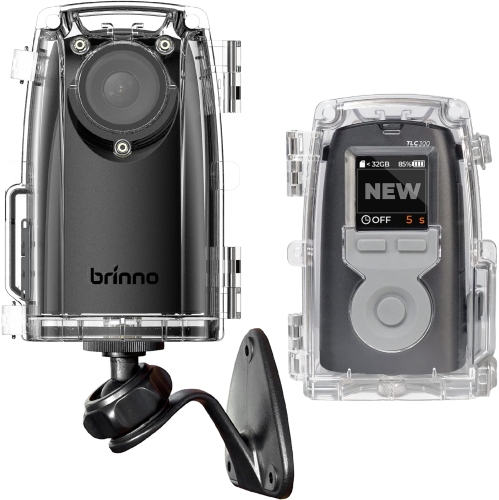
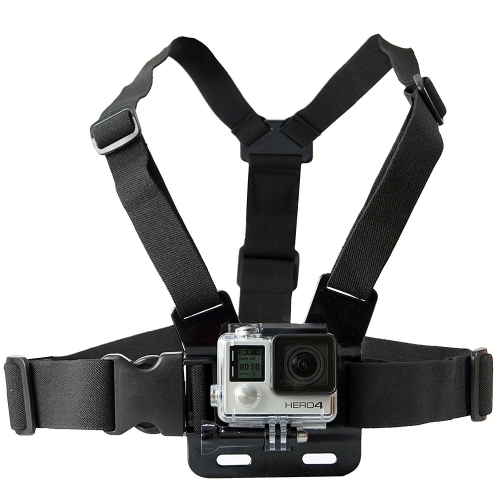
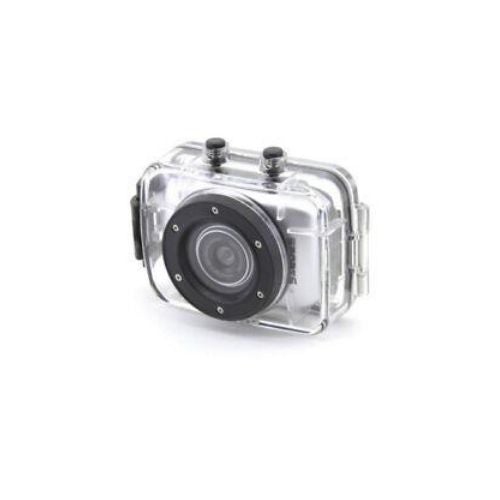
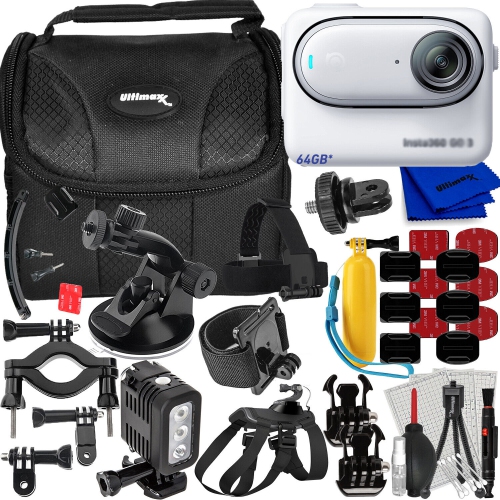
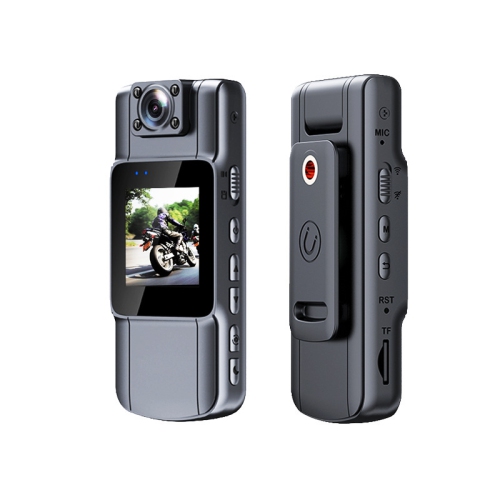
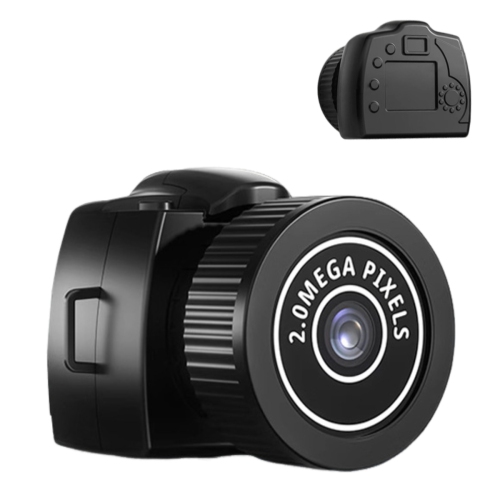
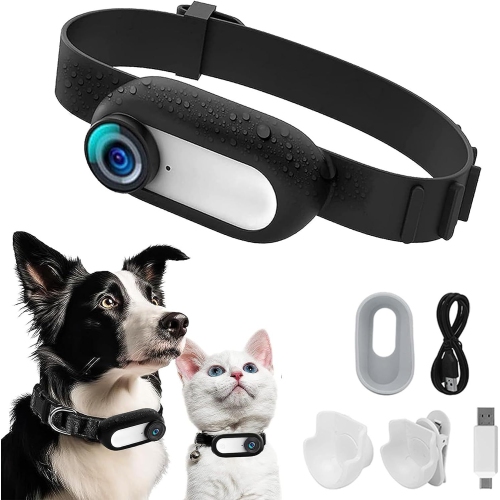
Small sports cameras are compact, lightweight cameras designed to capture movement from a close-up, first-person perspective. Often called mini action cameras or wearable sports cameras, they can attach to compatible clothing clips, chest harnesses, helmets, or equipment mounts, leaving hands free during an activity. Their appeal is as much about placement as portability: a camera positioned on a cyclist’s chest captures the handlebars and trail ahead, while a securely mounted camera beside a basketball court offers a fixed view of footwork and passing drills. Some designs are small enough to wear discreetly on a shirt; others have a slightly larger body with a built-in screen and more accessible controls. The right balance depends on whether the priority is minimal weight, easy framing, extended recording, or a particular mounting position. Small sports cameras suit recreational athletes, coaches, travellers, and people who want to preserve the details of an active day without carrying a larger camera. They can also make thoughtful gifts for someone who already enjoys filming rides, training sessions, or family adventures, especially when the mounting system matches that person’s usual activities. Video resolution, frame rate, and stabilization all contribute to the footage, but each serves a different purpose. Higher resolution can retain more detail and leave room for cropping, while higher frame rates can make rapid movement easier to follow or support slow-motion playback. Electronic image stabilization helps reduce visible shake, although it may crop the image and its effectiveness varies with movement and lighting. A wide-angle lens captures more of the scene when the camera is close to the action, but it can also make objects near the edges appear stretched. Selectable fields of view or lens-correction settings, where offered, provide alternatives for a more natural-looking image. For fast-moving activities, clear footage depends on the combination of camera performance, a stable attachment, and a useful viewpoint rather than resolution alone.
The physical design of a small sports camera affects how comfortably and reliably it fits into an activity. Lightweight bodies can reduce the pull on a shirt clip or the bulk of a chest-mounted setup, while larger controls may be easier to operate without looking closely at the camera. Housings commonly use moulded plastics, sometimes with metal components or protective lens covers; the construction and protection ratings matter more than a rugged appearance. Water resistance, waterproofing, and impact protection are separate characteristics, and none should be assumed simply because a camera is intended for sports. Some cameras can be used in water on their own within stated limits, while others require a compatible sealed housing. For swimming or paddling, the manufacturer’s depth, duration, and use restrictions are important, as is the security of the mounting arrangement. Shoppers interested in broader activity-focused options can also explore Action Cameras for Outdoor Sports. Fit deserves similar attention: a chest harness should remain stable without restricting breathing or arm movement, and a clothing clip works best where the fabric can support the camera without sagging or bouncing. Magnetic attachments offer convenient positioning on compatible setups, but a secondary retention system may be appropriate for vigorous movement when supported by the manufacturer. Helmet attachments must follow both the helmet and camera mount manufacturers’ directions and should never require modifications that compromise protective equipment. A secure attachment also needs an unobstructed view; a sleeve, strap, or handlebar cable can spoil footage even when the camera is firmly in place. Mount compatibility varies, so the connection type, adapter requirements, and clearance around buttons or charging ports all affect everyday usability. For contact sports or organized activities, venue and league rules may limit wearable cameras. A fixed position outside the playing area can be a more suitable way to record technique without putting a device on a participant.
Day-to-day convenience often determines how much a small sports camera gets used after the first few outings. A built-in screen makes it easier to check framing and playback directly, while some miniature designs rely on a paired phone or a separate display accessory for those tasks. Wi-Fi connectivity can support previews and transfers on compatible models, although app requirements, phone compatibility, and transfer methods differ. Simple status lights, clear recording indicators, and responsive controls help prevent the disappointment of finishing a good run only to discover that recording never started. Battery life also deserves context: published figures may reflect particular settings, and higher resolutions, faster frame rates, wireless connections, or active displays can shorten recording time. Some cameras have removable batteries, while others use an internal battery and need a charging break; recording during charging is a separate capability that should be confirmed rather than assumed. Storage may be built in or depend on a compatible memory card, with supported card capacities and speed requirements varying by camera. Longer sessions and higher-quality recording modes create larger files, making a straightforward transfer and backup routine useful. Sound is another practical consideration. Built-in microphones can capture voices and the rhythm of an activity, but rushing air, vibration, and protective housings may reduce clarity. External microphone support is not universal, particularly in very small designs. After use, care is usually straightforward but should follow the manufacturer’s instructions: remove loose grit gently, clean the lens with suitable materials, inspect mounts and seals, and ensure permitted surfaces are dry before opening compartments or connecting a charger. Where fresh-water rinsing is recommended after exposure to salt or pool water, the camera must remain properly sealed throughout that process. Protective storage helps keep the lens from rubbing against keys, tools, or other gear in a bag. For a coach reviewing repeated drills, a rider capturing a favourite route, or a traveller saving a hands-free view of a memorable activity, a well-matched small sports camera combines manageable size with dependable mounting, useful recording features, and a workflow that makes the footage easy to revisit and share.
The physical design of a small sports camera affects how comfortably and reliably it fits into an activity. Lightweight bodies can reduce the pull on a shirt clip or the bulk of a chest-mounted setup, while larger controls may be easier to operate without looking closely at the camera. Housings commonly use moulded plastics, sometimes with metal components or protective lens covers; the construction and protection ratings matter more than a rugged appearance. Water resistance, waterproofing, and impact protection are separate characteristics, and none should be assumed simply because a camera is intended for sports. Some cameras can be used in water on their own within stated limits, while others require a compatible sealed housing. For swimming or paddling, the manufacturer’s depth, duration, and use restrictions are important, as is the security of the mounting arrangement. Shoppers interested in broader activity-focused options can also explore Action Cameras for Outdoor Sports. Fit deserves similar attention: a chest harness should remain stable without restricting breathing or arm movement, and a clothing clip works best where the fabric can support the camera without sagging or bouncing. Magnetic attachments offer convenient positioning on compatible setups, but a secondary retention system may be appropriate for vigorous movement when supported by the manufacturer. Helmet attachments must follow both the helmet and camera mount manufacturers’ directions and should never require modifications that compromise protective equipment. A secure attachment also needs an unobstructed view; a sleeve, strap, or handlebar cable can spoil footage even when the camera is firmly in place. Mount compatibility varies, so the connection type, adapter requirements, and clearance around buttons or charging ports all affect everyday usability. For contact sports or organized activities, venue and league rules may limit wearable cameras. A fixed position outside the playing area can be a more suitable way to record technique without putting a device on a participant.
Day-to-day convenience often determines how much a small sports camera gets used after the first few outings. A built-in screen makes it easier to check framing and playback directly, while some miniature designs rely on a paired phone or a separate display accessory for those tasks. Wi-Fi connectivity can support previews and transfers on compatible models, although app requirements, phone compatibility, and transfer methods differ. Simple status lights, clear recording indicators, and responsive controls help prevent the disappointment of finishing a good run only to discover that recording never started. Battery life also deserves context: published figures may reflect particular settings, and higher resolutions, faster frame rates, wireless connections, or active displays can shorten recording time. Some cameras have removable batteries, while others use an internal battery and need a charging break; recording during charging is a separate capability that should be confirmed rather than assumed. Storage may be built in or depend on a compatible memory card, with supported card capacities and speed requirements varying by camera. Longer sessions and higher-quality recording modes create larger files, making a straightforward transfer and backup routine useful. Sound is another practical consideration. Built-in microphones can capture voices and the rhythm of an activity, but rushing air, vibration, and protective housings may reduce clarity. External microphone support is not universal, particularly in very small designs. After use, care is usually straightforward but should follow the manufacturer’s instructions: remove loose grit gently, clean the lens with suitable materials, inspect mounts and seals, and ensure permitted surfaces are dry before opening compartments or connecting a charger. Where fresh-water rinsing is recommended after exposure to salt or pool water, the camera must remain properly sealed throughout that process. Protective storage helps keep the lens from rubbing against keys, tools, or other gear in a bag. For a coach reviewing repeated drills, a rider capturing a favourite route, or a traveller saving a hands-free view of a memorable activity, a well-matched small sports camera combines manageable size with dependable mounting, useful recording features, and a workflow that makes the footage easy to revisit and share.
Top selling and popular products
-
 Your price for this item is $649.99
 -
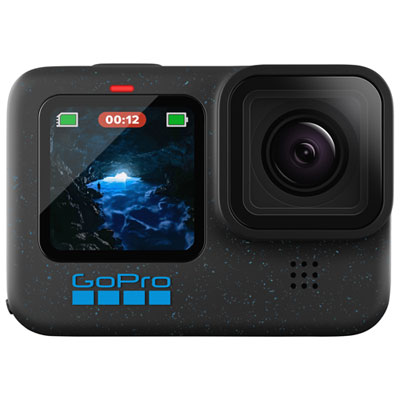 Your price for this item is $479.97
 -
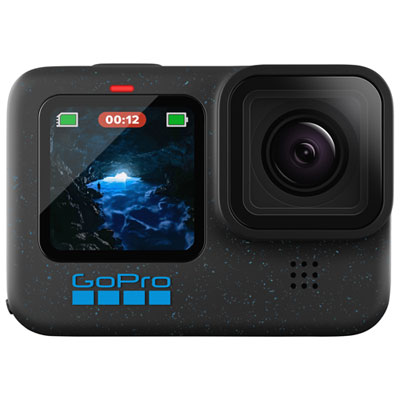 Your price for this item is $399.97
 -
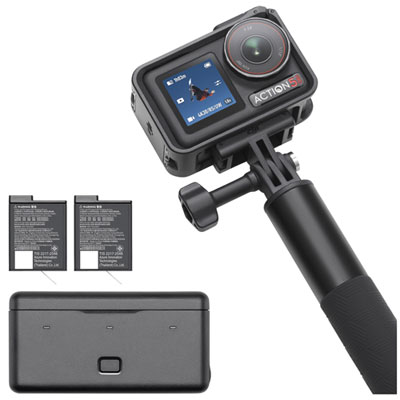 Your price for this item is $585.99
 -
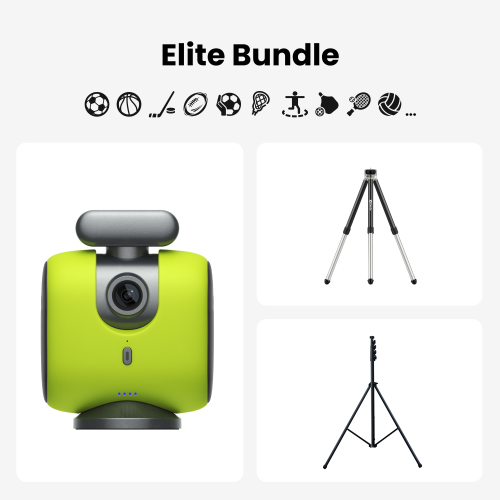 Your price for this item is $719.99
 -
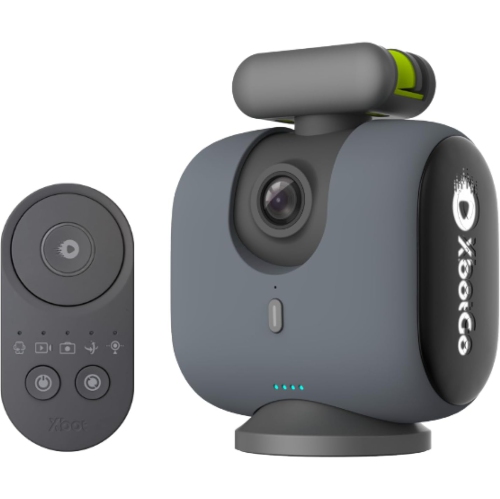 Your price for this item is $439.99
 -
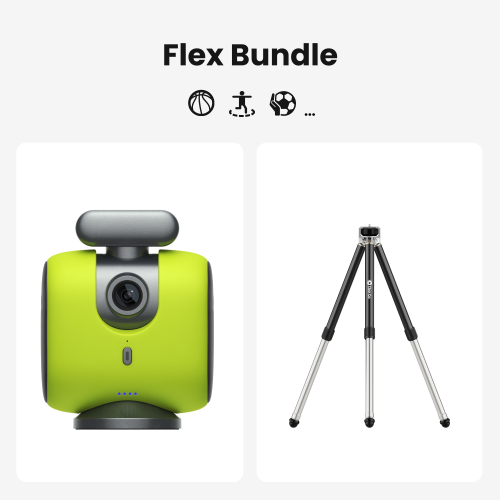 Your price for this item is $499.99
 -
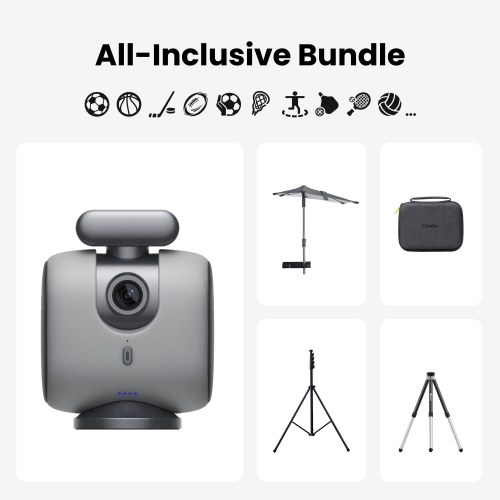 Your price for this item is $859.99
Discover more categories related to Small Sports Cameras
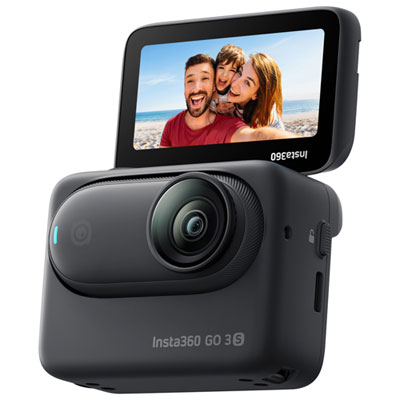
Top Collections:
Pokemon Centers, Kindle Devices, Best Budget Office Chairs, Apple iPhones 16, Best Laptops for Writers, iPhone 15 Apple, Canon G7X Cameras, Refurbished Apple Laptops, Alarm Clock, Motorola Razr Phones
Some products may be subject to Environmental Handling Fees
(EHF) depending on your province.
Learn more about EHFs.