Cameras for Sports
Having a camera for sports allows you to capture dynamic and action-packed moments that are difficult to replicate. It also provides a great opportunity to analyze and improve your performance or that of others. Here are some of the cameras for sports that we offer.
Sort
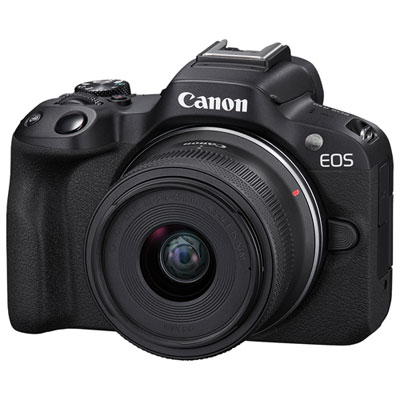
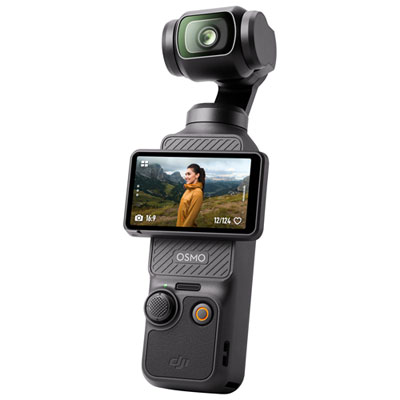
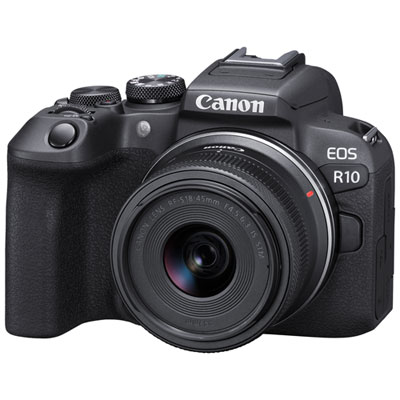
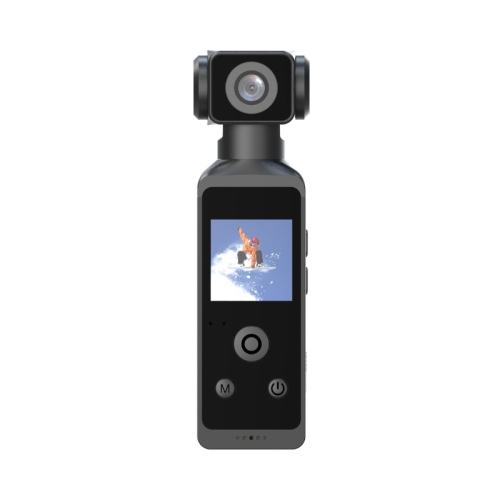
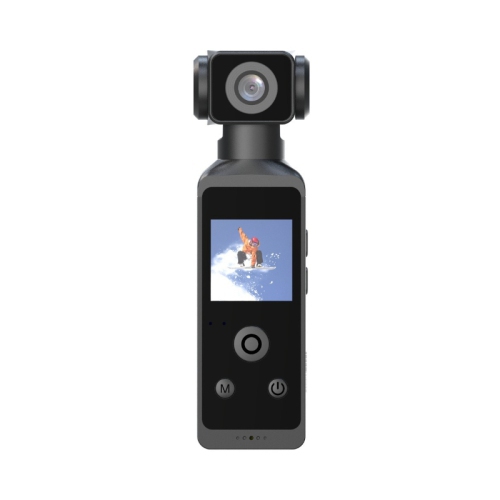
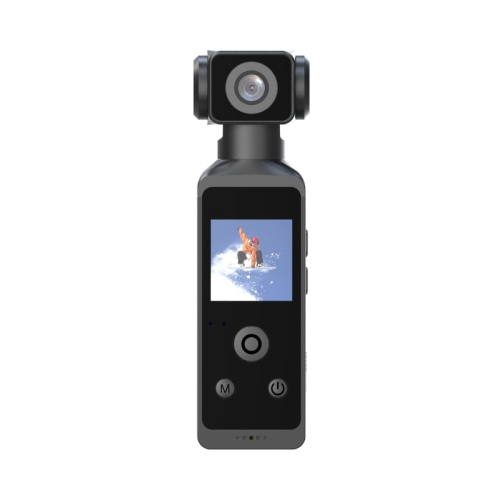
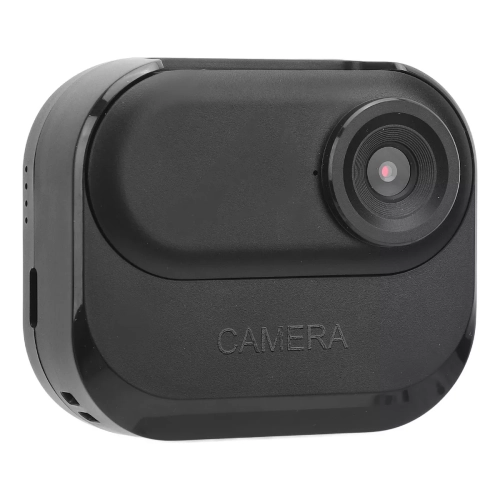
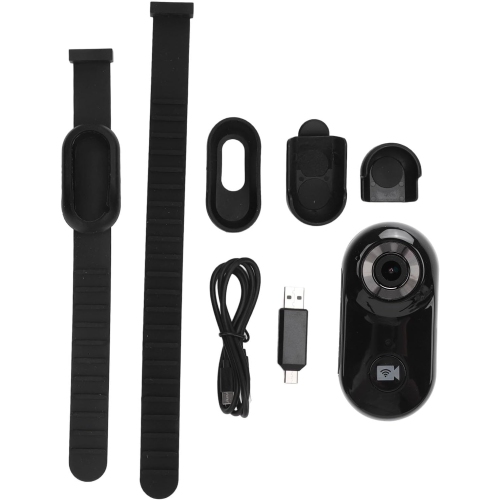
![GREEN SCENIC Thumb Camera 2.7K Quality 180° Rotating Dv HD Outdoor Sports Magnetic Camera [128GB] In Black](https://multimedia.bbycastatic.ca/multimedia/products/500x500/192/19283/19283890.jpeg)
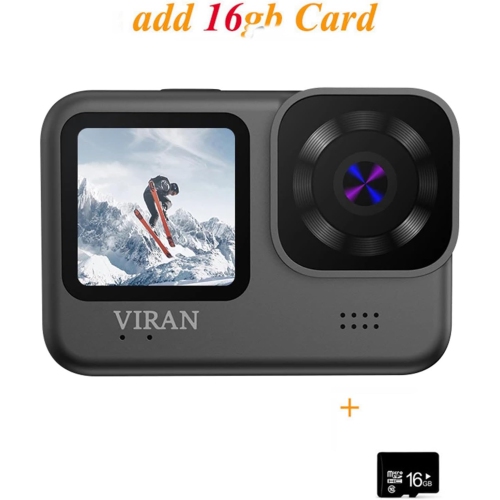
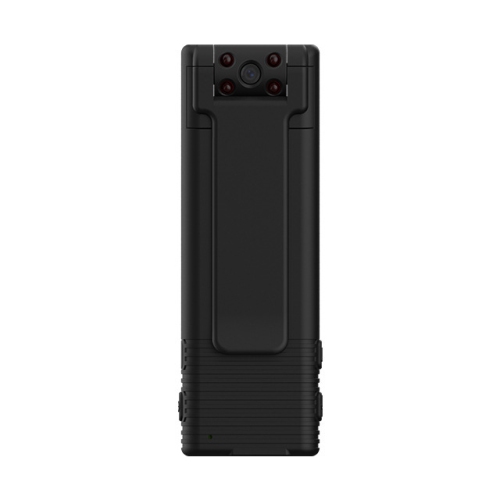
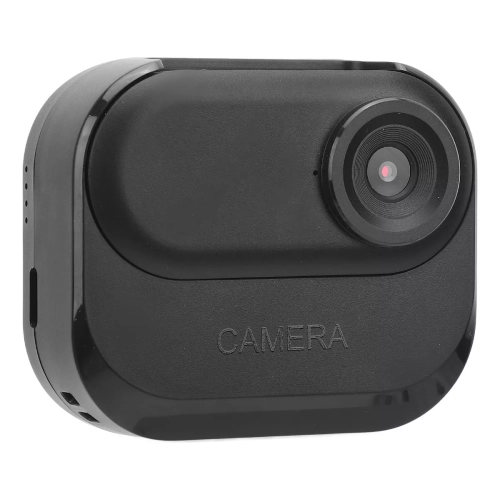
![GREEN SCENIC [Without Memory Card] Back Clip Type HD Night Vision Sports Camera Law Enforcement Recorder Recording And Video Recording Integrated](https://multimedia.bbycastatic.ca/multimedia/products/500x500/192/19283/19283864.jpeg)
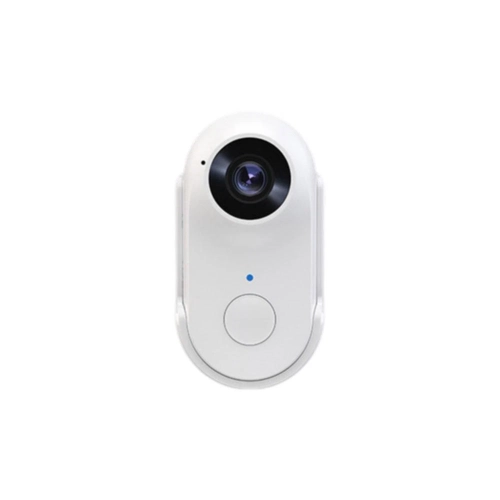
![GREEN SCENIC [64GB] Thumb Camera 2.7K Quality 180° Rotating Dv HD Outdoor Sports Magnetic Camera (White)](https://multimedia.bbycastatic.ca/multimedia/products/500x500/192/19283/19283860.jpeg)
![GREEN SCENIC [64GB] Thumb Camera 2.7K Quality 180° Rotating Dv HD Outdoor Sports Magnetic Camera (White)](https://multimedia.bbycastatic.ca/multimedia/products/500x500/192/19283/19283871.jpeg)
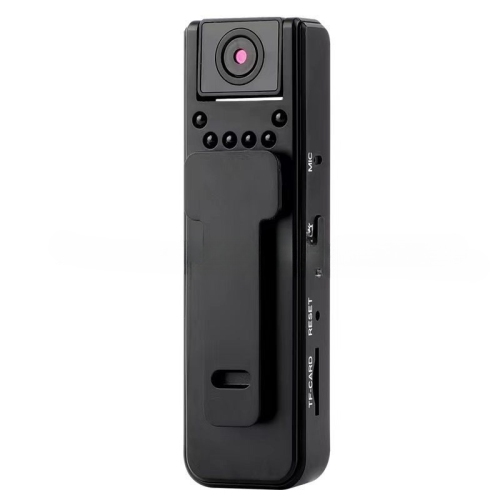
![GREEN SCENIC Thumb Camera 2.7K Quality 180° Rotating Dv HD Outdoor Sports Magnetic Camera [128GB] In White](https://multimedia.bbycastatic.ca/multimedia/products/500x500/192/19283/19283858.jpeg)
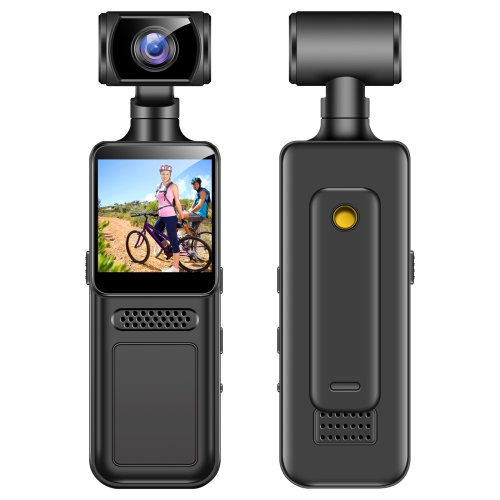

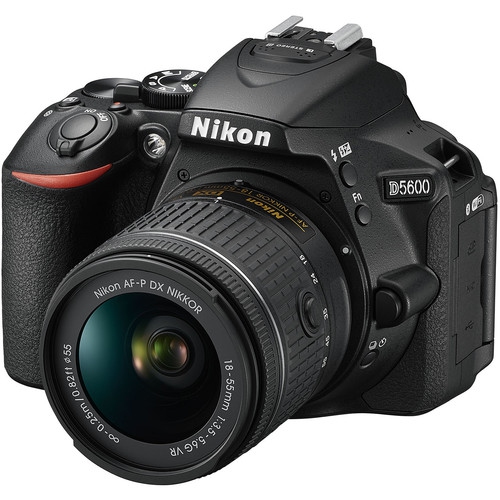
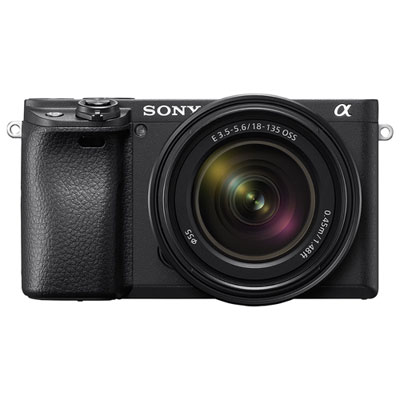
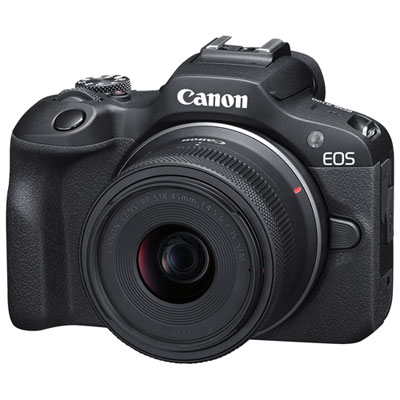
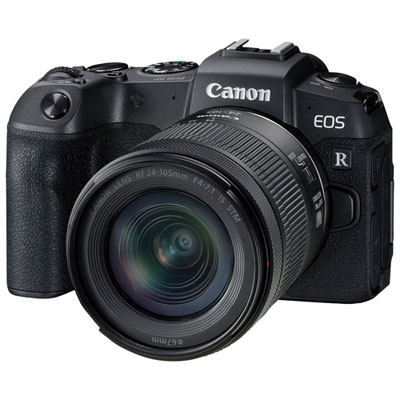
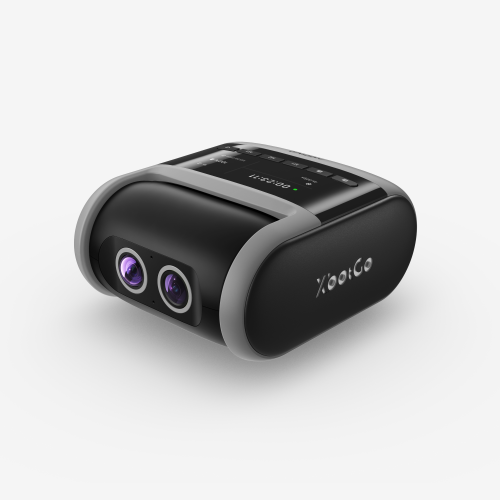
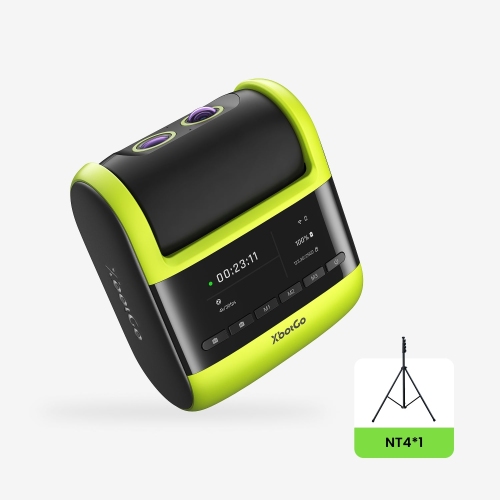
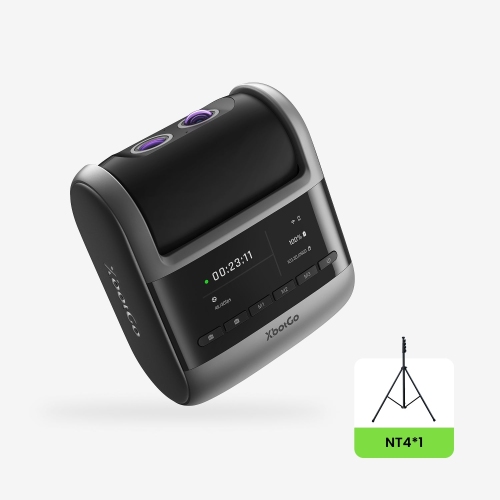
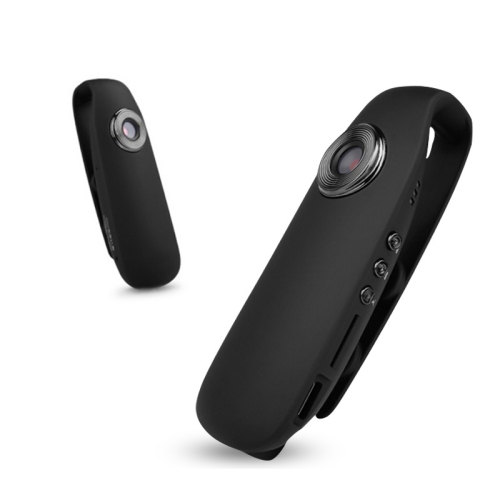

![GREEN SCENIC [16GB] HD 4K Micro Video Recorder Destination Sports Camera Micro Video Recorder Mini Dv 2160 Resolution Conference Video Recorder 0.66](https://multimedia.bbycastatic.ca/multimedia/products/500x500/192/19283/19283866.jpeg)
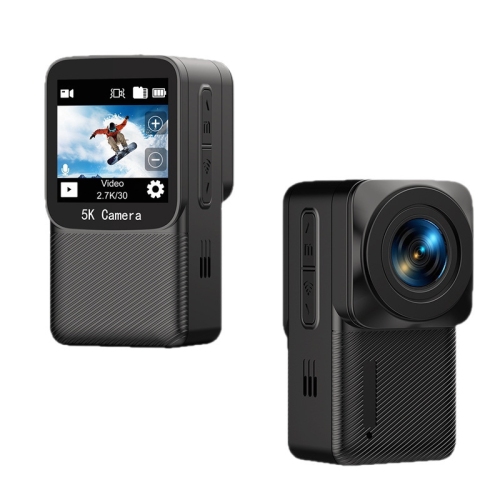
![GREEN SCENIC [256GB] HD 4K Mini Video Recorder Video Recorder Noise Reduction Sports Camera Mini Video Recorder Mini Dv Conference Video Recorder](https://multimedia.bbycastatic.ca/multimedia/products/500x500/192/19283/19283845.jpeg)
![GREEN SCENIC [32GB] HD 4K Mini Video Recorder Video Recorder Noise Reduction Sports Camera Mini Video Recorder Mini Dv Conference Video Recorder 0.66](https://multimedia.bbycastatic.ca/multimedia/products/500x500/192/19283/19283909.jpeg)
![GREEN SCENIC [128GB] HD 4K Mini Video Recorder Video Recorder Noise Reduction Sports Camera Mini Video Recorder Mini Dv Conference Video Recorder](https://multimedia.bbycastatic.ca/multimedia/products/500x500/192/19283/19283919.jpeg)
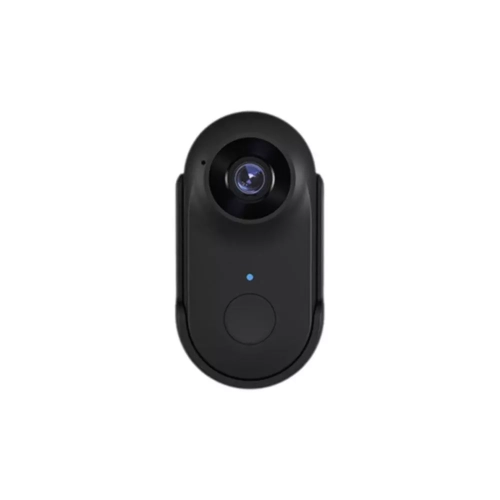
Capture every play from the trail to the sidelines
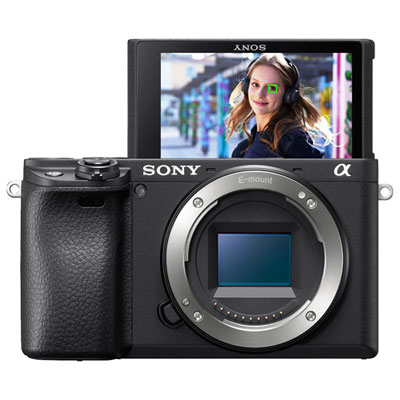
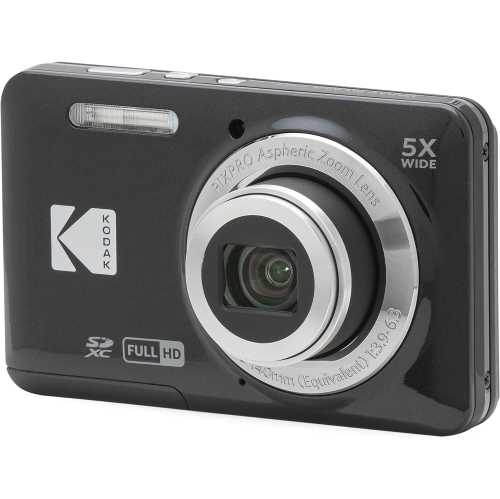
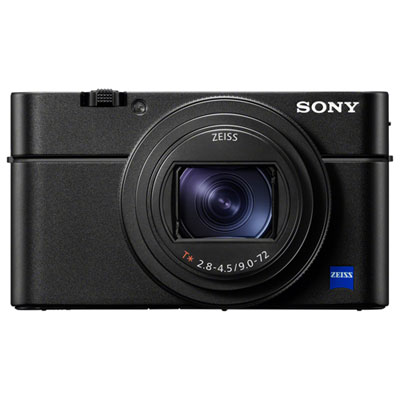
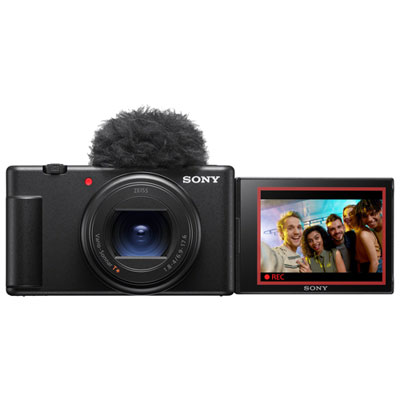
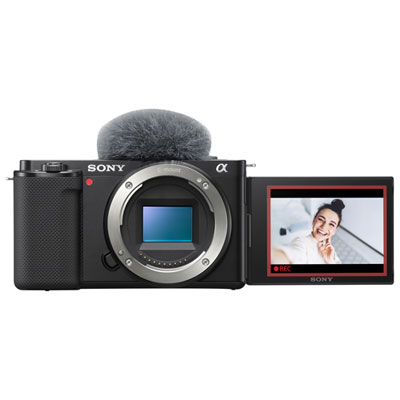
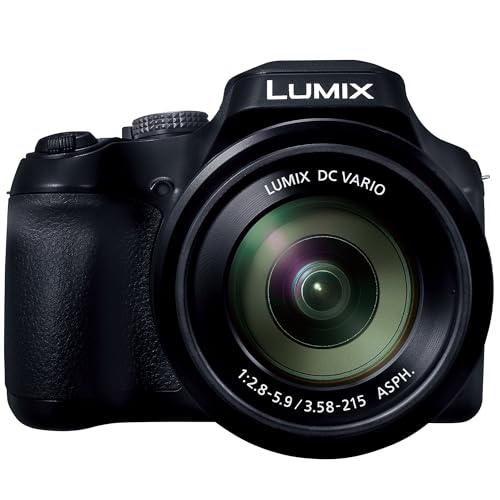
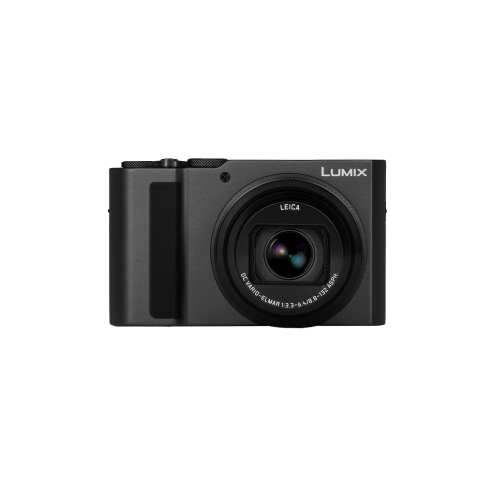
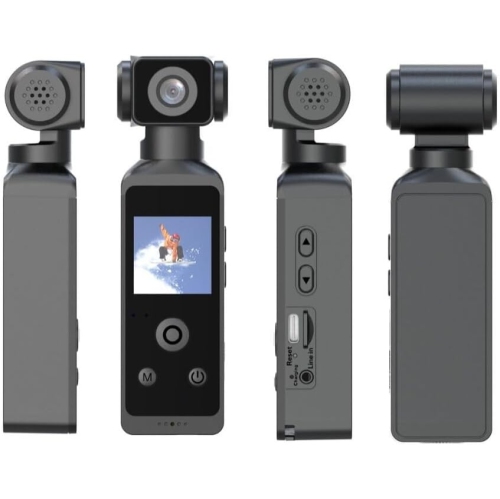
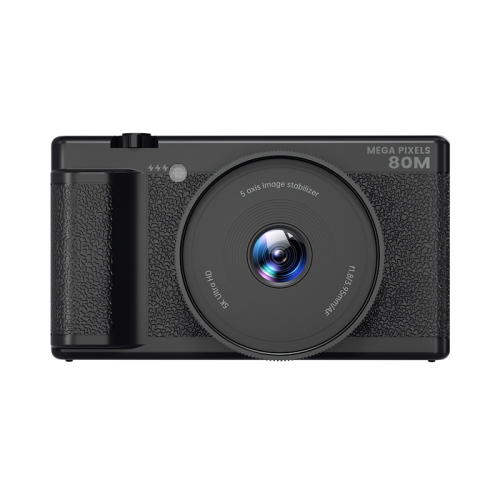
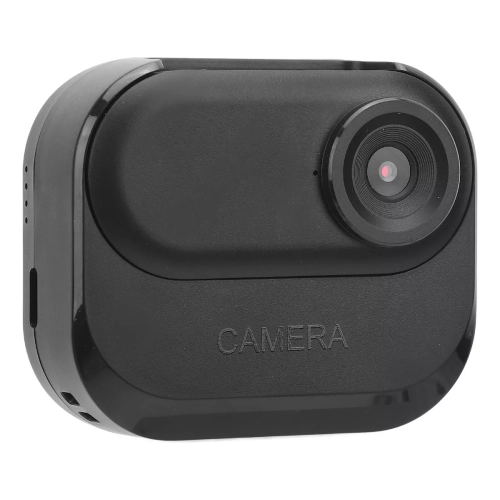
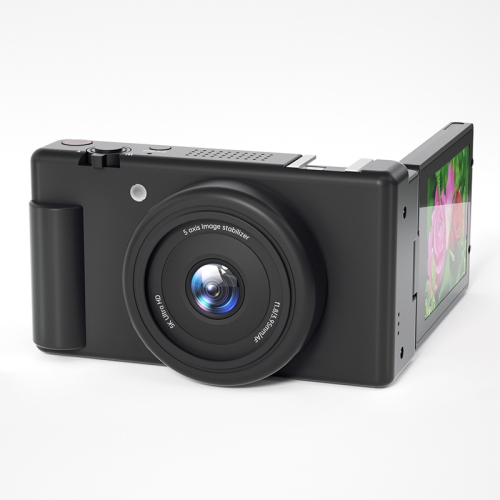
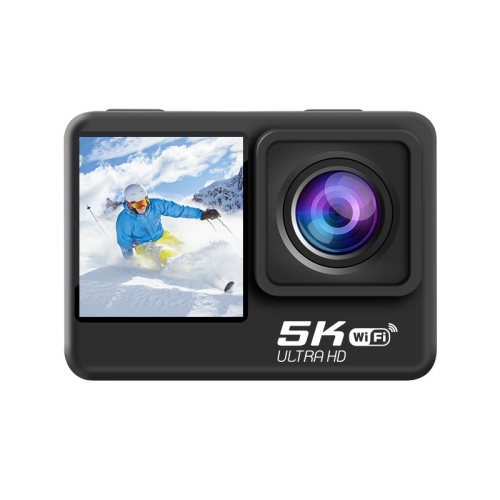
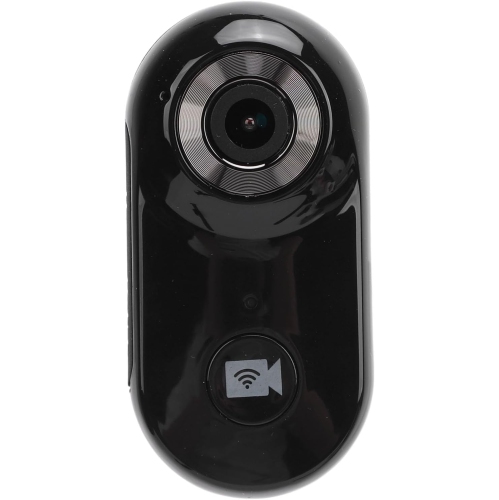
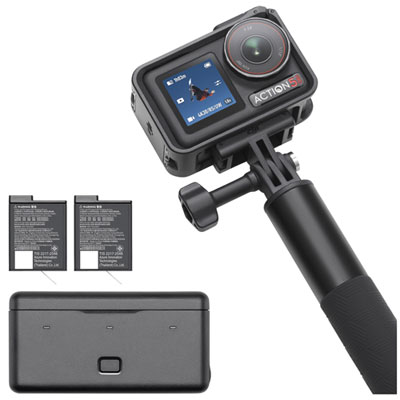
Cameras for sports are designed to keep up with fast movement, changing light, and the unpredictable energy of live action. The right choice depends on how you plan to record: a compact action camera can capture a first-person view from a helmet, chest harness, handlebar, or board, while a traditional camera with a telephoto lens is better suited to photographing athletes from the sidelines. Automated tracking cameras offer another option for recording full games, practices, and tournaments without requiring someone to operate the camera throughout the event. Together, these camera types can help preserve the details that are easy to miss in person, from the spray of snow behind a skier to a last-second goal on the ice. Action cameras are especially useful for cycling, skiing, snowboarding, skating, paddling, climbing, and other activities where hands-free recording matters. Their small size makes them easy to mount or carry, and many are built to handle splashes, dust, and the occasional bump. Look for a durable housing, waterproofing that matches your activities, a wide field of view, and dependable image stabilization to reduce the shake caused by running, riding, or jumping. A camera with 4K video can provide detailed footage for television-sized screens and cropping, while higher frame rates can create smooth slow-motion clips that show technique, impact, or movement with greater clarity. A front-facing display, voice control, or simple mobile app can also make it easier to frame shots when the camera is mounted out of reach.
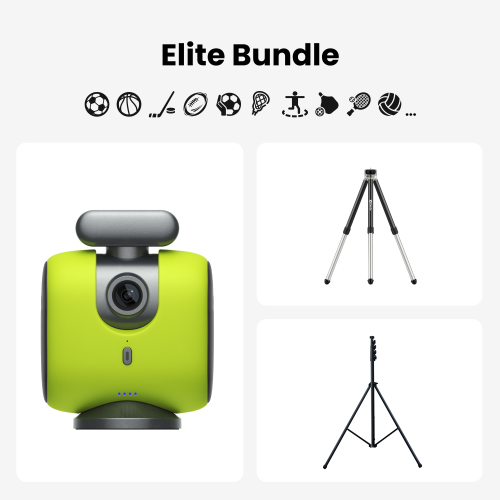
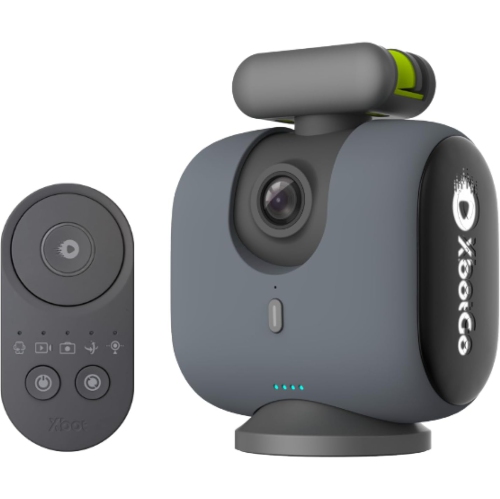
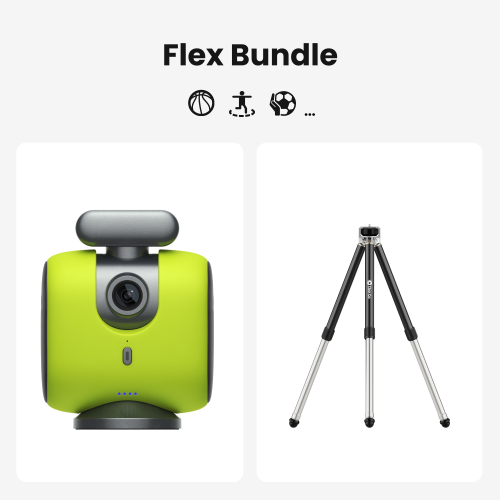
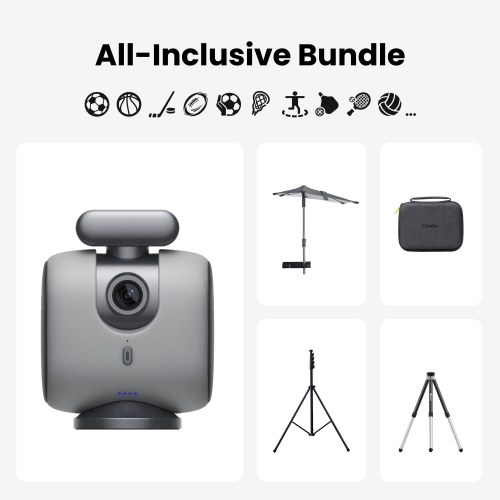
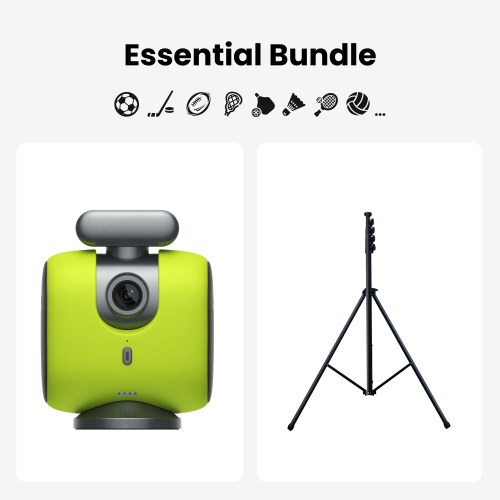
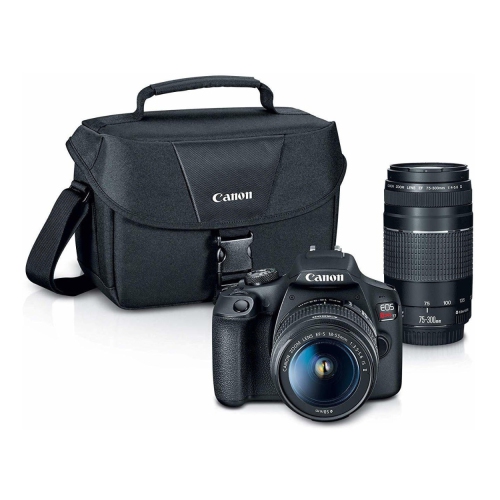
For team sports such as soccer, basketball, volleyball, hockey, and baseball, an automated AI tracking camera can be a practical way to record the action from a fixed position. These systems can use artificial intelligence to identify players, follow the ball, and pan, tilt, or zoom as play moves across a field or court. Depending on the system, footage may be saved locally, streamed through an app, or turned into clips for reviewing key plays. Coaches can use recorded sessions to study positioning, passing lanes, defensive coverage, and set plays, while players can revisit their technique between practices. Families may also appreciate having complete game footage to share with relatives who could not attend. When comparing tracking cameras, consider the size of the playing area, the mounting method, the camera’s tracking range, and whether a clear view is available from the intended position. A camera that works well in a gym may not offer the same coverage on a large outdoor field, particularly in low light or poor weather. App compatibility, storage options, audio capture, live-streaming features, and the availability of automatic highlights can make a meaningful difference for regular use. Battery life is important for outdoor matches and tournaments, while a secure mount and weather-resistant design are useful during cooler months when fields, rinks, and trails can be wet or exposed to wind. For sideline photography and more controlled video work, mirrorless and other interchangeable-lens cameras provide greater flexibility. Fast autofocus helps maintain focus on athletes moving towards or across the frame, and rapid continuous shooting can record a sequence of images so you can select the precise moment when a runner crosses the line, a skater lands a jump, or a player makes contact with the ball. A telephoto zoom lens lets you frame distant subjects without stepping onto the playing surface, while a wider lens can be useful for team celebrations, close sideline moments, or environmental shots that show the setting around the action.
Choosing a sports camera also involves considering who will use it, how often it will be carried, and where the footage will be viewed. A young athlete may value a lightweight action camera that can document training runs, bike rides, or winter adventures, while a parent or coach may prefer an automated system that records an entire game with minimal setup. A traditional camera can be a thoughtful gift for someone who enjoys photography and regularly attends sporting events, especially when they want to create sharp prints, social media images, or a personal archive of a child’s development. Storage should be part of the decision from the beginning: high-resolution video and burst photography can fill memory cards quickly, so support for high-capacity cards, straightforward file transfers, and a reliable backup routine can make ownership easier. Extra batteries are helpful for tournaments, long practices, and days spent outdoors, and a compact case can protect the camera while moving between the car, the rink, the gym, and the field. Pay attention to low-light performance if you expect to shoot in indoor arenas, under stadium lighting, or during overcast afternoons, as these conditions can require higher shutter speeds and increase the need for a capable sensor and effective stabilization. Audio may matter for commentary, coaching notes, or the sound of a crowd, so microphone support and wind reduction are worth checking when video is the priority. For a closer look at interchangeable-lens options and features suited to fast-moving subjects, explore Best Cameras for Sports Photography. Whether you are capturing a personal point of view on a trail, recording a complete team performance, or photographing action from the sidelines, the best sports camera is one that matches the activity, the environment, and the way you want to relive and share each moment.
For team sports such as soccer, basketball, volleyball, hockey, and baseball, an automated AI tracking camera can be a practical way to record the action from a fixed position. These systems can use artificial intelligence to identify players, follow the ball, and pan, tilt, or zoom as play moves across a field or court. Depending on the system, footage may be saved locally, streamed through an app, or turned into clips for reviewing key plays. Coaches can use recorded sessions to study positioning, passing lanes, defensive coverage, and set plays, while players can revisit their technique between practices. Families may also appreciate having complete game footage to share with relatives who could not attend. When comparing tracking cameras, consider the size of the playing area, the mounting method, the camera’s tracking range, and whether a clear view is available from the intended position. A camera that works well in a gym may not offer the same coverage on a large outdoor field, particularly in low light or poor weather. App compatibility, storage options, audio capture, live-streaming features, and the availability of automatic highlights can make a meaningful difference for regular use. Battery life is important for outdoor matches and tournaments, while a secure mount and weather-resistant design are useful during cooler months when fields, rinks, and trails can be wet or exposed to wind. For sideline photography and more controlled video work, mirrorless and other interchangeable-lens cameras provide greater flexibility. Fast autofocus helps maintain focus on athletes moving towards or across the frame, and rapid continuous shooting can record a sequence of images so you can select the precise moment when a runner crosses the line, a skater lands a jump, or a player makes contact with the ball. A telephoto zoom lens lets you frame distant subjects without stepping onto the playing surface, while a wider lens can be useful for team celebrations, close sideline moments, or environmental shots that show the setting around the action.
Choosing a sports camera also involves considering who will use it, how often it will be carried, and where the footage will be viewed. A young athlete may value a lightweight action camera that can document training runs, bike rides, or winter adventures, while a parent or coach may prefer an automated system that records an entire game with minimal setup. A traditional camera can be a thoughtful gift for someone who enjoys photography and regularly attends sporting events, especially when they want to create sharp prints, social media images, or a personal archive of a child’s development. Storage should be part of the decision from the beginning: high-resolution video and burst photography can fill memory cards quickly, so support for high-capacity cards, straightforward file transfers, and a reliable backup routine can make ownership easier. Extra batteries are helpful for tournaments, long practices, and days spent outdoors, and a compact case can protect the camera while moving between the car, the rink, the gym, and the field. Pay attention to low-light performance if you expect to shoot in indoor arenas, under stadium lighting, or during overcast afternoons, as these conditions can require higher shutter speeds and increase the need for a capable sensor and effective stabilization. Audio may matter for commentary, coaching notes, or the sound of a crowd, so microphone support and wind reduction are worth checking when video is the priority. For a closer look at interchangeable-lens options and features suited to fast-moving subjects, explore Best Cameras for Sports Photography. Whether you are capturing a personal point of view on a trail, recording a complete team performance, or photographing action from the sidelines, the best sports camera is one that matches the activity, the environment, and the way you want to relive and share each moment.
Top selling and popular products
-
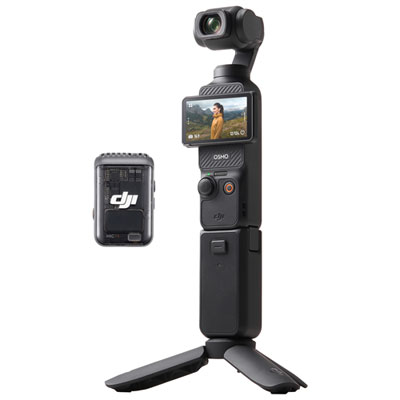 Your price for this item is $649.99
 -
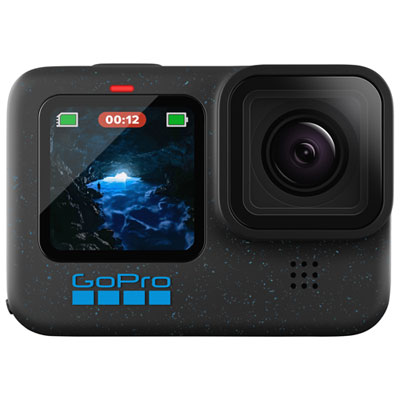 Your price for this item is $479.97
 -
 Your price for this item is $399.97
 -
 Your price for this item is $585.99
 -
 Your price for this item is $719.99
 -
 Your price for this item is $439.99
 -
 Your price for this item is $499.99
 -
 Your price for this item is $859.99
Discover more categories related to Cameras for Sports

Top Collections:
Pokemon Centers, Kindle Devices, Best Budget Office Chairs, Apple iPhones 16, Best Laptops for Writers, iPhone 15 Apple, Canon G7X Cameras, Refurbished Apple Laptops, Alarm Clock, Motorola Razr Phones
Some products may be subject to Environmental Handling Fees
(EHF) depending on your province.
Learn more about EHFs.