Stylish Camera Bags for Men
Stylish Camera Bags for Men combine modern design with everyday practicality, making it easy to carry photography gear with confidence and flair. Whether heading to a photo shoot or exploring the city, these camera bags offer a sleek way to keep equipment organized and accessible. Discover options that suit every personal style and elevate your look while on the go with the perfect blend of fashion and function.
Sort
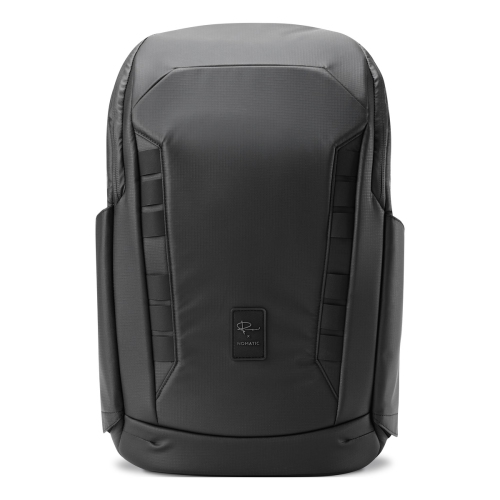
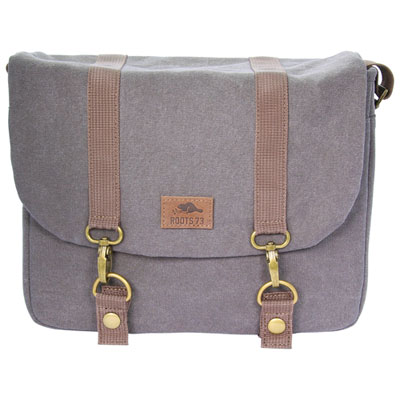
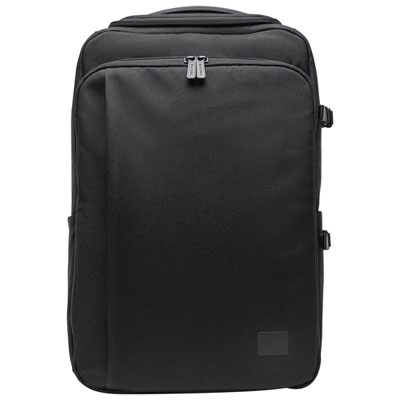
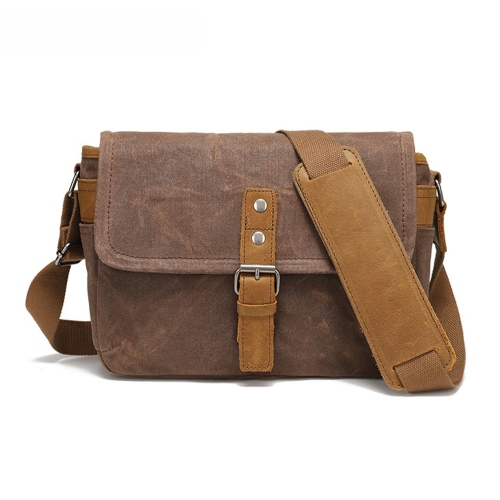
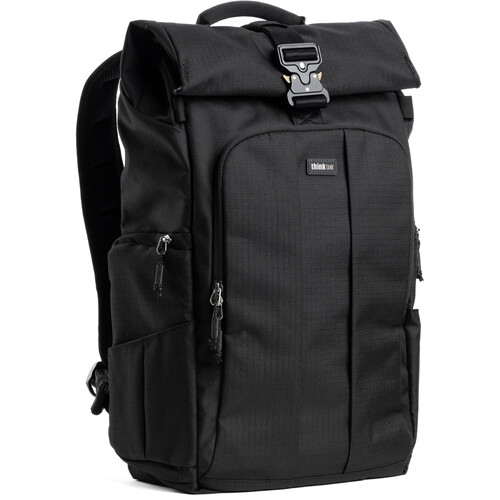
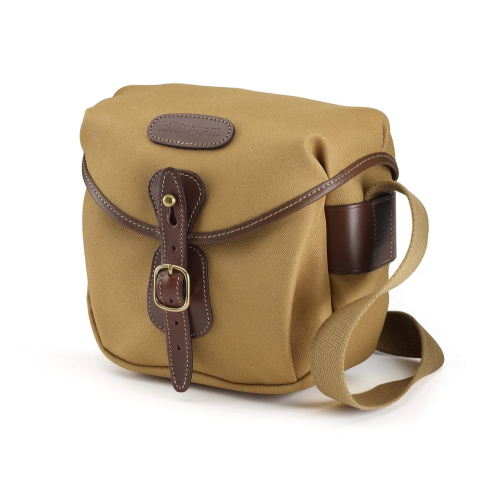
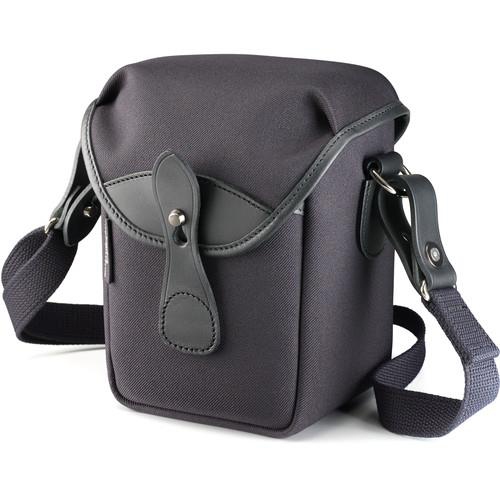
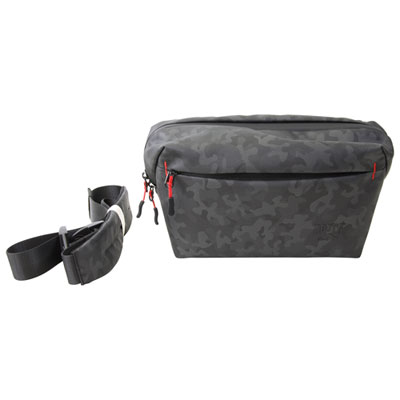
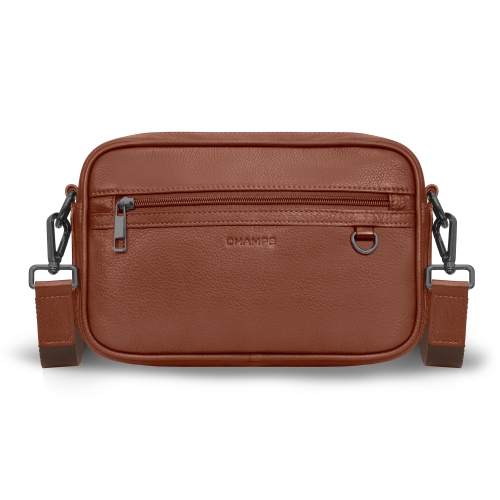
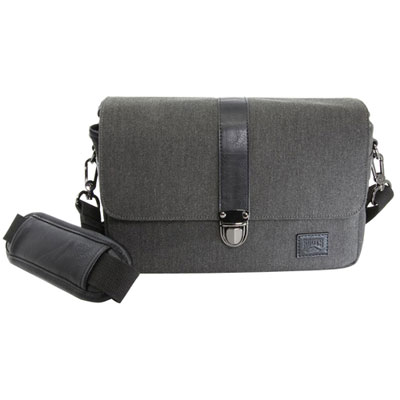
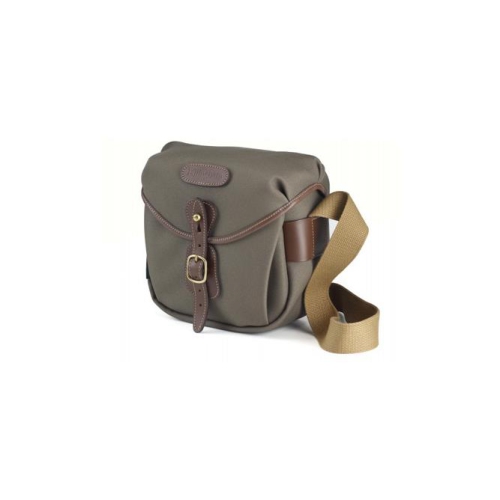
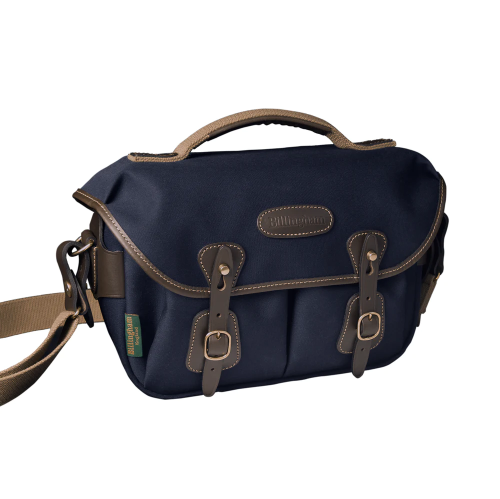
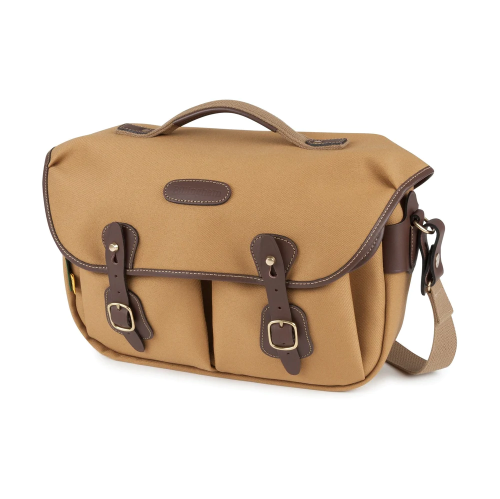
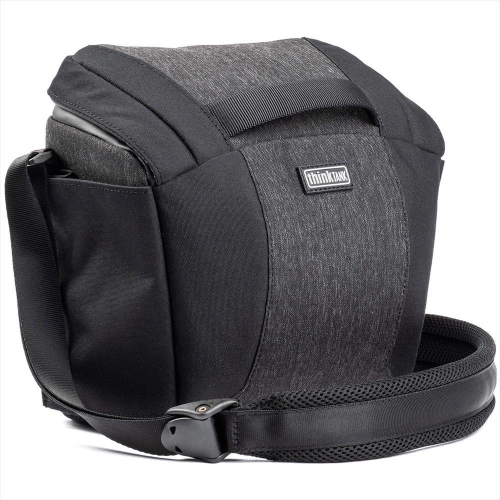
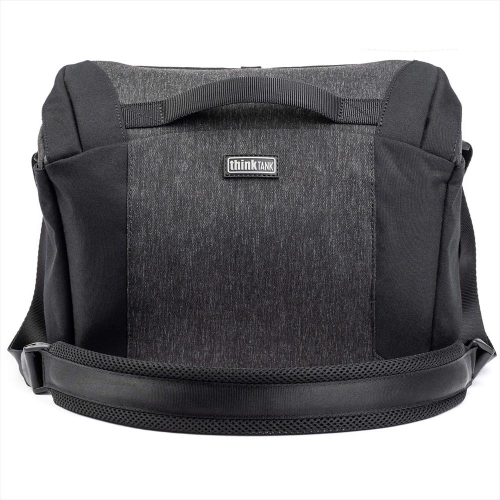
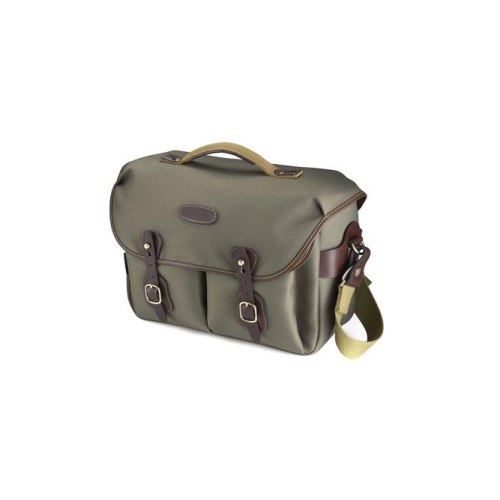
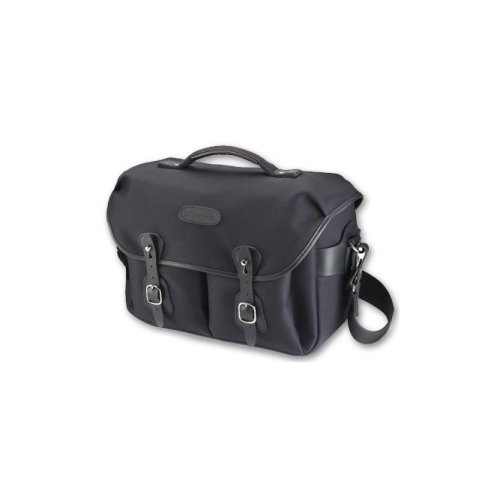
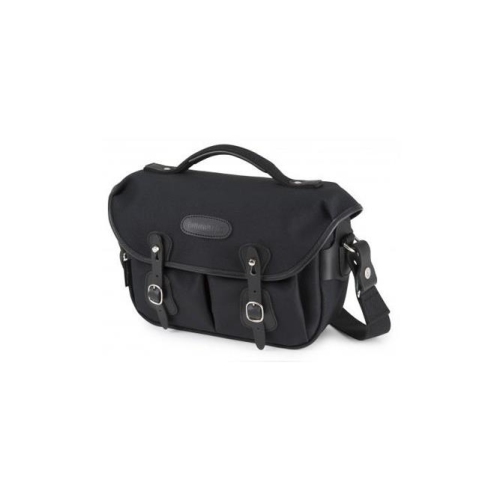
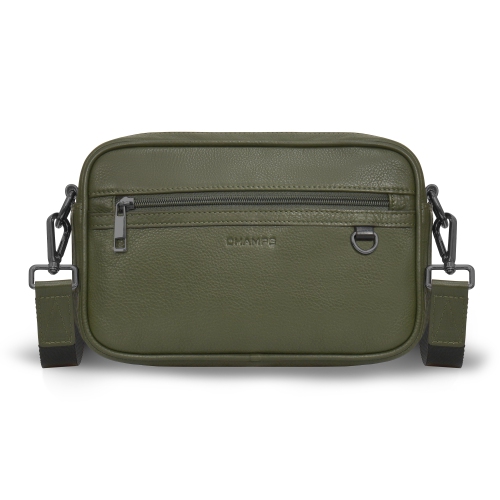
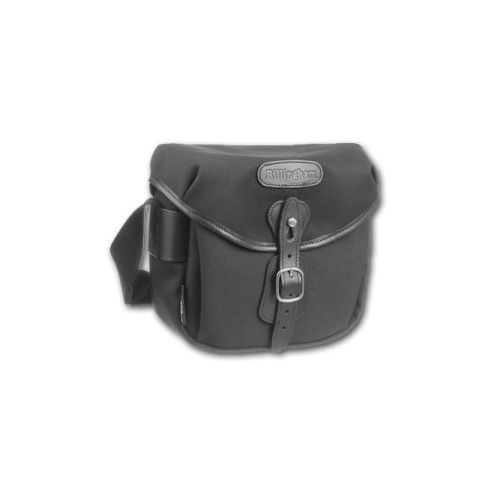
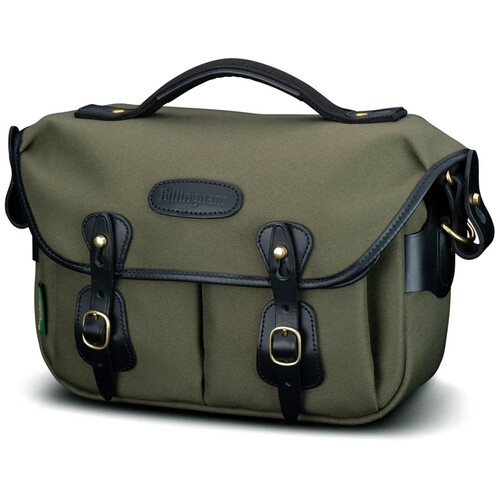
Camera protection that fits naturally into your everyday wardrobe
Stylish camera bags for men combine a considered appearance with practical protection for cameras, lenses, and the small accessories that make a day of shooting run smoothly. The appeal is in the balance: a bag can look at home beside a wool coat or a casual jacket while keeping delicate equipment separated and easy to reach. Clean silhouettes, subtle hardware, and restrained colours such as black, charcoal, navy, and tan offer versatility without making the bag look like a technical equipment case. Messenger bags bring a familiar, relaxed shape to photography carry, with room beneath the flap for a padded insert and everyday essentials. A compact crossbody or sling suits a lighter setup, such as a mirrorless camera with an attached lens and a spare battery, especially when walking through a neighbourhood or stopping for photographs along a waterfront. Larger shoulder bags can accommodate additional lenses, while camera backpacks spread the load across both shoulders and leave hands free on longer outings. Capacity varies considerably within each style, so the useful measure is the padded interior space rather than the outer dimensions alone. A small camera body paired with a long zoom lens may need more room than a larger body fitted with a compact prime lens. Dividers that move or fold allow the interior to match those different shapes, reducing gaps where equipment might shift. For photographers who move between a commute, a café, and an evening shoot, a bag with separate space for keys, a wallet, and a light layer can serve more than one purpose. A discreet exterior may draw less attention to the contents, although it does not replace sensible security precautions. The most practical styles feel like part of an everyday wardrobe rather than an extra piece of luggage, with enough structure to protect equipment and enough flexibility to remain useful when the camera stays at home.
Materials give a camera bag much of its character, but they also affect weight, weather resistance, and upkeep. Leather offers a structured or softly worn appearance depending on its finish, and some types develop a distinctive patina with use. It can be heavier than textile alternatives, making the empty bag’s weight worth considering before adding a camera and several lenses. Canvas brings texture and a more casual feel, often pairing well with leather accents and muted metal fittings. Waxed canvas can resist light moisture, though its performance depends on the fabric, construction, and condition of the finish. Nylon and polyester can provide a lighter, streamlined option, with tightly woven fabrics and protective coatings suited to frequent everyday carry. No material name alone establishes that a bag is waterproof. Water-resistant fabric, covered zips, and an included rain cover may help during a brief shower, but seams and openings remain important points of entry, and protection varies by design. During the cooler months, a bag that opens without exposing the entire interior can be convenient when moving between wet pavements, public transit, and indoor spaces. Inside, soft lining and padded compartments help cushion equipment against everyday bumps and prevent lenses from rubbing against each other. A padded base is especially useful when setting the bag on a hard floor, though soft-sided padding is not a substitute for a protective hard case when equipment faces rough handling. Reinforced stitching at strap attachments, securely fitted buckles, and zips that move smoothly around corners are useful indicators of thoughtful construction. A wide flap can offer coverage, while a zipped main compartment provides a more enclosed opening; some designs combine both. Hardware should suit the intended use as well as the appearance. Large zip pulls can be easier to handle with cold fingers, and an adjustable fastening can accommodate a slightly fuller load without forcing the closure against the equipment inside.
Comfort becomes more noticeable once the bag is packed and carried for several hours. A broad, adjustable shoulder strap can help distribute weight, while a sliding shoulder pad allows its cushioning to sit where it is needed. Crossbody straps should have enough adjustment to fit comfortably over both a shirt and a heavier coat. With backpacks, shaped shoulder straps, back padding, and a sternum strap can help keep the load stable, particularly when climbing stairs or walking uneven paths. Access matters just as much as fit: a side opening can make it easier to reach a camera without unpacking everything, while a rear-opening compartment keeps the main access point against the wearer’s back during carry. Small pockets give memory cards, batteries, lens cloths, and cables their own places, so a quick lens change does not turn into a search through loose accessories. Keys and other hard objects belong away from exposed screens and lens surfaces. A separate laptop or tablet sleeve adds flexibility for photographers who edit away from home, but its stated dimensions and padding should match the device; a general document pocket offers different protection. For workdays centred on a computer rather than camera equipment, stylish laptop bags for men offer a related approach to organised everyday carry. Routine care helps preserve both appearance and function. Loose grit can be brushed away, textile surfaces cleaned according to their care instructions, and damp bags emptied and left open to dry fully before equipment goes back inside. Leather and waxed fabrics may need material-specific treatment, so cleaners and conditioners should suit the finish rather than being applied indiscriminately. Stored dividers should remain clean and dry, with closures free of trapped fabric or debris. As a gift, a camera bag is particularly personal: the recipient’s usual camera setup, preferred carrying style, and clothing matter more than simply choosing the largest size. A well-proportioned bag can suit a keen traveller, a street photographer, or someone documenting family life, bringing useful organisation and an understated finishing touch to each outing.
Materials give a camera bag much of its character, but they also affect weight, weather resistance, and upkeep. Leather offers a structured or softly worn appearance depending on its finish, and some types develop a distinctive patina with use. It can be heavier than textile alternatives, making the empty bag’s weight worth considering before adding a camera and several lenses. Canvas brings texture and a more casual feel, often pairing well with leather accents and muted metal fittings. Waxed canvas can resist light moisture, though its performance depends on the fabric, construction, and condition of the finish. Nylon and polyester can provide a lighter, streamlined option, with tightly woven fabrics and protective coatings suited to frequent everyday carry. No material name alone establishes that a bag is waterproof. Water-resistant fabric, covered zips, and an included rain cover may help during a brief shower, but seams and openings remain important points of entry, and protection varies by design. During the cooler months, a bag that opens without exposing the entire interior can be convenient when moving between wet pavements, public transit, and indoor spaces. Inside, soft lining and padded compartments help cushion equipment against everyday bumps and prevent lenses from rubbing against each other. A padded base is especially useful when setting the bag on a hard floor, though soft-sided padding is not a substitute for a protective hard case when equipment faces rough handling. Reinforced stitching at strap attachments, securely fitted buckles, and zips that move smoothly around corners are useful indicators of thoughtful construction. A wide flap can offer coverage, while a zipped main compartment provides a more enclosed opening; some designs combine both. Hardware should suit the intended use as well as the appearance. Large zip pulls can be easier to handle with cold fingers, and an adjustable fastening can accommodate a slightly fuller load without forcing the closure against the equipment inside.
Comfort becomes more noticeable once the bag is packed and carried for several hours. A broad, adjustable shoulder strap can help distribute weight, while a sliding shoulder pad allows its cushioning to sit where it is needed. Crossbody straps should have enough adjustment to fit comfortably over both a shirt and a heavier coat. With backpacks, shaped shoulder straps, back padding, and a sternum strap can help keep the load stable, particularly when climbing stairs or walking uneven paths. Access matters just as much as fit: a side opening can make it easier to reach a camera without unpacking everything, while a rear-opening compartment keeps the main access point against the wearer’s back during carry. Small pockets give memory cards, batteries, lens cloths, and cables their own places, so a quick lens change does not turn into a search through loose accessories. Keys and other hard objects belong away from exposed screens and lens surfaces. A separate laptop or tablet sleeve adds flexibility for photographers who edit away from home, but its stated dimensions and padding should match the device; a general document pocket offers different protection. For workdays centred on a computer rather than camera equipment, stylish laptop bags for men offer a related approach to organised everyday carry. Routine care helps preserve both appearance and function. Loose grit can be brushed away, textile surfaces cleaned according to their care instructions, and damp bags emptied and left open to dry fully before equipment goes back inside. Leather and waxed fabrics may need material-specific treatment, so cleaners and conditioners should suit the finish rather than being applied indiscriminately. Stored dividers should remain clean and dry, with closures free of trapped fabric or debris. As a gift, a camera bag is particularly personal: the recipient’s usual camera setup, preferred carrying style, and clothing matter more than simply choosing the largest size. A well-proportioned bag can suit a keen traveller, a street photographer, or someone documenting family life, bringing useful organisation and an understated finishing touch to each outing.
Top selling and popular products
-
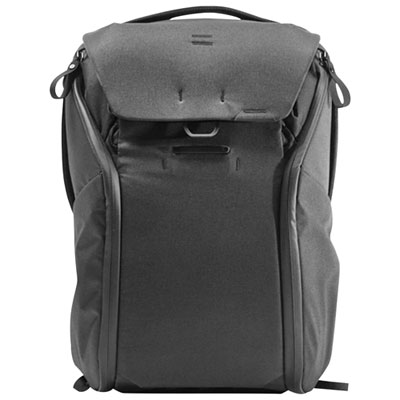 Your price for this item is $389.99
 -
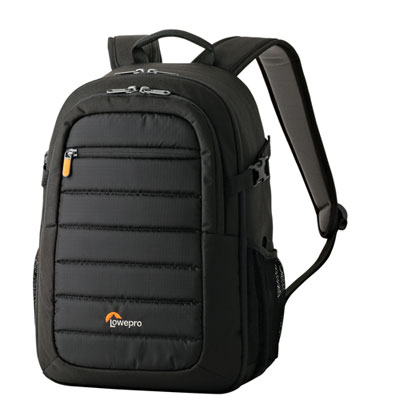 Your price for this item is $98.98
 -
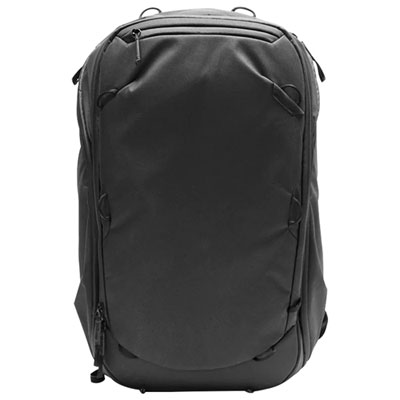 Your price for this item is $399.97
 -
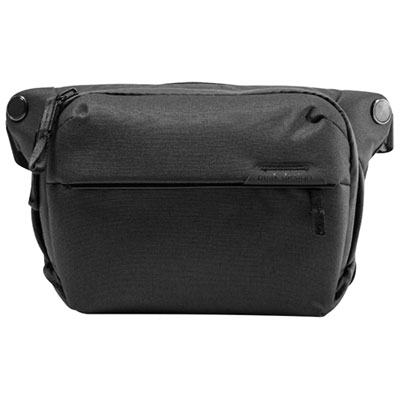 Your price for this item is $139.99
 -
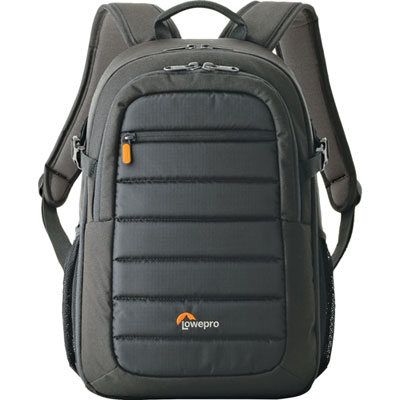 Your price for this item is $119.99
 -
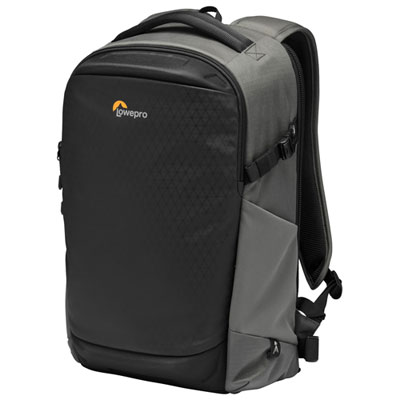 Your price for this item is $229.99
 -
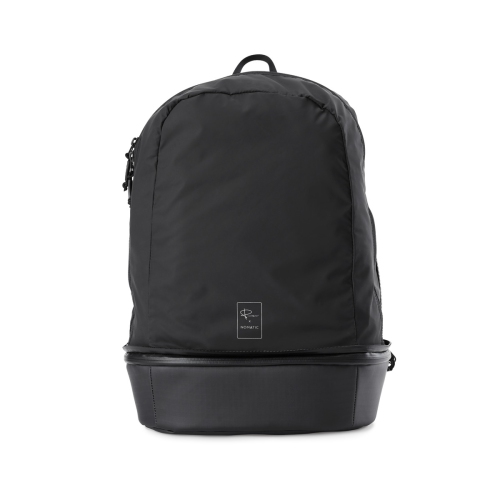 Your price for this item is $179.99
 -
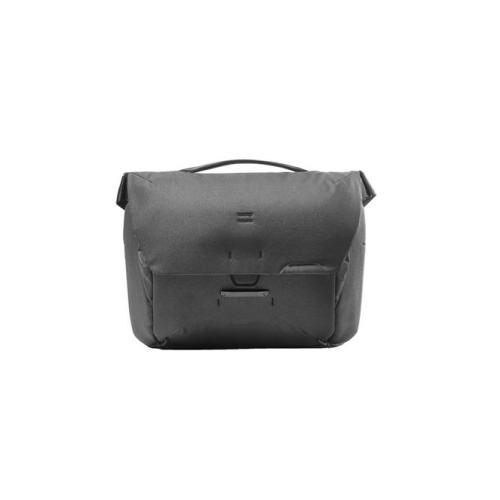 Your price for this item is $349
Discover more categories related to Stylish Camera Bags for Men

Top Collections:
Pokemon Centers, Kindle Devices, Best Budget Office Chairs, Apple iPhones 16, Best Laptops for Writers, iPhone 15 Apple, Canon G7X Cameras, Refurbished Apple Laptops, Alarm Clock, Motorola Razr Phones
Some products may be subject to Environmental Handling Fees
(EHF) depending on your province.
Learn more about EHFs.