Tripods With Remote
Capture stunning photos and videos with ease using our selection of tripods with remotes. Whether you're a professional photographer or an aspiring vlogger, these versatile accessories are designed to provide stability and precision during your shoots. With a range of features such as wireless remote control, adjustable height, and sturdy construction, our tripods with remote offer the perfect combination of convenience and functionality. Elevate your photography game and capture every moment from the perfect angle with these essential tools.
Sort


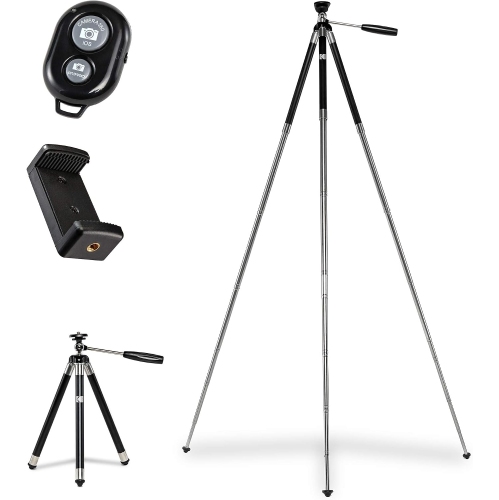
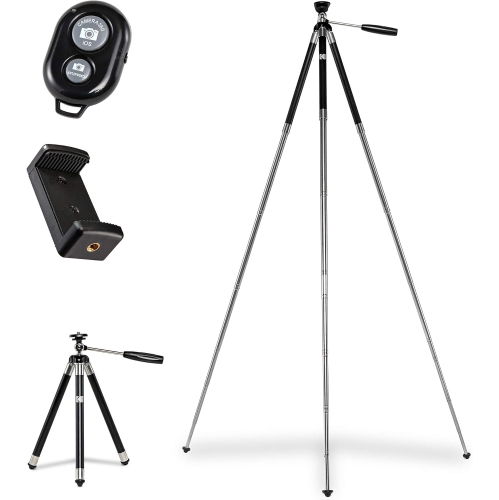
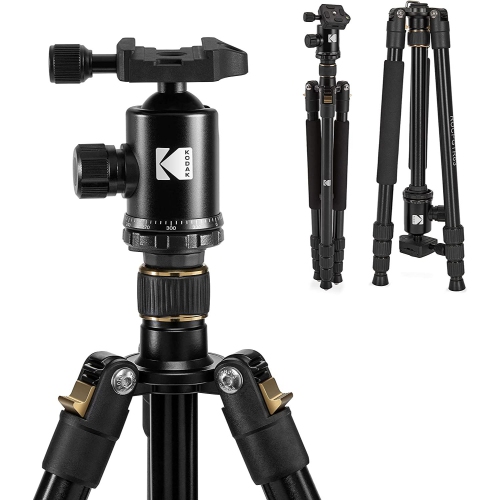

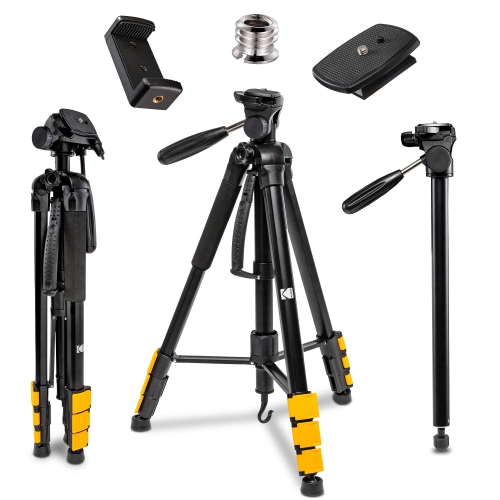
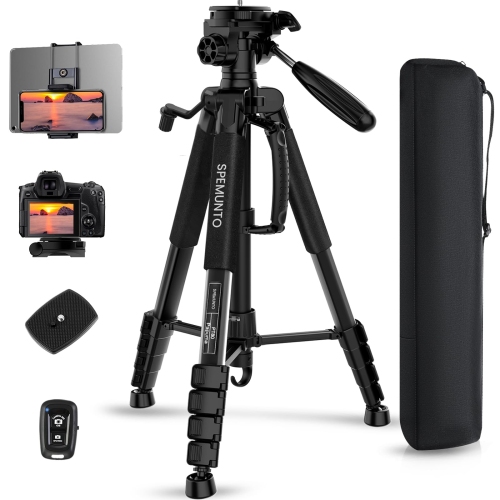
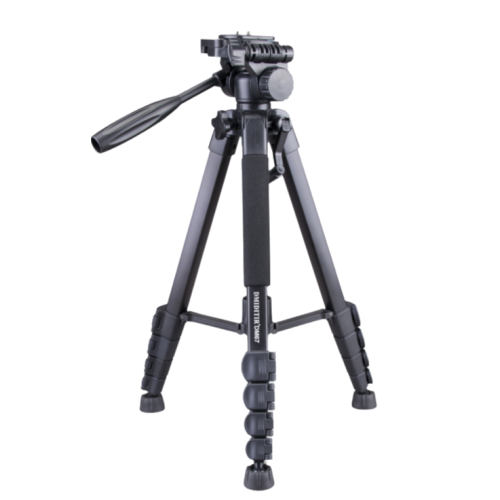
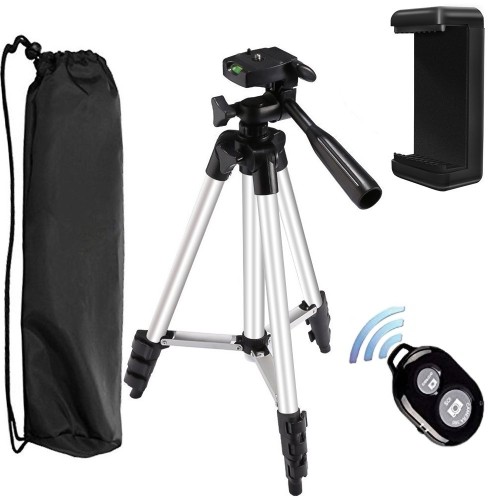
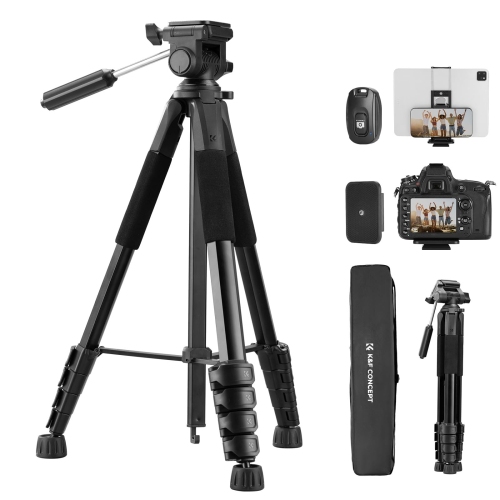
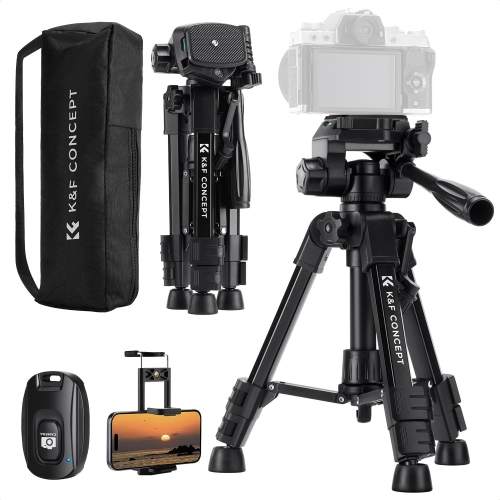
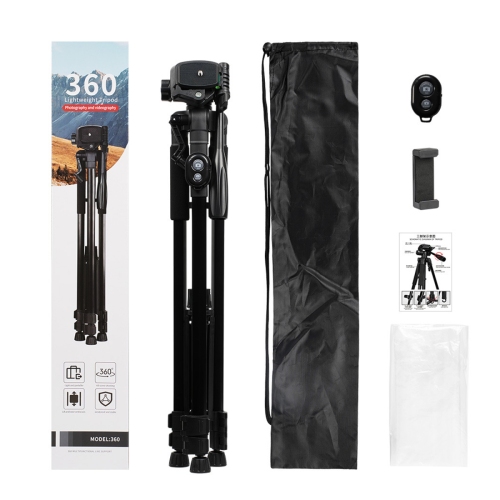
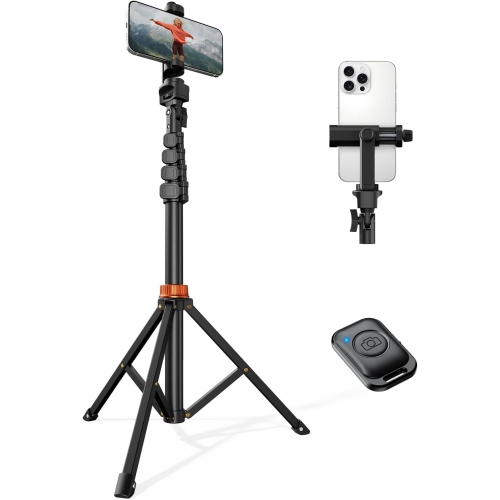
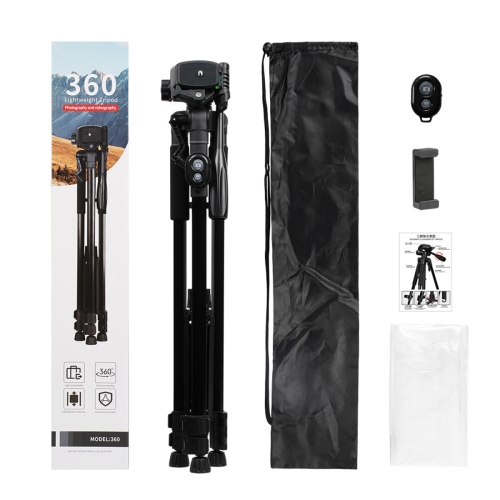
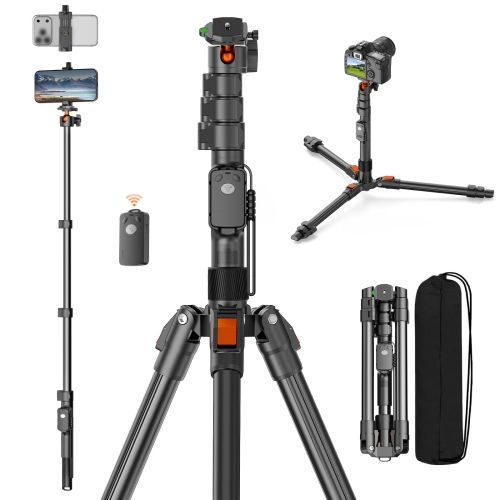
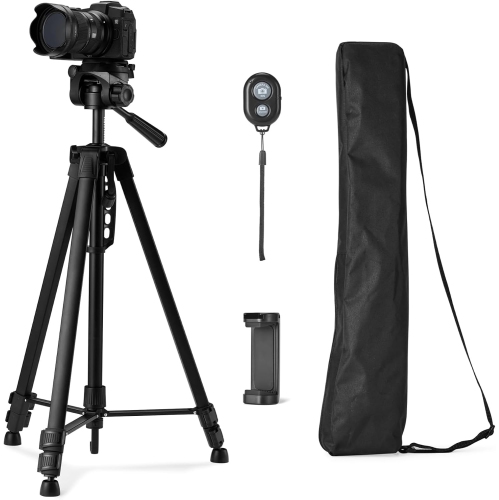
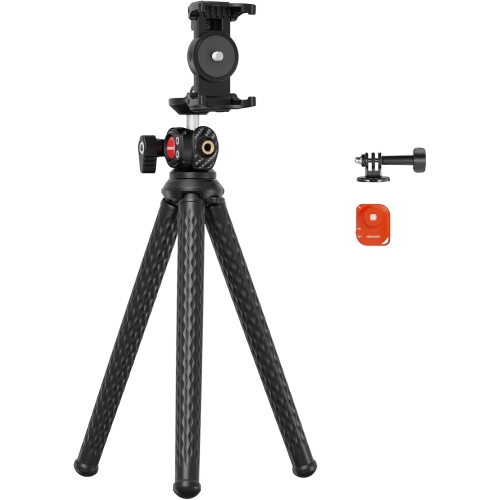
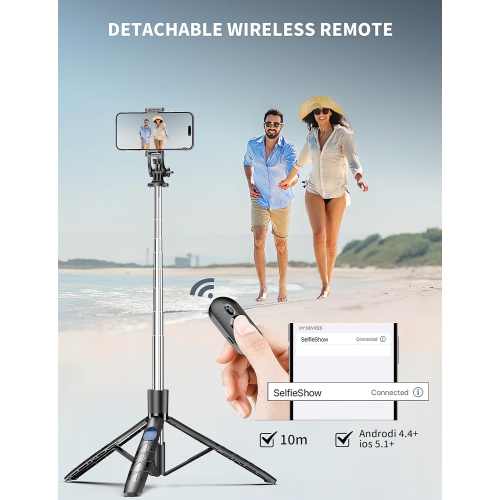
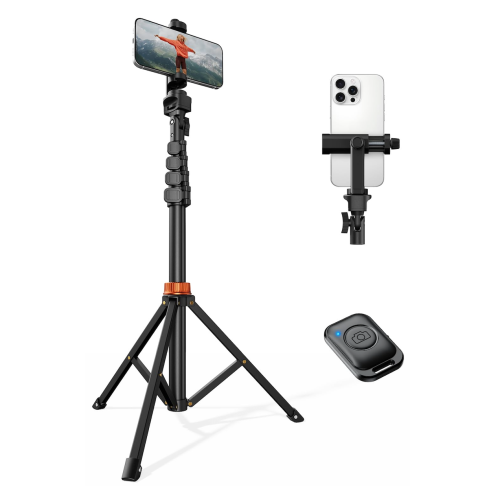
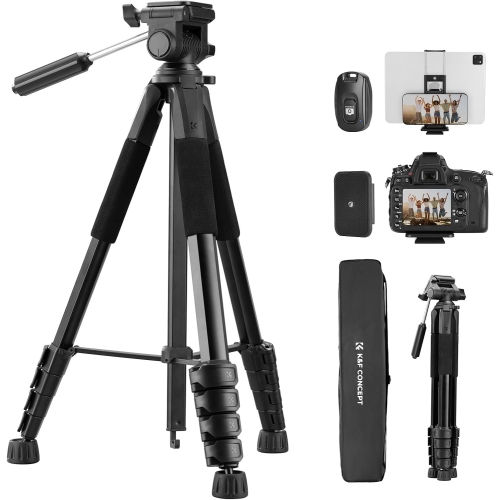
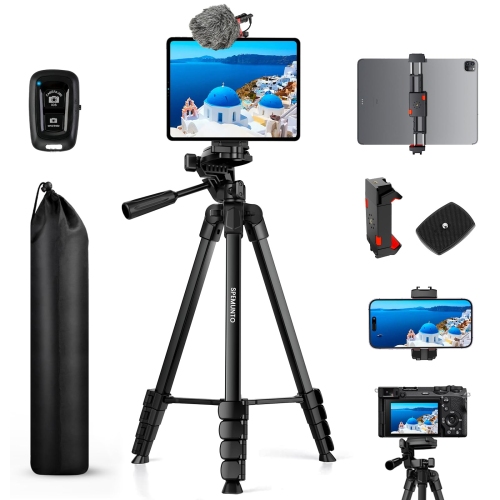
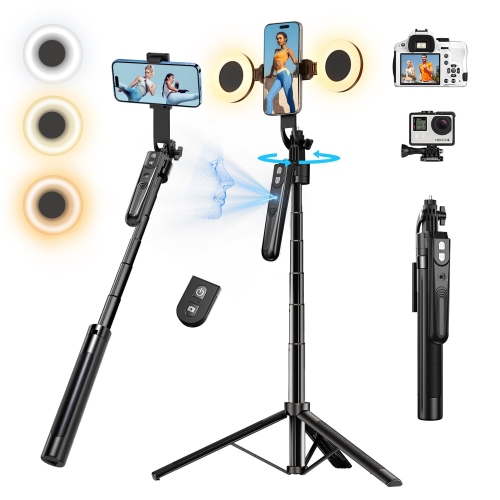
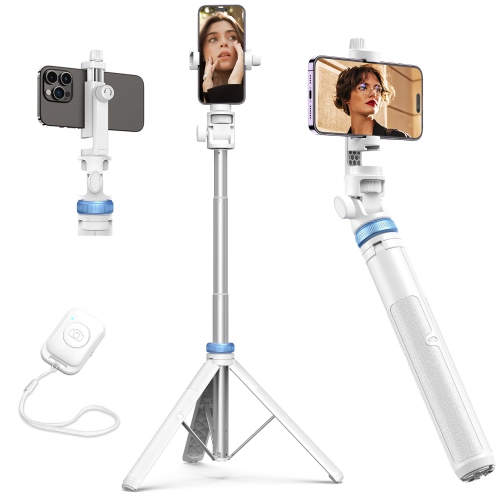
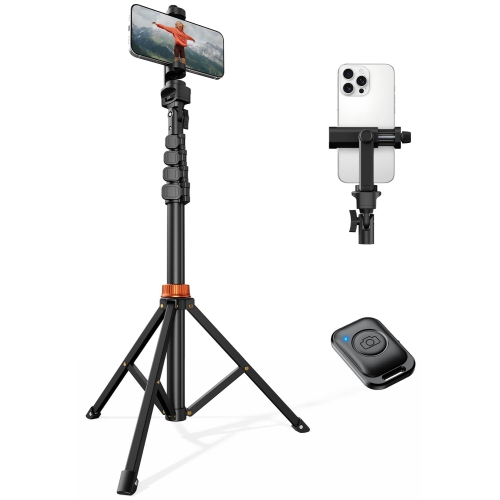
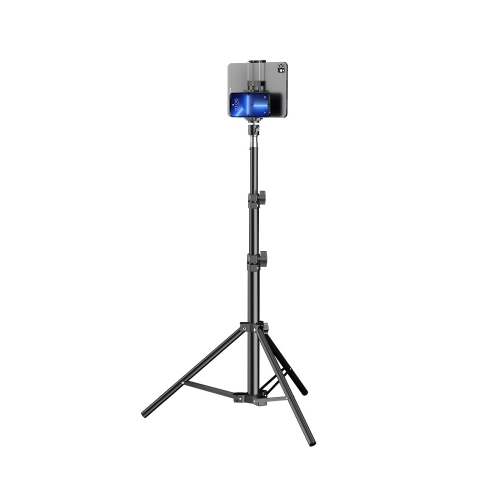
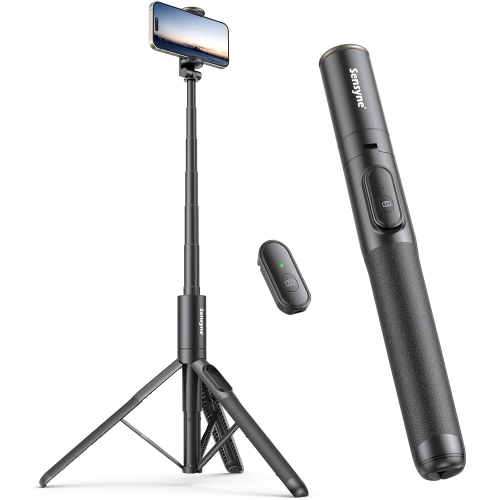
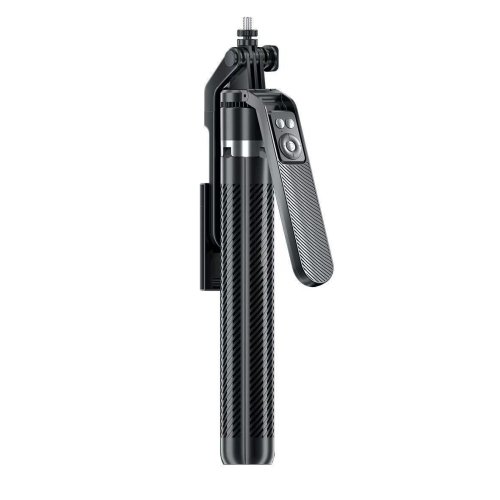
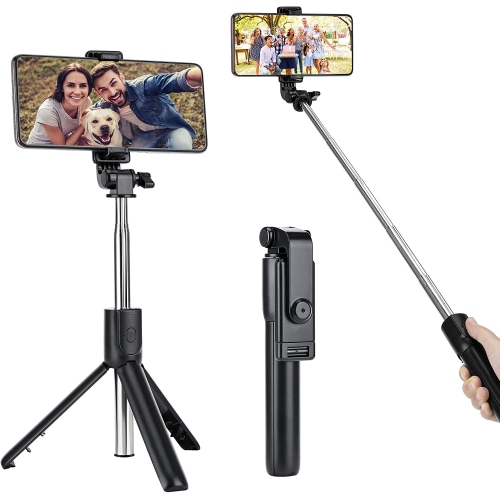
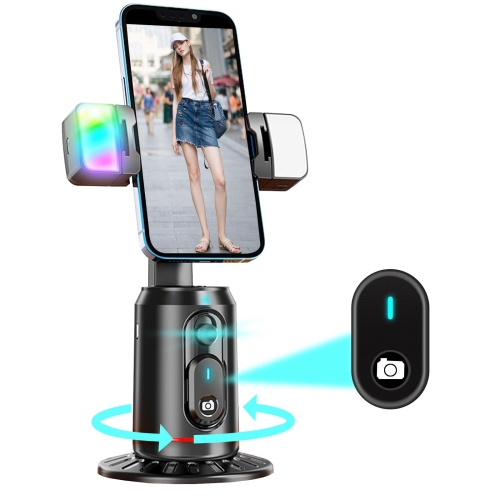
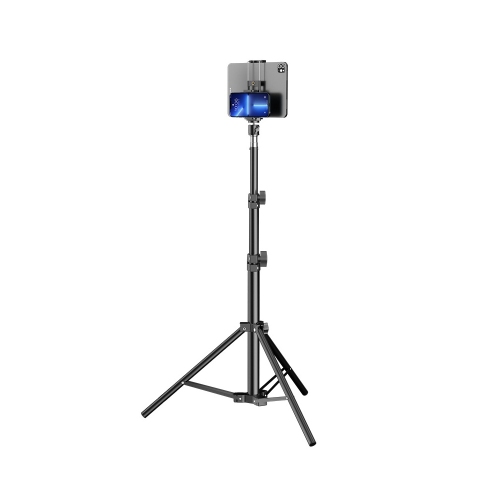
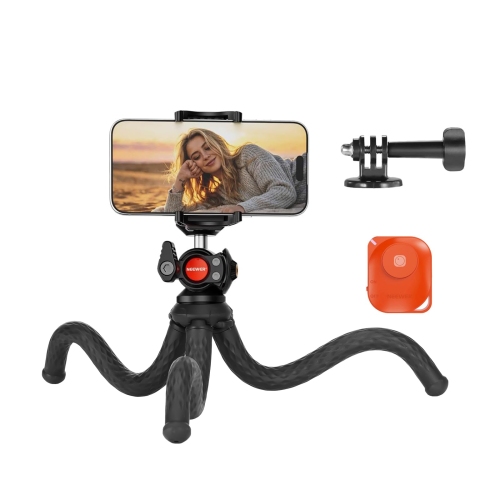
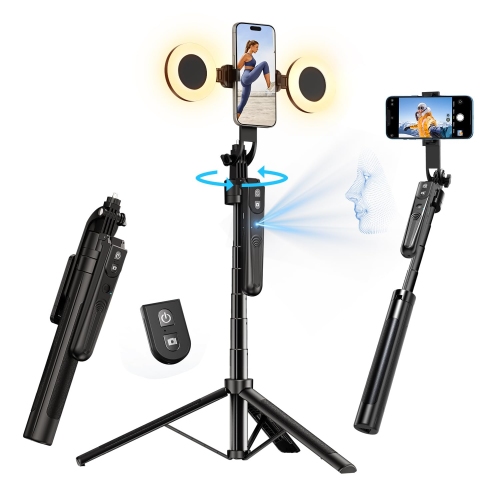
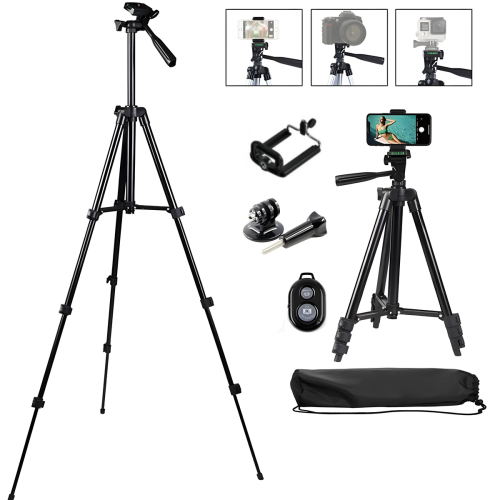
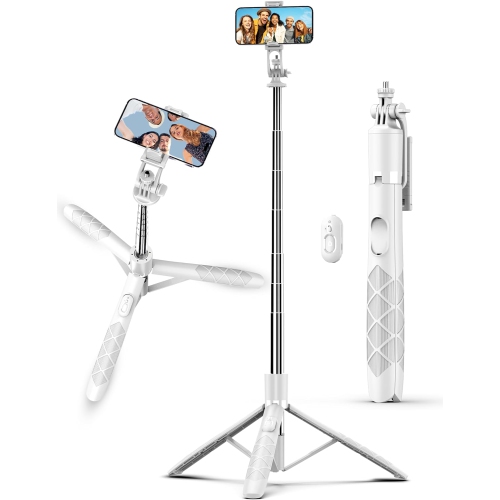
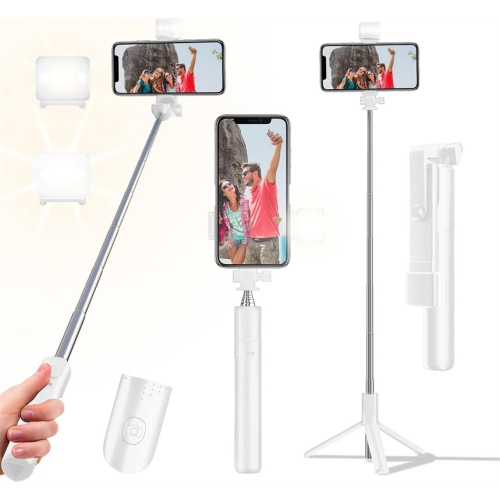

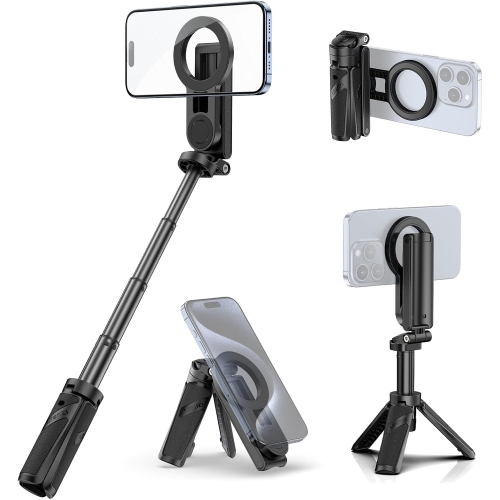
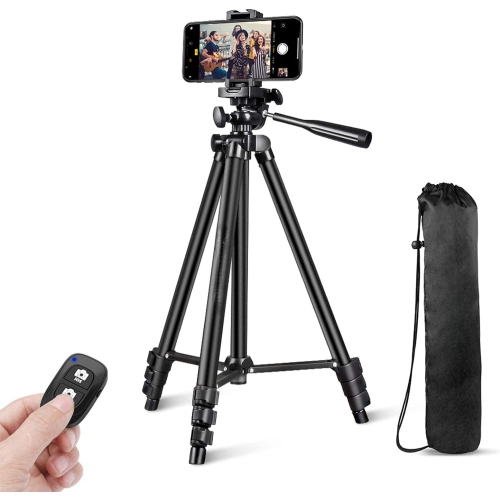
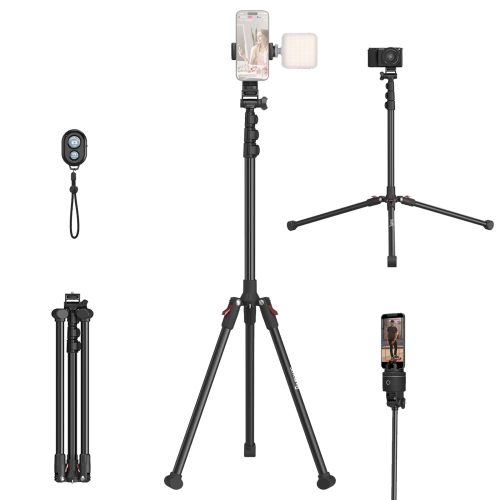
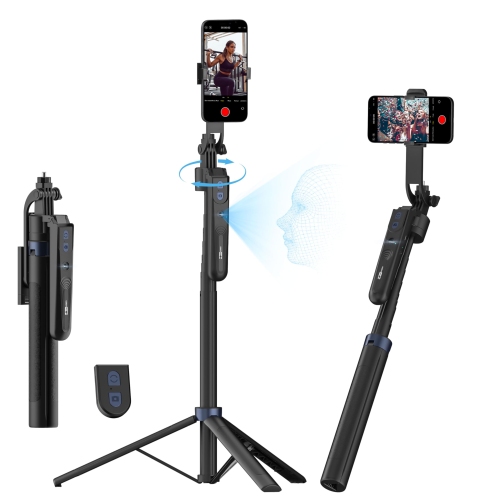
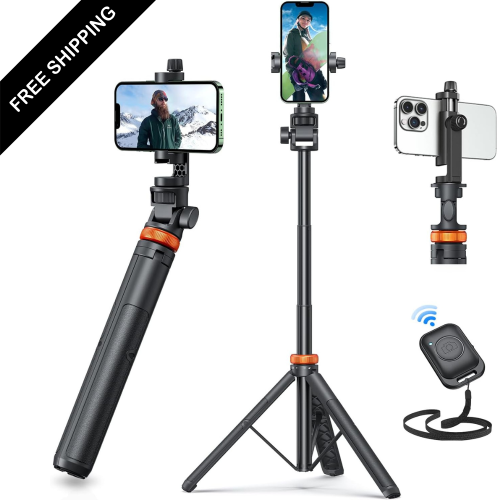
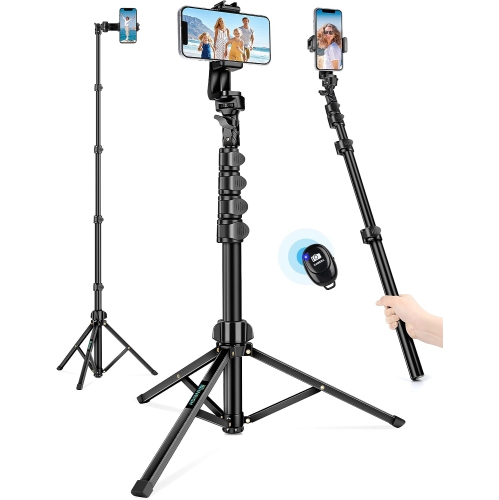
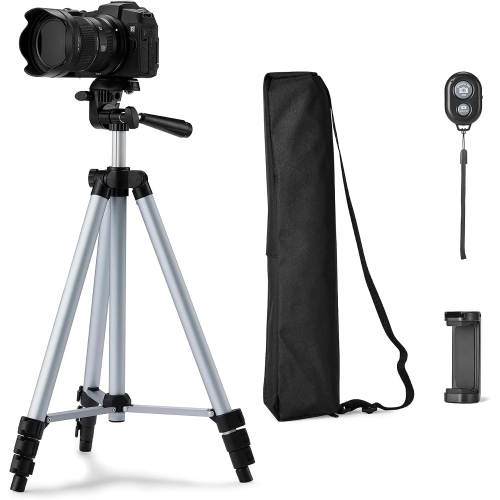
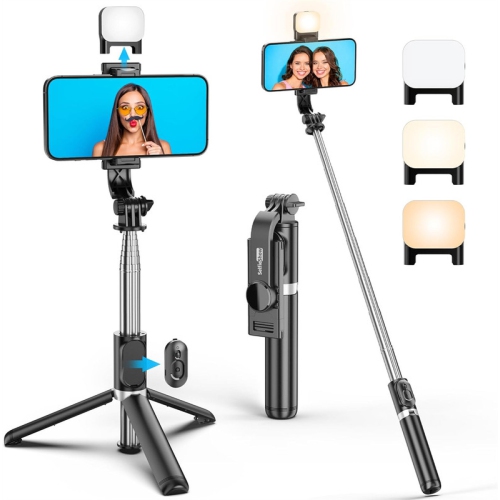
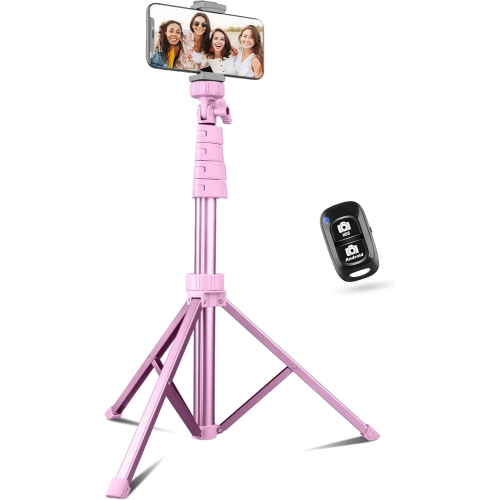
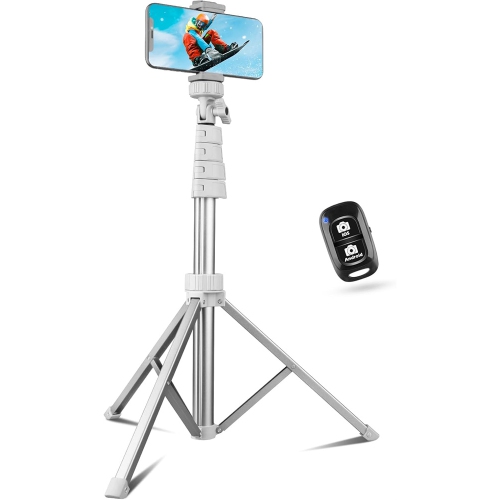
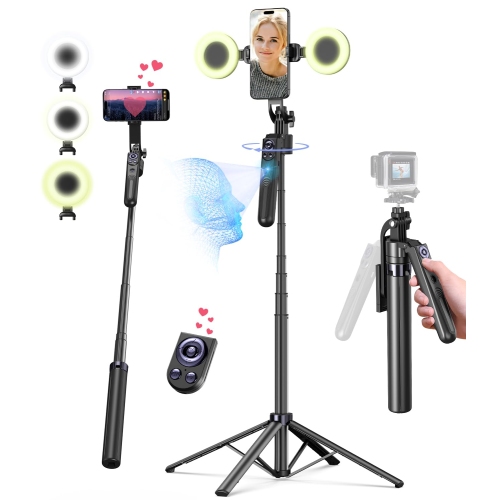
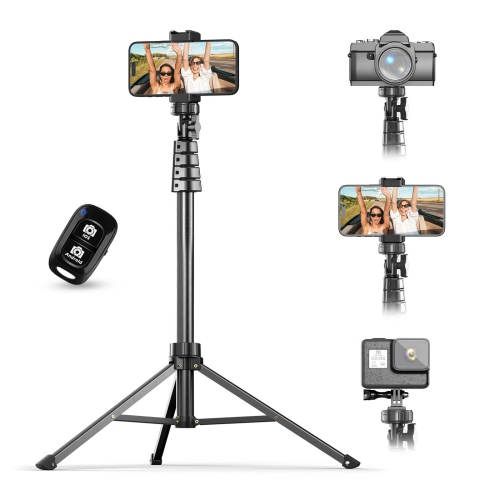
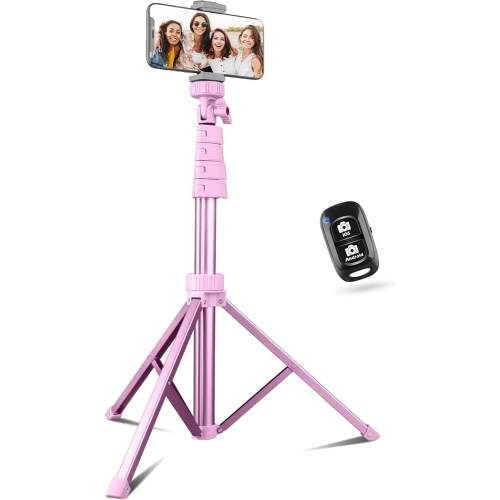

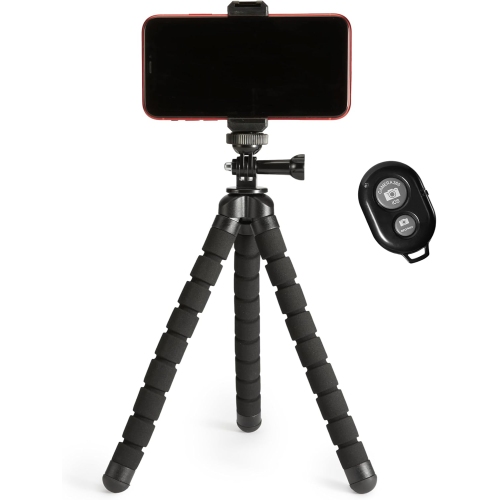
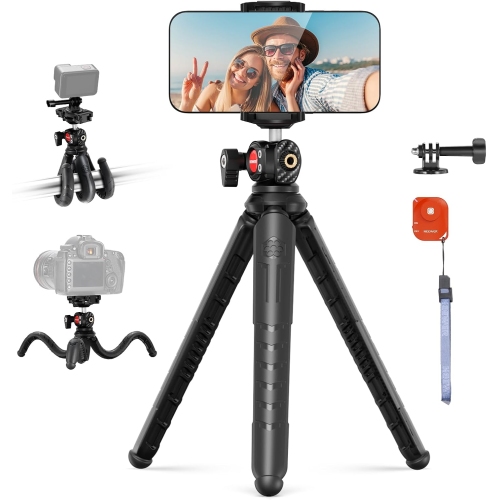
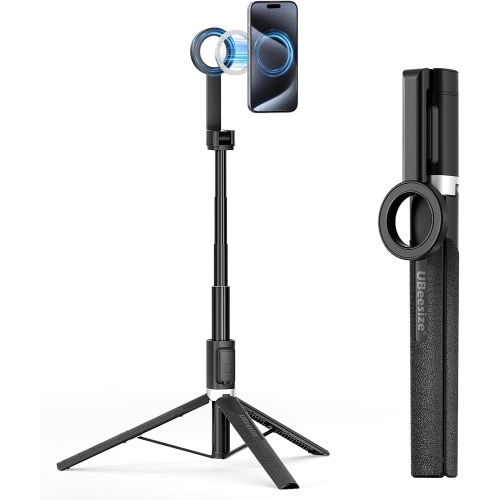
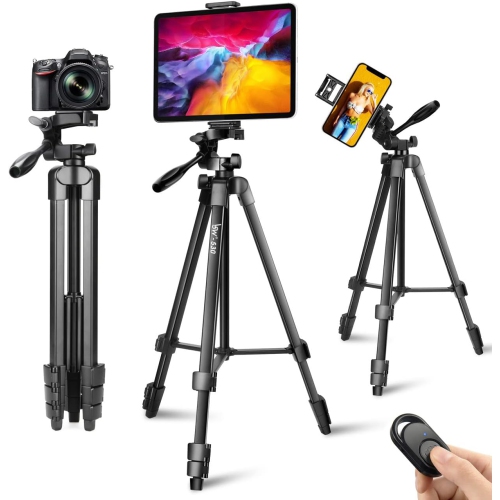
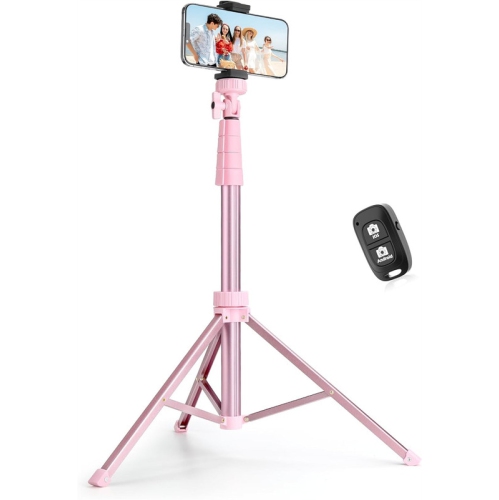
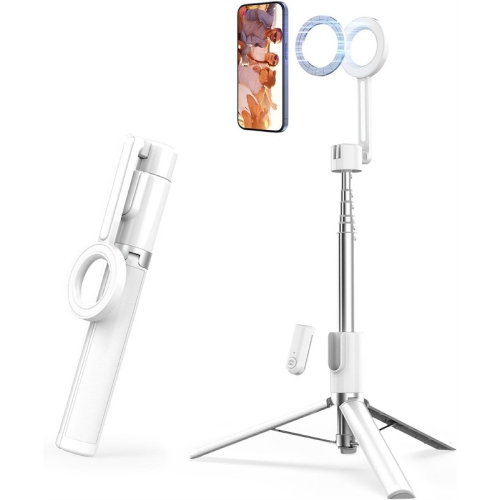
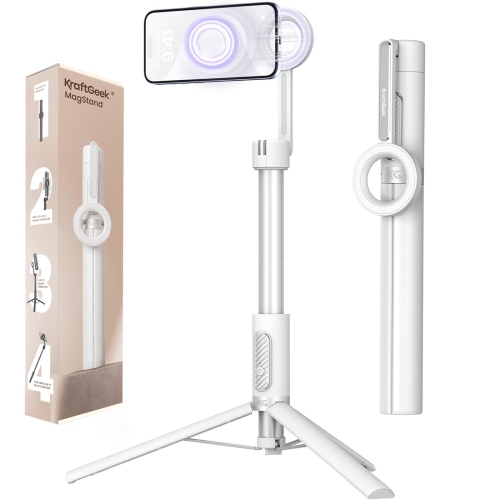
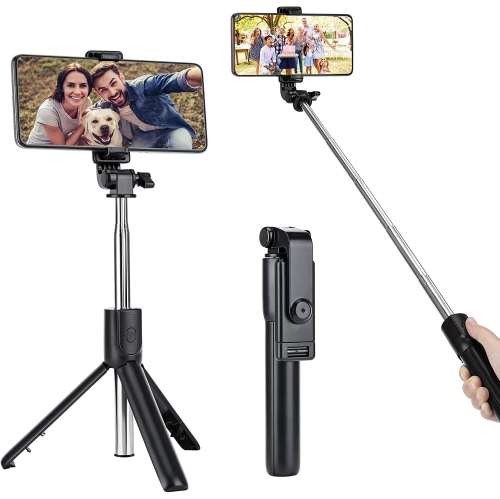
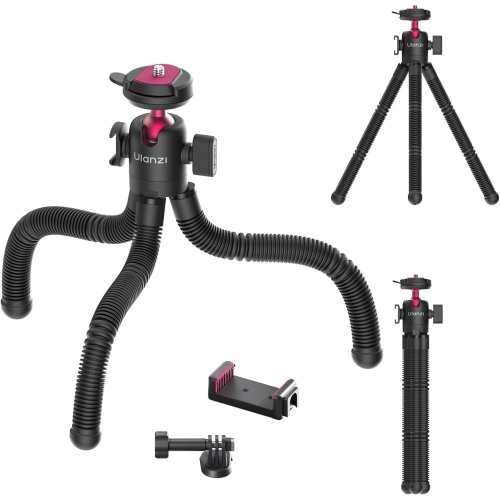
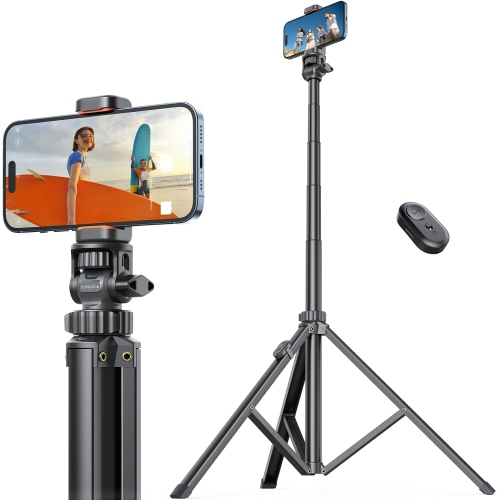
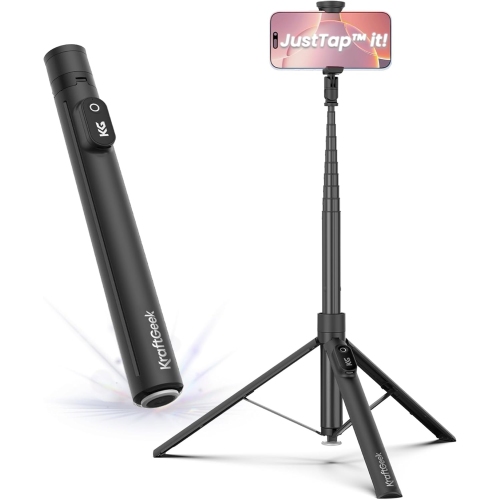

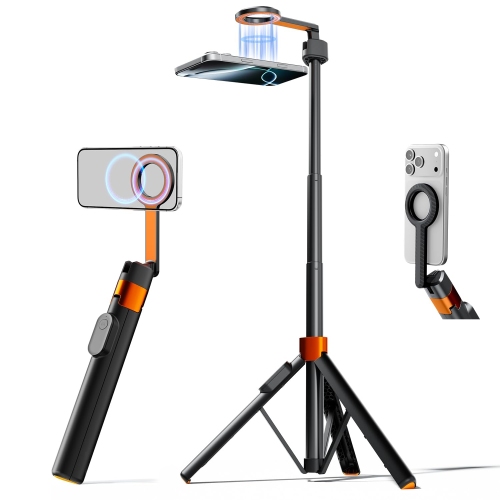
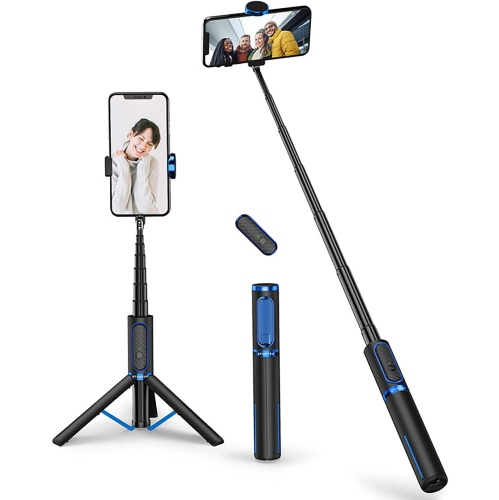
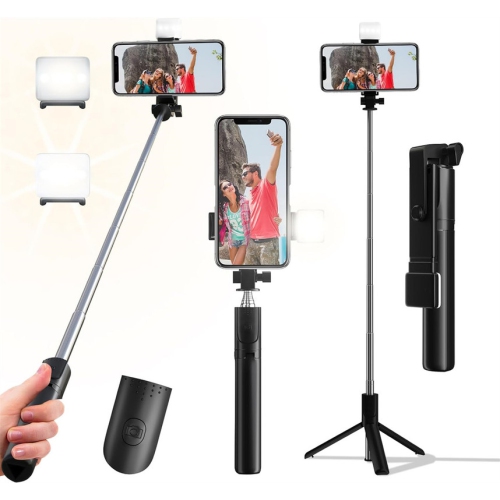
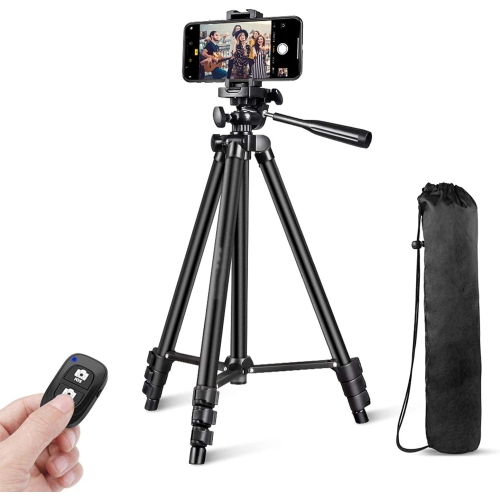
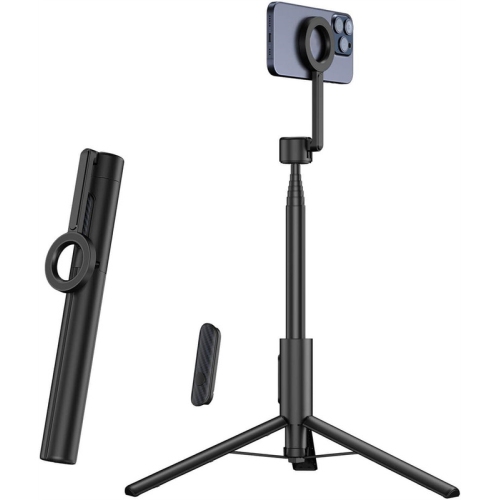
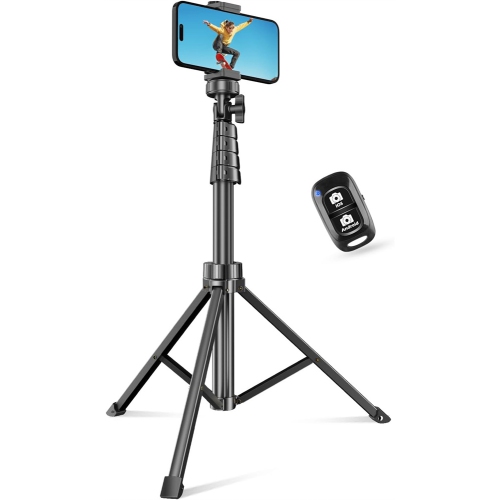
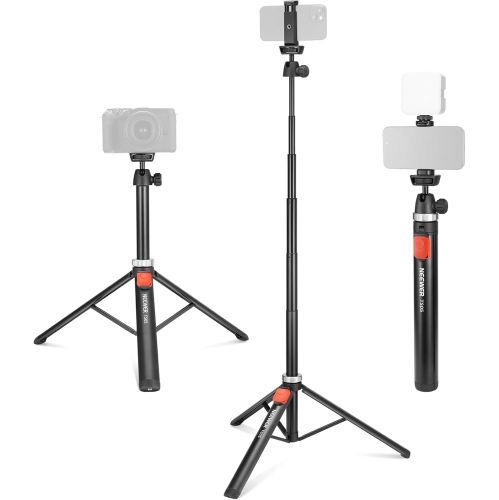
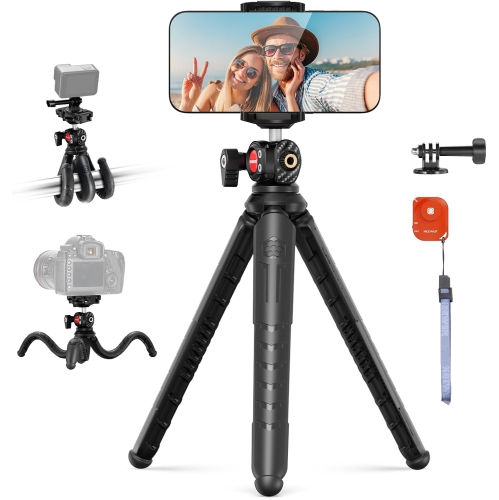
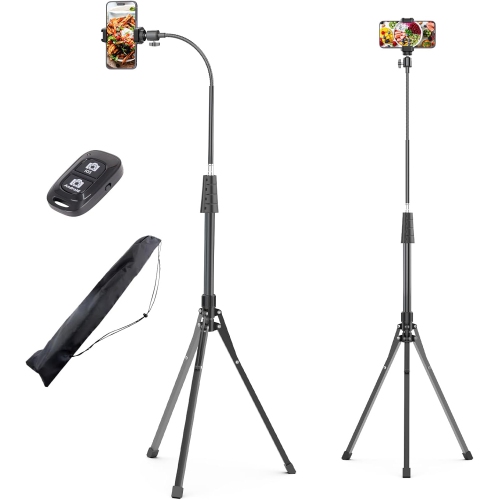
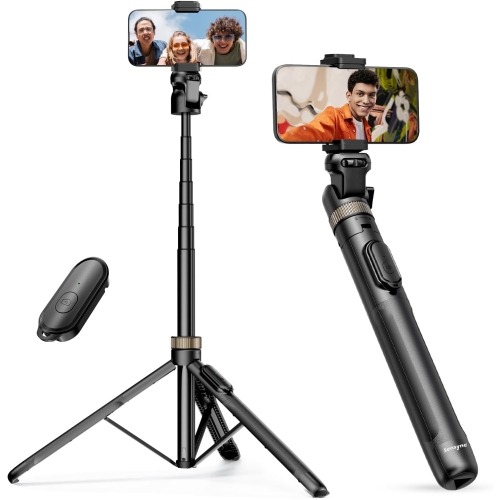
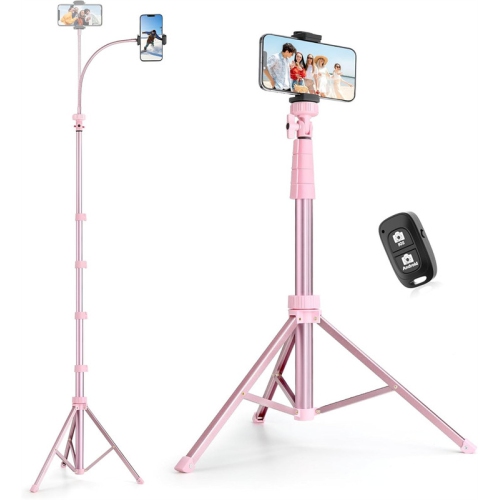
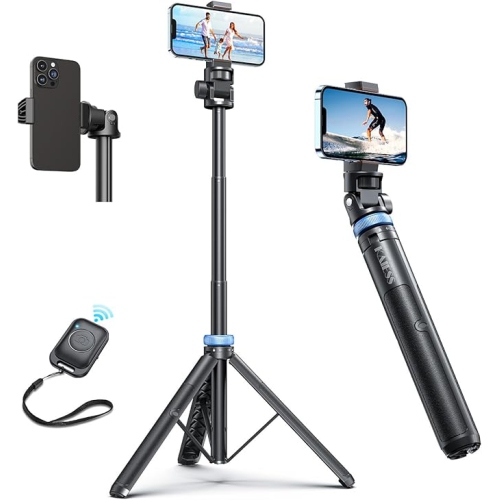
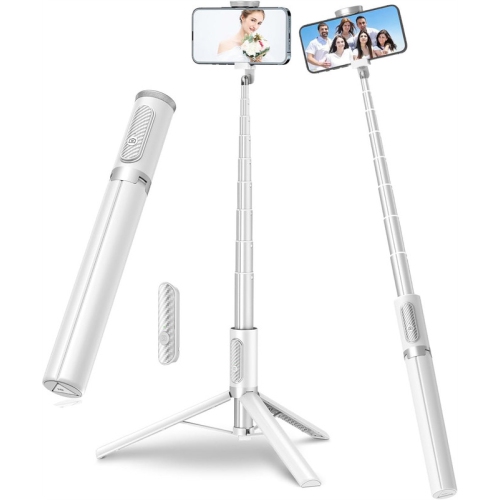
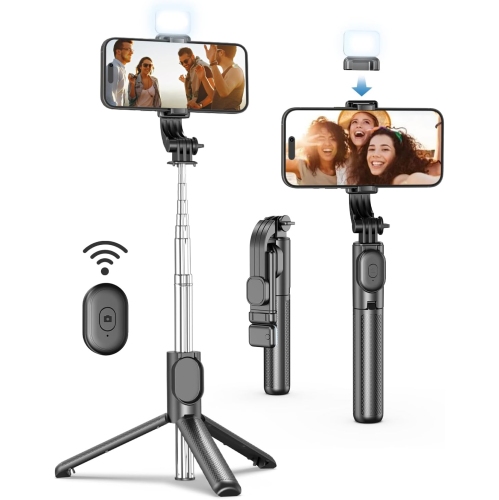
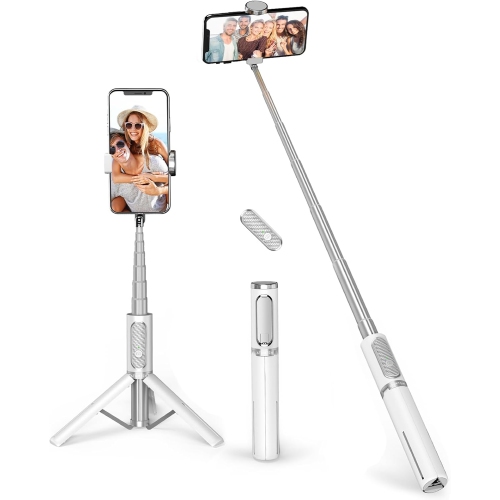
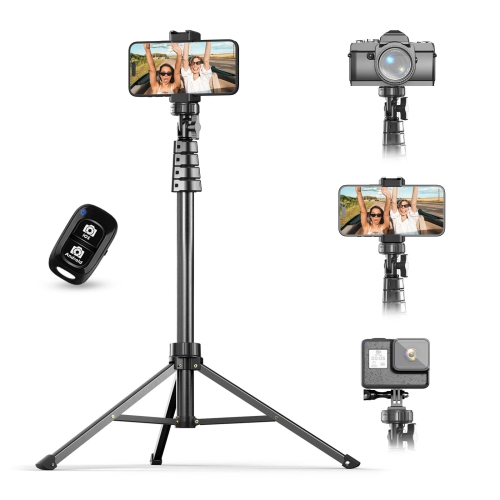
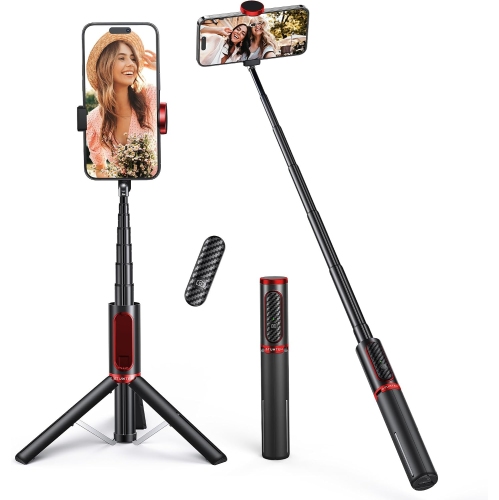
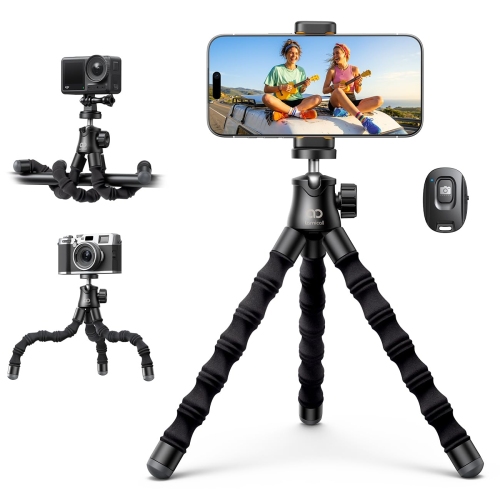
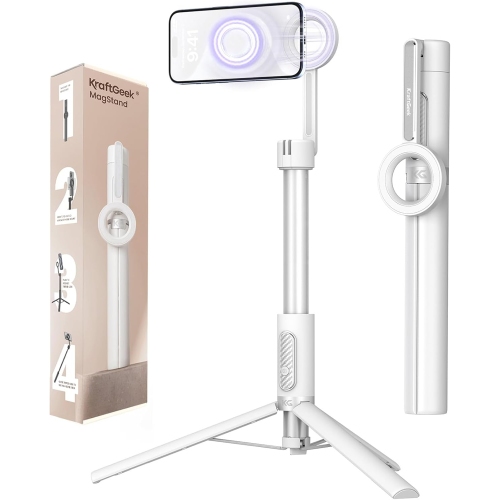
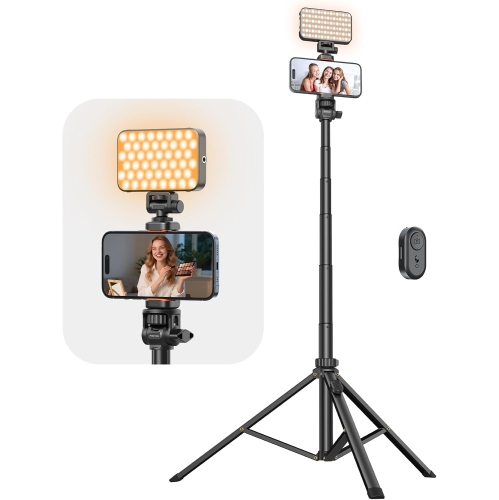
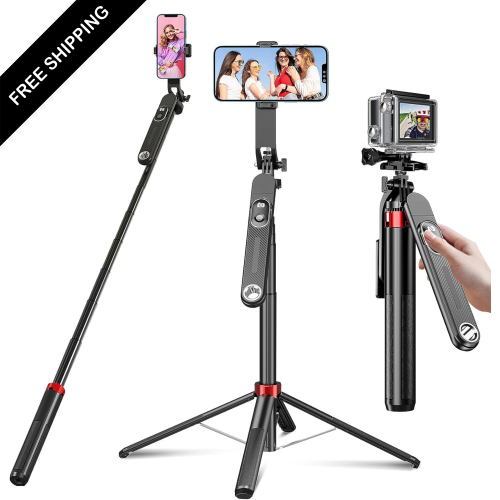
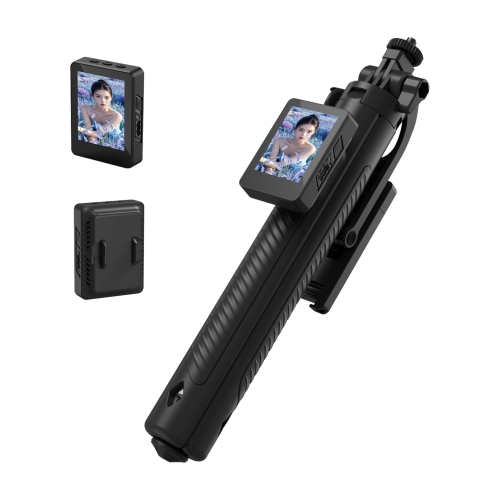
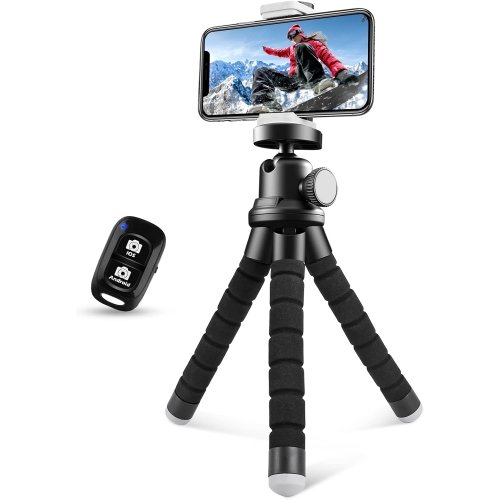
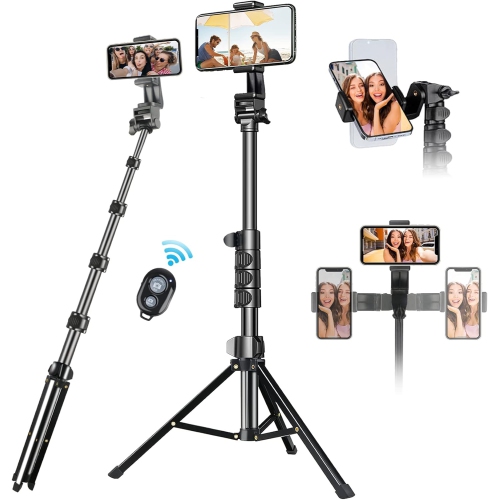

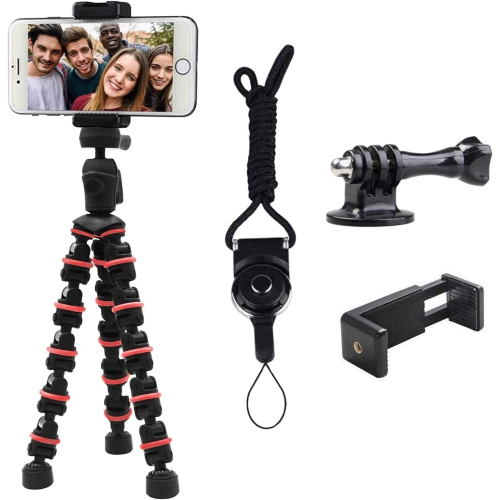
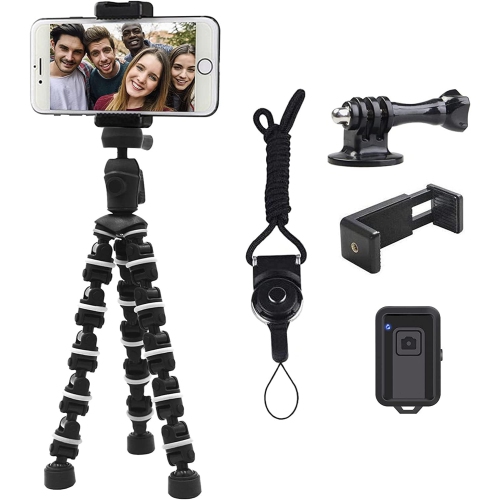

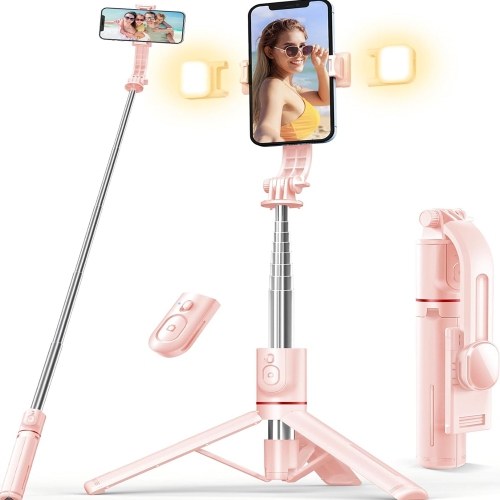
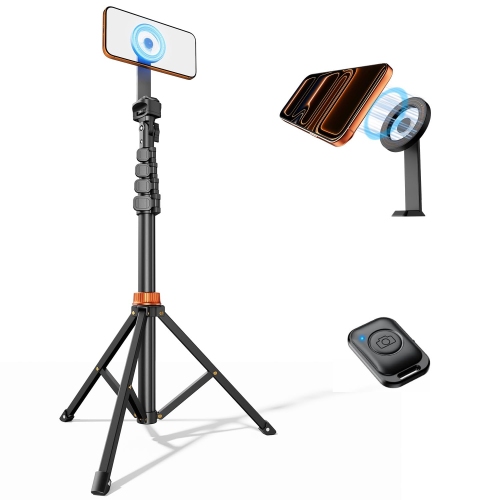

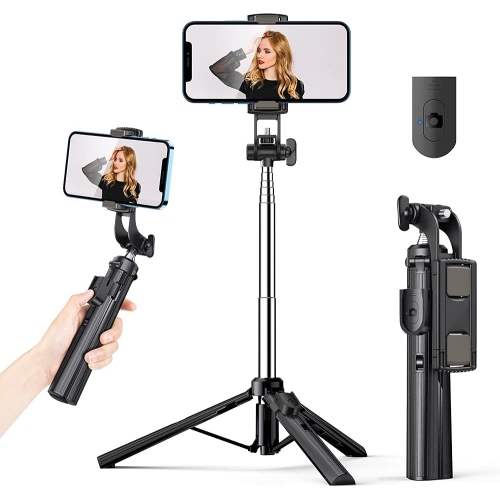
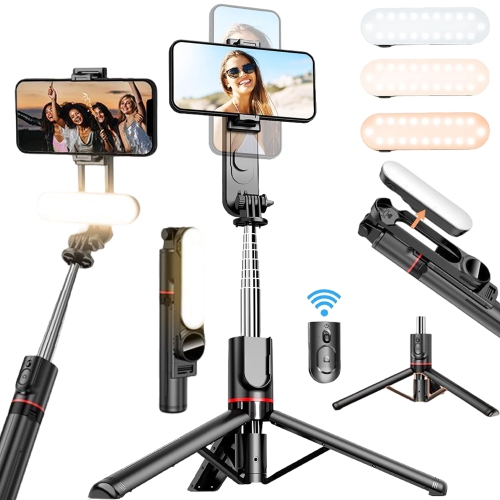
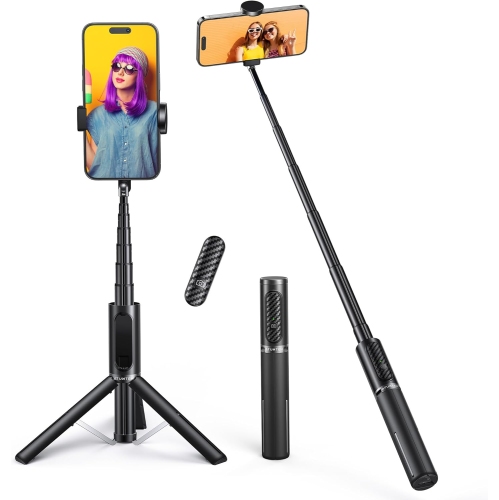
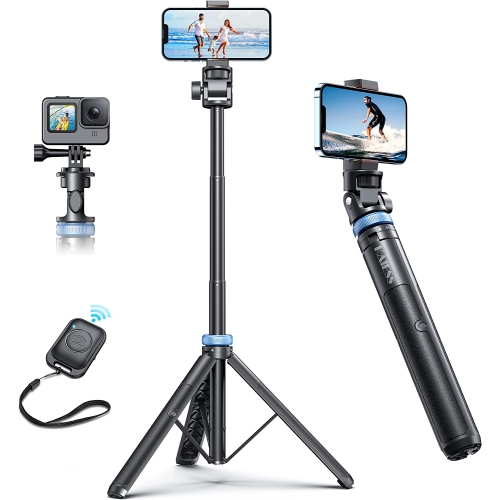
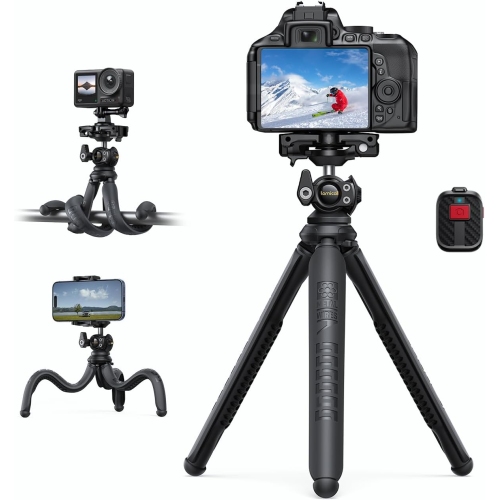
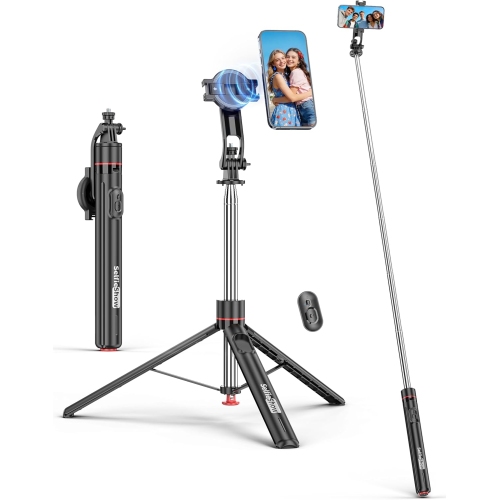
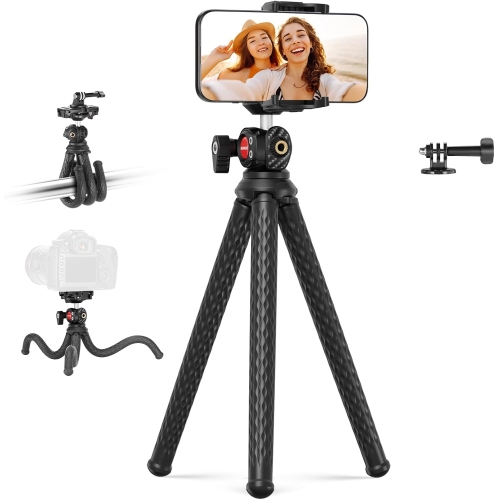
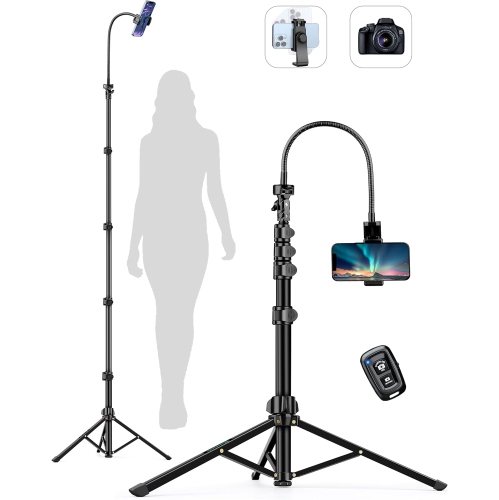
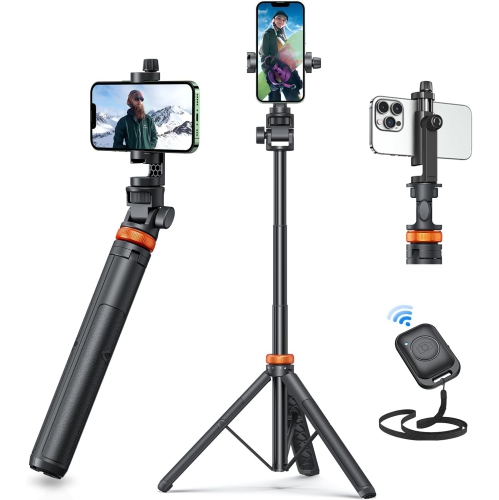
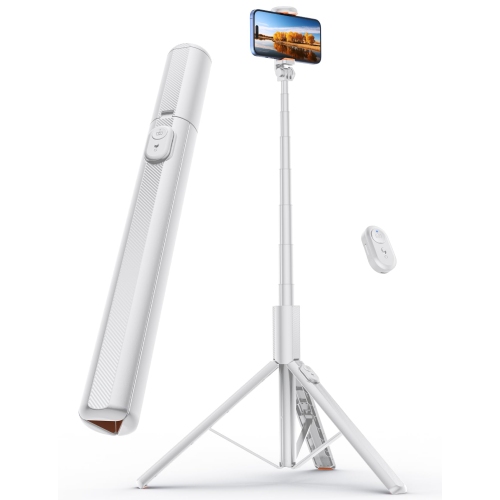
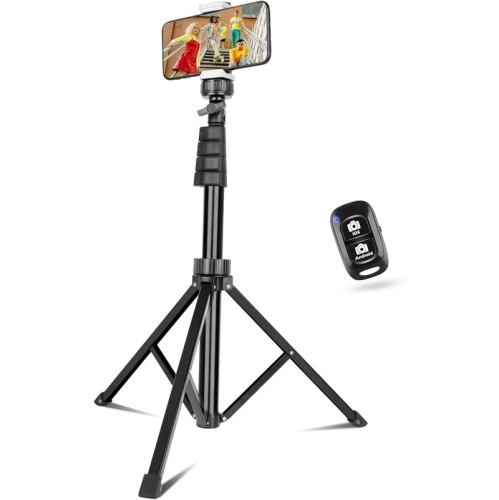
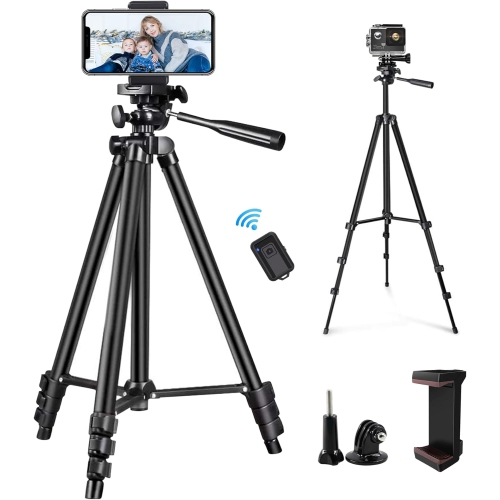
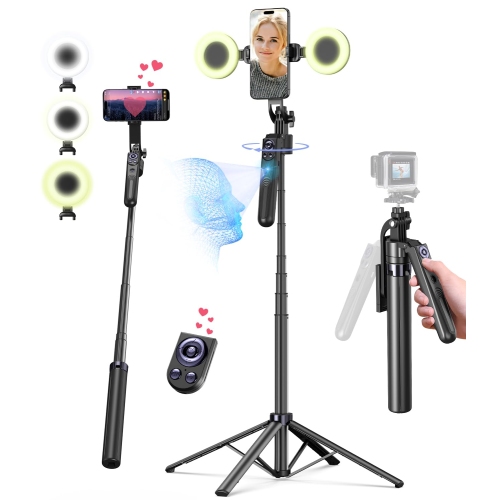
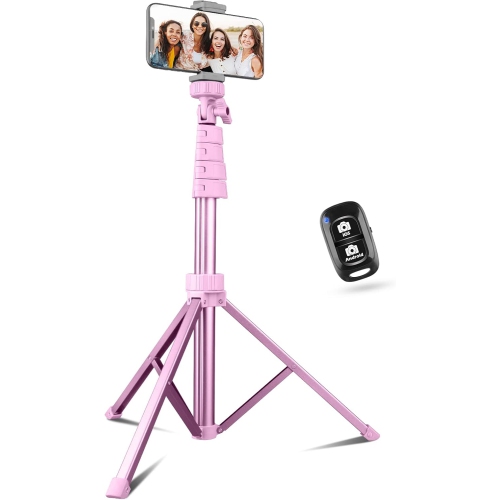
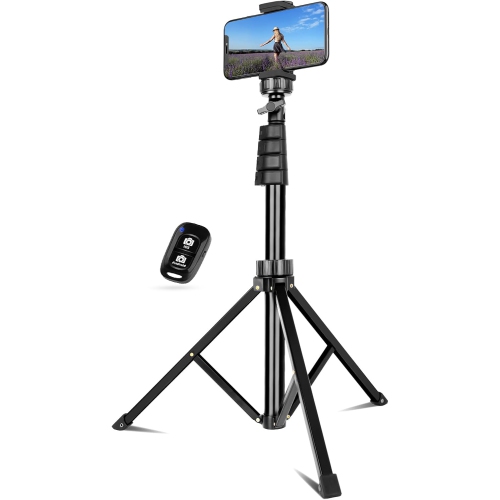

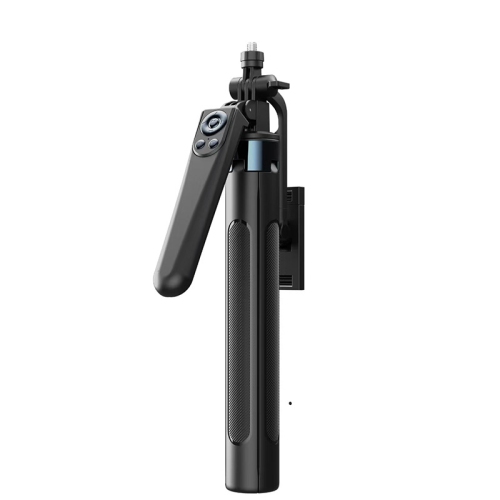
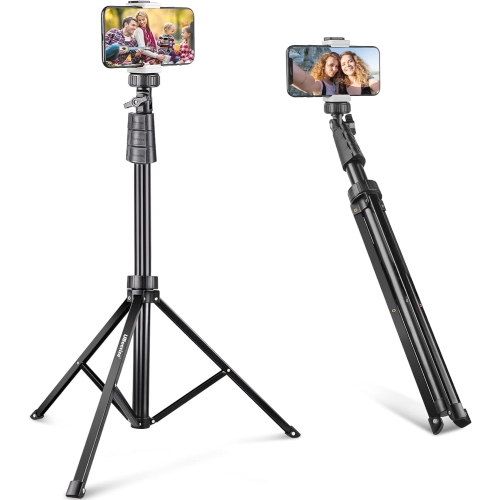
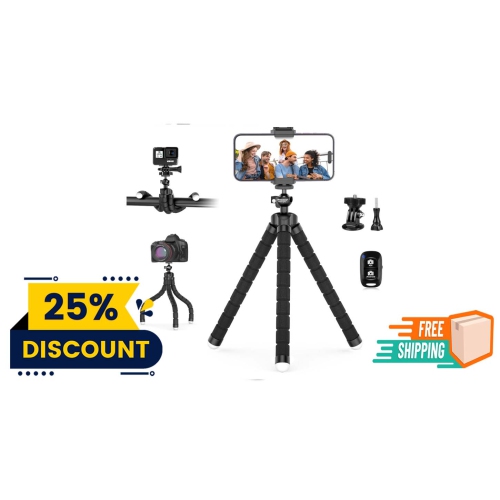

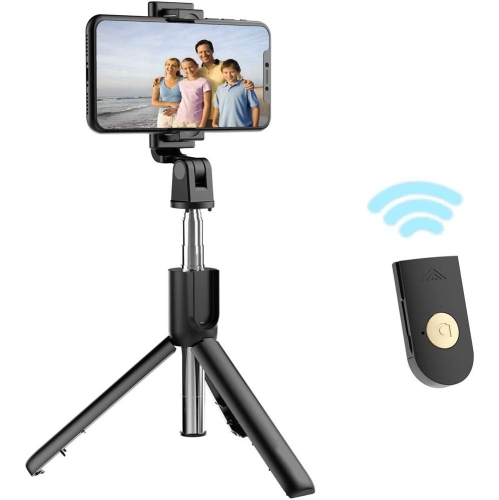
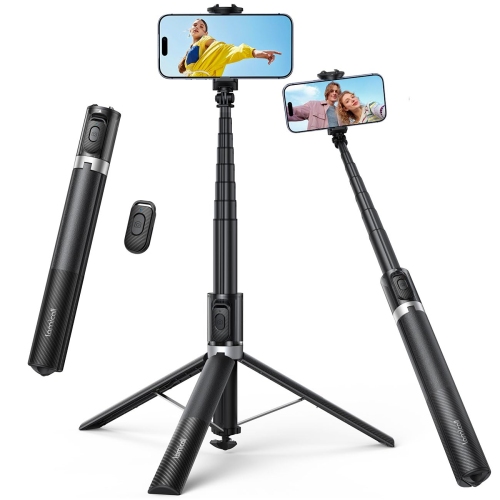
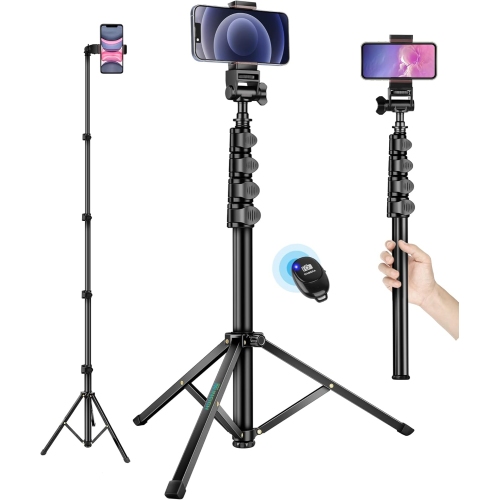

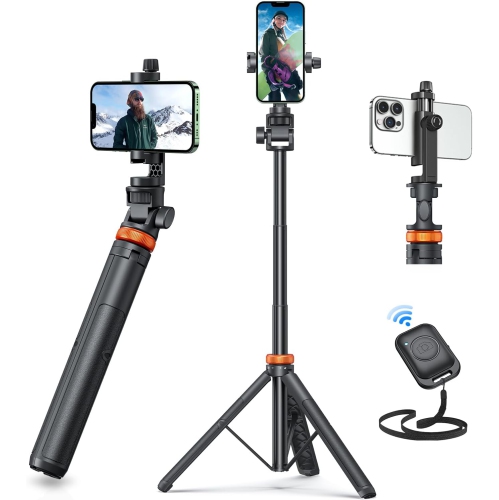
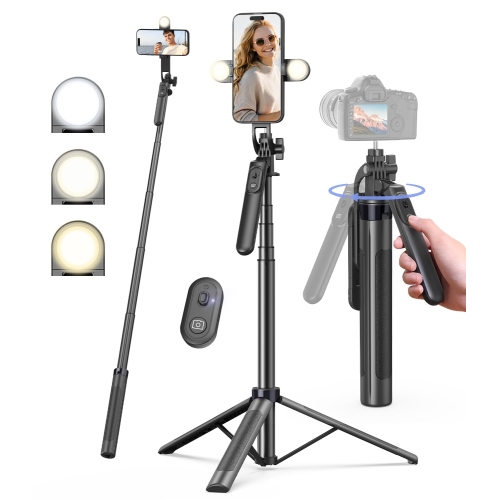
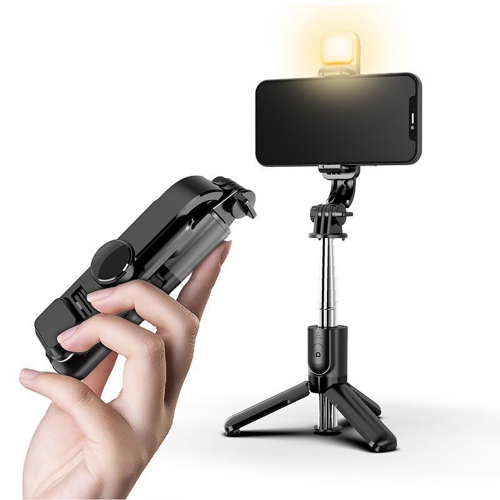
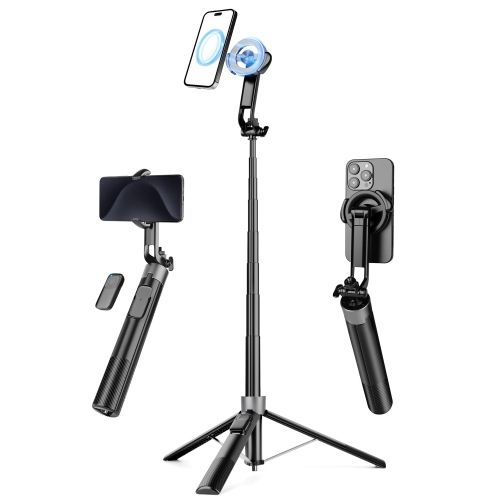
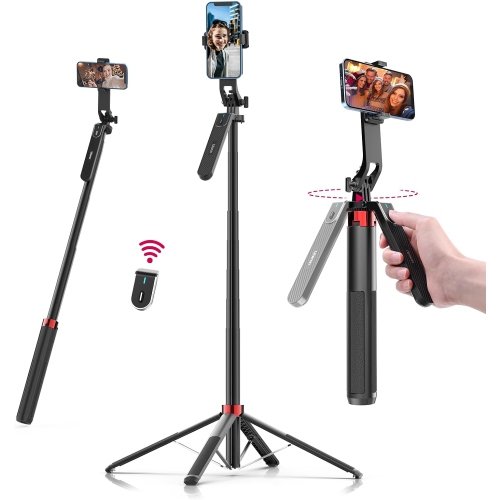

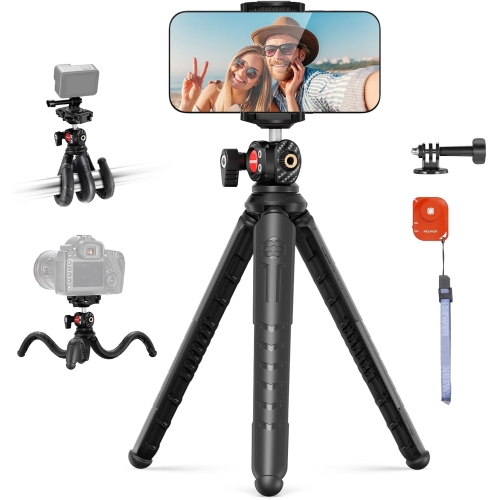
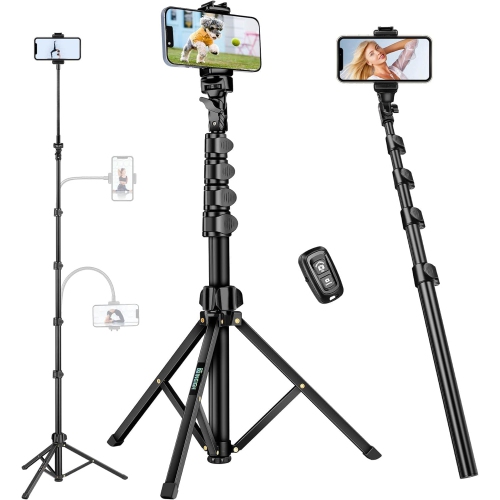
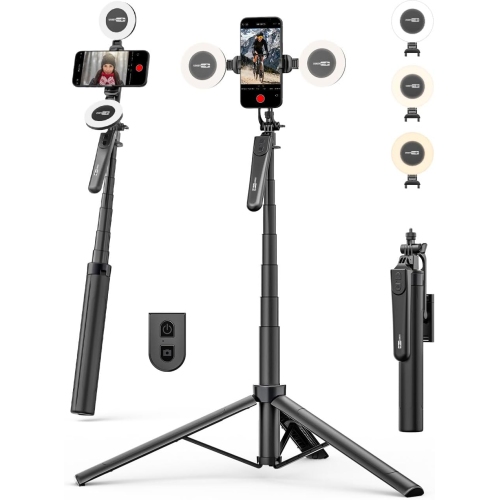

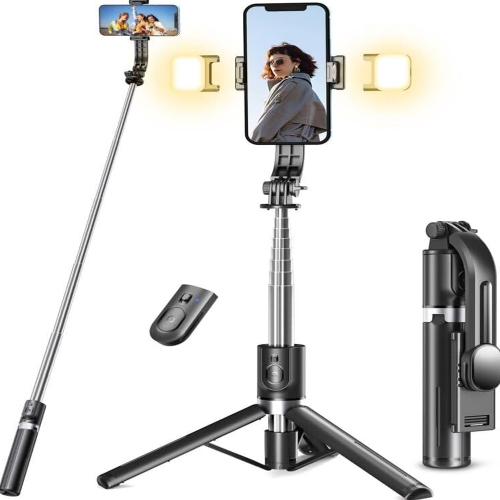
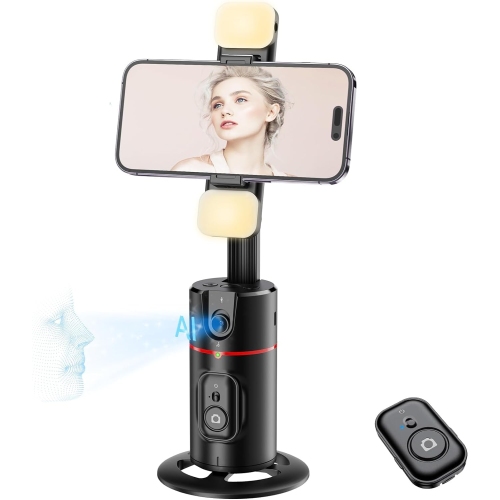
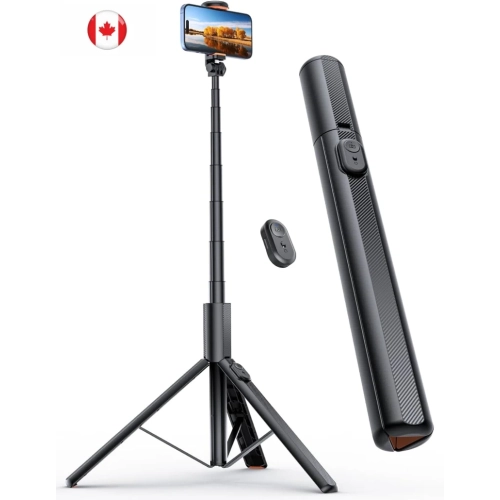

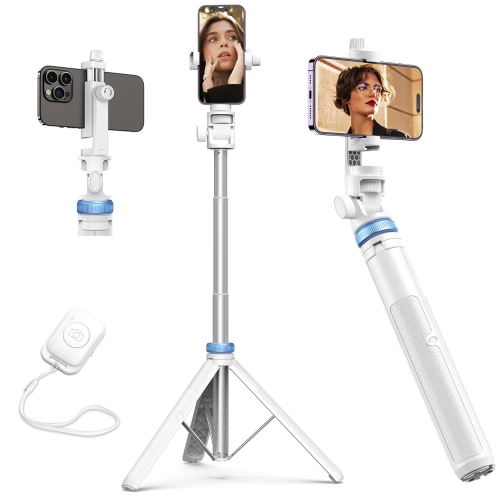

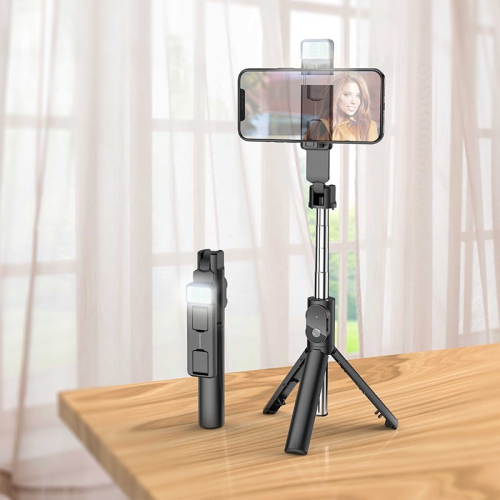
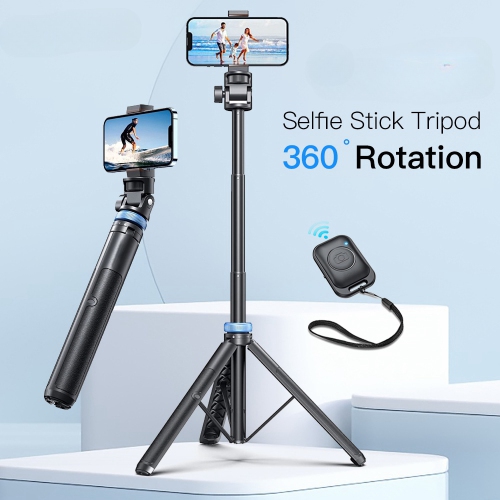
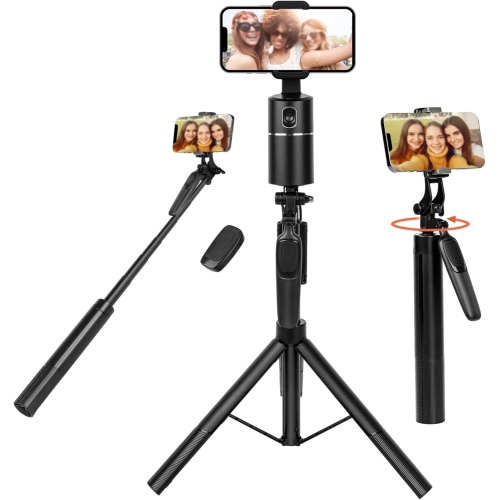
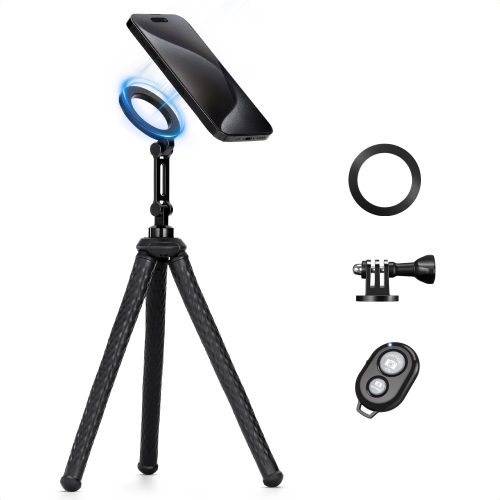
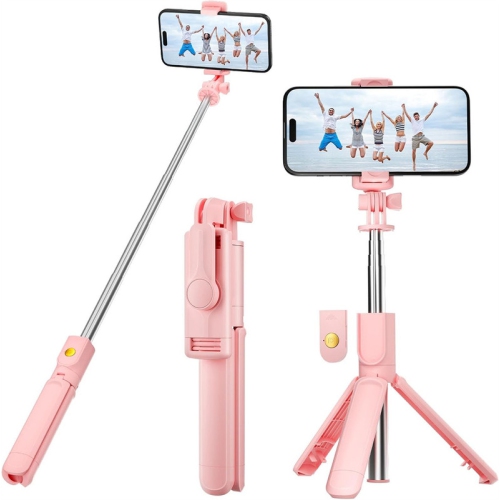
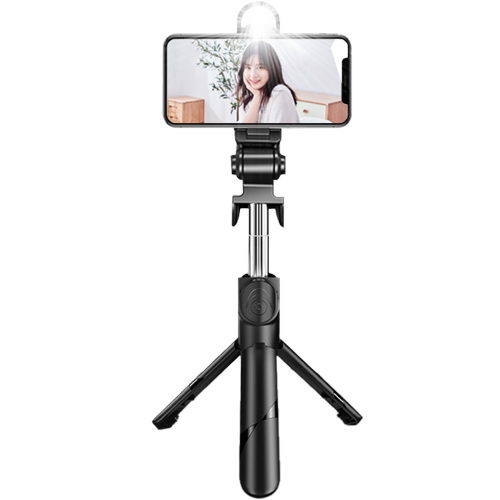
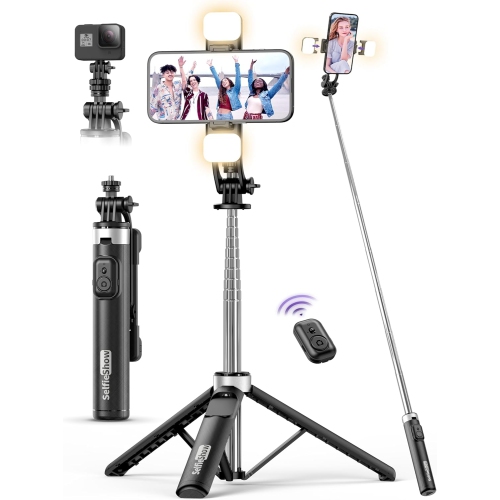

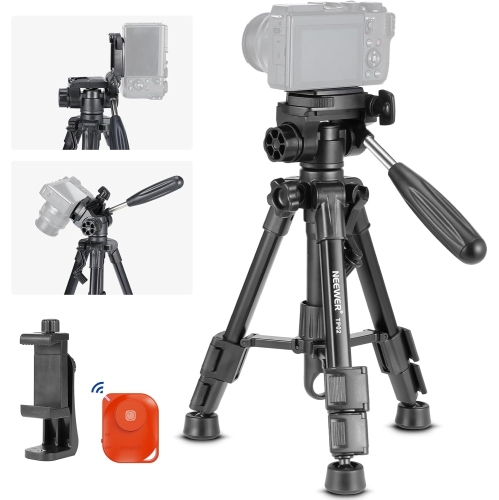

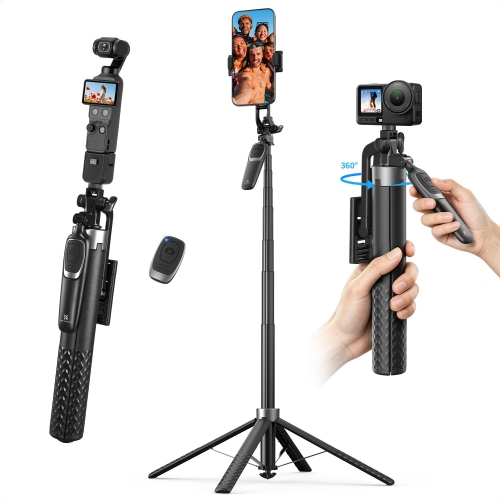
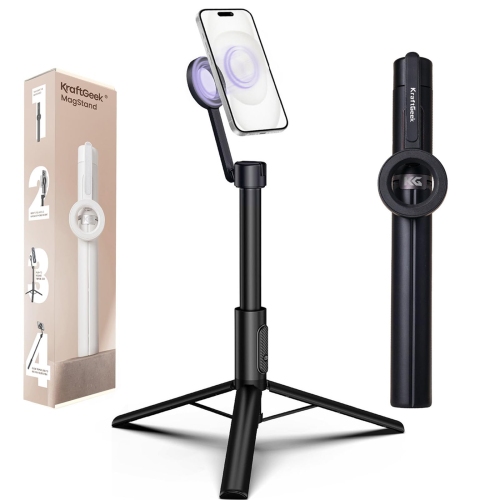
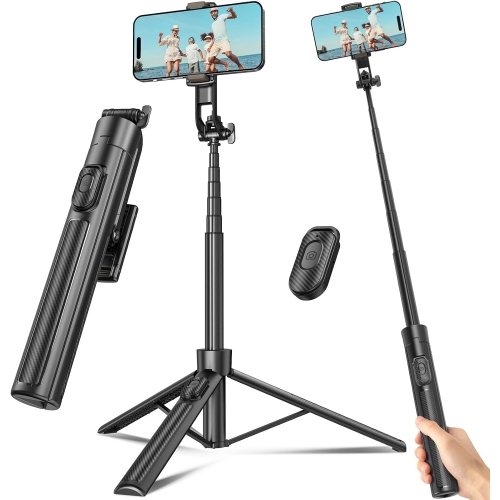
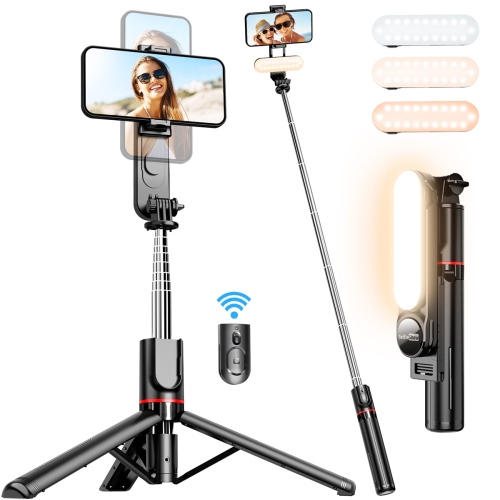

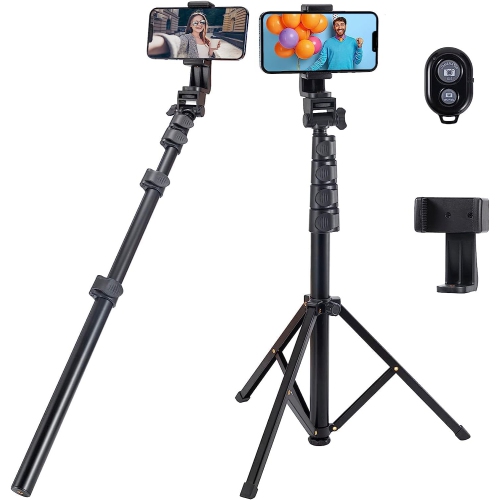

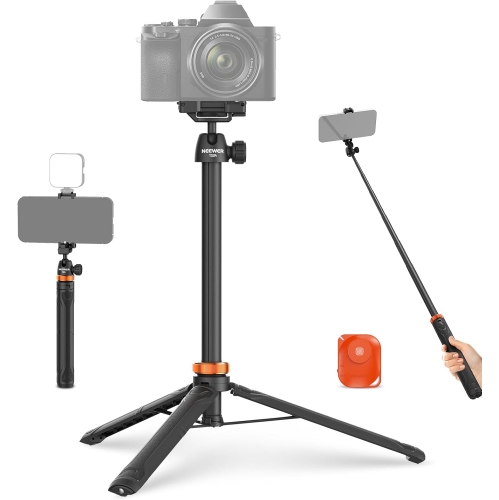
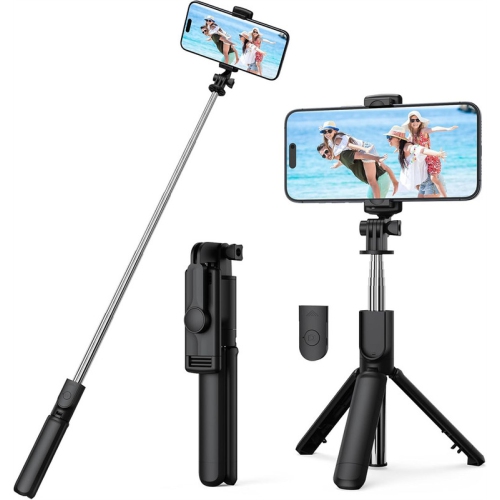
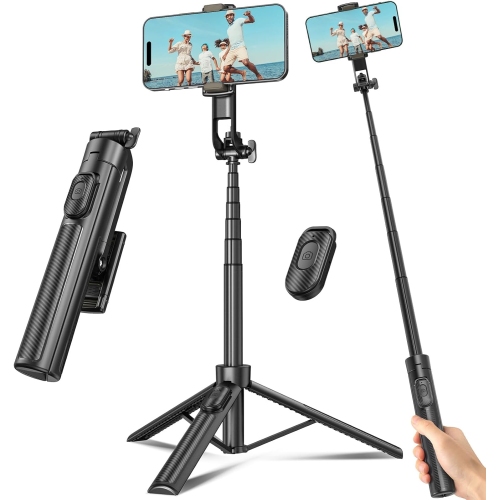
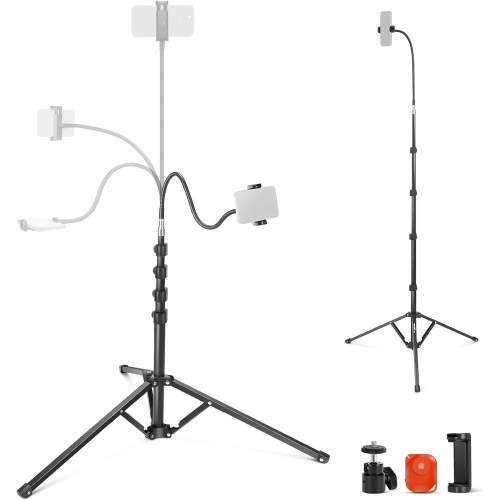
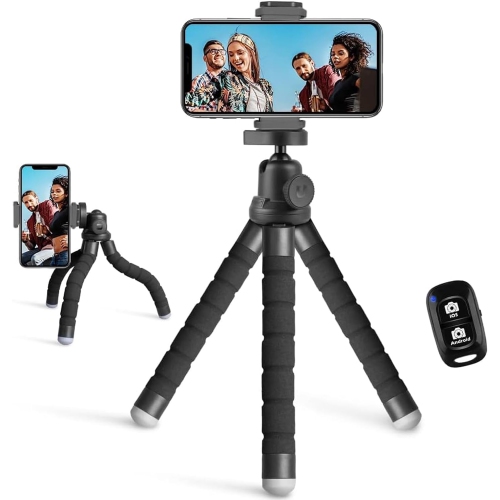
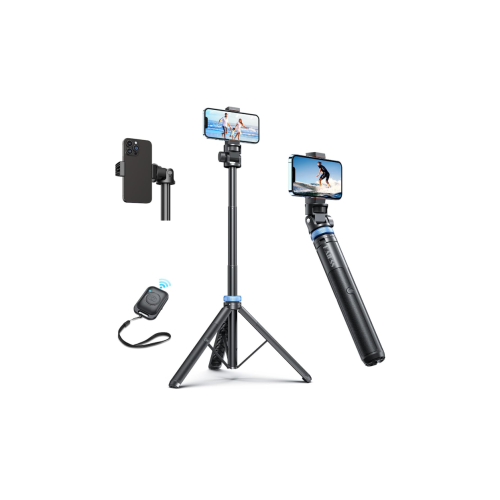
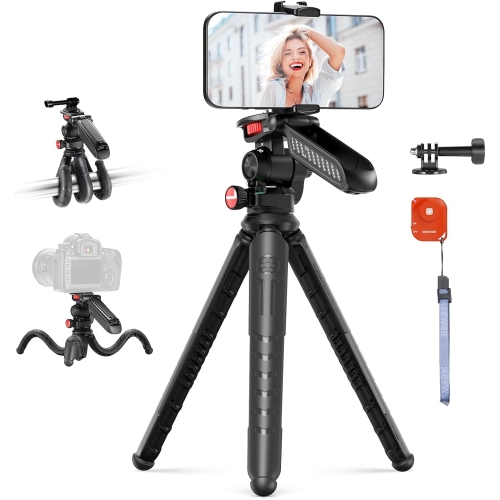
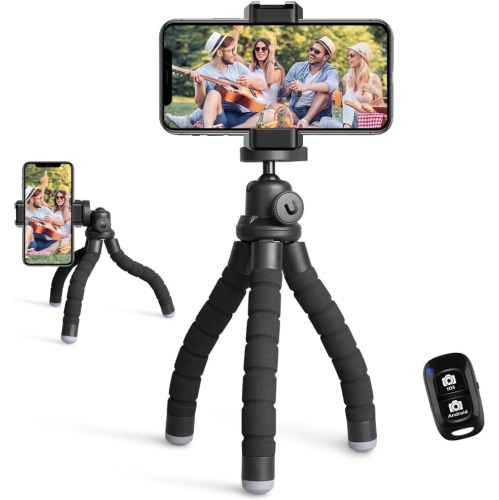
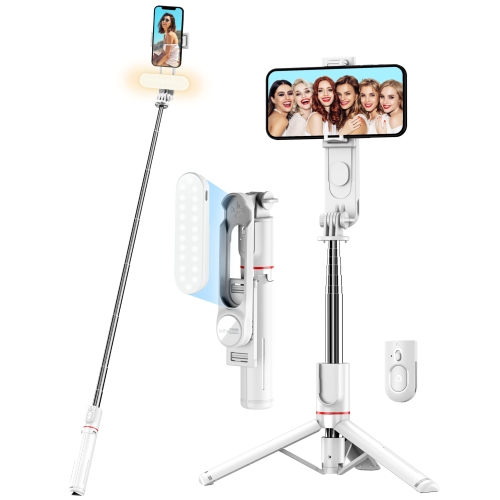
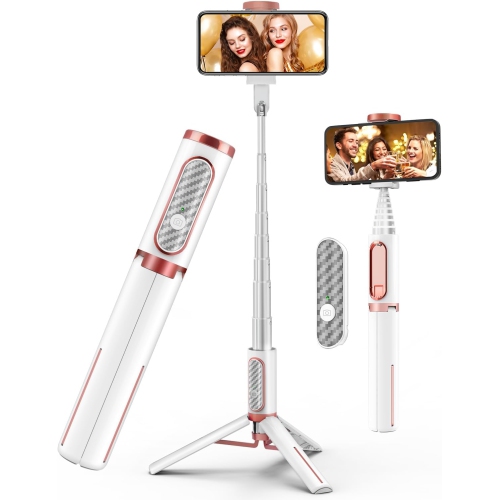
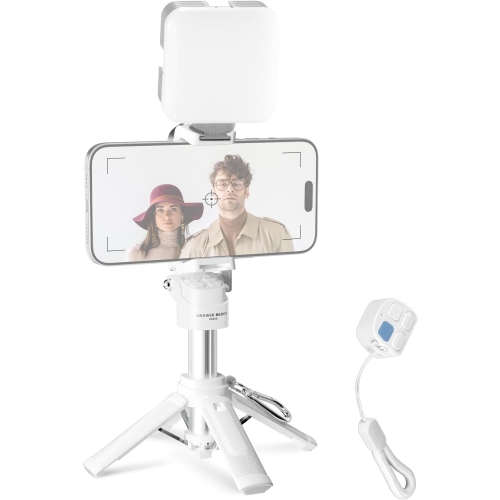
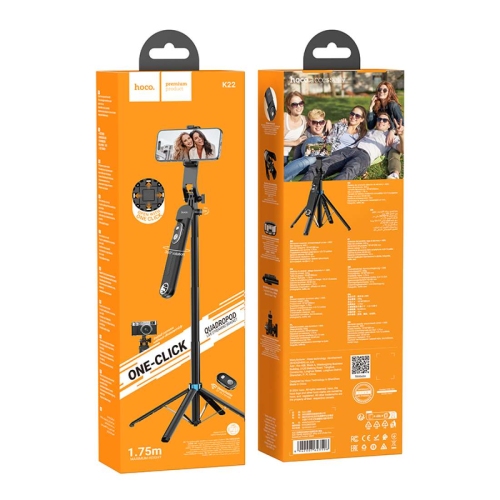
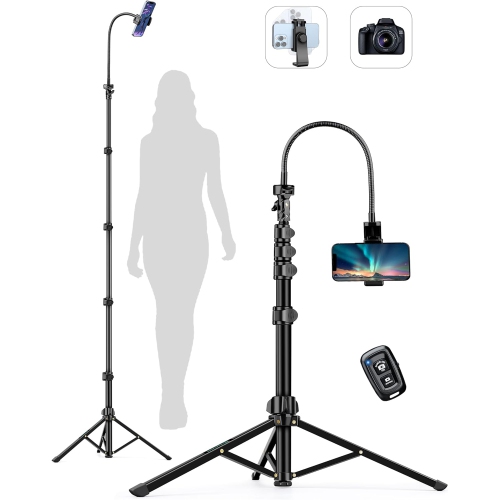
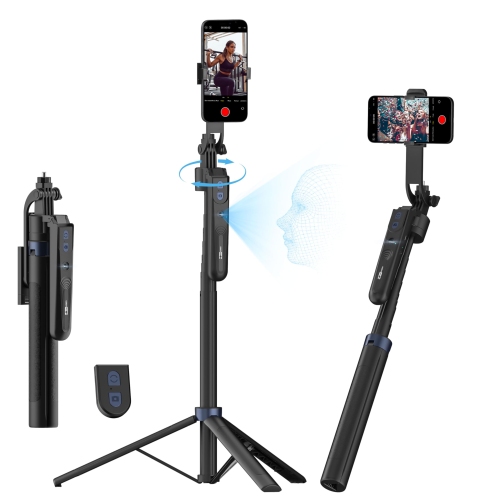
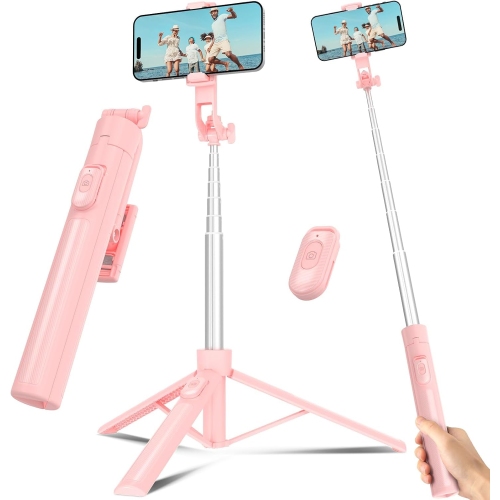
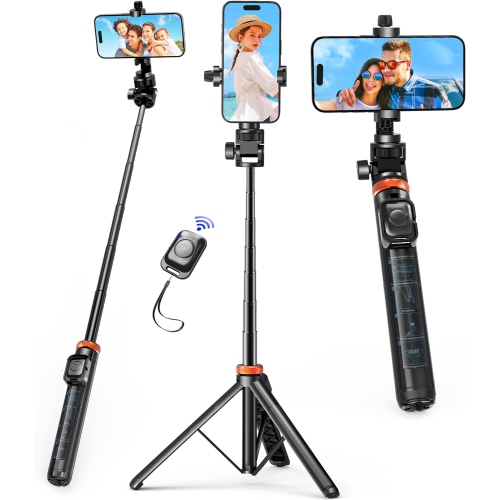
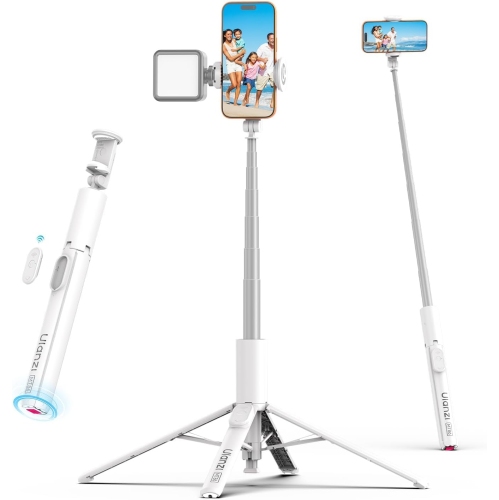
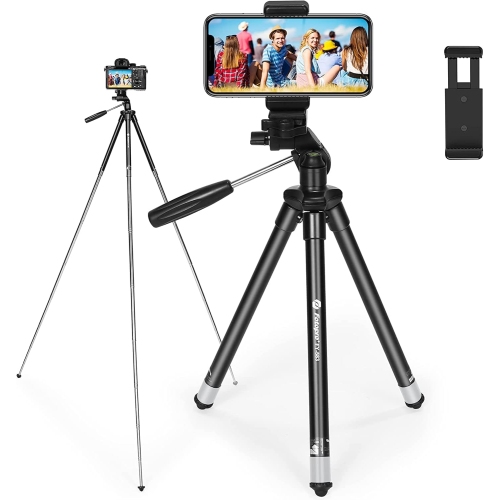
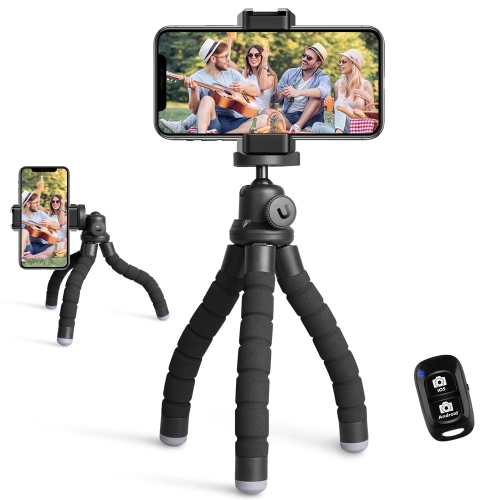
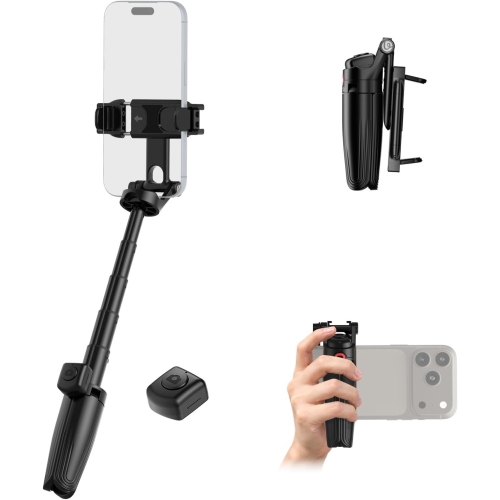
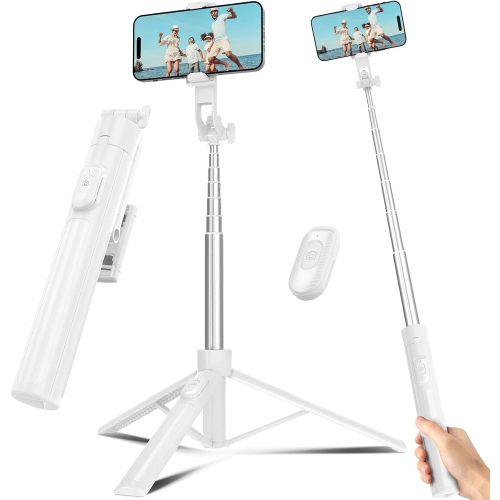
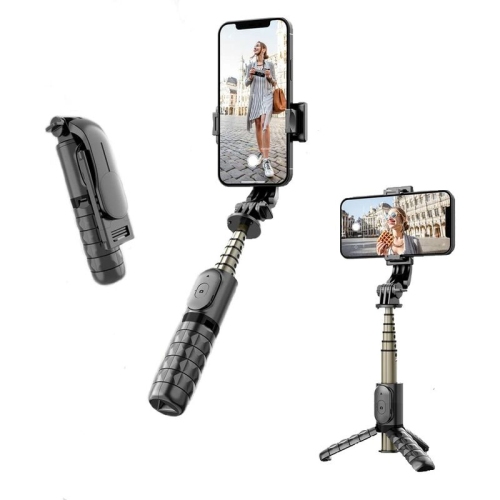
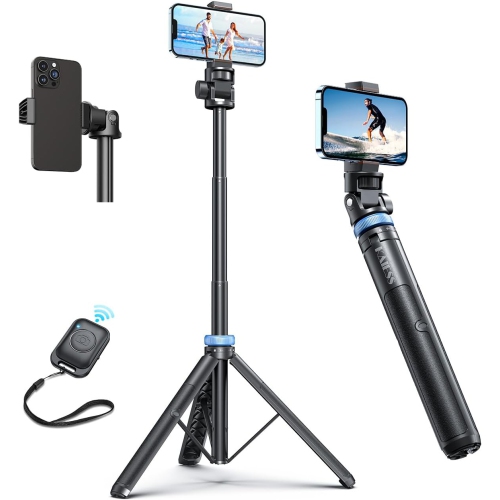
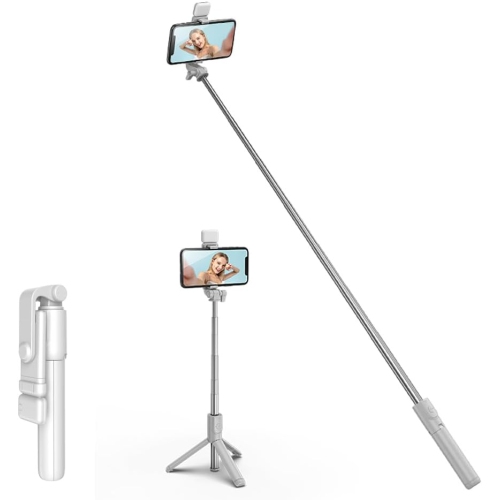
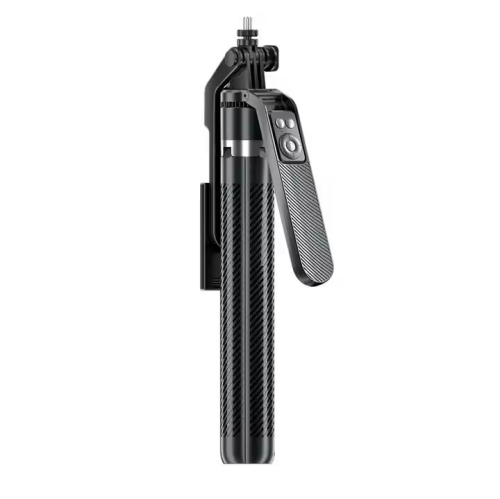
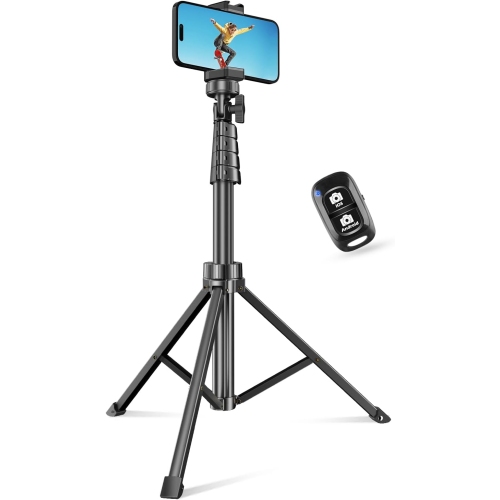
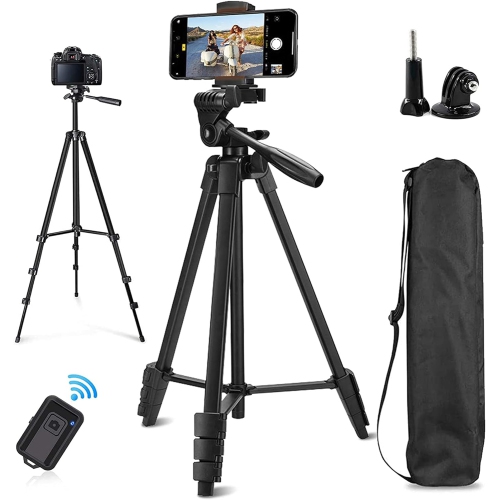
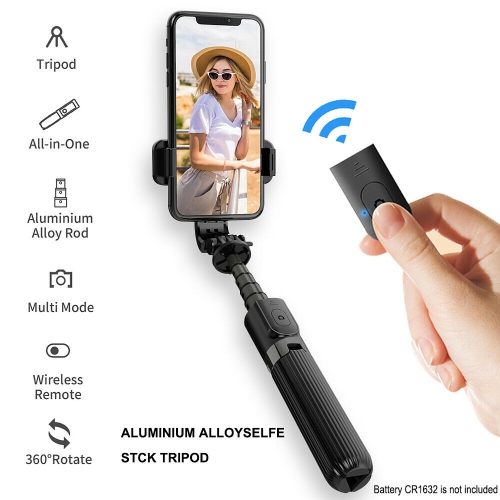
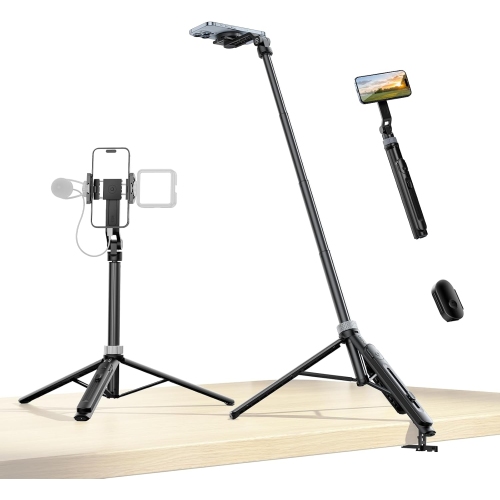
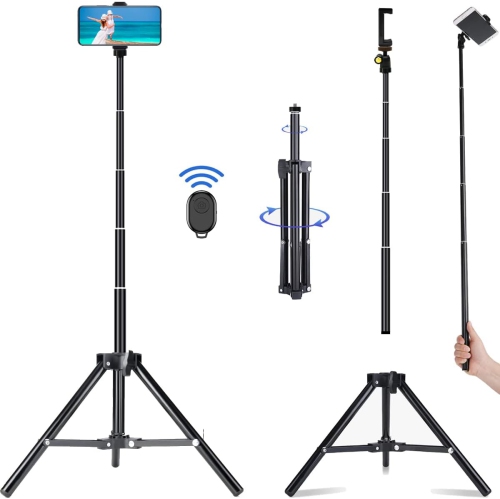


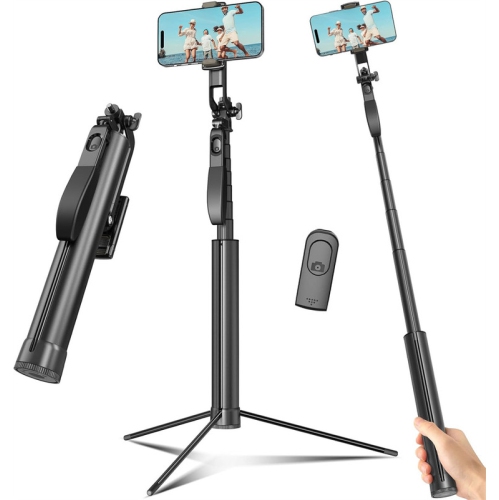
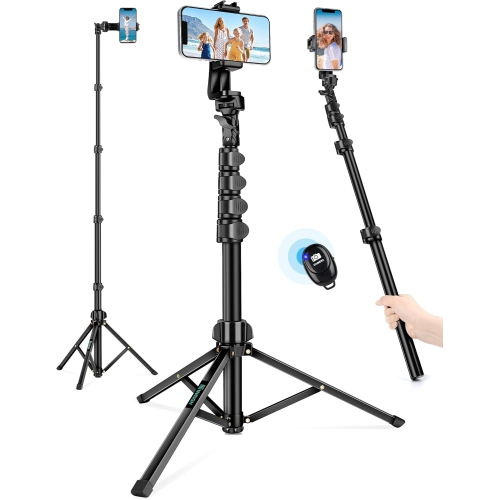

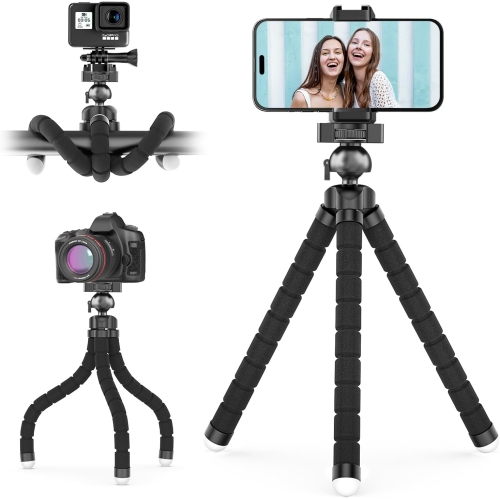
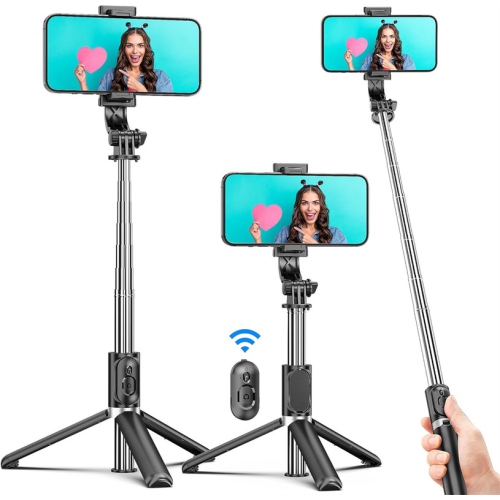
Steady framing with more freedom in front of the lens
Tripods with remote controls pair a stable support for a smartphone or camera with a shutter control that lets the photographer take a picture without touching the mounted device. That combination is useful for group portraits, solo travel photos, product photography, and other situations where holding a phone at arm’s length limits the composition. A remote makes it easier to step into the frame, settle into a natural pose, and release the shutter without rushing to beat a short timer. It can also reduce movement caused by pressing a button on the camera, particularly when photographing small details or working with a slower shutter speed. Smartphone tripods commonly include a small Bluetooth remote that pairs with a compatible phone, while camera-focused setups may use a wired shutter release, infrared control, or another wireless connection. Compatibility depends on both the mounting hardware and the remote: a phone holder that fits a device does not automatically mean the shutter button will work with its operating system or preferred camera app. Some remotes operate the phone’s camera through a command similar to a volume-button press, and support can differ between apps. Likewise, a remote intended for a smartphone is not necessarily suitable for a digital camera. The supported camera models, connection type, and available controls matter more than the remote’s appearance. A shutter button may take still photos but not start video recording, change focus, or adjust settings, unless those functions are specifically supported. Wireless working distance also varies, and infrared designs generally need a clear path to the camera’s receiver. For a family portrait across a living room, a simple shutter button may be all that is needed; for filming a presentation or recording a demonstration, recording controls and reliable connectivity become more important. The tripod holds the chosen framing while the remote gives the person in front of the lens more freedom to move, making the pairing practical for both everyday snapshots and more deliberate creative work.
The right tripod shape depends on where the device will sit and how much weight it needs to support. Compact tabletop tripods work well on desks, counters, and other stable surfaces, placing a phone at a useful angle for overhead craft shots, close-up photography, or a seated video presentation. Full-height designs offer more flexibility for standing portraits and wider compositions without relying on nearby furniture. Some extendable designs combine a handheld support with folding tripod legs, although a small leg spread may offer less stability than a dedicated tripod with a broader base. Flexible-legged versions can adapt to certain uneven surfaces or wrap around suitable supports, but their grip and load limits still matter. Maximum height is only part of the picture: usable height with the centre column lowered, folded length, leg spread, and total weight all affect everyday handling. Extending the legs before raising the centre column generally provides a steadier platform, and a balanced setup is especially important when a phone is turned vertically or a camera carries a heavier lens. The stated load capacity should cover the complete mounted setup, including the lens, holder, and any attached accessories. Aluminium legs offer a practical balance of strength and weight, while carbon fibre can reduce carrying weight; plastic components are common in compact designs, with durability depending on construction and intended use. Leg locks should hold securely, and the head should support the device without slowly tilting under its weight. A ball head allows quick changes in angle, while a pan-and-tilt head provides separate adjustments that can make precise framing easier. Phone clamps need to accommodate the device’s width and case thickness without pressing side buttons or blocking the lens. Cameras often attach through a standard threaded mount or a compatible quick-release plate, while action cameras may need a separate adapter. Access to charging ports, a secure portrait orientation, and enough clearance to tilt the device are small details that can make a substantial difference during longer sessions.
Everyday use brings the most important features into focus. Someone photographing handmade jewellery may value a compact tripod that holds a consistent angle over a work surface, while a person recording exercise demonstrations may need enough height to keep their full movement in the frame. For a group photo, a remote allows the photographer to stand alongside everyone else rather than remain behind the camera. For a creator recording several takes, it can reduce repeated trips back to the device, provided the remote supports the required recording function. Travellers may favour a short folded length and a carrying pouch, while photographers working mainly at home may prefer a sturdier base over the smallest packed size. Tripods with remotes can also make thoughtful gifts for photography enthusiasts, students building a portfolio, or friends who enjoy documenting shared occasions. A gift is most useful when the recipient’s phone or camera, preferred shooting style, and carrying needs are taken into account. Shoppers putting together a camera-based setup can also explore Digital Cameras With Remote Control, with particular attention to the connection methods supported by the camera and remote. Straightforward care helps keep the support dependable: dust and grit should be removed from leg sections before folding, mounting surfaces should be kept clean, and clamps should be tightened securely without excessive force. A soft cloth is suitable for routine cleaning, while electronic remotes should be kept dry and cared for according to their instructions. Replaceable remote batteries and rechargeable designs have different upkeep needs, and a working battery is worth confirming before a shoot. A dedicated pocket or attachment point can help prevent a small detachable remote from getting misplaced. Once the device is mounted, a quick test photo confirms the framing and remote response before everyone gets into position. Secure footing, a correctly fitted mount, and an appropriate remote make the tripod a useful part of a repeatable setup, whether the finished image is a carefully arranged portrait or a simple photo that includes the person taking it.
Top selling and popular products
-
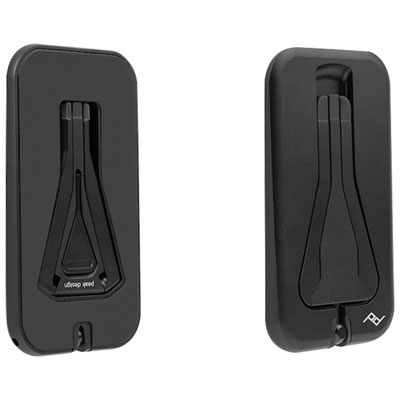 Your price for this item is $109.95
-
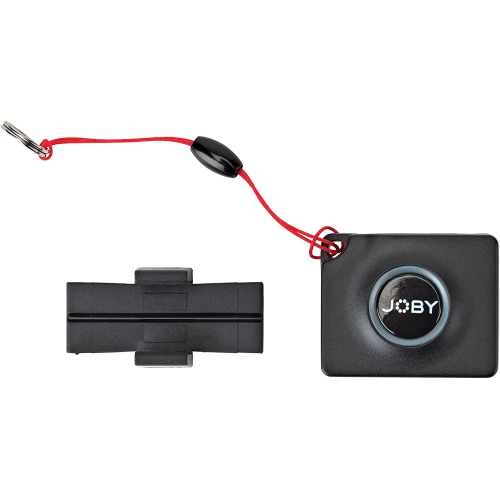 Your price for this item is $57.49
-
 Your price for this item is $45
-
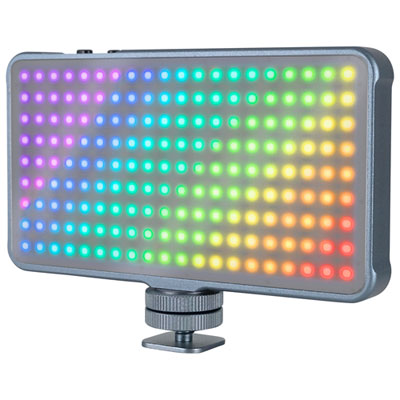 Your price for this item is $59.99
-
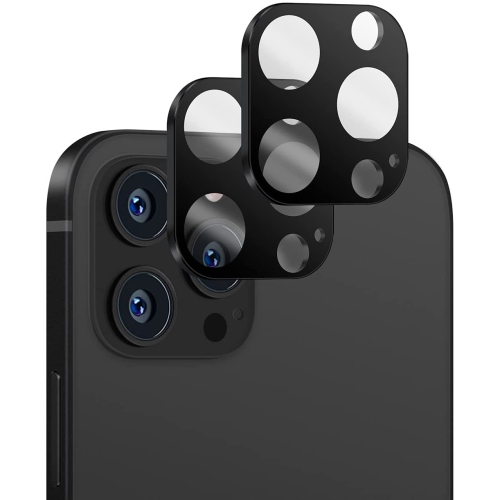 Your price for this item is $39.99
-
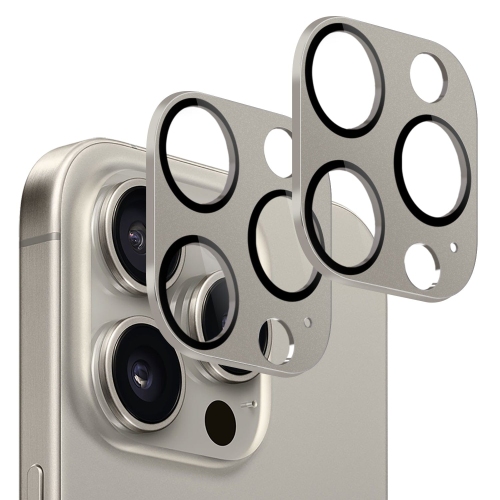 Your price for this item is $52
-
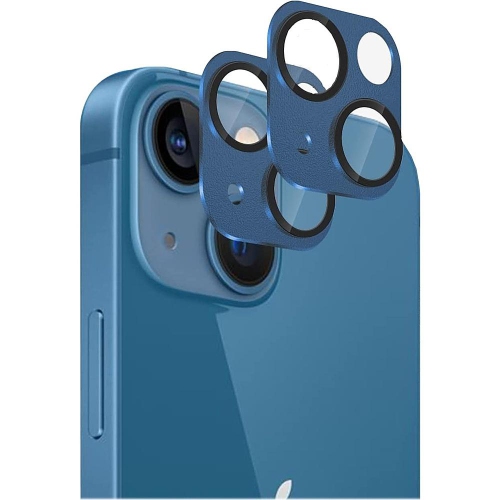 Your price for this item is $39.99
-
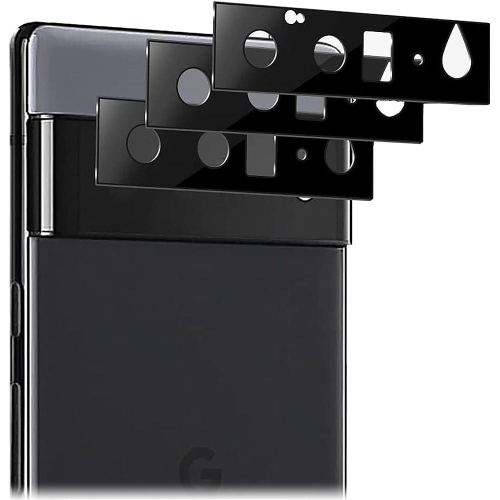 Your price for this item is $45
Discover more categories related to Tripods With Remote
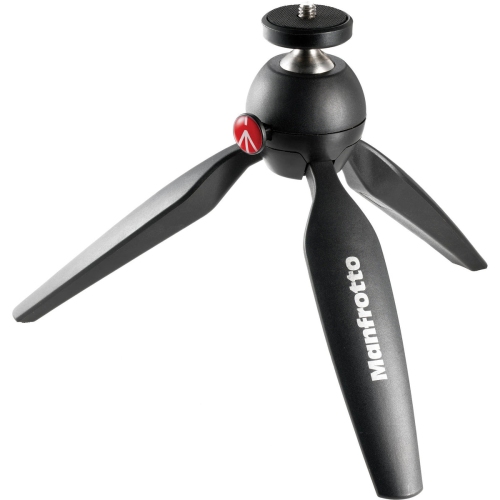
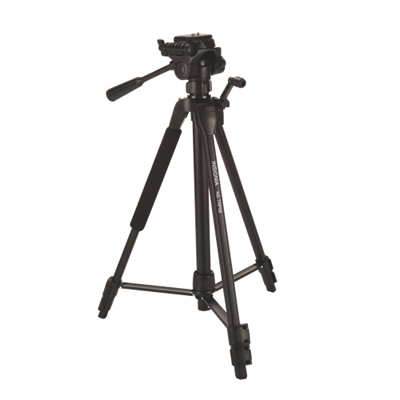
Top Collections:
Best Black Friday Deals This Year, Best Black Friday Deals On Electronics, Kindle Devices, Pokemon Centers, Best Black Friday Deals On Apple Products, Best Cameras for Sports Photography, Dyson Airwrap, Pokémon 30th Celebration Cards, Apple iPhone 17 Pro, Canon G7X Cameras
Some products may be subject to Environmental Handling Fees
(EHF) depending on your province.
Learn more about EHFs.