Tripods With Heads
Whether you're a professional photographer looking to capture the perfect shot or a hobbyist wanting to improve your photography skills, a high-quality tripod with a reliable head is an essential tool to have in your gear collection. Tripods provide stability and precision, allowing you to achieve sharp images, smooth panning shots, and creative compositions. With a variety of options available, finding the right tripod with the perfect head to suit your needs can make a significant difference in the quality of your photos and videos. Explore our selection of tripods with heads to elevate your photography game and take your creativity to new heights.
Sort
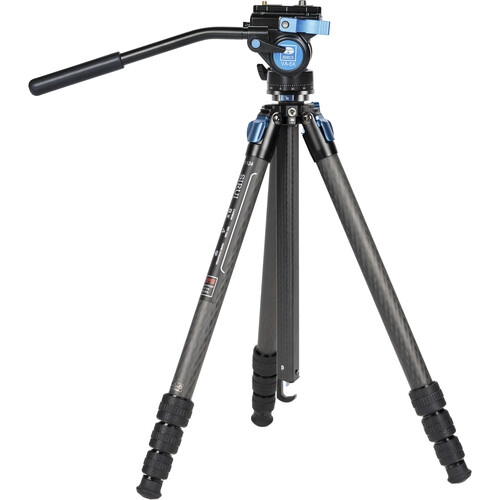
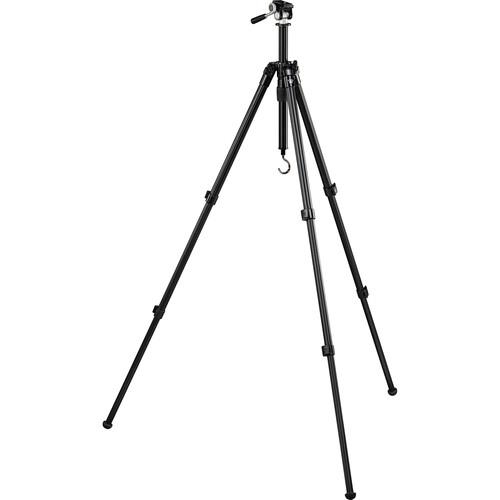
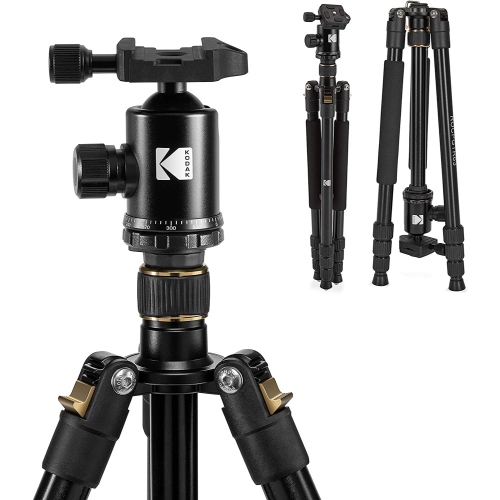
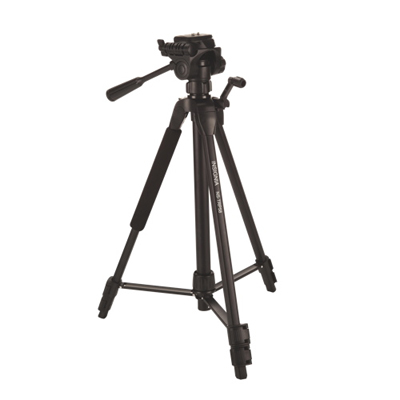


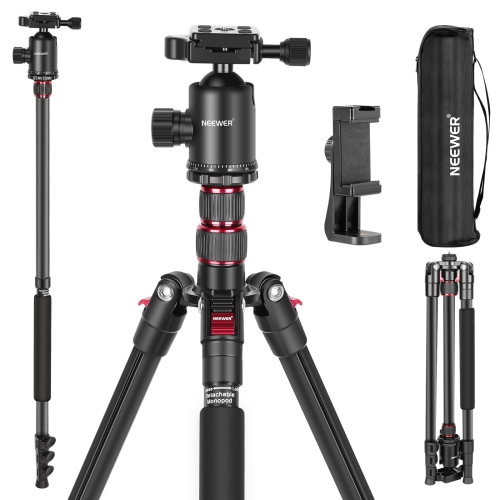
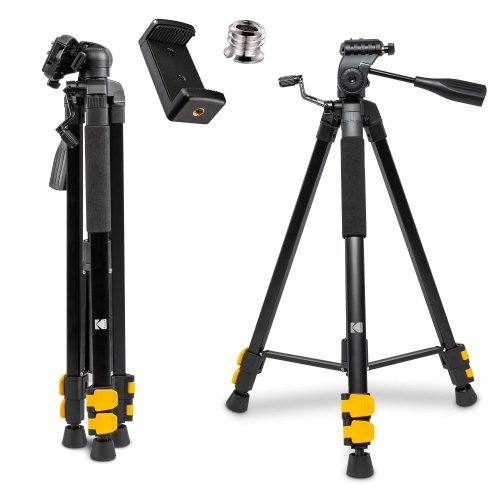
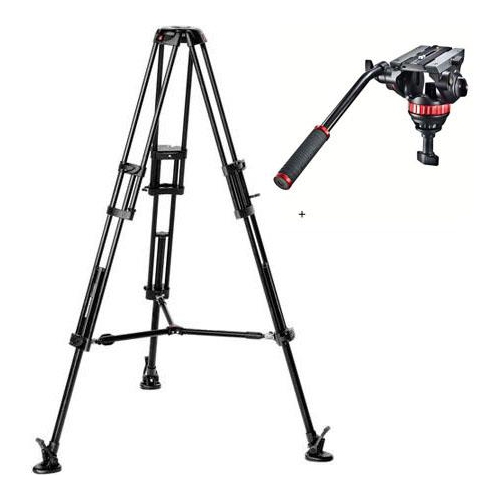
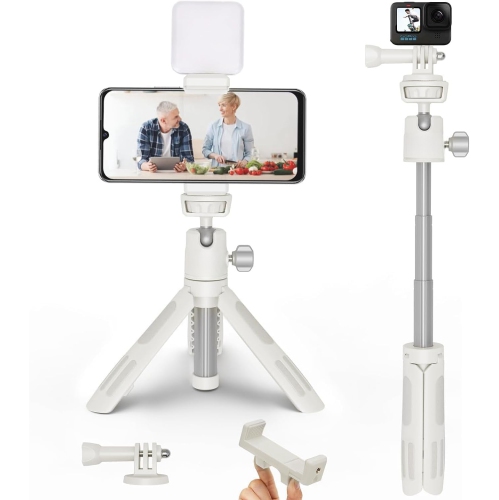
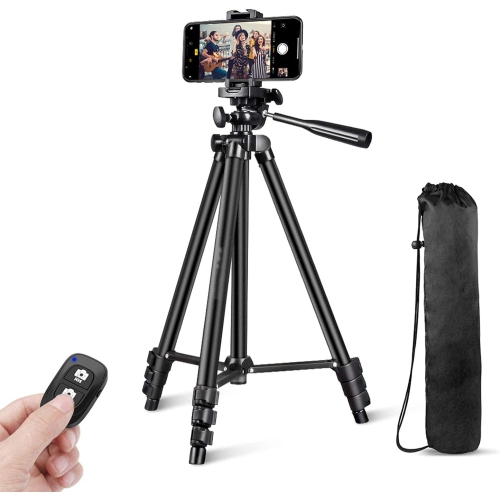



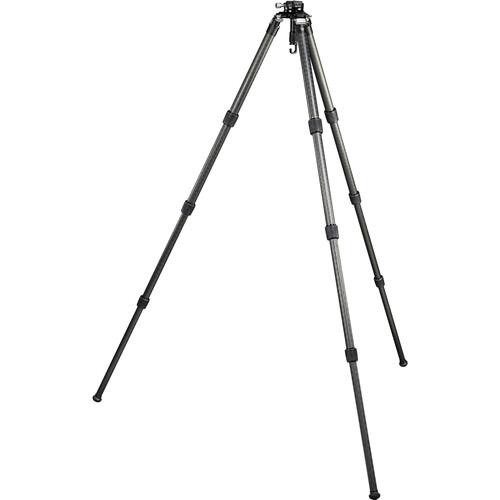
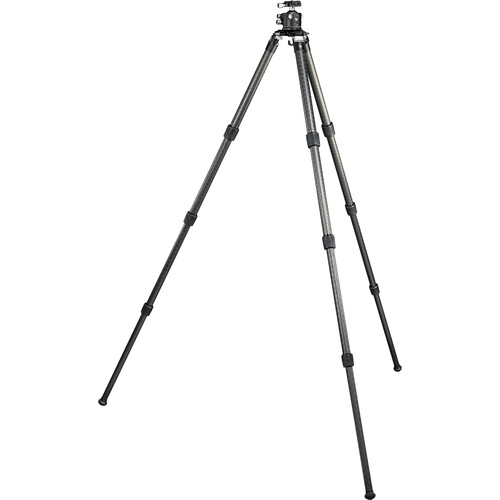
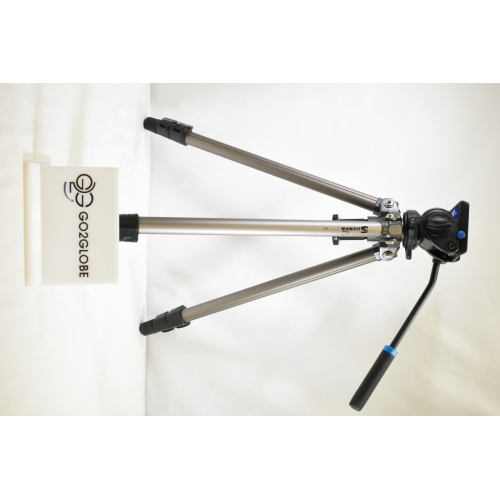
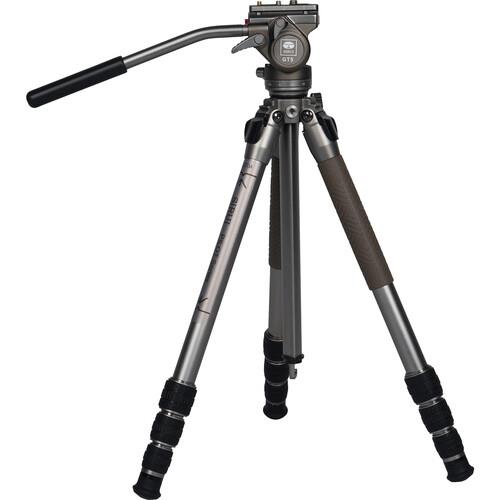
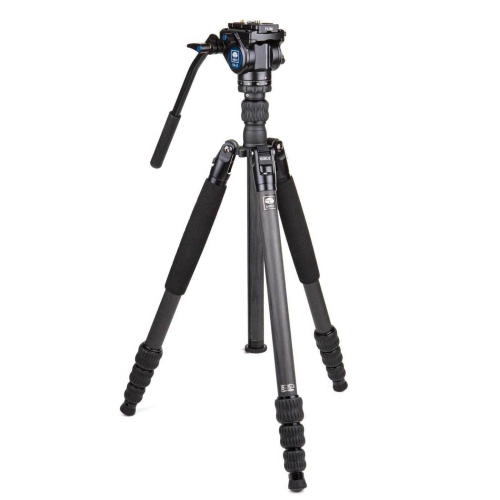
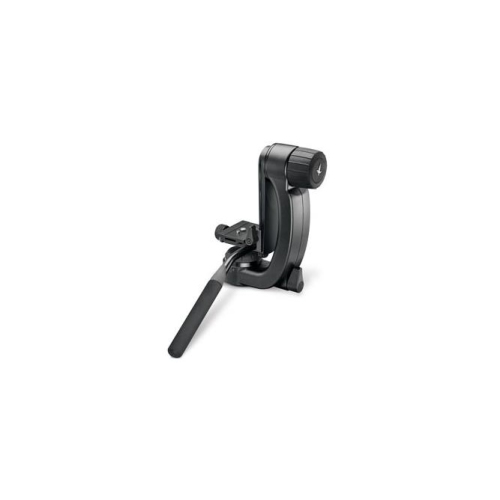
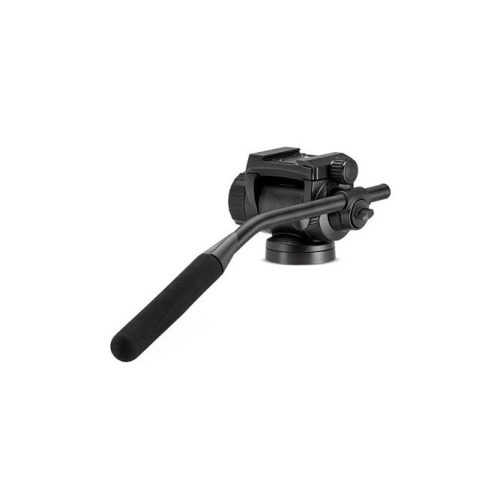
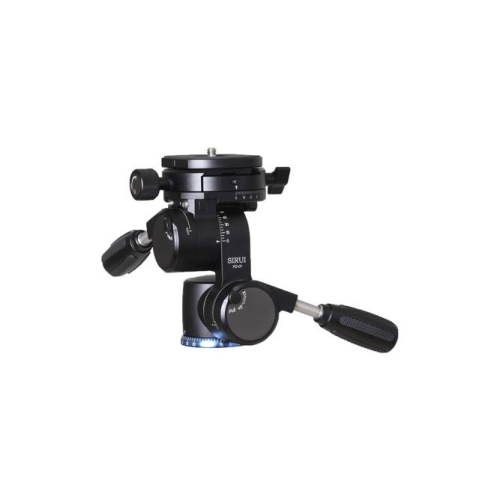
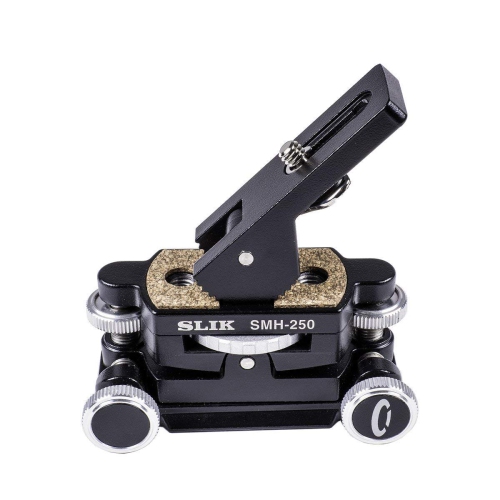

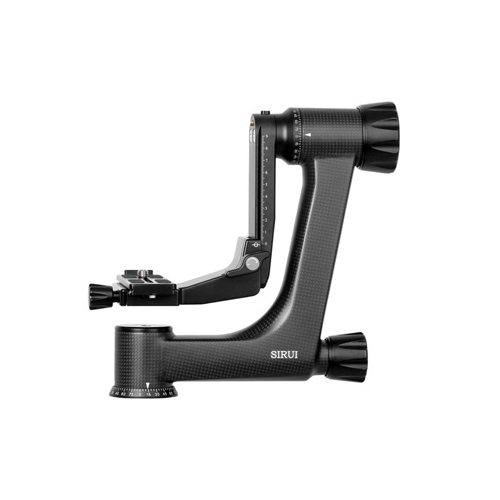
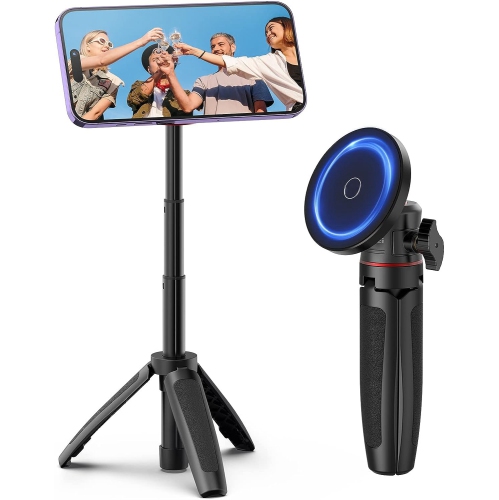
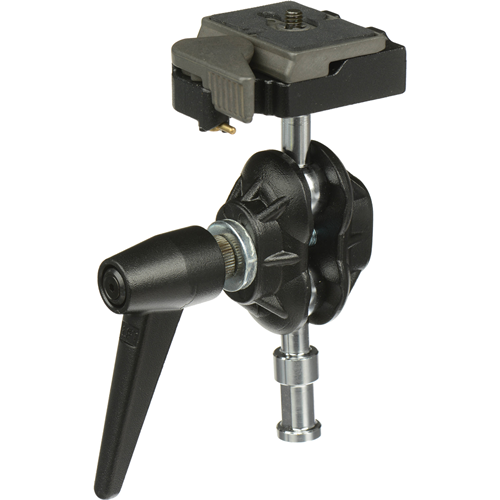
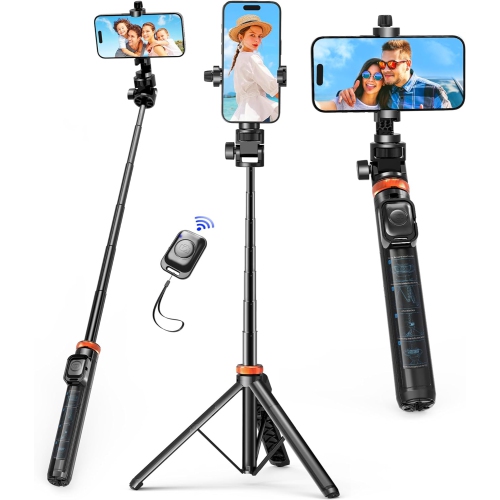
Steady support for sharper photos and smoother video
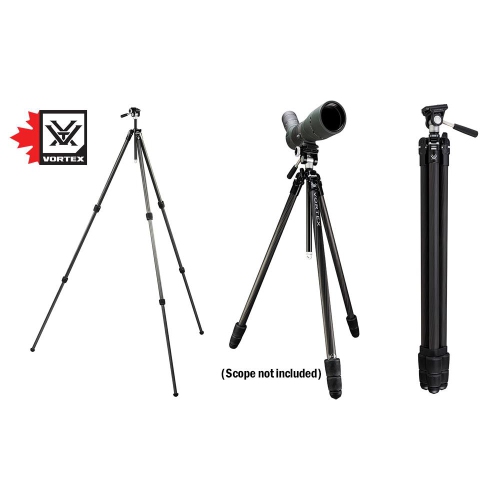
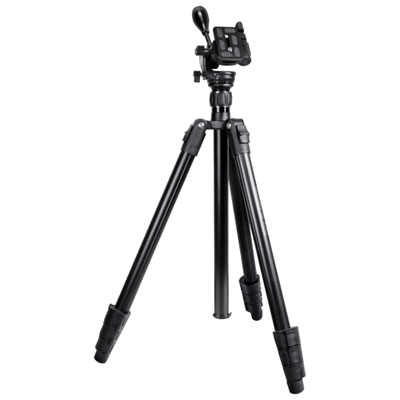
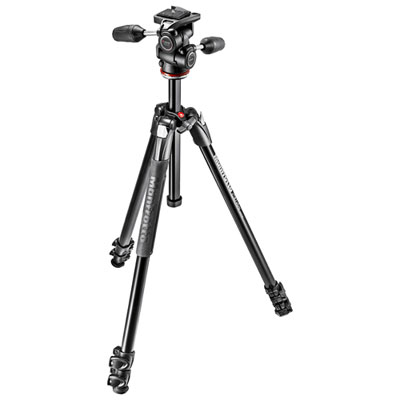
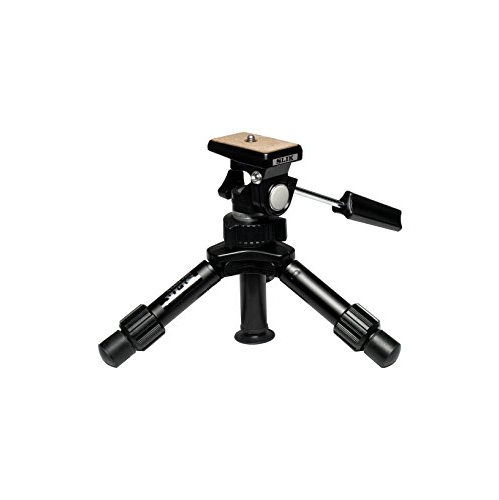
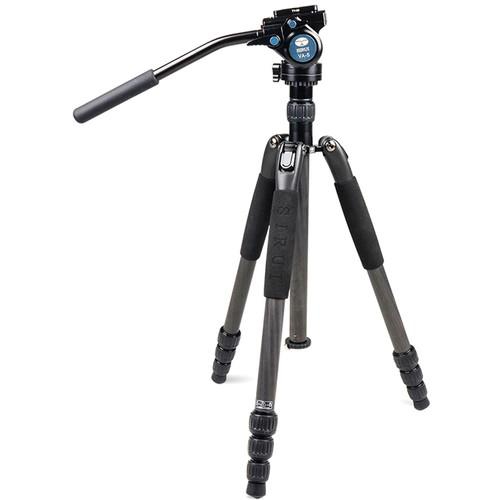
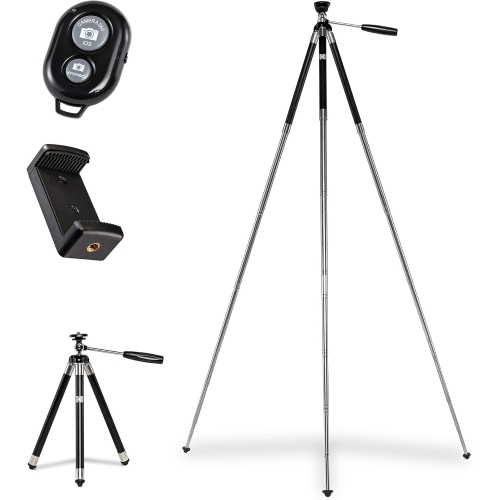
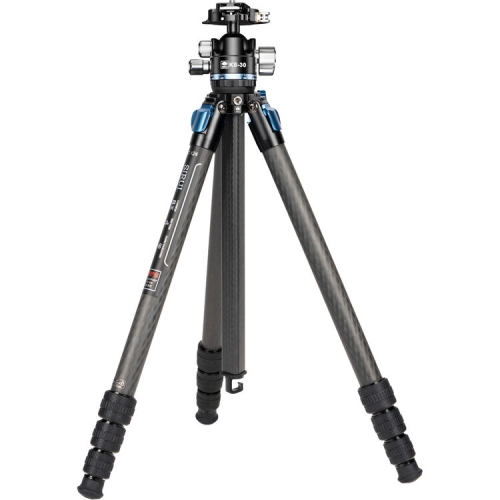
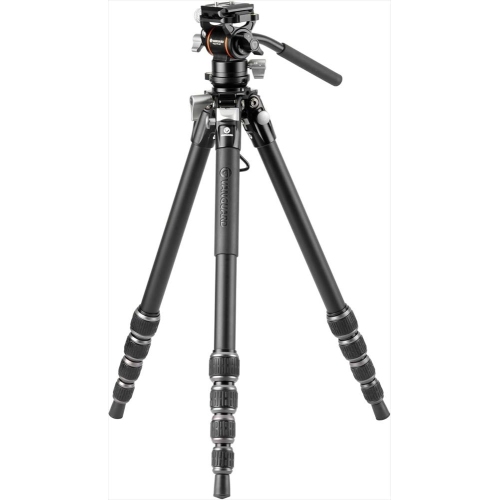
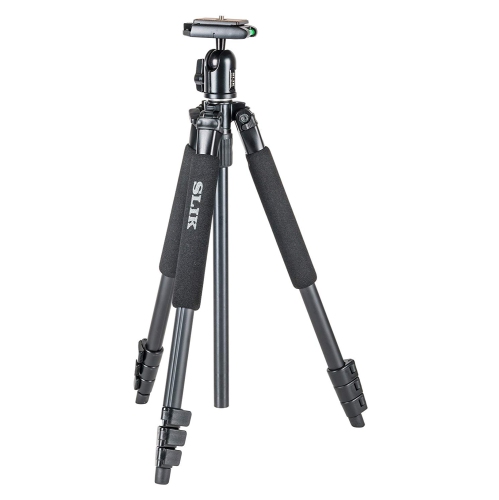
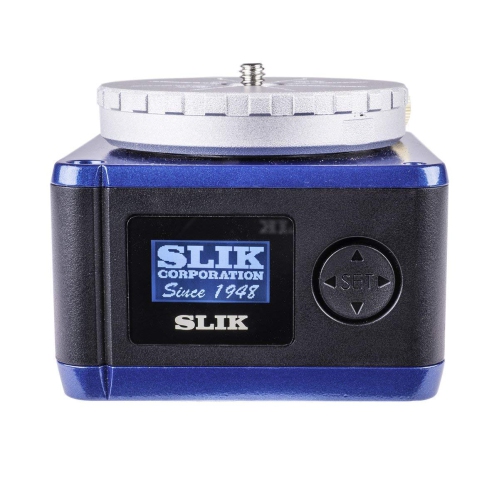
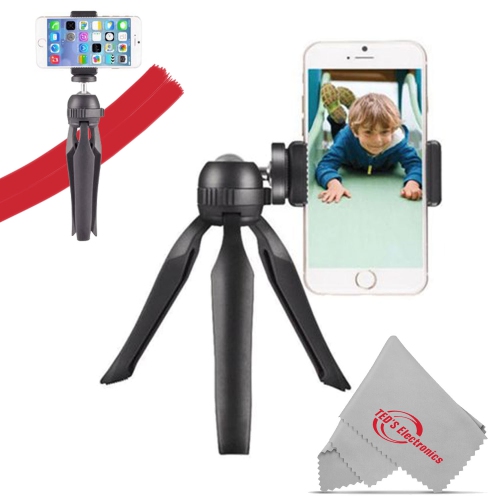
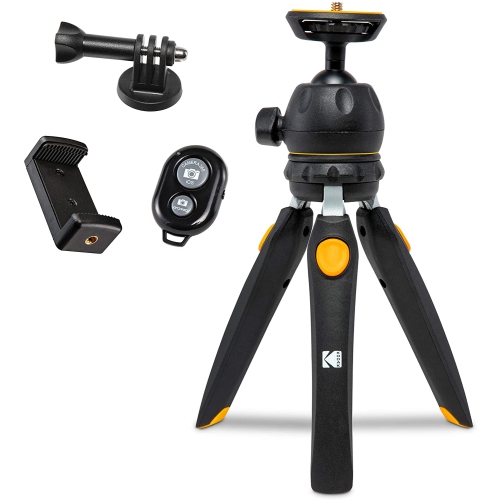
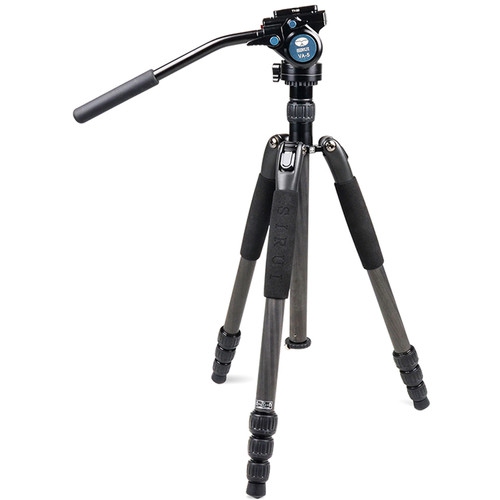
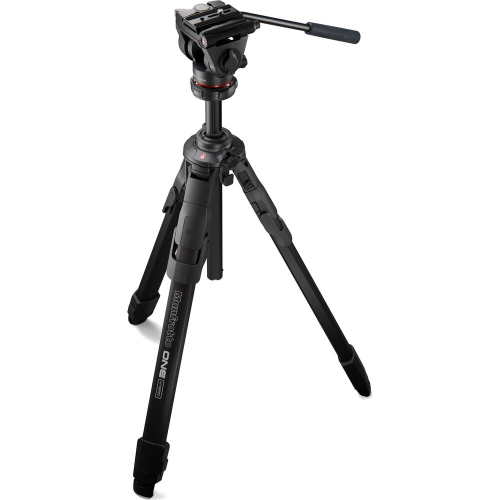
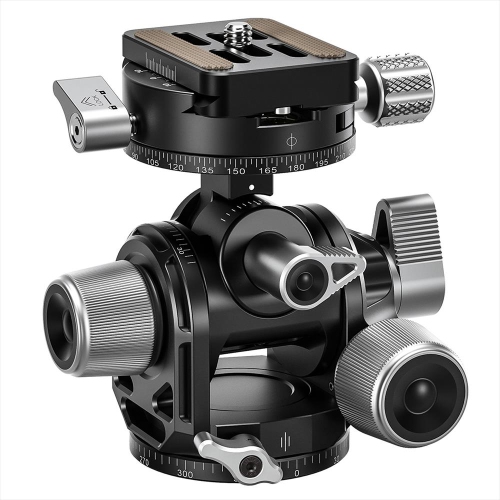
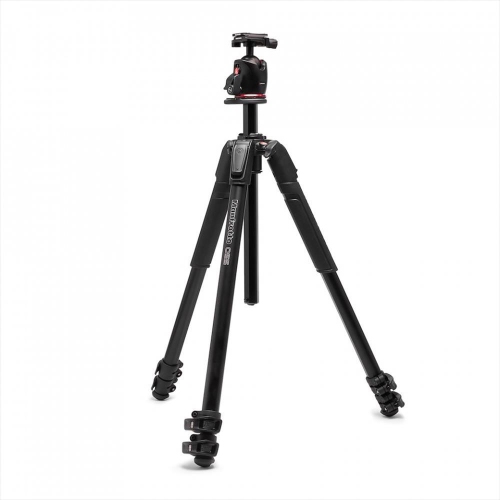
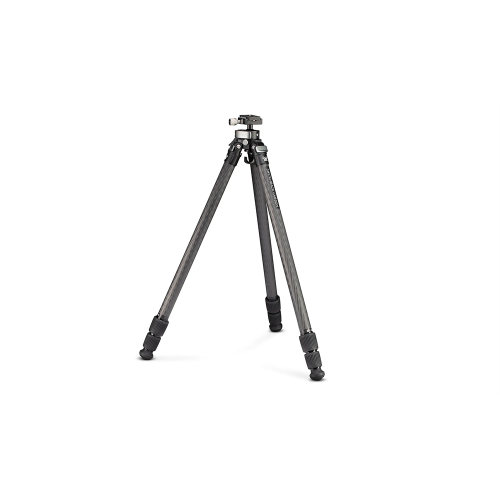
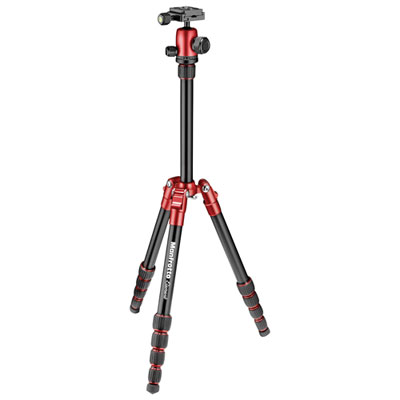
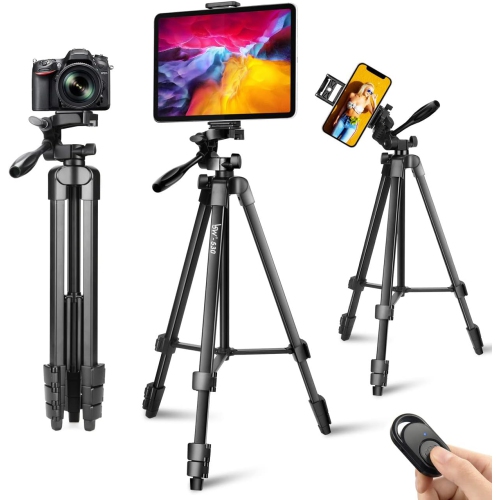
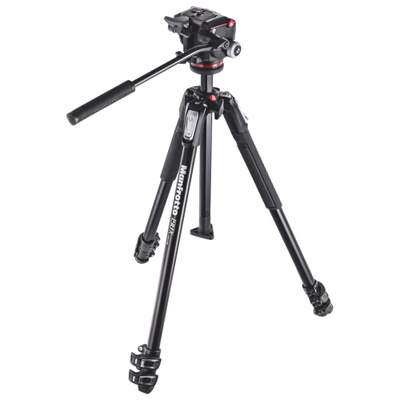
Tripods with heads provide a complete camera support system in one setup, pairing stable, adjustable legs with the mechanical top section that lets you aim, tilt, pan, and securely lock your camera in place. This combination is useful for photographers, videographers, content creators, travellers, students, and anyone who wants sharper images or steadier footage without holding a camera throughout a shoot. A tripod can make a noticeable difference when photographing landscapes during the cooler months, capturing a family gathering indoors, recording a presentation, or setting up a camera for a self-portrait. It is also a practical gift for someone learning photography, building a video setup, or preparing for a trip where a steady camera can capture evening scenes, distant views, and group photos. When browsing tripods with heads, begin by considering the equipment you plan to mount. A compact camera, mirrorless camera with a small lens, smartphone adapter, spotting scope, and full-size DSLR with a long lens can all place different demands on a tripod. Check the listed load capacity and compare it with the combined weight of the camera, lens, flash, microphone, monitor, and any other accessories. A support system should feel balanced rather than top-heavy, with legs that remain firm when the camera is angled or extended. Maximum height matters as well: a taller tripod can make standing shots more comfortable, while a compact model may be easier to pack for hikes, travel, or small rooms. Folded length, overall weight, leg-section design, and the availability of a carrying case can also affect how often you will actually bring it along. A tripod that is simple to carry and quick to set up is more likely to be used when a dramatic sunset appears, a bird settles on a nearby branch, or a child’s birthday moment unfolds before the camera is ready.
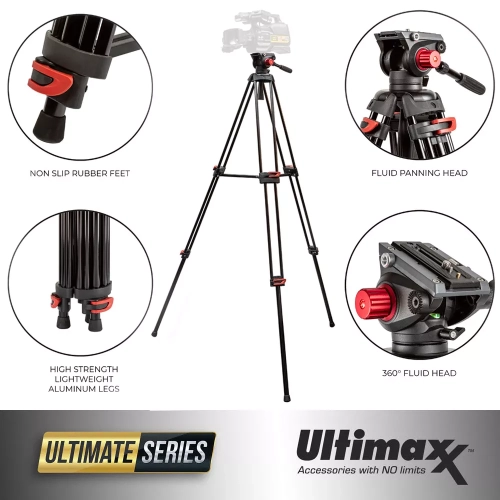
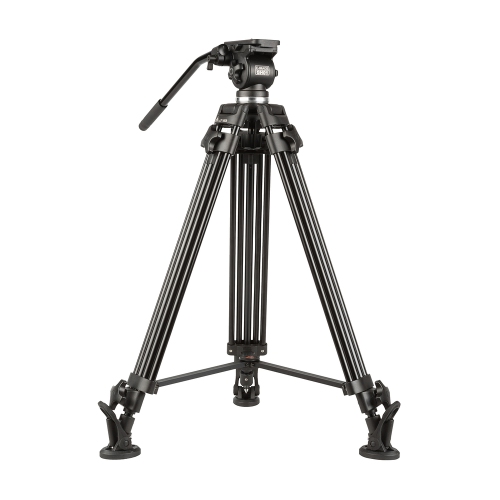
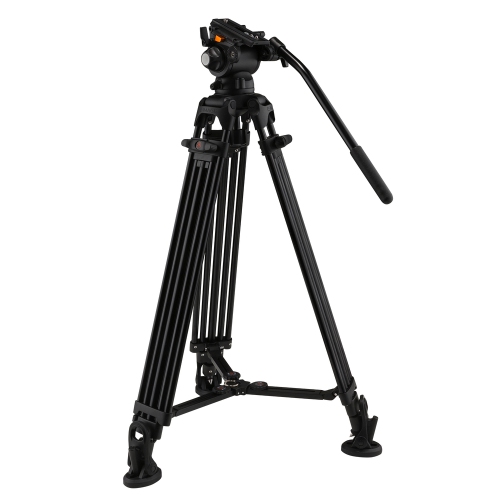
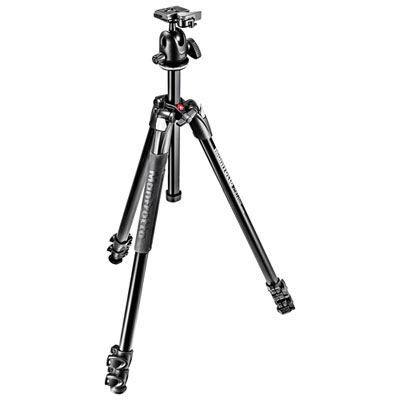
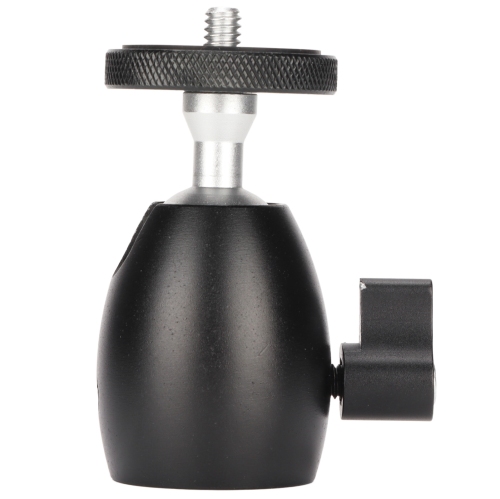
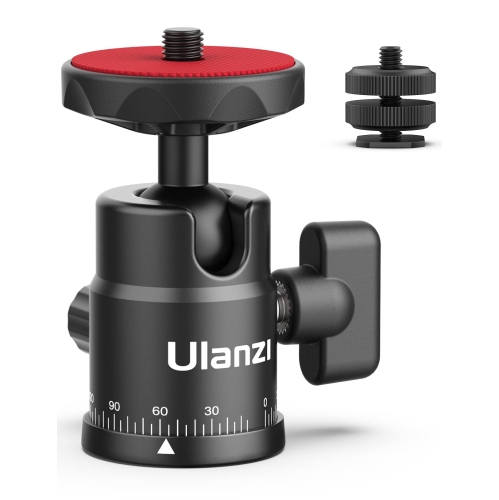
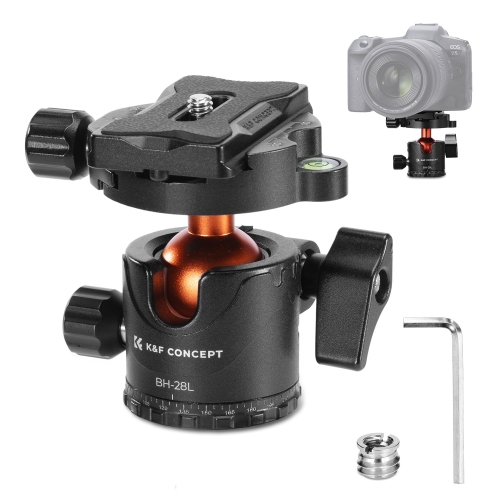
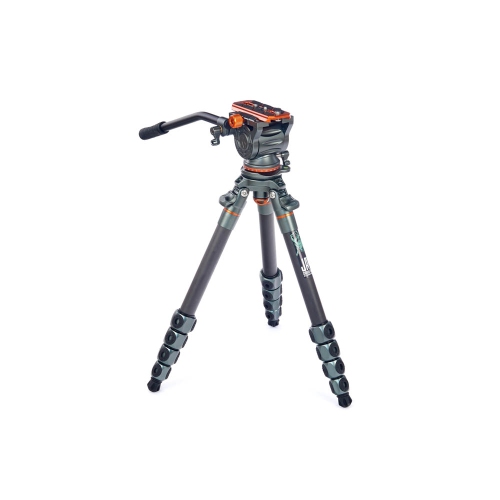
The tripod head determines how the camera moves and how precisely it can be positioned. Ball heads are popular for general photography because one main control can loosen the mechanism, allowing fast movement in multiple directions before the camera is tightened into place. They suit changing compositions, travel photography, portraits, and everyday shooting where speed is helpful. A 3-way pan/tilt head uses separate controls for horizontal movement, vertical movement, and tilt, giving you more deliberate control over framing. This style can be useful for landscapes, architecture, product photography, artwork reproduction, and studio work where straight lines and careful adjustments matter. Fluid heads are designed for controlled video movement, using internal damping to help create smoother pans and tilts. They can be particularly helpful when recording interviews, performances, tutorials, sporting activities, or scenic footage in which abrupt movements would distract from the subject. Some heads include quick-release plates, which allow a camera to be attached or removed more efficiently, while compatible plates and mounting systems can make it easier to switch between a tripod and handheld shooting. Look for a secure locking mechanism, accessible controls, a mounting screw that matches your equipment, and a head that can hold its position without drifting. The legs are just as important: independently adjustable sections help level the tripod on uneven ground, and a centre column can provide extra height when needed, although extending it fully may reduce stability. Rubber feet can be useful on smooth indoor surfaces, while spiked or interchangeable feet may provide a firmer grip outdoors, depending on the design. Aluminium tripods are often durable and budget-friendly, with a solid feel that can be reassuring in a studio or on a patio, though they may feel heavier to carry and colder to handle in cooler weather. Carbon fibre options are generally lighter and can help absorb small vibrations, but their higher cost may be more suitable for photographers who travel frequently or carry their equipment over longer distances. Prices can range from about $50 for basic support systems to $500 or more for advanced video-oriented setups, with many options between those points.
The right tripod with a head should match the way you shoot, the equipment you use, and the places where you expect to set up. For a beginner, a straightforward ball head and dependable leg locks can provide an approachable starting point without adding unnecessary complexity. A landscape photographer may place greater value on height, levelling control, a sturdy base, and a head that makes careful adjustments easy when composing a wide view of mountains, water, or changing skies. Someone filming moving subjects may prefer a fluid head with smooth resistance and a handle that supports gradual camera movements. For tabletop work, tutorials, or overhead demonstrations, a compact tripod with a flexible positioning system can fit comfortably on a desk while keeping the camera aimed at a recipe, craft project, or keyboard. Travellers may prioritize folded size and carrying weight, while photographers using heavier lenses should focus on rigidity, load capacity, and a head that locks securely. Before making a selection, consider the surface where the tripod will be used, the amount of space available, the lighting conditions, and whether you will need to adjust the camera repeatedly. A stable setup is especially helpful for long exposures, low-light scenes, time-lapse recording, and video captured at slower shutter speeds, where even a small bump can soften detail or create distracting movement. It is also worth checking whether the tripod includes a case, removable plate, bubble level, centre-column hook, or other features that fit your routine. If you often take remote self-portraits or need to start and stop a camera from a distance, you may also want to explore Tripods With Remote. Whether it is set up beside a window for a quiet indoor recording, carried along a wooded trail as the weather warms, or positioned on a stable surface during the cooler months, a well-matched tripod with head can make the camera feel more deliberate, dependable, and ready for the moment.
The tripod head determines how the camera moves and how precisely it can be positioned. Ball heads are popular for general photography because one main control can loosen the mechanism, allowing fast movement in multiple directions before the camera is tightened into place. They suit changing compositions, travel photography, portraits, and everyday shooting where speed is helpful. A 3-way pan/tilt head uses separate controls for horizontal movement, vertical movement, and tilt, giving you more deliberate control over framing. This style can be useful for landscapes, architecture, product photography, artwork reproduction, and studio work where straight lines and careful adjustments matter. Fluid heads are designed for controlled video movement, using internal damping to help create smoother pans and tilts. They can be particularly helpful when recording interviews, performances, tutorials, sporting activities, or scenic footage in which abrupt movements would distract from the subject. Some heads include quick-release plates, which allow a camera to be attached or removed more efficiently, while compatible plates and mounting systems can make it easier to switch between a tripod and handheld shooting. Look for a secure locking mechanism, accessible controls, a mounting screw that matches your equipment, and a head that can hold its position without drifting. The legs are just as important: independently adjustable sections help level the tripod on uneven ground, and a centre column can provide extra height when needed, although extending it fully may reduce stability. Rubber feet can be useful on smooth indoor surfaces, while spiked or interchangeable feet may provide a firmer grip outdoors, depending on the design. Aluminium tripods are often durable and budget-friendly, with a solid feel that can be reassuring in a studio or on a patio, though they may feel heavier to carry and colder to handle in cooler weather. Carbon fibre options are generally lighter and can help absorb small vibrations, but their higher cost may be more suitable for photographers who travel frequently or carry their equipment over longer distances. Prices can range from about $50 for basic support systems to $500 or more for advanced video-oriented setups, with many options between those points.
The right tripod with a head should match the way you shoot, the equipment you use, and the places where you expect to set up. For a beginner, a straightforward ball head and dependable leg locks can provide an approachable starting point without adding unnecessary complexity. A landscape photographer may place greater value on height, levelling control, a sturdy base, and a head that makes careful adjustments easy when composing a wide view of mountains, water, or changing skies. Someone filming moving subjects may prefer a fluid head with smooth resistance and a handle that supports gradual camera movements. For tabletop work, tutorials, or overhead demonstrations, a compact tripod with a flexible positioning system can fit comfortably on a desk while keeping the camera aimed at a recipe, craft project, or keyboard. Travellers may prioritize folded size and carrying weight, while photographers using heavier lenses should focus on rigidity, load capacity, and a head that locks securely. Before making a selection, consider the surface where the tripod will be used, the amount of space available, the lighting conditions, and whether you will need to adjust the camera repeatedly. A stable setup is especially helpful for long exposures, low-light scenes, time-lapse recording, and video captured at slower shutter speeds, where even a small bump can soften detail or create distracting movement. It is also worth checking whether the tripod includes a case, removable plate, bubble level, centre-column hook, or other features that fit your routine. If you often take remote self-portraits or need to start and stop a camera from a distance, you may also want to explore Tripods With Remote. Whether it is set up beside a window for a quiet indoor recording, carried along a wooded trail as the weather warms, or positioned on a stable surface during the cooler months, a well-matched tripod with head can make the camera feel more deliberate, dependable, and ready for the moment.
Top selling and popular products
-
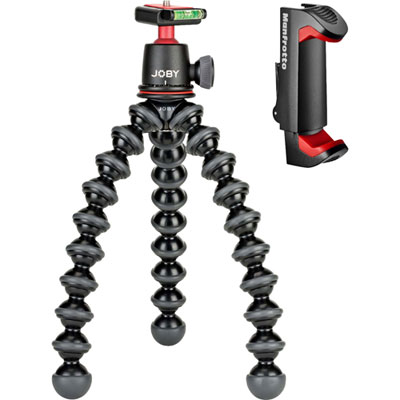 Your price for this item is $99.99
 -
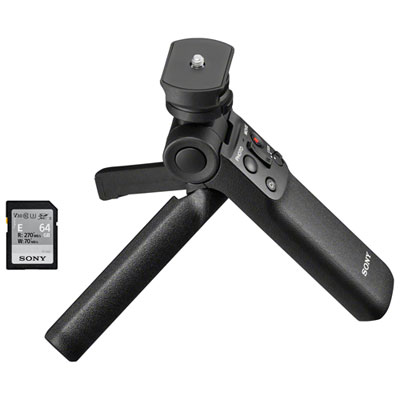 Your price for this item is $199.97
 -
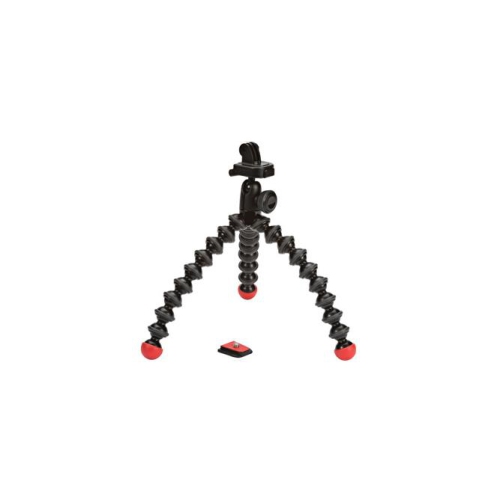 Your price for this item is $126.91
 -
 Your price for this item is $79.99
 -
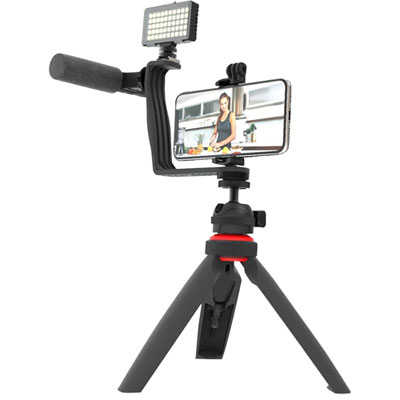 Your price for this item is $59.99
 -
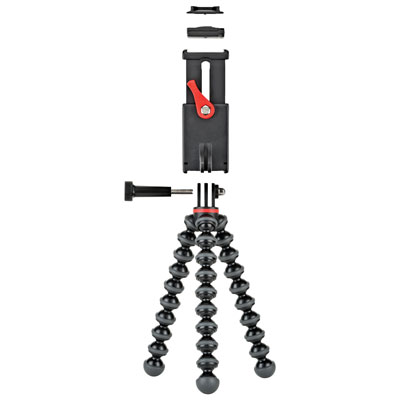 Your price for this item is $59.95
 -
 Your price for this item is $229.99
 -
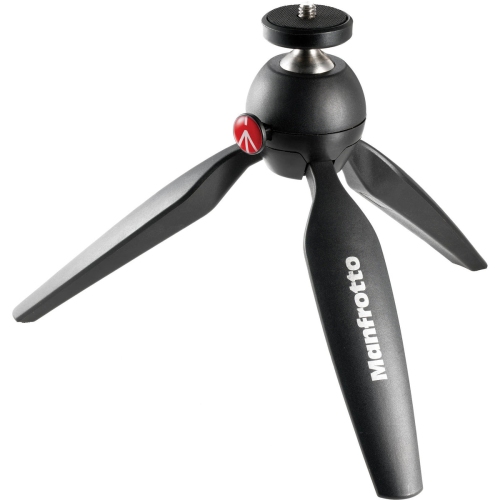 Your price for this item is $83.53
Discover more categories related to Tripods With Heads
Top Collections:
Pokemon Centers, Kindle Devices, Best Budget Office Chairs, Apple iPhones 16, Best Laptops for Writers, iPhone 15 Apple, Canon G7X Cameras, Refurbished Apple Laptops, Alarm Clock, Motorola Razr Phones
Some products may be subject to Environmental Handling Fees
(EHF) depending on your province.
Learn more about EHFs.