Universal Tripod Adapters
Universal Tripod Adapter solutions make it easy to connect your devices to a wide range of tripods for enhanced stability and versatility. Whether capturing photos, recording videos, or conducting virtual meetings, these adapters provide a reliable connection between your equipment and your tripod setup. Explore Universal Tripod Adapter options designed to simplify your workflow and help you get the most out of every shot. Find the right fit for your needs and enjoy seamless compatibility with various devices and tripod models.
Sort

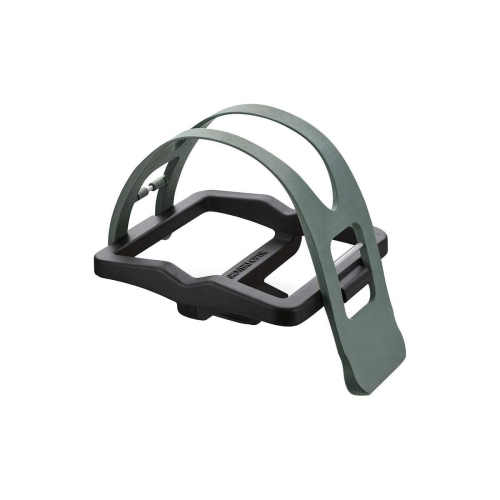
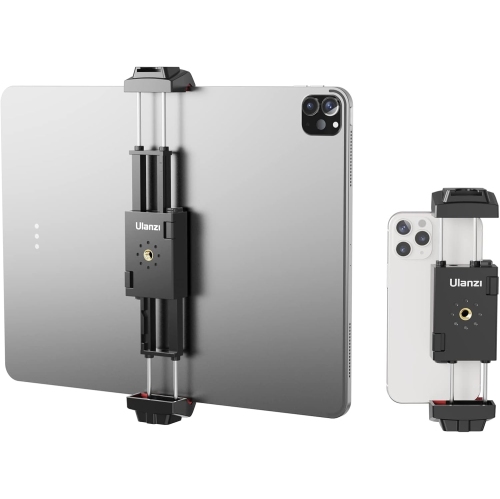
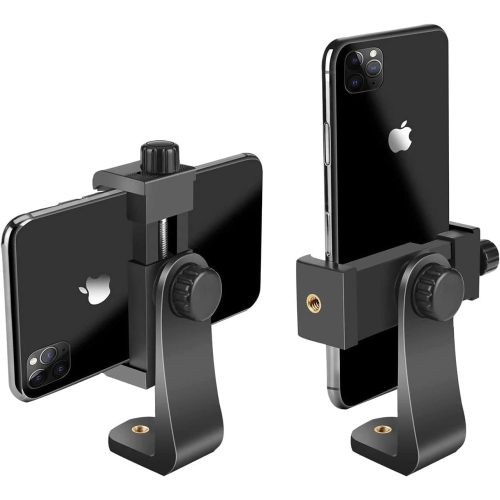
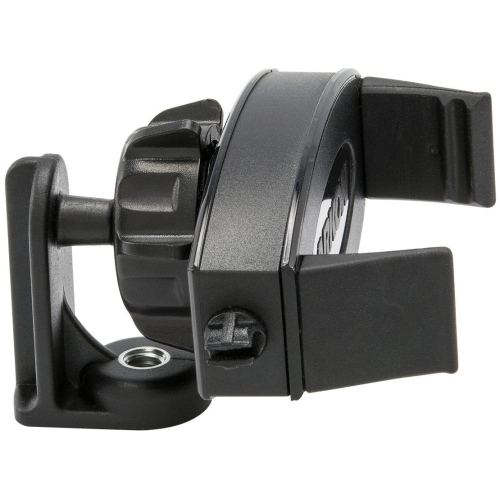
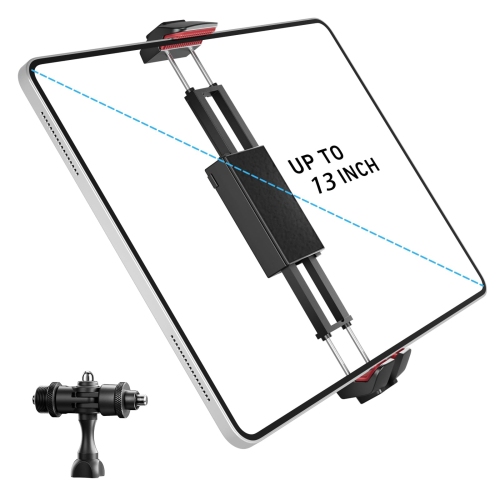
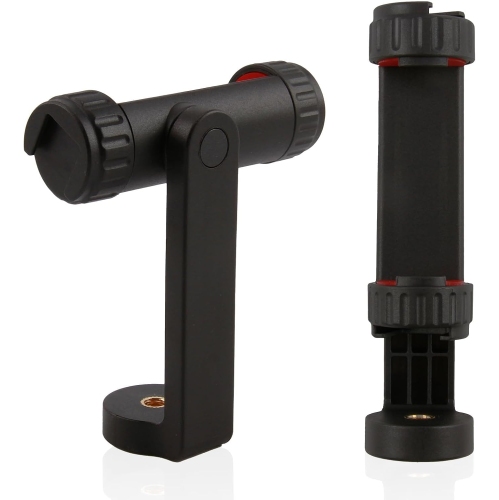
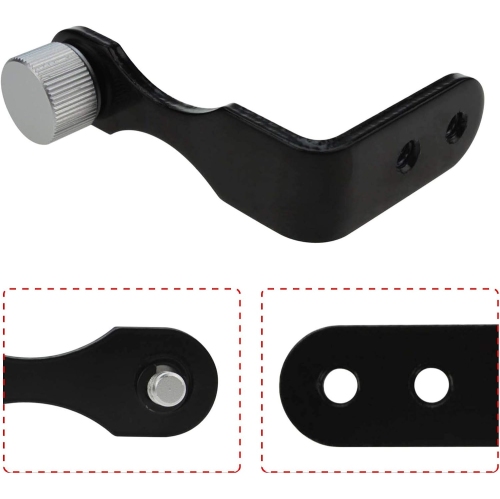
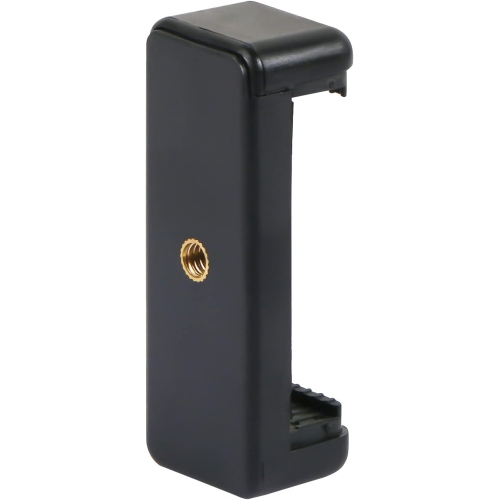
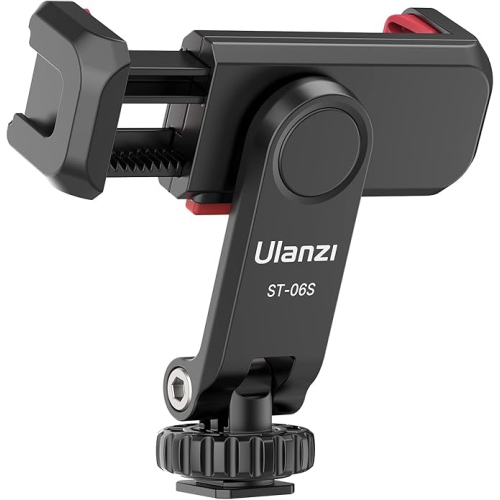
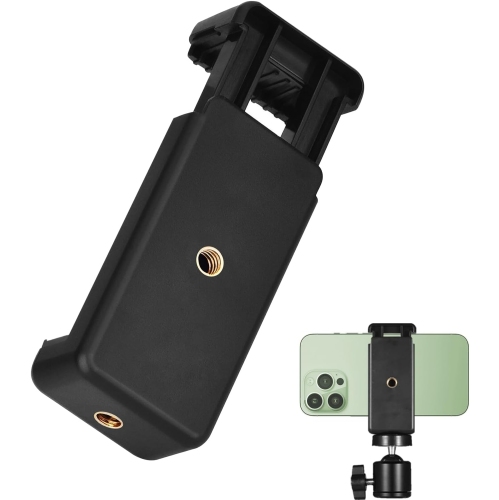
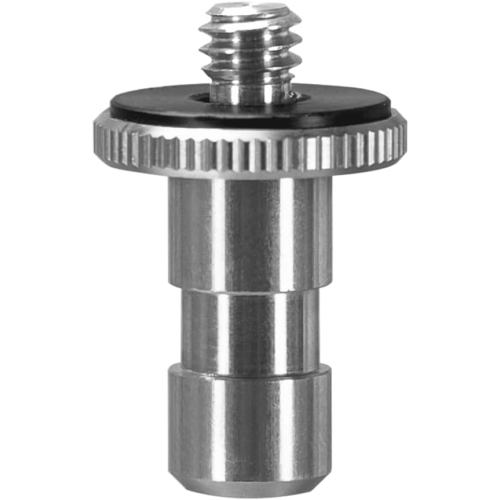
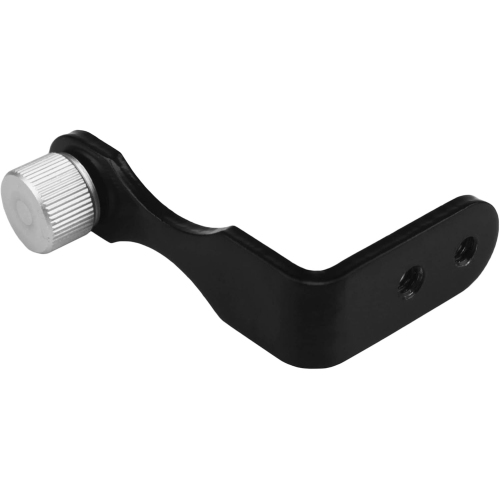
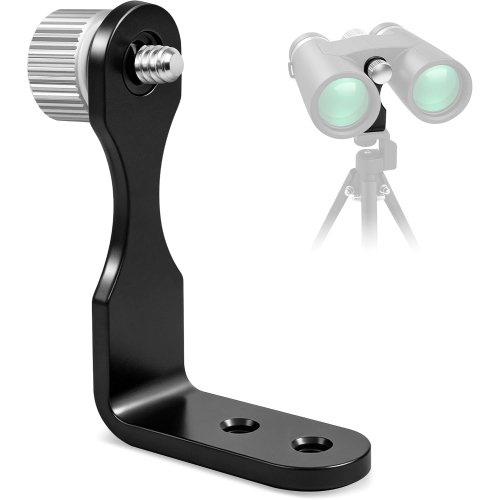

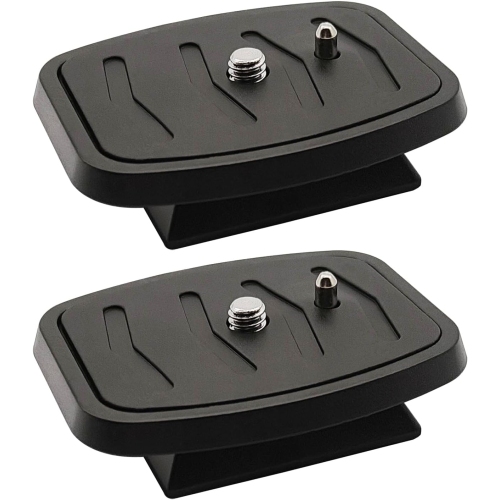
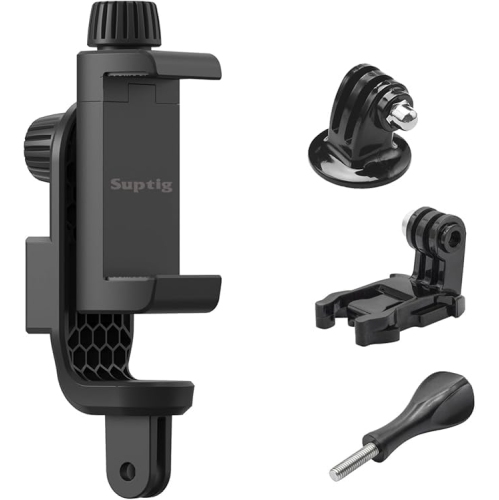
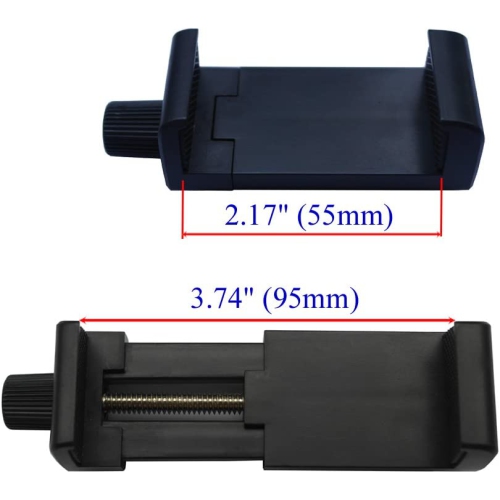
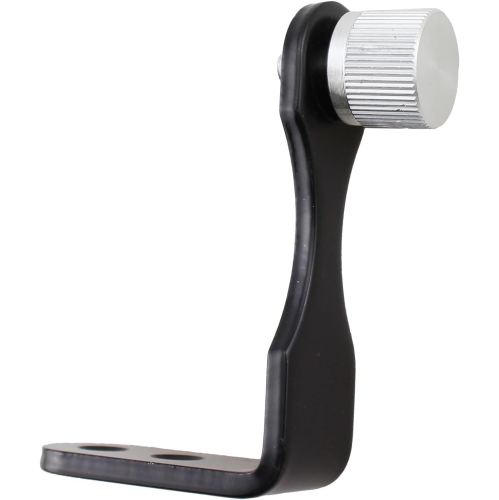
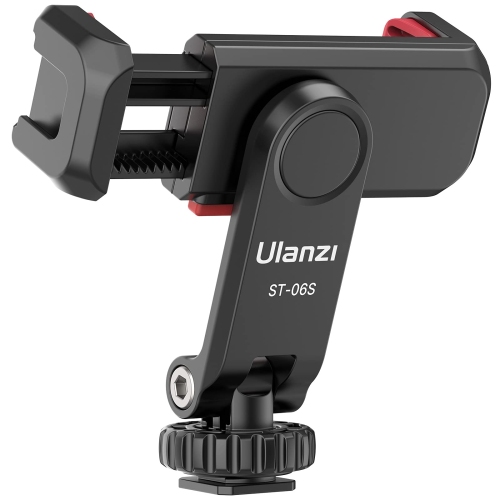
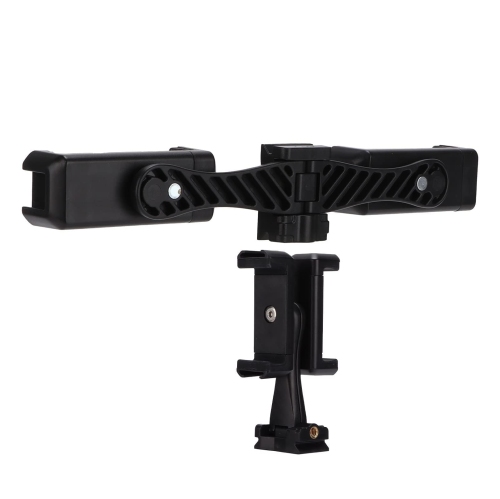
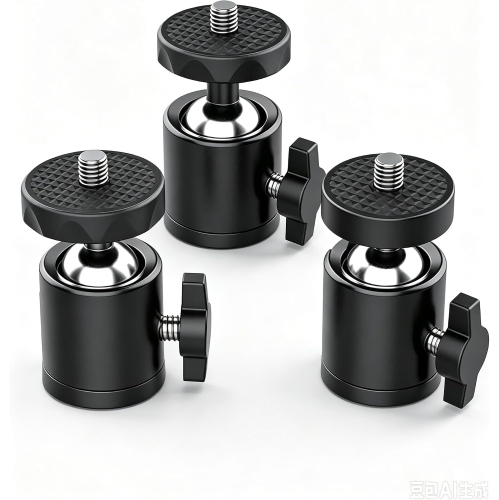
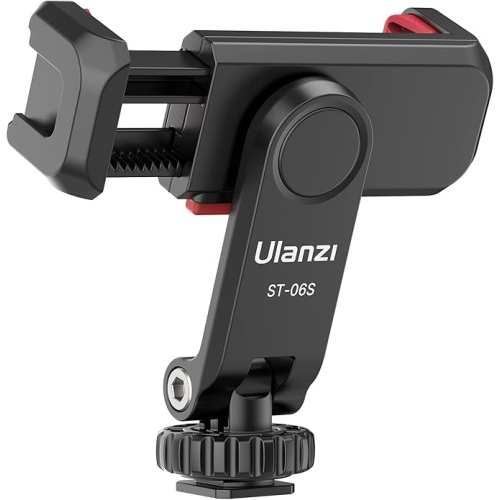
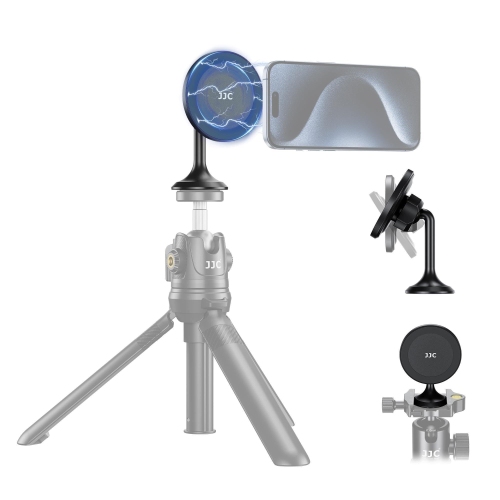
How phones and cameras can share one tripod
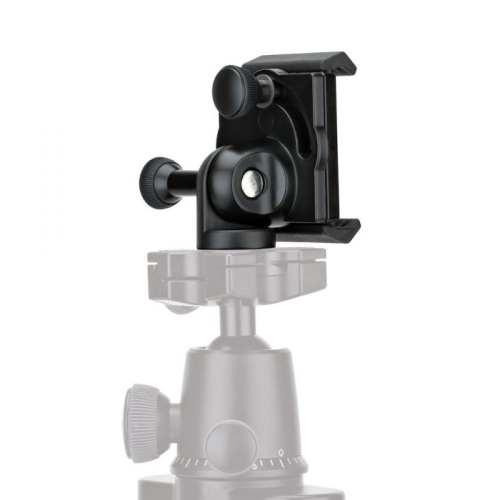
Universal tripod adapters connect equipment that wouldn’t otherwise fit together. Some bridge a difference in screw sizes, while others add a mounting point to a device that doesn’t have one. That distinction matters if the aim is to use the same tripod for a compact camera and a phone. The camera may already have a threaded socket in its base, while the phone needs a clamp with a threaded socket of its own. A filmmaker moving an action camera from a helmet mount to a tabletop tripod might instead need an adapter that connects a fork-style fitting to a threaded mount. In each case, “universal” describes a shared fitting or a range of sizes, not a guarantee that the adapter works with every device. Two common tripod threads are 1/4-20 and 3/8-16. The first number indicates the diameter in inches, and the second is the number of threads per inch. The smaller thread is common on cameras and accessories, while the larger one is often found where a tripod head attaches to a set of legs. The adapter also needs the right fitting at each end: a protruding screw to go into a socket, or a threaded socket to accept a screw. The depth of a socket can matter as much as its diameter. If the screw bottoms out before the mounting surfaces meet, the equipment can still wobble even though the threads seem tight. Quick-release connections add another point of fit to check, since a plate must sit properly in the receiving clamp and allow the lock to engage. For setups that use a mix of threaded fittings and quick-release plates, the related Tripod Mount Adapters page covers other ways to connect equipment to a tripod.
The kind of connection that makes sense depends on what the tripod needs to hold and how often that setup changes. A short, fixed adapter keeps a camera close to the tripod head, which can be useful for photographing small objects on a work surface. A mount with a tilt joint can make more sense for a phone used to film hands at a countertop, where a small adjustment can bring the entire cutting board into view. Extra height and moving joints can also introduce flex, especially when a device is angled forward and its weight shifts away from the centre of the tripod. An adapter doesn’t increase the load the tripod or head can support, and the rating of the adapter or clamp matters as well. A lightweight phone needs a different kind of support from a camera with a long lens, even if both setups use the same thread. Materials help explain some of the differences. Aluminum is often used for rigid bodies that don’t add much weight, while steel is a common choice for threaded inserts and screws that see repeated use. Moulded plastic can keep a clamp light enough for a compact kit, and rubber or silicone pads can improve grip and help protect the device’s finish. On a phone clamp, the usable opening is more informative than the screen size alone: a thick case can change the fit, and side buttons or a raised camera housing can affect where the jaws sit. A comfortable fit leaves the controls accessible without pinning down a button. Clearance can matter on cameras, too. A wide adapter or plate may cover a battery door, turning a simple battery change into a reason to take the camera off the tripod and line up the shot again.
Tripod adapters tend to earn their place in a kit when the same support is used for different tasks. A family photographer might switch from a camera for a group portrait to a phone for a video call without changing the height of the tripod. A teacher filming a tabletop demonstration can keep the stand beside the work surface and swap the device rather than rebuild the setup. For someone who takes photos on day trips, a small threaded adapter may be all that’s needed to pair a compact head with tripod legs already on hand. An adapter can also be a thoughtful gift for a photographer or a person who makes videos, especially when the device and the existing tripod fitting are known. A phone clamp can be a practical choice for someone who uses a phone for most of their filming, while a thread reducer is more useful when there’s a known mismatch between two fittings. For an adapter that gets moved from one setup to another, smooth threads, a clamp that closes evenly and a joint that holds its position are worth looking for. Basic care helps preserve that fit. A soft, dry cloth can clear grit from the threads and mounting faces, and a small pouch or a separate bag compartment keeps loose metal fittings from scratching a screen or lens. Threads that start cleanly should turn easily at first; resistance right away can mean the adapter is crooked or the threads don’t match. Pads and hinges benefit from an occasional check, too, since a lifting pad or a loose joint can let a device shift even when the threaded connection is snug. A good match is easy to recognize in use: the assembly sits flat, the device stays where it’s positioned, and changing equipment doesn’t mean wrestling with the tripod.
Top selling and popular products
-
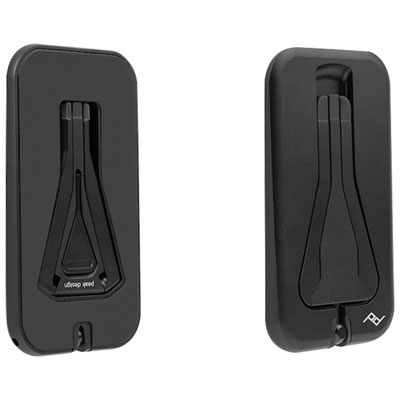 Your price for this item is $109.95
-
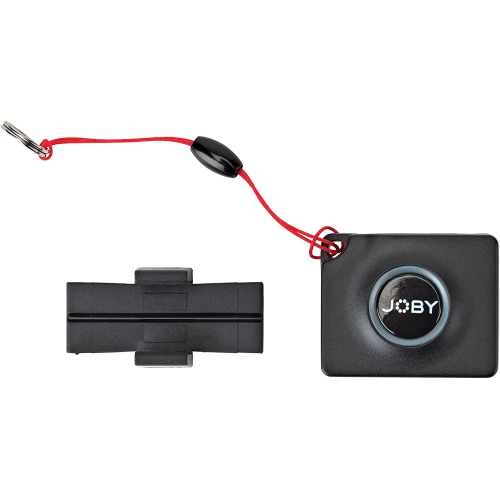 Your price for this item is $57.49
-
 Your price for this item is $45
-
 Your price for this item is $52.99
-
 Your price for this item is $39.99
-
 Your price for this item is $52
-
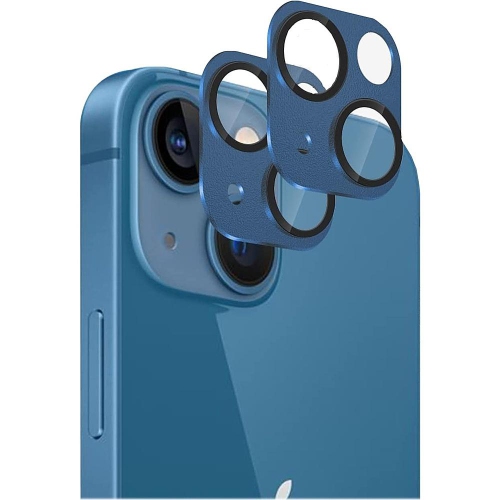 Your price for this item is $39.99
-
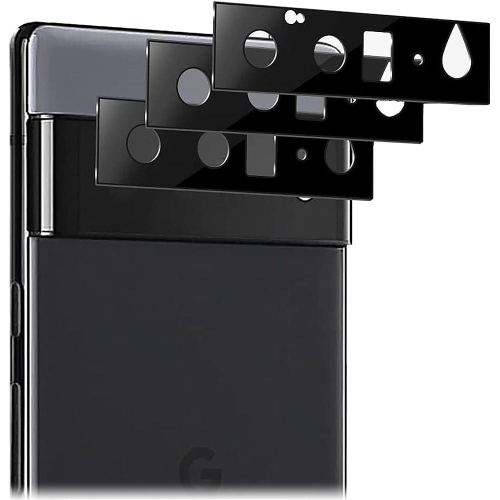 Your price for this item is $45
Discover more categories related to Universal Tripod Adapters
Top Collections:
Best Black Friday Deals This Year, Best Black Friday Deals On Electronics, Kindle Devices, Best Black Friday Deals On Apple Products, Best Budget Office Chairs, Best Cameras for Sports Photography, Dyson Airwrap, Canon G7X Cameras, Best Laptops for Writers, Samsung Galaxy Phones
Some products may be subject to Environmental Handling Fees
(EHF) depending on your province.
Learn more about EHFs.