Tripod Mount Adapters
Tripod Mount Adapter options make it easy to connect your devices to a wide range of tripods for stable and versatile shooting. Whether you're capturing photos, filming videos, or streaming content, these adapters provide the flexibility you need for your setup. Find the right Tripod Mount Adapter to help you achieve smooth, professional results with your camera or mobile device. Explore solutions that fit different tripod styles and get ready to enhance your creative projects with added convenience and support.
Sort



A secure fit takes more than matching threads
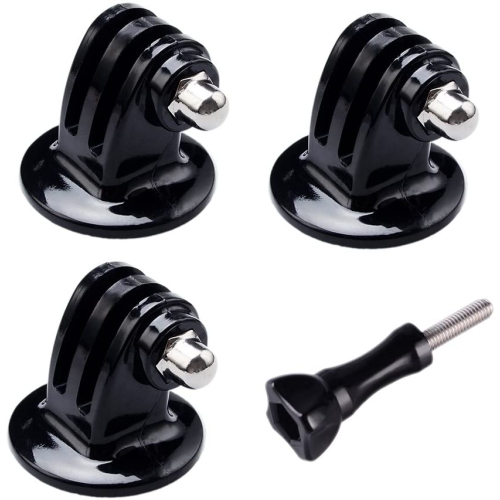
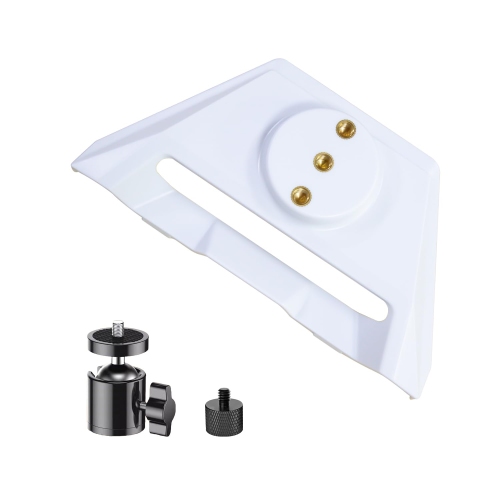
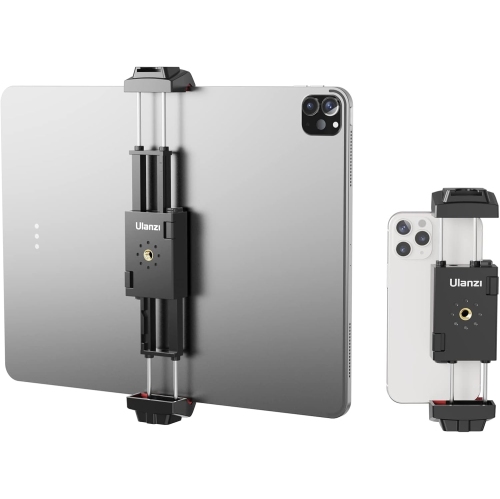
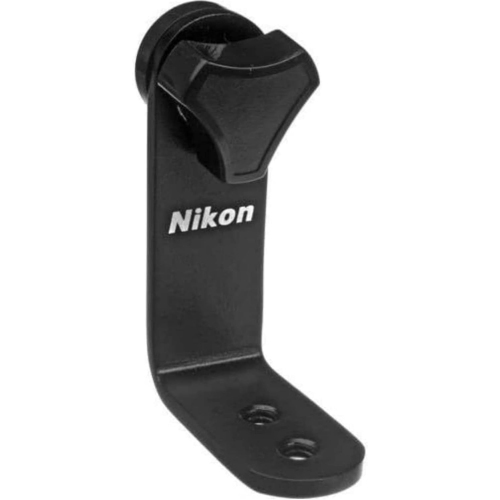
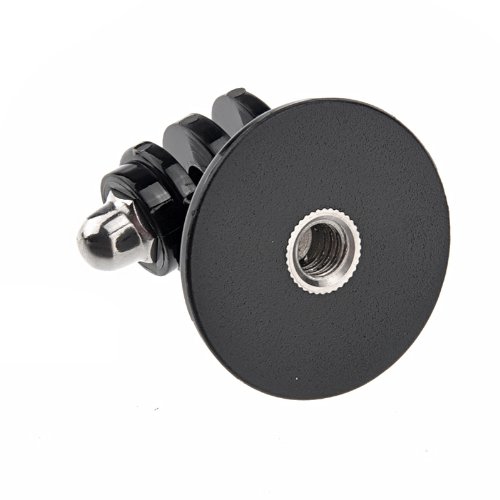
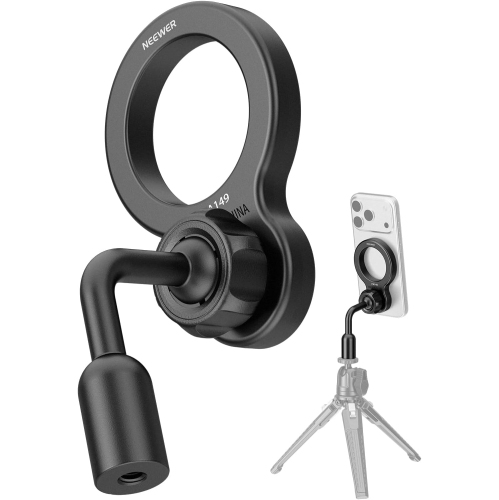
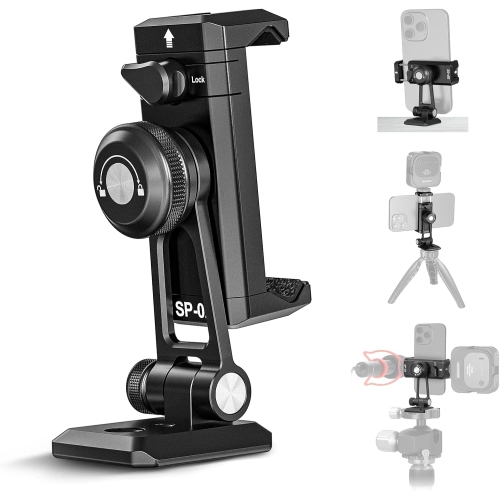
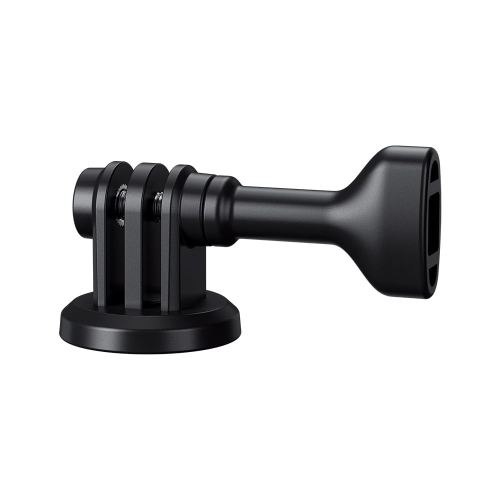
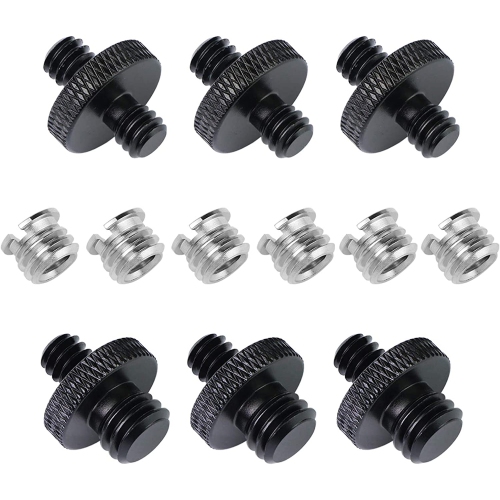
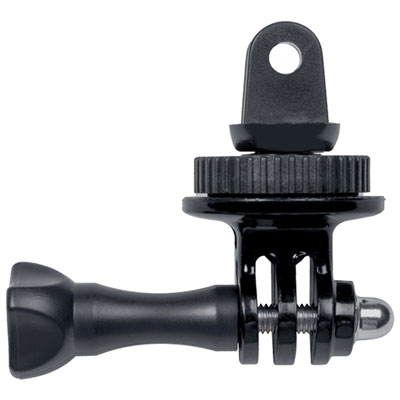
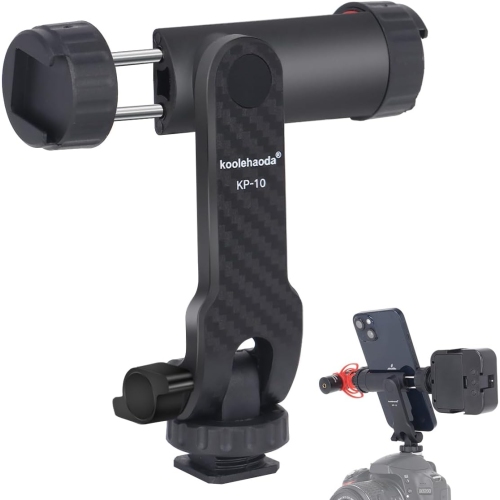
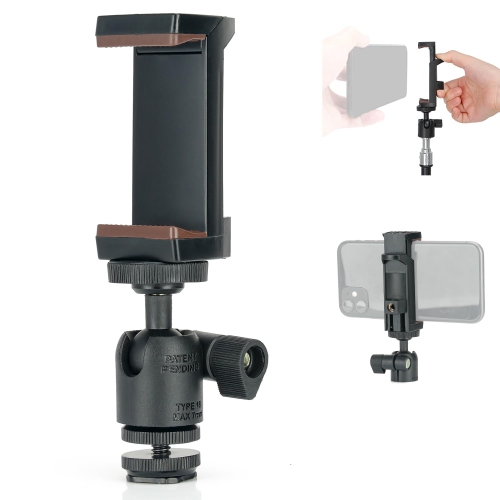
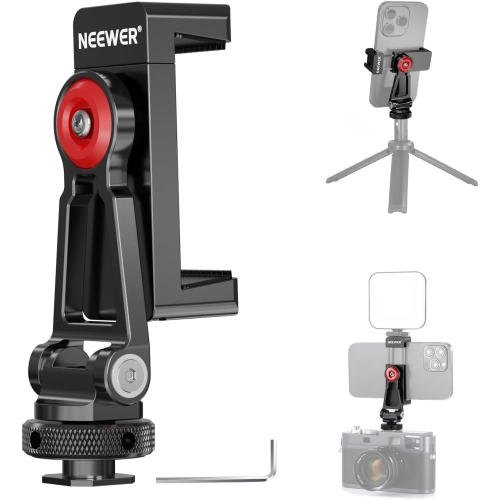
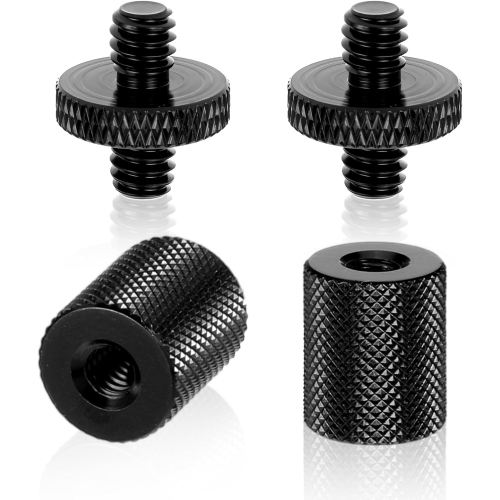
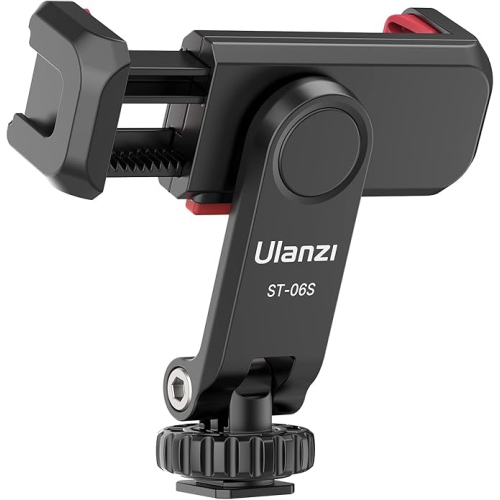
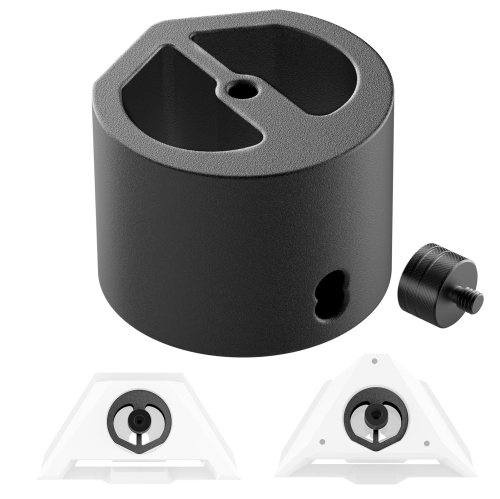
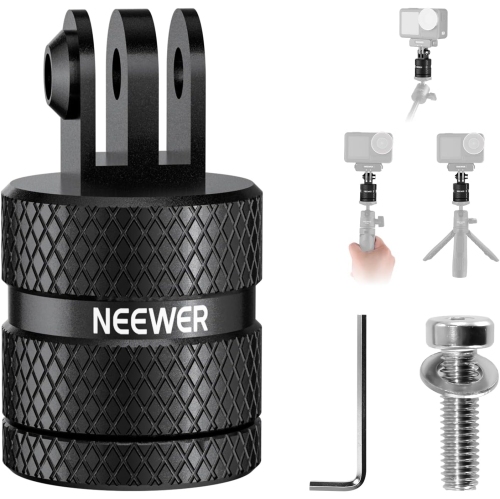
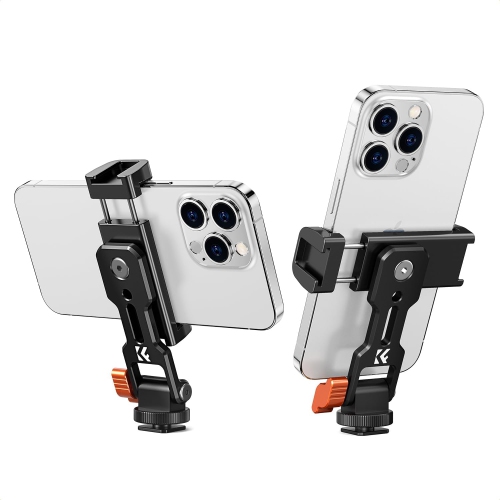
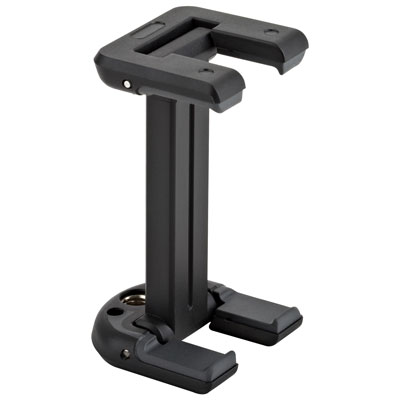
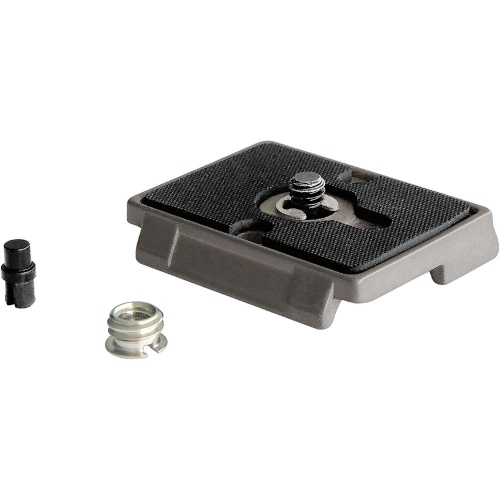
Tripod mount adapters connect a camera, smartphone, tablet, or other compatible device to a tripod by matching the device’s mounting interface with the tripod’s attachment point. Many use a standard 1/4 inch-20 threaded connection, a common fitting on cameras, tripod plates, and photography accessories. Others convert between thread sizes, attach to a device-specific mounting system, or hold a device that has no threaded socket of its own. A smartphone holder, for example, grips the phone and provides a threaded mounting point beneath or behind it, while an action camera adapter can join a hinged mounting interface to a conventional tripod screw. Thread adapters serve a different purpose: they connect compatible fittings of different sizes, often bridging 1/4 inch-20 and 3/8 inch-16 hardware. These distinctions matter because an adapter needs to suit both the device and the support beneath it. A holder that fits a phone does not necessarily connect directly to every tripod head, and a threaded converter does not provide the gripping mechanism needed for a tablet. Many Universal Tripod Adapters accommodate common mounting connections or adjustable device dimensions, but compatibility still depends on the thread, attachment style, and size range specified for the adapter. Quick-release connections deserve particular attention, since plates and receivers that look similar may use different dimensions or locking mechanisms. These small accessories support a wide range of everyday photography and recording tasks, from framing a family portrait with a phone to holding an action camera above a craft table. They can also help a camera share an existing support with other compatible equipment, reducing the need to rebuild a setup each time the recording device changes. The result is a more flexible connection between equipment, rather than a change to the camera’s image quality or the tripod’s underlying capabilities.
Fit involves more than finding a screw that appears to match. For a phone or tablet holder, the supported width, thickness, and gripping depth determine whether the device sits properly, particularly when a protective case remains attached. Padded jaws can cushion contact points and help resist slipping, while a clear opening around buttons, lenses, microphones, and charging ports keeps essential functions accessible. A clamp positioned over a side button can interrupt a recording; a mounting arm that crosses a camera lens can interfere with the image. Adjustable holders and rotating brackets offer different ways to position a screen for portrait video, landscape photography, video calls, or overhead demonstrations. Some adapters allow the device to rotate without being removed, although clearance around the tripod head and adjustment controls still matters. For threaded fittings, the diameter, thread pitch, and usable screw length all affect the connection. A screw that is too long can bottom out before the mounting surfaces meet, while insufficient engagement can leave an attachment insecure. Load capacity is equally important, and the relevant weight includes the device, its case, and any attached accessories. A phone with a small microphone places different demands on a holder than a larger camera with a substantial lens. Weight positioned away from the tripod’s centre can also introduce leverage, making the arrangement less stable even when the total load seems modest. An adapter does not increase the rated capacity of a tripod or head, and the lowest-rated component limits the assembled setup. For larger cameras and lenses, a suitable lens collar or other intended support point can help distribute weight more appropriately than an improvised connection. A compact adapter may be convenient for travel, while a broader mounting surface or more substantial bracket may better suit a fixed recording station. The useful balance is a connection that fits securely, leaves controls accessible, and supports the intended shooting position without unnecessary bulk.
Materials and construction influence how tripod mount adapters feel in use and how well they tolerate repeated attachment. Aluminium is common in compact adapters because it combines relatively low weight with rigidity, while steel is often used for screws, threaded inserts, and other connection points subject to wear. Moulded plastic can keep a holder lightweight and comfortable to handle, with durability depending on its design, thickness, and the quality of moving parts. Rubber or silicone contact pads help cushion a device, though their condition matters as much as their presence. Loose padding, cracked clamp arms, worn threads, or a locking knob that no longer tightens consistently can compromise an otherwise useful mount. Routine care is generally straightforward: clean contact surfaces with a soft cloth, remove grit from accessible fittings, and follow the manufacturer’s directions for any cleaning products. Careful thread alignment and hand-tightening, where specified, help limit cross-threading and excessive force. Small adapters are also easier to keep track of in a dedicated pouch or compartment than loose among cables and camera accessories. For people who film cooking demonstrations, record music practice, photograph collectibles, or attend regular video meetings, a well-matched adapter can make a familiar space more practical. A phone held above a work surface leaves both hands free for a drawing demonstration, while a tablet positioned beside a camera can keep notes visible without occupying the main shooting area. Travellers and hobby photographers may appreciate a compact adapter that lets compatible devices share one tripod, provided each connection is suited to the equipment involved. As a gift, an adapter is most useful when the recipient’s device dimensions and existing mounting system are known; those details are more meaningful than a broad compatibility label alone. Whether the intended use is occasional snapshots or a regularly assembled recording setup, the lasting value comes from dependable fit, accessible adjustments, and construction suited to repeated use.
Top selling and popular products
-
 Your price for this item is $97.99
-
 Your price for this item is $29.97
-
 Your price for this item is $204.68
-
 Your price for this item is $369
-
 Your price for this item is $41.95
-
 Your price for this item is $135.7
-
 Your price for this item is $119
-
 Your price for this item is $699
Discover more categories related to Tripod Mount Adapters
Top Collections:
Best Black Friday Deals This Year, Best Black Friday Deals On Electronics, Kindle Devices, Pokemon Centers, Best Black Friday Deals On Apple Products, Best Cameras for Sports Photography, Dyson Airwrap, Pokémon 30th Celebration Cards, Apple iPhone 17 Pro, Canon G7X Cameras
Some products may be subject to Environmental Handling Fees
(EHF) depending on your province.
Learn more about EHFs.