Waterproof Case Cameras
Capture your underwater adventures with these waterproof case cameras. Whether you're diving into the depths of the ocean, snorkeling in crystal-clear waters, or simply enjoying a day at the pool, these cameras are designed to withstand water, sand, and other challenging environments. With their rugged construction and advanced features, you can confidently document every moment and create stunning memories that will last a lifetime.
Sort
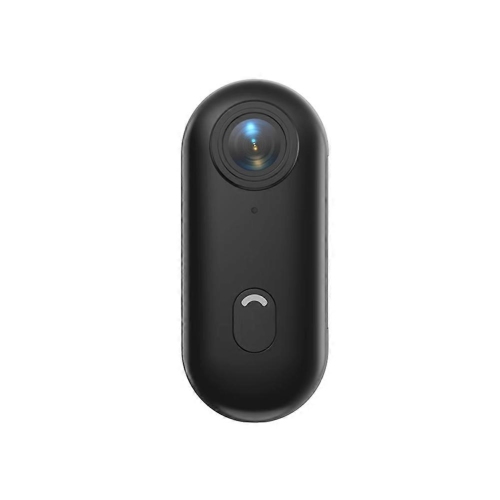
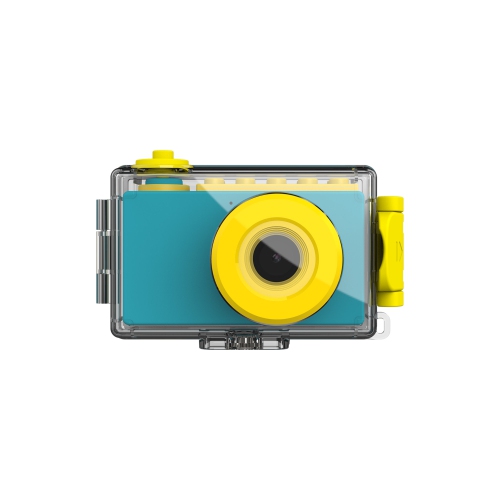
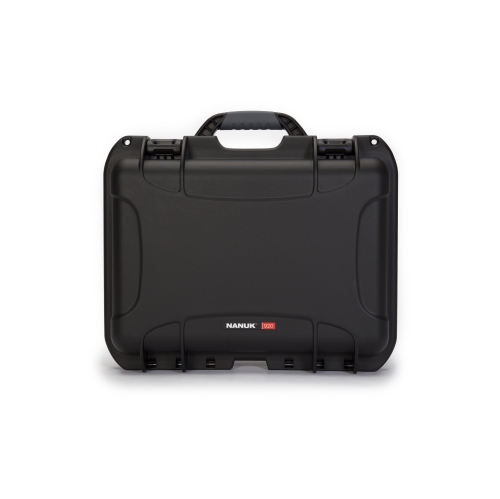
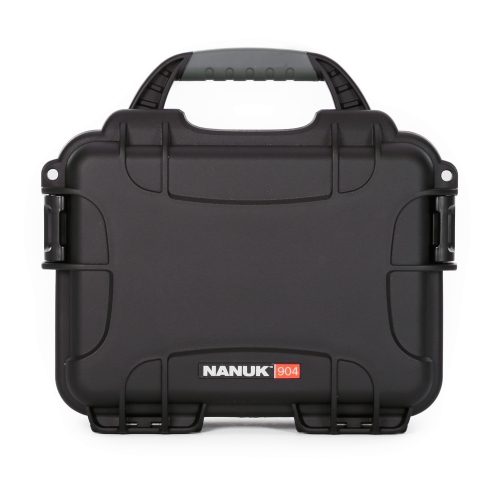
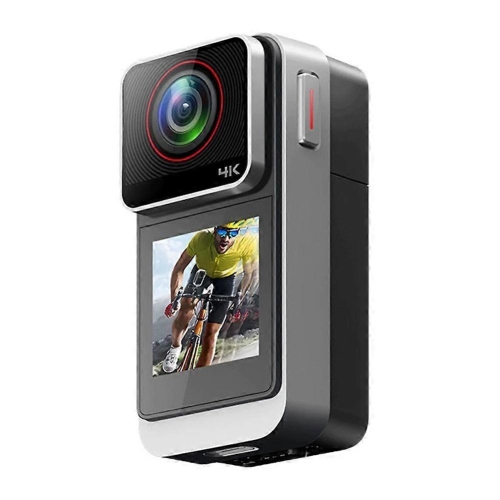
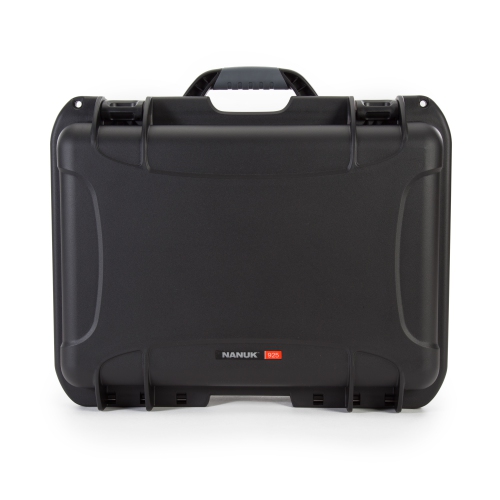
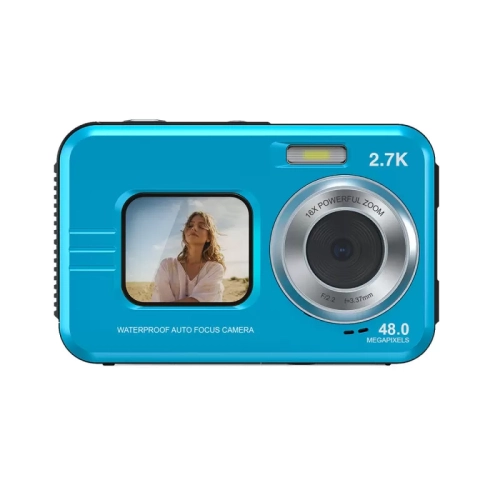
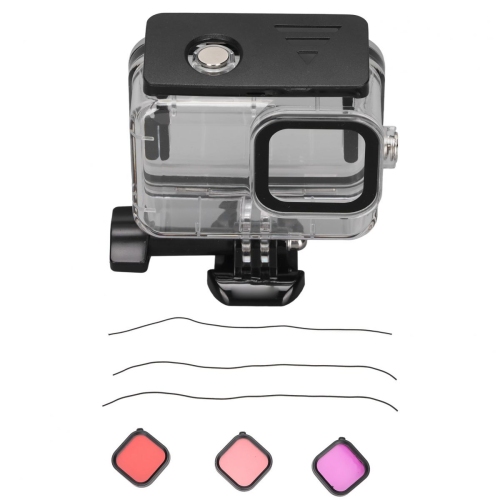
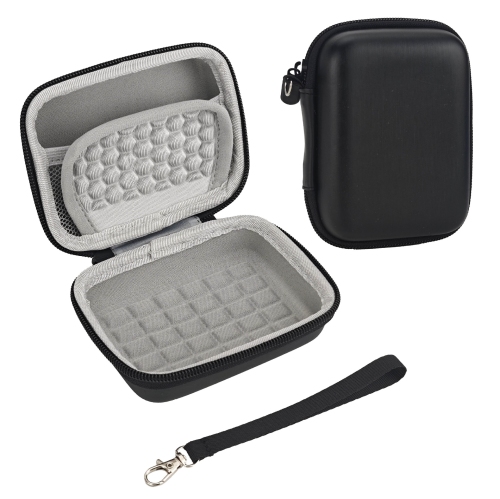
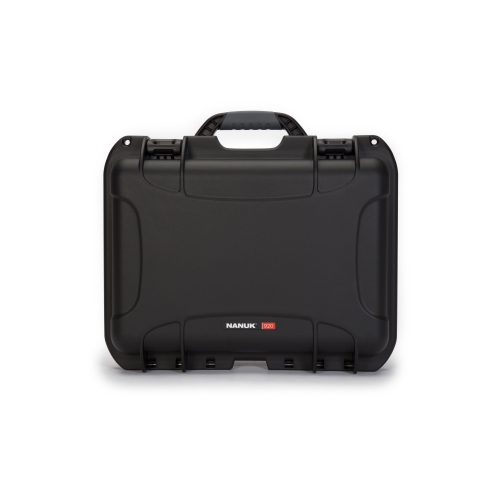
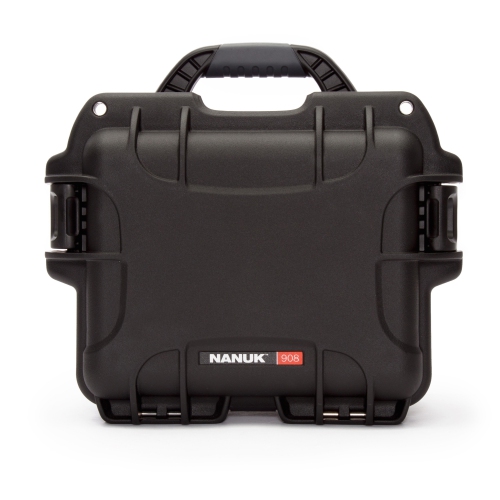
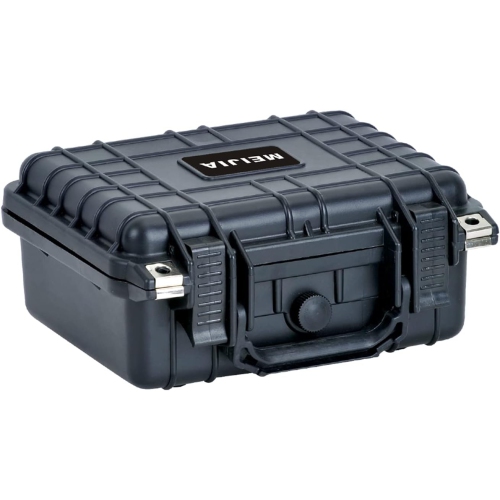
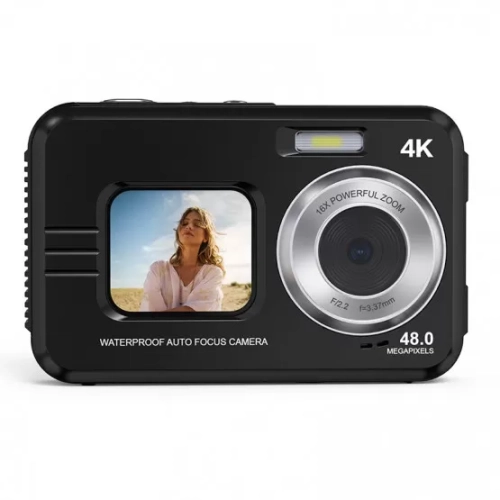
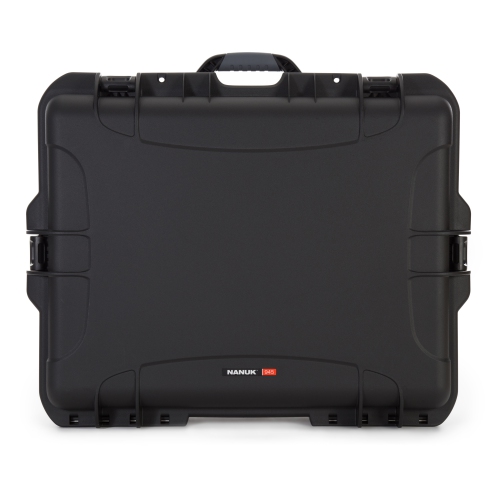
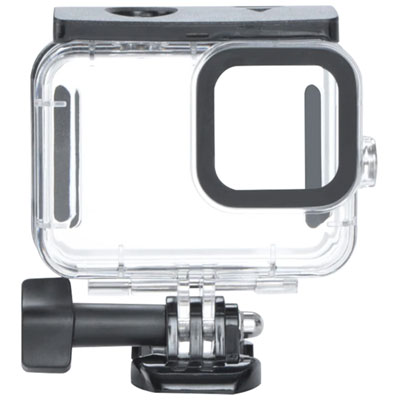
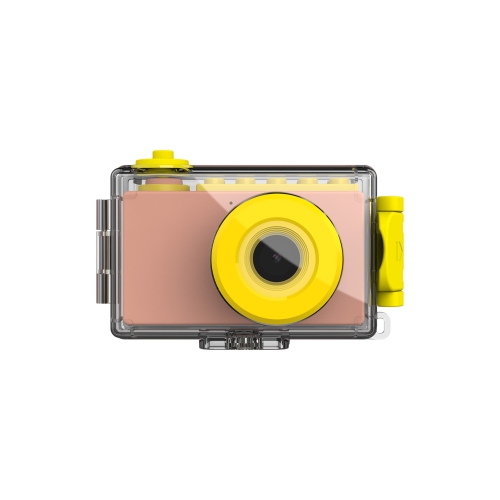
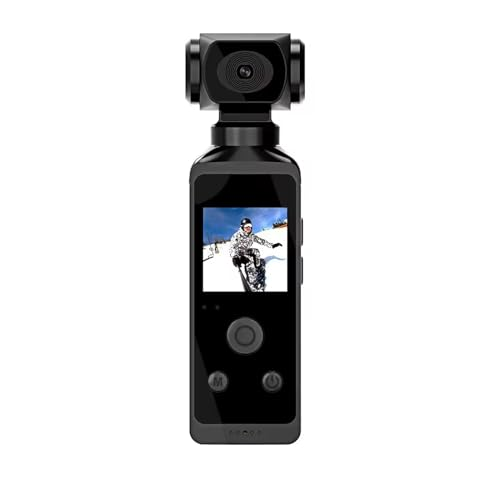
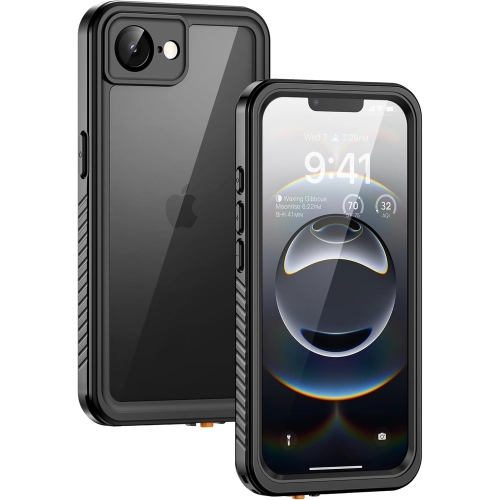
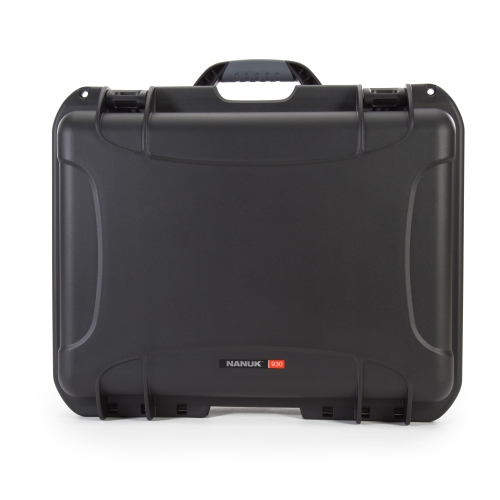
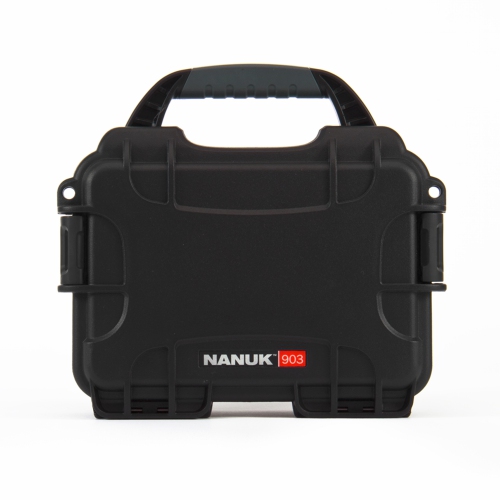
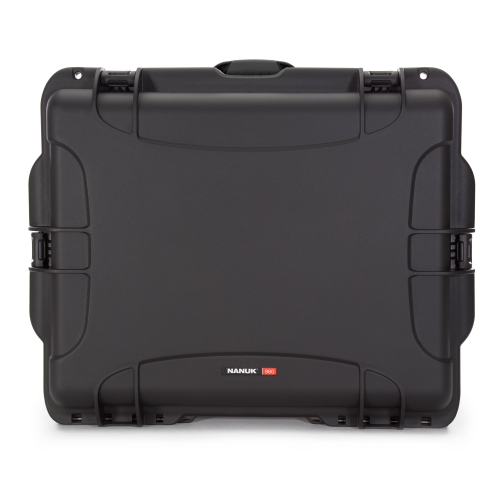
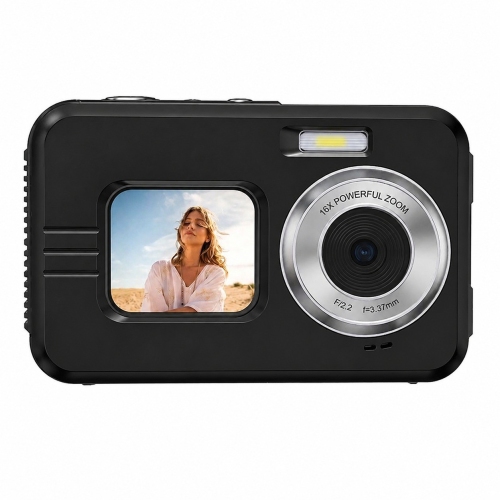
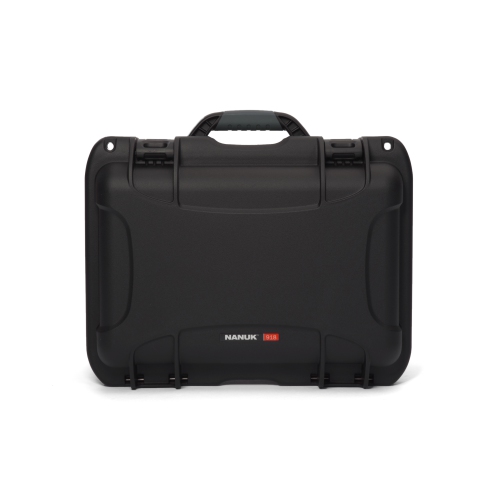
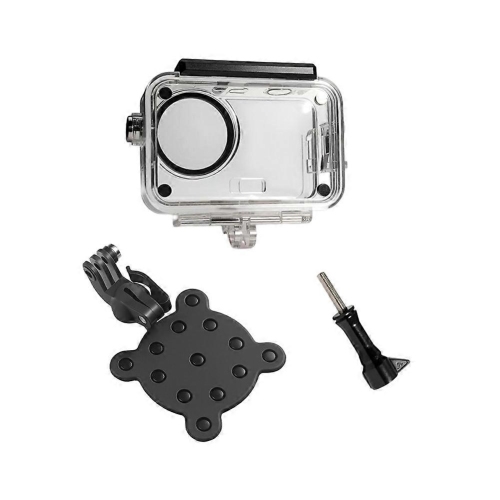

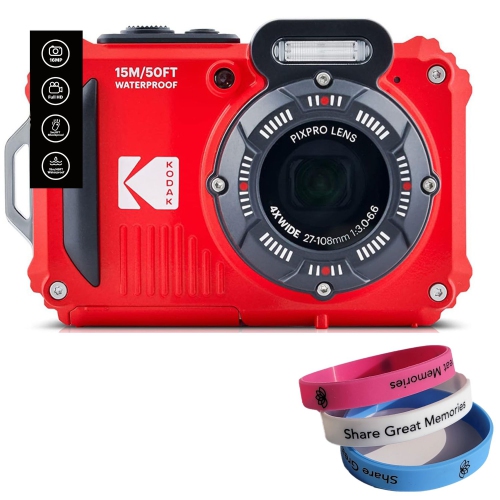
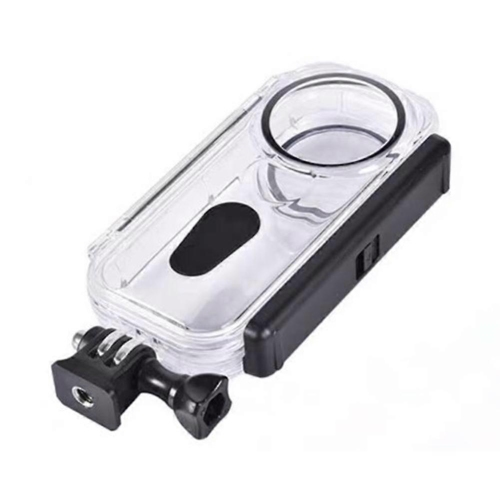
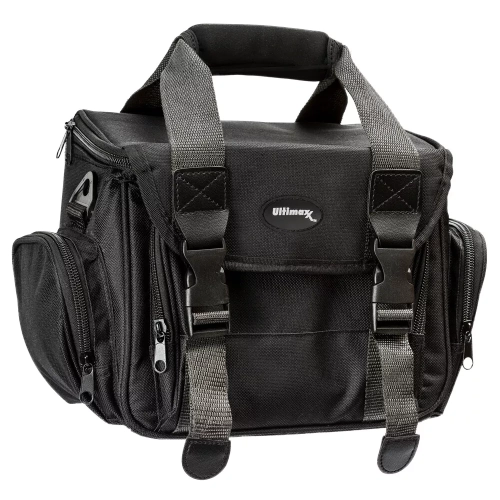
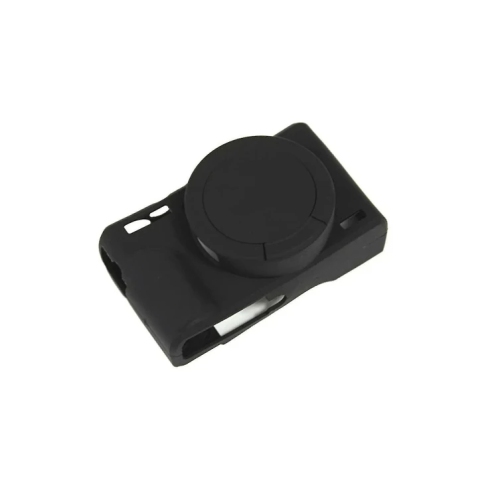

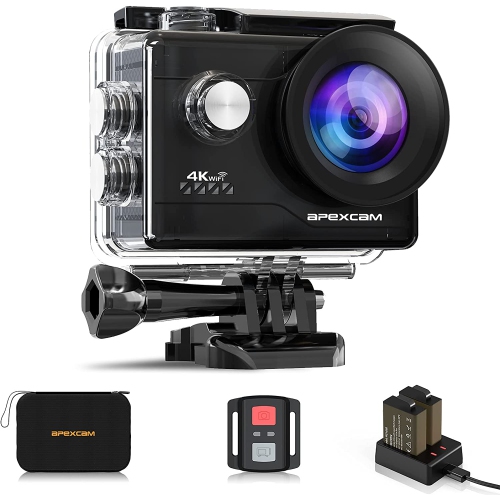
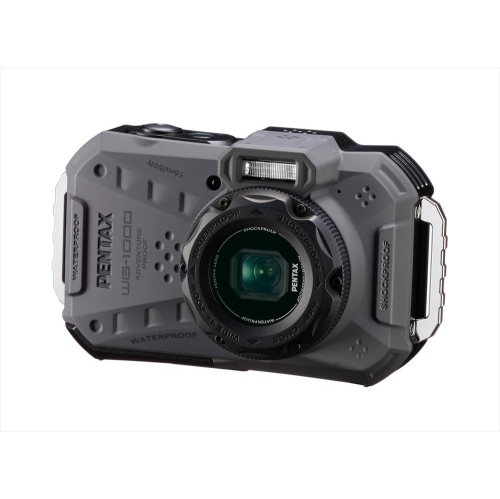
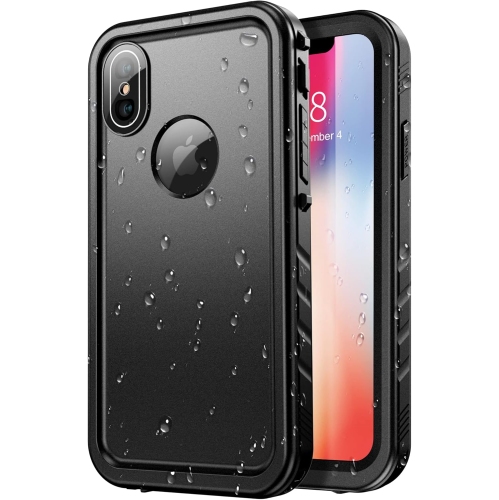
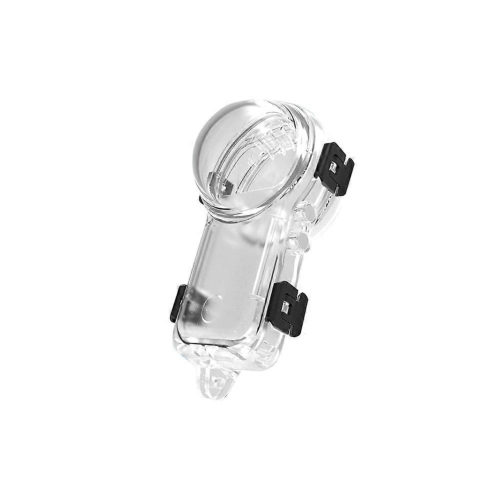
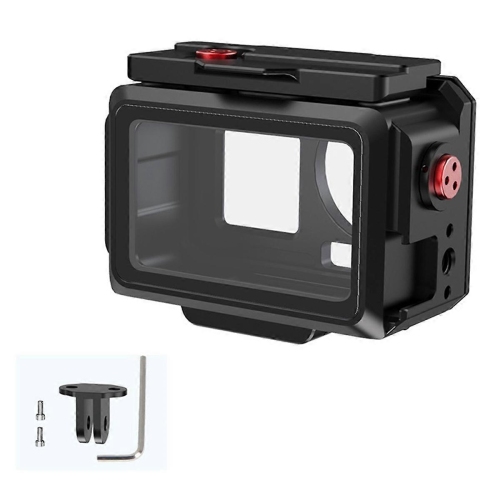
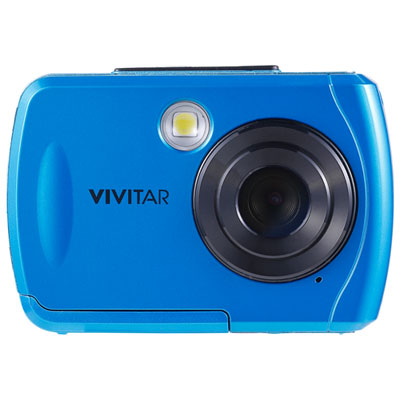
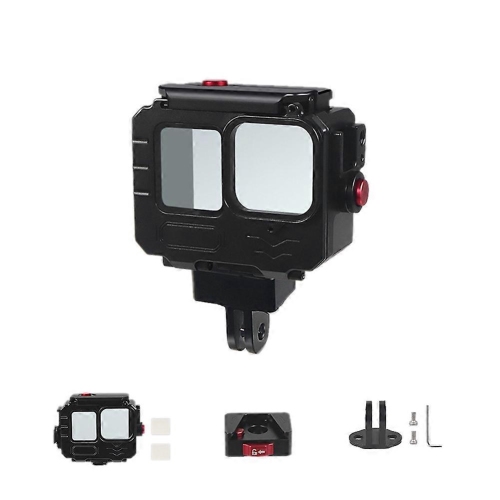
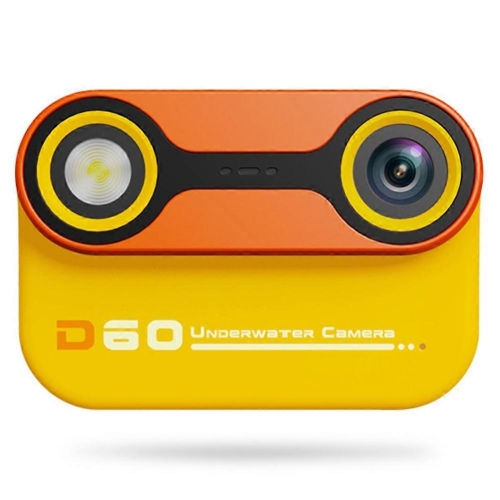
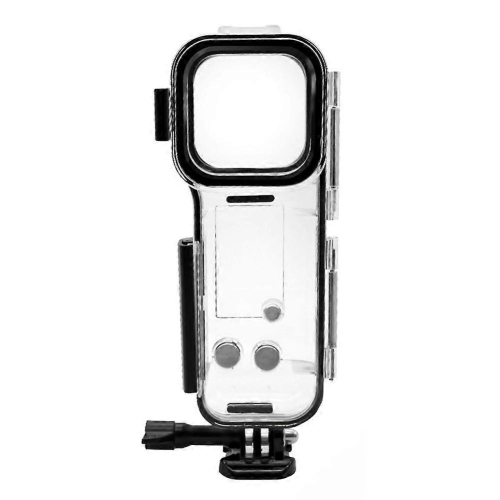
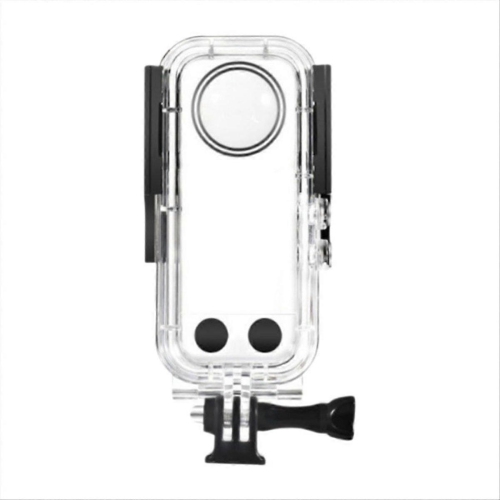
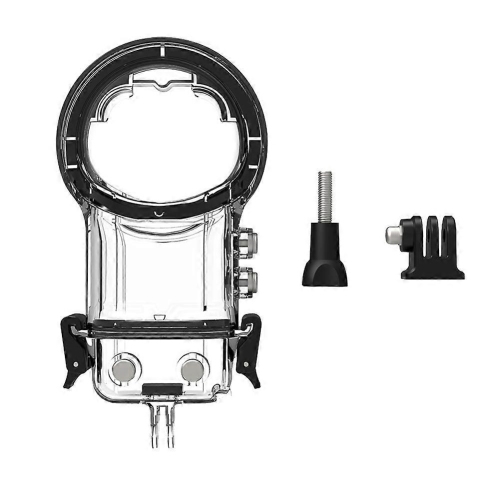
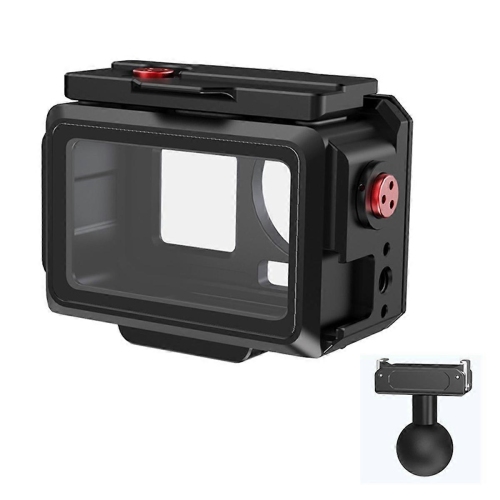
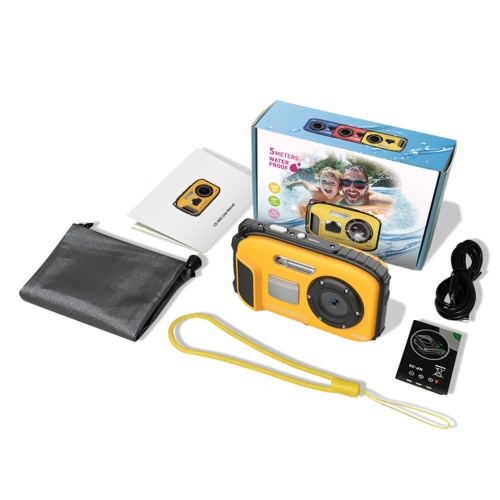
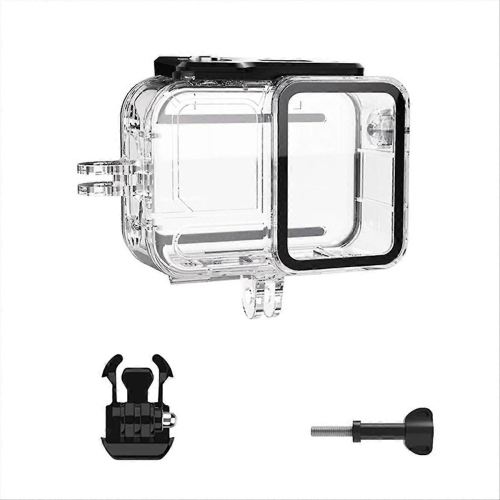
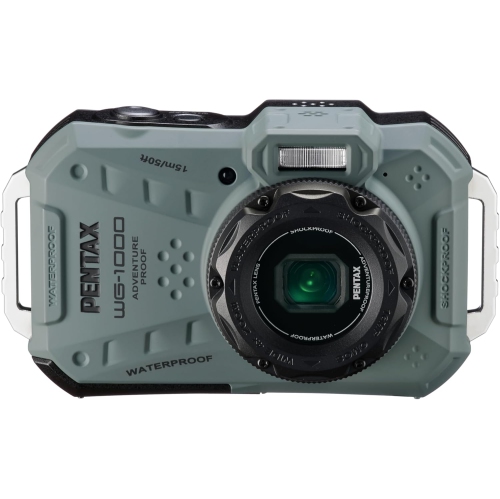
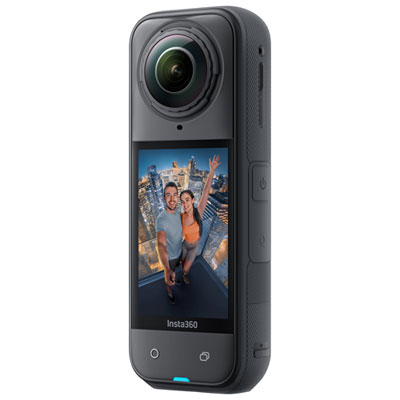
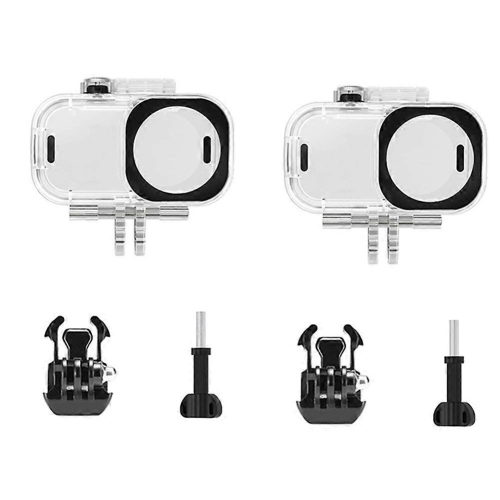
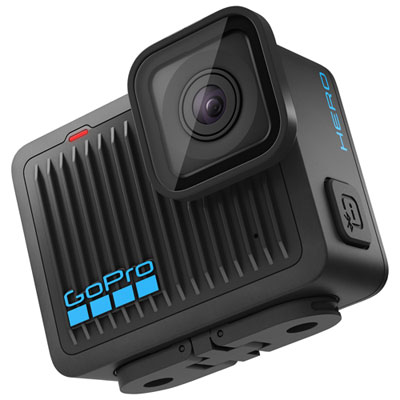
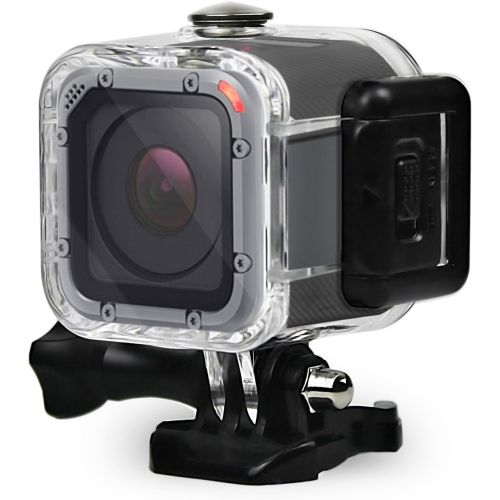
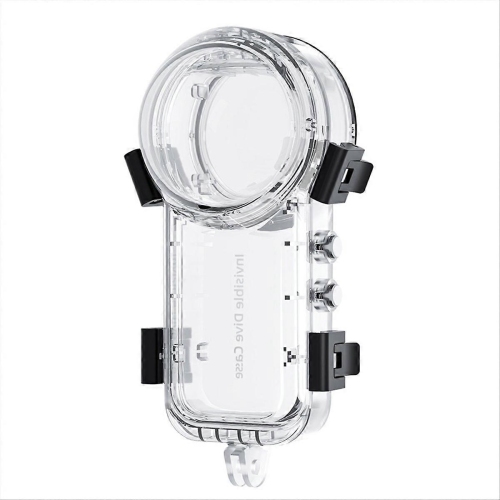
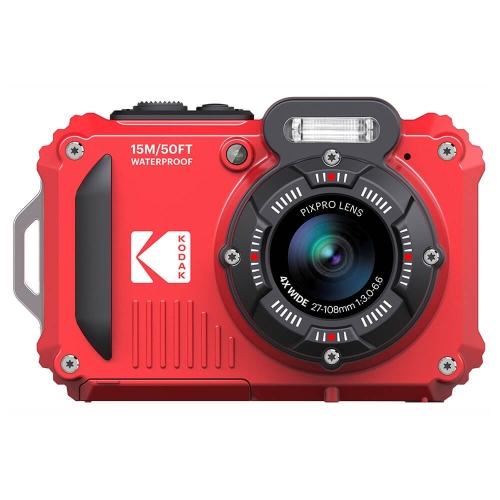
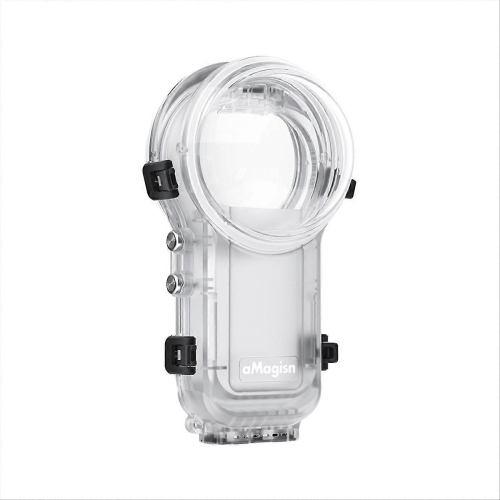
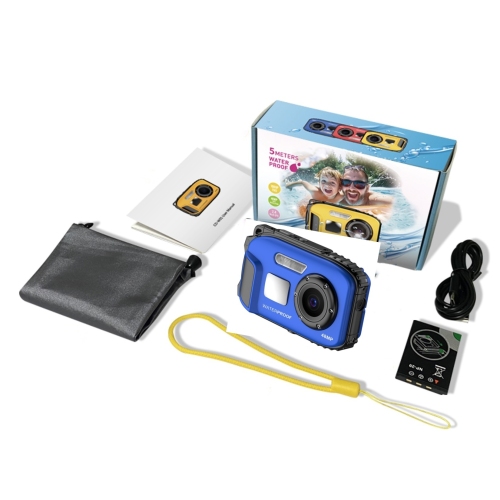
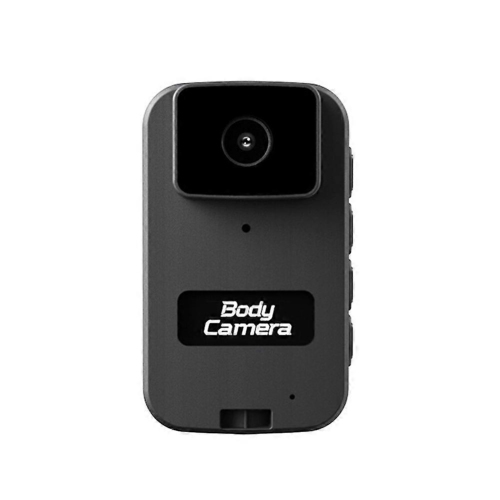

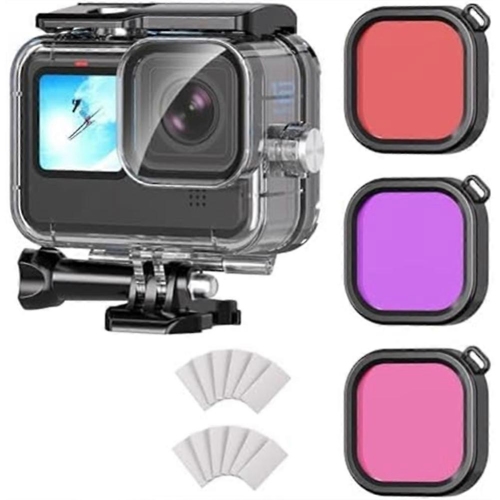
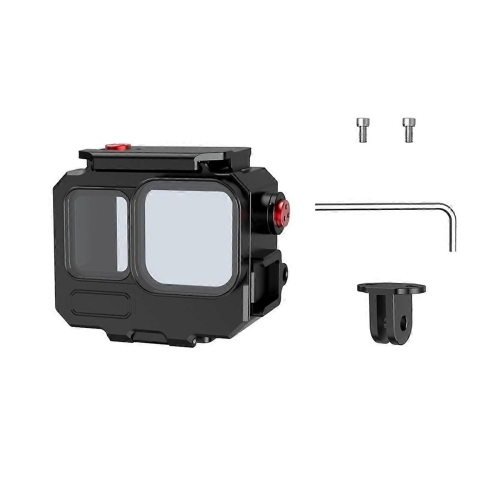
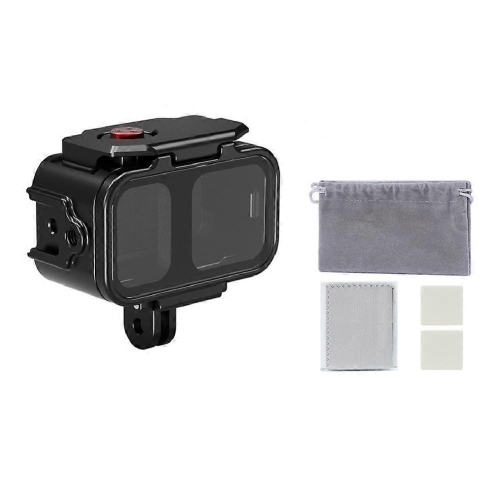
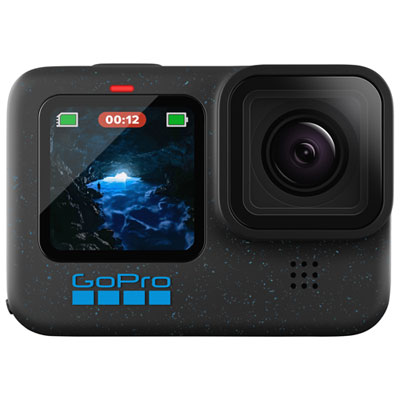
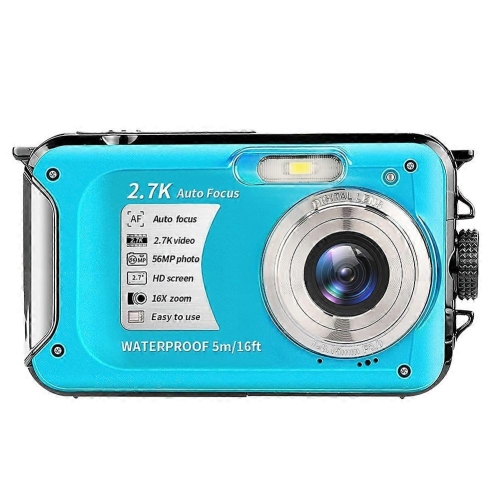
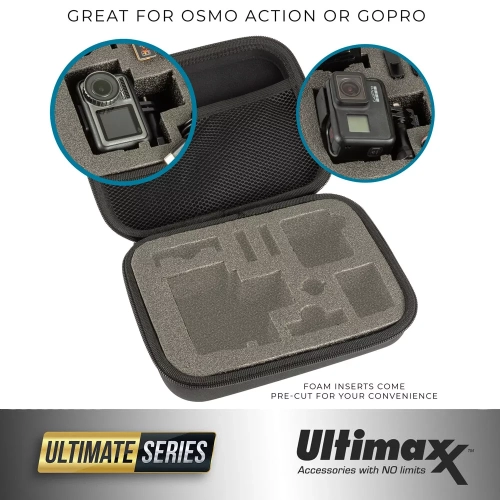
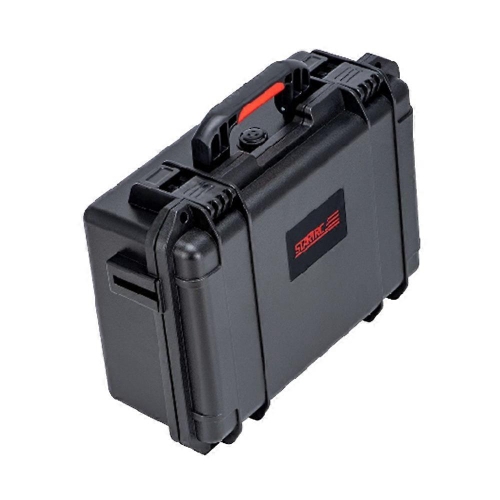
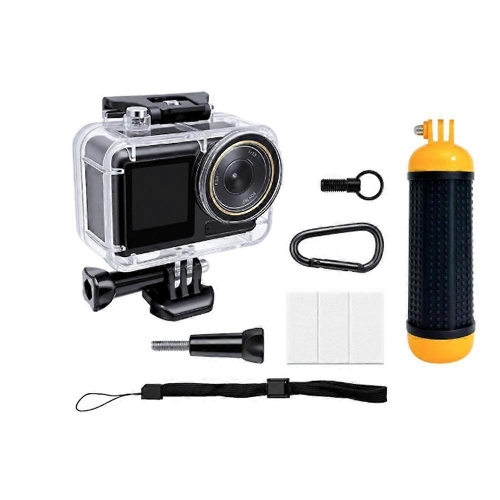
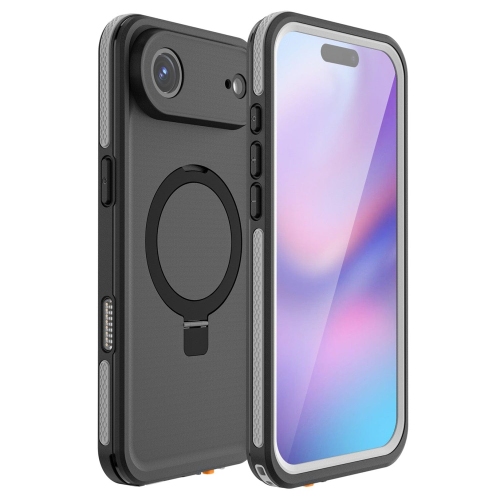
![GENERIC for Iphone 17 Waterproof Case With Camera Control Capture Button [Ip-68] Full Body Protection With Built-In](https://multimedia.bbycastatic.ca/multimedia/products/500x500/200/20096/20096734.jpeg)
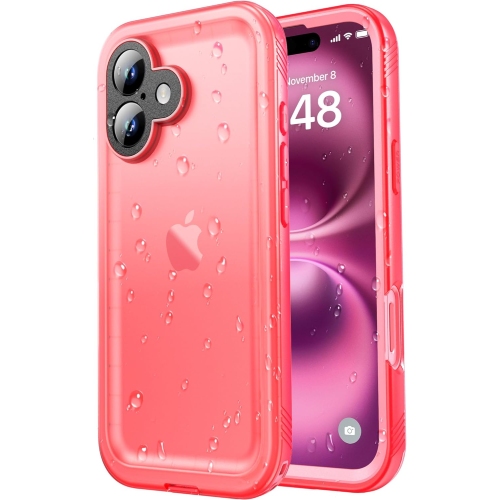
![GENERIC for Iphone 17 Pro Waterproof Case With Camera Control Capture Button [Ip-68] Full Body Protection With Built-In](https://multimedia.bbycastatic.ca/multimedia/products/500x500/201/20168/20168248.jpeg)
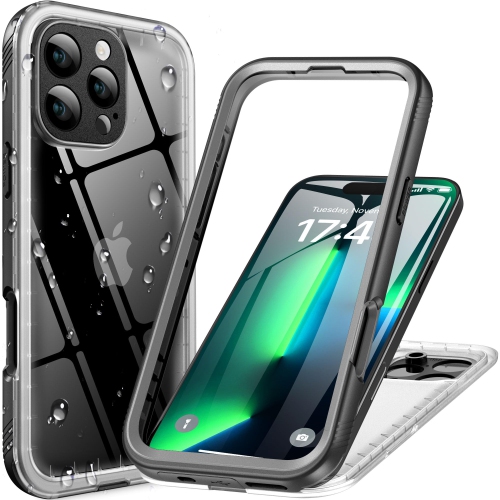
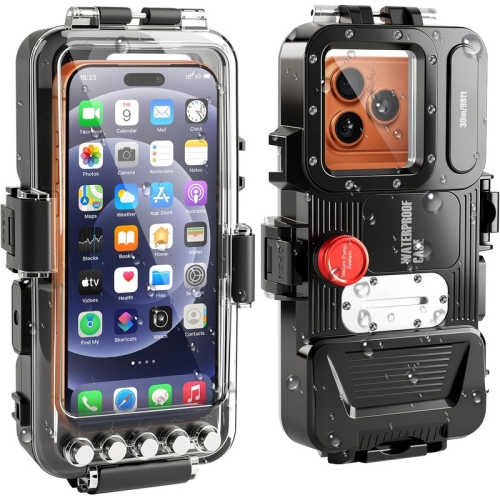
![GENERIC for Iphone 17 Pro Max Waterproof Case With Camera Control Capture Button [Ip-68] Full Body Protection](https://multimedia.bbycastatic.ca/multimedia/products/500x500/199/19990/19990797.jpeg)

Essential guidance for protecting cameras around water
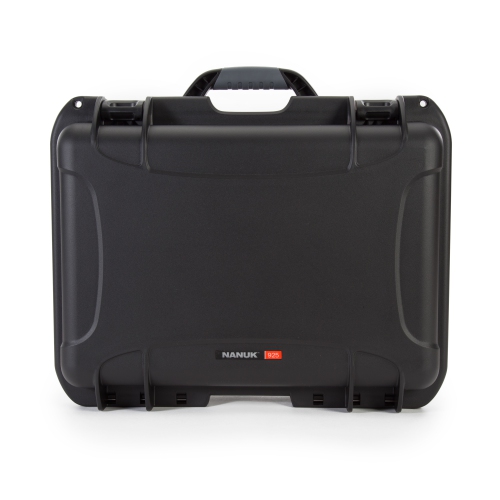
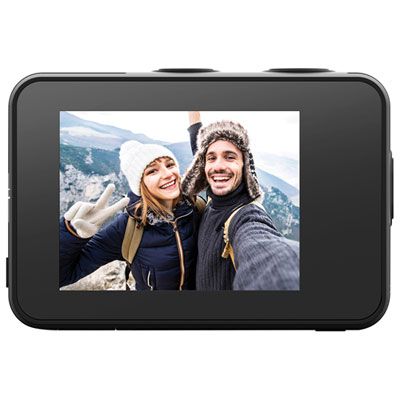
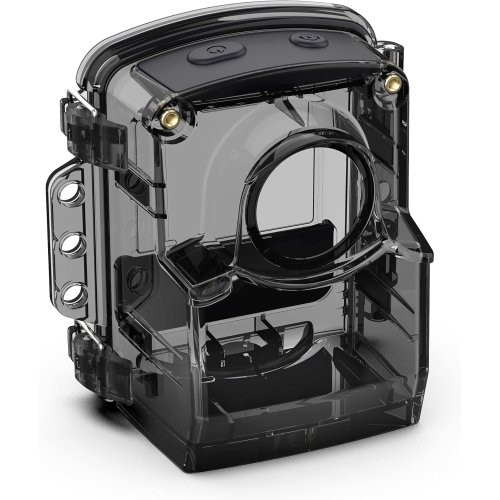
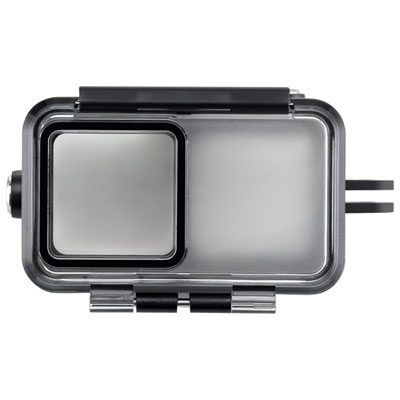
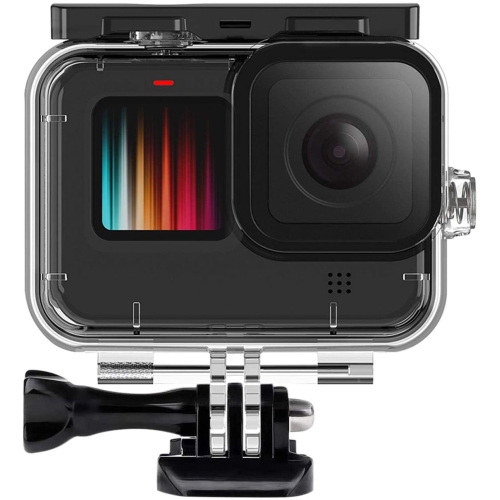
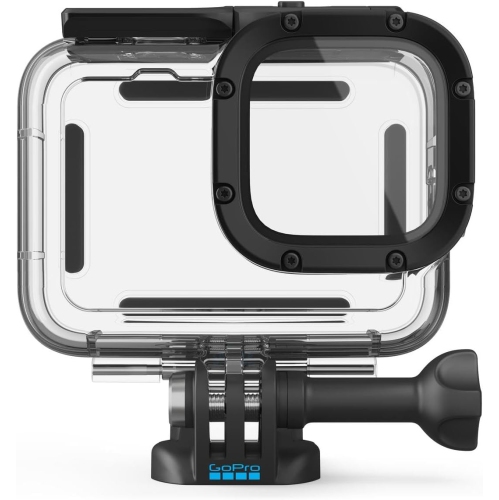
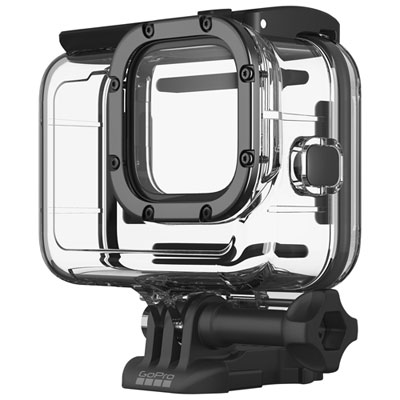
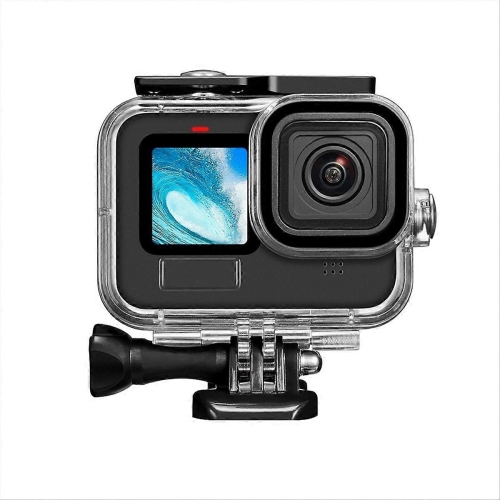
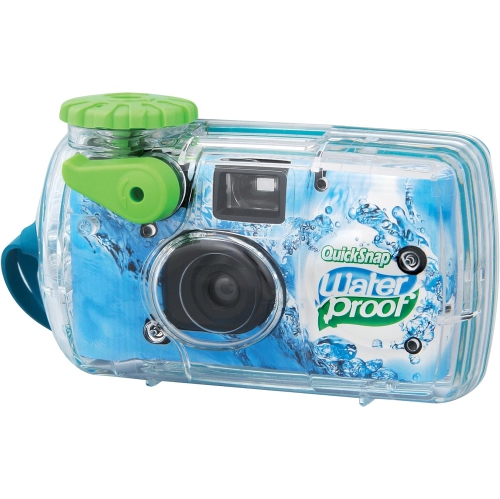
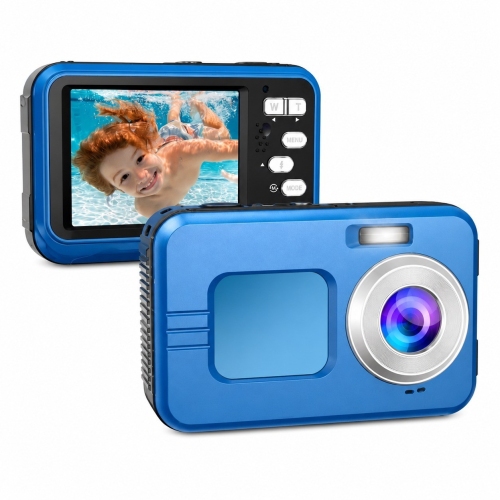
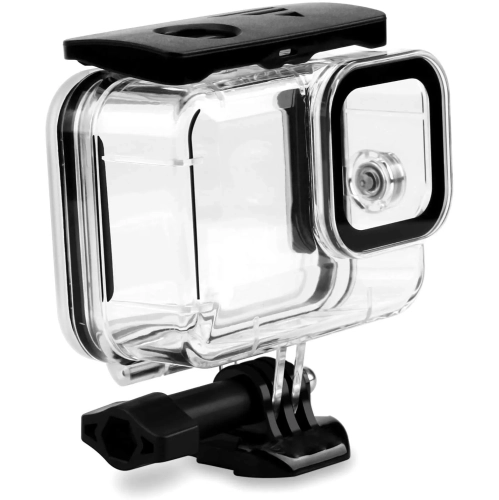
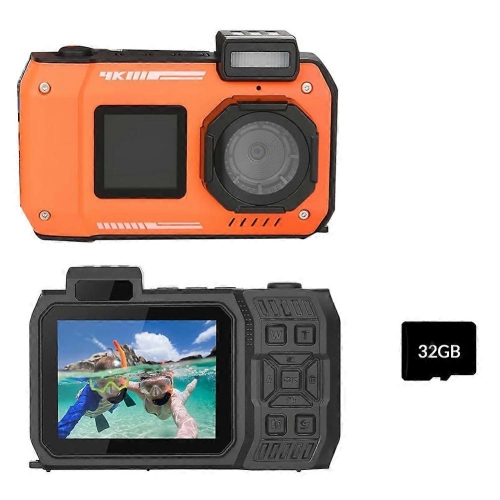
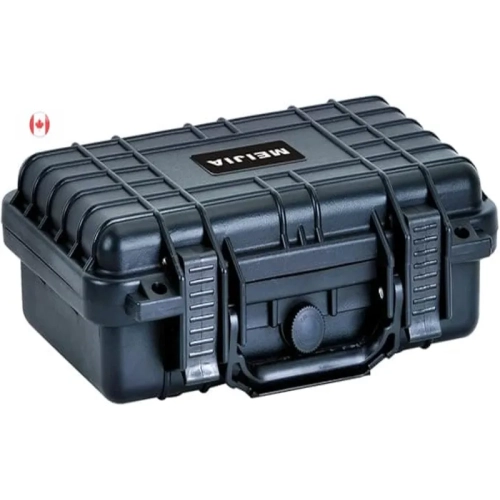
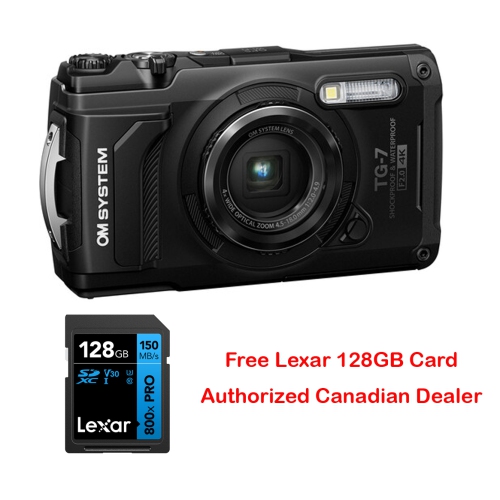
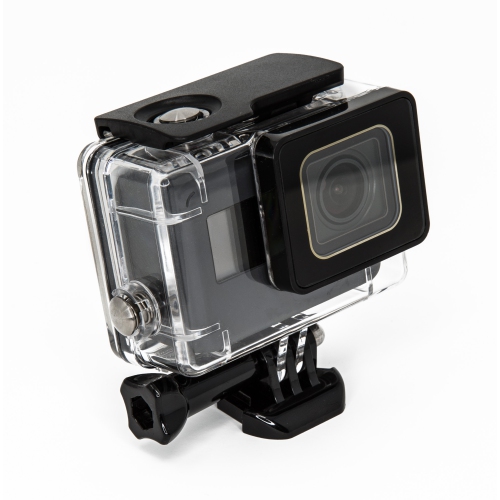
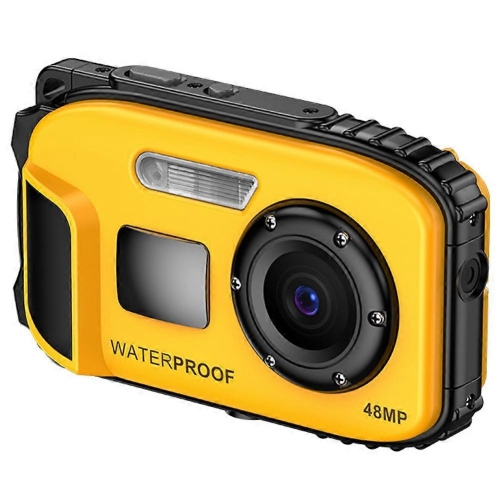
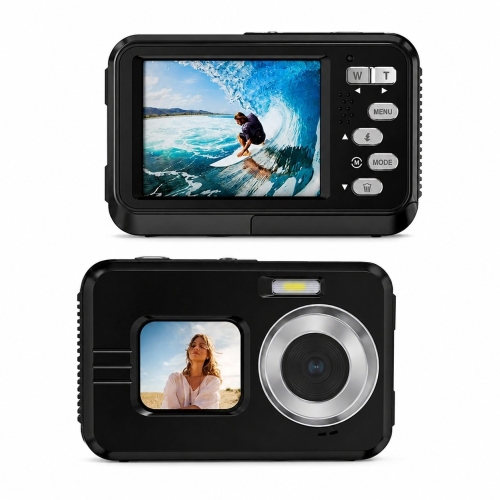
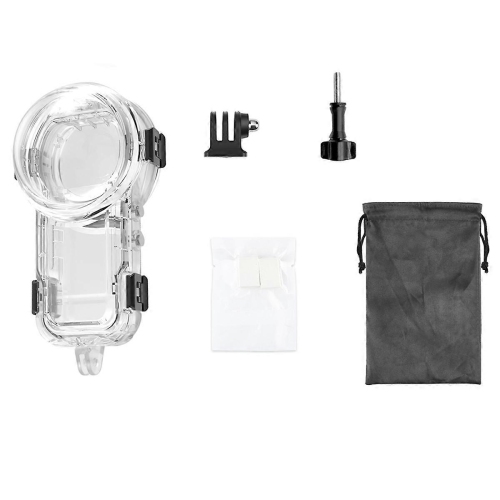
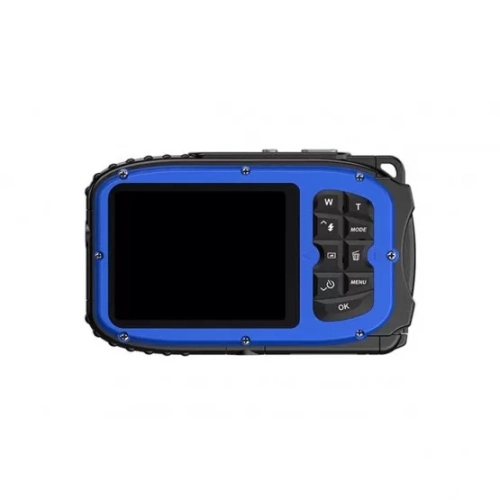
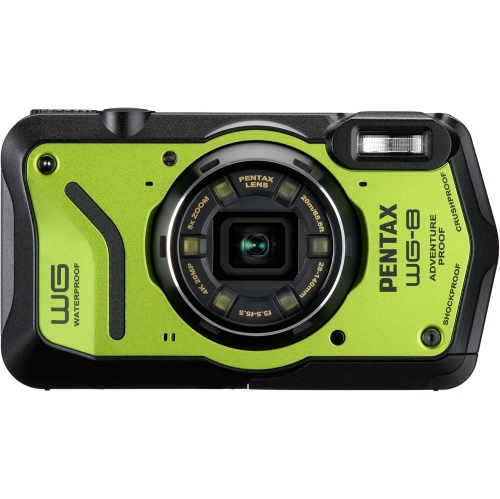
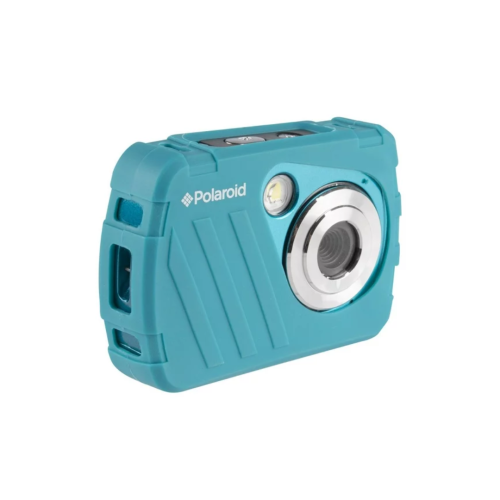
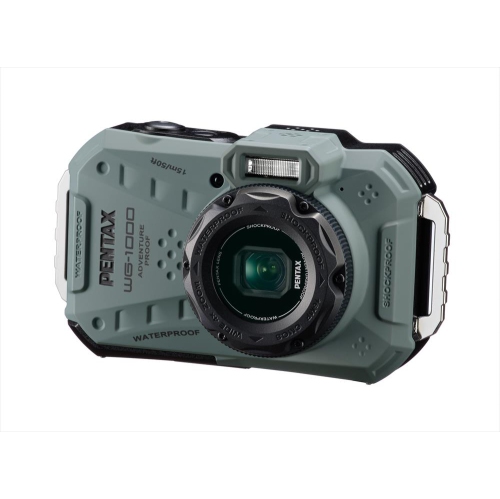
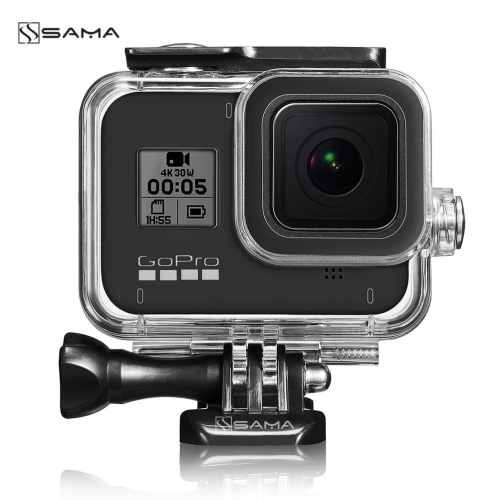
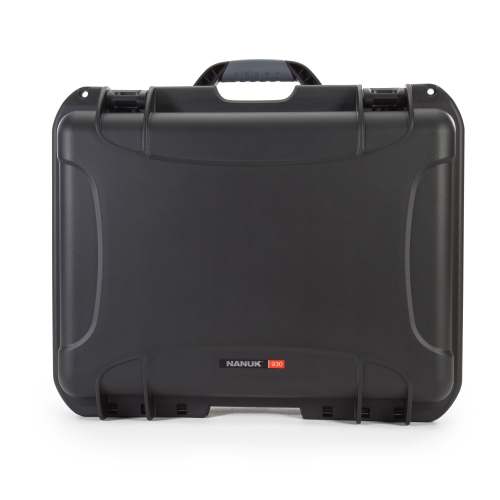
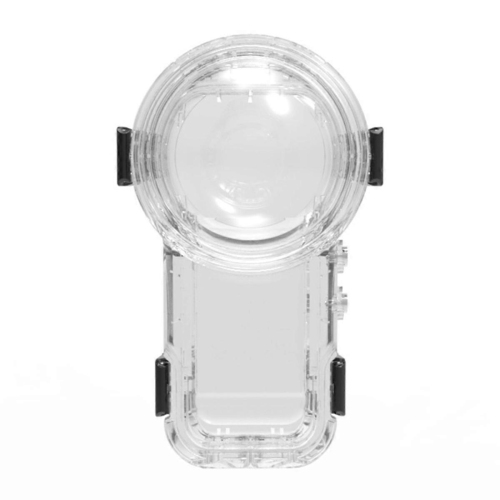
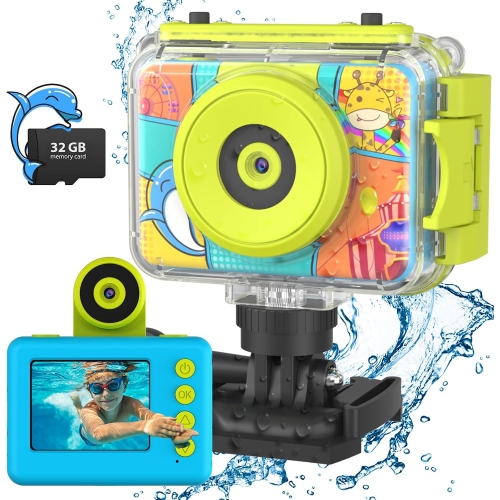
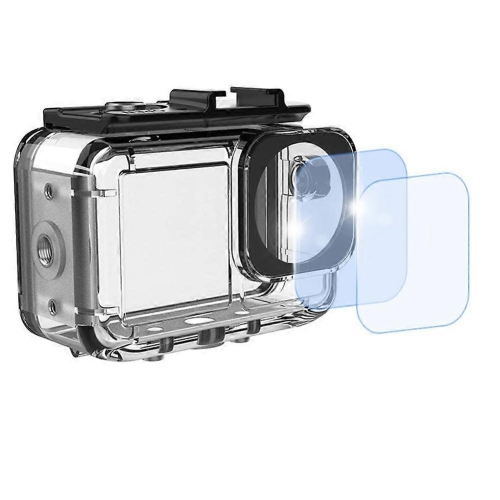
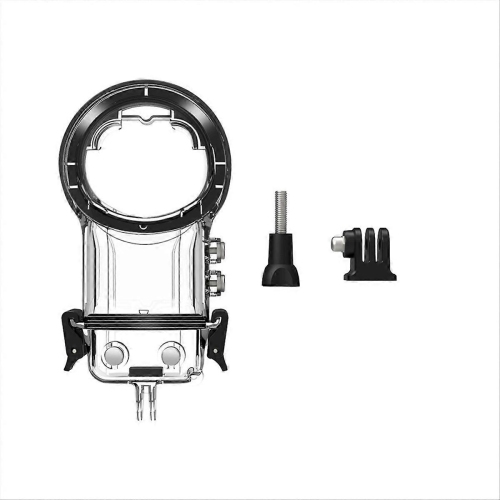
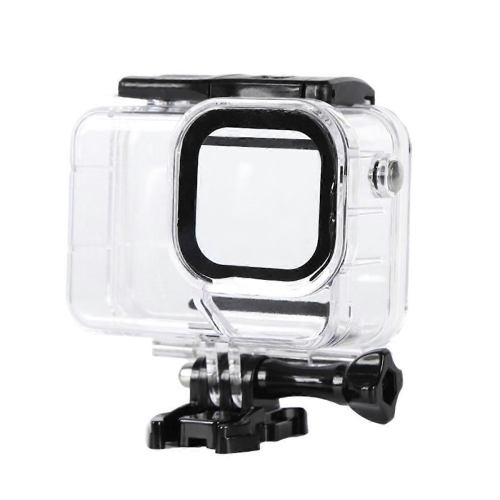
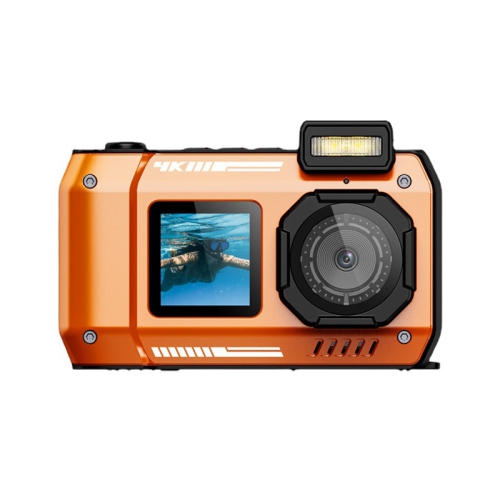
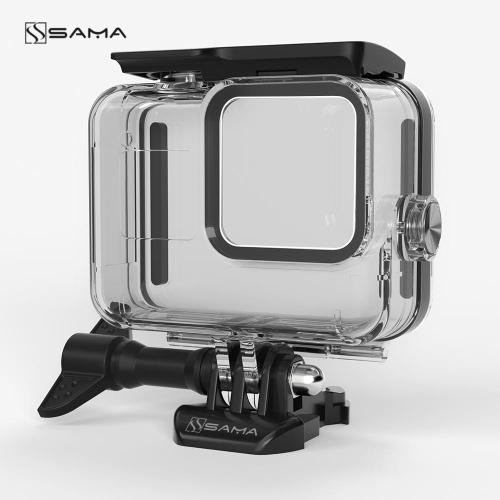
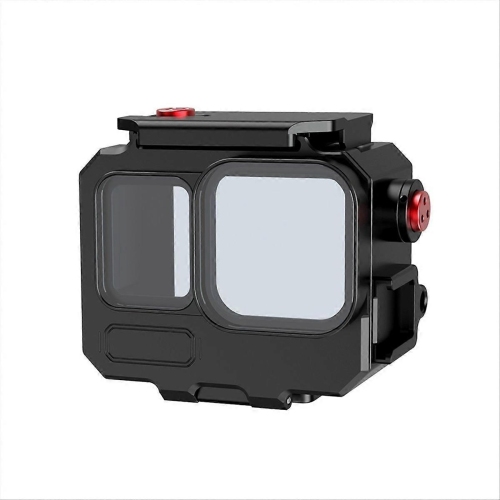
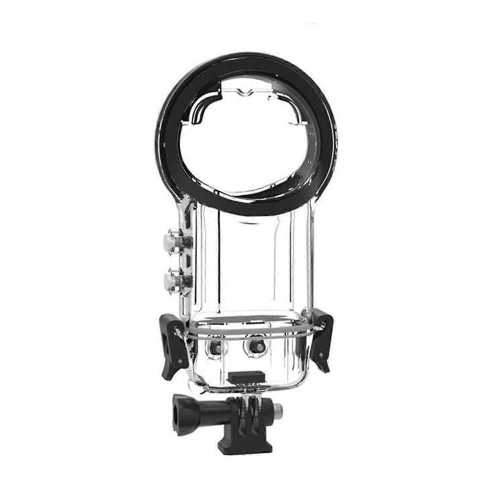
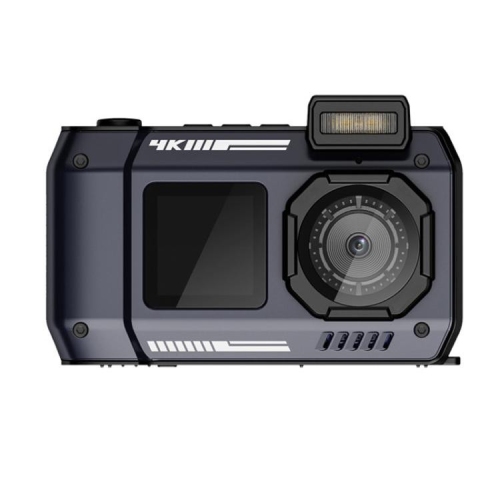
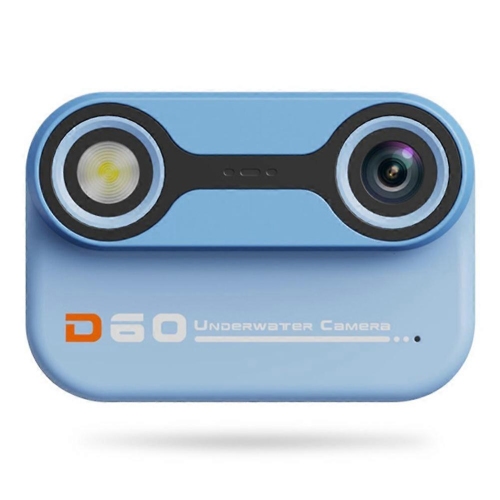
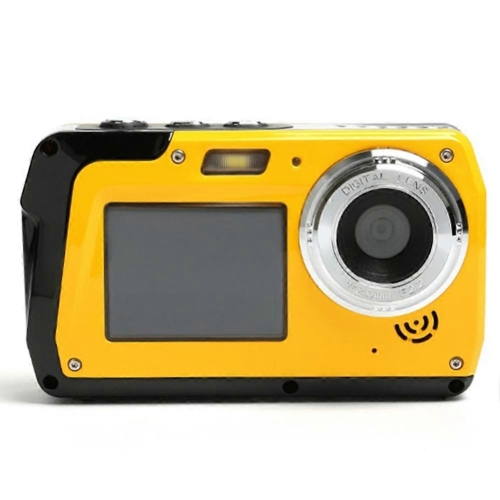
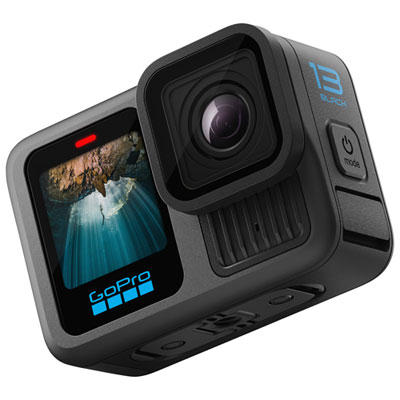
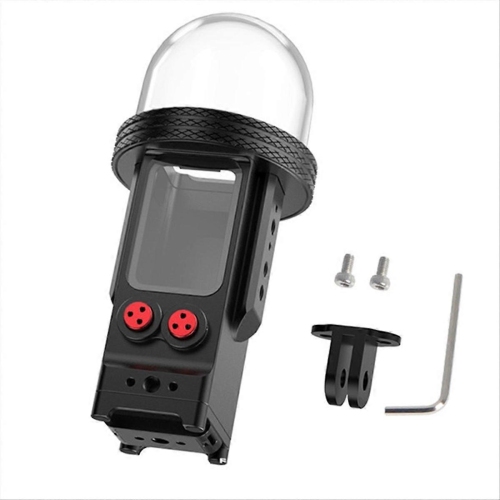
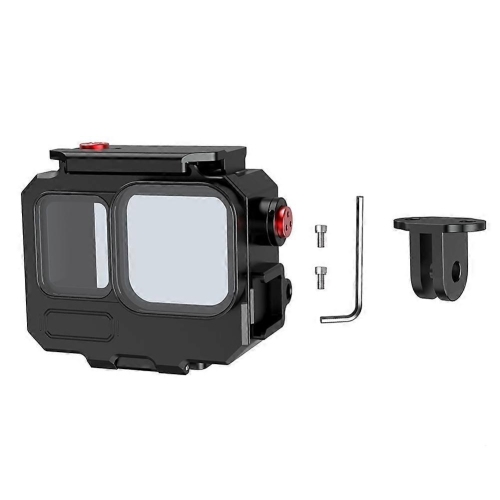
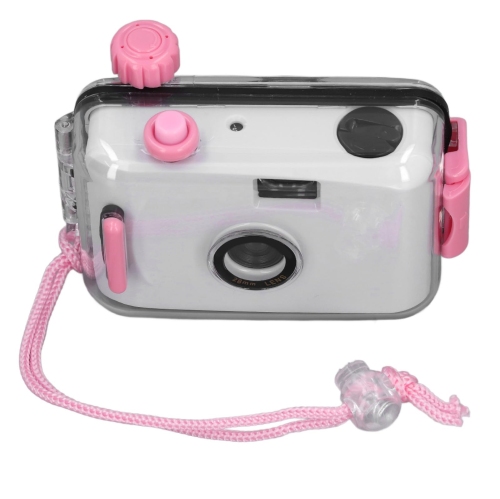
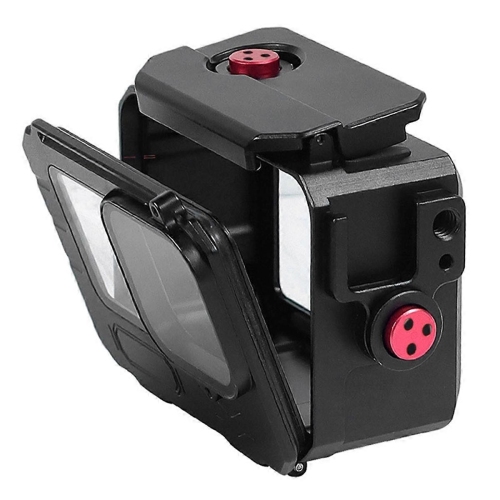
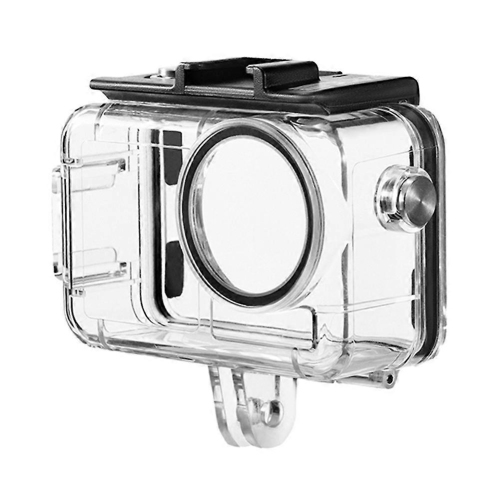
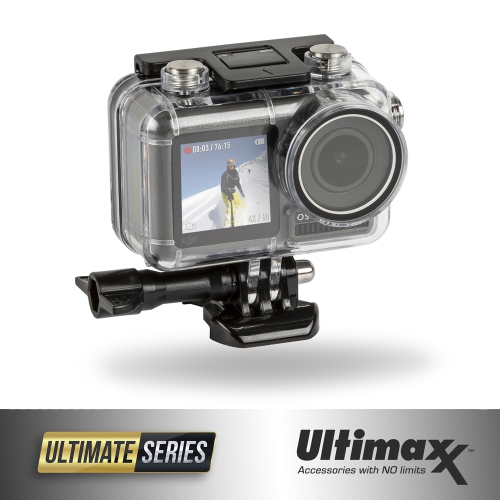
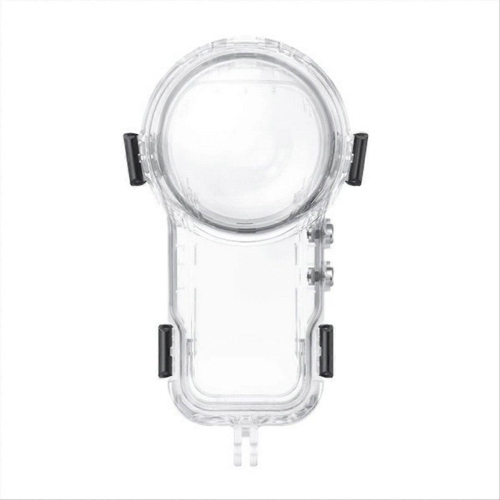
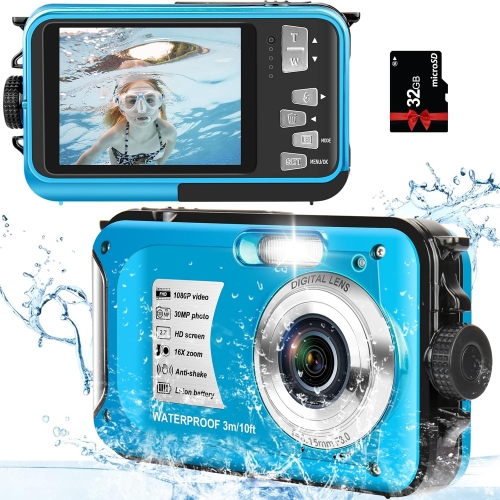
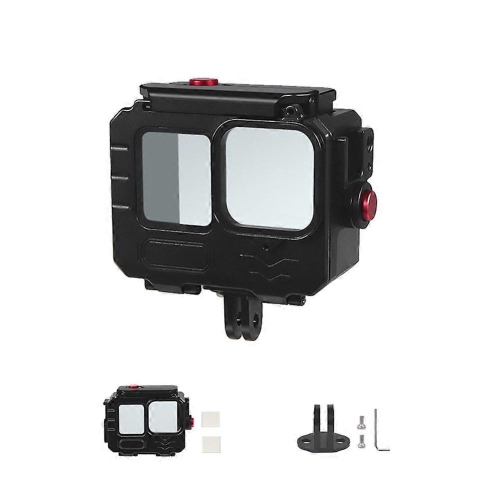
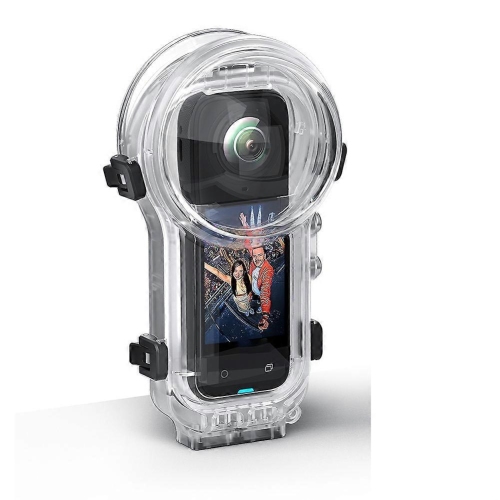
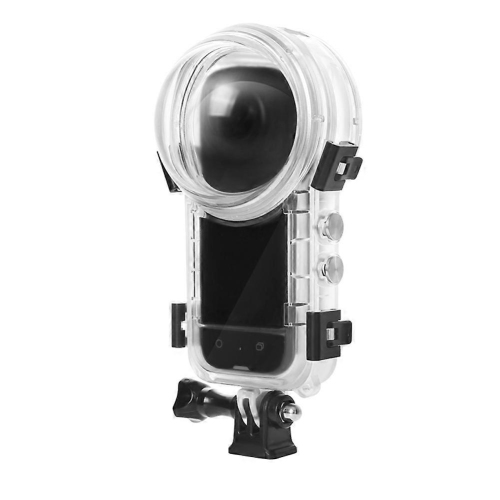
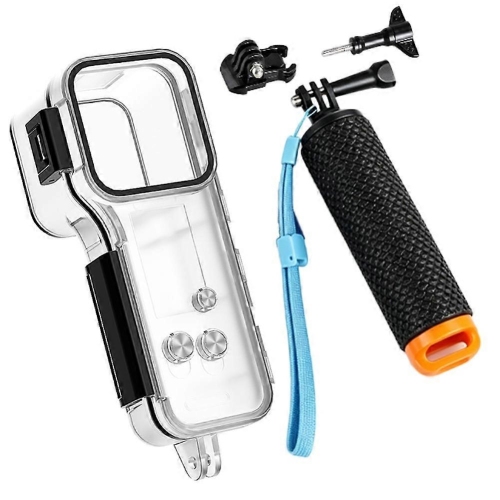
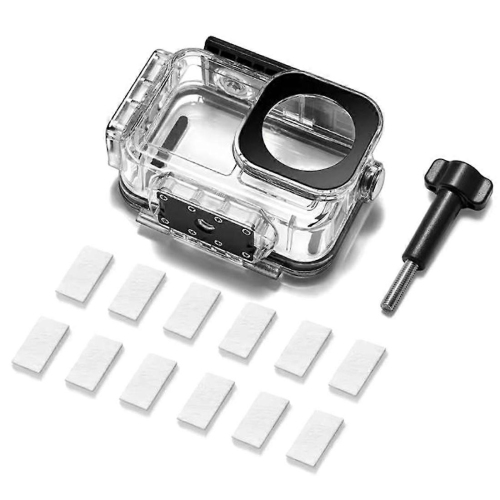
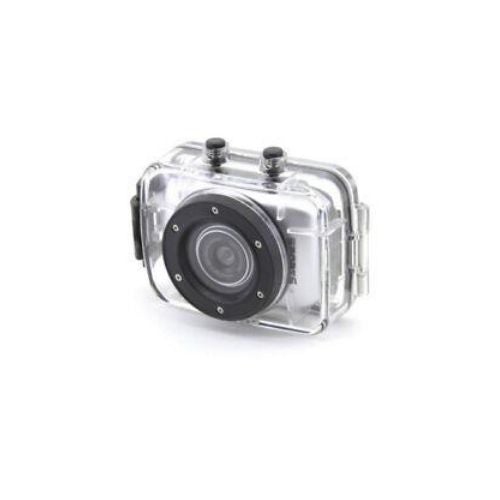
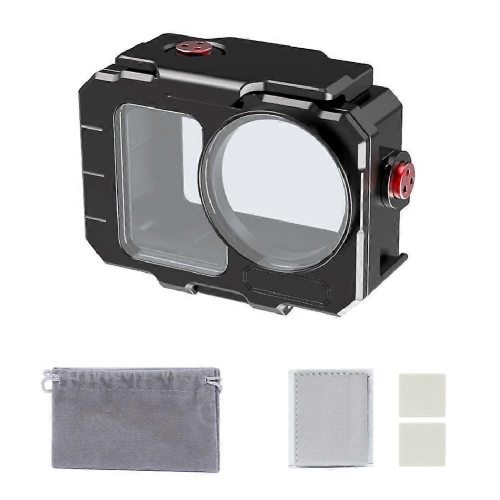
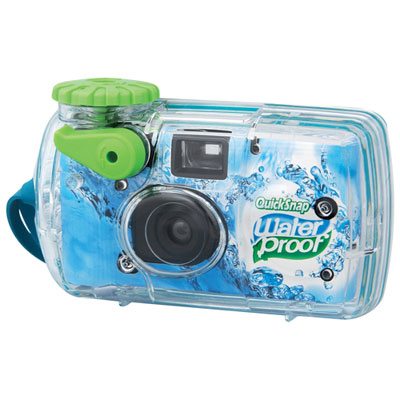
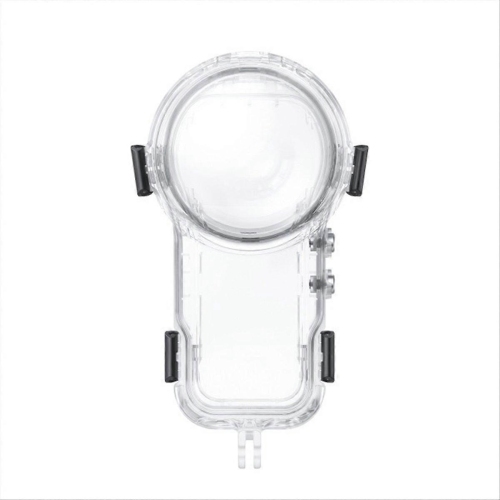
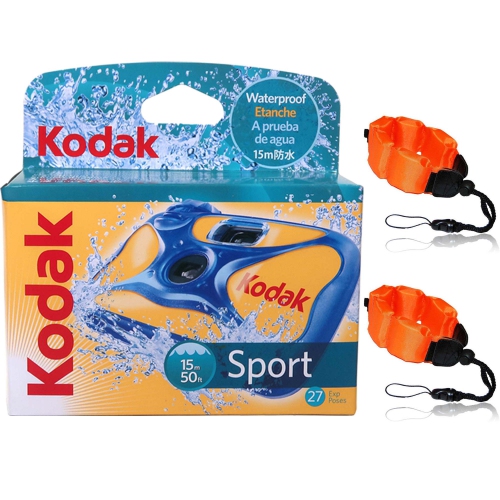
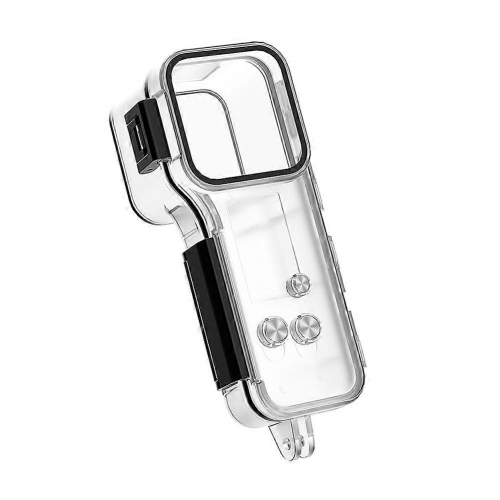
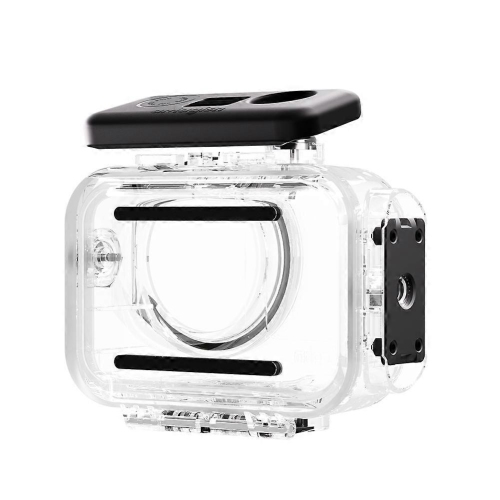
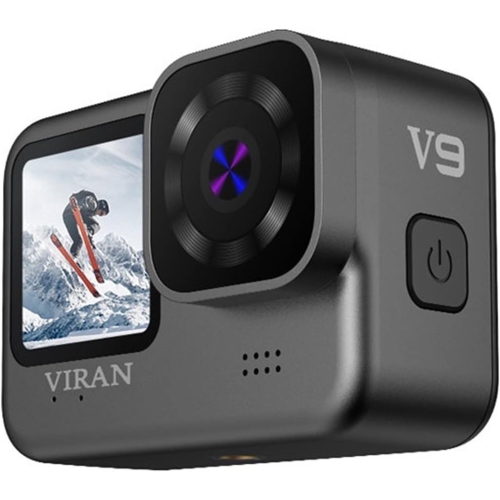
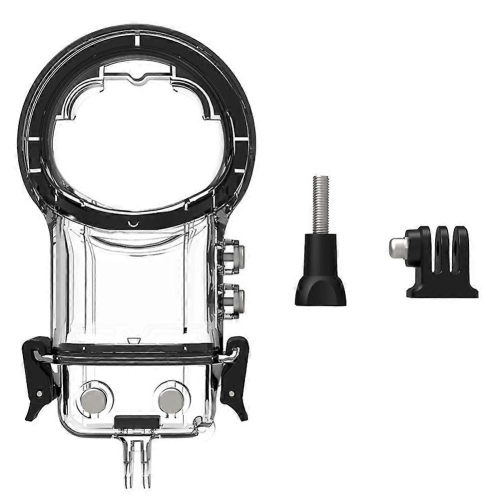
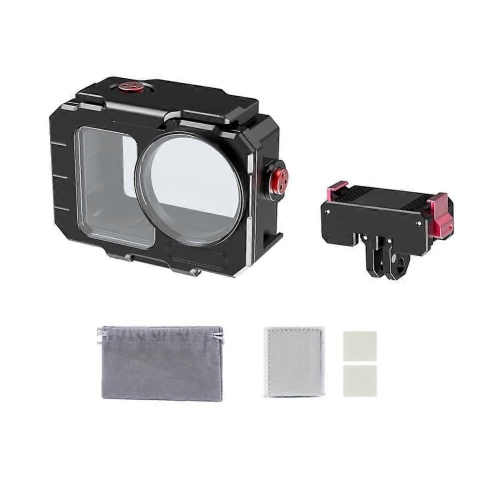
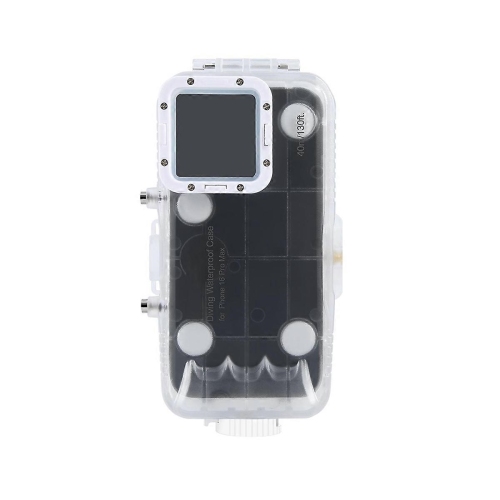
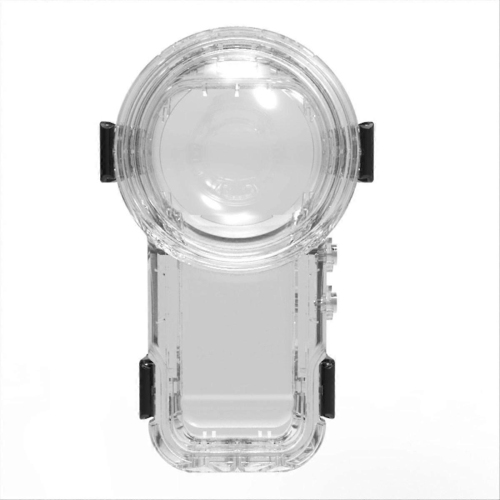
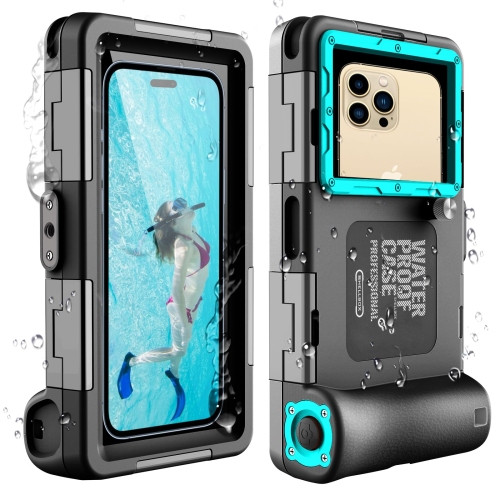
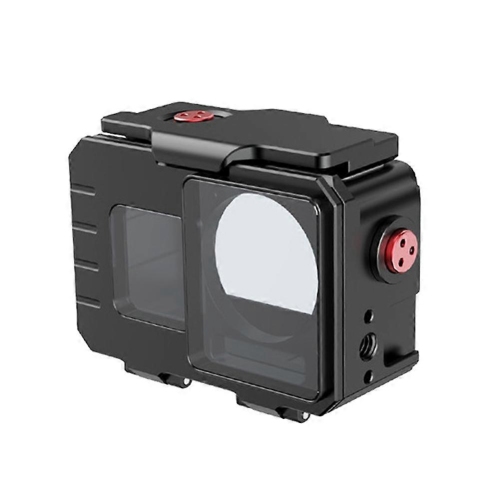
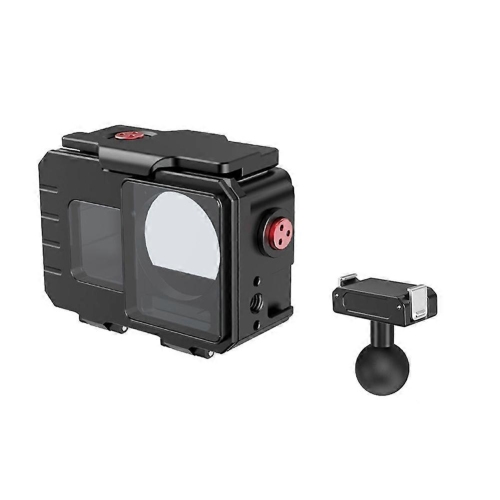
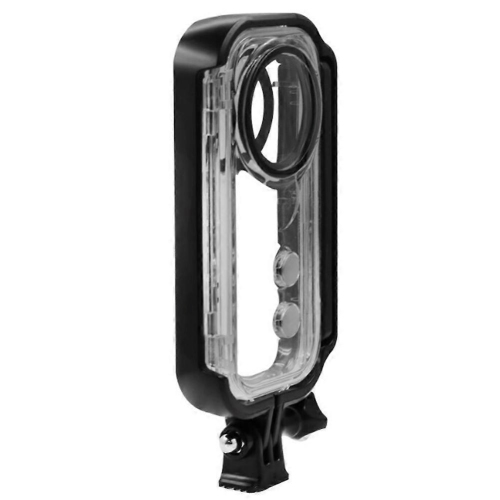
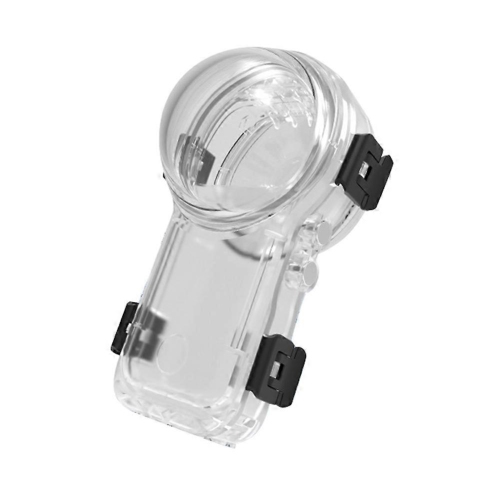
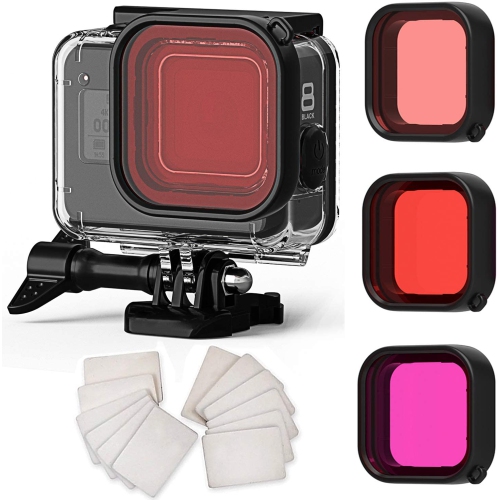
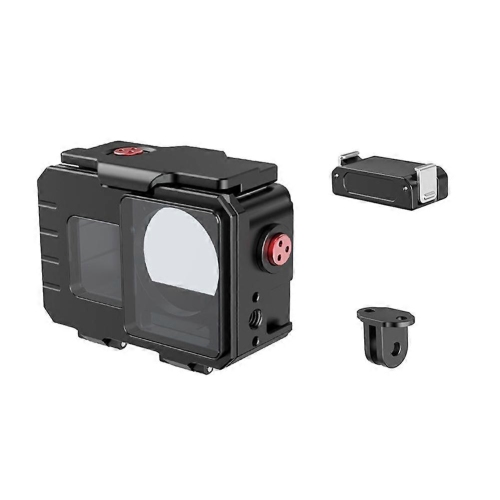
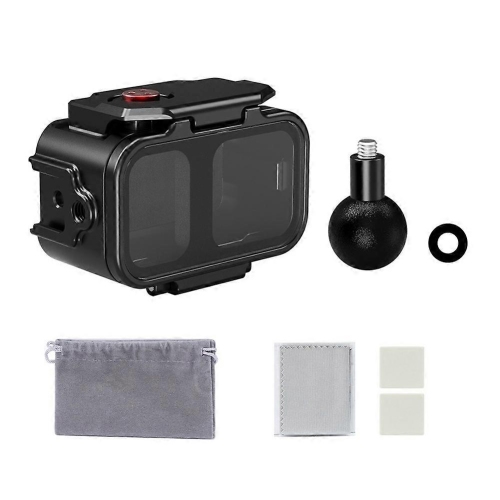
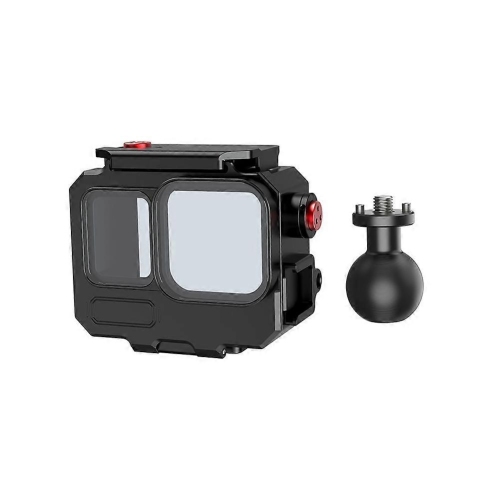
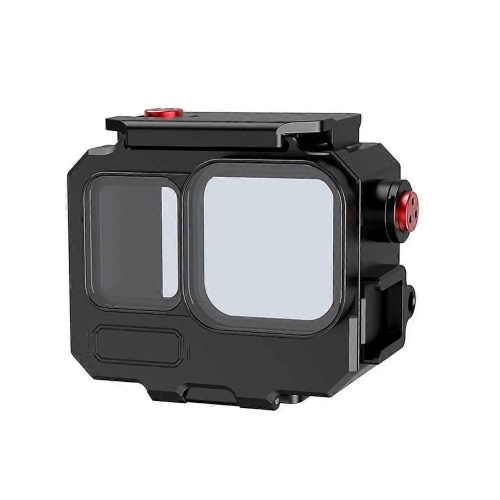
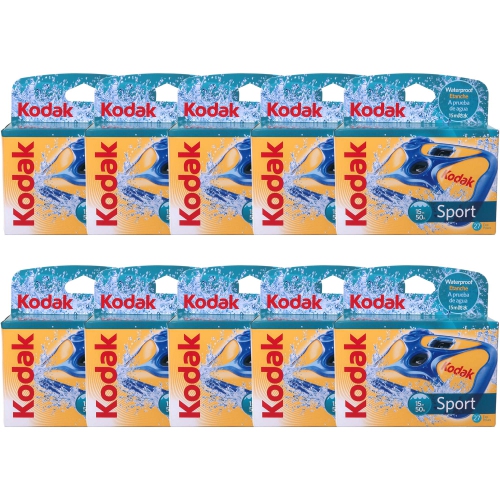
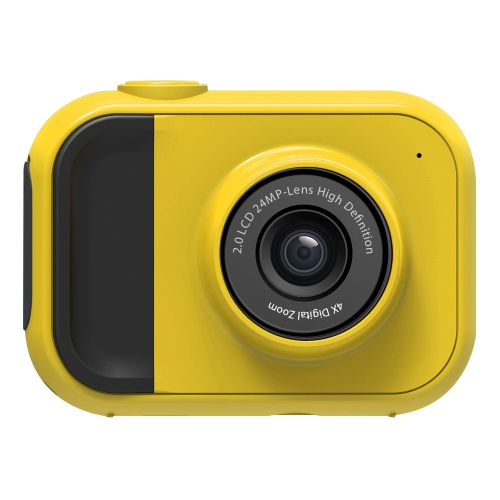
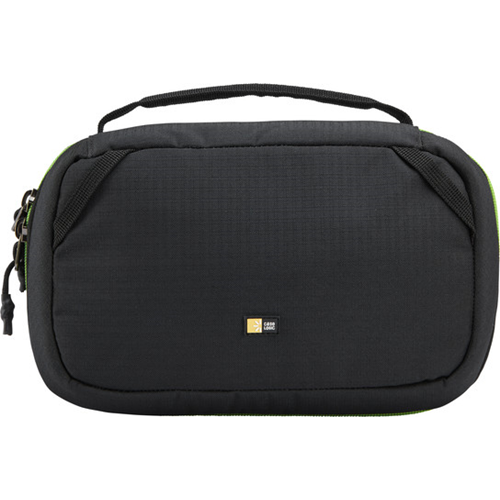
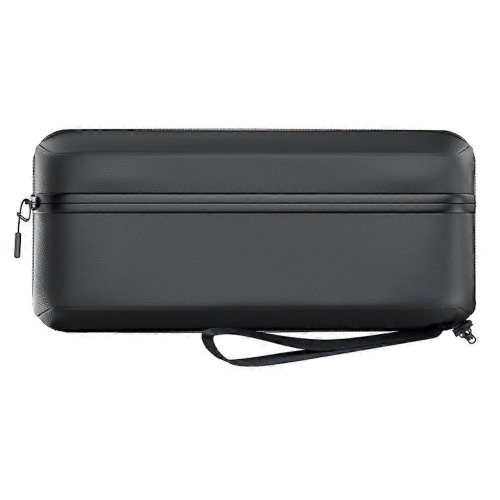
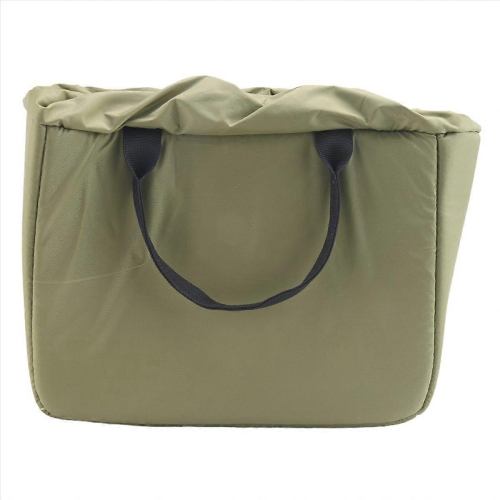
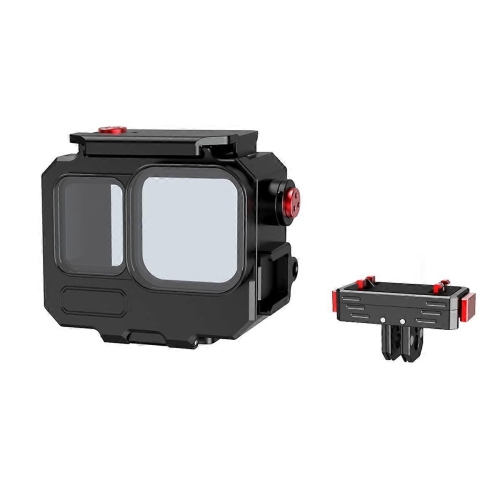
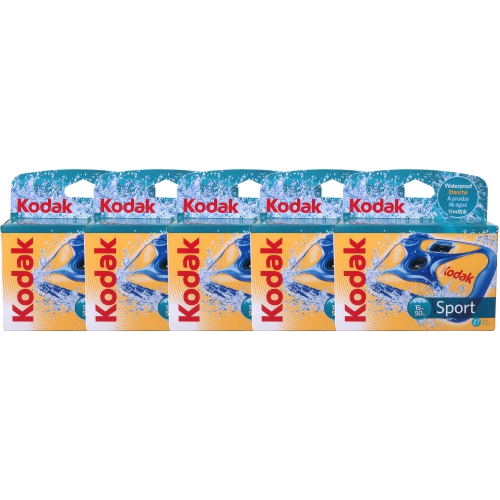
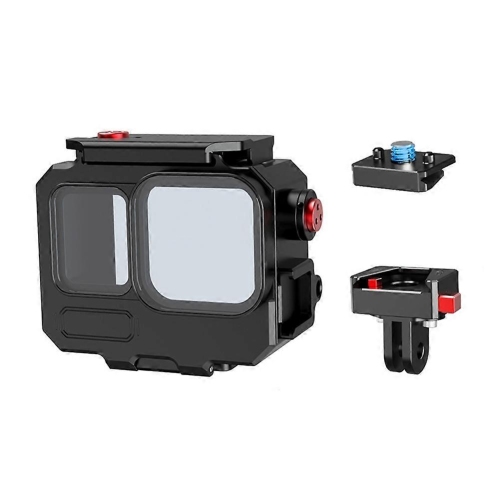
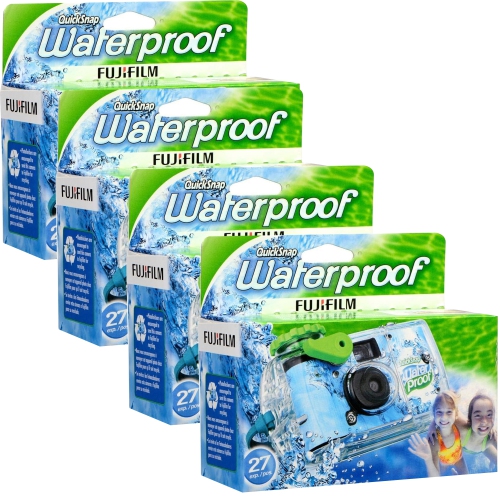
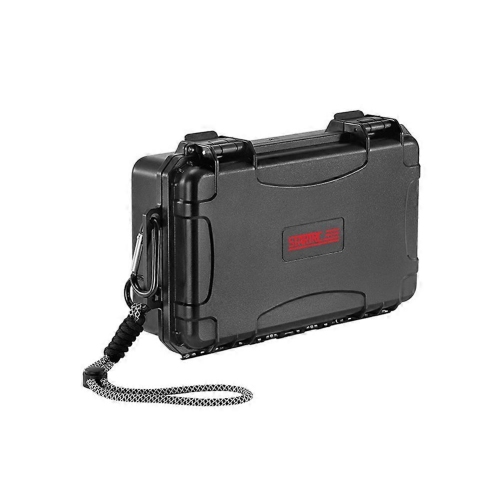
Waterproof case cameras are a practical choice for capturing moments around water without exposing delicate camera equipment to splashes, spray, sand, or accidental drops. In many cases, the camera itself is placed inside a protective housing or pouch designed to create a sealed barrier, allowing you to take photos and videos while swimming, snorkelling, paddling, boating, travelling, or enjoying a day at the beach. A hard-shell housing made from moulded polycarbonate usually offers a secure, form-fitting fit for a compatible action camera, with a clear lens port and buttons that transfer pressure to the camera controls. Many are rated for substantial depths, often around 45 to 60 metres, making them suitable for scuba diving when the rating matches the intended activity. Other options use flexible vinyl or plastic with a roll-top or seal-top closure. These universal pouches can accommodate select smartphones, compact cameras, mirrorless cameras, or other similarly sized devices, although their shallower ratings—often around 5 to 10 metres—are generally better suited to surface swimming, rain, canoeing, and shallow snorkelling. A waterproof housing can also be useful during the cooler months when wet weather, melting snow, and damp conditions create additional hazards for cameras used outdoors. For a simpler all-in-one alternative, browse Compact Waterproof Cameras, which are designed with built-in protection rather than requiring a separate case.
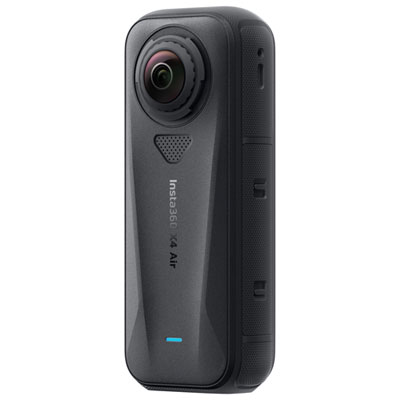
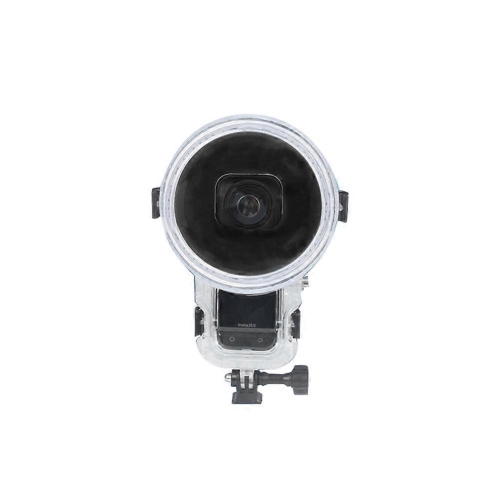
The most important consideration is compatibility. A case should be made for the exact camera model, not merely a similar-looking version, because small differences in lens position, button placement, screen size, and body shape can prevent a proper seal or make essential controls difficult to use. Dedicated housings usually provide the most natural access to shutter buttons, dials, touchscreens, and recording controls, while a universal pouch may require pressing through the material and can make precise adjustments more challenging. Check the maximum depth rating, but treat it as a limit rather than a target; a housing rated for deep diving is not automatically the best option for casual pool use if it is bulky or restricts access to the camera. Consider how you will carry and mount it as well. A 1/4-inch threaded base or cold-shoe mounting point can support a handle, tray, light, or other accessory, helping you keep a steadier grip beneath the surface. A clear, optical-quality glass lens port can preserve image sharpness and resist scratches more effectively than basic plastic, while a wide, unobstructed port helps prevent dark corners or unwanted reflections. Seals and latches deserve close attention: look for a strong gasket, a positive locking mechanism, and a design that keeps the lens opening aligned with the camera. Before entering the water, inspect the seal for grit, hair, sand, or lint, then perform a dry test with an absorbent tissue inside the empty housing. Even a tiny obstruction can allow moisture to enter, and condensation can develop when warm, humid air is trapped inside and the case is moved into cooler water. Anti-fog inserts or silica strips can help manage that temperature shift, particularly when filming for an extended period or moving between a warm boat deck and chilly water. Keep the lens port clean, avoid touching it with sunscreen-covered fingers, and rinse the housing with fresh water after use to remove salt, chlorine, and fine sand. Let it dry fully before opening so droplets do not fall onto the camera.
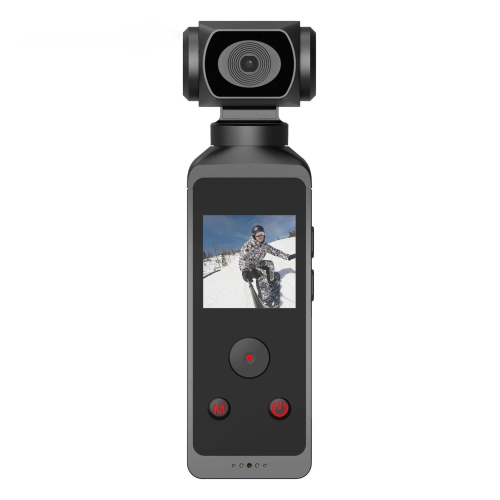
Waterproof case cameras appeal to a wide range of users, from families recording poolside play to travellers documenting waterfalls, coastal walks, lake excursions, and rainy sightseeing days. They can also make a thoughtful gift for an adventurous photographer, a diver, a paddler, a creator who films outdoor activities, or someone preparing for a holiday near the water. An action camera in a hard housing is compact and easy to mount on a helmet, chest strap, paddle, or handle, making it well suited to hands-free footage with a first-person perspective. A larger soft pouch or form-fitting housing may be preferable for a photographer who wants to use a mirrorless or DSLR camera underwater and retain access to manual settings, though these setups can be more expensive, heavier, and more demanding to operate. Think about the images you want to make: quick clips of splashing children may only require dependable splash protection, while underwater portraits, reef footage, or deep dives call for a carefully matched housing, a reliable lens port, and enough room to use the camera comfortably. Visibility also changes beneath the surface, so a built-in or compatible light mount can be valuable in deeper or cloudy water, where colours and detail fade. After every outing, release pressure on the housing only when you are in a clean, dry place, remove the camera according to the manufacturer’s instructions, and store the case with its seal clean and lightly maintained as recommended. Choosing protection based on your camera, depth, controls, mounting needs, and typical conditions helps preserve the equipment and makes it easier to concentrate on the scene itself—from sunlight rippling across a lake to the quiet, blue detail of a submerged landscape.
The most important consideration is compatibility. A case should be made for the exact camera model, not merely a similar-looking version, because small differences in lens position, button placement, screen size, and body shape can prevent a proper seal or make essential controls difficult to use. Dedicated housings usually provide the most natural access to shutter buttons, dials, touchscreens, and recording controls, while a universal pouch may require pressing through the material and can make precise adjustments more challenging. Check the maximum depth rating, but treat it as a limit rather than a target; a housing rated for deep diving is not automatically the best option for casual pool use if it is bulky or restricts access to the camera. Consider how you will carry and mount it as well. A 1/4-inch threaded base or cold-shoe mounting point can support a handle, tray, light, or other accessory, helping you keep a steadier grip beneath the surface. A clear, optical-quality glass lens port can preserve image sharpness and resist scratches more effectively than basic plastic, while a wide, unobstructed port helps prevent dark corners or unwanted reflections. Seals and latches deserve close attention: look for a strong gasket, a positive locking mechanism, and a design that keeps the lens opening aligned with the camera. Before entering the water, inspect the seal for grit, hair, sand, or lint, then perform a dry test with an absorbent tissue inside the empty housing. Even a tiny obstruction can allow moisture to enter, and condensation can develop when warm, humid air is trapped inside and the case is moved into cooler water. Anti-fog inserts or silica strips can help manage that temperature shift, particularly when filming for an extended period or moving between a warm boat deck and chilly water. Keep the lens port clean, avoid touching it with sunscreen-covered fingers, and rinse the housing with fresh water after use to remove salt, chlorine, and fine sand. Let it dry fully before opening so droplets do not fall onto the camera.
Waterproof case cameras appeal to a wide range of users, from families recording poolside play to travellers documenting waterfalls, coastal walks, lake excursions, and rainy sightseeing days. They can also make a thoughtful gift for an adventurous photographer, a diver, a paddler, a creator who films outdoor activities, or someone preparing for a holiday near the water. An action camera in a hard housing is compact and easy to mount on a helmet, chest strap, paddle, or handle, making it well suited to hands-free footage with a first-person perspective. A larger soft pouch or form-fitting housing may be preferable for a photographer who wants to use a mirrorless or DSLR camera underwater and retain access to manual settings, though these setups can be more expensive, heavier, and more demanding to operate. Think about the images you want to make: quick clips of splashing children may only require dependable splash protection, while underwater portraits, reef footage, or deep dives call for a carefully matched housing, a reliable lens port, and enough room to use the camera comfortably. Visibility also changes beneath the surface, so a built-in or compatible light mount can be valuable in deeper or cloudy water, where colours and detail fade. After every outing, release pressure on the housing only when you are in a clean, dry place, remove the camera according to the manufacturer’s instructions, and store the case with its seal clean and lightly maintained as recommended. Choosing protection based on your camera, depth, controls, mounting needs, and typical conditions helps preserve the equipment and makes it easier to concentrate on the scene itself—from sunlight rippling across a lake to the quiet, blue detail of a submerged landscape.
Top selling and popular products
-
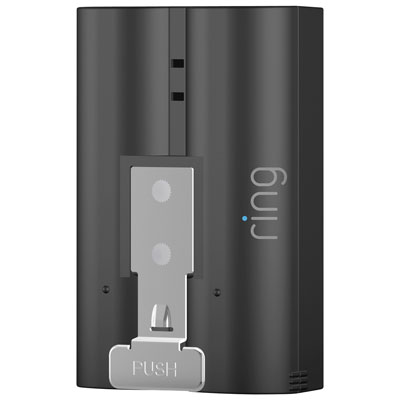 Your price for this item is $49.99
 -
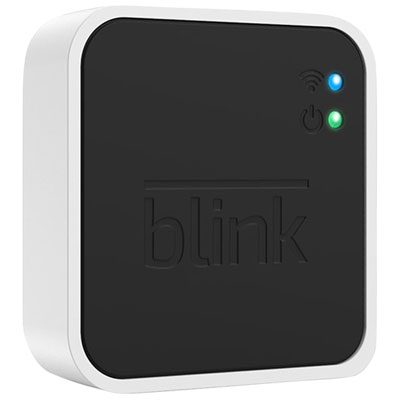 Your price for this item is $49.99
 -
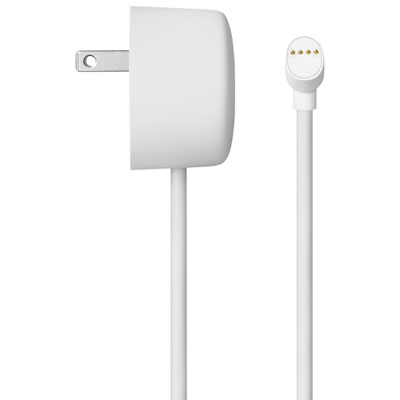 Your price for this item is $49.99
 -
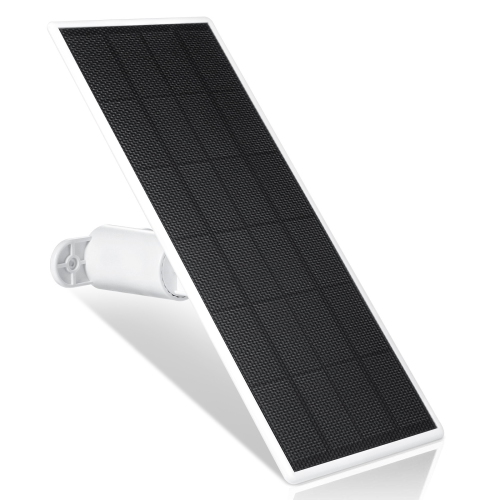 Your price for this item is $69.99
 -
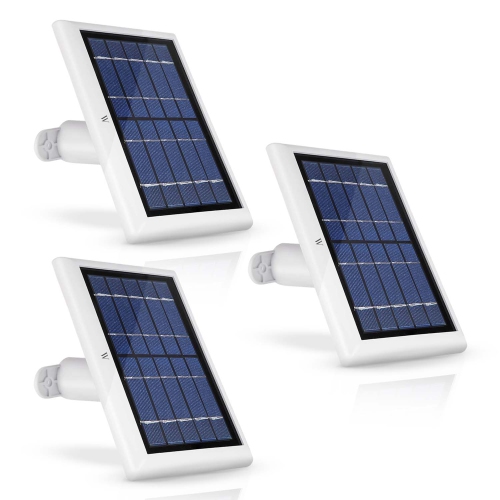 Your price for this item is $119.99
 -
 Your price for this item is $89.99
 -
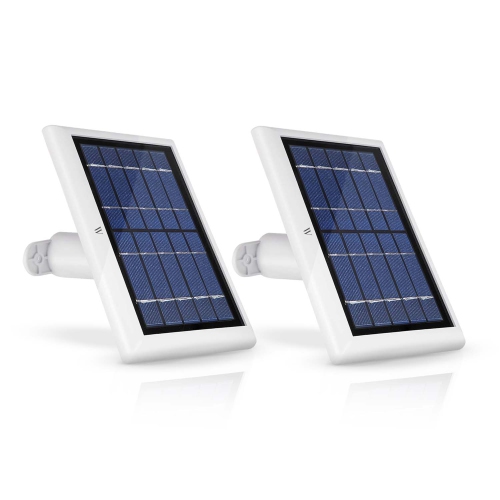 Your price for this item is $89.99
 -
 Your price for this item is $84.99
Discover more categories related to Waterproof Case Cameras
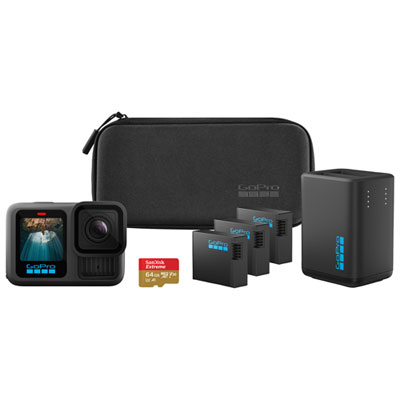
Top Collections:
Pokemon Centers, Best Budget Office Chairs, Kindle Devices, Best Cameras for Sports Photography, Pokémon 30th Celebration Cards, Best Laptops for Writers, Apple iPhones 16, Laptops for Business Work, Canon G7X Cameras, iPhone 15 Apple
Some products may be subject to Environmental Handling Fees
(EHF) depending on your province.
Learn more about EHFs.